









Understanding Electric Log Splitter Basics: Power, Stroke, and Tonnage Explained
Before you can choose the right Log Splitter, it’s essential to understand the three core specifications that determine its performance.
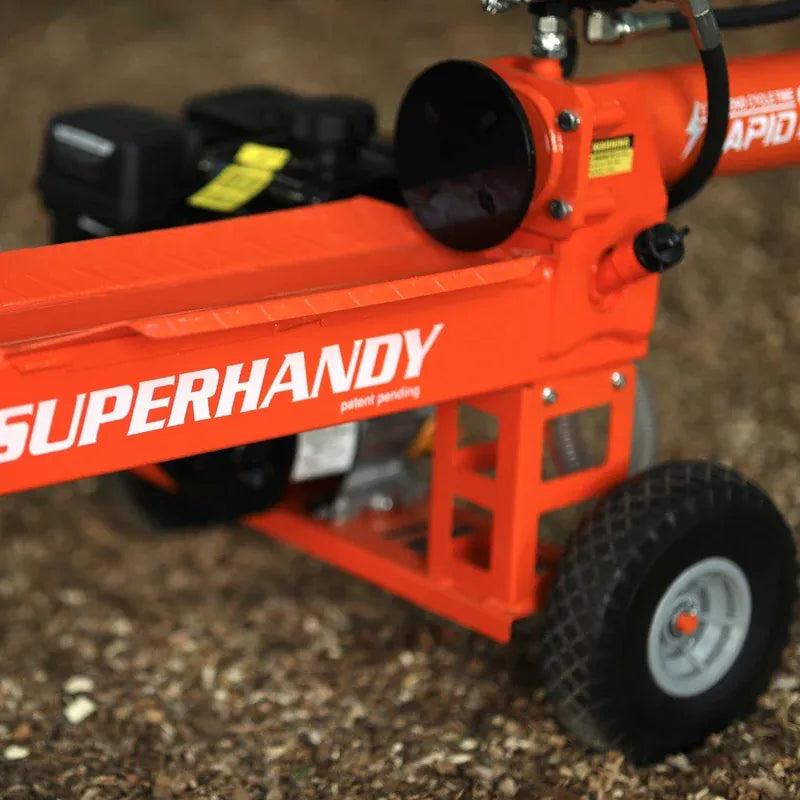
- Power (Motor): The heart of an electric log splitter is its motor, which drives a hydraulic pump to create immense pressure. Most consumer models use a standard 120V outlet and feature a 15-amp motor. Modern designs focus on maximizing this power efficiently. In fact, some older designs suffered from inefficiencies and reduced runtime because the motor unit wasn't optimized to power the hydraulic drive, a problem that newer, integrated systems have worked to solve (US20260151931A1 – Log splitter | Patsnap Eureka). A powerful, efficient motor ensures you can split tougher woods without bogging down.
- Stroke (Cycle Time): This refers to the time it takes for the hydraulic ram (the part that pushes the log) to extend fully and then retract. A shorter cycle time, like 10-15 seconds, means you can split more wood in less time, making your work faster and more efficient.
- Tonnage: This is the amount of force the splitter can exert on a log. For example, a 5-ton splitter applies 10,000 pounds of force. For most beginners splitting common softwoods and smaller hardwoods, a 5 to 7-ton model is more than sufficient.
Key Features to Look for: What Makes an Electric Log Splitter Suitable for Beginners?
Not all electric splitters are created equal, especially for first-time users. Look for features that prioritize safety and convenience.
- Two-Hand Operation: This is a non-negotiable safety feature. It requires you to use one hand to engage the hydraulic lever and the other to press the power button. This design ensures both of your hands are safely away from the splitting wedge and ram during operation.
- Automatic Ram Return: A huge time-saver. After you release the controls, the ram automatically retracts to its starting position, allowing you to quickly load the next log without manually resetting the machine.
- Log Cradles or Trays: These simple additions prevent the two halves of a split log from falling to the ground. This saves you from constantly bending over to pick up wood, reducing strain on your back and speeding up your workflow.
Safety First: Essential Protective Gear and Safe Operating Practices
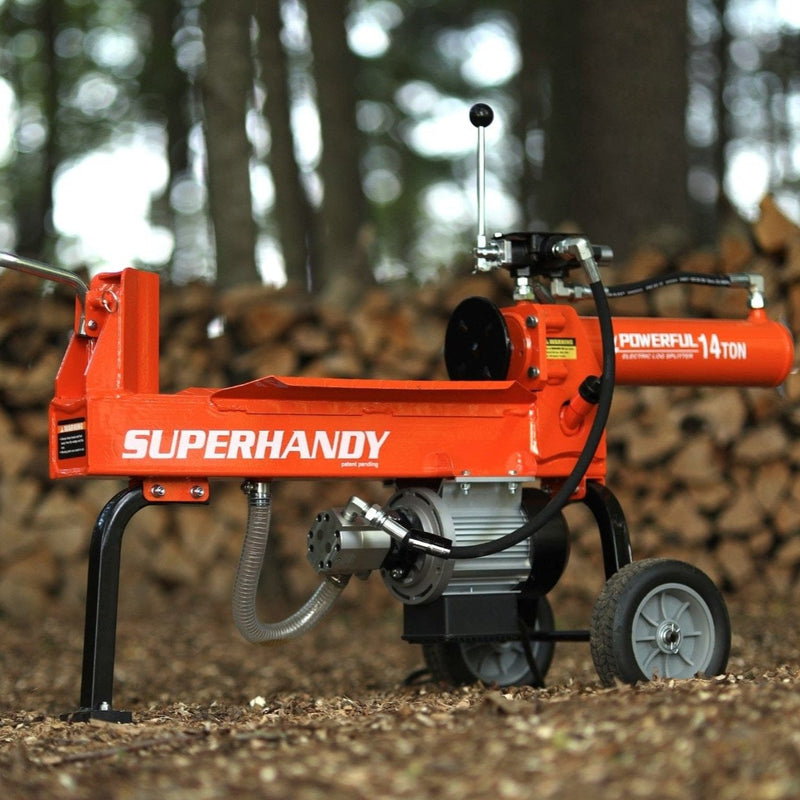
Operating any log splitter requires your full attention and the right safety precautions. Wood can split unpredictably, sending chips flying or dropping heavy pieces.
Essential Protective Gear:
- Safety Glasses or Goggles: Protect your eyes from flying wood chips, bark, and splinters.
- Durable Work Gloves: Improve your grip on logs and protect your hands from splinters and pinching.
- Steel-Toed Boots: Shield your feet from accidentally dropped logs—a common hazard when you’re handling heavy rounds.
Safe Operating Practices:
- Always operate your splitter on a flat, stable, and dry surface.
- Never use an electric splitter in the rain or wet conditions.
- Keep your work area clear of clutter, children, and pets.
- Split one log at a time, and always place it securely on the beam.
- Inspect the log for nails or foreign objects before splitting.
Choosing the Right Electric Log Splitter: Power Source and Portability Considerations
Your final decision will likely come down to where and how you plan to use your splitter.
Power Source: Most electric log splitters are corded, plugging into a standard household outlet. This provides consistent, reliable power for as long as you need it. The only downside is being tethered to an extension cord, which limits your range. For those needing more freedom, battery-powered electric models are emerging, offering incredible portability but with a limited runtime per charge.
Portability: While much lighter than a Gas Log Splitter, electric splitters can still weigh around 100 pounds. Look for models with durable wheels and a comfortable, well-placed handle. This makes it easy to roll the machine from your garage or shed to your woodpile without straining yourself. Consider its storage footprint as well—many are designed to be stored vertically to save space.
Deciphering Tonnage: How Much Splitting Power Do You Actually Need?
When you see a Log Splitter advertised with a specific "tonnage," it's referring to the amount of force the machine can exert. For first-time users, this number can be confusing, but it’s simpler than it sounds. Most residential electric log splitters range from 5 to 10 tons. Is that enough? For the vast majority of beginners, absolutely.
Here’s a simple guide:
- Softwoods & Seasoned Hardwoods (up to 12 inches in diameter): For splitting common firewood like pine, fir, or well-seasoned birch and oak, a 5- to 7-ton electric log splitter is typically more than sufficient. It provides ample power without the higher cost and energy consumption of larger models.
- Green or Knotty Hardwoods: If you plan on splitting freshly cut (green) oak, maple, or hickory, or wood with many knots, you’ll need more force. The high moisture content in green wood makes it tougher to split. In these cases, you might look toward the higher end of the electric range (8-10 tons).
As a beginner, you are likely working with smaller, seasoned logs for a home fireplace or wood stove. Starting with a 5- to 7-ton model is a practical and economical choice that will handle most typical firewood tasks with ease.
Log Size Matters: Understanding Maximum Log Diameter and Length Capacity
Beyond tonnage, the two most important specifications to check are the maximum log diameter and length your electric log splitter can handle. These specs define the physical "window" you can work within.
- Maximum Log Length: This is the distance from the splitting wedge to the ram plate when it’s fully retracted. Most electric models accommodate logs up to 20 inches long, which is a standard size for firewood. Before buying, measure the length of the wood you typically cut or the size of your fireplace firebox.
- Maximum Log Diameter: This indicates the thickest log the splitter is designed for. A typical capacity for an electric model is around 10 to 12 inches.
While you might be able to force a slightly larger log onto the machine, it’s not recommended. An oversized log can prevent the ram from completing its stroke, leading to an incomplete split and putting unnecessary strain on the motor and hydraulic system. Always work within the manufacturer's specified limits for safety and machine longevity.

Electric Log Splitter vs. Gas Log Splitter: Which is Right for Your First Harvest?
The choice between an electric and a gas-powered model is a critical one for a first-time harvester. While both split wood, they are suited for very different environments and workloads.
Electric Log Splitter: An Electric Log Splitter is the ideal entry point for most beginners.
- Pros: Quiet operation, no exhaust fumes (can be used in a garage or shed), lighter weight, and significantly less maintenance. They are perfect for residential use where you have access to a standard power outlet.
- Cons: Tethered to an outlet (limiting portability) and generally less powerful than gas models, making them less suitable for very large-diameter or tough, green hardwood.
Gas Log Splitter: A Gas Log Splitter is a heavy-duty workhorse.
- Pros: Immense power (often 20 tons or more), complete portability (can be used in the field where trees are felled), and faster cycle times.
- Cons: Very loud, produces exhaust fumes, requires regular engine maintenance (oil changes, spark plugs), and is much heavier.
Verdict for Beginners: For your first harvest, an electric log splitter is almost always the right choice. It’s more user-friendly, safer for enclosed spaces, and powerful enough for the firewood needs of a typical household.
Setting Up Your Electric Log Splitter: A Step-by-Step Guide
Your new electric log splitter has arrived! Proper setup is key to safe and efficient operation. While you should always read the owner's manual first, here is a general guide to getting started.
- Unbox and Inspect: Carefully open the packaging and lay out all the parts. Check the parts list in your manual to ensure everything is present and undamaged from shipping.
- Assemble Wheels and Handles: Most models require minimal assembly. This usually involves attaching the wheels and support legs or handles. This will make the machine much easier to move around.
- Check Hydraulic Fluid: Your splitter comes pre-filled with hydraulic fluid, but it's crucial to check the level before the first use. Locate the dipstick or oil plug as shown in your manual and ensure the fluid is at the recommended level.
- Find a Stable, Level Surface: Never operate your log splitter on a slope or uneven ground. A flat, stable surface—like a concrete patio or level spot in your yard—is essential for preventing the machine from tipping over during operation.
- Position for Workflow: Think about your process. Place the splitter so you have easy access to your log pile and a clear area where the split pieces can fall.
- Plug It In: Use a heavy-duty, properly-rated extension cord if necessary, and plug it into a grounded outlet. Ensure the bleed valve is opened (as per your manual's instructions) to allow air to escape the hydraulic system.
Once these steps are complete, you're ready to perform your first split. Always start with a smaller, straight-grained log to get a feel for the machine's operation.
Mastering the Split: Techniques for Efficient and Safe Log Splitting
Once your electric log splitter is set up, you can begin processing firewood. But splitting wood isn't just about brute force; technique plays a huge role in your efficiency and safety. Follow these tips to master the process.
- Position the Log Correctly: Always place the log securely on the splitter's beam. Both ends of the log should be cut as flat as possible. Place one flat end flush against the stationary wedge and the other against the pushing ram. Never try to split a log at an angle, as it can be ejected from the machine with dangerous force.
- Read the Grain: Inspect each log before placing it on the splitter. If you see any existing cracks (called "checks"), align the log so the wedge will follow that natural weak point. This requires less force from the machine and results in a cleaner, easier split.
- Work with Gravity: Create a logical workflow. Pile your unsplit rounds on one side of the log splitter. As you split the pieces, have them fall or be placed into a wheelbarrow or a designated pile on the other side. This minimizes unnecessary bending, lifting, and walking, saving you time and energy.
- Handle Knotty Wood Last: Logs with large knots or twisted grain are the most difficult to split. They can stall the machine or split unpredictably. Set these challenging pieces aside and try them last. If your splitter struggles, don't force it. It may be safer to use these rounds for outdoor fire pits or set them aside for a more powerful machine.

Maintaining Your Electric Log Splitter: Keeping it in Top Condition for Years
An electric log splitter is a low-maintenance tool, but a little care goes a long way in ensuring its longevity and reliable performance. Incorporate these simple checks into your routine.
Before Every Use:
- Inspect the Power Cord: Check the entire length of the power cord and any extension cord for frays, cuts, or damage.
- Check Hydraulic Fluid: Most models have a dipstick or sight glass. Ensure the hydraulic fluid is at the recommended level. Low fluid is the most common cause of poor performance.
- Tighten Hardware: Give the machine a quick look-over to ensure all nuts, bolts, and fittings are secure. Vibrations during operation can sometimes loosen them.
After Every Use:
- Clean the Machine: Use a stiff brush or compressed air to remove wood chips, bark, and sawdust from the beam, ram, and wedge area. A buildup of debris can interfere with operation and trap moisture, leading to rust.
- Wipe It Down: Wipe the main components with a dry cloth to remove any moisture or sap.
Periodic Maintenance:
- Sharpen the Wedge: A dull wedge crushes wood instead of splitting it, putting unnecessary strain on the motor and hydraulic system. After several cords of wood, check the wedge's sharpness. If it's rounded or nicked, sharpen it with a flat-file, maintaining its original angle.
- Change Hydraulic Fluid: Your owner's manual will specify the interval for changing the hydraulic fluid (e.g., after every 150 hours of use). Draining the old fluid and refilling with new, clean fluid is critical for the health of the hydraulic pump.
- Store Properly: When not in use, store your Electric Log Splitter in a dry, covered location like a garage or shed to protect it from rain, snow, and sun.
Troubleshooting Common Electric Log Splitter Issues: What to Do When Things Go Wrong
Even the most reliable tool can have an off day. If your electric log splitter isn't behaving as expected, run through these common troubleshooting steps before calling for service.
-
Issue: The splitter won’t start.
- Solution: Start with the simplest fix: the power source. Is the machine plugged in correctly? Is the outlet working (test it with another device)? Check your home's circuit breaker. If you're using an extension cord, ensure it's a heavy-duty gauge rated for the splitter's amperage and is as short as possible.
-
Issue: The ram moves slowly, is jerky, or won't split wood.
- Solution: This is almost always a hydraulic issue. First, check the hydraulic fluid level and top it off if it's low. Second, you may have air in the hydraulic system. Bleed the system by opening the bleed screw (per your manual's instructions) and cycling the ram back and forth several times to purge the air. Finally, a dull wedge can also make the machine seem weak.
-
Issue: The log splitter is making a loud whining or grinding noise.
- Solution: Stop the machine immediately. A loud whine often indicates the hydraulic pump is struggling due to very low fluid. A grinding noise could signal a more serious internal problem. Check the fluid, and if the level is fine, do not continue to run the machine.
Maximizing Your Firewood Harvest: Tips for Beginners
Operating the log splitter is only one part of the equation. To get the most out of your efforts and build a great woodpile, keep these tips in mind.
- Split When Green: If possible, split your logs shortly after the tree is felled. Green wood is saturated with moisture and splits much more easily than dry, seasoned wood, which can be hard and tough.
- Stack for Airflow: Don't just throw your split wood in a heap. For firewood to season (dry out) properly, it needs airflow. Stack the wood off the ground on pallets or 2x4s. Leave space between rows for air to circulate. A well-ventilated stack will be ready to burn much faster.
- Aim for Consistent Sizing: Try to split your logs into a relatively uniform size. This not only makes stacking neater and more stable but also helps you manage your fire more effectively, as consistently sized pieces will burn at a similar rate.
- Split, Move, and Stack: To create an efficient system, split a small batch of wood, then move it to your storage rack and stack it. Processing your entire pile before stacking leaves you with a daunting mountain of wood to move later. Working in batches makes the entire process feel more manageable.
Frequently Asked Questions about Electric Log Splitters
Navigating the world of firewood processing for the first time can bring up a lot of questions. An electric log splitter is a fantastic tool for beginners, but it's natural to want to know more before you commit. Here are answers to some of the most common questions we hear from first-time firewood harvesters.
Can an electric log splitter handle tough, seasoned hardwood?
Yes, absolutely. While gas-powered models are known for their raw power, a capable electric log splitter can make quick work of hardwoods like oak, maple, and hickory. The key is to match the machine's power—measured in tonnage—to the wood you'll be splitting. For most residential needs, an electric model with 5 to 10 tons of force is more than sufficient for splitting seasoned hardwood logs of a reasonable diameter. Green, unseasoned wood is always tougher to split than dry wood, so allowing your logs to season first will make the job easier for any splitter.
What kind of maintenance is involved with an electric log splitter?
This is one of the best features for beginners: maintenance is minimal. Unlike gas engines that require oil changes, spark plug replacements, and fuel stabilizers, an Electric Log Splitter is much simpler to care for. Your primary tasks will be:
- Checking Hydraulic Fluid: Periodically check the hydraulic fluid level and top it off or change it according to the manufacturer's schedule.
- Keeping it Clean: After use, wipe down the machine to remove wood chips, dirt, and sap. This prevents buildup and corrosion.
- Inspecting the Wedge: Occasionally check the splitting wedge to ensure it remains sharp and free of nicks for clean, efficient splitting.
Can I use an extension cord with my electric log splitter?
Yes, but you must use the correct type. Using a standard, light-duty indoor extension cord is a common mistake that can lead to poor performance and even damage the splitter's motor. The cord you use must be:
- Heavy-Duty: Choose a 12-gauge or 10-gauge cord. The lower the gauge number, the thicker the wire and the more power it can safely deliver.
- Outdoor-Rated: Ensure it's designed to withstand outdoor conditions.
- As Short As Possible: Use the shortest cord that will safely reach your work area. The longer the cord, the more power is lost along its length (an effect called "voltage drop"). Always check your owner's manual for specific recommendations on cord length and gauge.
Is it safe to operate an electric log splitter in damp conditions?
No. This is a critical safety rule that cannot be ignored. Electricity and water are a dangerous combination. Never operate an electric log splitter in the rain, on wet ground, or with wet hands or clothing. Doing so creates a severe risk of electric shock. Always set up and operate your splitter in a dry, clear, and level area. If the weather is unpredictable, work under a covered shelter like an open garage, shed, or carport to stay protected.

What size logs can a typical electric splitter handle?
This depends entirely on the specific model's design. Most residential electric log splitters are built to handle logs up to 20 inches in length and around 10 to 12 inches in diameter. It is essential to read the specifications for any Log Splitter you are considering. Attempting to force a log that is too long or wide into the machine can stall the motor, damage the hydraulic system, or create an unsafe operating situation. Always measure your rounds before splitting to ensure they are within your machine's capacity.
When should I consider a gas log splitter instead of an electric one?
An electric log splitter is the ideal choice for the vast majority of homeowners. They're perfect for preparing a few cords of wood each year for a fireplace or wood stove without the noise, fumes, or complex maintenance of a gas engine. However, you might consider a Gas Log Splitter if your situation involves one of the following:
- No Power Source: You need to split wood in a remote location far from an electrical outlet.
- Extreme Volume: You plan to process a very large amount of wood (e.g., 10+ cords per season).
- Maximum Power: You consistently work with exceptionally large (20+ inch diameter), knotty, and difficult hardwoods that require the highest tonnage available.
Related Products


Leave a comment
All comments are moderated before being published.
This site is protected by hCaptcha and the hCaptcha Privacy Policy and Terms of Service apply.