










Understanding Your Wood Chipper's Branch Diameter Limits
Every wood chipper is designed with a specific maximum branch diameter capacity. This isn't a suggestion; it's a critical safety and operational limit set by the manufacturer. Pushing your machine beyond this rating can lead to serious damage or injury.
You can find this crucial piece of information in two primary places:
- The User Manual: Your chipper's manual is the definitive source for all specifications, including the maximum chipping capacity.
- On the Machine Itself: Most manufacturers place a prominent sticker or plate near the infeed hopper that clearly states the maximum branch diameter.
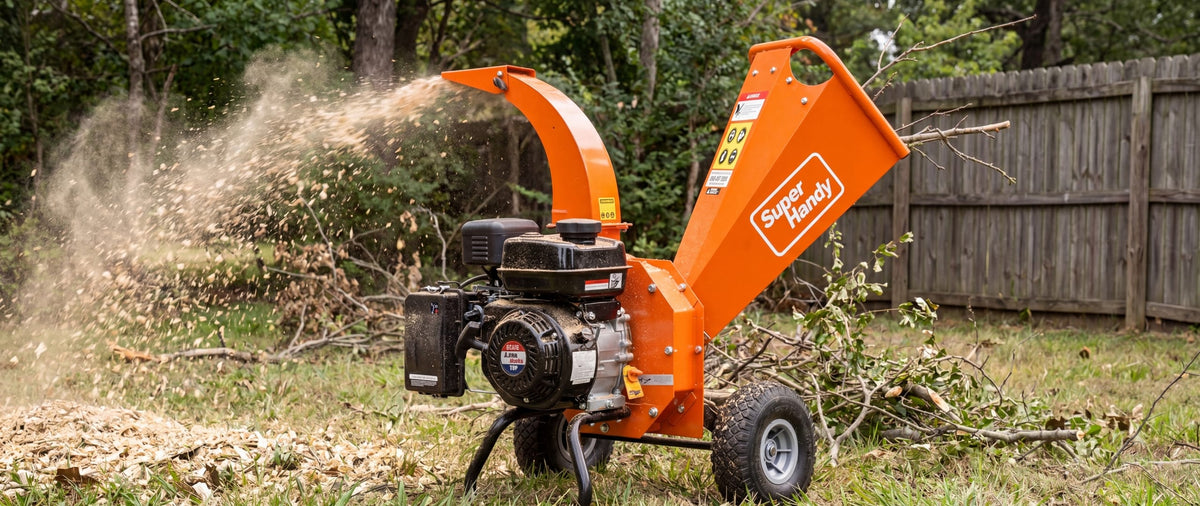
Capacities vary widely between models. For example, a compact gas powered wood chipper might be perfect for yard cleanup with a 3-inch capacity, while a more robust heavy-duty model could be rated for branches up to 4 inches. Always know your number before you start the engine.
Why Branch Diameter Matters for Chipper Safety and Performance
Respecting your chipper's diameter limit is paramount for two reasons: safety and performance.
Safety: Forcing an oversized branch into the hopper is extremely dangerous. The machine can violently kick the branch back out toward you, causing serious injury. In a worst-case scenario, the branch can jam the cutting mechanism, causing the engine to stall abruptly or even damaging the flywheel, sending debris flying.
Performance: Even if you avoid injury, feeding branches that are too large puts immense strain on your equipment. It can lead to:
- Frequent Jams: The chipper will struggle to pull in and process the wood, leading to clogs that require you to stop and safely clear the machine.
- Engine Strain: The engine will bog down, laboring to produce enough torque to chip the wood, which can cause it to stall or overheat.
- Dull or Damaged Blades: Forcing thick wood dulls blades prematurely and increases the risk of chipping or breaking them.
- Reduced Lifespan: Consistently overloading your chipper will cause excessive wear and tear on the engine, belts, and bearings, shortening its overall service life.

How to Measure Branch Diameter Accurately
Don't just eyeball it. A branch that looks like it might fit can easily be oversized, especially if it's not perfectly round. A little preparation saves a lot of trouble.
The most reliable method is to use a tape measure or ruler to check the widest point of the branch. For even faster sorting, create a simple "go/no-go" gauge. Take a piece of scrap plywood or sturdy cardboard and cut a circle or square hole that is the exact size of your chipper's maximum capacity (e.g., a 3-inch circle for a 3-inch capacity chipper). As you sort your brush pile, you can quickly pass branches through the hole. If a branch doesn't fit easily, it's too big and should be set aside.
Feeding Small Branches (Under 2 Inches): Techniques for Efficient Chipping
Branches under 2 inches in diameter are the easiest for any gas powered wood chipper to handle. They require less engine power and are processed quickly. To maximize your efficiency when dealing with a large pile of smaller limbs, twigs, and offshoots, follow these techniques:
- Bundle and Feed: Instead of feeding one small twig at a time, you can gather a small, manageable bundle and feed them in together. This speeds up the process significantly.
- Don't Overstuff: While bundling is efficient, avoid creating a bundle so large that it jams the hopper opening. The goal is a steady flow of material, not a single massive clog.
- Feed Butt-End First: Always introduce branches thick-end first. This allows the chipper's feed roller or cutting blades to get a solid grip and pull the material in smoothly and consistently.
These smaller branches are easily handled by most gas powered wood chippers, and processing them correctly sets a good rhythm for your entire cleanup job. If your model includes a separate shredder chute, it may be even better suited for processing very small, leafy material.
Handling Medium Branches (2-4 Inches): Best Practices for Smooth Operation
This range is where a quality gas powered wood chipper truly shines. These branches have enough weight to self-feed effectively but are still well within the machine's comfortable operating limits. To ensure a smooth process, follow these best practices:
- Feed Butt-End First: Always introduce the thickest end of the branch into the hopper first. This allows the chipper blades to get a solid bite and pull the rest of the material through evenly.
- Let the Machine Work: Once the chipper grabs the branch, release your grip and let it self-feed. Stand to the side of the infeed chute, never directly in front of it, and keep your hands clear. Forcing or pushing the branch can overload the engine.
- Listen to the Engine: Your chipper's engine is your best guide. If you hear it start to strain or bog down, simply pause for a few seconds. Let the engine speed return to normal before continuing to feed material.
- One at a Time: Avoid the temptation to stuff multiple medium-sized branches into the hopper at once. Feeding them individually gives the machine time to process each one completely, preventing jams and ensuring consistent chip size.
Tackling Larger Branches (4-6 Inches): Advanced Feeding Strategies
Processing branches at the upper end of your chipper's capacity requires more attention and a deliberate approach. These larger limbs put the maximum load on the engine and cutting mechanism.
First and foremost, confirm your wood chipper is rated for this diameter. Pushing a machine beyond its stated limits is a recipe for damage and a major safety risk. When feeding these large branches, control is key. Guide the branch into the hopper slowly, allowing the blades to engage without being overwhelmed. The engine will work hard, so be prepared to pause feeding frequently to allow the flywheel to regain momentum.
Green, freshly-cut wood is often easier to chip at this size than old, hardened wood. The moisture in green wood acts as a lubricant and the fibers are less dense. If a large branch is particularly hard or dry, it may behave like a piece of material that exceeds the chipper's capacity. Pay close attention and don't force it if the machine is struggling excessively.
What to Do with Branches Exceeding Your Chipper's Capacity
The most important rule of chipping is to know your machine's limits and respect them. Never attempt to force a branch that is larger than the maximum diameter specified by the manufacturer. Doing so can lead to several dangerous outcomes:
- Severe Jams: The branch can become wedged in the infeed chute or against the flywheel, stalling the machine.
- Engine Damage: Overloading the engine can cause it to stall abruptly, potentially damaging internal components.
- Blade and Flywheel Damage: The immense force can chip, crack, or break the cutting blades and even damage the flywheel itself.
- Violent Kickback: The machine may violently eject the oversized branch back out of the hopper, posing a serious risk of injury.
If you have branches that are too large for your wood chipper, you have a few safe alternatives. You can cut them into firewood, take them to a local green waste disposal site, or consider renting a larger, commercial-grade chipper for the day to handle the biggest jobs.
Identifying and Preparing Branches for Safe Chipping (Knots, Twists, and Debris)
Proper preparation is just as important as proper feeding technique. Taking a few extra minutes to inspect and prepare your brush pile will save you time and prevent hazards down the line.
- Clean Your Material: Branches are often covered in dirt, mud, or small rocks, especially if they've been on the ground for a while. This grit is highly abrasive and will dull your chipper blades with surprising speed. Knock off any visible dirt and debris before chipping.
- Trim Awkward Side Branches: Prune off any large, V-shaped forks or side branches that stick out at awkward angles. Feed the straightest possible pieces into the hopper to prevent them from catching on the sides and causing a jam.
- Inspect for Knots and Twists: Large, dense knots or severely twisted sections of a branch can be much harder than the surrounding wood. While most chippers can handle them, they can cause the engine to bog down. For particularly large or dense knots near the maximum capacity, it may be wise to cut that section off.
- Check for Foreign Objects: Always give branches a quick visual scan for embedded nails, wire, fencing, or other metal objects. Feeding metal into a wood chipper is extremely dangerous; it will destroy the blades and can send sharp shrapnel flying.
Related Products

Leave a comment
All comments are moderated before being published.
This site is protected by hCaptcha and the hCaptcha Privacy Policy and Terms of Service apply.