









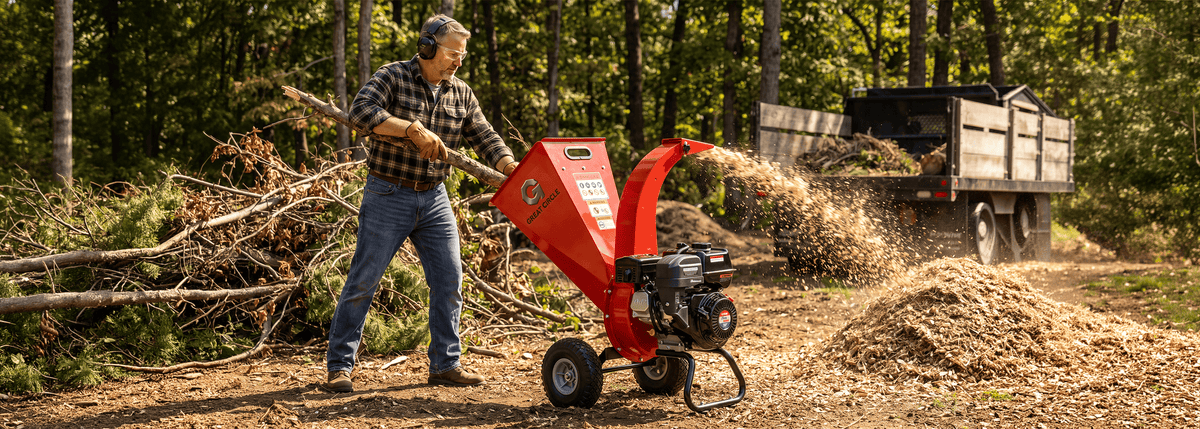
Why Clearing Storm Debris is Crucial for Emergency Access
After a storm, your first priority is safety. Fallen branches and tree debris can create dangerous obstacles that impede critical access. A driveway blocked by a large limb prevents you from leaving for supplies or evacuating if necessary. More importantly, it can stop emergency vehicles like ambulances, fire trucks, or police cars from reaching your home in a time of need.
Clearing these pathways isn't just about tidiness; it's a vital step in post-storm recovery. Swiftly removing large debris ensures that you, your family, and first responders have unhindered access to your property. The challenge lies in doing this efficiently, as manually cutting, stacking, and hauling large volumes of branches is a slow, labor-intensive process.
Understanding the Challenge: Large, Scattered Branches After a Storm
Storms don't just scatter small twigs; they unleash forces that can devastate mature trees. High winds and the weight of ice or heavy rain can cause immense stress, leading weakly attached branches to break away and tear trees apart. The result is a yard littered with debris of all sizes, from manageable sticks to formidable limbs that are impossible to move by hand.
The scene can be daunting. According to forestry experts, post-storm assessments often reveal large branches that are broken and remain hanging overhead, a split trunk, or a tree that is leaning or has been completely uprooted. These "hangers" or "widow-makers" are particularly dangerous. The sheer volume of wood can feel like an insurmountable cleanup project, blocking access points and creating trip hazards across your entire property.

Introducing the Compact Wood Chipper: Your Solution for Efficient Debris Management
This is where a compact Wood Chipper transforms a multi-day ordeal into a manageable task. Instead of wrestling with heavy branches, cutting them into small pieces with a chainsaw, and stacking them for eventual removal, a wood chipper offers a powerful, all-in-one solution.
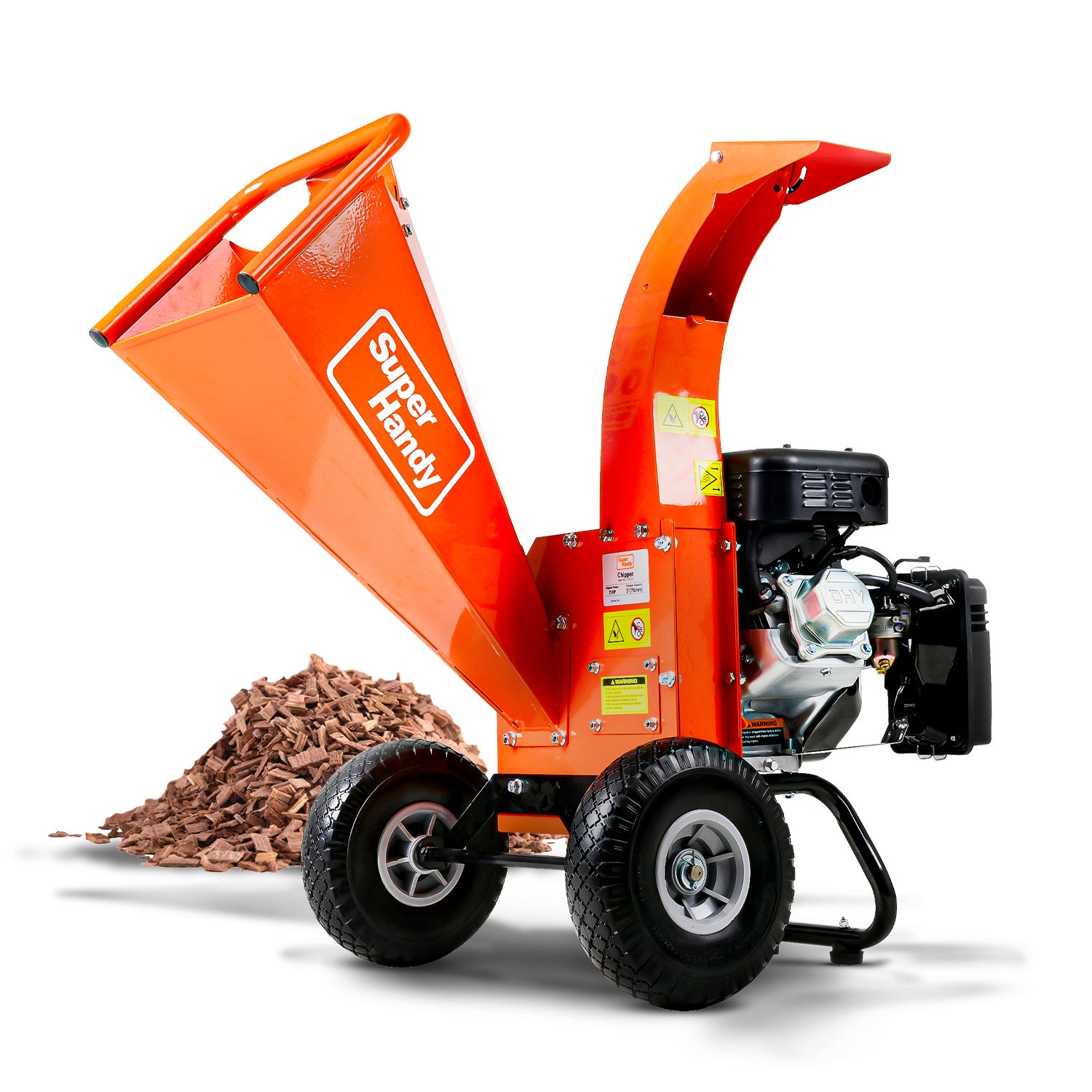
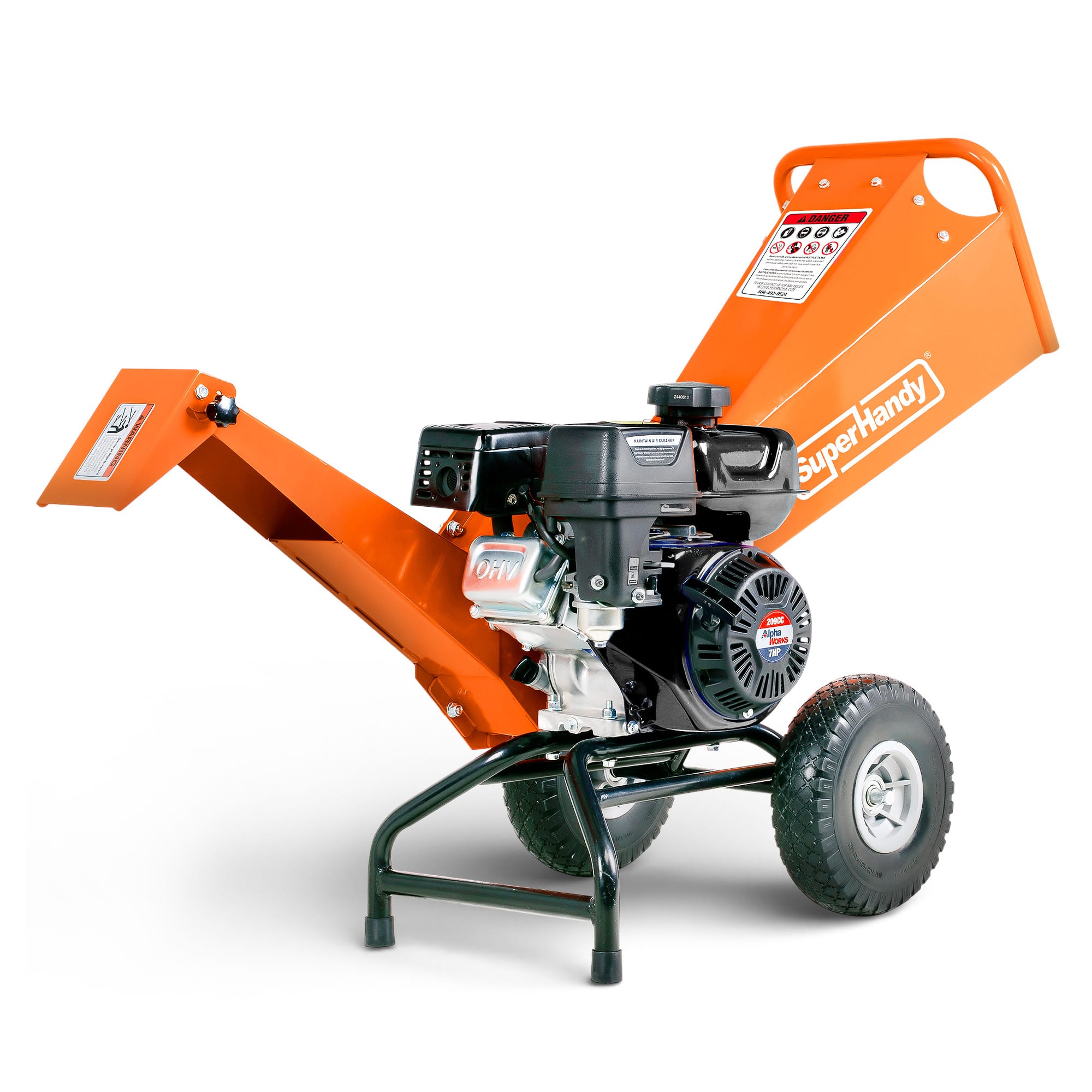
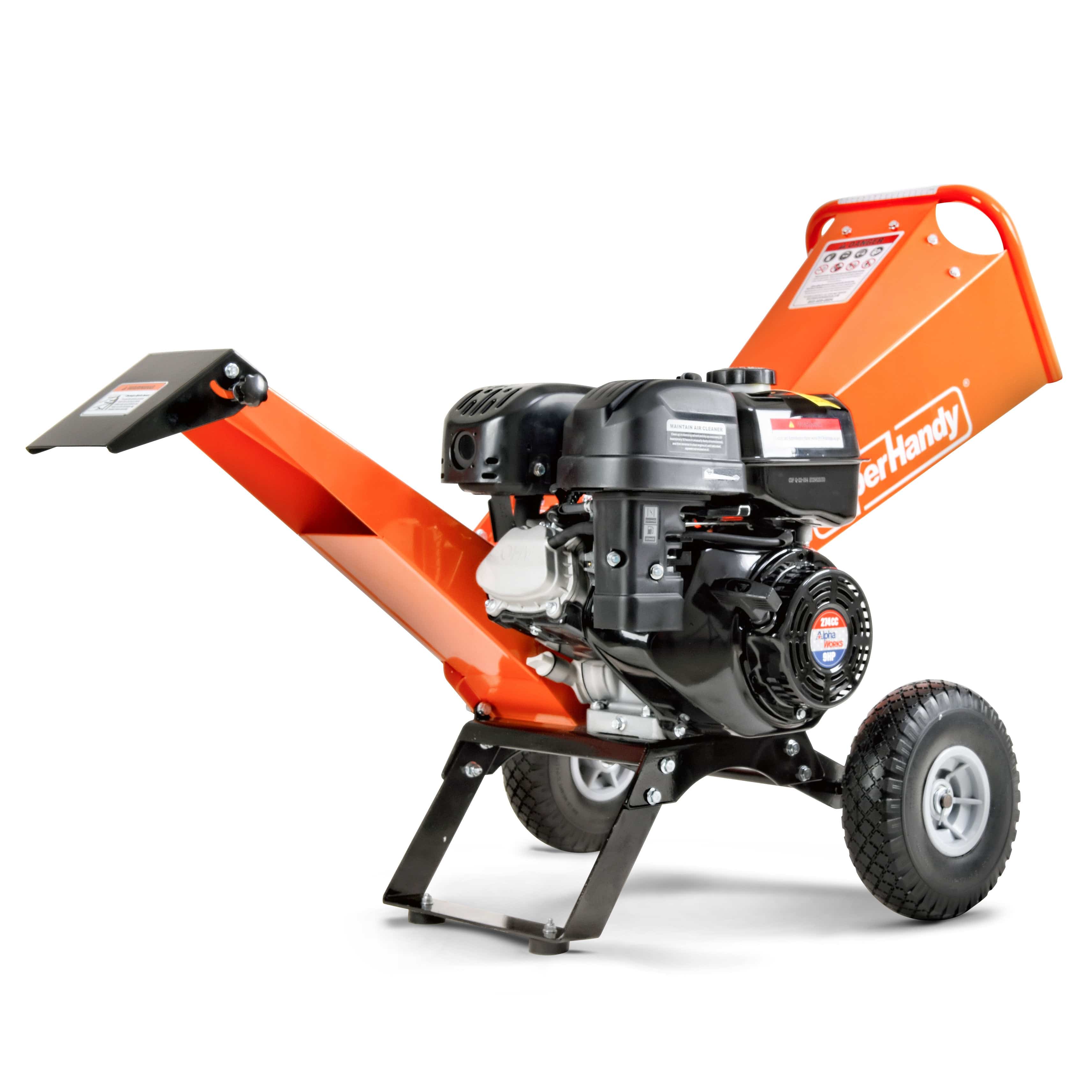
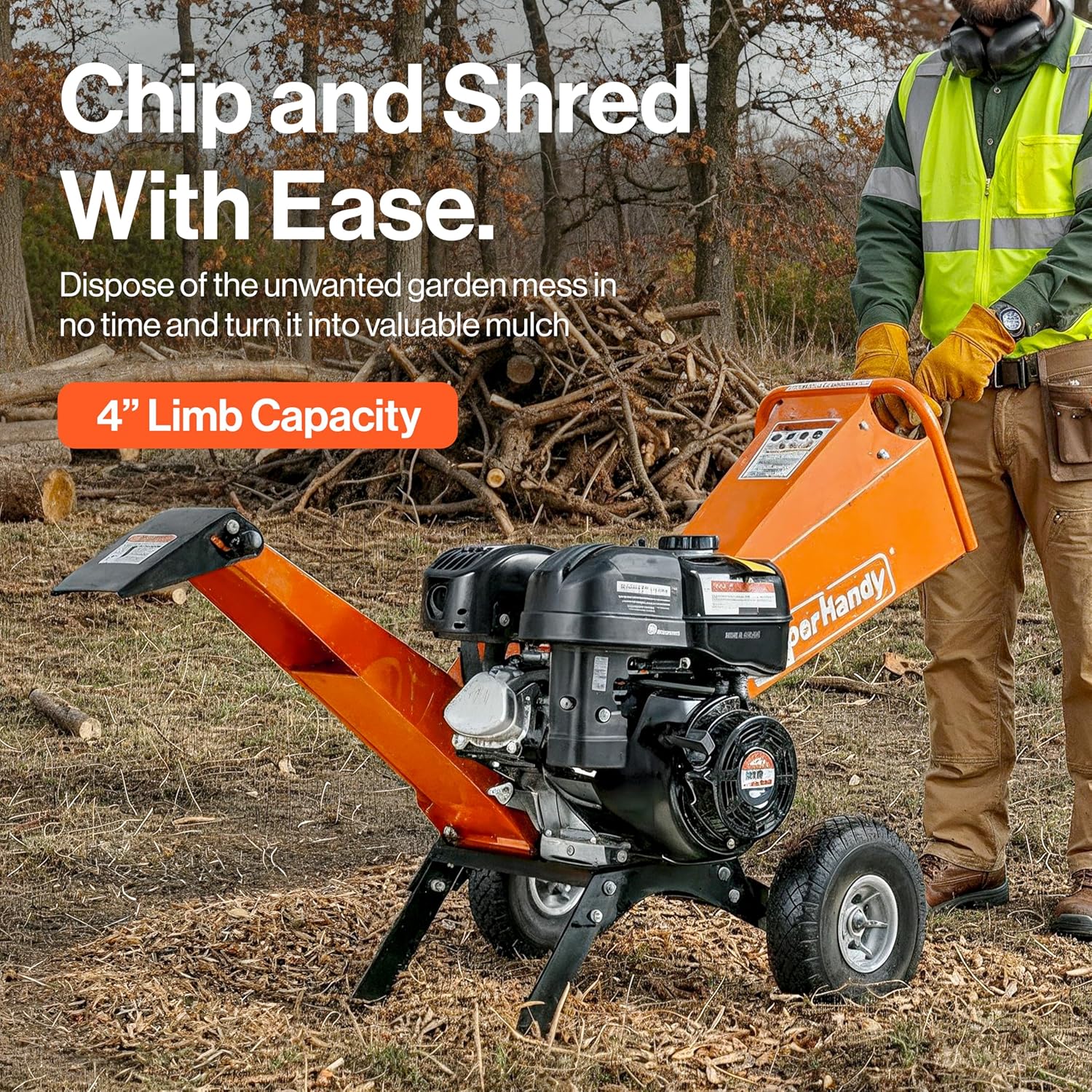
A compact, portable Wood Chipper is designed for exactly these situations. It's maneuverable enough to be positioned right next to the debris pile, minimizing the need to drag heavy branches across your yard. By feeding the branches directly into the machine, you can rapidly reduce a massive pile of wood into a small, neat mound of wood chips, clearing critical pathways in a fraction of the time it would take manually.
How a Compact Chipper Handles Storm-Fallen Branches: The Mechanics of Size Reduction
The magic of a wood chipper lies in its simple yet powerful mechanical process: size reduction. Here’s how it tames storm debris:
- Intake: You feed a branch into the large, funnel-shaped opening called the hopper. This design helps guide the branch safely toward the cutting mechanism.
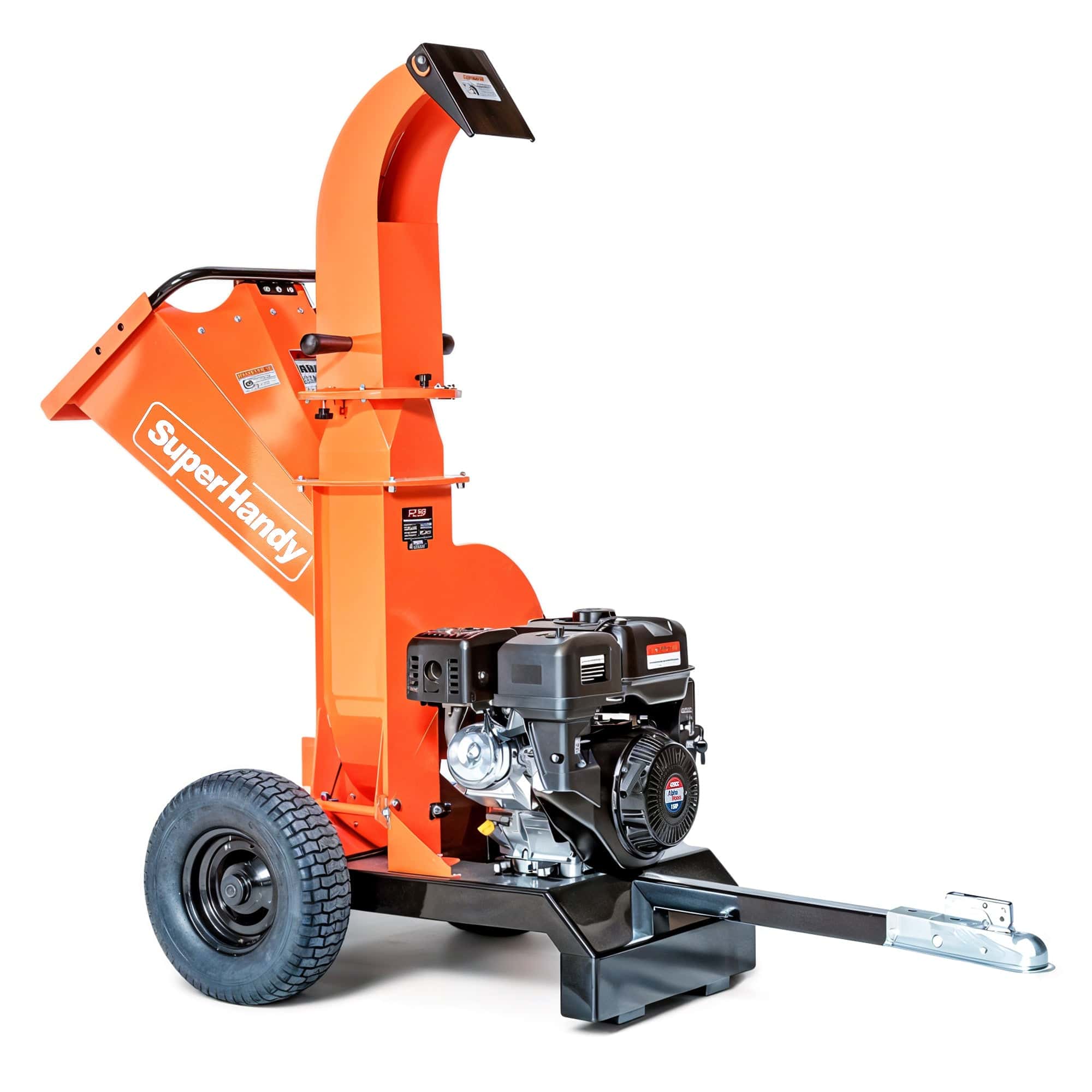
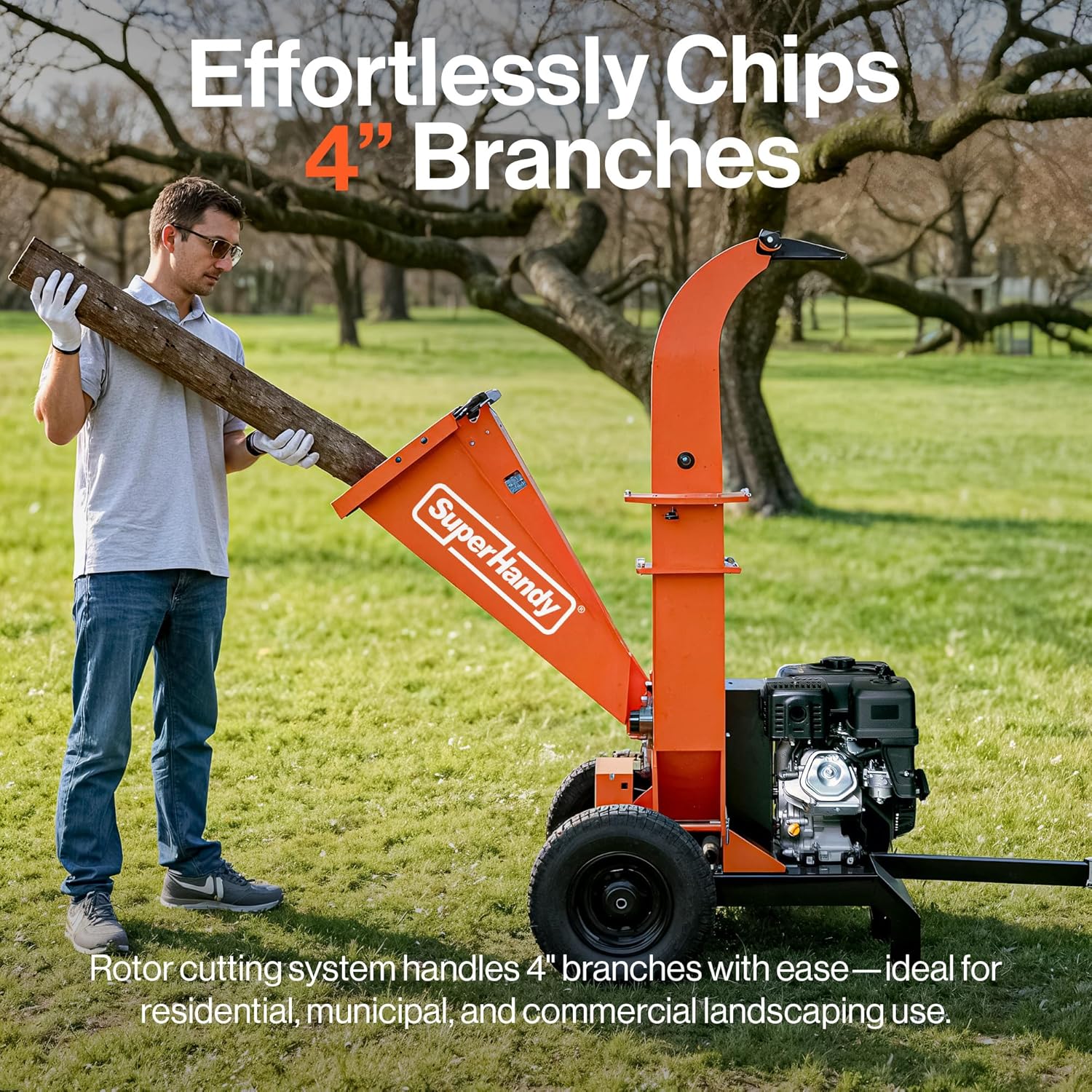
- Chipping: Inside the machine, a heavy, spinning flywheel armed with hardened steel blades rotates at high speed. As the branch makes contact, these blades shear or "chip" off small pieces of wood with incredible force. More powerful models, like a towable Wood Chipper, can handle branches several inches in diameter.
- Ejection: The momentum of the flywheel and the force of the cuts propel the newly created wood chips out through a discharge chute. This chute can be aimed directly into a wheelbarrow, a trailer, or onto a pile, making disposal incredibly easy.
This process reduces the volume of the debris by a factor of up to 20:1. A huge, impassable pile of tangled branches becomes a small, uniform pile of valuable wood chips, instantly clearing the way and turning a hazard into a useful resource.
Assessing Your Debris Load: When is a Compact Chipper the Right Tool?
After a storm, the first step is to take stock of the damage. While the instinct might be to start clearing immediately, a quick assessment will tell you if a compact wood chipper is the right tool for the job. Not every situation calls for one, but for many homeowners, it's the perfect solution.
A compact Wood Chipper is ideal when you're facing:
- High Volume of Small to Medium Branches: If your property is covered in dozens of branches ranging from twigs up to about 3-4 inches in diameter, a chipper is your best friend. Manually cutting, bundling, and hauling this much debris is exhausting and time-consuming. A chipper reduces this massive volume into a small, manageable pile of chips.
- Blocked Driveways or Paths: When fallen limbs are blocking your driveway or access to parts of your property, a portable chipper allows you to process the debris on-site and quickly clear a path for vehicles.
- A Mix of Debris: Most storm damage isn't neat. You'll have leaves, twigs, and branches of all sizes. Many compact chippers feature a main chute for branches and a top-loading hopper for lighter leafy material, making them versatile cleanup machines.
A compact chipper may not be the right tool if your cleanup consists of only a few small branches that can be easily bundled, or if the damage involves primarily large tree trunks (over 5-6 inches in diameter). In that case, a chainsaw and a plan for the logs would be more appropriate.
Choosing the Right Compact Chipper for Emergency Debris Removal: Key Features to Look For
When you're choosing a Wood Chipper for post-storm cleanup, not just any model will do. Emergency situations demand reliability, power, and portability. Look for these key features:
- Chipping Capacity: This is the maximum diameter of wood the machine can handle. For storm cleanup, a capacity of at least 3 inches is recommended. This will handle the vast majority of fallen limbs from smaller trees and the upper branches of larger ones.
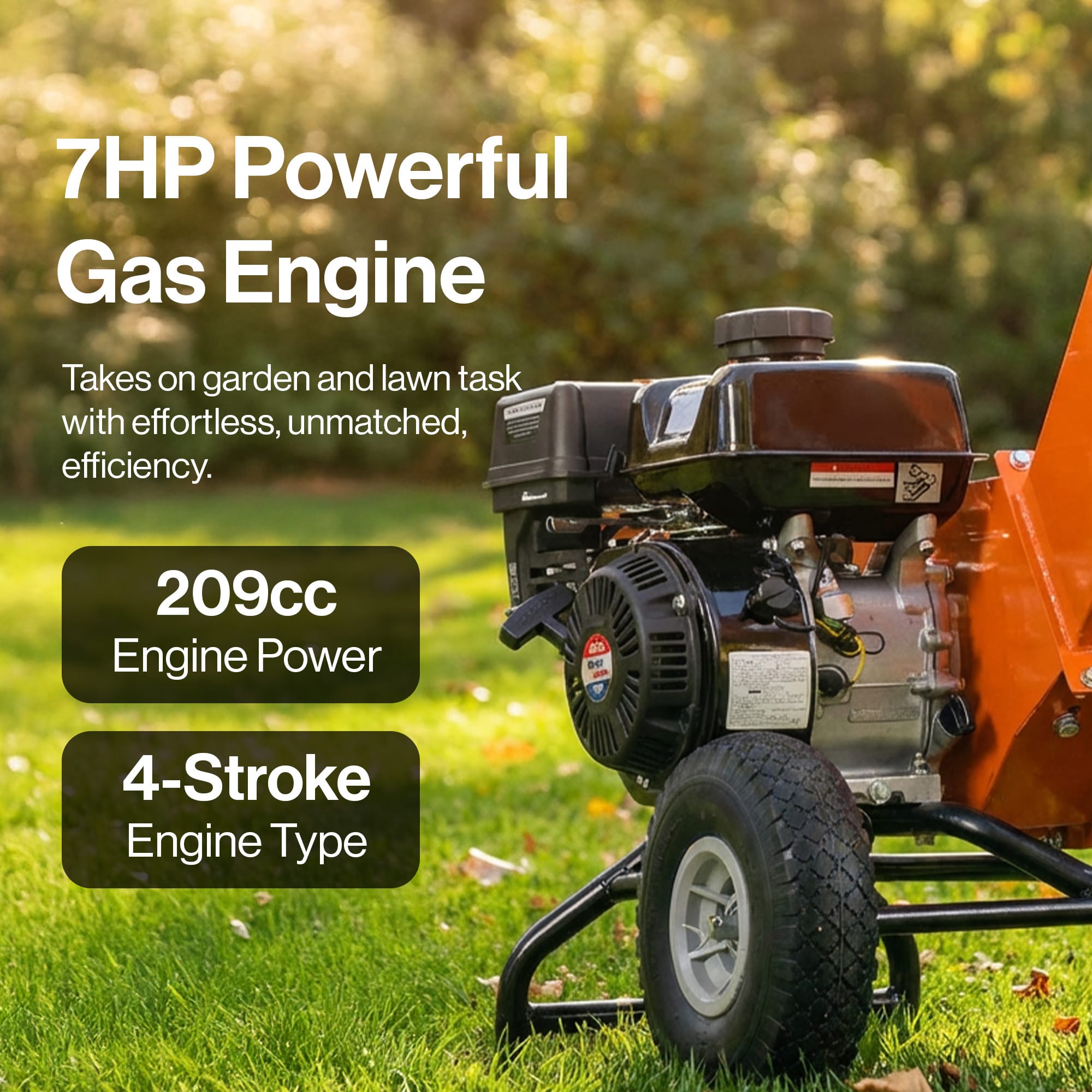
- Gas-Powered Engine: Storms often cause power outages. A reliable gas engine ensures your chipper will run when you need it most, independent of the electrical grid. Look for engines with a proven track record for easy starting and consistent power.
- Portability: The ground after a storm can be soft, muddy, and uneven. A chipper with large, pneumatic tires is crucial for moving it across your lawn or down a cluttered driveway. For larger properties, a towable model that can be hitched to an ATV or lawn tractor is a game-changer.
- Adjustable Discharge Chute: This feature is more important than it sounds. An adjustable chute lets you direct the wood chips precisely where you want them—into a trailer, a wheelbarrow, or onto a specific pile out of the way. This minimizes secondary cleanup.

Safety First: Essential Precautions When Operating a Chipper After a Storm
Operating a wood chipper requires your full attention. The chaotic environment after a storm makes following safety protocols even more critical.
- Wear Proper PPE: Always wear safety glasses or goggles, heavy-duty gloves, hearing protection (gas engines are loud), and sturdy, closed-toe boots. Avoid loose clothing, drawstrings, or jewelry that could get caught.
- Inspect Your Debris: Storm-fallen branches are often dirty. Before feeding a branch into the chipper, quickly inspect it for rocks, mud, nails, or wire that could damage the blades or become a dangerous projectile.
- Work on Stable Ground: Find a level, solid spot to operate the chipper. Working on a slope or soft ground can make the machine unstable.
- Keep the Area Clear: Ensure children, pets, and other bystanders are a safe distance away. Debris can be ejected from both the infeed and discharge chutes.
- Feed Material Correctly: Feed branches butt-end first and allow the machine to pull the material in. Do not force it. Keep your hands and arms well clear of the infeed chute opening. Use a push paddle for shorter pieces.
- Know the Shutdown Procedure: Before you even start, familiarize yourself with how to quickly shut off the engine in an emergency.
Step-by-Step Guide: Clearing Storm Debris with Your Compact Wood Chipper
Ready to turn that mountain of branches into a molehill of chips? Follow these steps for an efficient and safe cleanup.
- Prep Your Workspace: Put on your PPE. Move the chipper to a level spot near your work area. Position a wheelbarrow or cart under the discharge chute to catch the chips.
- Sort Your Debris: This is the most important step for efficiency. Quickly sort the debris into three piles: branches that fit the chipper, oversized logs for later, and a small pile for any waste that can't be chipped (like rocks or roots). This prevents you from stopping and starting constantly.
- Start the Chipper: Follow the manufacturer's instructions to start the engine and let it warm up for a minute.
- Begin Chipping: Start with smaller branches to get a feel for how the machine operates. Feed them butt-end first into the chute. Work through your pre-sorted pile methodically, clearing a path or a specific area first.
- Handle Jams Safely: If the chipper bogs down or clogs, immediately turn off the engine and wait for the flywheel to come to a complete stop. Never, ever reach into the chute while the machine is running or still spinning down. Once stopped, you can safely clear the obstruction.
- Shutdown and Store: Once you're finished, let the machine cool down before moving it. Clear any leftover material from the chute and hopper to prevent rust and make your next startup easier.
Maximizing Efficiency: Tips for Faster and Safer Branch Chipping
Once you’ve cleared the immediate danger and are ready to process the debris, efficiency becomes key. A systematic approach not only speeds up the work but also enhances safety. Follow these tips to get the most out of your chipping session.
- Stage Your Material: Before starting the engine, gather branches into a manageable pile near the chipper's hopper. Orient them with the thick ends pointing toward the machine. This "staging" process minimizes downtime and reduces the risk of tripping while searching for the next piece.
- Feed Butt-End First: Always feed the thickest end of the branch into the Wood Chipper. The machine's feed rollers are designed to grab this larger diameter, pulling the rest of the branch in smoothly and steadily.
- Create a Rhythm, Don't Rush: Find a consistent pace. Feed one large branch or a small handful of twigs at a time, allowing the engine to process the material fully before introducing more. Overloading the hopper can cause jams, strain the engine, and create a safety hazard.
- Prune Awkward Branches: If a branch has a wide, awkward "Y" shape that won't fit into the hopper, use a pair of loppers or a small saw to trim it into more manageable, linear pieces. A few seconds of prep can prevent several minutes of frustration.
- Position the Discharge Chute: Aim the chipper’s discharge chute directly into a wheelbarrow, onto a large tarp, or into the spot where you plan to use the chips. This simple step saves you the double-handling of raking and shoveling a massive pile later.
Disposing of Wood Chips: Creative Uses and Responsible Disposal Methods
The mountain of fresh wood chips your machine produces isn't waste—it's a valuable landscape resource. Instead of bagging them for the curb, consider these practical and eco-friendly applications.

Creative Uses:
- Garden Mulch: This is the most popular use for wood chips. A 2-4 inch layer around trees, shrubs, and in garden beds helps suppress weeds, retain soil moisture, and regulate soil temperature. As they decompose, they add valuable organic matter back into the soil.
- Natural Pathways: Create attractive, soft-surface paths through your garden or wooded areas. A thick layer of chips provides a clean walking surface and effectively smothers grass and weeds underneath.
- Compost Booster: Wood chips are a fantastic source of carbon (a "brown" material) for your compost pile. Mix them with nitrogen-rich "green" materials like grass clippings and kitchen scraps to create a balanced, nutrient-rich compost.
- Erosion Control: If the storm has left bare patches of soil on slopes, spreading a layer of wood chips can help prevent soil erosion during subsequent rainfall.
Responsible Disposal: If you produce more chips than you can use, check with local community gardens, schools, or landscaping companies. Many are happy to accept free wood chips. As a last resort, consult your local municipality's guidelines for yard waste disposal.
Beyond Storms: Other Applications for Your Compact Wood Chipper
Your investment in a compact wood chipper pays dividends long after the storm cleanup is done. It's a versatile tool for year-round property maintenance.
- Seasonal Pruning: Every spring and fall, trees and shrubs need trimming. A Wood Chipper effortlessly turns piles of pruned branches into useful mulch, eliminating the need for bundling or hauling.
- Clearing Overgrowth: Reclaiming an overgrown section of your property is a daunting task. A chipper makes quick work of the brush, saplings, and woody weeds you'll inevitably cut down.
- Creating Landscape Materials: Don't wait for a storm. Intentionally prune trees to generate your own supply of free, organic mulch for garden projects.
Maintaining Your Compact Chipper for Reliable Performance
A well-maintained wood chipper is a reliable and safe wood chipper. Neglecting basic upkeep can lead to poor performance, dangerous operation, and costly repairs. Integrate these maintenance steps into your routine.
- Inspect and Sharpen Blades: Sharp blades are crucial. They slice wood cleanly, require less engine power, and produce uniform chips. Dull blades tear and shred wood, straining the engine and creating frequent jams. Check blades for nicks and sharpness before each major use, and sharpen or replace them according to your owner's manual.
- Follow Engine Maintenance Schedules: Treat the engine like you would a lawnmower's. Regularly check the oil level, clean or replace the air filter, and inspect the spark plug. Use fresh, stabilized fuel to prevent carburetor problems.
- Clean After Every Use: Once the machine has cooled down, clear all debris from the hopper, blade housing, and discharge chute. Caked-on organic material can hold moisture, promoting rust and causing blockages during the next startup.
- Check Hardware and Belts: The vibration of a running chipper can loosen nuts and bolts over time. Give the machine a quick visual inspection before starting it, tightening any loose hardware. Check drive belts for proper tension and signs of wear.
- Store Properly: Protect your Wood Chipper from the elements by storing it in a garage, shed, or under a heavy-duty waterproof cover. Proper storage prevents rust and ensures it’s ready to go when you need it most.

Frequently Asked Questions About Clearing Storm Debris with a Compact Wood Chipper
You've got questions, and we have answers. Clearing debris after a storm can be a new experience for many property owners. Here are some common questions about using a compact Wood Chipper for the job.
What is the maximum diameter of branches a compact wood chipper can handle?
This is one of the most important questions, and the answer depends entirely on the specific model. Most residential-grade compact wood chippers are designed to handle branches up to 3 inches in diameter. More powerful, semi-professional models can often tackle branches up to 4 inches or more. Always check the manufacturer's specifications for your machine before you begin. Forcing a branch that is too large into the chipper can stall the engine, damage the blades, or create a dangerous kickback. When assessing storm debris, it's a good idea to sort branches by size to ensure you're only feeding appropriate material into your machine.
Can I chip wet or green wood after a storm?
Absolutely. In fact, green wood (freshly cut or fallen) is often easier to chip than dry, hardened wood. The moisture content helps lubricate the cutting action, leading to a smoother process and less strain on the engine. Storm-fallen branches are almost always green. While some lower-quality machines or shredders can struggle and clog with wet, leafy material, a well-designed Wood Chipper is built to process it efficiently. You may notice the resulting chips are stringier than those from dry wood, but this does not harm the machine.
Is it safe to operate a wood chipper in wet or rainy conditions?
No, you should never operate a wood chipper in the rain or on excessively wet, muddy ground. There are several safety risks. First, the ground can become extremely slippery, increasing the risk of a slip or fall while you are feeding branches into the machine. Second, if your chipper has an electric start or other electrical components, water introduces a risk of electrical shorts or damage. Finally, wet conditions can make your gloves and the branches themselves slippery and difficult to handle securely. For your safety, always wait for the storm to pass completely and for the ground to be reasonably dry before starting your cleanup work.
How do I safely clear a jam in the chipper?
This is a critical safety procedure. If your chipper becomes jammed, the first and most important step is to turn off the engine immediately. Wait for the flywheel and all other moving parts to come to a complete stop. On a gas-powered model, it's also a good practice to disconnect the spark plug wire to prevent any chance of an accidental restart. Never, under any circumstances, put your hands or any tool into the infeed chute or discharge port while the engine is running. Once the machine is fully powered down and stopped, you can carefully access the cutting chamber (following the instructions in your user manual) to remove the obstruction.
How should I handle branches that have lots of leaves and smaller twigs attached?
Most compact wood chippers are designed to process the entire branch—leaves, twigs, and all. The most efficient way to feed these branches is butt-end first. This allows the machine's self-feeding mechanism to grab the solid part of the branch and pull the rest of the material in smoothly. The leaves and twigs will be chipped and shredded along with the main branch, creating a valuable, nutrient-rich mulch. Some chippers also feature a separate, larger hopper designed for dropping in handfuls of leafy debris or small twigs that don't have a larger branch attached.
Where can I find a reliable compact wood chipper for storm cleanup?
Finding the right tool is essential for tackling storm debris efficiently and safely. You need a machine that matches the size of the debris on your property and is built to last. For a wide range of options, from easy-to-maneuver 3-inch models to powerful, towable units capable of handling larger 4-inch limbs, you can browse a full selection of high-quality wood chippers. A versatile, tow-behind Wood Chipper can be an excellent investment for larger properties, providing the power and mobility needed to clear emergency access paths quickly.
Related Products


Leave a comment
All comments are moderated before being published.
This site is protected by hCaptcha and the hCaptcha Privacy Policy and Terms of Service apply.