









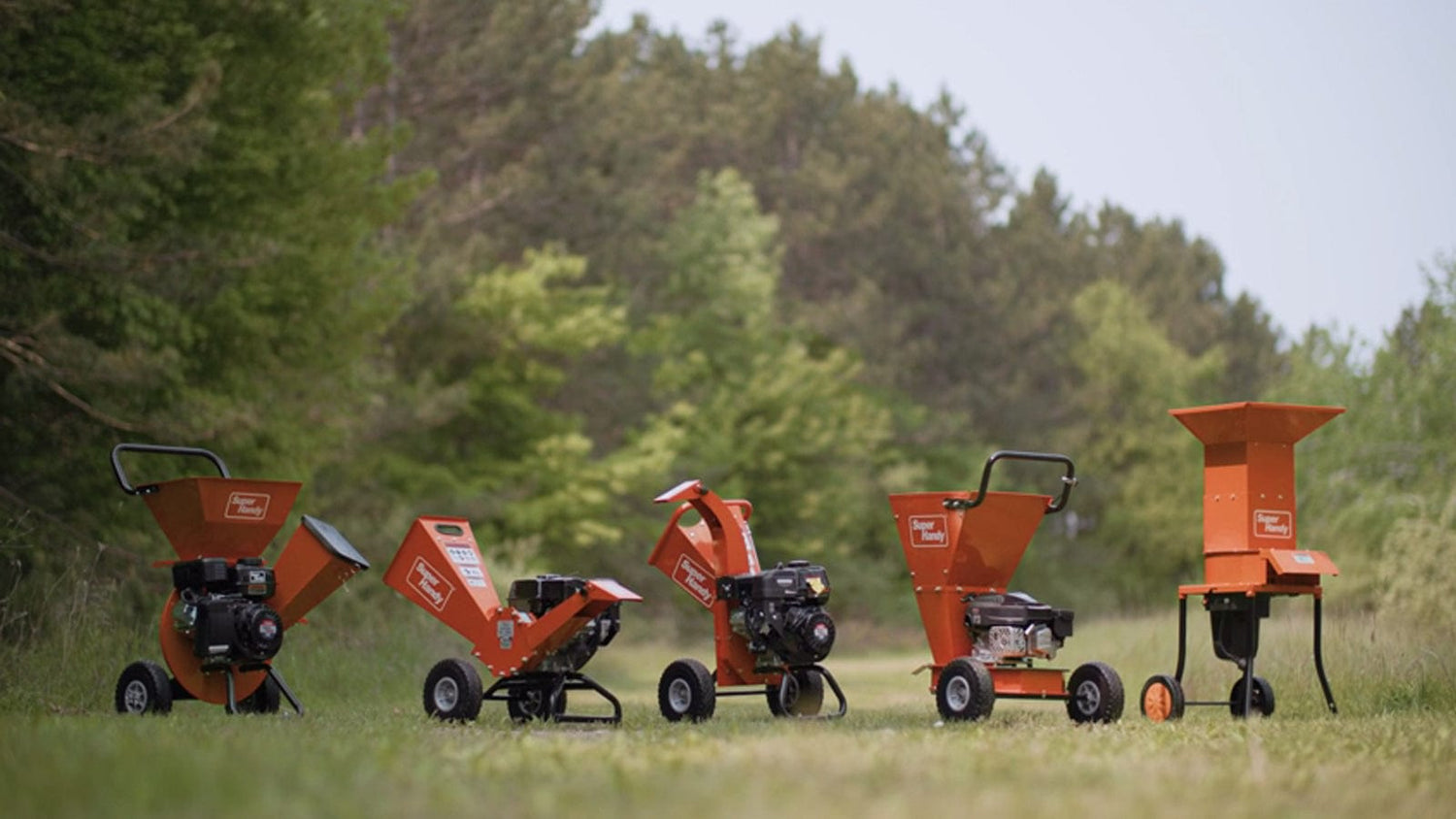
If you have a yard with trees and shrubs, you know the cycle: pruning, storms, and seasonal changes leave you with ever-growing piles of branches, twigs, and leaves. Hauling this debris to the curb is a chore, and paying for its removal can be costly. This is where a personal wood chipper shredder becomes an invaluable tool, transforming a mountain of yard waste into a manageable and useful resource.
Instead of seeing fallen branches as a problem, a wood chipper allows you to view them as an opportunity. It's a one-time investment that saves you time, money, and labor for years to come. By processing debris on-site, you reclaim your weekend and take a major step toward a more self-sufficient and sustainable property.
The Benefits of Efficiently Managing Tree and Shrub Debris
Owning a wood chipper goes beyond simply cleaning up your yard. It unlocks a host of benefits that enhance your garden's health and reduce your environmental impact.
- Create Free, High-Quality Mulch: Why buy bags of mulch when you can make your own? A wood mulcher turns branches and leaves into nutrient-rich wood chips. According to the University of New Hampshire Extension, this organic material is perfect for garden beds, pathways, and around trees. It helps suppress weeds, retain soil moisture, and slowly decomposes to enrich your soil over time.
- Save Money and Effort: Say goodbye to fees for yard waste disposal or the recurring cost of renting heavy equipment. A personal chipper eliminates the need to bundle branches or stuff them into bags. You handle the waste once, right where it falls, saving you from back-breaking labor and trips to the local landfill.
- Improve Yard Safety and Tidiness: Piles of deadwood are not just an eyesore; they can become a fire hazard and an inviting home for pests like termites and rodents. Regularly chipping debris keeps your property clean, tidy, and significantly safer.

Navigating the Main Types of Wood Chippers Ideal for Homeowners
When shopping for a chipper, the first major decision is choosing between an electric and a gas-powered model. Each type is designed for different needs, yard sizes, and types of debris. Understanding their core differences is key to finding the machine that will work best for you.
Electric Wood Chippers: Are They Powerful Enough for Your Needs?
Electric wood chippers are a popular choice for homeowners with smaller properties and lighter yard work. They are a fantastic entry point into the world of yard waste management.
Key Advantages:
- Quiet and Lightweight: Electric models operate at a much lower decibel level than their gas counterparts and are significantly lighter, making them easy to move and store.
- Low Maintenance: With no gas to mix or oil to change, maintenance is as simple as keeping the blades sharp and the machine clean.
- Eco-Friendly: They produce zero emissions, making them a greener choice for the environmentally conscious user.
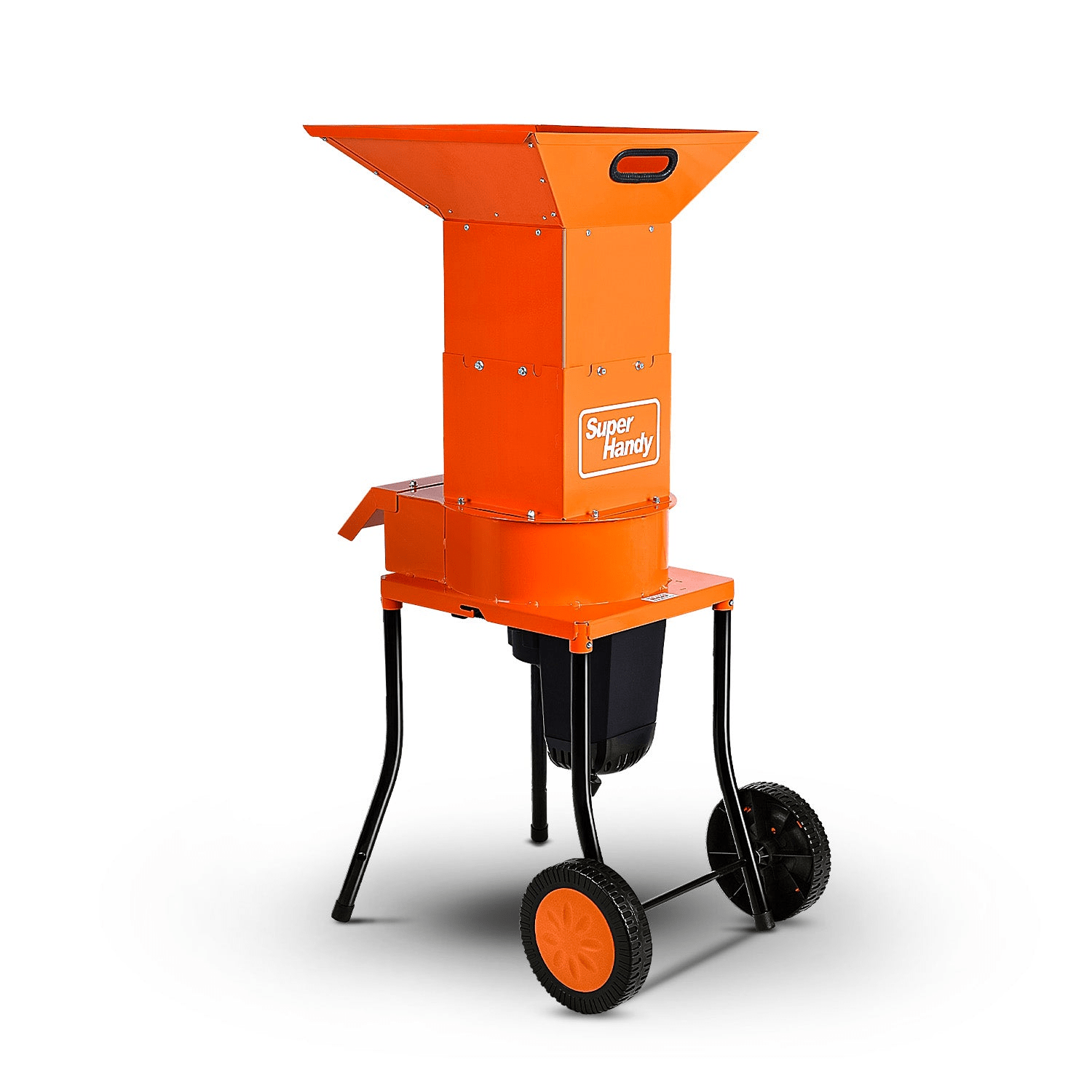
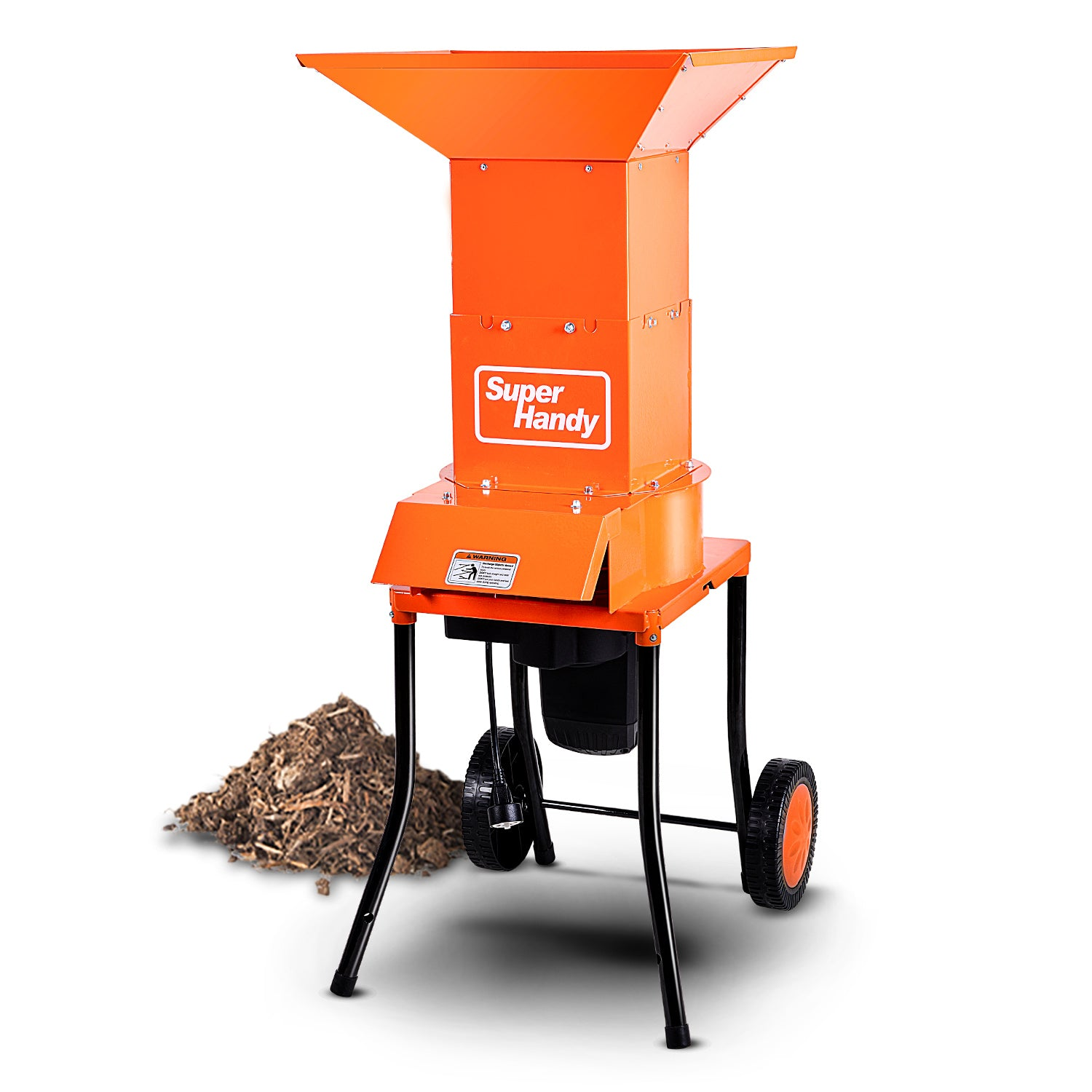
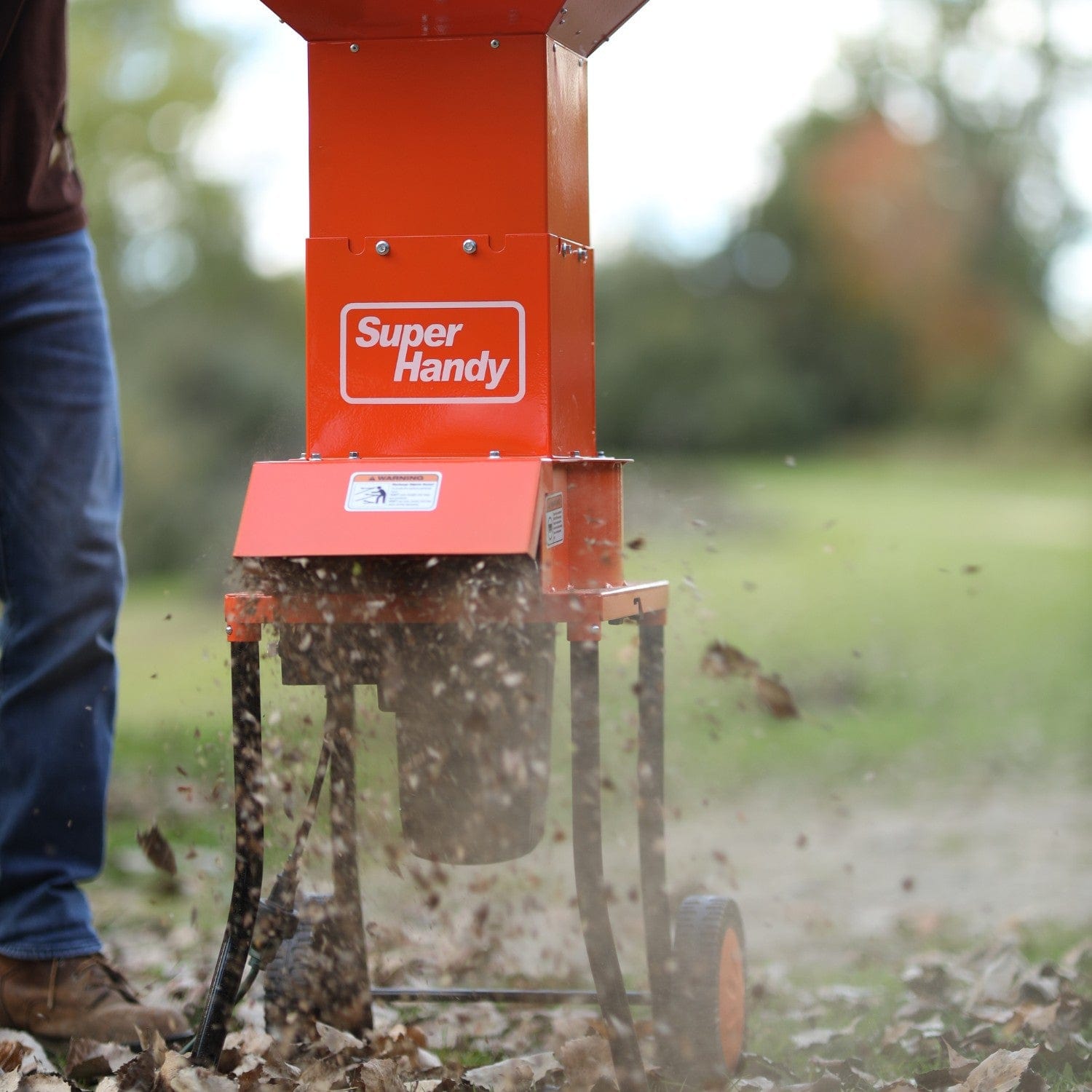
However, these benefits come with trade-offs in power. A typical small wood chipper of this type can handle branches up to about 1.5 inches in diameter. They are ideal for shredding twigs, leaves, and the results of light seasonal pruning. Their main limitation is mobility, as you'll always be tethered to a power outlet by an extension cord. If your needs are modest and your yard is compact, an electric chipper is an efficient and user-friendly solution.
Gas-Powered Wood Chippers: When Do You Need More Power and Portability?
While electric chippers have their place, a gas-powered wood chipper becomes essential when you need serious power and the freedom to work anywhere on your property. If you find yourself nodding along to any of the following scenarios, a gas model is likely your best bet:
- You Have a Large Yard: Gas chippers are not tethered by a power cord, allowing you to move them directly to the brush pile, saving you the effort of hauling debris across your property.
- You're Tackling Thicker Branches: Gas engines deliver the high torque needed to chew through hardwoods and branches up to 3 inches or more in diameter without stalling.
- You Need to Work Frequently: For homeowners with many mature trees that require regular pruning, a gas-powered wood chipper shredder offers the durability and performance needed for consistent, heavy use.
- Power Outlets Are Inconvenient: Working far from the house, on a new plot of land, or in an area with limited outlets makes a self-contained gas engine the only practical choice.

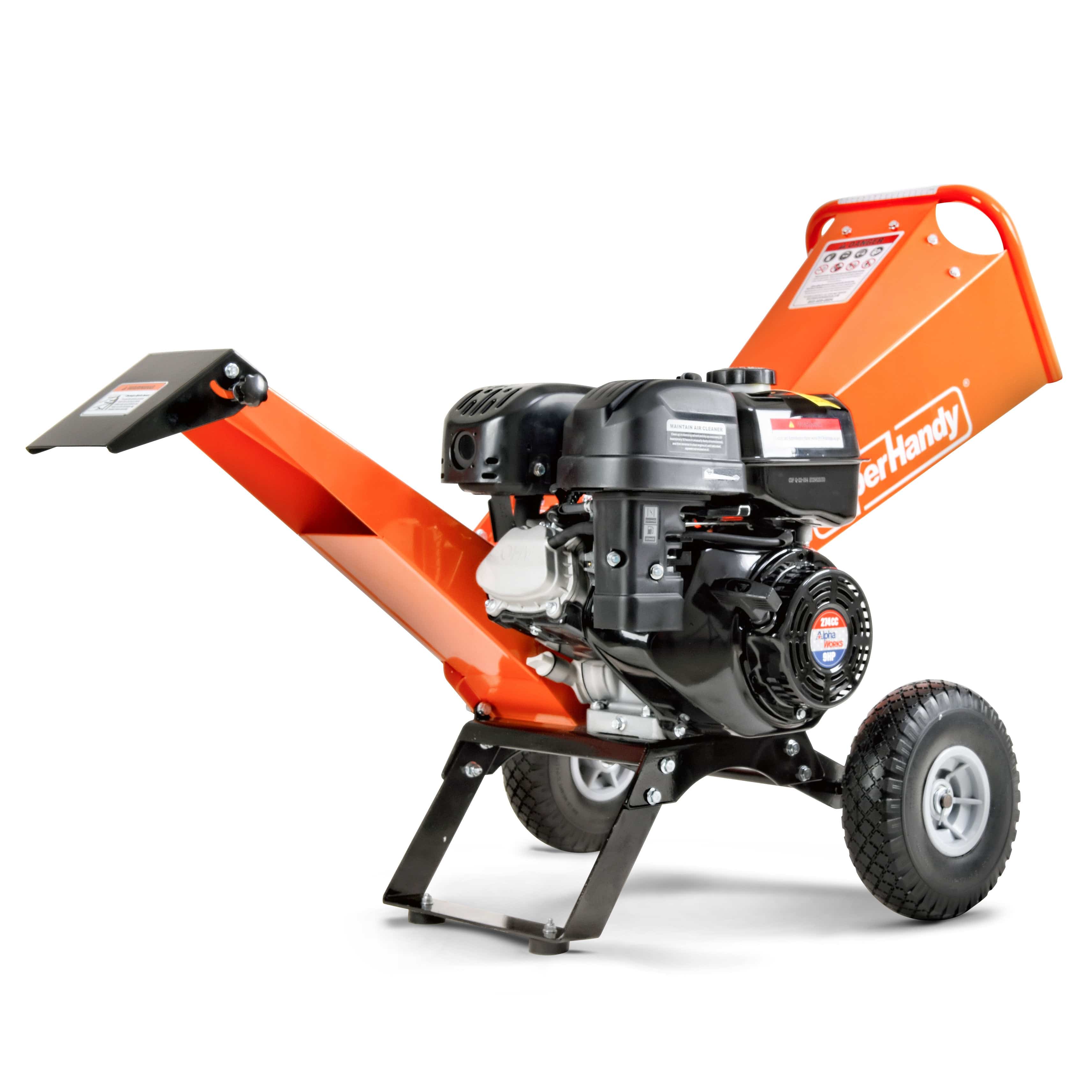
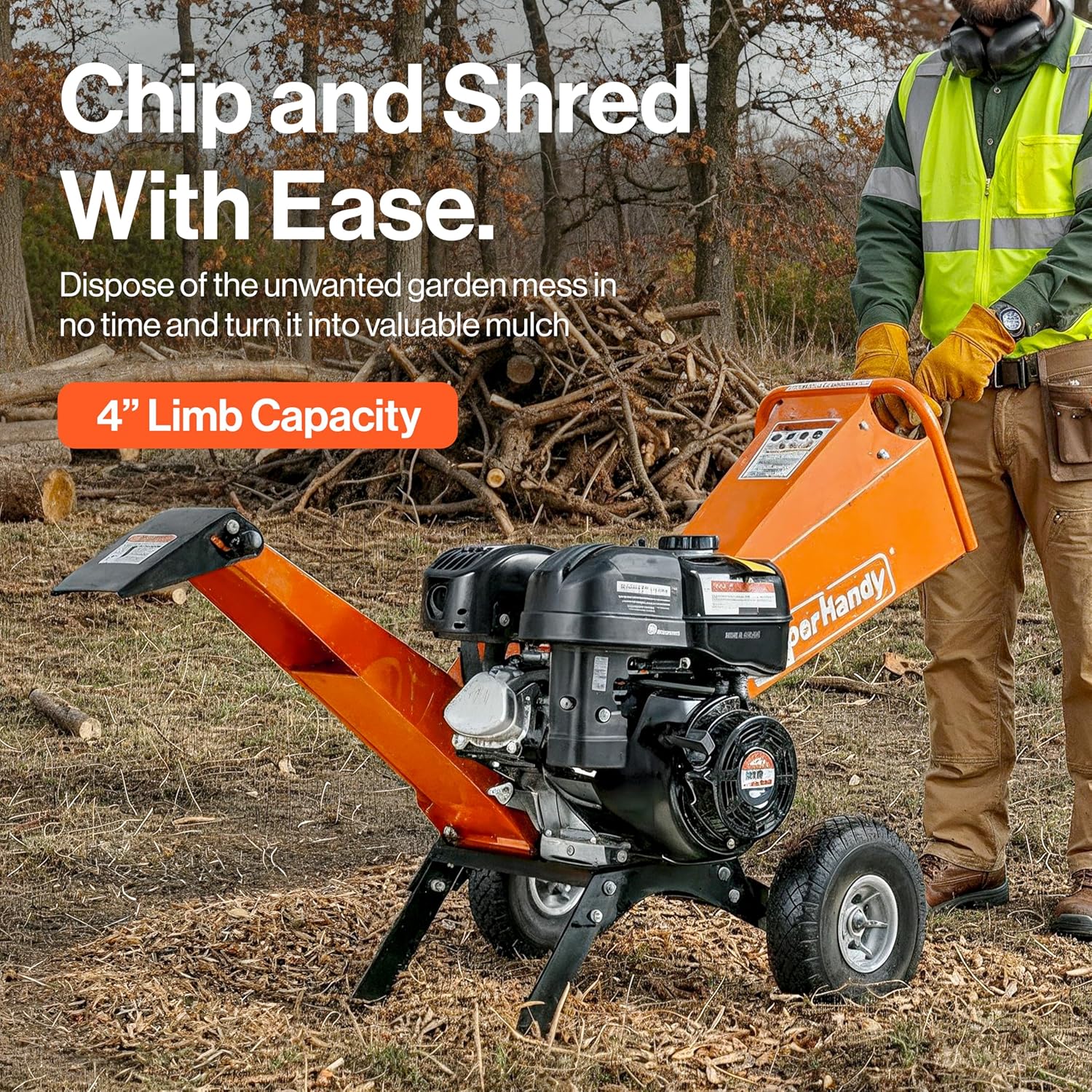
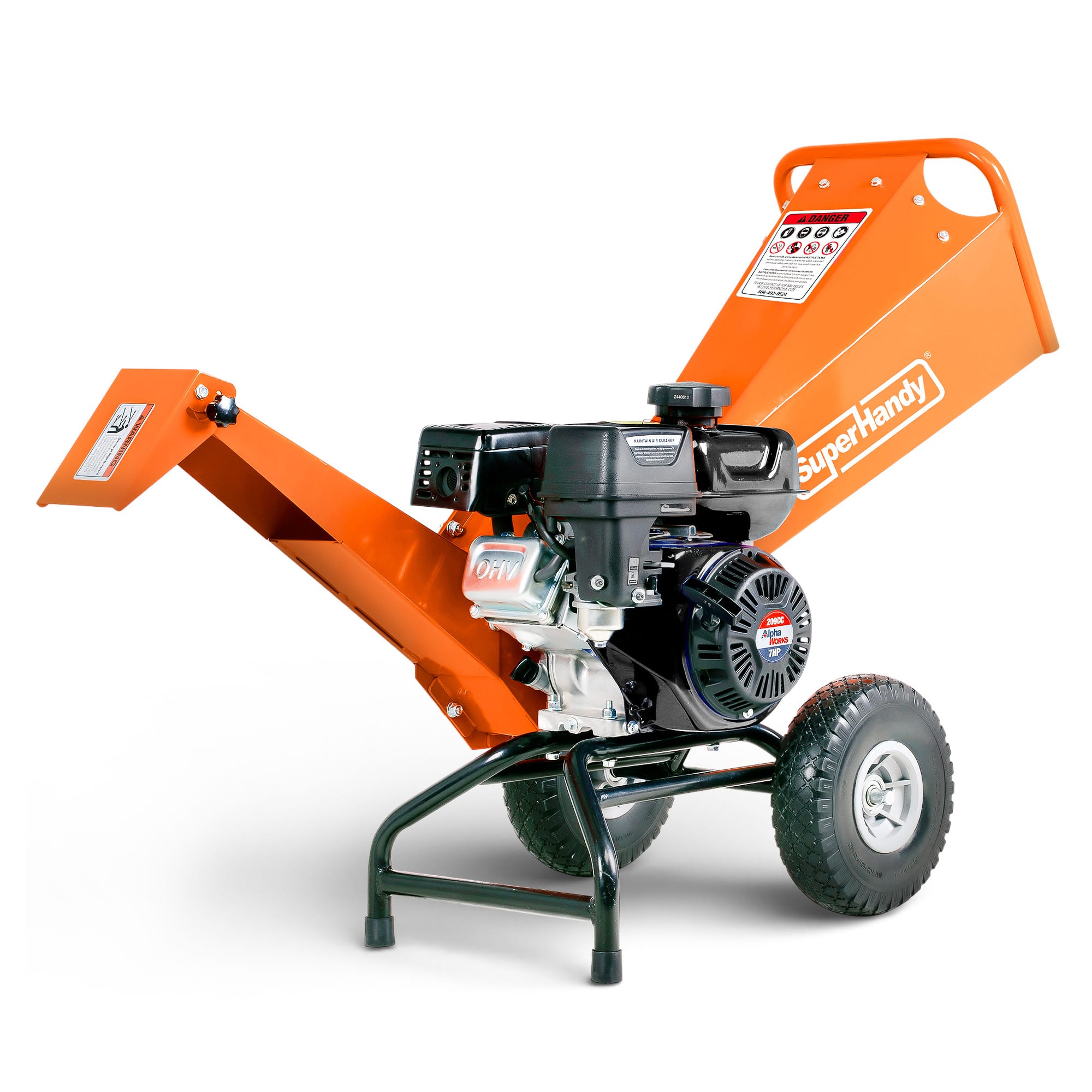
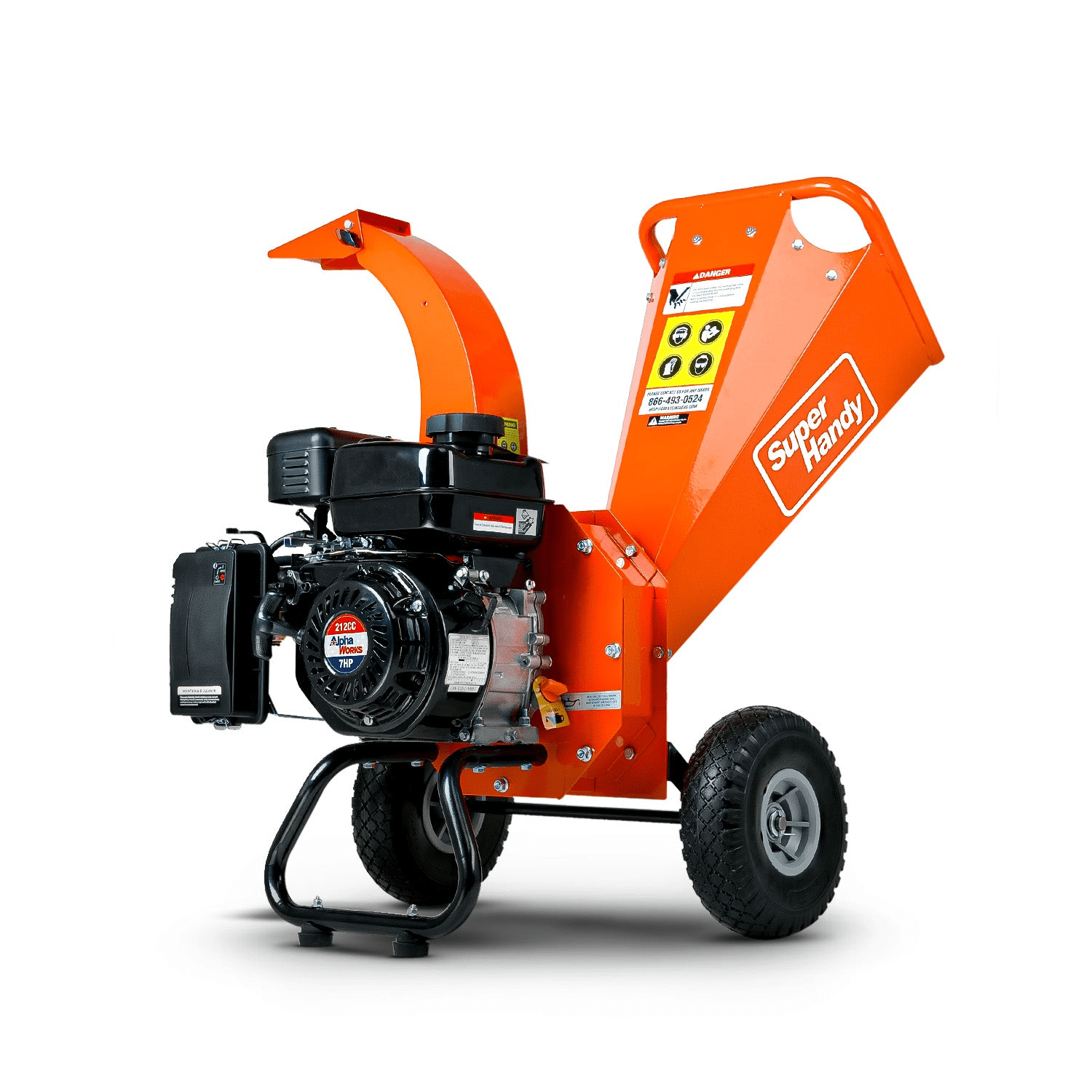
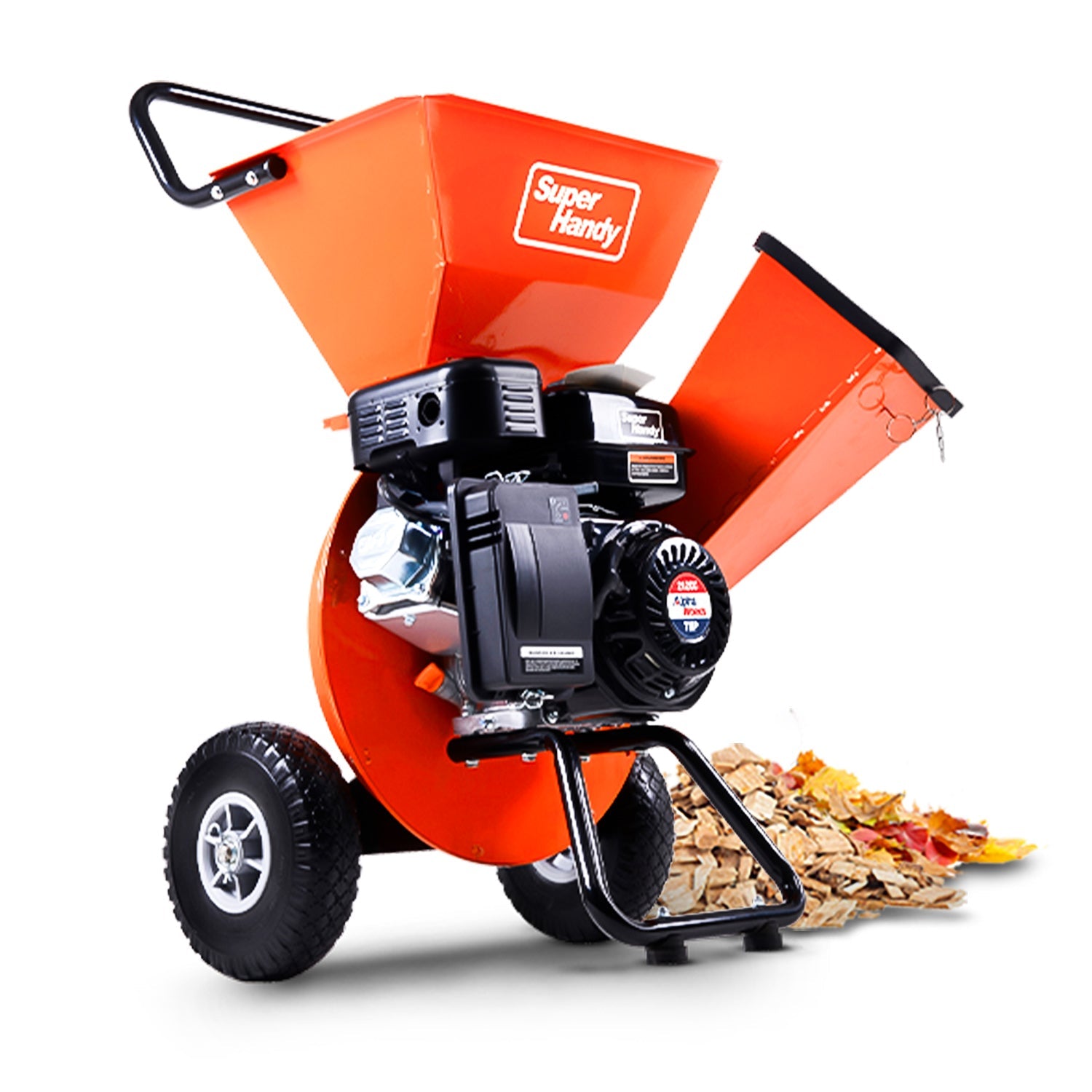
Models like the robust SuperHandy 7HP Gas-Powered Wood Chipper provide an excellent balance of power and maneuverability for the demanding homeowner. While they require fuel and more maintenance than their electric counterparts, the trade-off is raw power and complete portability.
Critical Specifications: What to Look For in a Residential Wood Chipper
Once you've decided between gas and electric, it's time to dive into the numbers. The specifications on a product page can seem daunting, but a few key figures will tell you almost everything you need to know about a chipper's real-world performance. Let's break down the two most important specs for any small wood chipper.
Maximum Chipping Diameter: How Thick a Branch Can It Handle?
This is arguably the single most important factor in your decision. The maximum chipping diameter tells you the thickest piece of wood the machine is designed to safely handle. Feeding material that is too large can damage the blades, stall the engine, and create a significant safety hazard.
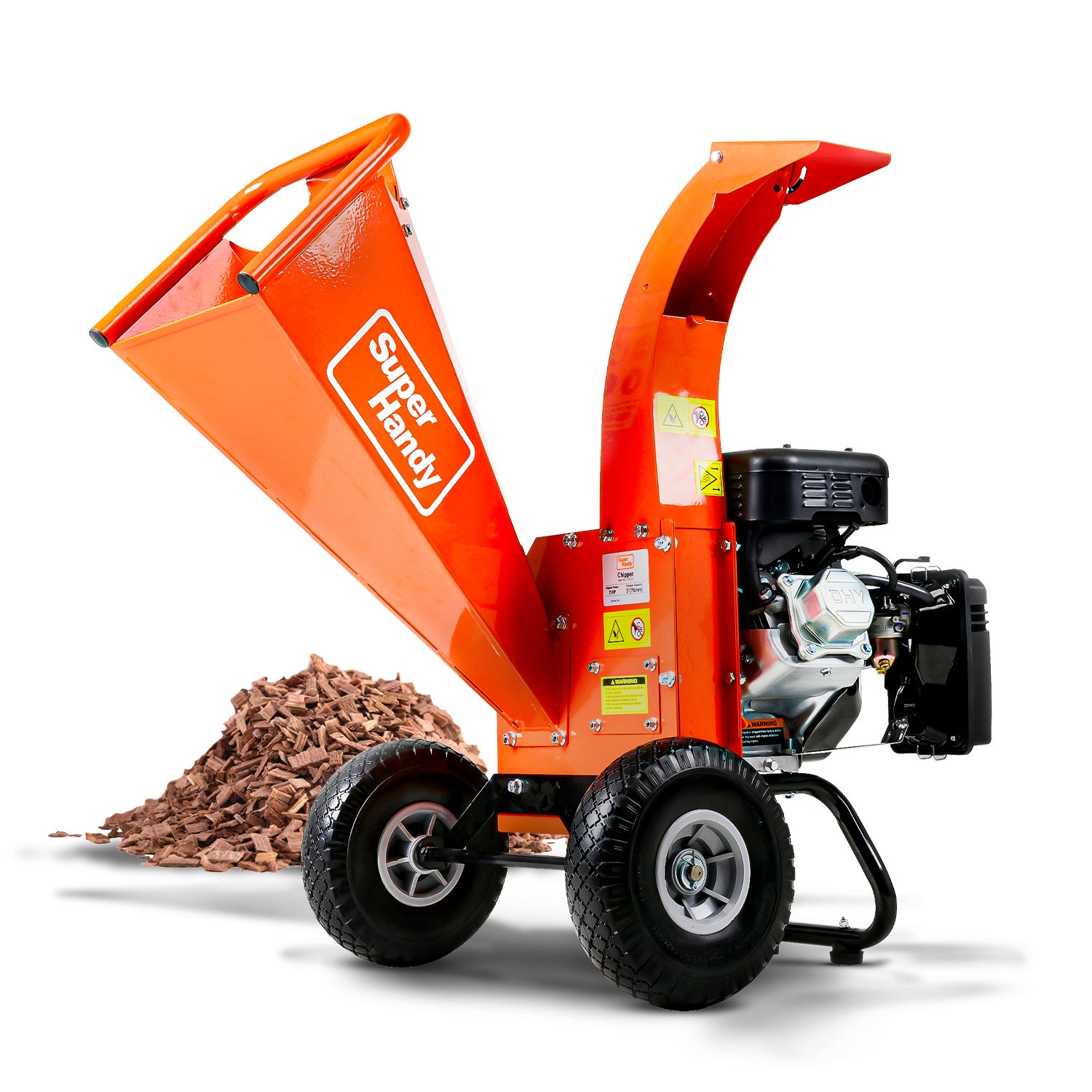
Before you shop, take a walk around your yard and measure the typical branches you’ll be clearing. As a rule of thumb, choose a chipper with a capacity at least a half-inch larger than your most common branches. This gives you a buffer and ensures the engine isn’t constantly running at its absolute limit. For most residential needs, a chipper that can handle limbs up to 3 inches thick, like this heavy-duty SuperHandy Wood Chipper, provides more than enough capacity to turn sizable yard debris into valuable wood mulcher material.
Engine Horsepower (HP): Does More Power Always Mean Better Performance?
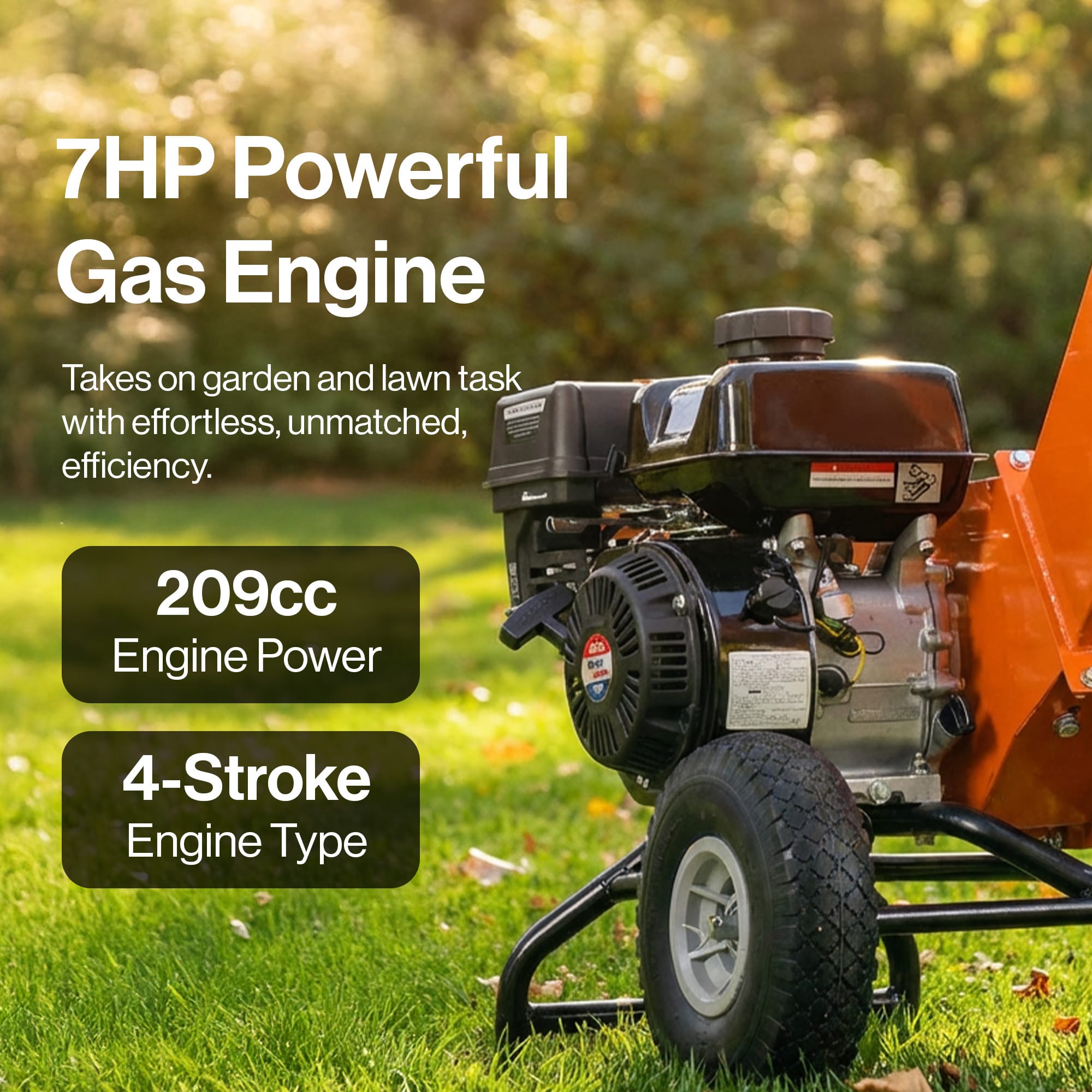
For gas-powered models, engine horsepower (HP) is a primary indicator of its capability. More horsepower generally means the engine can spin the cutting blades with more force, helping it power through tougher materials like dense, knotty, or green wood without getting bogged down.
However, more HP isn't always better—it's about having the right amount of power for the machine's chipping capacity. A high HP engine on a machine with a small chipping diameter might be overkill. Conversely, an underpowered engine on a unit rated for 3-inch branches will constantly struggle.
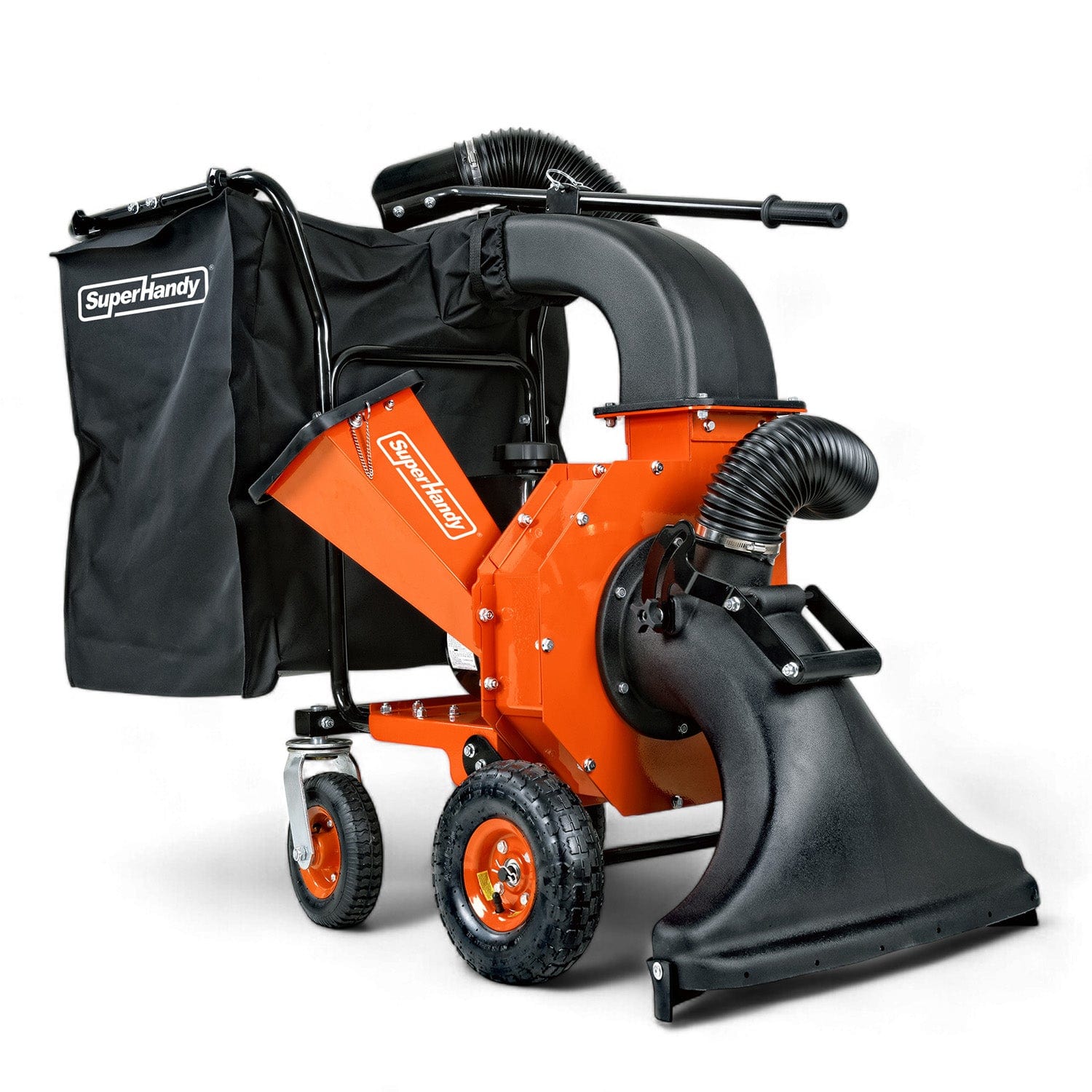
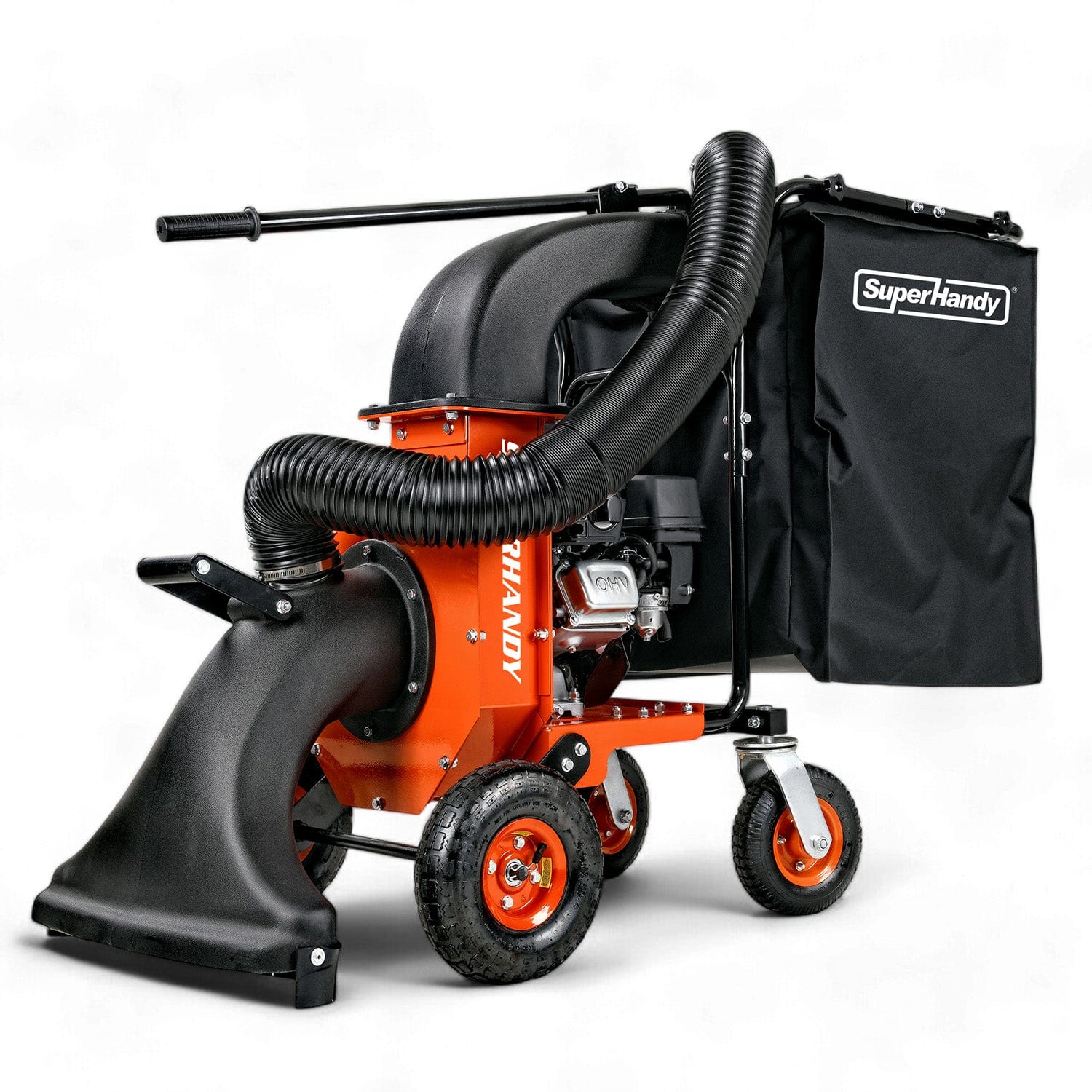
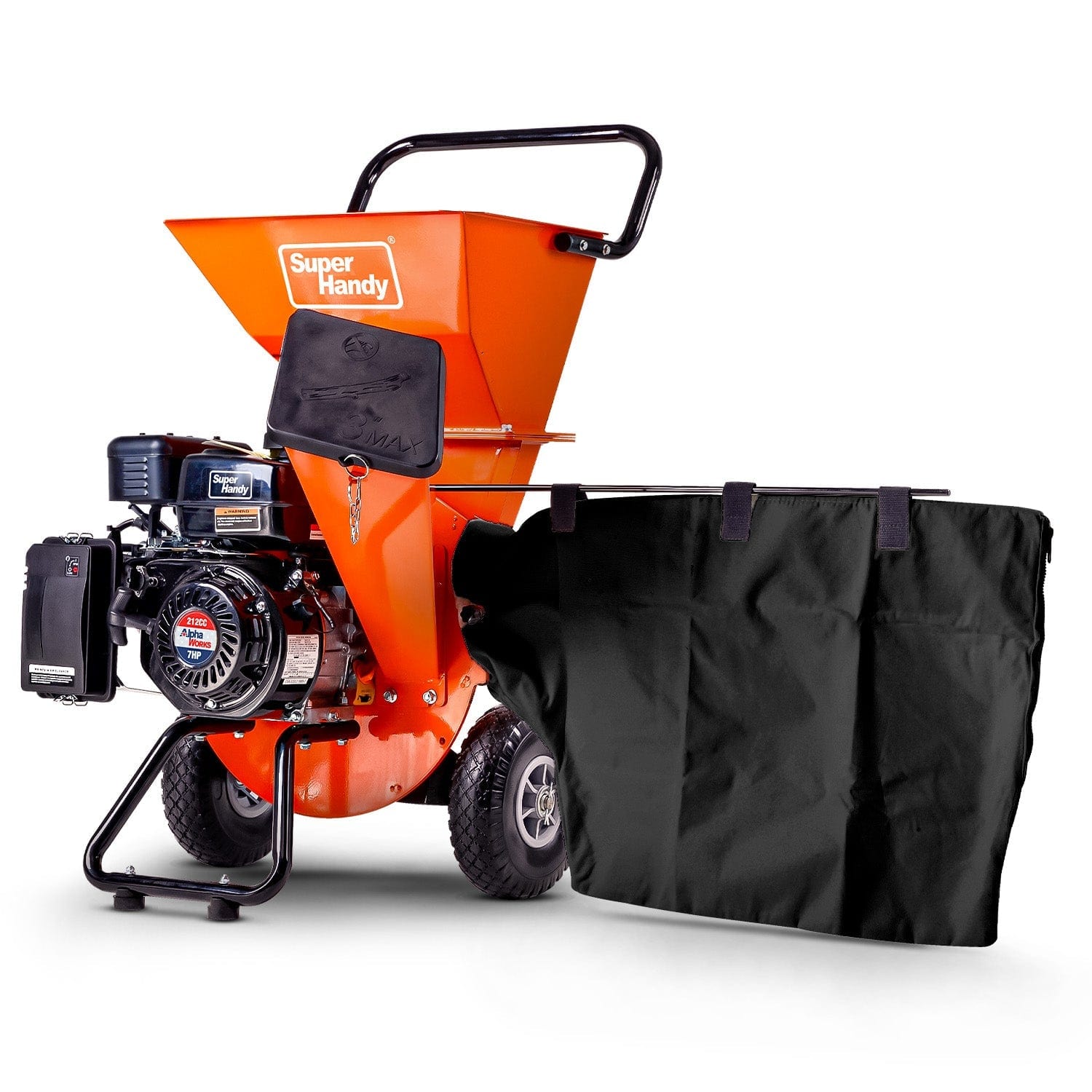
For a homeowner clearing branches in the 2 to 3-inch range, an engine between 6 and 7 HP provides an ideal sweet spot. This delivers ample power for efficient chipping without the excessive fuel consumption and cost of a much larger engine. Multi-function units, such as a 3-in-1 Leaf Vacuum Wood Chipper with a 7HP engine, are great examples of well-balanced designs that match engine power to their intended tasks, offering versatility and reliable performance.
Hopper Design and Feeding Mechanism: Ensuring Easy and Safe Operation
The hopper is where the action begins, and its design significantly impacts both ease of use and safety. When evaluating a small wood chipper, pay close attention to the size and angle of the feeding chute.
A wide, sloped hopper is generally superior for personal use. It allows you to feed bulky branches and leafy material more easily without needing to force them into a narrow opening. This gravity-assisted design also adds a crucial layer of safety by creating distance between your hands and the chipping blades. Vertical hoppers, common on some smaller electric models, can require you to push material down, increasing the risk of accidents.
Look for a well-designed wood chipper shredder that uses a self-feeding mechanism. As the blades or flails catch the material, they naturally pull the rest of the branch in, reducing your workload and keeping your hands safely away from the internal components.
Essential Safety Features and Operational Considerations for Home Use
Operating any power equipment requires respect for its capabilities and a commitment to safety. A wood mulcher is no exception. Before you even start the engine, a few operational habits are non-negotiable.
First, always wear appropriate Personal Protective Equipment (PPE). This includes:
- Safety Glasses or Goggles: To protect your eyes from flying debris.
- Heavy-Duty Gloves: To prevent splinters and improve your grip.
- Hearing Protection: Gas-powered engines are loud and can cause hearing damage over time.
- Sturdy, Close-Toed Shoes: To protect your feet and provide stable footing.
Always operate your chipper on level, stable ground and ensure the work area is clear of tripping hazards, pets, and children. Never reach into the hopper or discharge chute while the machine is running. If a clog occurs, turn the machine off completely and wait for all moving parts to stop before attempting to clear it. For a comprehensive overview of yard work safety, resources like the National Safety Council's guide are invaluable.
Built-in Safety Mechanisms: Protecting Yourself While Chipping
Beyond your own safe practices, the machine itself should have built-in features to protect you. A quality wood chipper will include several key safety mechanisms. Look for a sturdy guard at the hopper opening that prevents accidental contact with the blades. An emergency stop button or safety bar that immediately shuts down the engine is another critical feature.
Many modern gas chippers also utilize a centrifugal clutch, which ensures the blades only engage when the engine reaches a certain RPM. This prevents the chipping mechanism from spinning during startup. These are not just add-ons; they are essential design elements you’ll find on reliable models like the powerful SuperHandy 7HP Compact Wood Chipper, which prioritizes user protection.
Mobility and Storage: Finding a Chipper That Fits Your Space
For personal use, you’ll be moving your chipper from storage to your work area and back again. Its mobility is a major factor in how convenient it is to own. Check the wheel size and type. Large, pneumatic tires are excellent for navigating uneven lawns, gravel, or dirt paths. Solid plastic wheels may be fine for smooth pavement but can struggle on rough terrain.
Consider the machine's overall weight and handle design. A well-balanced unit with ergonomic handles is much easier to maneuver. For homeowners with limited storage, a streamlined small wood chipper like this 3-in-1 model offers powerful performance without a massive footprint. If your yard work involves more than just branches, a versatile wood chipper shredder with a leaf vacuum function can be a fantastic, space-saving investment that combines multiple tools into one mobile unit. Before buying, measure your storage space to ensure your chosen model will fit comfortably.
Budgeting for Your Wood Chipper: Understanding Price vs. Performance
When shopping for a small wood chipper, it's tempting to look for the lowest price tag. However, the true value of a chipper lies in its ability to meet your specific needs efficiently and safely. Investing in the right machine from the start saves you time, frustration, and potentially money on a future replacement.
Here’s a general breakdown of what to expect at different price points:
- Entry-Level Electric ($150 - $400): These are the most affordable options, ideal for very light-duty work. They can handle small twigs and branches up to about 1.5 inches in diameter. They are quieter and require less maintenance but lack the power for processing substantial yard waste.
- Mid-Range Gas-Powered ($500 - $900): This is the sweet spot for most homeowners. In this range, you’ll find robust machines with engines around 7HP, capable of chipping branches up to 3 inches thick. They offer an excellent balance of power, portability, and price. For many yards, a powerful and reliable gas chipper in this category provides the best long-term value.
- High-Performance Residential ($900+): For those with large properties, frequent storm cleanup, or denser hardwoods, investing more gets you increased horsepower, larger chipping capacity, and heavy-duty construction for enhanced durability.
Ultimately, budgeting for a chipper means matching its performance to your workload. An underpowered machine will struggle and clog, while an overpowered one might be an unnecessary expense.
Making Your Final Decision: Matching the Best Wood Chipper to Your Yard's Demands
You’ve learned about the types, specifications, and safety features. Now it’s time to bring it all together and choose the perfect model for your property. Ask yourself these final questions to zero in on the right machine.
-
What is my primary debris? If you’re mainly dealing with fallen branches and woody pruning waste up to 3 inches, a dedicated Super Handy 7HP Wood Chipper is your workhorse. If your yard produces a heavy mix of leaves, pine needles, and smaller twigs, a versatile 3-in-1 leaf vacuum and wood chipper that can also shred and vacuum will be far more efficient.
-
How big is my yard? A small, suburban lot may be perfectly served by a corded electric chipper. For properties of a half-acre or more, the freedom and power of a gas-powered model are nearly essential to move the machine to the debris pile, not the other way around.
-
How much do I value convenience? Consider features like large, rugged wheels for mobility over uneven terrain, the design of the hopper for easy feeding, and the simplicity of the starting mechanism.
-
What’s my real budget? As we discussed, focus on value over initial cost. The right wood chipper shredder is a long-term investment in managing your property. Selecting a durable, capable model from a reputable brand ensures you have a tool you can rely on for years to come.
Frequently Asked Questions (FAQ) About Home Wood Chippers
Can I chip wet or green wood?
Yes, you can. In fact, freshly cut "green" wood is often easier for a chipper to process than old, hardened hardwood. The moisture in green wood helps lubricate the blades. However, be cautious with very leafy or viny green material, as it can sometimes wrap around the blades and cause clogs. Always feed material steadily to avoid overwhelming the machine.
What can I do with the wood chips?
The fresh chips, or wood mulch, produced by your machine are a fantastic resource for your garden. You can use them to:
- Create natural, attractive pathways.
- Spread around trees and garden beds to suppress weeds and retain soil moisture.
- Add to your compost pile as a "brown" carbon-rich material. According to the U.S. Environmental Protection Agency, this helps balance the "green" nitrogen-rich materials like grass clippings.
How often do I need to sharpen the blades?
Blade maintenance is critical for performance. The frequency of sharpening depends entirely on usage and the type of wood you’re chipping. A good rule of thumb is to inspect the blades after every 10-20 hours of operation. If you notice the chipper is working harder, producing stringy output instead of clean chips, or vibrating more than usual, it's likely time to sharpen or replace the blades. Always consult your owner’s manual for specific instructions.
Related Products

Leave a comment
All comments are moderated before being published.
This site is protected by hCaptcha and the hCaptcha Privacy Policy and Terms of Service apply.