









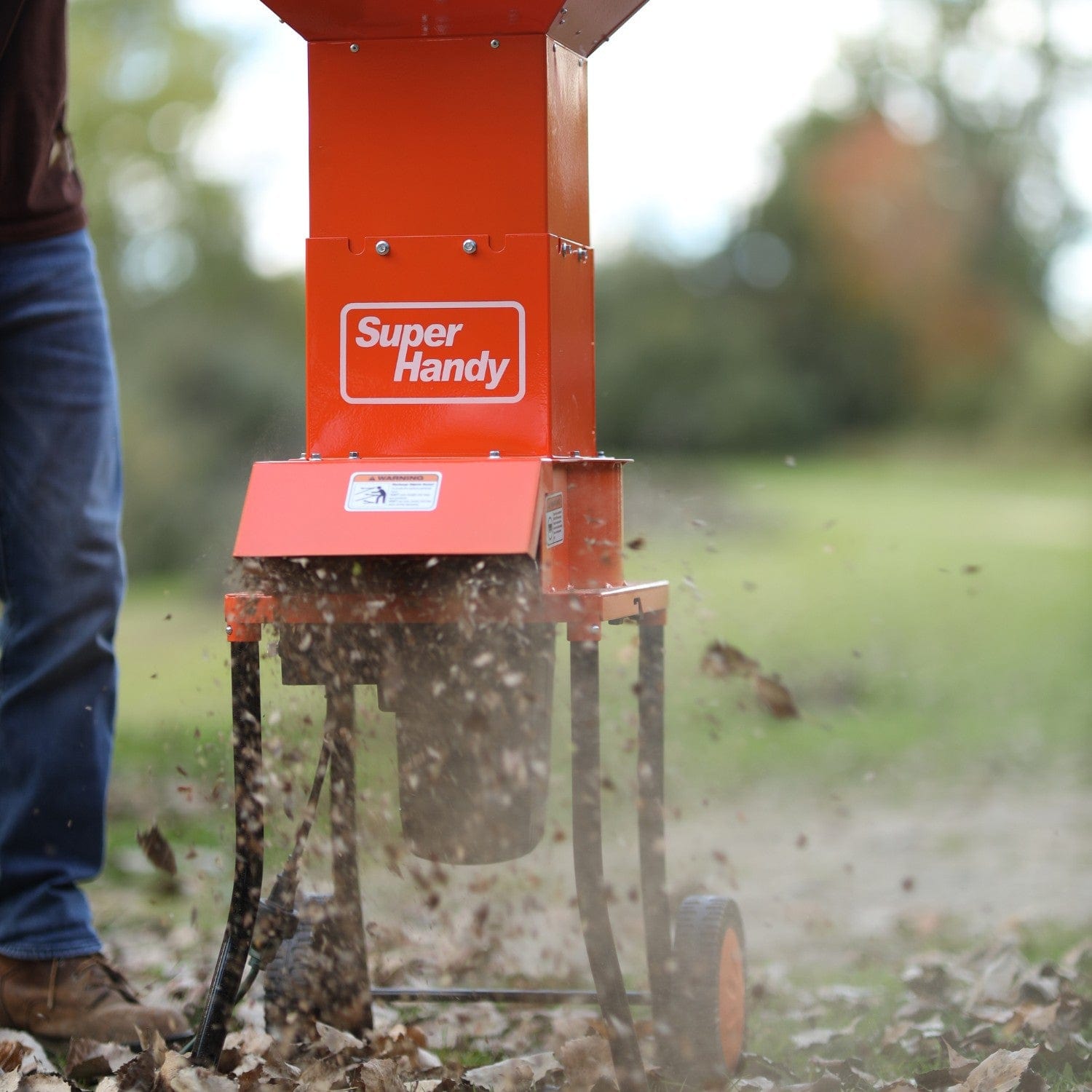
Why You Should Never Waste Mulched Leaves Again: Beyond the Compost Pile
As the vibrant colors of autumn begin to fade, a familiar chore emerges: the annual leaf cleanup. For many, this means hours of raking, blowing, and bagging leaves to be hauled to the curb. But what if that pile of fallen foliage wasn't yard waste, but rather a valuable resource? What if it was "black gold" for your entire landscape?
By seeing fallen leaves as a gift from nature instead of a nuisance, you can transform your garden's health, save money, and contribute to a more sustainable ecosystem. The key to unlocking this potential lies in one simple but powerful step: shredding them.
The Unexpected Value of Autumn Foliage for Your Garden and Home
Whole leaves can be useful, but they often mat together, forming an impenetrable layer that can smother lawns and plants. Shredding them with an efficient Leaf mulcher is the game-changer. This process dramatically increases the surface area of the leaves, accelerating decomposition and making their nutrients readily available.
Think of it this way: a single mature tree can drop leaves containing nutrients equivalent to $50 worth of commercial fertilizer. When you send those leaves to a landfill, you're not just throwing away yard waste; you're throwing away free, perfectly balanced plant food and soil conditioner. Shredded leaves are a powerhouse of carbon, which is essential for building healthy soil structure, and they return vital trace minerals that trees have drawn from deep within the earth.
Seven Creative Uses for Your Abundant Mulched Leaves
Composting is a fantastic use for mulched leaves, but it's just the beginning. By thinking beyond the compost pile, you can leverage this autumn bounty to actively improve nearly every corner of your yard. Let's explore the first and most impactful way to put your mulched leaves to work immediately.

1. How to Use Mulched Leaves as a Superior Garden Bed Mulch for Weed Suppression and Moisture Retention
One of the easiest and most beneficial applications for your freshly shredded leaves is as a natural mulch for your vegetable gardens, flower beds, and around trees and shrubs. Unlike wood chips that can take years to break down, shredded leaves decompose over a single season, feeding the soil as they protect it.
Here’s why it’s so effective and how to do it right:
- Weed Suppression: A 2- to 4-inch layer of mulched leaves is thick enough to block the sunlight that pesky weed seeds need to germinate. This significantly cuts down on your weeding chores throughout the growing season.
- Moisture Retention: This leafy blanket acts like a sponge, absorbing rainfall and slowing evaporation from the soil surface. This means you’ll need to water less often, saving both time and resources. According to the University of New Hampshire Extension, mulching can also help moderate soil temperature, protecting plant roots from extreme heat or cold.
- Soil Improvement: As the leaves slowly break down, they enrich the soil with organic matter, feeding earthworms and beneficial microbes. This process naturally improves soil aeration, drainage, and fertility.
How to Apply Leaf Mulch:
- Shred Your Leaves: Run your dry or slightly damp leaves through an electric leaf mulcher to create a fine, uniform texture.
- Apply a Generous Layer: Spread the shredded leaves across your garden beds to a depth of 2 to 4 inches.
- Keep Clear of Stems: Pull the mulch back an inch or two from the base of plant stems and tree trunks. This prevents excess moisture from accumulating against the plant, which can lead to rot.
2. Boosting Soil Structure and Nutrients: Incorporating Leaf Mold Directly into Garden Beds
While compost is a fantastic soil amendment rich in nutrients, leaf mold is a superior soil conditioner. What’s the difference? Leaf mold is simply what you get when you let shredded leaves decompose on their own. This fungal-driven process creates a dark, crumbly, and earthy-smelling material that dramatically improves soil structure.
When you mix leaf mold into your garden beds, you’re adding a powerhouse of organic matter. It acts like a sponge, capable of holding up to 500 times its own weight in water, which means less watering for you. It also improves soil aeration, preventing compaction and allowing plant roots to breathe and grow freely. To make it, simply shred your leaves—the finer, the faster they’ll break down—and pile them in a bin or a corner of your yard. Keep the pile moist, and in 6 to 12 months, you'll have a priceless soil conditioner to till into your vegetable and flower beds in the fall or spring.

3. Achieving a Lush, Healthier Lawn: Top-Dressing with Finely Shredded Leaves for Natural Fertilization
Stop bagging your leaves and paying for lawn fertilizer. The leaves that fall on your lawn contain the very nutrients your turf needs to thrive. The key is to shred them finely enough that they disappear into the grass instead of smothering it. A thick blanket of whole leaves can block sunlight and kill your lawn, but a thin layer of finely mulched leaves is pure gold.
As these tiny leaf particles break down, they release nitrogen, phosphorus, and potassium right at the root zone. According to research from Michigan State University, this practice can suppress weed growth and improve soil quality over time. For the best results, use a powerful Leaf mulcher to create a confetti-like consistency. Spread a thin layer (no more than half an inch) over your lawn. You should still be able to see the grass blades poking through. This simple autumn chore feeds your lawn for free and builds a healthier, more resilient turf for the following spring.
4. Protecting Tender Plants: Providing Essential Winter Insulation with Mulched Leaves
Before you pack up the garden for the year, use your shredded leaves to tuck in your most vulnerable plants. A thick layer of mulched leaves provides excellent insulation for the roots of tender perennials, roses, strawberries, and shrubs, protecting them from the damaging freeze-thaw cycles of winter. This natural blanket helps maintain a more stable soil temperature, preventing root heave and winter dieback.
For best results, wait until after the first hard frost to apply your leaf mulch. Applying it too early can trap excess moisture and heat, potentially leading to rot. Pile a generous 4- to 6-inch layer of dry, shredded leaves around the base of your plants. The shredded texture is crucial—it allows for air circulation and prevents the leaves from forming a dense, water-logged mat. In the spring, as new growth emerges, gently rake the mulch back to allow the soil to warm up.
5. Building Natural Pathways: Creating Rustic, Eco-Friendly Garden Trails
Want to create soft, attractive pathways through your garden or woodland areas without spending a dime? Mulched leaves are the perfect material. They create a rustic, natural-looking trail that is quiet to walk on, suppresses weeds, and enriches the soil beneath as it slowly decomposes.
Start by marking out the course of your desired path. To effectively smother the grass or weeds underneath, lay down a layer of overlapping cardboard or several sheets of newspaper first. Then, simply cover this base layer with a thick blanket of mulched leaves, ideally 4 to 6 inches deep. The path will compact with foot traffic over time. All you need to do for maintenance is to top it off with a fresh layer of shredded leaves each fall. It’s an incredibly simple, zero-cost way to add structure and charm to your landscape.
6. Enhancing Potting Mixes: Improving Drainage and Aeration for Container Plants
Don't spend a fortune on commercial soil amendments like perlite or peat moss. Your mulched leaves, especially once they've started to decompose into "leaf mold," are a powerhouse addition to any potting mix. The fine, crumbly texture of well-rotted leaf mulch works wonders for container plants, which are prone to soil compaction and poor drainage.
By mixing a scoop of fine leaf mulch into your potting soil (a ratio of 1 part leaf mulch to 3-4 parts soil is a good start), you accomplish two key things. First, you introduce organic matter that helps retain moisture, reducing how often you need to water. Second, the irregular structure of the leaf particles creates air pockets, which is crucial for preventing root rot and allowing roots to breathe and expand. This simple, free amendment leads to healthier, more resilient container gardens on your patio, deck, or balcony.
7. Sustainable Animal Bedding: A Cost-Effective and Comfortable Solution for Coops and Runs
If you raise chickens, rabbits, or other small animals, you know that bedding costs can add up. Shredded leaves offer a fantastic, free, and sustainable alternative to straw or wood shavings. A deep layer of dry, mulched leaves provides a comfortable, insulating cushion for animals, keeping them warm in cooler weather.
This natural bedding is also highly absorbent and is the foundation for the "deep litter method" in chicken coops. As the chickens scratch and mix their droppings into the leaves, the material begins to compost in place. This process generates gentle heat and breaks down waste, resulting in a cleaner, less smelly coop. Over time, you can harvest this rich compost for your garden. Just be sure to avoid leaves from toxic trees like Black Walnut, which can be harmful to livestock.
Frequently Asked Questions (FAQ) About Using Mulched Leaves Effectively
What's the optimal way to shred leaves for different applications, and what equipment works best?
The ideal shred size depends entirely on the intended use. For top-dressing your lawn or mixing into potting soil, a very fine, almost confetti-like consistency is best because it breaks down quickly and integrates seamlessly. For general garden mulch or creating natural pathways, a coarser shred is perfectly acceptable and will last longer.
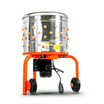
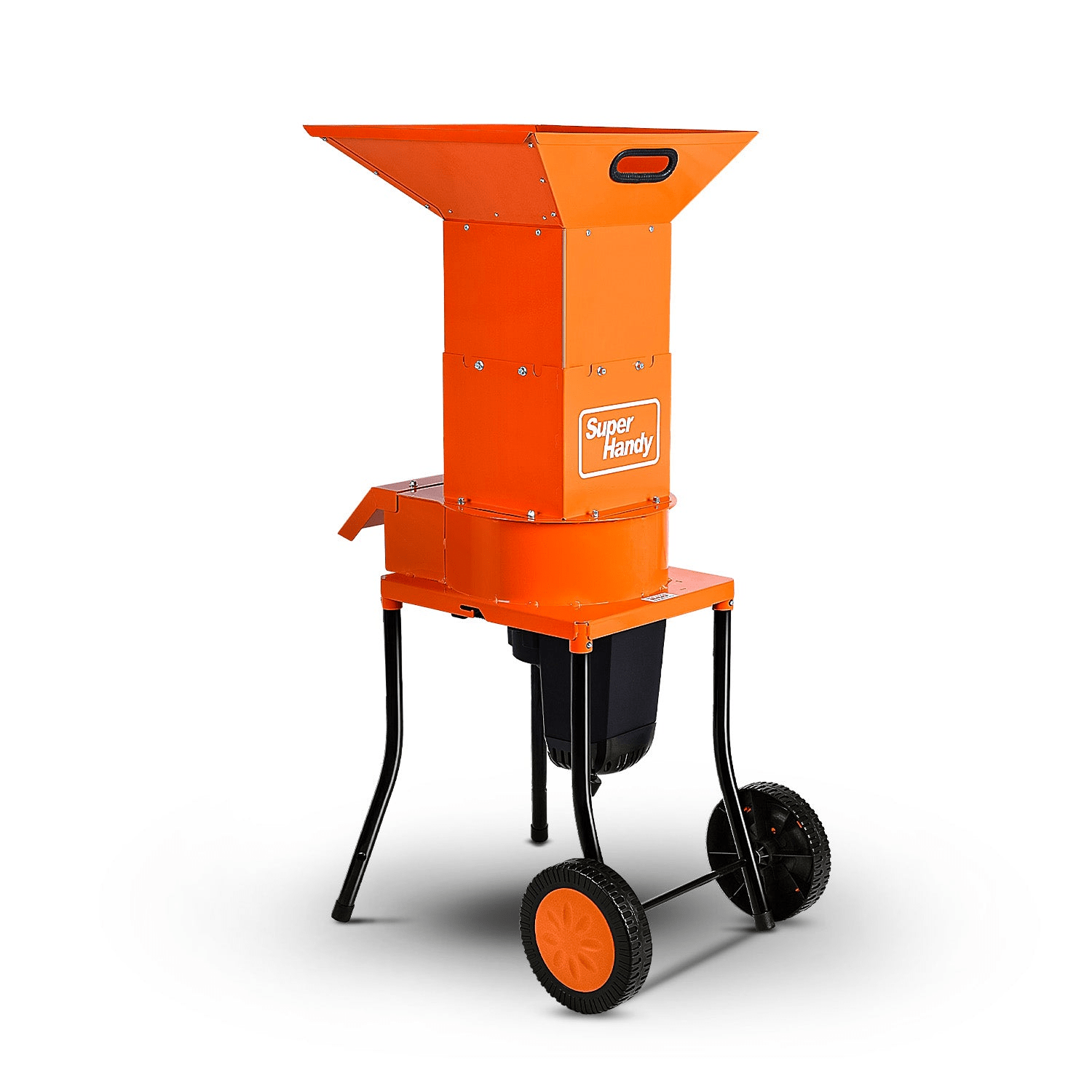
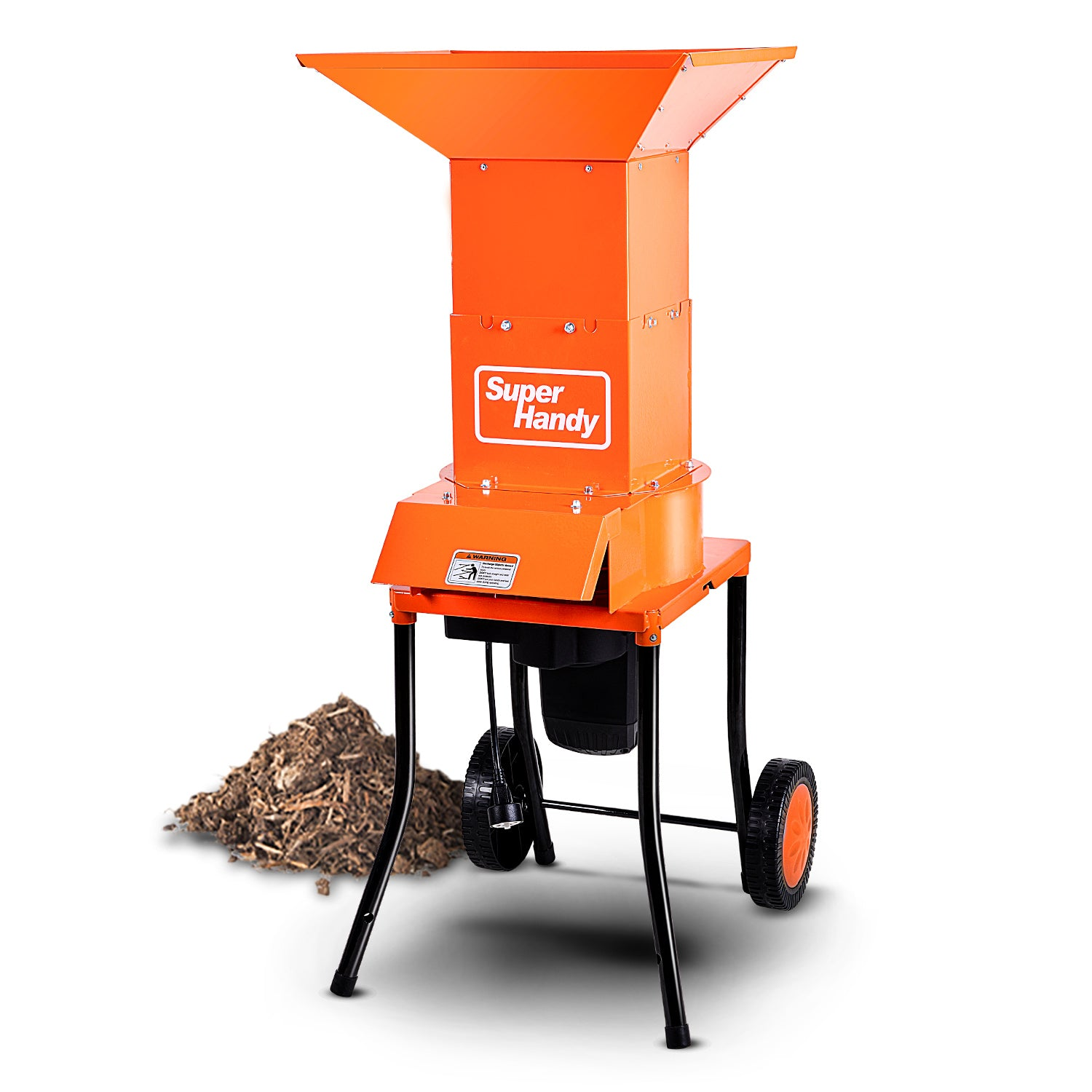
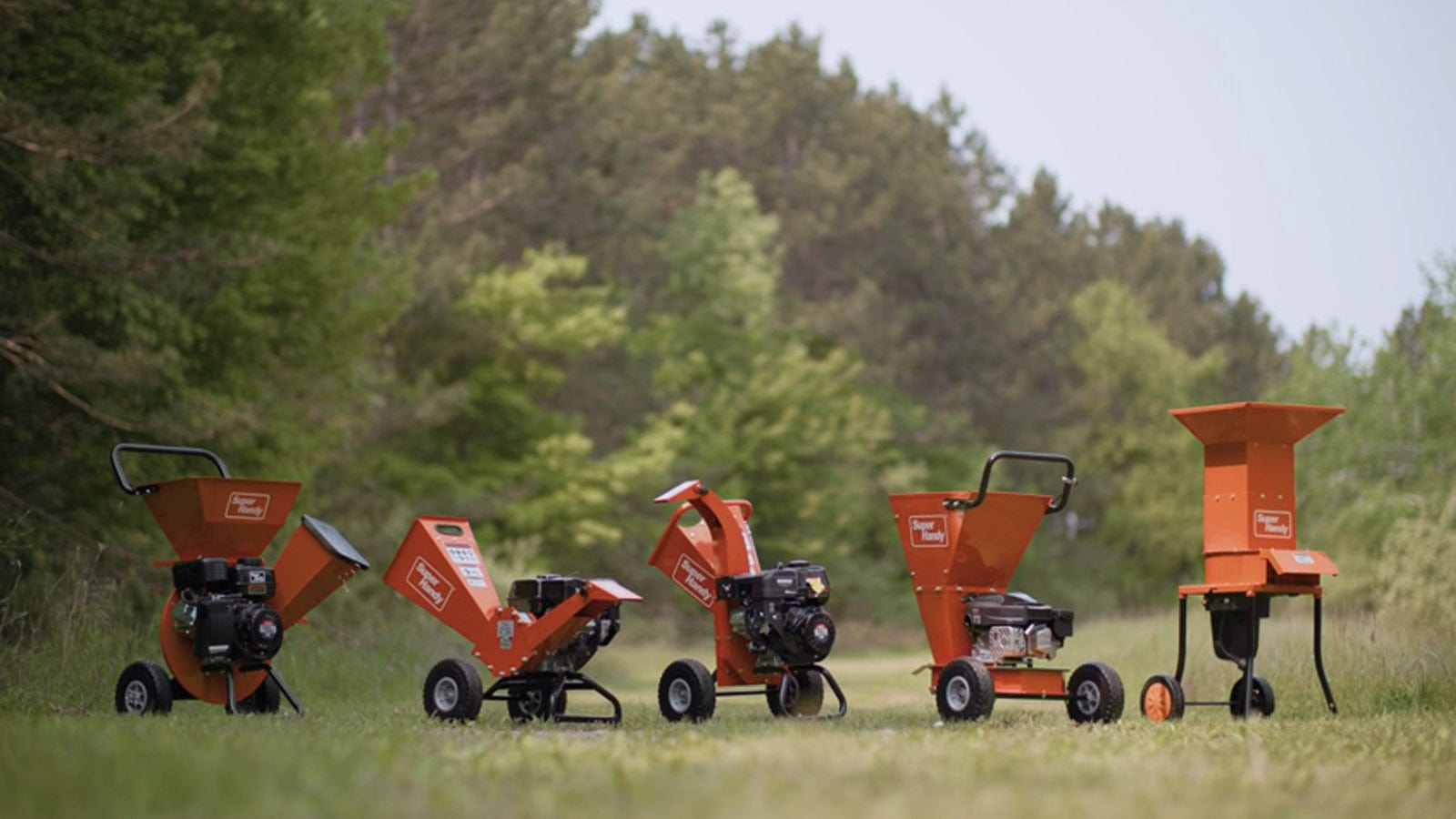
Achieving the perfect shred is easiest with the right tool. While running over leaves with a mulching lawn mower works for small areas, a dedicated Leaf mulcher is the most efficient solution for processing large volumes. These machines are designed specifically for the task, often offering adjustable settings to control the coarseness of the output. An electric leaf mulcher provides powerful performance without the noise, fumes, and maintenance of a gas engine, making it an excellent choice for most homeowners. It transforms massive piles of yard waste into a manageable, nutrient-rich resource in minutes.
Are there any types of leaves I should avoid using for specific purposes, or any that are toxic?
While the vast majority of deciduous tree leaves are a fantastic resource for your garden, a few types warrant caution. The most well-known culprit is the Black Walnut tree. Its leaves, stems, and nuts contain a chemical called juglone, which is allelopathic—meaning it can inhibit the growth of or even kill many other plants, including popular garden vegetables like tomatoes, peppers, and eggplants, as well as ornamentals like azaleas. While thorough composting can break down juglone over time, it's safest to avoid using fresh or partially decomposed black walnut leaves directly as mulch around sensitive plants.
Other leaves to be mindful of include:
- Thick, Waxy Leaves: Leaves from trees like Southern Magnolia, Holly, or Rhododendron are very slow to decompose due to their tough, waxy coating. While not toxic, they can persist for years and may not be ideal for situations where you want rapid soil improvement. Running them through a high-quality leaf mulcher multiple times can significantly speed up their breakdown process.
- Conifer Needles: Pine, fir, and spruce needles are acidic. While excellent as a mulch for acid-loving plants like blueberries, hydrangeas, and azaleas, they should be used more sparingly on vegetable gardens or lawns that prefer a more neutral pH.
- Diseased Leaves: If you've had issues with fungal diseases like anthracnose, apple scab, or powdery mildew, it's wise to avoid using those infected leaves as mulch. While hot composting can kill many pathogens, simply shredding and spreading them can reintroduce the disease spores to your garden the following spring.
How do I store large quantities of mulched leaves for year-round use without them compacting or rotting?
Storing your shredded "black gold" is simple with the right technique, ensuring you have a ready supply for spring planting, summer mulching, and beyond. The two key factors for successful storage are air circulation and moisture management.
First, always shred the leaves before storing. Whole leaves mat together, block airflow, and turn into a slimy, anaerobic mess. Finely shredded leaves have more surface area and resist compaction.
Here are the best storage methods:
- Wire Bins: This is the ideal method. Create a simple, free-standing cylinder or square bin using a length of hardware cloth or chicken wire. This allows maximum airflow from all sides, preventing compaction and anaerobic decay while keeping the pile tidy. Simply pile your shredded leaves inside.
- Large Yard Bags: Heavy-duty plastic or paper yard waste bags work well for smaller quantities. If using plastic bags, poke several holes in the sides and bottom for drainage and air exchange. Store them in a shed, garage, or under a deck to protect them from excessive rain.
- A Simple Tarp-Covered Pile: For very large quantities, you can simply rake the shredded leaves into a large, manageable pile in an out-of-the-way corner of your yard. Cover it loosely with a tarp to prevent it from getting waterlogged by heavy rain or snow, which can lead to rotting. Don’t seal the tarp down; air still needs to circulate.
For long-term storage, aim to keep the leaves slightly damp, like a wrung-out sponge. This will encourage them to slowly break down into valuable leaf mold, a superior soil conditioner you can use all year.

Maximizing Your Garden's Potential: Embracing Autumn's Gift for a Sustainable Landscape
The annual cascade of autumn leaves isn't a chore to be cleaned up and discarded; it's a gift. It is nature’s own system for recycling nutrients and building rich, resilient soil. By trading in your rake and bags for a good leaf mulcher, you transform this perceived waste into one of the most valuable free resources available for your garden and landscape.
From suppressing weeds and retaining precious moisture to feeding your lawn and protecting tender perennials from winter's chill, mulched leaves are the ultimate multi-tasker. They close the ecological loop in your own backyard, reducing your reliance on purchased fertilizers and soil amendments while creating a healthier, more vibrant ecosystem.
So this year, let the bags sit in the garage. Embrace the rustle of foliage and the hum of an electric leaf mulcher. See the bounty of autumn not as a mess, but as a key ingredient for a more beautiful, productive, and truly sustainable landscape. Your soil, your plants, and your wallet will thank you for it.
Related Products

Leave a comment
All comments are moderated before being published.
This site is protected by hCaptcha and the hCaptcha Privacy Policy and Terms of Service apply.