









Why Your Small Urban Garden Needs Mulch
Even in a compact city garden, a layer of mulch is a game-changer. It acts as a protective blanket for your soil, helping it retain moisture so you can water less frequently. Mulch also suppresses weed growth, saving you time and effort. As it decomposes, it enriches your soil with valuable organic matter, improving its structure and fertility—all essential for thriving plants in containers and raised beds.
Understanding Leaf Shredders: What They Are and How They Work
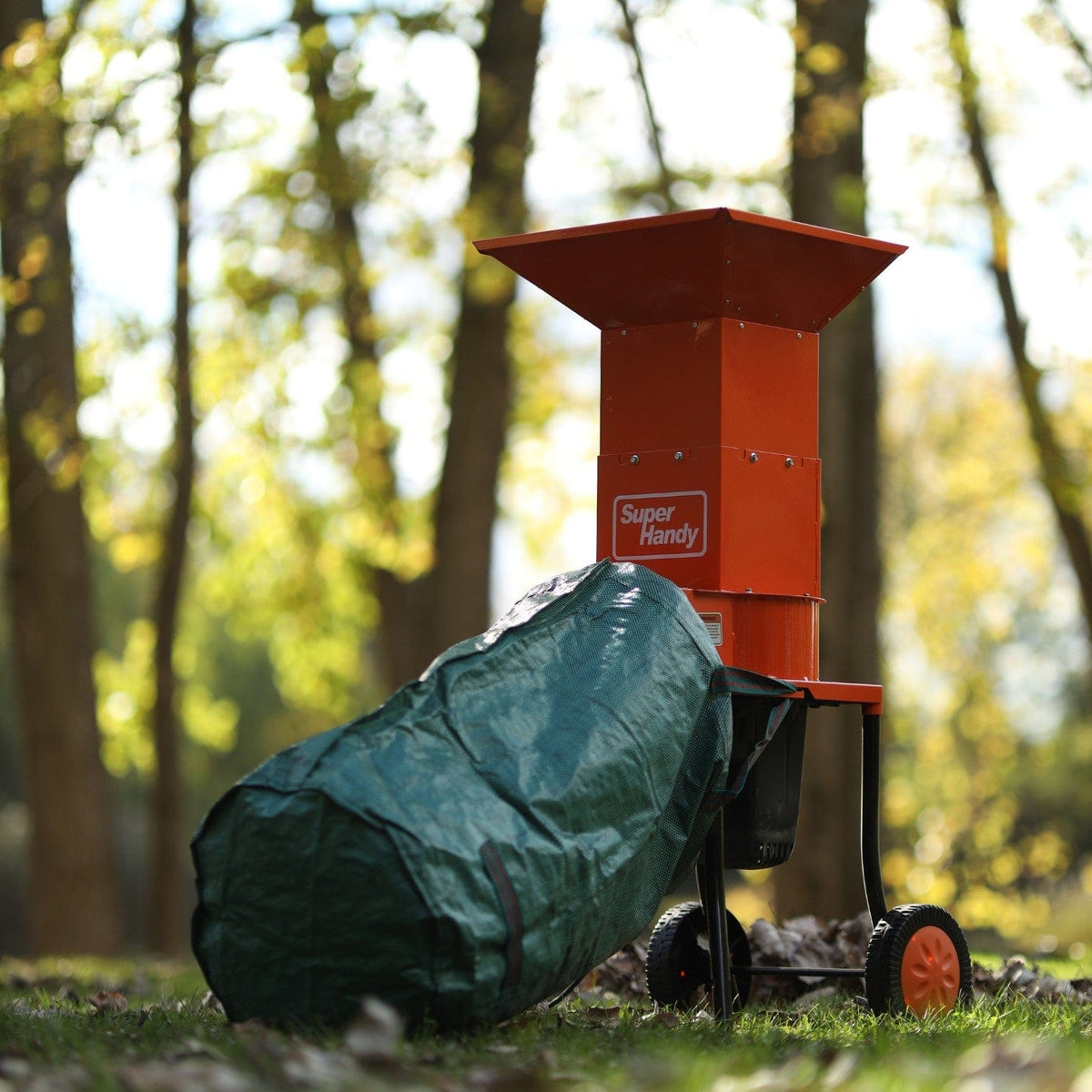
A leaf shredder, often called a leaf mulcher, is a garden tool designed to turn bulky piles of fallen leaves into a fine, nutrient-rich material. It works by feeding leaves into a hopper, where a high-speed cutting system—typically using heavy-duty trimmer line—chops them into small pieces. This process dramatically reduces the volume of your leaf pile and creates a perfect consistency for mulch or compost that breaks down quickly.

Choosing the Right Leaf Shredder for Your Urban Space
When selecting a leaf shredder for an urban environment, size, power, and noise level are key. An electric model is usually the best choice, as it's quieter than its gas-powered counterparts and produces no exhaust fumes, keeping you on good terms with your neighbors. Look for a compact and portable design that is easy to store in a small shed, garage, or balcony closet. Match the hopper size to the amount of leaves you typically handle to ensure efficient processing.
Safety First: Essential Precautions for Using a Leaf Shredder
Operating your leaf mulcher safely is non-negotiable. Before you begin, always put on safety glasses and durable gloves to protect yourself from flying debris. Ensure the machine is on a flat, stable surface to prevent it from tipping over during use. Most importantly, never put your hands or any other object besides leaves into the hopper while the unit is on. Keep children and pets away from the work area at all times.
Step-by-Step: Transforming Fallen Leaves into Garden Gold
Ready to turn that pile of autumn leaves into nutrient-rich mulch? Using a leaf shredder is a simple process. Follow these steps to create the perfect garden amendment safely and efficiently.
Best Practices for Collecting and Shredding Leaves
First, gather your leaves. For the best results, use dry leaves, as wet ones can clog the machine. Rake them onto a tarp for easy transport. As you collect, be sure to remove any rocks, thick twigs, or other debris that could damage your leaf mulcher or become dangerous projectiles. A little prep work goes a long way in protecting your equipment and ensuring a smooth process.
How to Use Your Leaf Shredder Safely and Effectively
Before starting, position your shredder on a stable, level surface. Always wear safety glasses and sturdy gloves. Turn on the machine and begin feeding small handfuls of leaves into the hopper. Avoid overstuffing the unit, which can strain the motor. Let the machine work at its own pace for consistent, effective shredding. A quality electric leaf shredder is designed for steady, manageable input.
Achieving the Perfect Mulch Consistency
Most leaf shredders offer adjustable settings to control the size of the output. For a finer mulch that breaks down quickly, choose a smaller setting. If your model doesn't have this feature, you can run the shredded leaves through the machine a second time. This creates a fine-textured "leaf mold" perfect for enriching soil in your urban garden beds.
Where to Store Your Shredded Leaf Mulch
Once you’ve used your leaf shredder to create a pile of valuable mulch, storage is key, especially in tight urban spaces. Store your shredded leaves in burlap sacks, heavy-duty garbage cans with lids, or dedicated compost bins. These containers keep the mulch tidy and contained. Aim to keep the material slightly moist but not soggy to encourage beneficial decomposition without it becoming moldy. If you have a dry, covered spot under a deck or in a small shed, that’s an ideal location.
Applying Shredded Leaves to Your Garden Beds
Applying your homemade mulch is simple. Spread a 2- to 3-inch layer of the shredded leaves over the soil in your garden beds, around vegetables, perennials, and shrubs. Be careful to keep the mulch a few inches away from the base of plant stems and tree trunks. This small gap prevents moisture from getting trapped against the plant, which can lead to rot and create a hiding spot for pests. You can apply the mulch in the fall to protect soil over winter or in the spring to prepare for the growing season.

Benefits of Using Shredded Leaves as Mulch in Urban Gardens
Using shredded leaves from your leaf mulcher is one of the best things you can do for your garden’s health. As a natural, organic material, it slowly breaks down, enriching your soil over time. Research shows that a good layer of mulch enhances soil moisture regulation, suppresses weeds, moderates soil temperature, and builds organic matter. This means less watering for you and a more stable environment for your plants’ roots. Furthermore, a key benefit is weed prevention, as the mulch layer prevents weed seeds from getting the light they need to germinate and grow.
Troubleshooting Common Leaf Shredder Issues
Even the best leaf shredder can run into occasional issues. Here are a few common problems and their solutions:
- Clogs or Jams: This usually happens when you feed too many leaves at once, or if the leaves are very wet and matted. Turn off and unplug the machine, then safely clear the jam. To prevent it, feed leaves in smaller, manageable handfuls.
- Machine Won’t Start: First, ensure the shredder is properly plugged into a working outlet. Check that all safety features are engaged, such as the hopper being securely locked in place.
- Ineffective Shredding: If you notice the output isn’t as fine as it used to be, the cutting lines or blades may be worn out. Check your user manual for instructions on how to inspect and replace them.
Frequently Asked Questions
Can I put wet leaves in my leaf shredder?
It is highly recommended to shred leaves when they are dry or only slightly damp. Soaking wet leaves tend to clump together, which can clog the machine's feeding chute and cutting mechanism. This puts unnecessary strain on the motor and makes the process far less efficient. If your leaf pile gets rained on, spread the leaves on a tarp to dry in the sun for a few hours before shredding for the best results.
Besides leaves, what else can I shred in a leaf mulcher?
Most light-duty electric leaf shredders are designed for leaves, pine needles, and small, dry plant debris. They can typically handle very small twigs (usually under a half-inch in diameter), but you should always consult your owner's manual for specific limitations. Avoid feeding larger branches, hard nuts, rocks, or any non-organic materials into your leaf mulcher, as this can damage the cutting lines or blades and create a safety risk.
Are leaf shredders noisy? Will I bother my neighbors?
Leaf shredders do produce a significant amount of noise, often comparable to a lawnmower or leaf blower. Electric models are generally quieter than gas-powered ones, making them a more considerate choice for small urban properties with close neighbors. To minimize disturbances, operate your shredder during reasonable daytime hours, avoiding early mornings and late evenings.
How fine should my shredded leaf mulch be?
The ideal consistency depends on your intended use. A coarser shred works wonderfully as a top-layer mulch to suppress weeds and retain moisture. A finer shred breaks down more quickly, making it perfect for mixing into soil as an amendment or for accelerating your compost pile. Many leaf shredders offer adjustable settings to control the output size.
Related Products


Leave a comment
All comments are moderated before being published.
This site is protected by hCaptcha and the hCaptcha Privacy Policy and Terms of Service apply.