









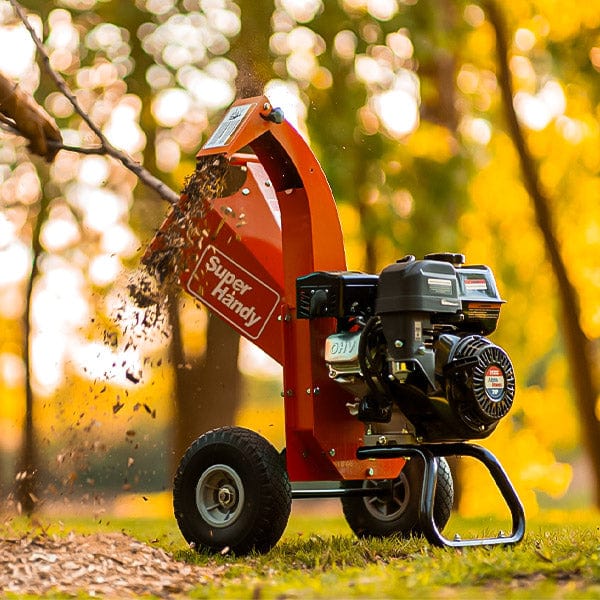
Understanding Your Yard Waste Volume: How Much Do You Actually Produce?
Before looking at any wood chipper for sale, take stock of your yard. Are you dealing with a constant supply of fallen branches from mature trees, or mostly clearing light brush, leaves, and garden trimmings? Consider both the volume and the frequency. A small property with a few bushes produces far less waste than a multi-acre lot with dense woods. Honesty here prevents you from buying a machine that’s either underpowered for your needs or unnecessarily large and costly.

Key Wood Chipper Types Explained: From Electric to Gas-Powered Giants
Wood chippers primarily fall into two categories: electric and gas-powered.
- Electric Chippers: These are quieter, lighter, and best for smaller yards with light-duty work. They excel at shredding leaves and small twigs, typically under 1.5 inches in diameter. They require a nearby power outlet, which can limit their range.
- Gas-Powered Chippers: For anything more substantial, a gas engine provides the necessary power and portability. As noted by agricultural experts, the size of the chipper determines the size of branch it can process, and gas models offer a much wider range of sizes and capabilities for handling serious debris.
Engine Power Matters: Horsepower Ratings and What They Mean for Chipping
For gas-powered models, engine power is measured in Horsepower (HP) and engine displacement (cc). A higher HP rating means the engine can generate more force, allowing the blades to slice through tougher, thicker wood without stalling. For frequent use on branches up to 2-3 inches, a chipper in the 6-7 HP range provides a great balance of power and efficiency for homeowners and small farm maintenance.
Chipping Capacity: How Big a Branch Can You Handle?
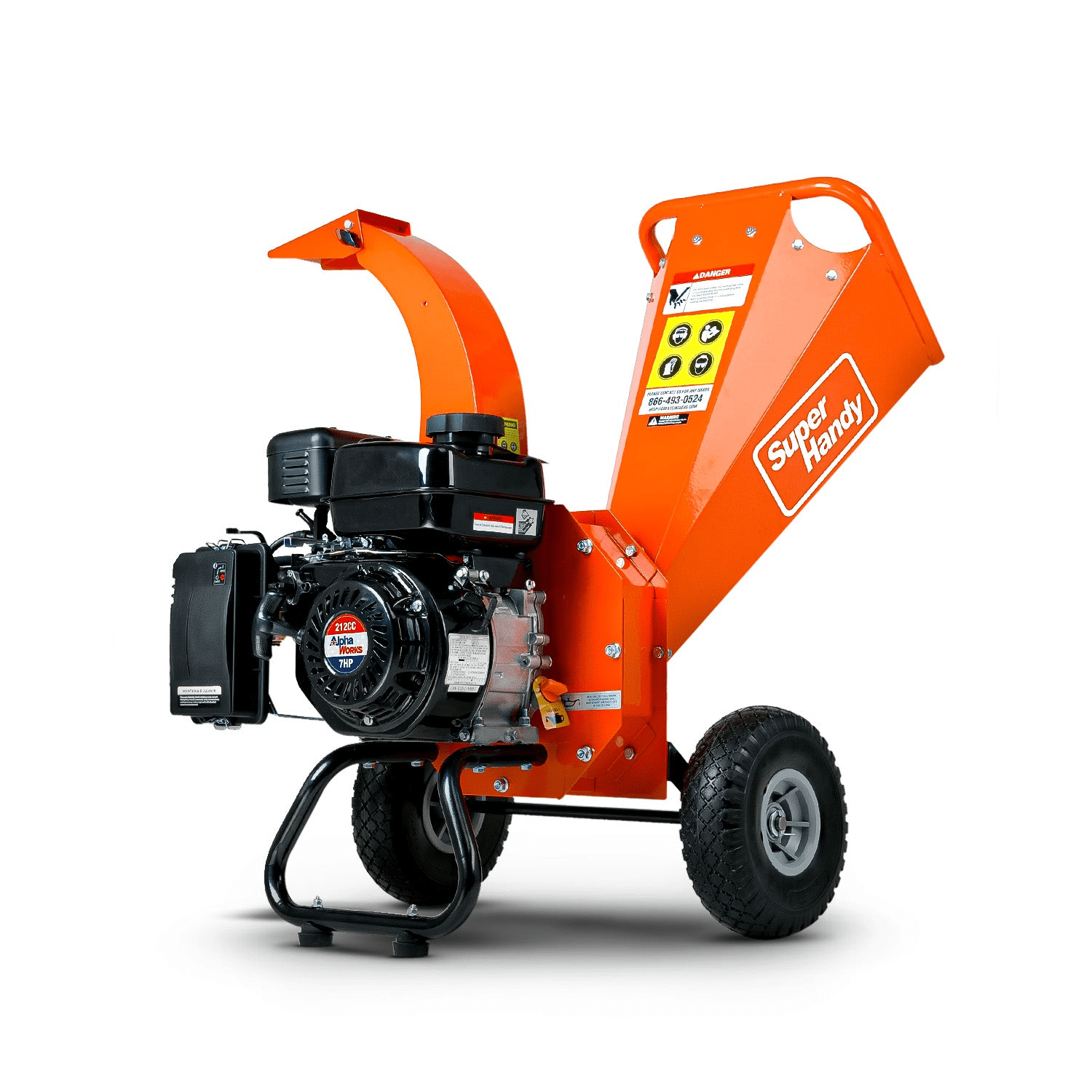
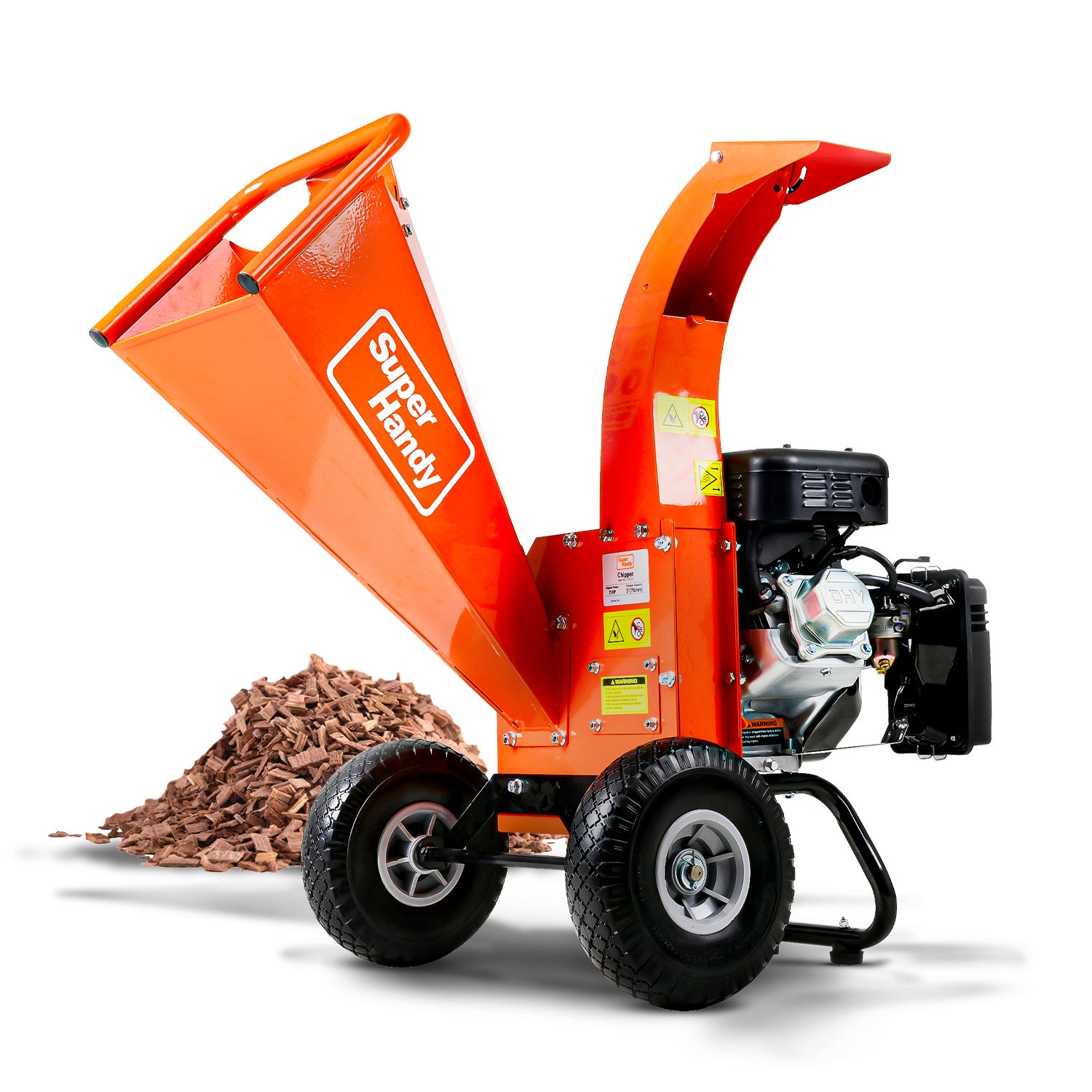
This is arguably the most important specification. Chipping capacity refers to the maximum diameter of a branch the machine can safely handle. A 3-inch capacity is a common and highly effective standard for residential and light commercial use. It’s robust enough to handle sizable storm debris and serious pruning jobs. A model like the SuperHandy Wood Chipper Mini - 7HP 212CC, 3" Max Branch Capacity is a perfect example of a powerful, practical chipper for wood that meets this need, turning large branches into useful mulch with ease.
Blade Type and Material: Durability and Effectiveness for Different Woods
The heart of any wood chipper is its cutting mechanism. The blades do the hard work, so their type and material are critical for performance and longevity. Most chippers use hardened steel blades, which are essential for durability and maintaining a sharp edge. For frequent use, look for a tree chipper for sale with dual, reversible blades. This design provides a longer service life, as you can simply flip the blades to a fresh, sharp edge before needing to replace or resharpen them. This ensures consistent, efficient chipping of both green, soft woods and dry, harder branches.
Feed Type: Gravity vs. Self-Feeding Chippers for Efficiency
How you feed branches into the machine significantly impacts your workflow. Gravity-feed chippers rely on a steep chute and gravity to guide material to the blades, often requiring you to push branches through. For more efficient and less strenuous operation, a self-feeding chipper is superior. These models use the spinning motion of the blades to actively pull branches into the chipping chamber. This feature not only saves you time and effort but also provides a more consistent and safer chipping experience, making it a key feature for anyone tackling large volumes of yard waste.

Portability and Storage: Will It Fit in Your Shed or Garage?
A powerful wood chipper for sale is useless if you can't move it where you need it or store it afterward. Consider the machine's overall footprint and weight. Key portability features include large, sturdy wheels that can handle uneven terrain and a well-balanced design with ergonomic handles for easy maneuvering. Compact models like the SuperHandy Wood Chipper Mini - 7HP 212CC, 3" Max Branch Capacity are designed for easy transport around your property and a smaller storage footprint, ensuring they fit comfortably in a garage or shed.
Safety Features to Look For: Protecting Yourself While Chipping
Safety should always be your top priority when operating powerful equipment. A quality wood chipper will have several built-in safety features. Look for a wide, long feeding hopper that keeps your hands far from the blades. An emergency stop button or safety bar should be easily accessible to shut down the engine instantly. Furthermore, a blowback protection flap at the chute opening helps prevent wood chips from being ejected back toward the operator. Always review the manufacturer's safety guidelines before your first use.
Noise Levels: Considering Your Neighbors and Your Own Comfort
Let's be realistic: no wood chipper is silent. However, the noise level varies significantly between models. Electric chippers are generally much quieter, producing noise comparable to a household blender or vacuum cleaner. This makes them a considerate choice for suburban areas with close neighbors. Gas-powered chippers, on the other hand, are considerably louder due to their powerful engines, often reaching levels that require hearing protection for safe operation. Always wear ear protection when operating a gas model, and consider your local noise ordinances and the time of day you plan to work.
Maintenance Requirements: Keeping Your Chipper Running Smoothly
Proper maintenance is key to a long and effective life for your chipper for wood. The most critical task is keeping the blades sharp. Dull blades tear wood instead of cutting it, stressing the engine and producing poor-quality chips. Regularly inspect blades for nicks and dullness, and sharpen or replace them as needed. For gas models, this also includes routine engine care like checking oil levels, cleaning the air filter, and inspecting the spark plug. After every use, clear out any remaining debris from the hopper and discharge chute to prevent clogs and corrosion.

Budgeting for Your Wood Chipper: Initial Cost vs. Long-Term Value
When looking at a wood chipper for sale, it's tempting to focus only on the upfront price. However, the true value lies in long-term performance and savings. A durable, well-built machine may have a higher initial cost but pays for itself over time by eliminating landscape waste disposal fees and creating valuable, free mulch for your garden beds. Consider a robust model like the SuperHandy Wood Chipper Mini - 7HP 212CC, 3" Max Branch Capacity, which balances power and affordability, offering a cost-effective solution for frequent yard maintenance.
Electric Wood Chippers: Best for Light-Duty, Frequent Use?
For homeowners with smaller yards and lighter debris, an electric wood chipper can be an excellent choice. They excel at processing twigs, leaves, and small branches, typically up to 1.5 inches in diameter. Their key advantages are convenience and ease of use. They are lightweight, start with the push of a button, require no fuel or oil changes, and are much quieter and more portable than their gas counterparts. If your yard waste consists mainly of small-caliber branches and green material, an electric model offers a practical, low-maintenance solution.
Gas-Powered Chippers: When Do You Need More Muscle?
While electric chippers are suitable for light yard work, there comes a point when you need the sheer force that only a gas-powered engine can provide. If you find yourself frequently dealing with substantial yard waste, upgrading to a gas model is less of a luxury and more of a necessity for efficient and frustration-free cleanup. But when exactly is it time to call in the "muscle"?

A gas-powered tree chipper becomes essential under several common conditions. First, consider the size of the branches. If your property has mature trees that regularly drop limbs thicker than 1.5-2 inches, a gas chipper is the only practical solution. Many residential gas models are engineered to handle branches up to 3 inches in diameter, turning sizable debris into manageable mulch with ease.
The type of wood also matters. Hardwoods like oak, hickory, and maple demand significantly more torque to process than softer woods like pine or fir. A gas engine delivers the consistent, high-torque performance needed to break down these dense materials without stalling or jamming. Furthermore, if you're clearing large volumes of brush or processing the aftermath of a storm, a gas-powered wood chipper offers superior throughput and the freedom to work anywhere on your property, untethered by an electrical cord. For homeowners and farm users who need a durable and powerful solution, a reliable gas model, like a SuperHandy Wood Chipper Mini - 7HP 212CC, 3" Max Branch Capacity, provides the robust performance required for serious land maintenance.
Frequently Asked Questions About Wood Chippers
Can I put wet or green wood in a chipper?
While most gas-powered wood chippers can process green wood, it is not always ideal. The high moisture content can result in stringy, mushy output and may increase the risk of clogging the discharge chute. For the most efficient operation and highest quality wood chips, it's best to mix green material with dry, seasoned branches or let it dry for a few days before chipping.
What is the difference between a wood chipper and a garden shredder?
A wood chipper is specifically designed to handle hard, woody material. It uses sharp, heavy-duty blades to slice branches and limbs into small, uniform chips. A garden shredder, by contrast, typically uses blunter hammers or flails to pulverize softer, leafy debris like leaves, plant stalks, and small twigs. Many versatile machines for home use are combination chipper shredders, featuring both a chipping chute for branches and a larger hopper for shreddable material.
How often do chipper blades need to be sharpened?
Blade longevity depends on the frequency of use and the type of wood you are chipping. For frequent chipping of hardwoods, blades may need sharpening or replacement after 10 to 25 hours of use. If you primarily chip softer woods, they will last much longer. Dull blades reduce efficiency and strain the engine, so inspect them regularly.
Choosing the Right Wood Chipper: A Final Checklist for Frequent Users
Feeling ready to turn your yard waste pile into valuable mulch? Use this final checklist to ensure you select a durable, high-efficiency machine that perfectly matches your needs.

- Yard Waste Profile: Honestly assess your debris. Do you mainly have large, tough branches from tree maintenance, or smaller twigs and leafy waste from garden cleanup?
- Maximum Branch Capacity: Measure the thickest branches you typically need to process. A machine with a 3-inch chipping capacity, such as the powerful and portable SuperHandy Wood Chipper Mini - 7HP 212CC, 3" Max Branch Capacity, is an excellent standard for most household and farm applications.
- Power and Portability: Decide between the raw power and untethered freedom of a gas engine versus the quieter, lighter-duty performance of an electric model. Check for sturdy wheels and balanced construction if you need to move it across your property.
- Essential Safety Features: Never compromise on safety. Look for a chipper with robust guarding on the feed chutes, a low oil sensor, and a clearly marked emergency shut-off switch.
Related Products


Leave a comment
All comments are moderated before being published.
This site is protected by hCaptcha and the hCaptcha Privacy Policy and Terms of Service apply.