








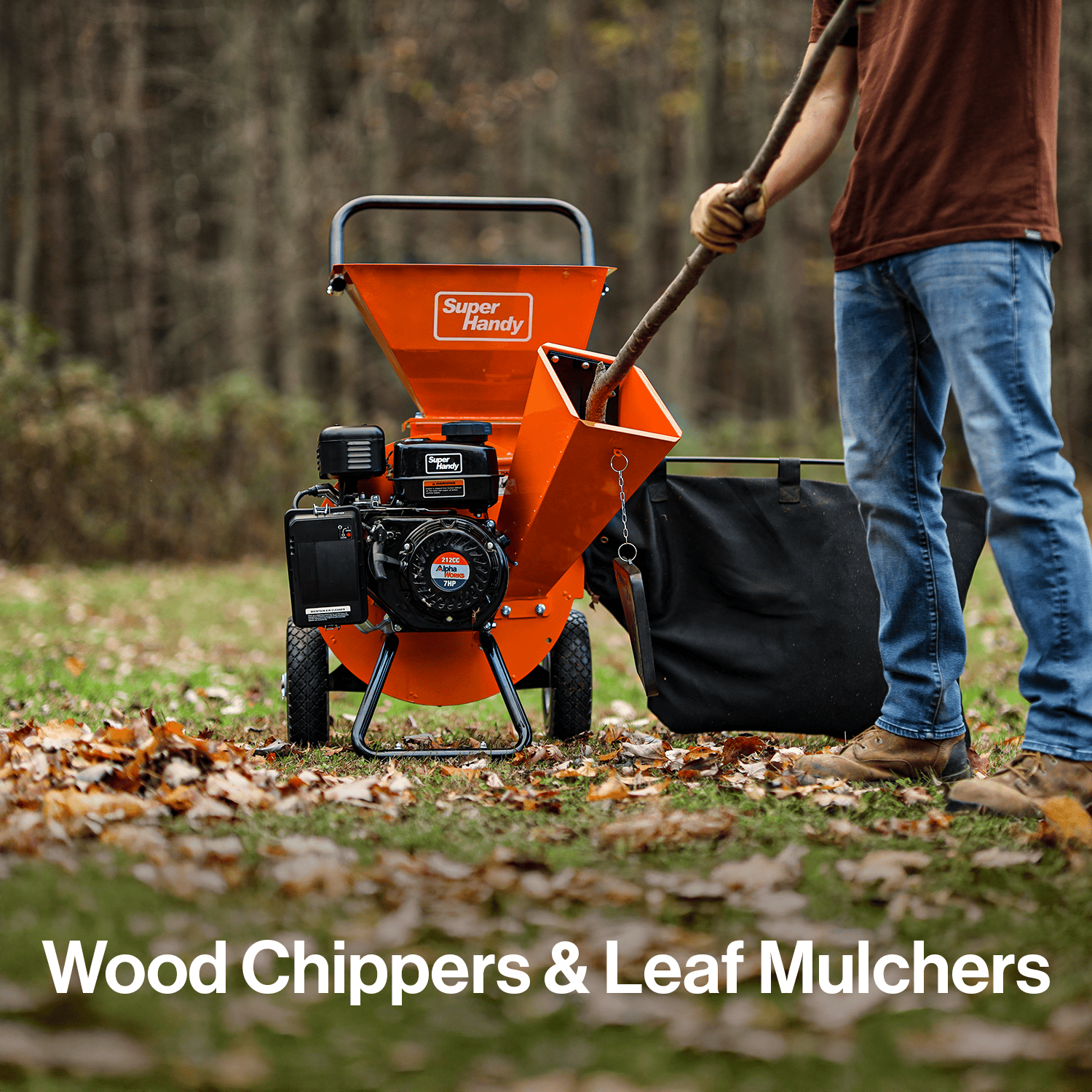
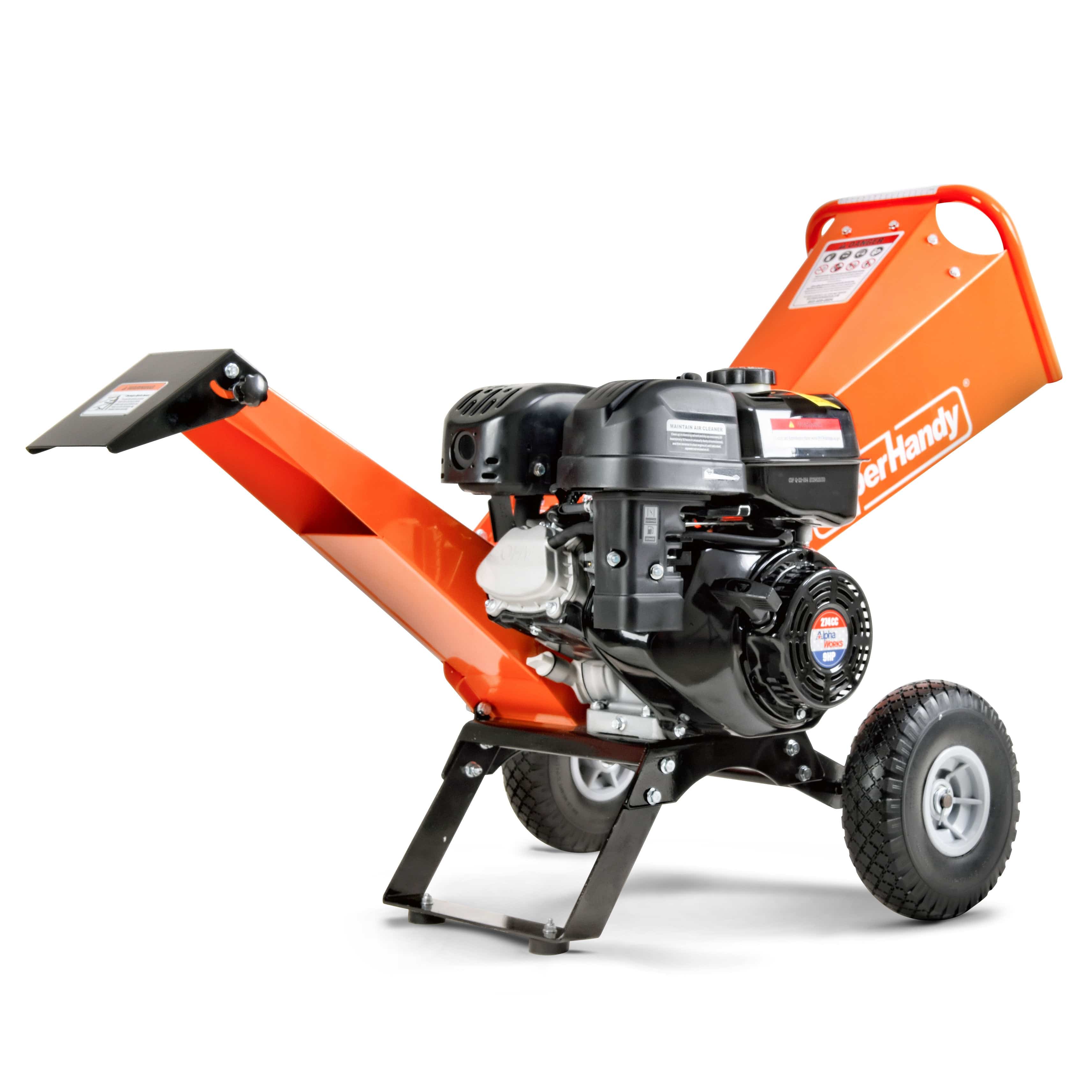
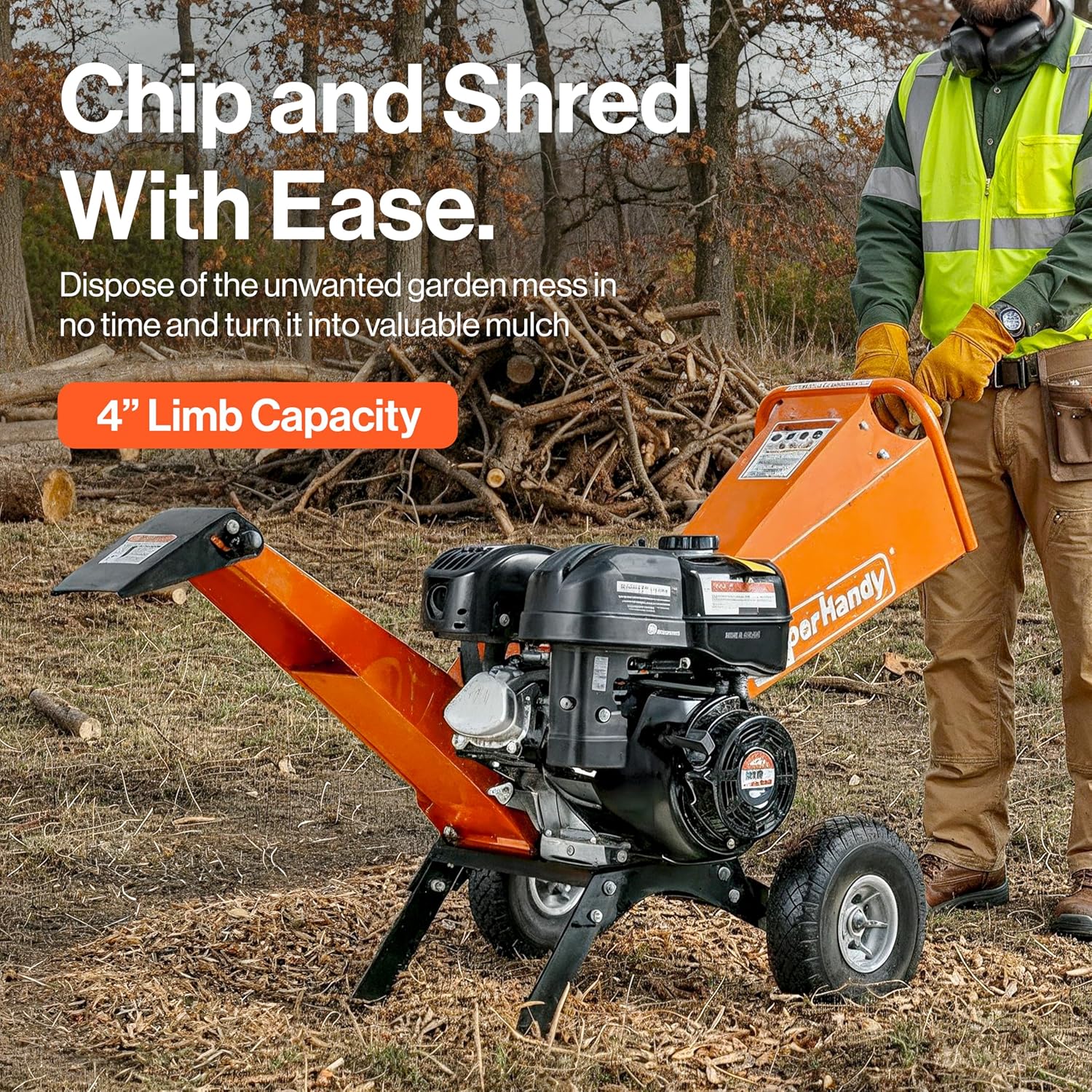
For property owners serious about maintaining a pristine and productive landscape, an engine wood chipper is often the cornerstone of effective yard management. Unlike their electric counterparts, gasoline-powered chippers offer unparalleled mobility and the raw power needed to tackle significant volumes of woody debris, transforming unsightly piles into valuable resources. If you're ready to take control of your property's cleanup, understanding your specific needs is the first crucial step.

Assessing Your Debris: What Type and Volume Do You Need to Process?
Before investing in an engine wood chipper, it's essential to realistically evaluate the kind and quantity of material you'll be processing. This assessment directly influences the size, horsepower, and features you’ll require.
Consider the type of debris:
- Branch Diameter: Are you primarily dealing with small twigs and brush, or thicker branches up to 3-5 inches (or even larger)? Your chipper’s maximum chipping diameter is a non-negotiable specification dictated by the size of the material you regularly encounter. For versatility, a multi-functional unit like a 3 IN 1 wood chipper or a 2 IN 1 wood chipper can handle both branches and softer yard waste.
- Green vs. Dry Wood: Engine chippers generally excel at processing both green, freshly cut wood and dry, seasoned branches, though dry wood can be harder on blades.
- Leaves and Garden Waste: Some models, often referred to as chipper-shredders, are equipped with a separate shredding mechanism to handle softer materials like leaves, small twigs, and garden waste, turning them into finely mulched material.
Next, quantify the volume of debris:
- Occasional Cleanup: If you only have sporadic, small piles of branches from pruning or storm damage, a smaller, less powerful engine chipper might suffice.
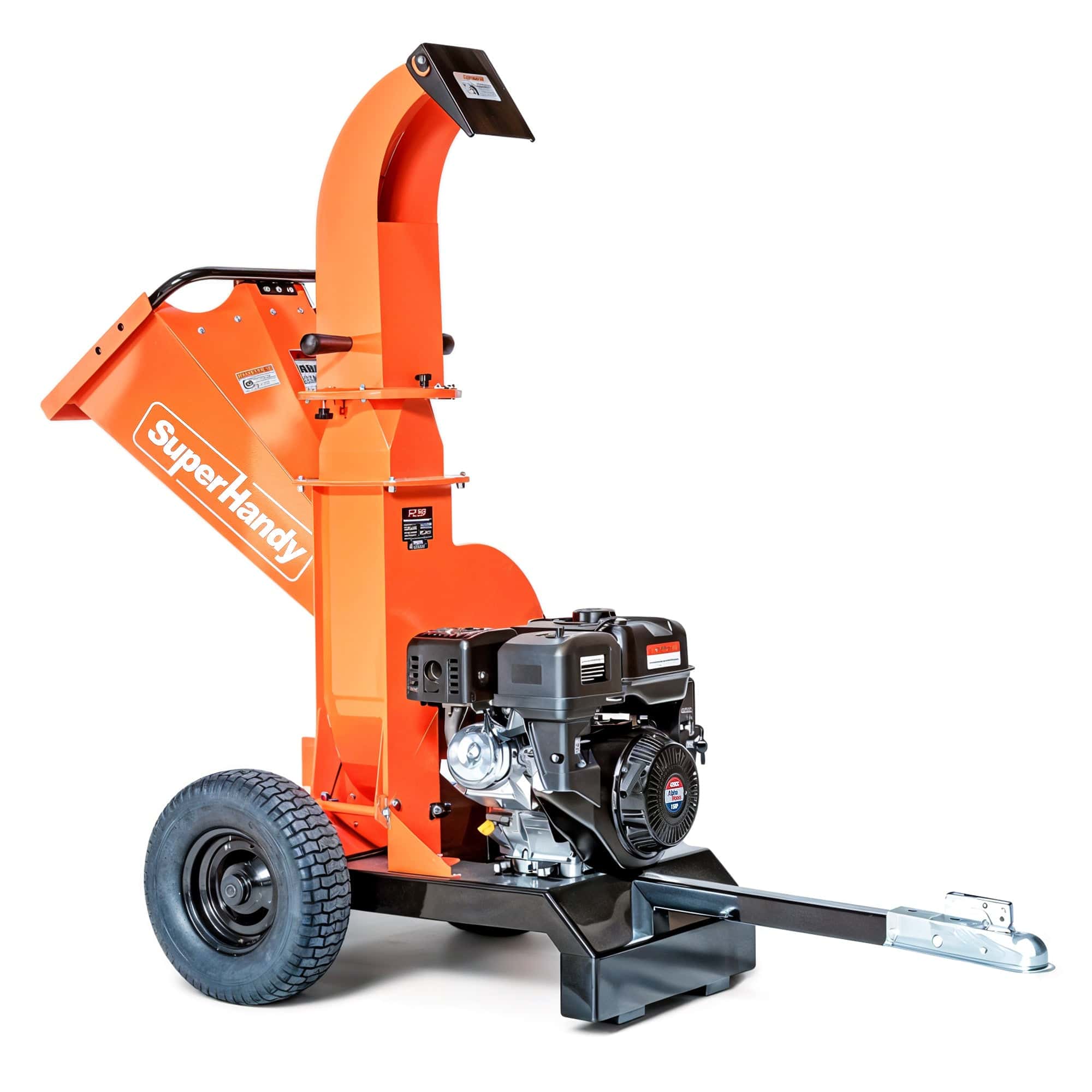
- Regular Maintenance/Large Property: For larger properties with frequent tree trimming, extensive garden beds, or storm-prone areas, a robust chipper capable of higher throughput is essential. Consider models with higher horsepower, such as a 15HP wood chipper, to efficiently manage significant volumes of material.
- Commercial/Rental Use: While this guide focuses on personal property, understanding that commercial demands require industrial-grade machinery highlights the importance of matching volume to machine capability.
The Undeniable Benefits of Owning Your Own Engine Chipper
Investing in your own engine wood chipper offers a wealth of advantages that extend far beyond simply disposing of branches.
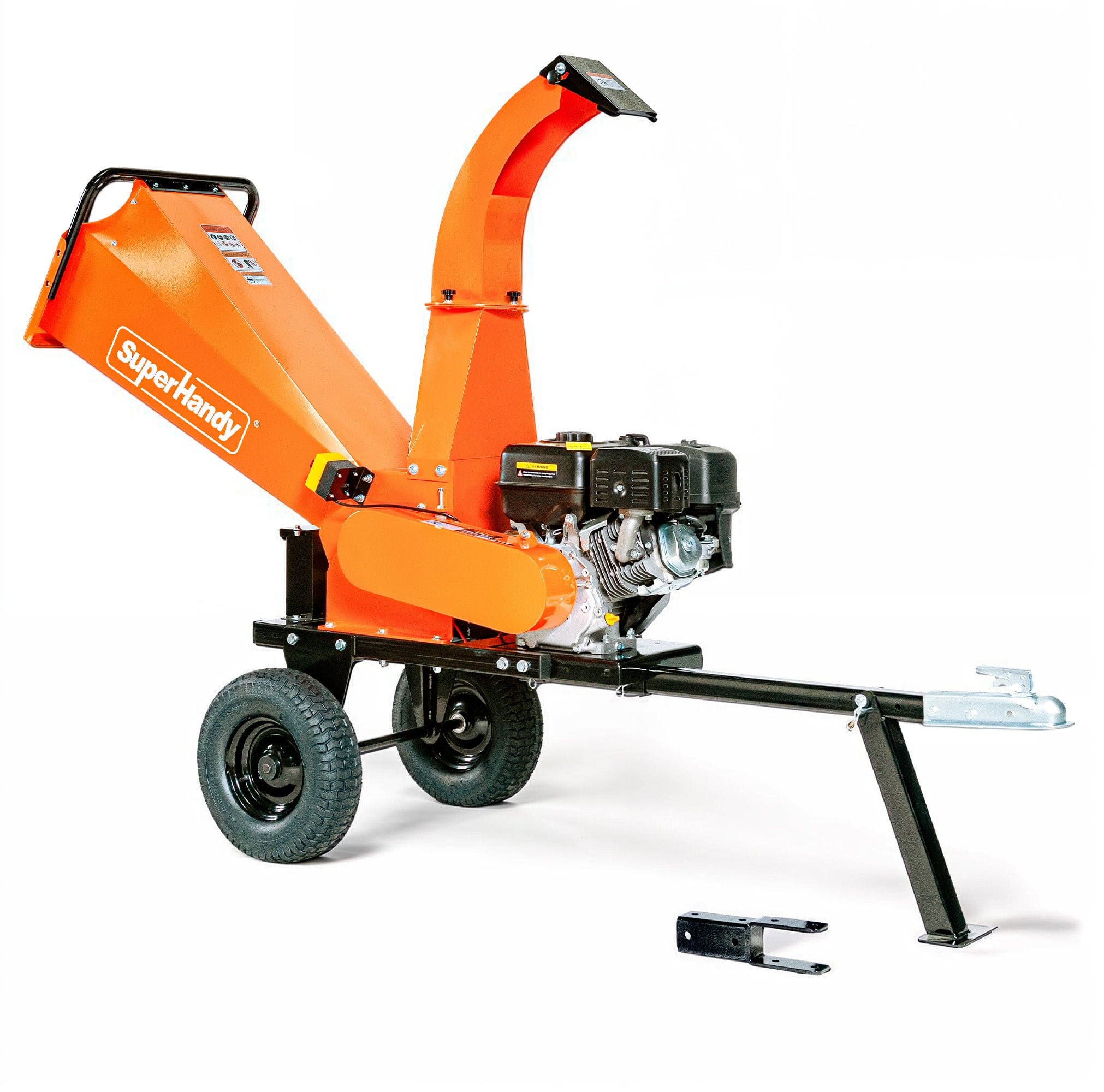
- Unmatched Portability and Independence: An engine-driven chipper operates without relying on an electrical outlet, granting you the freedom to move it wherever the debris is located on your property. Towable models, like the Truckload wood chipper, further enhance this mobility, allowing you to transport it across vast acreage or even to different job sites.
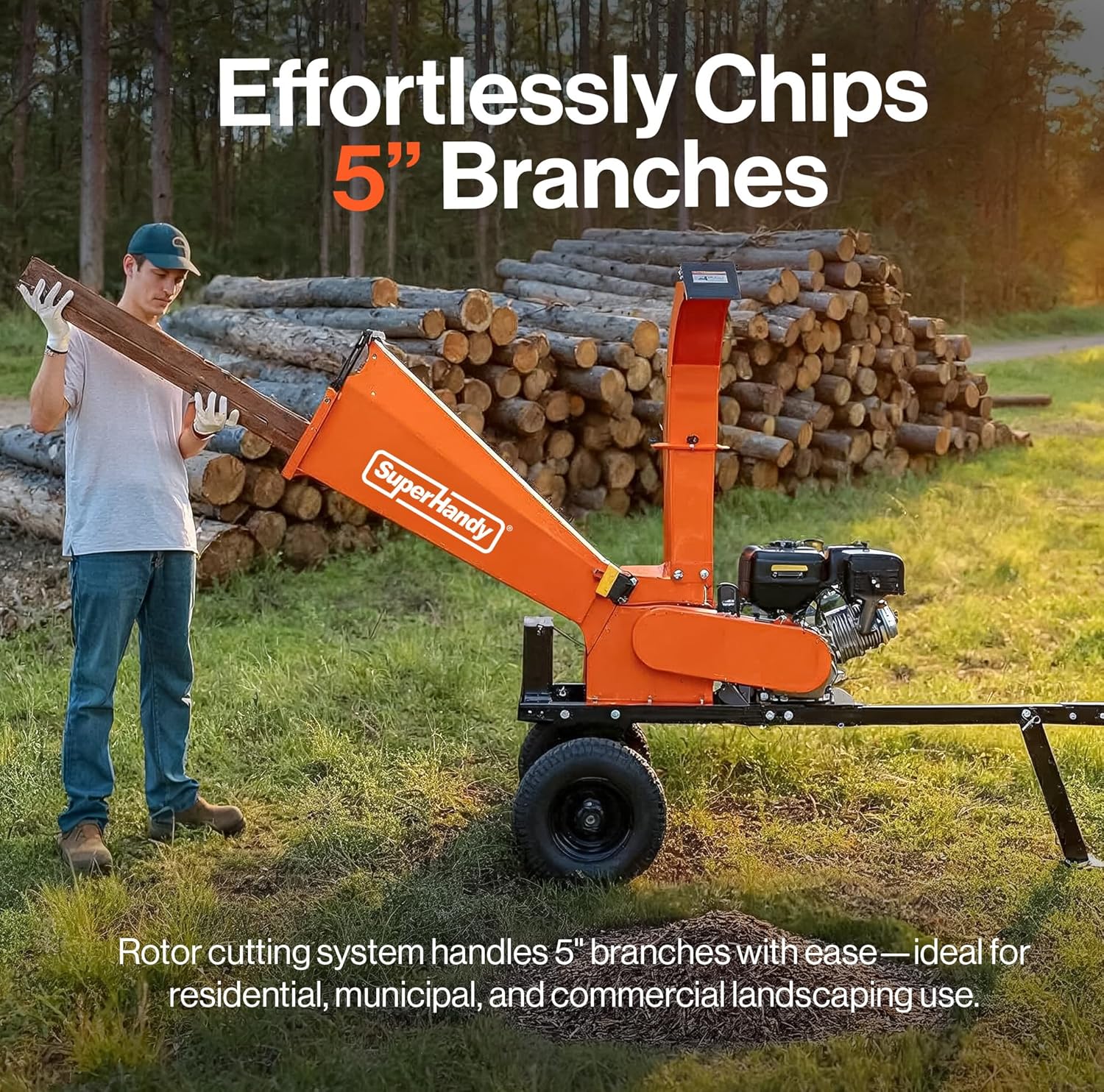
- Superior Power and Efficiency: Engine wood chippers boast significantly more horsepower than electric models, enabling them to process larger, tougher branches quickly and efficiently. This translates to less time spent on cleanup and more time enjoying your property. A powerful Rotor wood chiper, for example, can make short work of substantial piles.
- Cost Savings Over Time: While there's an initial investment, owning your chipper eliminates rental fees, delivery charges, and the ongoing cost of hauling brush away. You also create free mulch for your garden, further reducing expenses.
- Environmental Responsibility: Chipping your yard waste reduces landfill burden and transforms organic material into valuable compost or mulch, enriching your soil and promoting healthy plant growth.
- Enhanced Property Aesthetics and Safety: Regularly chipping debris keeps your property tidy, reduces potential fire hazards, and creates a more appealing landscape.
- Increased Productivity: Turn waste into a resource. The chipped material can be used for pathways, erosion control, or moisture retention in garden beds, maximizing the value of your yard work.
Decoding Wood Chipper Specifications: Key Factors for Optimal Performance
Choosing the ideal engine wood chipper means looking beyond the appealing aesthetics and diving into the technical specifications. These numbers and features are not just jargon; they are critical indicators of a machine's capability, efficiency, and suitability for your specific needs. Understanding them ensures you select a chipper that performs optimally for your property for years to come.
Engine Horsepower vs. Chipping Capacity: Finding the Perfect Balance
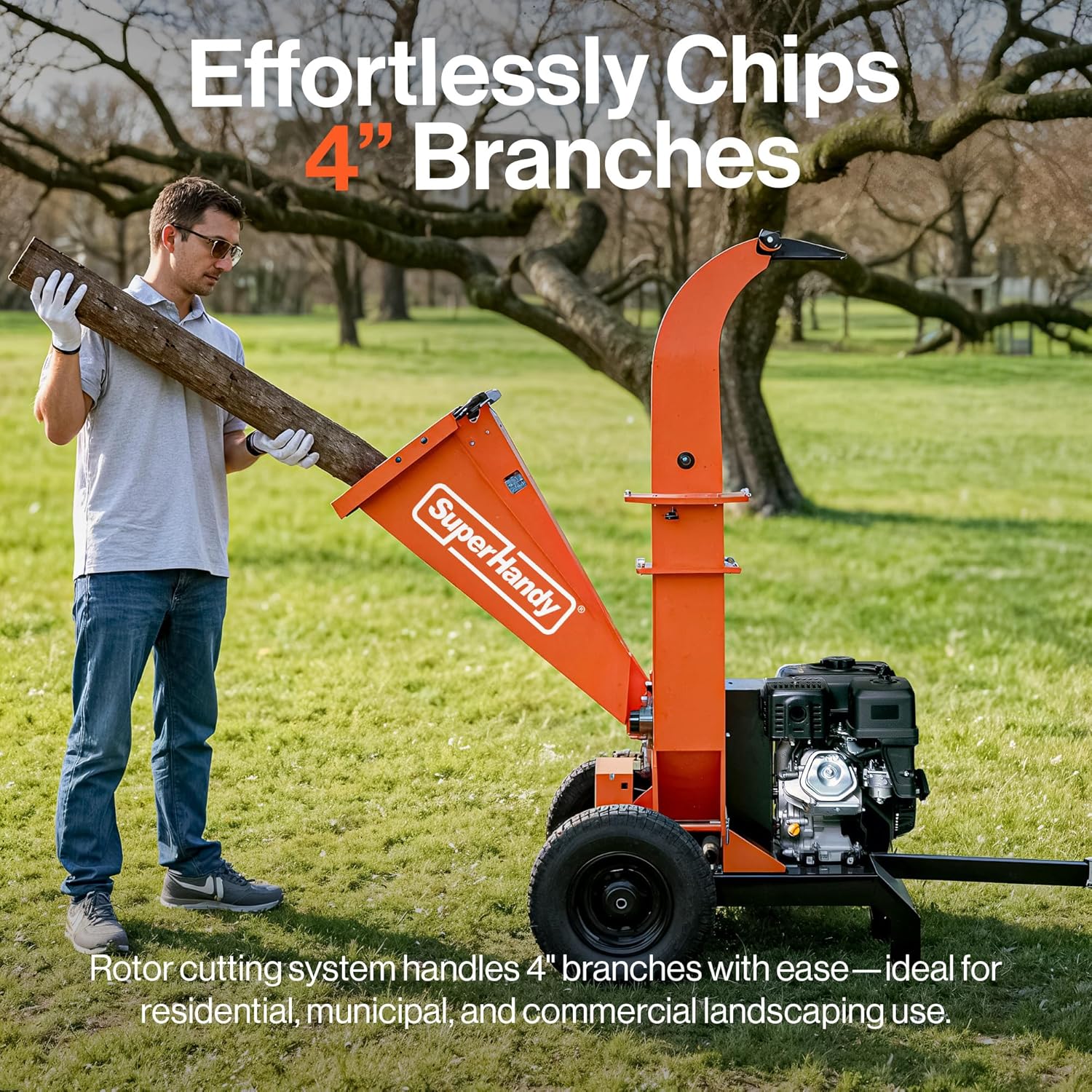
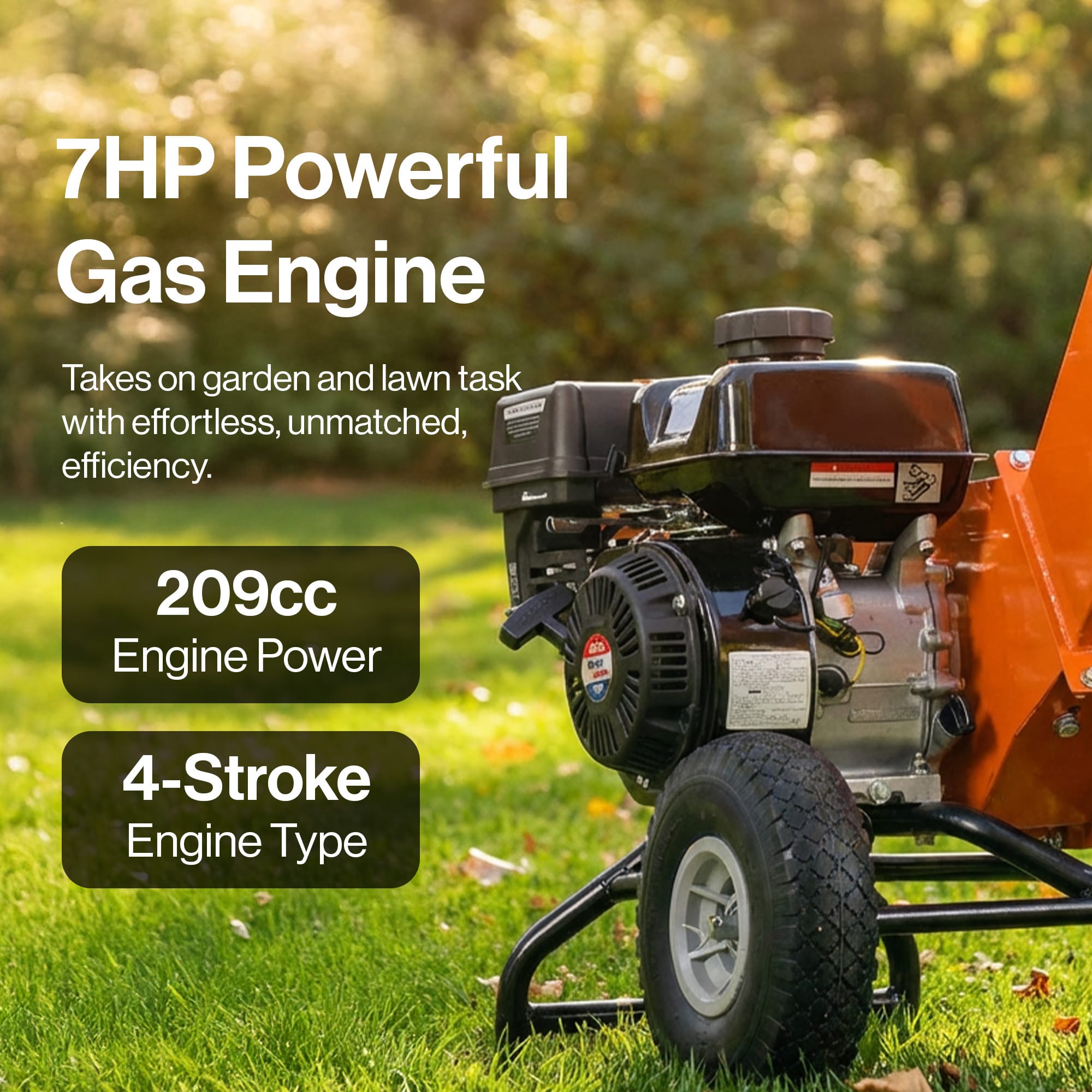
When evaluating an engine wood chipper, two specifications often stand out: engine horsepower (HP) and maximum chipping capacity. Horsepower refers to the raw power generated by the chipper’s engine. A higher HP generally translates to more torque, allowing the machine to tackle denser, tougher wood without bogging down. Chipping capacity, on the other hand, indicates the maximum diameter of wood a chipper can effectively process. For instance, a chipper with a 3-inch capacity can handle branches up to three inches thick.
The relationship between these two factors is crucial. A chipper might claim a large chipping capacity, but without sufficient horsepower, it could struggle significantly, leading to slower processing, frequent jams, and excessive strain on the engine. For most homeowners dealing with common yard debris and fallen branches, a chipper with 7-10 HP is often sufficient for 2-3 inch capacity. However, if you're regularly clearing larger property, processing thick limbs, or even running a small landscaping business, you’ll need more muscle. For example, a robust 15HP wood chipper with a 4-5 inch capacity will power through larger jobs with greater ease and efficiency. Finding the perfect balance means aligning the chipper's power with the typical size and volume of your wood debris, ensuring smooth operation without overspending on unnecessary power.
Understanding Maximum Chipping Diameter and Throughput
Beyond horsepower and stated capacity, delve deeper into the practical capabilities by understanding maximum chipping diameter (MCD) and throughput. MCD is the true, real-world largest diameter of material the chipper can consistently and safely chip. Always consider this a conservative estimate; wet, stringy, or extremely hard woods might reduce this effective diameter slightly. Matching the MCD to the typical diameter of your branches prevents frustrating jams and protects your machine.
Throughput refers to the volume of material an engine wood chipper can process within a given timeframe. This isn't just about how big a branch it can take, but how quickly it can take multiple branches or a steady stream of material. Factors influencing throughput include engine power, the efficiency of the cutting mechanism, and the design of the infeed chute. If you have a large volume of debris to process regularly, a chipper with higher throughput will significantly reduce your working time and effort. Conversely, if you only have occasional, smaller chipping tasks, throughput might be less of a critical factor than portability or storage.

Choosing the Right Chipper Type and Features for Your Specific Demands
Once you’ve aligned your needs with power and capacity, it’s time to explore the diverse types of wood chippers and their specific features. Not all chippers are created equal, and the internal mechanism, along with multi-functional capabilities, can dramatically impact performance, chip quality, and overall utility for your property management tasks. Understanding these differences is key to making an informed investment that truly meets your specific demands.
Disc vs. Drum Chippers: Which Mechanism Suits Your Wood Processing Style?
The core of an engine wood chipper's performance lies in its cutting mechanism, primarily categorized as either disc or drum.
Disc Chippers: These utilize a heavy steel flywheel, typically mounted perpendicular to the infeed chute, with hardened steel blades attached to its face. As the flywheel spins at high RPMs, the blades slice off chips from the incoming wood.
- Pros: Known for producing uniform, consistent wood chips, ideal for mulching or composting. They are often more compact and can be very efficient for smaller to medium-sized branches. A Rotor wood chiper is a prime example of a design focused on this precise cutting action.
- Cons: Can be less forgiving with highly irregular or very fibrous material, and may occasionally struggle with dense leafy branches if not designed with shredding capabilities.
Drum Chippers: In contrast, drum chippers feature a rotating cylindrical drum with knives mounted along its length, parallel to the infeed chute. The wood is fed into the drum, and the knives aggressively shear and shred the material.
- Pros: Exceptionally robust and powerful, ideal for larger diameter branches, irregular pieces, and high volumes of mixed debris, including leafy material. They offer very high throughput and are often found in commercial or heavy-duty residential applications. Many towable, high-capacity models, like a Truckload wood chipper, utilize this design for maximum efficiency.
- Cons: Tend to produce less uniform, often chunkier chips, which might not be ideal if fine mulch is your primary goal. They are typically larger and heavier machines.
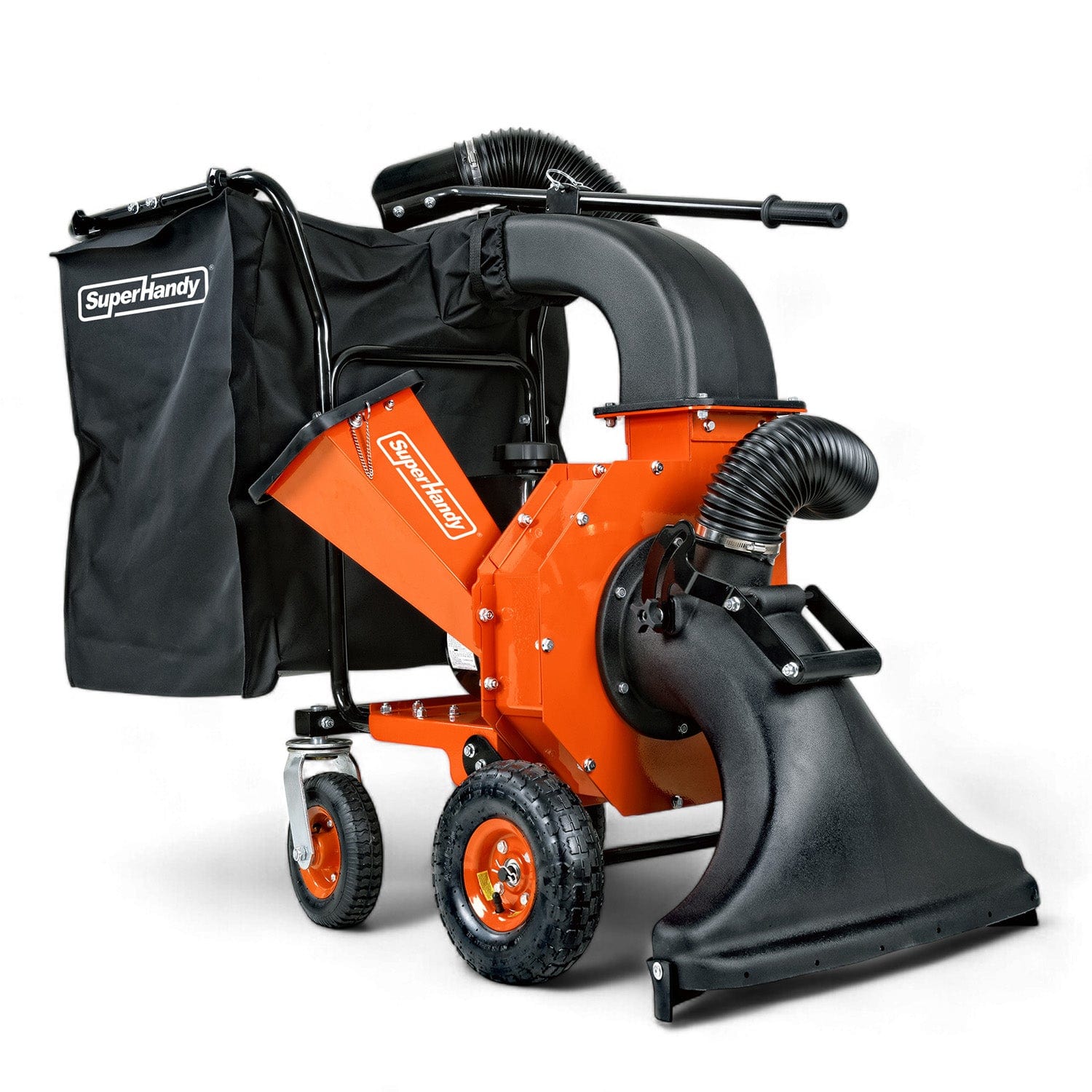
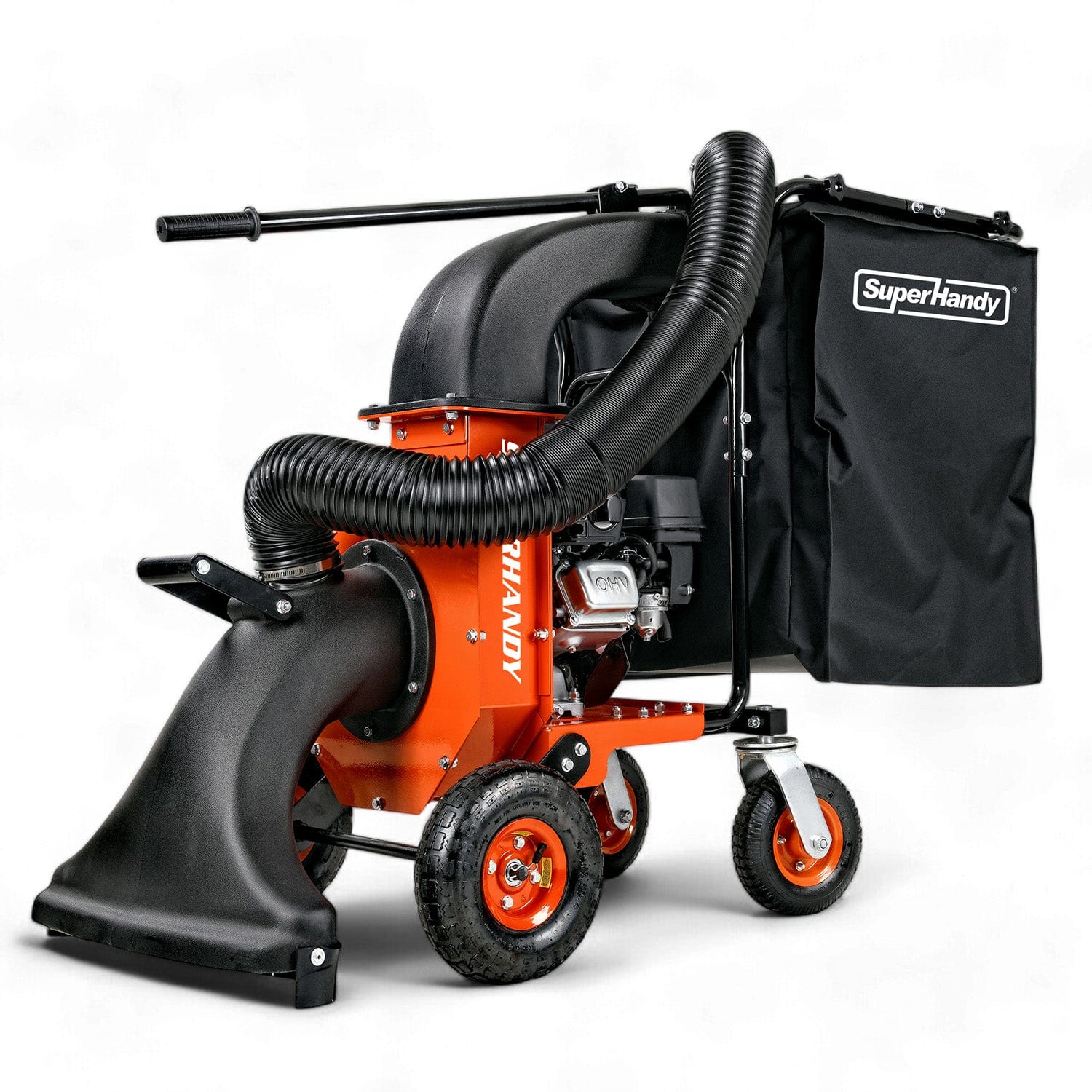
Versatility and Multi-Functionality: Beyond the core chipping mechanism, consider chippers that offer enhanced versatility. Machines like a 3 IN 1 wood chipper or a 2 IN 1 wood chipper combine chipping with shredding or leaf vacuum capabilities. A shredder chute is excellent for processing smaller twigs, leaves, and softer garden waste into fine mulch, while a vacuum function can quickly clear large areas of leaves and light debris. These multi-functional units offer significant value, allowing you to tackle a broader range of yard waste management tasks with a single machine.
Feed Systems and Portability: Ensuring Ease of Use and Mobility
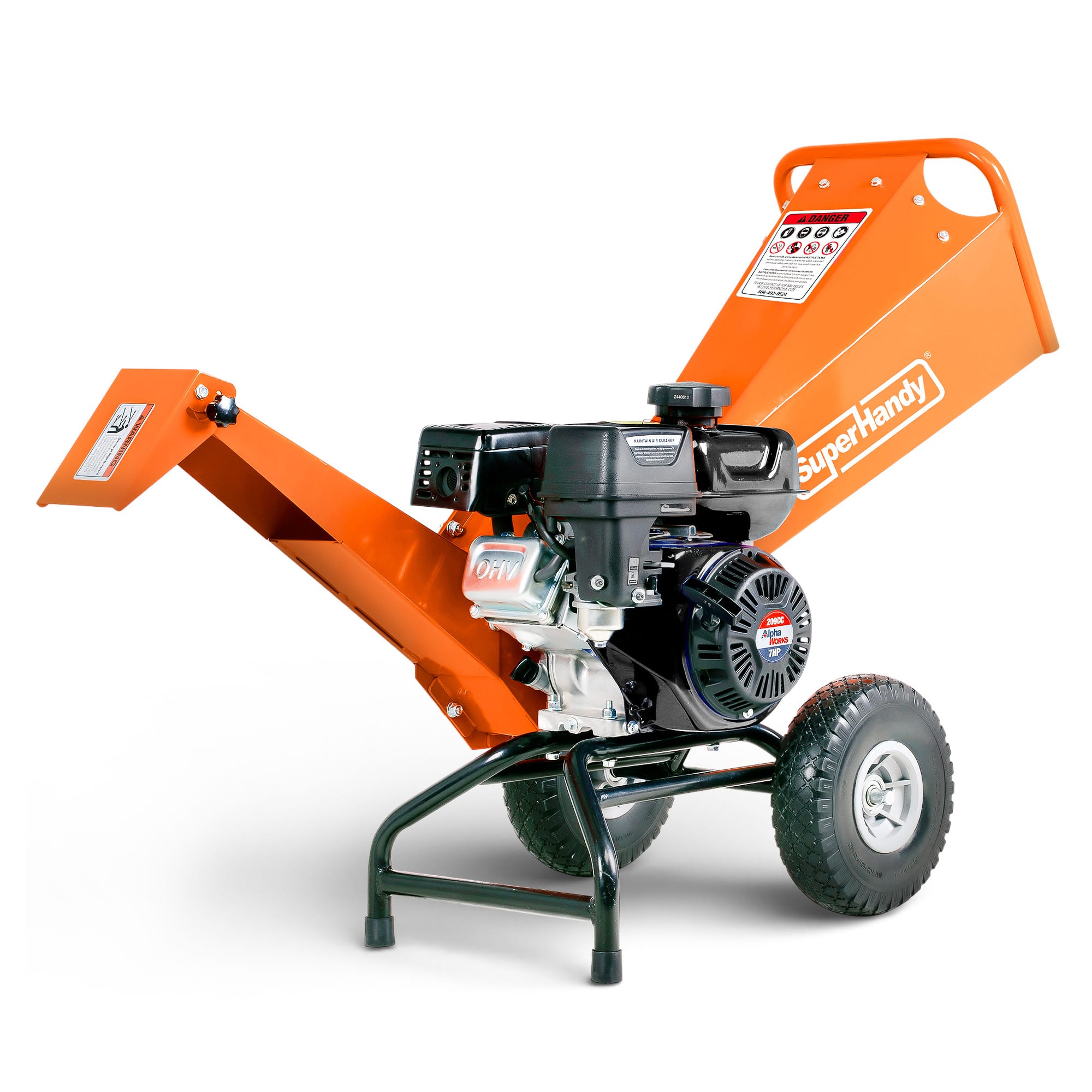
The efficiency and user-friendliness of your engine wood chipper largely hinge on its feed system and how easily you can move it around your property. Feed systems generally fall into two categories: manual and hydraulic/auto-feed. Manual feed systems, common on smaller units like a Rotor wood chiper, require the operator to manually push branches into the chipping mechanism. While cost-effective, this can be labor-intensive and slower for larger volumes of material. Hydraulic or auto-feed systems, conversely, use rollers to automatically pull branches into the chipper, significantly increasing throughput and reducing operator fatigue. This is a crucial feature for anyone processing large quantities of tough material, ensuring a more consistent and safer feeding process.
Portability is another critical consideration. If your property is expansive or you have multiple work areas, a chipper that’s easy to move will save you immense time and effort. Most engine wood chippers are equipped with wheels, but their size and type vary. Smaller, lighter models might have smaller, less robust wheels suitable for flat, even terrain. For challenging landscapes or when needing to transport the chipper across significant distances, look for models with larger, pneumatic tires, or even towable options. A robust Truckload wood chipper or a powerful 15HP wood chipper designed to be hitched to an ATV or small truck offers unparalleled mobility for large properties or professional use. Evaluate where you'll primarily be using and storing your chipper to ensure its portability aligns with your practical needs.
Essential Safety Features to Prioritize for Accident Prevention
Safety should always be paramount when operating any powerful machinery, and an engine wood chipper is no exception. Modern chippers incorporate several features designed to protect the operator and prevent accidents. Look for models equipped with an easily accessible emergency stop button that can instantly shut down the machine. The hopper design itself is a crucial safety component; it should be designed to prevent operators from reaching into the chipping chamber while the blades are active, often featuring an extended neck or narrow opening.
Anti-kickback systems are vital, especially for manually fed chippers, to prevent branches from violently kicking back out of the feed chute. Many chippers also include safety interlocks that prevent the engine from starting if access panels are open, or if the discharge chute isn't properly secured. The discharge chute itself should be adjustable to direct chips away from the operator and bystanders, preventing projectiles. Finally, clear and prominent safety labels and warnings on the machine are crucial reminders of safe operating procedures. When considering a versatile unit like a 3 IN 1 wood chipper or a 2 IN 1 wood chipper, ensure that safety features are comprehensively integrated across all functions. Always wear appropriate personal protective equipment (PPE) including safety glasses, hearing protection, gloves, and sturdy footwear.
Owning and Operating Your Chipper: Safety, Maintenance, and Maximizing Your Investment
Beyond the initial purchase, the long-term satisfaction and performance of your engine wood chipper depend significantly on how well you understand its true cost, commit to regular maintenance, and adhere to strict safety protocols. These elements collectively maximize your investment, extend the chipper's lifespan, and ensure a safe and productive experience for years to come.
Beyond the Purchase Price: Calculating the True Cost and Long-Term Value
While the sticker price of an engine wood chipper is your first consideration, it's essential to look at the "true cost of ownership" to make an informed decision. This includes not only the initial outlay for the machine itself, but also ongoing operational expenses. Factors like fuel (gasoline and oil for 4-stroke engines), replacement parts such as blades (which dull and require sharpening or replacement, particularly for units like the Rotor wood chiper), spark plugs, and air filters all contribute to your annual running costs. Don't forget the necessary safety gear – sturdy gloves, eye protection, and hearing protection – which are non-negotiable investments for safe operation.
However, looking solely at costs overlooks the significant long-term value your chipper provides. Owning a chipper eliminates the recurring expense of hiring professional tree services to haul away brush or the fees associated with taking debris to a dump. Furthermore, the ability to produce your own wood chips translates into free mulch for your garden beds, suppressing weeds, retaining soil moisture, and enriching the soil as it breaks down. For those with larger properties or extensive landscaping needs, investing in a robust unit like a 15HP wood chipper or even a versatile 3 IN 1 wood chipper can pay for itself many times over in saved labor and material costs, while enhancing the aesthetic and health of your property.

Essential Maintenance Practices for Extending Your Chipper's Lifespan
An engine wood chipper is a significant investment that delivers immense value for property maintenance. To ensure it continues to operate efficiently and safely for years to come, regular and diligent maintenance is non-negotiable. Proactive care not only extends the life of your machine but also maintains peak performance and prevents costly repairs.
Start with the heart of your machine: the engine. Follow the manufacturer's recommendations for oil changes, typically every 25-50 hours of operation, using the specified oil type. Regularly inspect and clean or replace the air filter, especially when working in dusty conditions, to ensure proper airflow and prevent engine strain. Don't forget the spark plug; a clean, properly gapped spark plug is crucial for reliable starting and efficient combustion. Machines like the powerful 15HP wood chipper benefit immensely from consistent engine care.
Next, focus on the cutting mechanism. The blades or knives are what make your chipper effective. Regularly inspect them for dullness, nicks, or damage. Dull blades reduce chipping efficiency, increase fuel consumption, and put undue stress on the engine. Sharpen or replace them as needed; some models, like a Rotor wood chiper, rely on sharp blades for optimal processing. Periodically check and lubricate all grease points and bearings according to your owner's manual. Ensure belts are properly tensioned and free from cracks or wear. After each use, thoroughly clean the hopper, chute, and internal components to remove any accumulated debris, preventing blockages and rust.
Operating Your Chipper Safely: A Comprehensive Guide to Preventing Accidents
Safety should always be your top priority when operating an engine wood chipper. These machines are powerful and, if not handled correctly, can cause serious injury.
Before starting, conduct a thorough pre-operation check. Wear appropriate Personal Protective Equipment (PPE), including safety glasses or a face shield, hearing protection, heavy-duty gloves, long sleeves, and sturdy, closed-toe footwear. Clear the work area of any bystanders, pets, and potential tripping hazards. Inspect the chipper itself for loose parts, damaged blades, or any fuel leaks. Ensure all guards and safety covers are securely in place. Never operate a damaged chipper.
During operation, maintain a safe distance from the feeding chute and always use the push paddle provided, never your hands or feet, to feed material. Be mindful of branches with side shoots that could pull your hand into the hopper. Feed material slowly and evenly, never overloading the machine, which can lead to kickback or stalling. If a jam occurs, immediately shut off the engine and wait for all moving parts to stop before attempting to clear the blockage. Always ensure the chipper is on stable, level ground to prevent tipping, especially with towable units like a Truckload wood chipper. Familiarize yourself with the location of the emergency shut-off switch before you begin. Never leave a running chipper unattended. After chipping, allow the engine to cool down before refueling or storing the unit. Following these guidelines meticulously will significantly reduce the risk of accidents.

Frequently Asked Questions About Engine Wood Chippers
What kind of material can I put into my wood chipper?
Most engine wood chippers are designed to process branches, limbs, and brush. The maximum diameter they can handle depends on the chipper's capacity (e.g., a 4-inch or 5-inch capacity). Some versatile models, like a 3 IN 1 wood chipper or a 2 IN 1 wood chipper, can also shred leaves, pinecones, and smaller garden debris, turning them into valuable mulch. Always refer to your specific model's manual for precise material guidelines.
Can I chip wet wood?
While most engine wood chippers can handle slightly damp wood, it's generally recommended to chip dry material. Wet wood is denser, can clog the chipper more easily, dull blades faster, and produce a stringy, inconsistent chip output. Additionally, chipping wet material can increase the strain on the engine and may not feed as smoothly, especially with certain types of wood. For optimal performance and longevity of your machine, allow green material to dry out for a few days before chipping.
How often should I sharpen or replace the chipper blades?
The frequency of blade sharpening or replacement depends heavily on the type and volume of material you're chipping. If you're consistently processing tough, dry hardwood, you'll need to maintain your blades more often than if you're chipping softer, greener brush. A good rule of thumb is to inspect blades after every 10-20 hours of operation or whenever you notice a decrease in chipping efficiency, excessive vibration, or poor chip quality. Keeping blades sharp is crucial for efficient and safe operation.
Related Products



Leave a comment
All comments are moderated before being published.
This site is protected by hCaptcha and the hCaptcha Privacy Policy and Terms of Service apply.