




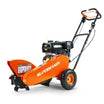









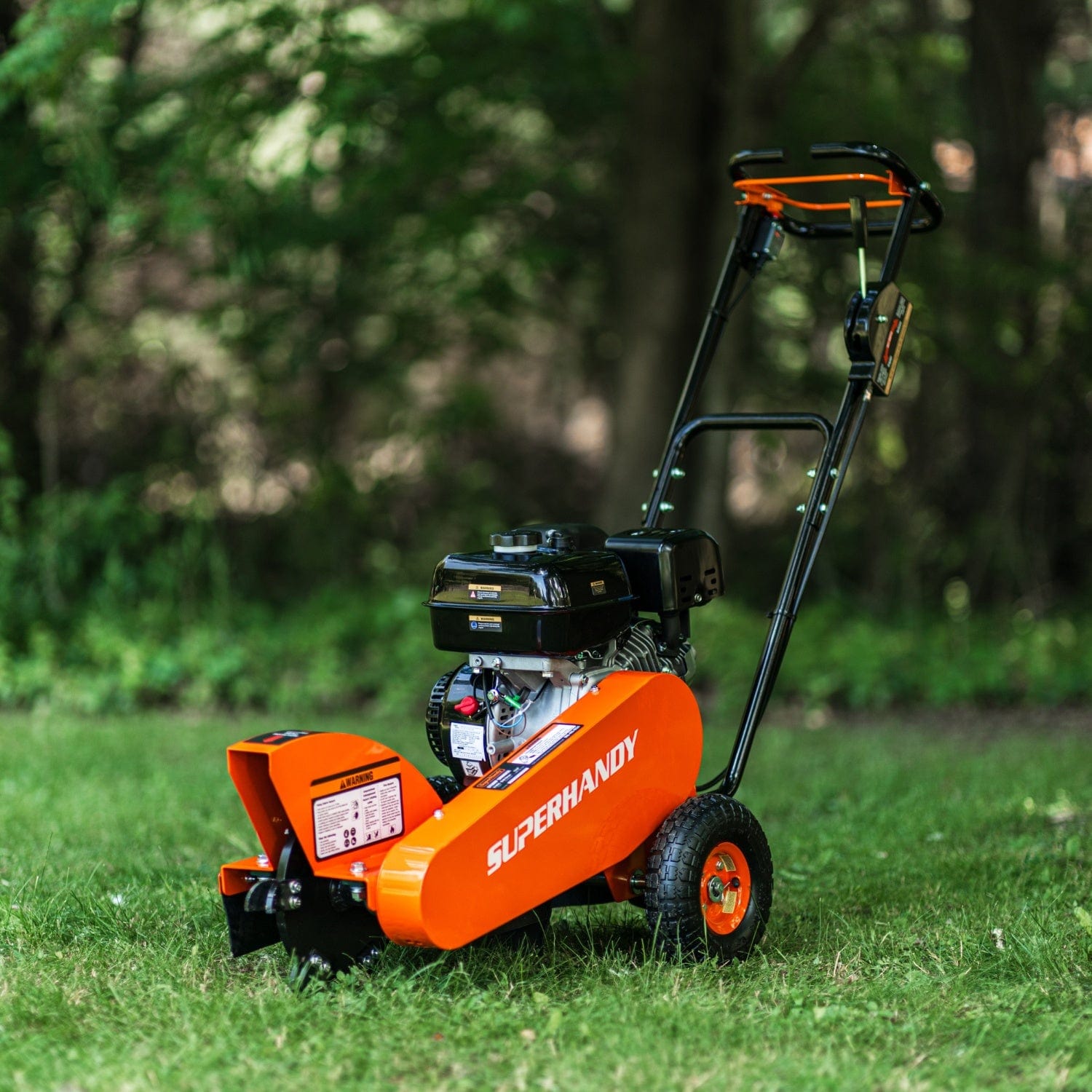
Removing an unsightly stump from your yard can dramatically improve aesthetics, eliminate tripping hazards, and prepare your landscape for new possibilities. However, operating a powerful machine like a stump grinder requires more than just knowing how to start the engine. Whether you're using a robust gas stump grinder or a nimble walk-behind stump grinder, a deep respect for its power and a commitment to proper technique are crucial. Prioritizing safety isn't merely about avoiding injury; it's intrinsically linked to achieving maximum efficiency and professional-grade results. Neglecting safety protocols often leads to costly mistakes, machine damage, and, worst of all, personal harm. Understanding and mitigating common operational errors transforms a potentially hazardous task into a smooth, effective, and ultimately rewarding project.
Avoiding Mistake #1: Neglecting Essential Personal Protective Equipment (PPE) – Don't Grind Without It
Operating a stump grinder without the proper personal protective equipment (PPE) is not just risky; it's reckless. This machinery is designed to tear through tough wood, generating high-velocity chips, dust, and significant noise. Neglecting PPE can lead to severe injuries, from eye damage to hearing loss. Before you even think about starting your 9HP Stump Grinder, ensure you have:
- Safety Glasses and Full Face Shield: Flying wood chips, dirt, and debris are constant threats. Glasses protect your eyes, while a face shield offers complete facial protection.
- Hearing Protection: Stump grinders produce decibel levels that can cause permanent hearing damage over time. Earplugs or earmuffs are non-negotiable.
- Heavy-Duty Work Gloves: Protect your hands from splinters, vibrations, and potential scrapes against the machine.
- Long-Sleeved Shirt and Pants: Thick, durable clothing acts as a barrier against flying debris and skin abrasions. Avoid loose clothing that could get snagged.
- Steel-Toed Boots: Protect your feet from falling objects, the heavy machinery itself, and sharp debris on the ground.
Never underestimate the potential hazards. Even a small chip launched at high speed can cause serious injury. Always wear your PPE, no exceptions.
Avoiding Mistake #2: Failing to Thoroughly Inspect the Work Area for Hidden Hazards
Before you power up your stump grinder, a meticulous inspection of the work area is paramount. This step is often rushed, but overlooking hidden hazards can lead to catastrophic consequences – damaging your machine, causing personal injury, or even disrupting essential utilities.
- Clear the Area: Remove all loose debris like rocks, branches, gardening tools, toys, and pet dishes. These can be propelled by the grinder's cutting wheel, turning into dangerous projectiles.
- Locate Obstructions: Carefully check around and within the stump for hidden rocks, metal objects (like old fence posts, nails, or rebar), or concrete fragments. Hitting these will dull or break your grinding teeth, potentially damage the grinding wheel, and could cause violent kickback.
- Identify Underground Utilities: This is critical. Before you start grinding, especially if you plan to go deep, be aware of any underground cables, irrigation lines, gas pipes, or sewer lines. In the United States, calling 811 (or your local "Call Before You Dig" service) a few days in advance is a free and essential service that marks the location of underground utilities. Never assume you know what's beneath the surface.
- Maintain a Safe Perimeter: Ensure children, pets, and bystanders are well away from the operating zone. Establish a clear safety perimeter.
A few extra minutes spent on inspection can save you hours of repairs, potential medical bills, and significant headaches.
Avoiding Mistake #3: Overlooking Routine Machine Maintenance and the Importance of Sharp Grinding Teeth
Just like any powerful piece of equipment, a stump grinder requires routine maintenance to operate safely and efficiently. Neglecting this crucial step is a common mistake that leads to poor performance, increased operator fatigue, and accelerated wear and tear on the machine.
Key maintenance points include:
- Pre-Operation Checks: Always check fuel and oil levels, inspect belts for tension and wear, and ensure all bolts and fasteners are tight.
- Lubrication: Follow your manufacturer's guide for lubricating moving parts and grease points.
- Air Filter: A clean air filter is vital for engine performance and longevity.
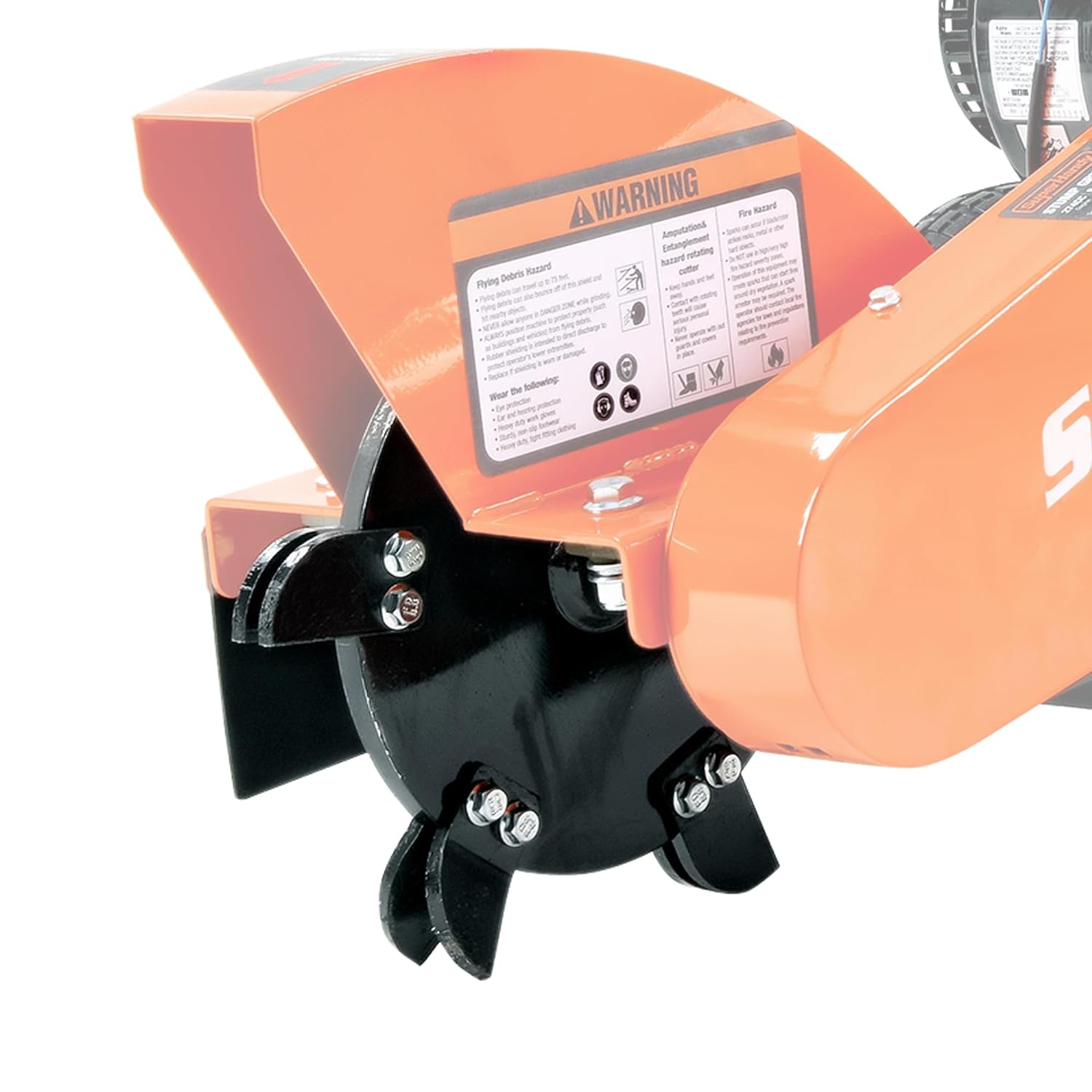
However, the most critical component for effective stump grinding is the condition of your grinding teeth. Dull teeth are not just an inconvenience; they are a major operational flaw.
- Inefficiency: Dull teeth scrape and tear at the wood rather than cutting cleanly. This significantly slows down the grinding process, making you work harder and longer.
- Increased Strain: A dull wheel puts excessive strain on the engine, clutch, and belts, leading to premature wear and potential overheating.
- Operator Fatigue: You'll have to exert more force and maneuver the machine more aggressively to achieve results, increasing operator fatigue and the risk of mistakes.
- Kickback Risk: Dull teeth can cause the machine to "bounce" or kick back more violently, especially when encountering harder wood or stubborn roots, increasing the risk of losing control.
- Poor Finish: The resulting grind will be rougher and more uneven, requiring additional cleanup.
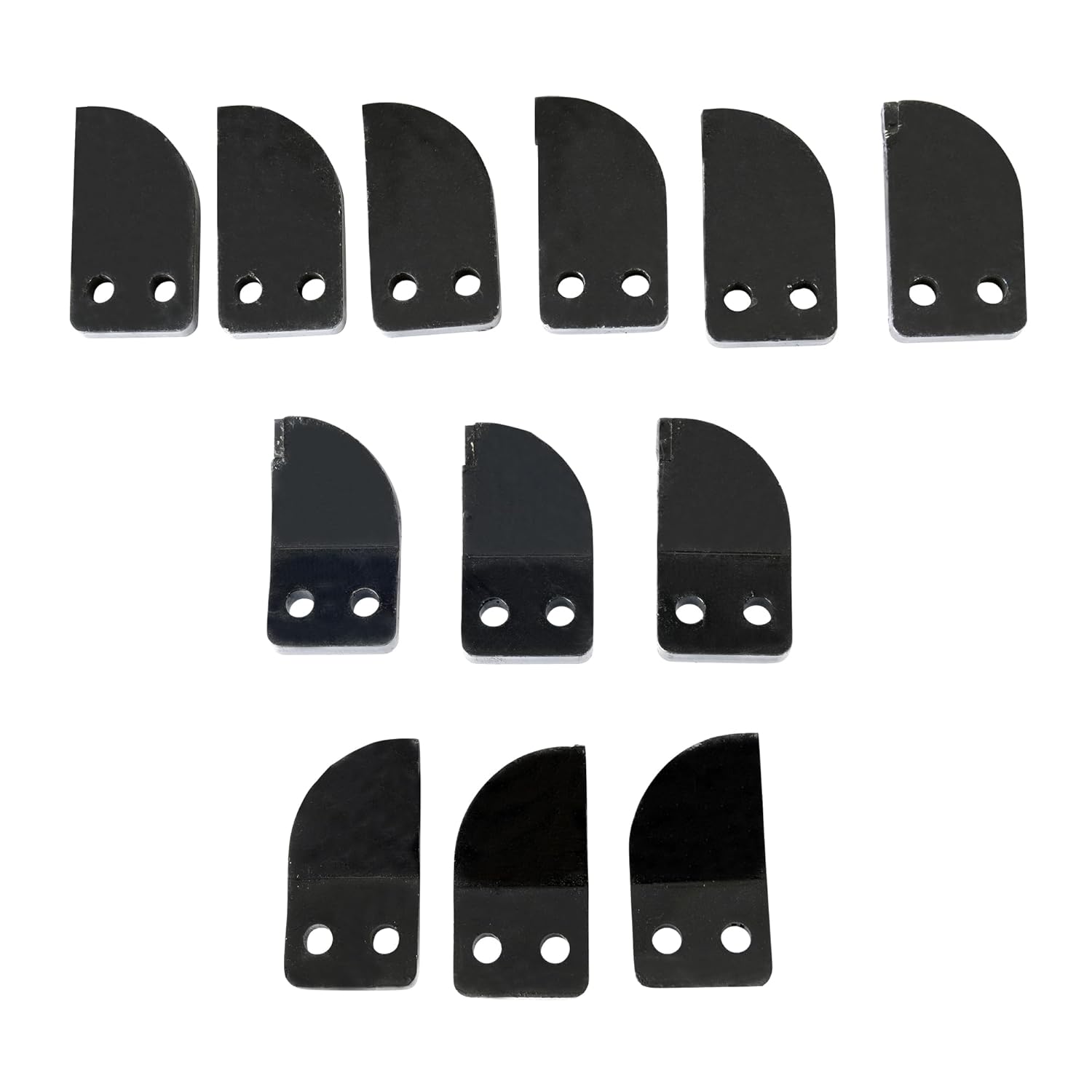
Regularly inspect your grinder's teeth for chips, cracks, or excessive wear. If the carbide tips are visibly dull or damaged, they need to be sharpened or replaced. Many high-quality models, like a robust SuperHandy stump grinder, are designed for relatively easy tooth replacement, making this essential maintenance task manageable. Keeping your teeth sharp ensures clean, fast cuts, prolongs the life of your machine, and significantly enhances safety.
Avoiding Mistake #4: Rushing the Process and Applying Improper Grinding Techniques
Patience is not just a virtue; it's a safety and efficiency imperative when operating a stump grinder. Many operators, especially those new to using a powerful gas stump grinder like a walk-behind model, tend to rush, attempting to remove large sections of the stump too quickly. This not only puts unnecessary strain on the machine's engine and grinding teeth but also compromises your safety and the quality of the work.
The proper technique involves making slow, controlled, shallow passes. Guide the grinding wheel from side to side across the stump, taking small "bites" of wood with each sweep. Allow the machine to do the work; never force it. Applying too much pressure or moving too fast can cause the wheel to jam, leading to kickback or even damaging the grinding teeth. Think of it as shaving thin layers rather than carving deep chunks. This methodical approach ensures a smoother operation, extends the lifespan of your equipment, and ultimately achieves a more complete and efficient stump removal.

Avoiding Mistake #5: Incorrectly Disposing of Wood Chips and Debris After Grinding Operations
Once the stump has been reduced to a pile of wood chips and soil, the job isn't quite finished. Improper disposal of this debris is a common oversight that can lead to additional work, environmental issues, or even safety hazards. A typical stump grinder operation can produce a surprisingly large volume of chips, often filling the stump hole and spilling over the surrounding area.
Leaving large piles of chips can create tripping hazards, smother surrounding vegetation, and in dry conditions, pose a fire risk, especially if located near structures. The most common and beneficial approach is to use the wood chips as mulch for landscaping. They are excellent for retaining soil moisture, suppressing weeds, and enriching the soil as they decompose. However, it's crucial to ensure the chips are free from rocks or excessive soil if using them in decorative beds. For large quantities, consider composting them, or contacting local waste management or gardening centers to see if they accept wood waste. Never dump chips where they could clog drains or waterways.
Avoiding Mistake #6: Underestimating the Raw Power and Kickback Potential of the Stump Grinder
Even a walk-behind stump grinder packs significant power, designed to pulverize dense wood and root systems. Underestimating this raw force, especially the potential for kickback, is a critical mistake that can lead to serious injury. Kickback occurs when the grinding wheel suddenly encounters an immovable object (like a large buried rock, metal, or a tough root not easily cut), causing the machine to lurch or jump unexpectedly.
Modern stump grinder models, like the powerful 9HP Stump Grinder available at superhandyus.com, are built with safety features, but operator vigilance is paramount. Always maintain a firm grip on the handlebars with both hands, keep your feet shoulder-width apart for a stable stance, and be prepared for sudden movements. Never operate the machine while distracted. Before you begin grinding, always re-inspect the area for anything that could cause an obstruction. Being fully aware of the machine's capabilities and its potential reactions will enable you to respond quickly and safely, mitigating the risks associated with kickback.
Avoiding Mistake #7: Not Knowing When Professional Help from an Arborist is Truly Necessary
While a walk-behind stump grinder is an incredibly effective tool for many DIY projects, there are specific scenarios where tackling the job yourself might be beyond your equipment's capabilities or your expertise, or simply unsafe. Not recognizing these limits and insisting on a DIY approach can lead to costly damage, injury, or an unfinished job.
Consider calling a certified arborist or professional tree service if:
- The stump is exceptionally large: Massive stumps with deep, widespread root systems often require heavier, more specialized equipment than what's available for rent or typical homeowner purchase.
- The stump is in a challenging location: If the stump is very close to structures, fences, utility lines (gas, water, electrical), sprinkler systems, or underground pipes, the risk of damage is extremely high. Professionals have the experience and precise tools to navigate these sensitive areas.
- The terrain is difficult: Steep slopes, uneven ground, or extremely rocky areas can make safe operation of a stump grinder hazardous.
- You're dealing with multiple stumps or a time crunch: Professionals can complete large jobs much faster and with greater efficiency.
An arborist can assess the specific challenges, provide a safe and effective solution, and often handle the entire removal and cleanup process. It’s an investment in safety, efficiency, and peace of mind, ensuring the job is done right without personal risk.
Frequently Asked Questions (FAQ) About Safe Stump Grinding Practices
What is the ideal depth to grind a stump when replanting?
When planning to replant over a removed stump, grinding to an adequate depth is crucial for the health and stability of your new vegetation. Generally, it's recommended to grind the stump at least 6 to 12 inches (15 to 30 cm) below grade. This depth ensures that enough of the main stump and its immediate root flares are removed, preventing future decay issues that could attract pests or pathogens. It also creates sufficient space for new topsoil and the root ball of your replacement plant. For planting grass, 6 inches is usually sufficient. However, if you plan to plant a new tree or shrub, aiming for 10-12 inches provides a more robust foundation and allows the new roots to spread without immediate obstruction from residual old root material. Always remove as many of the larger visible roots as possible within this depth to prevent future issues with uneven ground or root regrowth.
How can I identify dull stump grinder teeth?
Operating a stump grinder with dull teeth significantly impacts its performance, increases fuel consumption, and can even pose safety risks due to inefficiency and increased vibration. Several signs indicate your grinding teeth are no longer sharp:
- Reduced Efficiency: The most obvious sign is that the machine takes much longer to remove wood, requiring more passes than usual. It feels like the grinder is "chewing" or "polishing" the stump rather than aggressively cutting into it.
-
Excessive Vibration: Sharp teeth cut smoothly. Dull teeth cause the machine, especially a
walk-behind stump grinder, to vibrate excessively as it struggles to chip away material, leading to operator fatigue and potential mechanical stress. - Increased Smoke/Dust: When teeth are sharp, they produce distinct wood chips. Dull teeth tend to generate more fine dust and smoke, indicating friction rather than clean cutting action.
- Visible Wear: Physically inspect the carbide tips on your grinding wheel. Sharp teeth have a distinct, pointed edge. Dull teeth will appear rounded, flattened, chipped, or even completely missing in some areas. If you see signs of glazing or a smooth, polished look on the cutting surface, they are dull.
-
Lack of Chip Production: Instead of throwing out consistent, sizable wood chips, dull teeth will produce a finer, sawdust-like material, or simply scrape the surface without removing significant volume. Regular inspection and replacement or sharpening of teeth are vital for optimal performance and extending the lifespan of your
gas stump grinder.
Is renting a stump grinder cost-effective for small residential jobs?
The cost-effectiveness of renting a stump grinder for small residential jobs largely depends on the number and size of stumps, your frequency of need, and the local rental rates. For a single, small-to-medium stump that you don't anticipate needing to remove similar stumps again in the near future, renting can often be the most economical choice. Rental costs typically range from $100-$300 per day or half-day, plus potential delivery fees and fuel. This one-time expense is significantly less than the purchase price of a new unit.
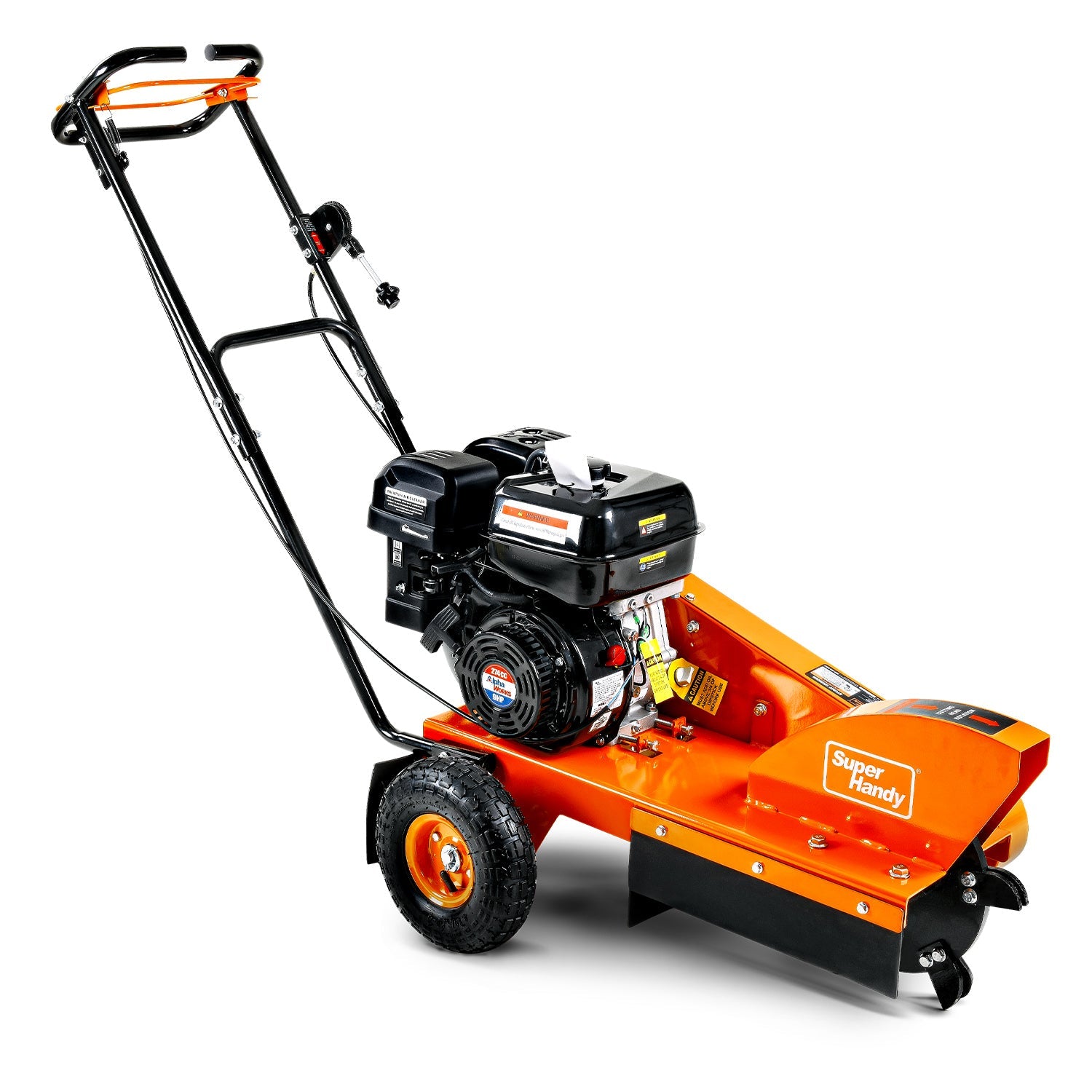
However, if you have multiple stumps, larger stumps, or foresee needing to grind stumps periodically (e.g., managing a larger property, helping neighbors), purchasing your own gas stump grinder can quickly become more cost-effective. For example, a reliable walk-behind stump grinder like the 9HP Stump Grinder offers the convenience of having the tool available whenever you need it, avoiding rental paperwork, pick-up/drop-off times, and potential unavailability. Over time, accumulating rental fees for several projects could surpass the initial investment in a quality machine, especially when factoring in the time saved and the ability to work on your schedule. Therefore, weigh the immediate cost against long-term utility and convenience to make the best decision for your specific needs.
What are the best methods for preparing a stump before grinding?
Before you even power on your stump grinder, thorough preparation of the work area and the stump itself is crucial for both safety and efficiency. First, perform a detailed inspection of the surrounding area. Remove any loose rocks, fallen branches, garden hoses, or tools that could be hit by the grinding wheel or ejected by the machine. Clearing this debris not only prevents damage to your equipment but also reduces the risk of flying projectiles.
Next, address the stump itself. If the stump is still relatively high, use a chainsaw to cut it down as close to the ground as possible. Aim for just a few inches above ground level. This significantly reduces the amount of grinding work required and conserves the life of your gas stump grinder's teeth. After cutting, sweep away any loose sawdust. For an effective grind, the area immediately surrounding the stump, extending about 1-2 feet, should be clear of dense vegetation, dirt, or anything that could impede the walk-behind stump grinder's movement or clog the grinding wheel. Finally, and perhaps most critically, always call 811 (or your local utility locate service) a few days before you plan to grind to ensure there are no buried utility lines in the vicinity of the stump. Striking a gas line, water pipe, or electrical conduit can be disastrous.
What should I do with the wood chips and grindings after the job?
Once your stump grinder has transformed the unsightly stump into a pile of woody debris, you'll be left with a substantial amount of wood chips and grindings. These materials are far from waste and can be repurposed in several beneficial ways. The most common and environmentally friendly option is to use them as mulch in your garden beds. Wood chips are excellent for retaining soil moisture, suppressing weed growth, and regulating soil temperature. They break down over time, enriching the soil with organic matter.
Alternatively, if you have a compost pile, these grindings can be added to it. While they break down slower than softer organic materials, they will eventually decompose, adding valuable nutrients to your compost. For larger quantities, consider offering them to neighbors or local gardeners who might need free mulch. If repurposing isn't an option, you can bag them for yard waste pickup, if available in your area, or transport them to a local composting facility. Avoid burning the chips, as this can create air pollution and may be subject to local fire restrictions. Never leave the grindings in a messy pile, as this can attract pests and detract from your hard work.
Achieving Professional Results: Your Comprehensive Guide to Safe and Effective Stump Grinding
Achieving professional-grade results with a stump grinder extends beyond merely removing a stump; it encompasses meticulous preparation, adherence to safety protocols, skillful operation, and responsible post-grinding cleanup. The journey begins long before the first grind, with a thorough assessment of the work site, identifying potential hazards, and ensuring all necessary PPE is in place. Remember, every successful grinding operation prioritizes the safety of the operator and bystanders above all else.
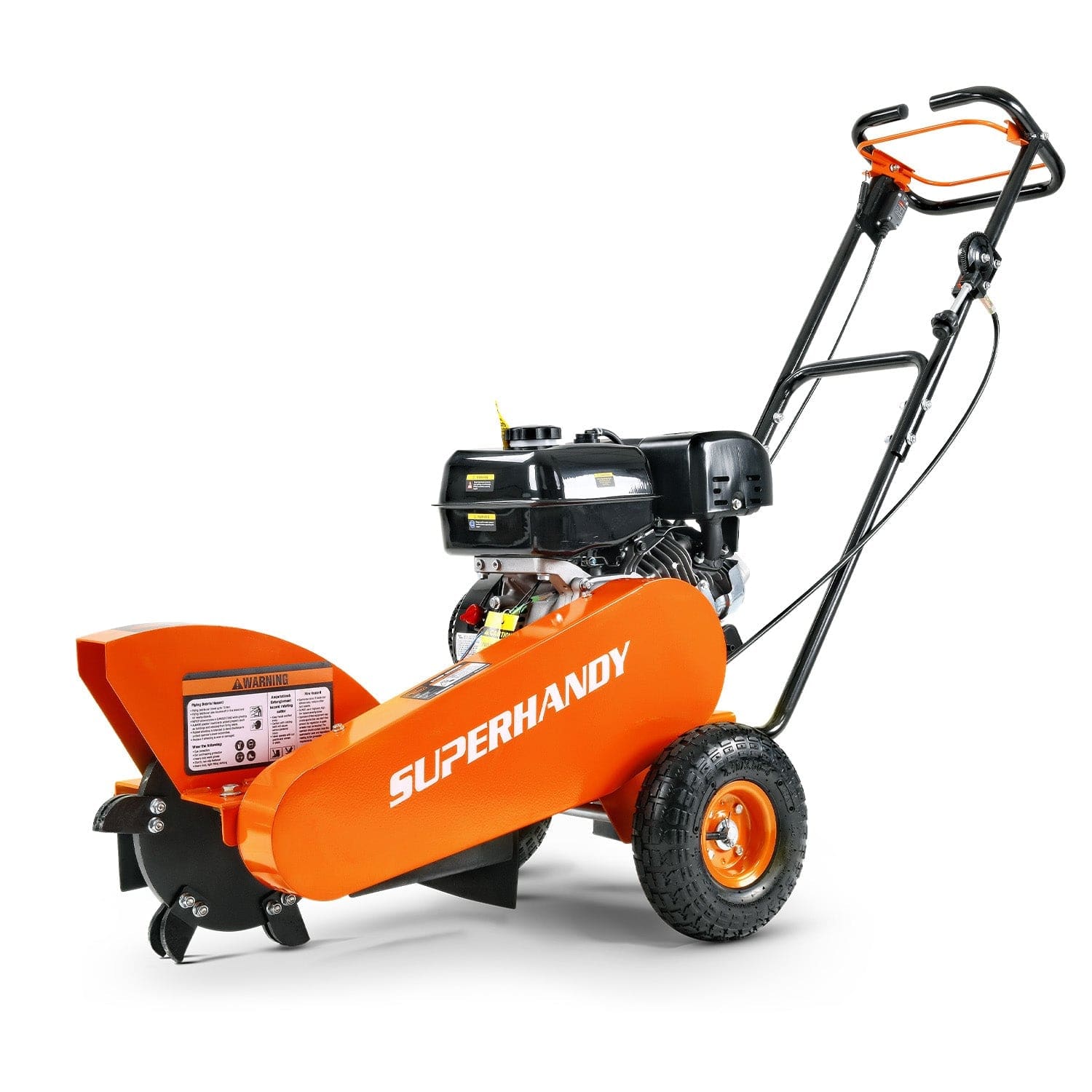
Proper machine maintenance is equally vital. Regularly inspecting and sharpening or replacing the grinding teeth of your gas stump grinder ensures optimal performance and reduces wear and tear on the machine. Dull teeth make the grinder work harder, leading to slower progress, a less clean cut, and increased fuel consumption. When operating, adopting a slow, methodical approach, allowing the grinding wheel to do the work rather than forcing it, yields the best results and minimizes kickback potential. For those looking for a robust and reliable machine to tackle various stumps, a high-performance model like the 9HP Stump Grinder from SuperHandyUS.com can make a significant difference in achieving professional outcomes.
Finally, the post-grinding phase, including proper disposal or repurposing of wood chips, completes the job with a clean finish. By consistently following these guidelines – from pre-operation safety checks to post-job cleanup – you'll not only efficiently remove stumps but also build confidence in your skills, ensuring a safer and more productive experience with your stump grinder every time.
Related Products

Leave a comment
All comments are moderated before being published.
This site is protected by hCaptcha and the hCaptcha Privacy Policy and Terms of Service apply.