









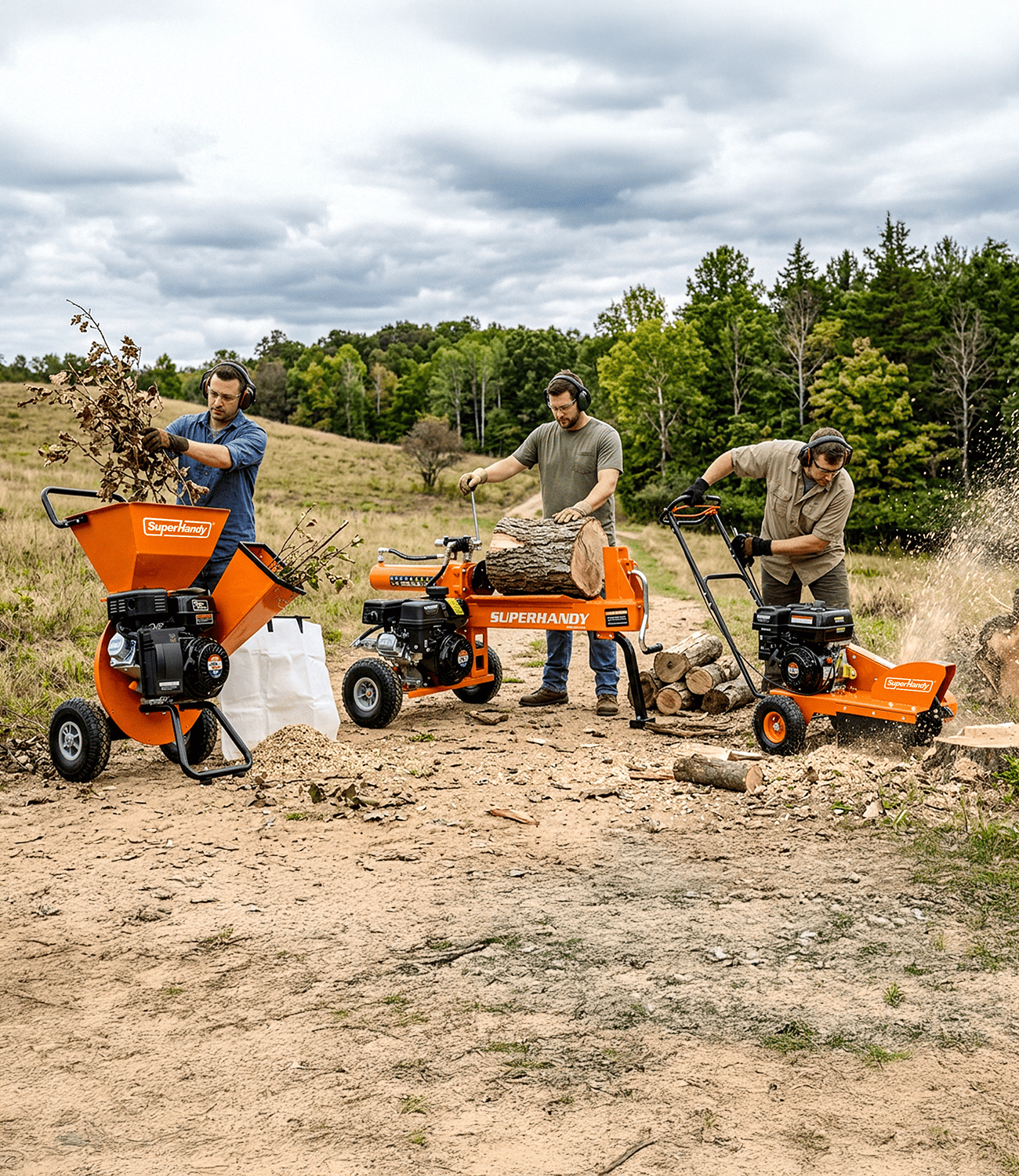
Understanding Your Yard and Debris Needs
The right tool for the job depends entirely on the job itself. Choosing a wood chipper is no different. By answering a few simple questions about your property and the kind of cleanup you typically do, you can narrow down your options from dozens of models to the select few that are perfectly suited for your workload.
How Much Wood Do You Need to Chip?
The size of your property is the best initial indicator of the type and power of chipper you'll require.
-
Small Yards (Under 1/2 Acre): If you have a small yard, your cleanup likely consists of seasonal pruning, trimming overgrown bushes, and clearing the occasional small branch after a storm. Your chipping tasks will be infrequent. A smaller, lightweight model is often sufficient for this scale of work.
-
Medium Yards (1/2 to 2 Acres): For properties in this range, yard work becomes a more regular chore. You'll likely have more trees, which means more fallen limbs and more substantial pruning jobs. You'll need a reliable
chipper for woodthat can handle a moderate volume of debris without constant strain. -
Large Properties (Over 2 Acres): If you're managing a large plot of land, a homestead, or a wooded property, you're dealing with a significant volume of organic waste. Clearing fallen trees, managing woodlots, and processing large amounts of branches demands a powerful, durable machine built for heavy and frequent use.

What Types of Debris Will You Be Chipping?
Beyond the sheer volume, the type of material you plan to process is critical. Not all chippers are created equal when it comes to handling different kinds of debris.
-
Green vs. Dry Wood: Freshly cut, "green" wood is softer and contains more moisture, making it easier for most chippers to process. Dry, seasoned hardwood (like oak, hickory, or maple) is much tougher and requires a more powerful engine and robust cutting mechanism to break down effectively.
-
Leaves and Small Twigs: Are you just chipping woody branches, or do you also need to process piles of leaves and other soft garden waste? Some models, often called chipper shredders, have separate hoppers or a different mechanism designed specifically for shredding leafy material into fine mulch.
-
Maximum Branch Diameter: This is one of the most important specifications to consider. Take a walk around your yard and look at the branches you typically need to clear. If you frequently deal with limbs that are 3 inches thick, a chipper rated for a 2-inch maximum capacity will be useless and frustrating. Be realistic about the largest branches you need to handle on a regular basis.
Gas vs. Electric Wood Chippers: Powering Your Choice
Once you have a clear picture of your yard and debris, your next big decision is the power source. This choice fundamentally impacts performance, portability, and maintenance.
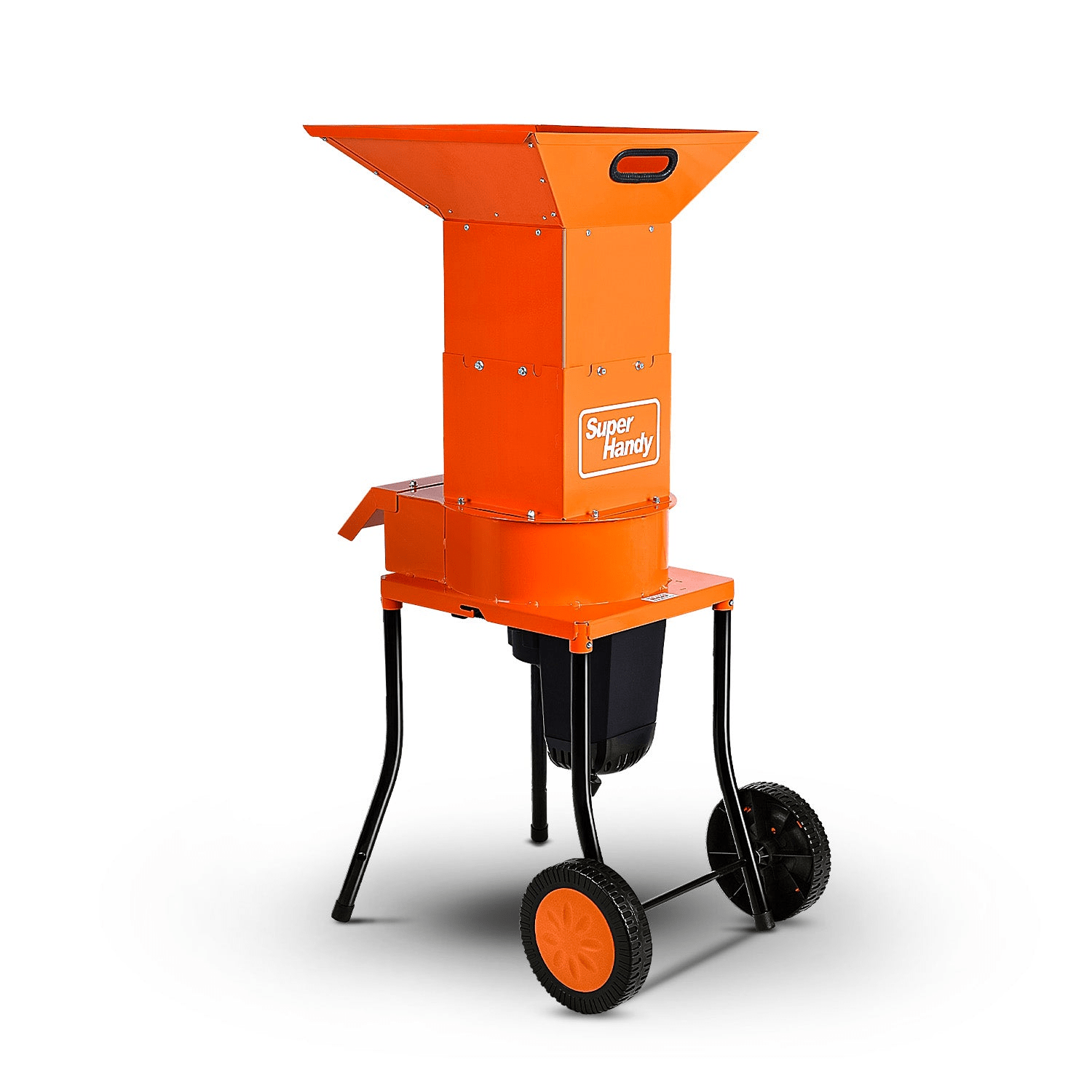
An electric wood chipper is typically lighter, quieter, and requires very little maintenance. They are excellent for smaller yards and light-duty tasks, as long as you have access to a power outlet. Their main limitations are the power cord, which restricts mobility, and a lower overall power output, making them best for branches under 2 inches in diameter. For public access decisions, ADA.gov explains how covered entities evaluate wheelchairs and other power-driven mobility devices.
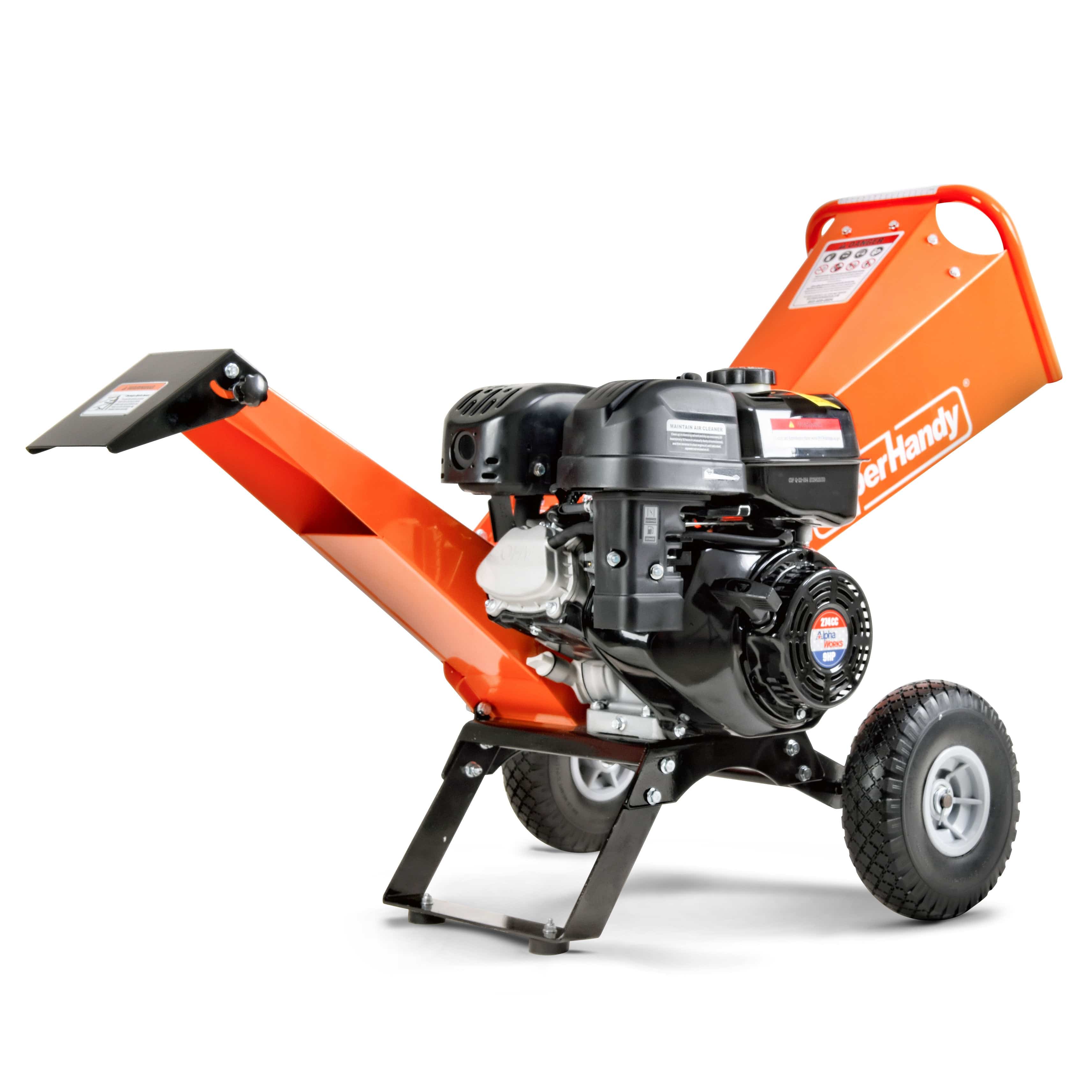
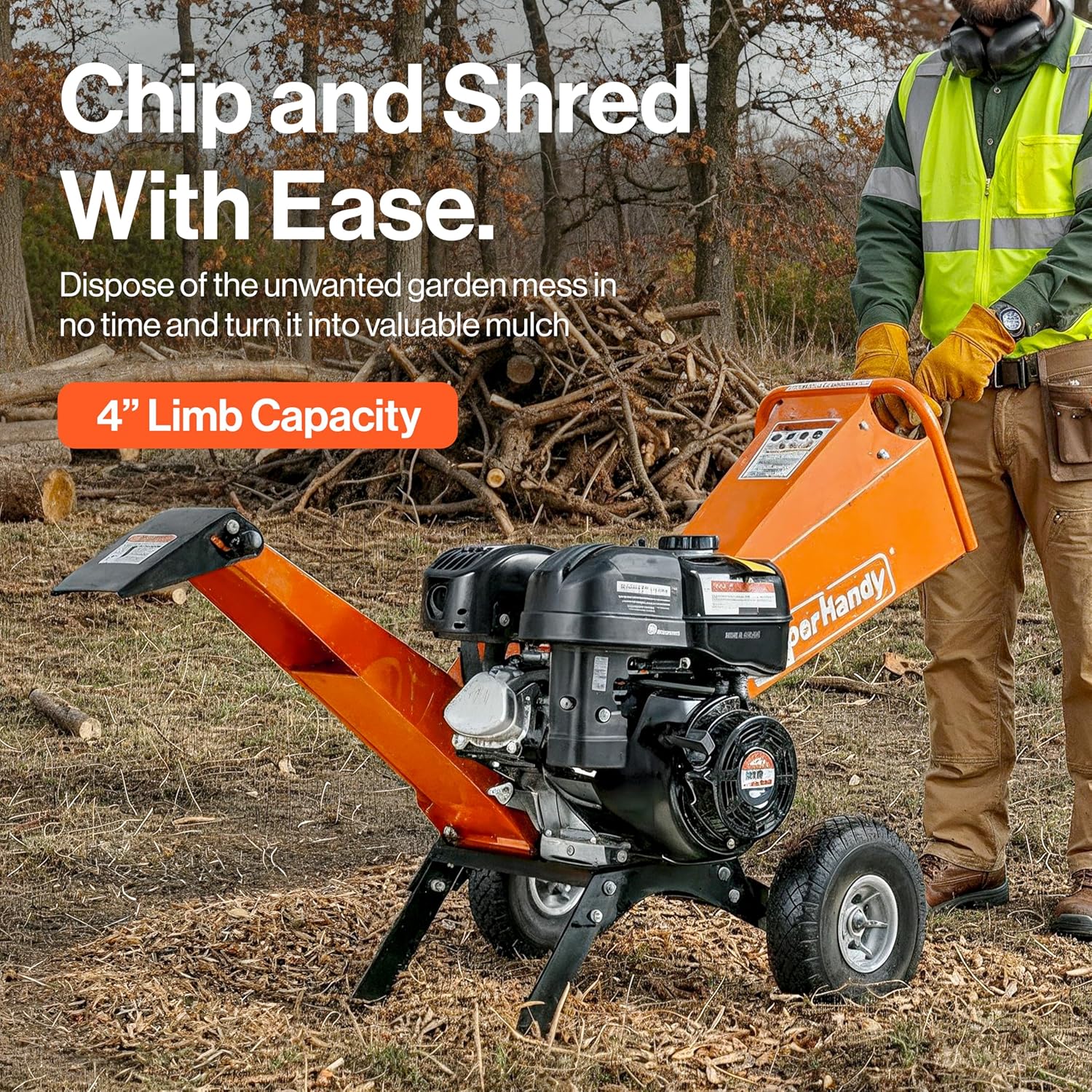
Gas-powered wood chippers are the workhorses of the yard care world. They offer superior power and complete portability, allowing you to take the machine directly to the debris pile anywhere on your property. They can handle larger branch diameters and tougher hardwoods with ease. The trade-offs are increased noise, engine maintenance (oil changes, fuel), and a heavier overall weight. Now that you know the fundamental differences, com/collections/wood-chippers) to see these options in more detail.
Gas-Powered Chippers: Pros, Cons, and When to Choose Them
For heavy-duty jobs and maximum portability, a gas-powered wood chipper is the undisputed champion. These machines are built for power, using robust engines to tear through thick branches and large volumes of yard waste with ease. Their biggest advantage is freedom—without a cord, you can take them to the farthest corners of your property to tackle fallen limbs or clear a new area.
Pros:
- Superior Power: Easily handles larger, tougher branches, often 3 inches in diameter or more.
- Complete Portability: Not tethered to an electrical outlet, allowing you to work anywhere on your property.
- Faster Performance: The high torque and horsepower mean you can process more debris in less time.
Cons:
- Louder Operation: Gas engines are significantly noisier than their electric counterparts.
- Heavier and Bulkier: These models require more effort to move and store.
- Higher Maintenance: Require regular oil changes, spark plug checks, and fuel refills.
- Emissions: Produce exhaust fumes, which is a consideration for both the environment and the user.
When to Choose a Gas Chipper: You should opt for a gas model if you have a large property (an acre or more), frequently deal with branches thicker than 2 inches, or need to clear substantial amounts of debris after storms or seasonal pruning.

Electric Chippers: Pros, Cons, and Ideal Use Cases
If your yard work is more about routine maintenance than land-clearing, an electric wood chipper is an excellent, user-friendly choice. These machines are suitable for homeowners with small to medium-sized yards who need to manage twigs, leaves, and smaller branches. They are significantly quieter, lighter, and easier to maintain than gas models.
Pros:
- Quiet and Lightweight: Much more neighborhood-friendly and easier to maneuver and store.
- Low Maintenance: No fuel to mix, no oil to change. Just plug it in and go.
- Eco-Friendly: Produces zero emissions, making it a cleaner choice for the environment.
- Easy to Start: Typically features a simple push-button start.
Cons:
- Less Powerful: Best suited for branches under 2 inches in diameter.
- Limited Range: Your work area is restricted by the length of your extension cord.
- Slower Processing: May take longer to chip the same amount of material compared to a gas unit.
Ideal Use Cases for an Electric Wood Chipper: An electric model is suitable for suburban homes, post-gardening cleanup, and managing the debris from small ornamental trees and shrubs. If your chipping needs are occasional and your debris is relatively small, the convenience of an electric chipper is hard to beat.
Key Features to Consider for Optimal Performance
Once you’ve settled on the gas vs. electric debate, it’s time to zoom in on the specific features that define a chipper’s performance. The right combination of features will ensure your machine is not only effective but also safe and easy to use. Key specifications to look at include the chipping capacity, motor power, blade design, and portability features. Let's break down the most important one first.
Chipping Capacity: How Large of Branches Can It Handle?
Chipping capacity is arguably the most critical factor in choosing the right chipper for wood. This measurement, listed in inches or millimeters, tells you the maximum diameter of a branch the machine can safely process. Feeding branches that are too large into a chipper can stall the motor, damage the blades, or create a dangerous kickback situation.
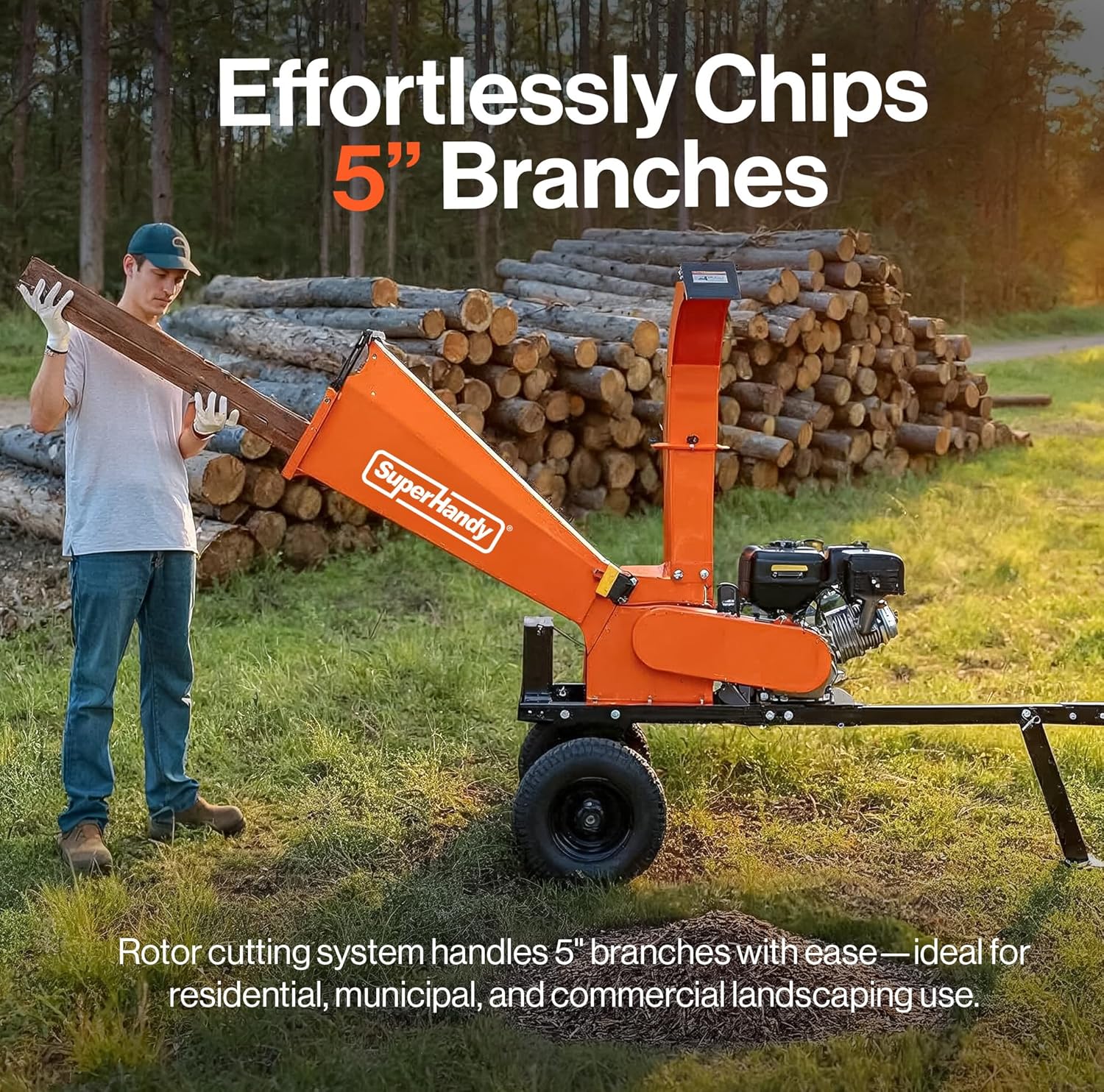
As a general rule, electric models typically have a capacity between 1.5 and 2 inches, which is sufficient for most light yard debris. Gas-powered models start around a 3-inch capacity and go up from there, making them suitable for more substantial limbs. Before you shop, take a look at the typical size of the debris in your yard. It’s always wise to choose a chipper with a capacity slightly larger than the biggest branches you expect to handle. This ensures you won’t constantly be pushing your machine to its absolute limit. When browsing different Wood Chippers, you’ll see this measurement listed prominently for every model, helping you match the machine to your specific needs. For coverage planning, Medicare.gov outlines when wheelchairs and scooters may qualify as durable medical equipment.
Motor Power and Engine Size: The Heart of Your Chipper
The power source is the single most important factor determining what your wood chipper can do. It dictates the machine's chipping capacity, speed, and overall efficiency. Whether you're looking at an electric or gas model from our collection of Wood Chippers, understanding its power rating is crucial.
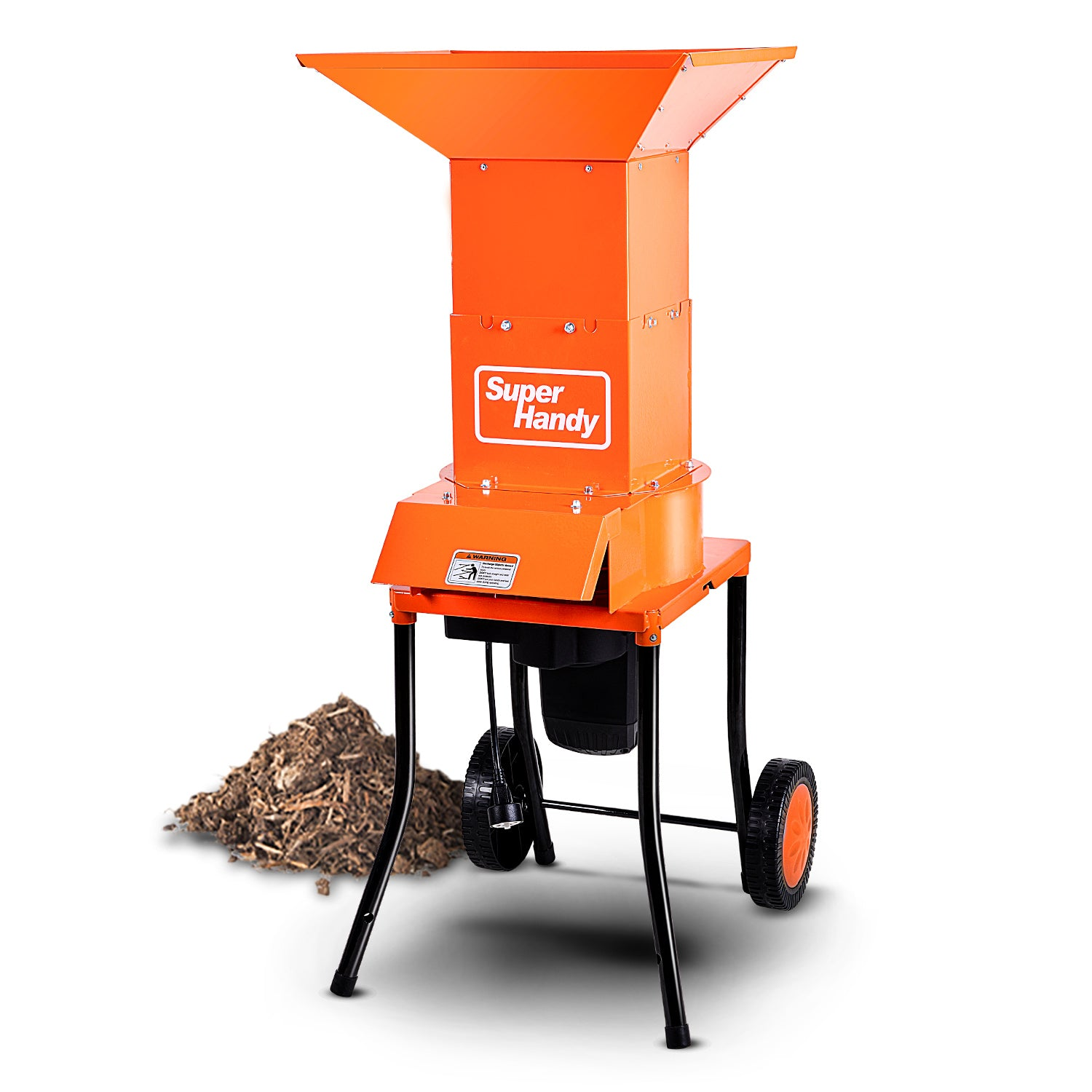
For an electric wood chipper, power is typically measured in Amperes (Amps). Most household outlets support 15-Amp circuits, which is why you'll find many powerful residential models, like the SuperHandy 15-Amp Electric Chipper, designed to maximize that output. These are suitable for homeowners dealing with small branches, twigs, and leaves.
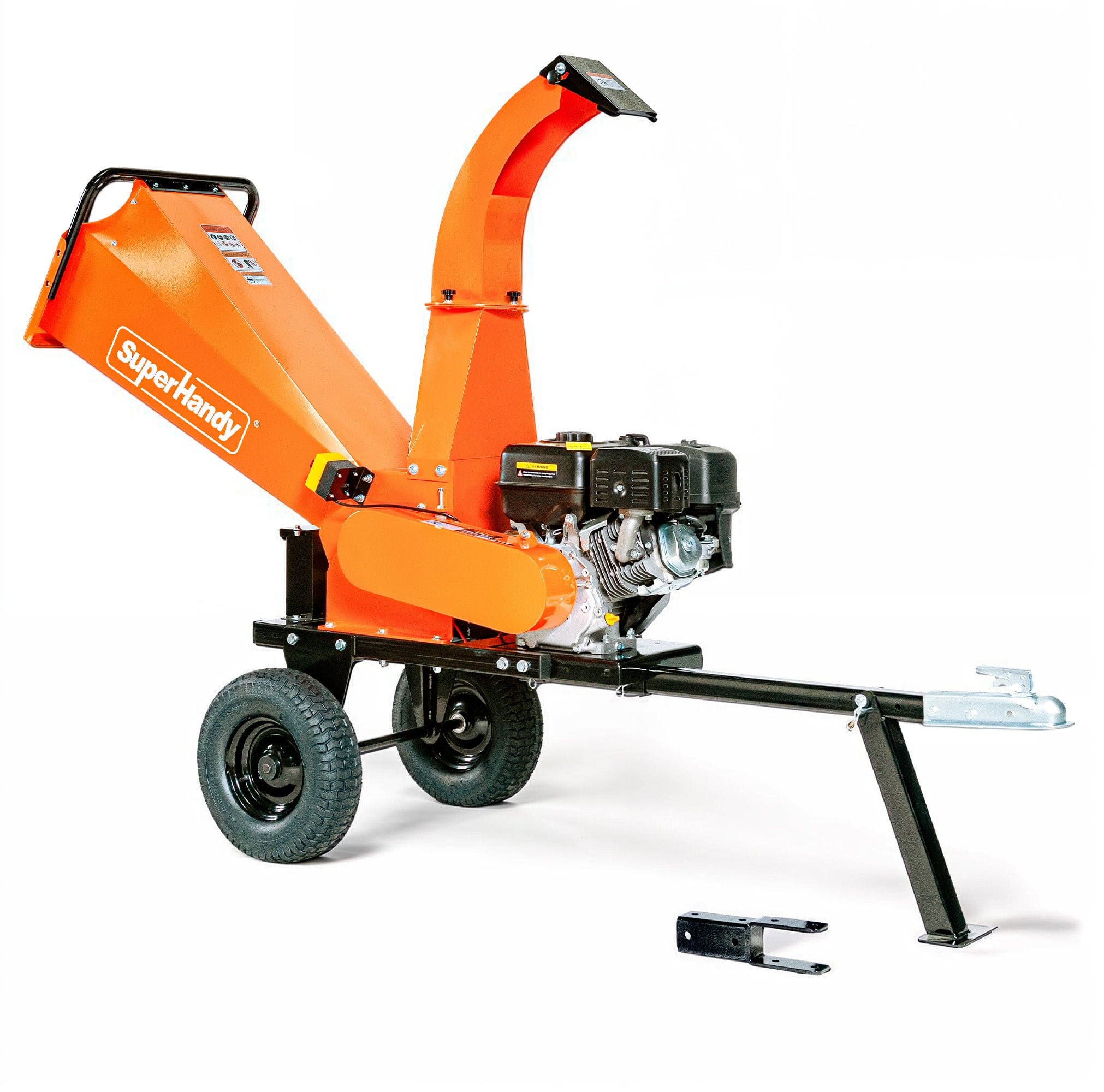
For gas-powered models, you'll look at engine displacement, measured in cubic centimeters (cc), and sometimes horsepower (HP). A higher cc number generally translates to more torque—the rotational force needed to break down tough, dense wood without stalling. Engines ranging from 212cc (around 7 HP) are excellent for demanding residential use, capable of handling branches up to 3-4 inches thick. For commercial or large-property needs, engines can go much higher. For medical context, MedlinePlus summarizes common mobility aids such as canes, walkers, wheelchairs, and scooters.
Blade Type and Material: Durability and Cutting Efficiency
If the motor is the heart, the blades are the teeth of your chipper. The quality, type, and material of the cutting mechanism directly impact performance and longevity. Look for blades made from high-grade, hardened steel, such as CR12 or CR12MoV, which are known for their ability to resist chipping and hold a sharp edge through hours of work.

Many high-quality chippers feature dual, reversible cutting blades. This is a significant advantage, as it effectively doubles the lifespan of your blades before they need to be sharpened or replaced. When one side becomes dull, you can simply unbolt the blade, flip it over to the fresh, sharp side, and get back to work. A sharp, well-made blade not only cuts faster but also produces finer, more uniform wood chips, which are ideal for mulch or compost.
Mobility and Portability: Moving Your Chipper Around the Yard
A powerful chipper is useless if you can't get it to the debris pile. When evaluating a chipper for wood, consider its weight, handle design, and wheel quality. For small yards with smooth, paved surfaces, a lighter model with solid plastic wheels may be sufficient.
However, for most properties with uneven lawns, dirt paths, or slopes, robust portability is a must. Look for models equipped with large, all-terrain wheels. Pneumatic (air-filled) or "never-flat" foam-filled tires, typically 10 inches or larger, provide the stability and traction needed to navigate challenging ground. A well-balanced design and an ergonomic, sturdy handle will make it much easier to pull or push the machine across your property, saving you time and back strain. Some larger, heavy-duty chippers even come with a tow bar for easy transport with an ATV or lawn tractor.
Safety Features: Protecting Yourself and Your Investment
Operating a wood chipper requires respect for its power. When browsing any wood chipper for sale, prioritizing safety features is non-negotiable. Reputable manufacturers build multiple layers of protection into their designs to keep the operator safe.
Key safety features to look for include:
- A Long Feed Chute/Hopper: This design creates a safe distance between your hands and the internal blades.
- Emergency Shut-Off Switch: A large, clearly marked, and easily accessible button or bar that allows you to kill the engine instantly in an emergency.
- Kickback Protection: Look for a series of rubber flaps or a guard at the hopper opening. This helps prevent small, hard pieces of wood from being violently ejected back toward you.
- A Wide, Stable Stance: A low center of gravity and a wide wheelbase are crucial for preventing the machine from tipping over, especially when operating on less-than-perfectly-level ground.
Always supplement the machine's built-in features by wearing the proper Personal Protective Equipment (PPE), including heavy-duty gloves, full-coverage safety glasses or goggles, and hearing protection.
Maintenance and Durability: Ensuring Long-Term Value
A wood chipper is a significant investment, and like any powerful piece of equipment, it requires regular maintenance to perform safely and effectively for years to come. Neglecting upkeep not only shortens your machine's lifespan but can also lead to poor performance and potential safety hazards.
For gas-powered models, this means routine engine care: checking and changing the oil, cleaning or replacing the air filter, and inspecting the spark plug. It's also wise to use a fuel stabilizer if you plan to store the chipper for more than a month. An electric wood chipper requires less engine maintenance but still needs attention. Regularly inspect the power cord for any frays or damage, and ensure the machine is kept clean and dry to protect its electrical components. For air travel, FAA PackSafe lists battery and handling rules for wheelchairs and mobility devices.
Regardless of the power source, the most critical maintenance task is caring for the blades. Dull blades don't cut; they crush. This puts immense strain on the engine or motor, reduces efficiency, and produces chunky, poor-quality mulch. Check your owner's manual for instructions on how to access, sharpen, or replace the blades. A durable chipper will be constructed from heavy-gauge steel with high-quality welds and a protective finish to resist rust and wear.

Frequently Asked Questions About Wood Chippers
As you get closer to finding the right chipper for wood, you might have a few lingering questions. Here are answers to some of the most common ones we hear.
What's the difference between a chipper and a shredder? A wood chipper is specifically designed to process hard, woody material like tree branches and thick sticks using sharp blades. A shredder, on the other hand, uses blunt hammers or flails to pulverize softer, leafy yard waste like leaves, grass clippings, and small twigs. Many machines available today are combination "chipper shredders" that have a dedicated chute for branches and a larger hopper for leaves and other soft debris.
Can I chip wet or green wood? Yes, most wood chippers can handle green wood. In fact, slightly green wood can sometimes be easier to chip than very hard, dry wood. However, very wet, sappy, or stringy material can sometimes wrap around the cutting mechanism or clog the discharge chute. If you're chipping a lot of green material, it's best to mix it with some dry branches to help keep everything moving smoothly.
How often do I need to sharpen the chipper blades? Blade longevity depends entirely on how much you use the chipper and what you put through it. Chipping clean hardwood will wear blades faster than soft pine. A good rule of thumb is to inspect your blades after every 10 to 25 hours of operation. You'll know it's time for sharpening when you notice a drop in performance, the engine is straining more than usual, or the resulting wood chips look shredded and stringy rather than cleanly cut.
Making Your Final Decision: Choosing the Right Wood Chipper for You
You've learned about power sources, chipping capacity, engine size, and safety features. Now it's time to put it all together and select the perfect machine for your property. The best wood chipper for sale is the one that aligns perfectly with your specific needs.
To make your final choice, ask yourself these key questions:
- Debris Type: Will I be chipping mostly hardwood branches, or a mix of soft yard waste and leaves? This will determine if you need a dedicated chipper or a chipper shredder.
- Branch Size: What is the maximum diameter of the branches I need to process regularly? Choose a machine with a chipping capacity that comfortably exceeds your typical needs.
- Power & Portability: Do I need the raw power and go-anywhere capability of a gas engine, or is the quieter, low-maintenance convenience of an electric model a better fit for my smaller yard?
- Volume: How much debris will I be processing? A small electric model is great for post-pruning cleanup, while a larger gas-powered unit is better suited for clearing significant acreage or storm damage.
Once you have clear answers, you'll be equipped to make a confident purchase. By matching the machine's capabilities to your yard's demands, you're not just buying a tool—you're investing in a cleaner, more manageable, and more beautiful property. Ready to find your match? Explore our complete collection of Wood Chippers and take the first step toward conquering your yard waste for good.
Related Products




Leave a comment
All comments are moderated before being published.
This site is protected by hCaptcha and the hCaptcha Privacy Policy and Terms of Service apply.