
























Understanding Your Electric Mobility Scooter's Core Components
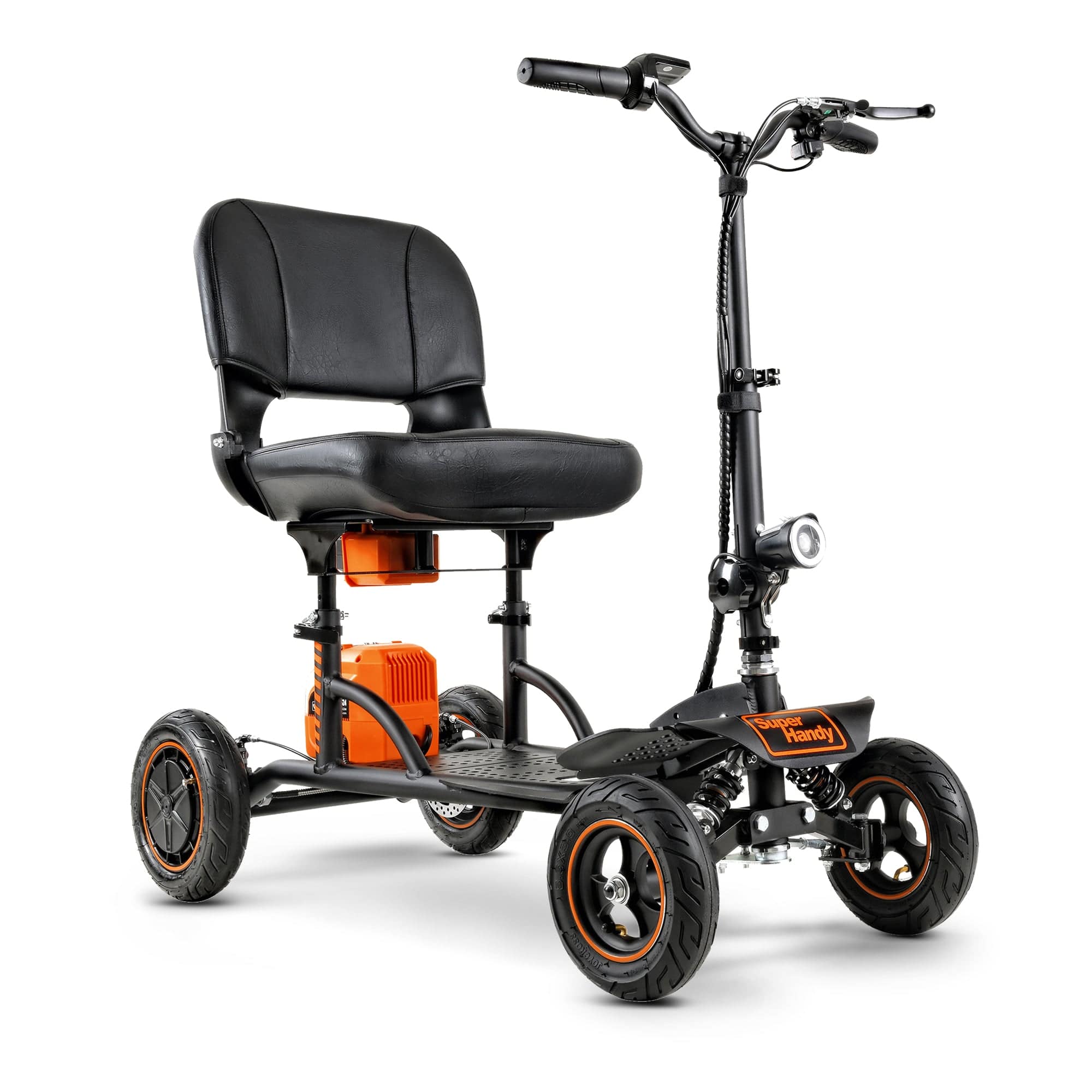
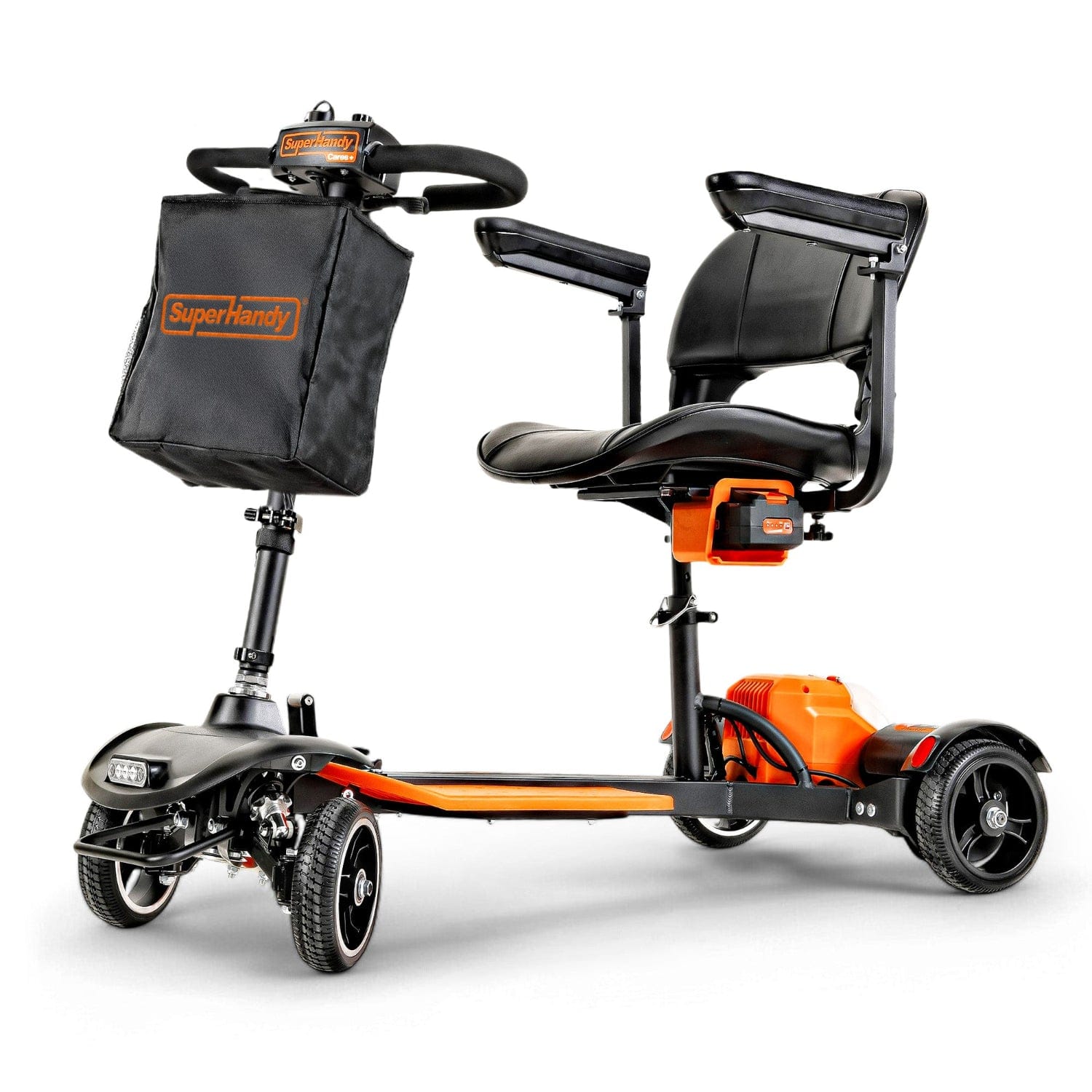
Before you can properly maintain your scooter, it helps to know what you’re working with. While designs vary, most electric mobility scooters share a set of core components that work together to provide a safe and smooth ride. Familiarizing yourself with these parts will demystify the maintenance process and help you spot potential issues early. As essential mobility aids, these devices are designed for durability, but understanding their anatomy is the first step toward longevity.
- Battery: The powerhouse of your scooter. It stores the electrical energy needed to run the motor.
- Motor and Drivetrain: This system converts electrical energy from the battery into motion, propelling the wheels.
- Tiller: The steering column at the front, which houses the controls, including the accelerator, speed dial, horn, and battery gauge.
- Frame: The scooter's skeleton, providing structural support for all other components.
- Tires and Wheels: Your scooter’s connection to the ground, crucial for stability, traction, and ride comfort.
- Braking System: Essential for safety, these can be electronic, regenerative, or mechanical.
- Seat: Provides comfort and support during operation.
Models like the rugged Explorer mobility scooter integrate these components into a robust design built for performance and reliability.
Regular Cleaning: The Foundation of Scooter Longevity
One of the simplest yet most effective maintenance tasks is regular cleaning. Dirt, dust, moisture, and road grime can accumulate on your scooter, leading to corrosion, rust, and premature wear on moving parts and electrical connections. A clean scooter isn't just about appearances; it's about protecting its operational integrity.
For best results, wipe down your scooter at least once a week, or more often if you use it daily or in dusty/wet conditions. Use a soft, damp cloth and a mild, non-abrasive cleaning solution. Focus on the body panels (shrouds), seat, and tiller. Pay special attention to the underside and the areas around the wheels where debris collects. After wiping it down, use a dry cloth to remove any excess moisture. The durable, easy-to-maintain bodywork on models like the Passport Pro mobility scooter and Passport Plus mobility scooter makes this process quick and simple.
Crucial Safety Tip: Never use a garden hose or pressure washer to clean your electric mobility scooter. Forcing water into the chassis can cause severe damage to the motor, battery, and other sensitive electronic components.

Battery Care: Maximizing Power and Lifespan
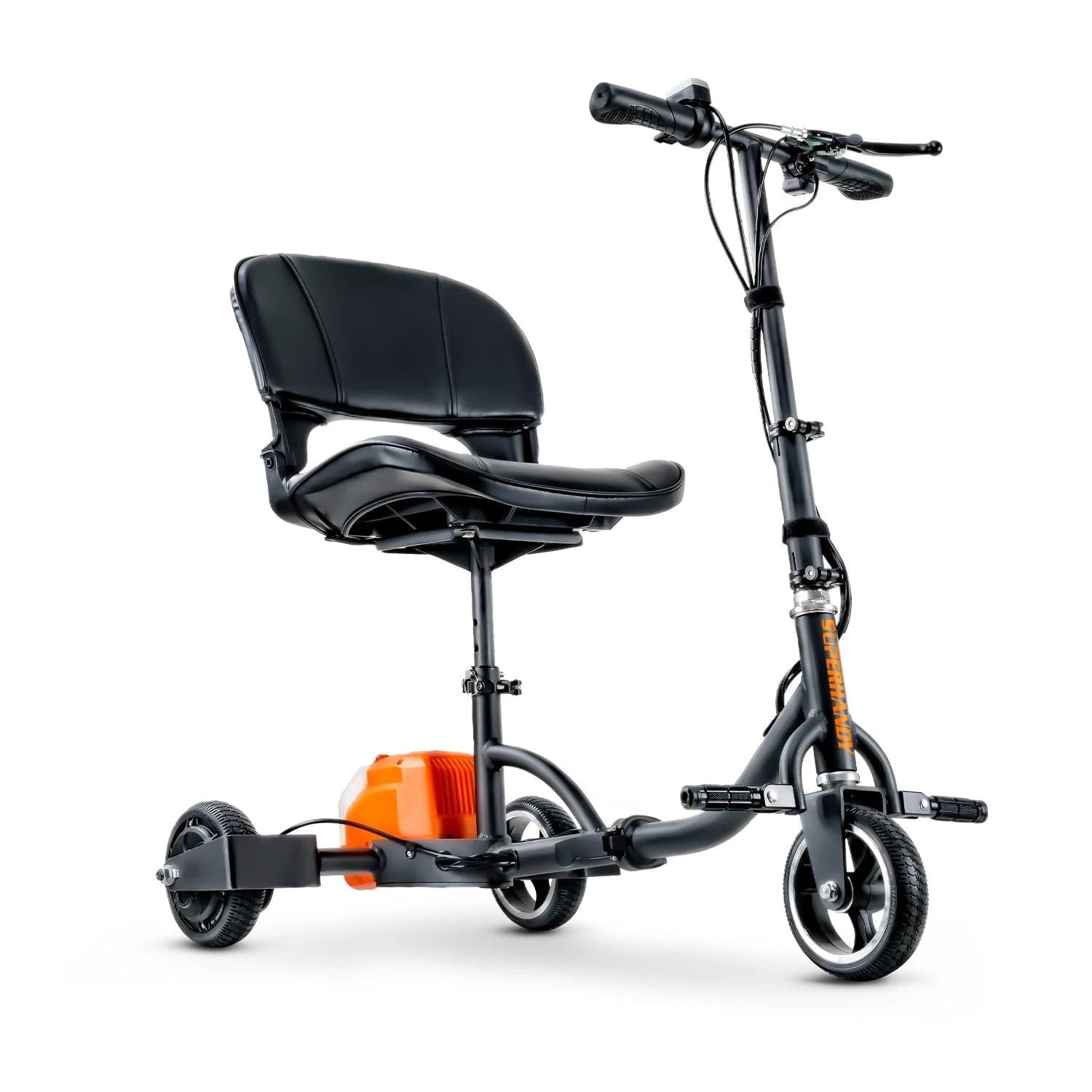
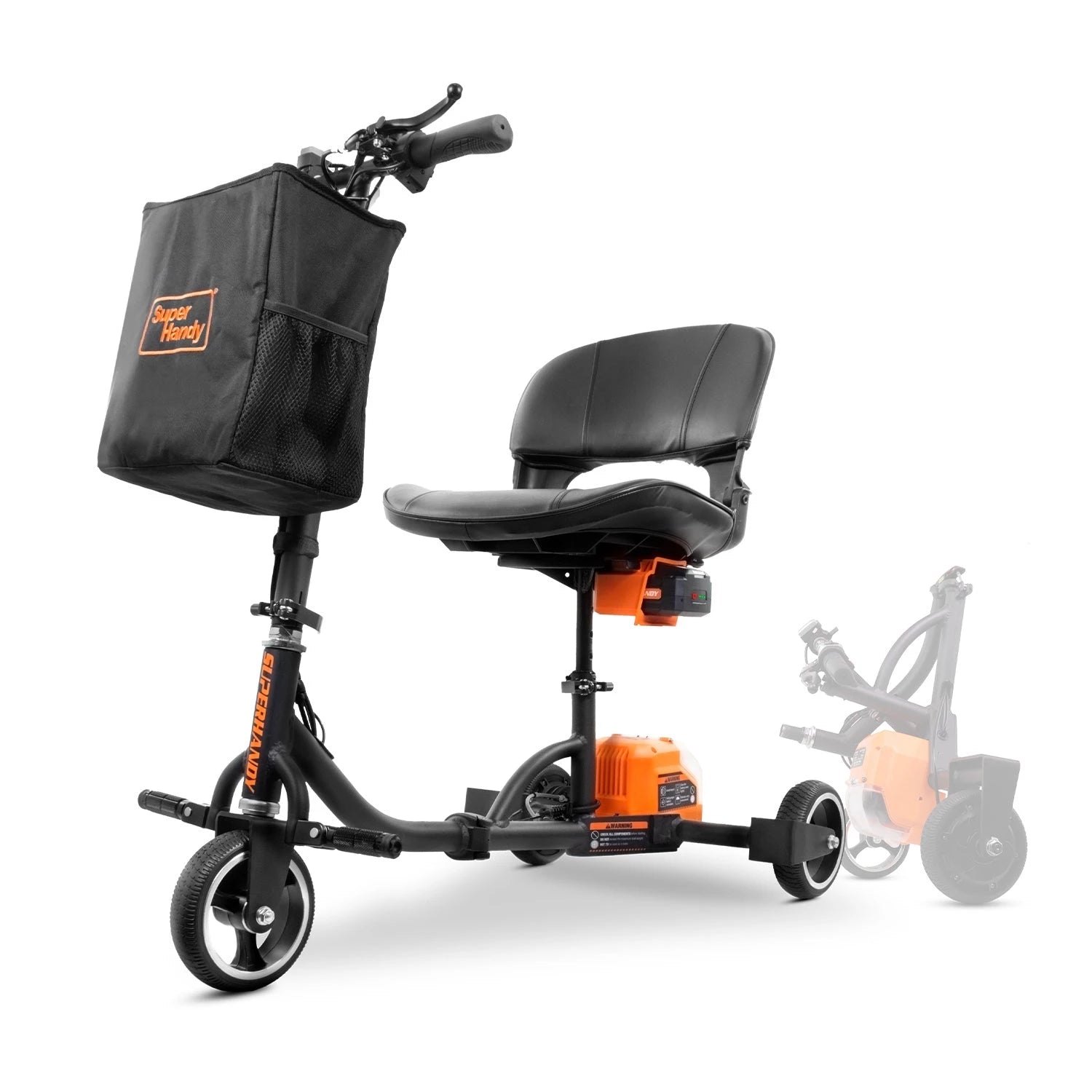
The battery is the heart of your electric mobility scooter, and its health directly impacts your scooter's range and performance. Most scooters use either Sealed Lead-Acid (SLA) or Lithium-ion batteries. While both are reliable, they have slightly different care requirements. Lithium-ion batteries, often found in lightweight, foldable models like the Passport mobility scooter, are lighter and less susceptible to damage from partial charging.
Regardless of the type, a few universal rules apply. Always keep your battery and its terminals clean and dry. Periodically inspect the terminals for any signs of corrosion—a white, powdery substance—and clean it off with a wire brush if found. Most importantly, avoid exposing your battery to extreme temperatures. Storing or charging your scooter in a very hot garage or a freezing shed can significantly reduce the battery's capacity and overall lifespan.
Charging Best Practices for Extended Battery Health
Proper charging habits are critical for getting the most out of your scooter's battery. Improper charging is one of the leading causes of premature battery failure. Following a consistent and correct routine will ensure you have the power you need for every trip.
- Use the Right Charger: Always use the charger that came with your scooter. Chargers are specifically designed for your battery's voltage and chemistry, and using an incompatible one can cause permanent damage or even create a fire hazard.
- Charge After Each Use: It's a good habit to charge your battery after every significant use, even if it's not fully depleted. This is especially important for SLA batteries, which can lose capacity if left in a discharged state.
- Avoid Deep Discharges: Try not to run your battery until it is completely dead. This puts significant strain on the battery and can shorten its life.
- Charge in a Safe Environment: Always charge your scooter indoors in a dry, well-ventilated area away from flammable materials.
- Don't Interrupt the Cycle: Allow the battery to complete a full charging cycle whenever possible. Smart charging systems on modern scooters like the Passport Flex 4 mobility scooter will automatically shut off when the battery is full, preventing overcharging.
Tire Maintenance: Ensuring Smooth Rides and Preventing Wear
Your scooter's tires are its only connection to the ground, making their upkeep essential for a safe, comfortable ride and optimal battery performance. Mobility scooters typically use either pneumatic (air-filled) or solid tires. If your scooter has pneumatic tires, check the air pressure weekly using a standard tire gauge. The correct pressure, measured in PSI (pounds per square inch), is usually printed on the tire's sidewall or listed in your owner's manual. Under-inflated tires create drag, which can significantly reduce your battery's range, while over-inflation leads to a harsh ride and uneven tread wear. For coverage planning, Medicare.gov outlines when wheelchairs and scooters may qualify as durable medical equipment.
For scooters with solid tires, like the convenient Passport Pro mobility scooter, you don’t have to worry about flats or air pressure. However, you should still inspect them regularly. For all tire types, look for signs of wear, such as thinning treads, cracks in the sidewall, or any embedded objects like glass or sharp stones. Worn-out tires lose their grip, posing a safety risk, especially on wet or uneven surfaces. Keeping the tires and wheels clean will also help you spot potential damage before it becomes a major problem.

Brake System Checks: Safety and Performance Essentials
A reliable braking system is your most important safety feature. Most electric mobility scooters are equipped with automatic, electromagnetic brakes that engage the moment you release the throttle. To test them, find a safe, level area and drive forward slowly. Release the throttle lever completely. Your scooter should come to a smooth, controlled stop without lurching or making grinding noises. If the stop feels too abrupt or delayed, it’s a sign that the brakes may need professional adjustment.
Some models also feature a supplemental manual brake, operated by a hand lever, for added control or emergency stops. Periodically squeeze this lever to ensure it feels firm and responsive—it shouldn't feel overly loose or require excessive force. Listen for any squealing or scraping sounds, which could indicate worn brake components. Finally, test your parking brake on a slight incline to confirm it holds the scooter securely in place. If you have any doubts about your scooter's braking performance, cease use immediately and consult a qualified technician.
Understanding and Maintaining the Motor and Drivetrain
The motor and drivetrain are the powerhouse of your electric mobility scooter, converting battery power into movement. Fortunately, most modern scooters feature sealed, brushless motors and transaxles that are designed to be largely maintenance-free, just like the reliable system in the Explorer mobility scooter. Your primary maintenance task here is to listen. Pay attention to any new or unusual noises, such as whining, clicking, or grinding, as these can be early indicators of an internal issue that requires professional attention.
Be mindful of the freewheel lever, which disengages the motor to allow the scooter to be pushed manually. Always ensure this lever is fully engaged in the "drive" position before operating the scooter. Attempting to run the scooter with the lever partially engaged can cause serious damage to the gearbox and motor. Keep the area around the motor and rear wheels clean and clear of debris, string, or hair that could become entangled and cause overheating or mechanical failure.
Frame and Bodywork: Protecting Against Damage and Corrosion
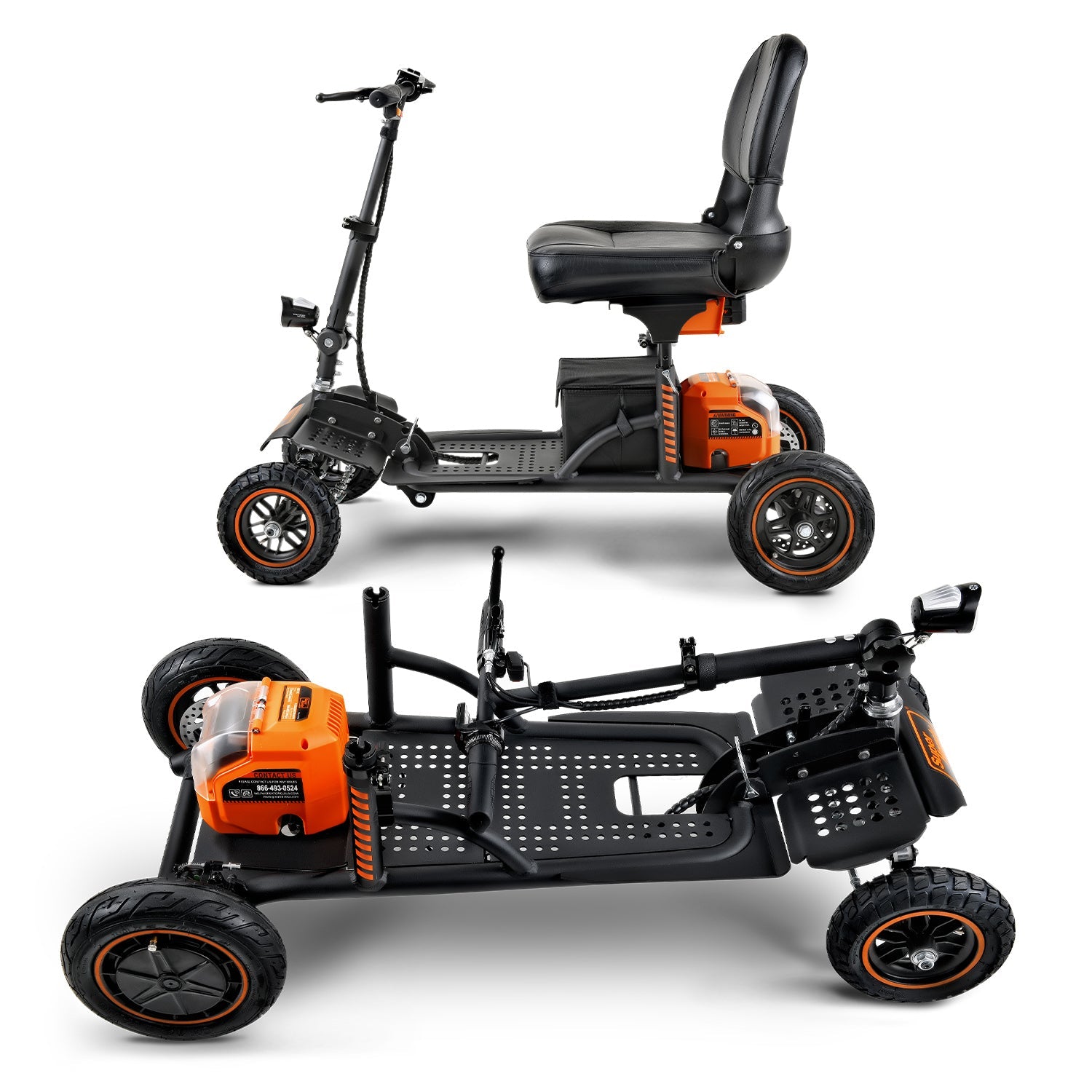
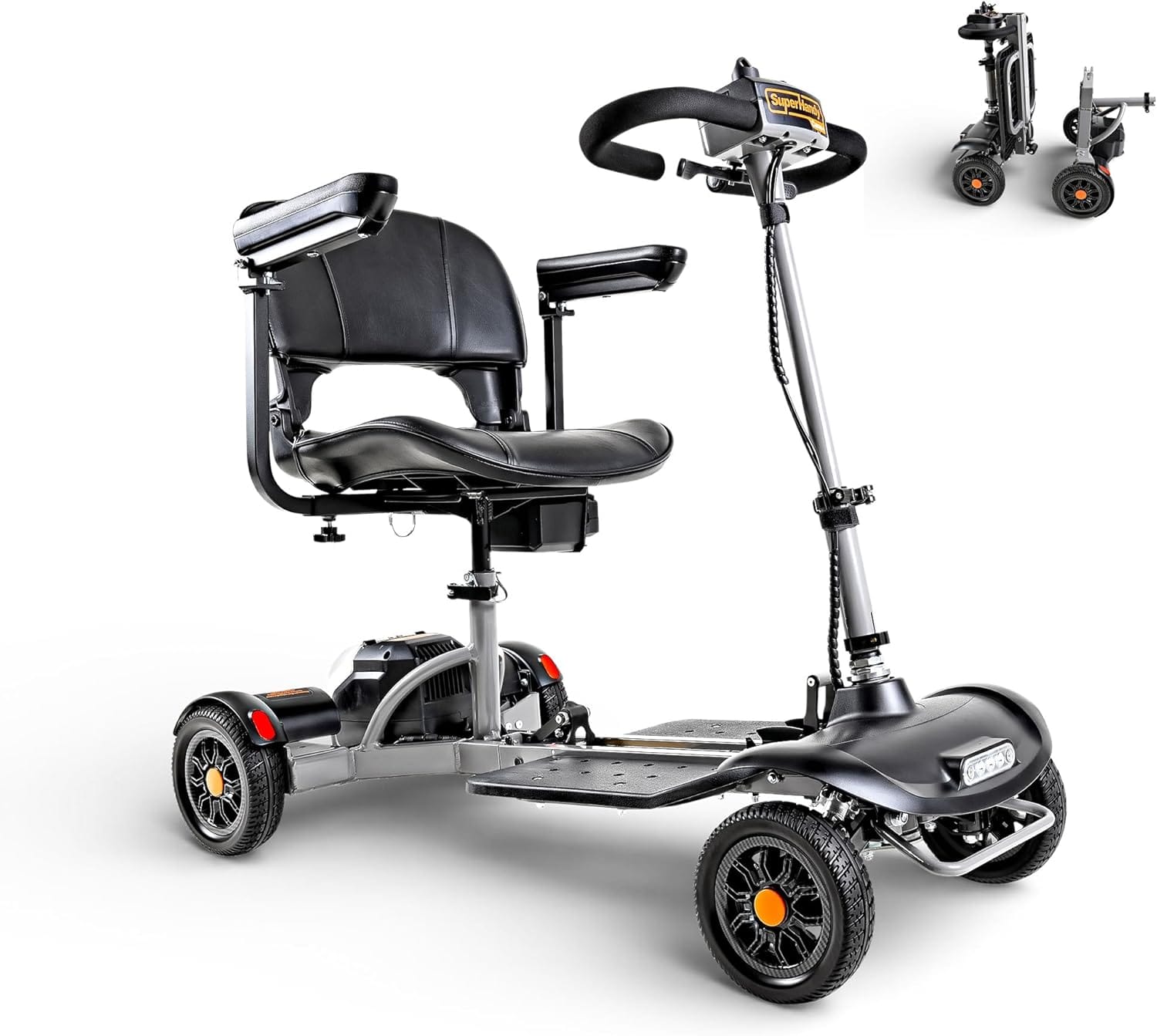
Your scooter's frame is its skeleton, providing structural integrity, while the plastic bodywork (or shrouds) protects the sensitive electronics and mechanical parts within. At least once a month, perform a visual inspection of the entire frame, paying close attention to weld points. Look for any cracks, bends, or signs of significant rust. This is especially important for foldable models like the Passport mobility scooter, where hinges and locking mechanisms should be checked for proper function.
Check that all body panels are secure and free of major cracks. A rattling noise while driving can often be traced to a loose screw on a shroud. To prevent corrosion, always wipe your scooter down with a dry cloth after using it in wet conditions. If you live in a coastal area with salty air, this becomes even more critical. For any deep scratches on the metal frame that expose the bare metal, consider applying a small amount of touch-up paint to seal the area and prevent rust from forming.
Electrical Connections and Wiring: Preventing Faults and Failures
The electrical system is the nervous system of your electric mobility scooter. Keeping the wiring and connections in top shape is crucial for both performance and safety. On a monthly basis, perform a careful visual inspection of all accessible wiring. Look for any signs of wear and tear, such as cracks in the insulation, frayed wires, or exposed copper. Pay close attention to areas where wires bend or may rub against the frame.
Gently check that all connectors are snug and secure, including those attached to the battery, controller, and motor. Loose connections can cause intermittent power loss or prevent the scooter from starting altogether. If you ride a model like the Explorer mobility scooter, which is built for varied terrain, it's even more important to ensure these connections haven't been jostled loose. Always keep the wiring dry and clean. If you see any corrosion (a white or greenish powder) on the battery terminals, disconnect the battery and clean them with a wire brush and a solution of baking soda and water before reconnecting. For medical context, MedlinePlus summarizes common mobility aids such as canes, walkers, wheelchairs, and scooters.

Storage Guidelines: Protecting Your Scooter When Not in Use
Proper storage is one of the most effective ways to protect your investment and extend the life of your mobility scooter. The ideal storage location is a clean, dry, and temperature-controlled environment, like a garage or a shed, away from direct sunlight. Extreme heat can degrade plastic components and damage the battery, while freezing temperatures can drastically reduce battery capacity and potentially cause permanent damage.
For short-term storage, simply parking it indoors is sufficient. For long-term storage (more than a month), follow these steps:
- Clean the scooter thoroughly.
- Charge the battery to between 50% and 80%. Storing a battery at a full or empty charge for long periods can shorten its lifespan.
- If possible, remove the battery and store it separately in a location that stays above freezing and below 80°F (27°C).
- Place the scooter on blocks to lift the tires off the ground, preventing flat spots from developing.
- Use a breathable scooter cover to protect it from dust and moisture.
Foldable models like the compact Passport mobility scooter are especially easy to store indoors, protecting them from the elements.
Troubleshooting Common Scooter Issues Before They Worsen
Many common scooter problems have simple solutions you can handle yourself, saving you a trip to the technician. Catching these issues early prevents them from becoming bigger, more expensive problems.
- Scooter Won’t Turn On: First, ensure the key is fully inserted and turned to the "on" position. Check that the battery is fully charged and that the battery pack is seated correctly with all connections secure. Finally, locate the main circuit breaker (usually a button near the battery) and see if it needs to be reset.
- Scooter Stops Suddenly: This is often a sign of the battery protection system kicking in. Check your battery gauge. If the battery is low, recharge it. Also, verify that the freewheel lever (which disengages the motor for manual pushing) is in the "drive" position.
- Diagnostic Beep Codes: Many scooters use a series of beeps to signal specific faults. Whether you own a Passport Pro mobility scooter or another model, your owner’s manual is your best friend here. It will contain a guide to what each code means, often pointing to a simple fix like a loose connection or an engaged freewheel lever.
When to Seek Professional Maintenance for Your Scooter
While regular user maintenance is vital, some jobs are best left to the professionals. Knowing your limits is key to avoiding further damage or personal injury. You should schedule a service with a qualified technician if you encounter any of the following issues:
- Persistent Electrical Problems: If you’ve checked the basics and the scooter still has power issues, or if it repeatedly blows a fuse, it’s time for an expert to diagnose the underlying fault.
- Motor or Transaxle Noises: Any grinding, whining, or clicking sounds from the motor or drivetrain area indicate internal wear or damage that requires professional repair.
- Brake or Steering Malfunctions: If the brakes feel weak, unresponsive, or the scooter pulls to one side, do not continue to use it. These are critical safety systems that need immediate professional attention.
- Complex Error Codes: If your scooter displays an error code that isn't resolved by the simple troubleshooting steps in your manual, a technician will have the diagnostic tools to solve it.
Even robust, well-built models like the Passport Flex 4 mobility scooter or the Passport Plus mobility scooter benefit from an annual professional tune-up to ensure all components are functioning safely and efficiently.
Seasonal Maintenance Tips for All-Weather Scooter Use
Your electric mobility scooter isn't just for sunny days. With the right preparation, you can keep it running smoothly year-round. Adjusting your maintenance routine for the seasons is key to preventing weather-related damage.
Spring & Summer: As the weather warms up, it’s time to prepare for more frequent outdoor adventures. Start with a thorough cleaning to remove any lingering salt or grime from winter. Check your tire pressure, as warmer temperatures can cause the air inside to expand. This is also the perfect time to test your battery's range after a potentially less active winter. Ensure it holds a full charge, giving you the confidence to enjoy longer days out and about on a travel-friendly model like the Passport mobility scooter.
Autumn & Winter: Colder, wetter weather demands extra protection. Batteries can lose efficiency in the cold, so keep your scooter stored in a temperate, dry location whenever possible and avoid leaving it in a cold car overnight. Before heading out, check that all your lights are working, as daylight hours are shorter. After every ride, wipe down the entire scooter, especially the undercarriage, to remove moisture, salt, and dirt that can cause corrosion. For navigating potentially tougher terrain, a scooter with a robust build like the Explorer mobility scooter can provide added stability.

Frequently Asked Questions About Electric Mobility Scooter Maintenance
Even with a detailed guide, you might have a few specific questions. Here are answers to some of the most common queries we receive about mobility scooter care.
How often should I charge my scooter's battery? For optimal battery health and longevity, the best practice is to charge your mobility scooter after every use, even if you only traveled a short distance. This keeps the battery topped off and ready for your next trip. Avoid letting the battery drain completely, as this can shorten its overall lifespan.
Can I use my mobility scooter in the rain? Most electric mobility scooters are not fully waterproof. While they can typically handle a very light drizzle, heavy rain can damage sensitive electronic components like the tiller, controller, and battery connections. If you get caught in an unexpected shower, dry your scooter thoroughly with a soft cloth as soon as you get indoors.
Is a mobility scooter covered by insurance? Coverage for mobility aids varies significantly. In the United States, for example, private insurance plans have their own rules. For those who qualify, Medicare.gov has specific criteria for wheelchairs and scooters, which usually require a doctor's prescription and a determination that the device is medically necessary for use within the home. Always check with your specific insurance provider to understand your policy.
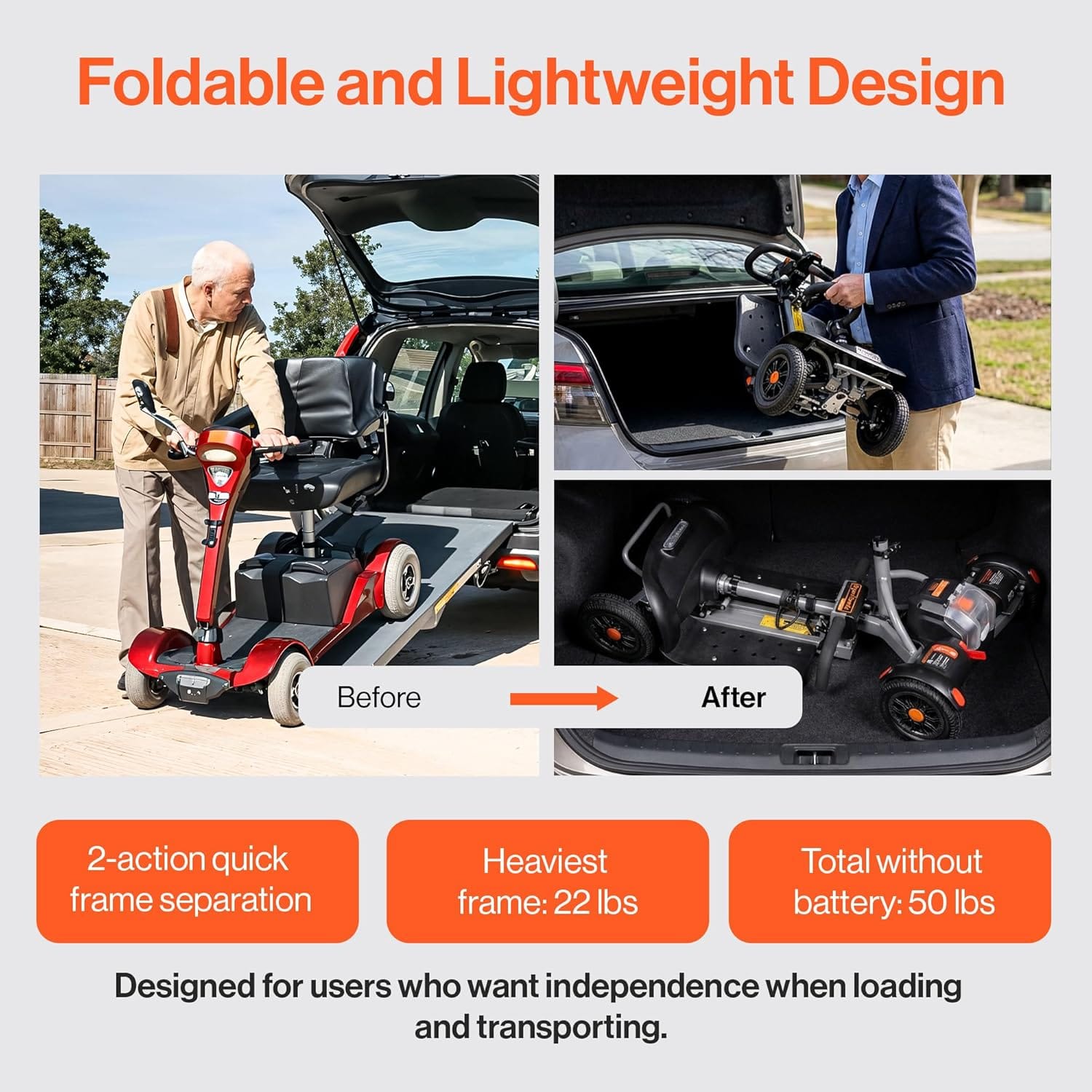
How do I make my scooter easier to transport? If you frequently travel or need to store your scooter in tight spaces, choosing a foldable model is essential. Lightweight, collapsible designs like the Passport Pro mobility scooter are engineered to fold down in seconds, making them easy to fit in a car trunk or a closet.
How long will my scooter's battery last before it needs replacing? With proper care and charging habits, a mobility scooter battery typically lasts between one and three years. The exact lifespan depends on the type of battery, how often you use the scooter, and the terrain you navigate. Following the charging best practices outlined in this guide will help you get the most out of your battery, ensuring reliable performance from models with extended range like the Passport Plus mobility scooter.
The Long-Term Benefits of Consistent Scooter Upkeep
Investing a small amount of time in regular maintenance pays huge dividends over the life of your electric mobility scooter. Consistent upkeep isn't just about following a checklist; it's about protecting your freedom and independence.
A well-maintained scooter is a safer scooter. It's also more reliable, ensuring it's ready to go when you need it most and reducing the risk of being stranded by a dead battery or a mechanical failure. By preventing small issues from becoming major, costly repairs, you significantly extend the lifespan of your investment. Ultimately, taking care of your scooter is an act of self-care, preserving the mobility and quality of life it provides. A versatile and easy-to-maintain device like the Passport Flex 4 mobility scooter makes this routine even simpler, so you can spend less time on upkeep and more time enjoying the journey.
Related Products



Leave a comment
All comments are moderated before being published.
This site is protected by hCaptcha and the hCaptcha Privacy Policy and Terms of Service apply.