











Why a Leaf Vacuum Mulcher is a Yard Work Game-Changer
A leaf vacuum mulcher, often called a leaf blower vacuum mulcher, combines three essential tools into one powerful, efficient unit. Instead of juggling a rake, a blower, and a shovel, you have a single device that can handle the entire process from start to finish. The primary benefit is a massive reduction in physical labor and time spent. You can blow leaves into a manageable pile, vacuum them up without bending over, and watch as the machine shreds them into a fraction of their original volume. For public access decisions, ADA.gov explains how covered entities evaluate wheelchairs and other power-driven mobility devices.
This process not only clears your yard but also creates a fine, nutrient-rich mulch suitable for your garden beds, compost pile, or flower pots. By recycling your leaves, you reduce landfill waste and provide your soil with a free, organic boost. It’s a smarter, more eco-friendly way to manage seasonal yard cleanup.
Understanding the Core Functions: Vacuuming, Mulching, and Blowing
To appreciate the power of a leaf blower mulcher, it’s important to understand its three distinct modes. Most models allow you to switch between functions with the flip of a lever or by swapping a few attachments.
- Blowing: In this mode, the machine works just like a standard leaf blower. It uses a powerful stream of air to push leaves, grass clippings, and light debris out of garden beds, from under shrubs, and across your lawn into a neat pile. This is the first step to an organized cleanup.
- Vacuuming: Once your leaves are gathered, you can switch to vacuum mode. The machine reverses its airflow, sucking the leaves up through a large tube and into an attached collection bag. This eliminates the need for raking leaves onto a tarp or shoveling them into bags.
- Mulching: This is where the real magic happens. As the leaves are vacuumed, they pass through a high-speed impeller—a fan with sharp, durable blades. This shredding action, powered by a durable impeller, is similar to the technology found in larger Leaf Mulchers and chippers, which pulverizes the leaves into tiny pieces before depositing them in the bag.

Key Features to Consider When Buying a Leaf Vacuum Mulcher
Not all leaf vacuum mulchers are created equal. As you shop for the right model, you’ll encounter a variety of features and specifications. Understanding what they mean is crucial to choosing a tool that fits your yard and your needs. Here are the main factors we’ll explore in this guide:
- Power Source: Electric, gas, or battery-operated?
- Power & Performance: What do CFM and MPH mean for you?
- Mulching Ratio: How finely will the machine shred your leaves?
- Collection Method: Bagging systems and their capacity.
- Ergonomics & Weight: Comfort is key for large jobs.
- Build Quality: Ensuring your investment lasts.
Powering Your Mulcher: Electric vs. Gas vs. Battery-Operated Models
The first major decision you'll make is choosing a power source. Each type has distinct advantages and disadvantages that make it better suited for different yard sizes and user preferences.
Electric (Corded) Models
Corded electric models are a popular choice for suburban homeowners. They plug directly into a standard outdoor outlet, providing consistent power and unlimited runtime.
- Pros: Lightweight, affordable, low maintenance, quiet operation, and zero emissions.
- Cons: Mobility is limited by the length of your extension cord, which can be cumbersome to manage and a potential tripping hazard.
- Best For: Small-to-medium-sized yards where you’re never too far from a power source.
Gas-Powered Models
For pure, untethered power, nothing beats a gas engine. These machines are the workhorses of the leaf mulcher world, capable of tackling the largest properties and the toughest jobs.
- Pros: The most powerful option, complete freedom of movement, and ideal for clearing large areas or wet, heavy leaves.
- Cons: They are the heaviest, loudest, and most expensive models. They also require regular engine maintenance (fuel, oil, spark plugs) and produce emissions.
- Best For: Large properties (an acre or more), commercial use, or anyone dealing with significant amounts of heavy, damp debris.
Battery-Operated (Cordless) Models
Battery-powered leaf vacuum mulchers offer the best of both worlds: the freedom of a gas model with the low-noise, low-maintenance benefits of an electric one.
- Pros: Excellent mobility, quieter than gas, no emissions, and easy to start and operate.
- Cons: Runtime is limited by the battery’s charge (typically 20-45 minutes). They may have less power than gas models, and extra batteries can be costly.
- Best For: Small-to-medium-sized yards where the convenience of cordless operation outweighs the need for maximum power or extended runtime.
How Much Power Do You Really Need? CFM and MPH Explained
When you're comparing leaf vacuum mulchers, two key power ratings will jump out: CFM and MPH. Understanding the difference is crucial to choosing a machine that won't leave you frustrated. Think of it this way:
- MPH (Miles Per Hour): This measures the speed of the air leaving the tube. A higher MPH provides the concentrated force needed to dislodge wet, matted leaves or stubborn debris stuck to pavement. It’s the "pushing" power.
- CFM (Cubic Feet per Minute): This measures the volume of air the machine moves. A higher CFM means you can move a larger pile of leaves and clear a wider area more quickly. It’s the "gathering" power and is especially important for the vacuum function, as it determines how much material the machine can suck up at once.
So, which is more important? It’s a balance. For light, fluffy leaves on a small patio, a model with moderate numbers will suffice. But for a large yard with heavy, damp oak leaves, you'll want a powerful combination of high CFM to handle the volume and high MPH to break the piles free. Generally, for efficient vacuuming, a higher CFM is the more critical metric.
Bagging vs. Blower Output: Which Collection Method Suits Your Needs?
Once your leaf vacuum mulcher has shredded the leaves, it has to put them somewhere. Most models offer one or both of the following methods, and your choice depends entirely on your end goal.
Bagging: This is the most common method. The mulched debris is collected into an attached shoulder bag. This is the ideal choice if your primary goal is cleanup. You can easily carry the bag to your compost pile, garden beds for spreading, or to your curb for yard waste pickup. The main downside is that the bags have a limited capacity (typically 1-1.5 bushels) and can become heavy, requiring you to stop work periodically to empty them. For coverage planning, Medicare.gov outlines when wheelchairs and scooters may qualify as durable medical equipment.
Blower Output: Some versatile units allow you to direct the mulched material out of a separate chute or through the main blower tube. This is suitable for users who want to apply the fresh mulch directly onto their flower beds or around the base of trees as they work. It’s a highly efficient way to recycle nutrients back into your soil without the intermediate step of emptying a bag. However, it can be less precise and is not suitable if you need to collect and remove the leaves from your property.
Mulching Ratio: The Secret to Efficient Debris Reduction
The mulching ratio is one of the most important—and often overlooked—specifications of a leaf vacuum mulcher. This number, written as 10:1, 16:1, or even higher, tells you how effectively the machine reduces the volume of the leaves it vacuums. For example, a 16:1 ratio means the machine can reduce 16 bags of whole leaves into just a single bag of finely chopped mulch.
A higher mulching ratio is almost always better. It means you’ll stop to empty the collection bag far less often, saving you significant time and effort. Furthermore, the resulting finer mulch decomposes faster in a compost pile and integrates more effectively as a natural fertilizer in your garden beds. High-performance Leaf Mulchers often boast impressive reduction ratios, thanks to durable metal impellers that shred leaves and small twigs more effectively than plastic ones. When choosing a model, don't just look at power; a superior mulching ratio is your ticket to a more efficient cleanup.
Ergonomics and Ease of Use: Comfort for Extended Yard Work
A powerful machine is useless if you can't comfortably handle it for the duration of your task. Ergonomics play a huge role in your overall satisfaction with a leaf vacuum mulcher, especially if you have a larger yard. Here are the key comfort features to look for:
- Weight and Balance: Pay close attention to the tool's weight. A well-balanced design will make the machine feel lighter and easier to maneuver. Handheld models are lightest but can still cause arm fatigue. Backpack models place the weight on your back and shoulders, freeing up your arms for better control.
- Handles and Grips: Look for padded, anti-vibration handles to minimize the strain on your hands and arms. An adjustable secondary handle can provide better leverage and control.
- Harnesses and Straps: A comfortable, padded shoulder strap is essential for any handheld model you’ll be using for more than a few minutes. For backpack blowers, a quality harness with adjustable straps is non-negotiable for distributing weight evenly.
- Controls: Ensure the power switch, variable speed dial, and mode-change lever are easy to reach and operate without shifting your grip. A variable speed trigger gives you precise control, allowing you to power down around delicate flowerbeds and power up for big piles.
Durability and Build Quality: Investing in a Long-Lasting Tool
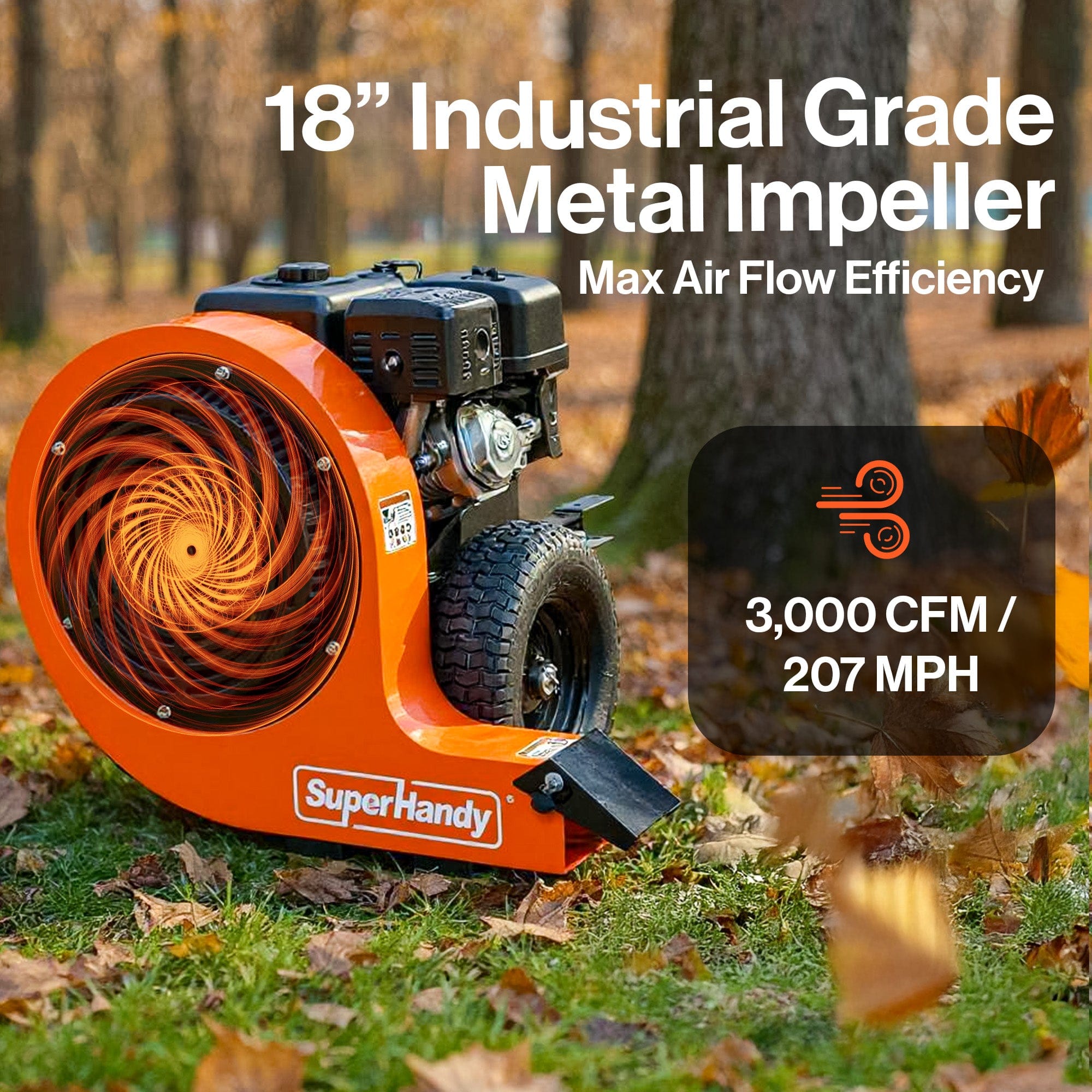
A leaf vacuum mulcher is an investment in your property's upkeep, so choosing a model built to last is essential. The single most important component for durability is the impeller—the fan that shreds the leaves. Metal impellers are far superior to plastic ones, as they can pulverize twigs, acorns, and other tough yard debris without cracking or breaking. While a machine with a plastic impeller might be cheaper, a metal one ensures a longer lifespan and more consistent performance.
Pay attention to the overall construction. Look for sturdy, high-impact plastic or metal housing that can withstand accidental bumps and drops. The collection bag is another critical element. A well-made bag will feature durable fabric, reinforced seams, and a robust zipper that won’t snag or break after a few uses. Investing a little more in a machine with these quality features will save you from the frustration and cost of frequent replacements. For medical context, MedlinePlus summarizes common mobility aids such as canes, walkers, wheelchairs, and scooters.

Top Leaf Vacuum Mulcher Brands and Their Strengths
The market offers a wide range of brands, each with its own focus. Understanding their strengths can help you narrow down your choice:
- Toro and BLACK+DECKER: These brands are household names for a reason. They offer a variety of user-friendly electric and battery-powered models suitable for typical suburban lawns. They are widely available and provide a good balance of performance and value for the average homeowner.
- Worx: Known for innovative and multi-functional designs, Worx often features clever ergonomics and all-in-one systems. Their popular Trivac models are praised for their easy-to-switch functions and compact design.
- Husqvarna and Stihl: If you have a large property or deal with heavy-duty debris, these brands are the professional's choice. They specialize in powerful, gas-engine tools built for maximum performance and commercial-grade durability, though they come with a higher price tag.
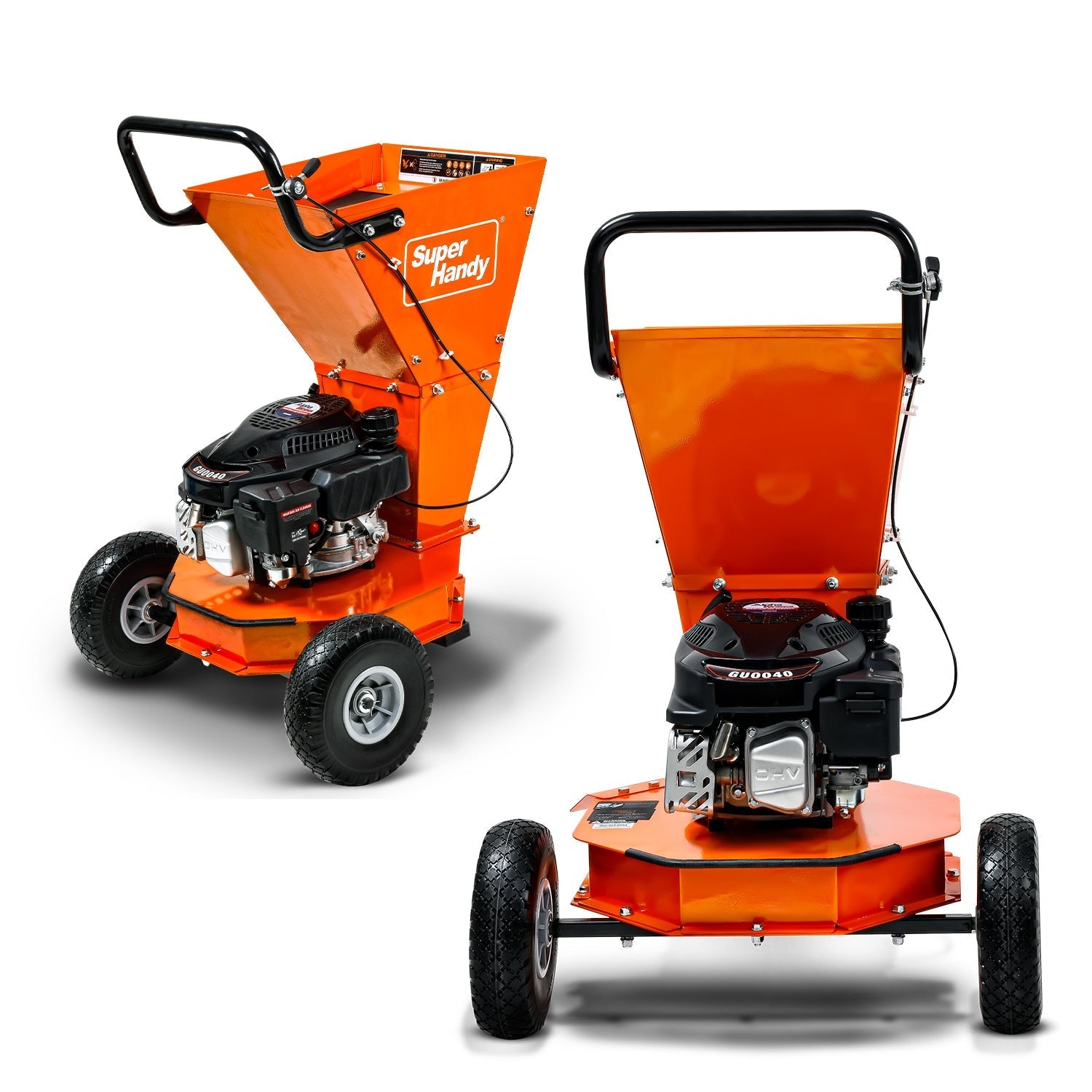
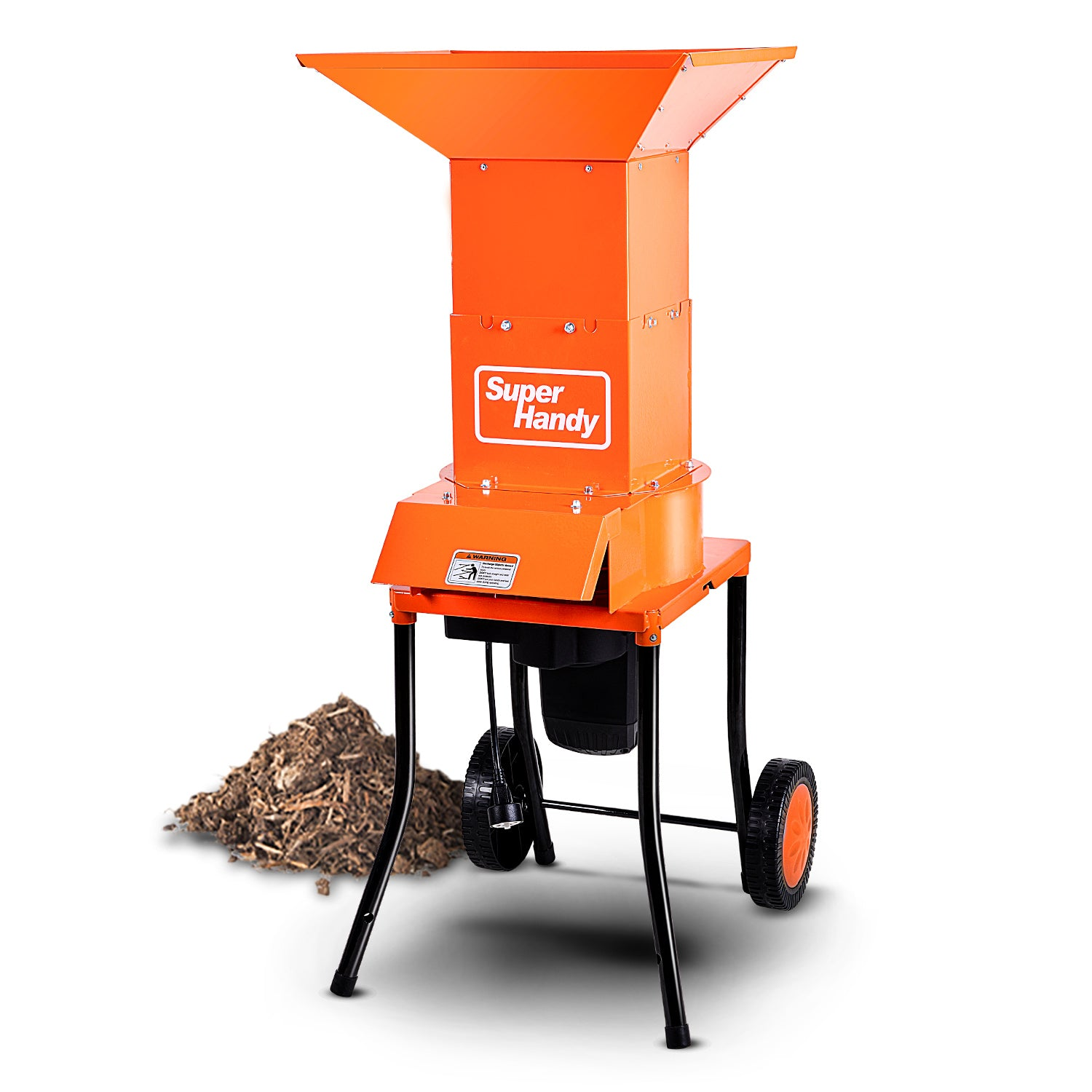
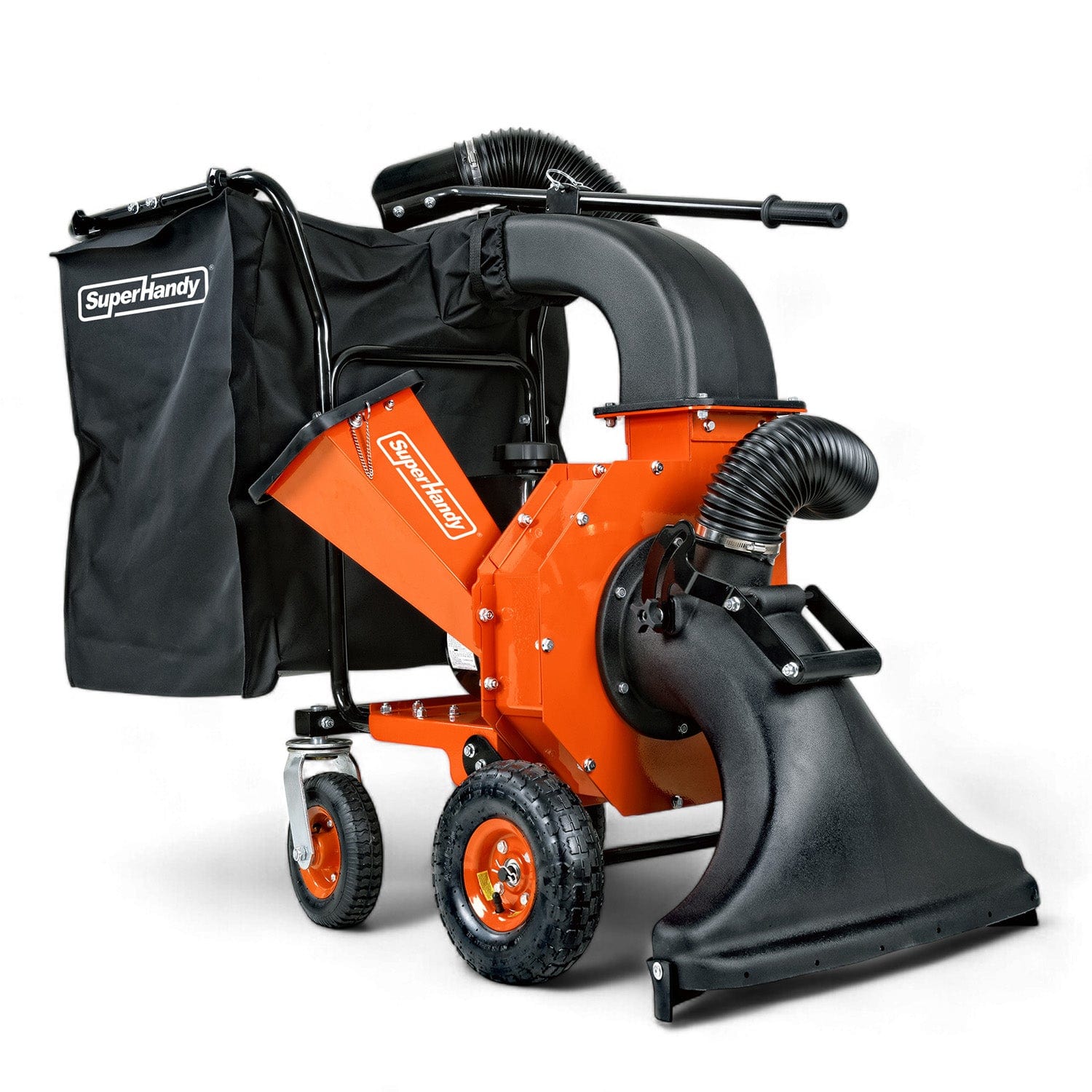
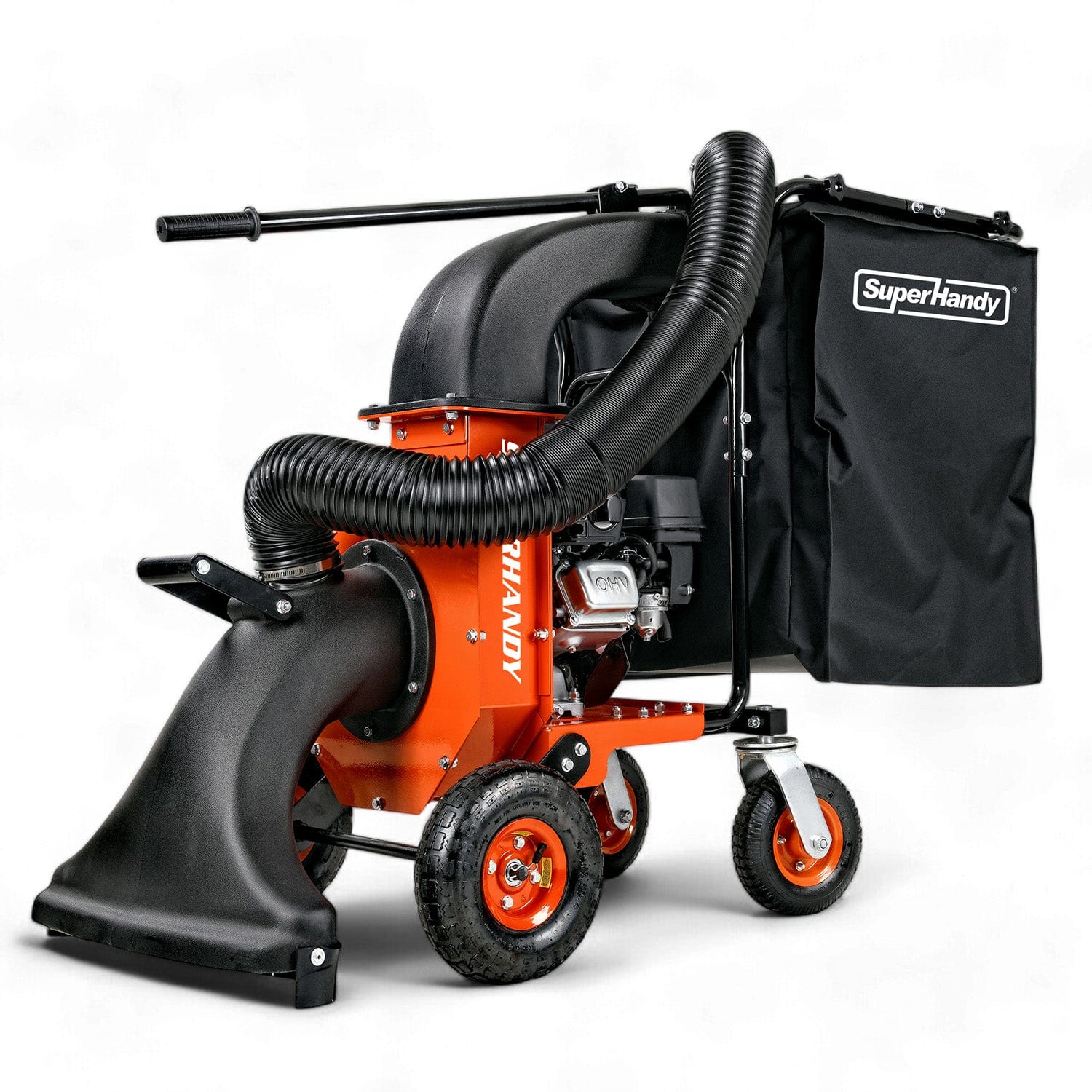
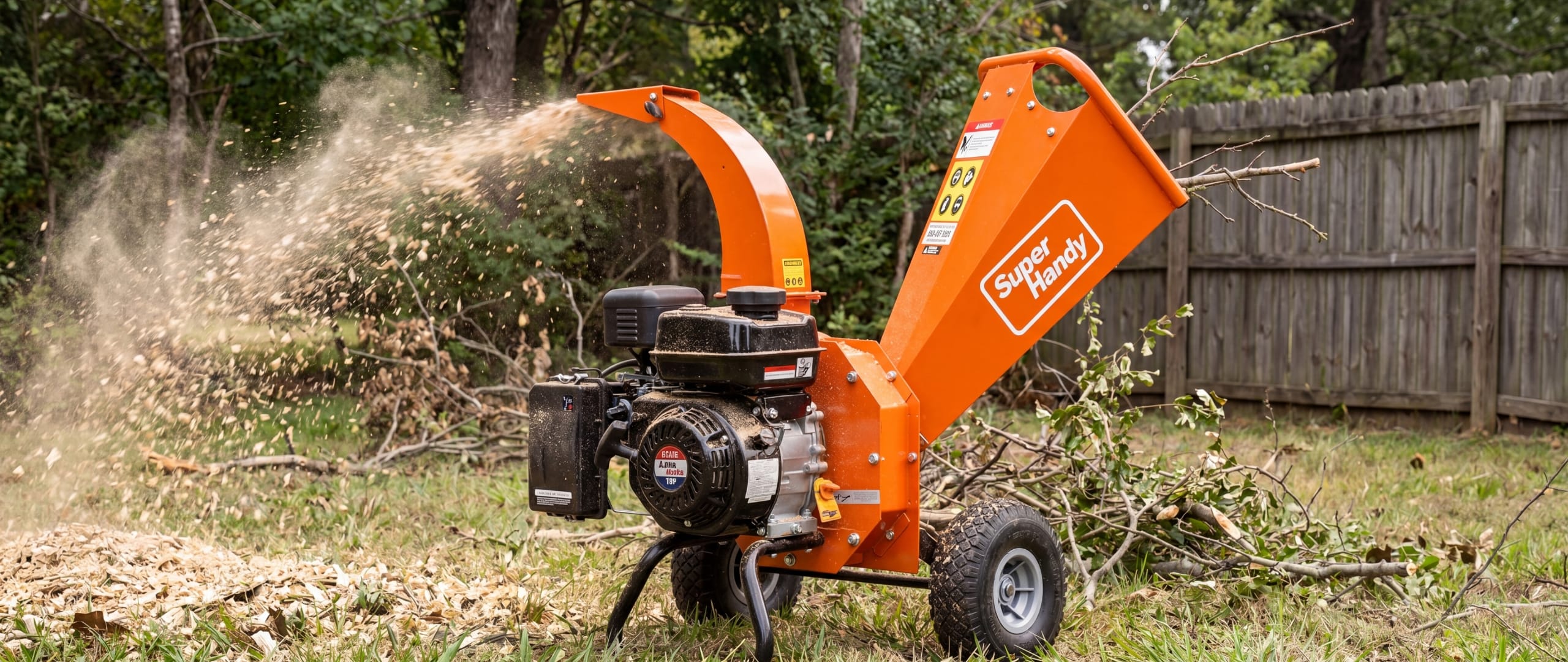
- SuperHandy: Focusing on robust performance and practical power, SuperHandy delivers tools designed for serious work. Offering a range of heavy-duty Leaf Mulchers and chipper shredders, these machines often feature powerful engines and durable components meant to tackle more than just leaves, providing excellent value for those who need reliable and versatile equipment.
Navigating Different Yard Sizes: Small Lawns to Acreages
The size of your yard is a primary factor in determining the right type of leaf blower vacuum mulcher.
- Small Yards (under ¼ acre): For small patios, townhome lots, and compact yards, a corded electric model is an excellent, lightweight choice. You get unlimited runtime without the weight of a battery or the maintenance of a gas engine. A quality cordless model also works well if you prefer to avoid managing a cord.
- Medium Yards (¼ to 1 acre): This is where high-performance battery-powered models shine. They provide the freedom to roam without the restriction of a cord, and modern lithium-ion batteries offer substantial power and runtime. A lightweight gas-powered handheld mulcher is also a viable option for those who need maximum power.
- Large Yards & Acreages (1+ acre): For large properties, gas is king. The power and unlimited mobility of a gas-powered backpack or wheeled leaf vacuum mulcher are necessary to clear expansive areas efficiently. These models are designed for extended use and can handle the heaviest volume of leaves and debris without needing to stop to recharge or find an outlet.
Maintenance and Care for Your Leaf Vacuum Mulcher
Proper maintenance is key to ensuring your leaf vacuum mulcher operates safely and effectively for years to come. A simple routine after each major use will keep it in top condition.
- Clean It Out: Always disconnect the power source (unplug, remove battery, or disconnect spark plug) before cleaning. Clear any caked-on debris from the vacuum tube, blower tube, and especially the impeller housing. A clogged impeller reduces performance and can strain the motor.
- Inspect and Empty the Bag: Don't let the collection bag get overfilled, as this puts stress on the seams and zipper and can cause blowback. Empty it when it's about two-thirds full. Regularly inspect the bag for any rips or tears and patch them to maintain proper airflow and collection.
- Check the Impeller: Periodically check the impeller for signs of wear, dents, or cracks, especially if you’ve vacuumed hard objects. A damaged impeller will be unbalanced and less effective, and it should be replaced.
- Engine and Motor Care: For gas models, follow the manufacturer's guide for checking the air filter, spark plug, and using fresh fuel stabilizer. For electric and battery models, ensure the air vents are clear to prevent overheating and store batteries in a cool, dry place.
Frequently Asked Questions About Leaf Vacuum Mulchers
A leaf vacuum mulcher is a powerful and versatile tool, but it's natural to have questions before you invest in one. To help you make an informed decision and get the most out of your purchase, we’ve compiled answers to some of the most common questions we receive about these indispensable yard work machines.
FAQ: What is the ideal mulching ratio?
The mulching ratio is one of the most important specifications on a leaf blower vacuum mulcher, as it tells you how effectively the machine reduces the volume of your yard debris. The ratio, often expressed as 10:1, 16:1, or even higher, represents the number of bags of leaves the machine can condense into a single bag of mulch. For example, a 16:1 ratio means your leaf vacuum mulcher can turn 16 bags of whole leaves into just one bag of finely chopped mulch. For air travel, FAA PackSafe lists battery and handling rules for wheelchairs and mobility devices.
So, what’s the ideal ratio? The answer depends on your yard and your goals.
-
For General Use (10:1 to 12:1): A mulching ratio in this range is perfectly adequate for most homeowners. It significantly reduces the volume of leaves, making them far easier to bag for curbside pickup or to add to a compost pile. Most standard electric and battery-powered models fall into this category, offering a great balance of performance and value.
-
For Maximum Efficiency and Fine Mulch (16:1 or higher): A higher ratio, like 16:1, indicates a more powerful and efficient machine. These models often feature metal impellers and robust motors that shred leaves and small twigs into a very fine material. This fine mulch is ideal for spreading directly onto garden beds as a nutrient-rich top layer, or for accelerating the decomposition process in your compost bin. When browsing for high-performance Leaf Mulchers, you'll often see this ratio featured prominently as a key selling point.

Ultimately, while a higher ratio is technically "better" because it means less bagging and finer mulch, the ideal ratio for you is one that matches your needs and budget. If you have a small yard with just a few deciduous trees, a 10:1 leaf blower mulcher will be a game-changer. If you're managing a larger property with heavy leaf fall, investing in a model with a 16:1 or higher ratio will save you significant time and effort.
FAQ: How often should I clean my leaf vacuum mulcher?
Proper maintenance is the key to ensuring your leaf vacuum mulcher runs efficiently and lasts for years. The most important maintenance task is regular cleaning. As a general rule, you should perform a basic cleaning after every major use, with a more thorough cleaning as needed.
How often you need to clean your machine depends heavily on what you’re vacuuming. Dry, brittle leaves create less residue than wet, heavy ones. Sappy pine needles and small, green twigs are also more likely to clog the impeller and vacuum tube. If you've been working with damp debris, a post-use cleaning is essential to prevent caked-on messes and potential mold growth in the collection bag.
Here’s a simple cleaning checklist to follow:
- Ensure Safety First: Before performing any maintenance, always disconnect the power source. Unplug your electric model or remove the battery from a cordless one. For a gas model, disconnect the spark plug wire.
- Clear the Impeller: The impeller is the engine of the mulching function. Carefully inspect it for any wrapped vines, twigs, or compacted leaf matter. Use a thick glove to remove any obstructions. A blocked impeller not only stops mulching but can also strain the motor.
- Inspect Tubes and Nozzles: Check the vacuum tube and blower nozzle for clogs. A stubborn blockage is a common reason for a sudden loss of suction. Most tubes can be easily detached for quick inspection and clearing.
- Clean the Collection Bag: A clean bag is crucial for proper airflow. A bag clogged with fine dust can’t “breathe,” which drastically reduces the vacuum’s suction power. After emptying the mulch, turn the bag inside out and give it a vigorous shake or brush it down to remove packed-in dust and debris. Check your user manual to see if your bag is machine washable.
- Wipe Down the Housing: Use a damp cloth to wipe down the exterior and clear any dust and debris from the motor’s air vents. Keeping the vents clear helps prevent the motor from overheating during operation.
Related Products




Leave a comment
All comments are moderated before being published.
This site is protected by hCaptcha and the hCaptcha Privacy Policy and Terms of Service apply.