












Why Traditional Log Splitters Have an Environmental Footprint
For decades, the go-to tool for processing large amounts of firewood has been the gasoline-powered log splitter. While undeniably powerful, these traditional machines come with a significant environmental cost. At their core, they rely on small internal combustion engines, which are notoriously inefficient and produce a cocktail of harmful emissions. Every time you start a gas-powered splitter, it releases carbon monoxide, nitrogen oxides, and particulate matter directly into your immediate surroundings.
Beyond air pollution, these engines are a major source of noise pollution, disrupting the peace of your property and neighborhood. They also carry the constant risk of fluid leaks. Spills of gasoline or hydraulic fluid can contaminate soil and seep into groundwater, causing long-term damage to the local ecosystem. This combination of air, noise, and soil pollution gives traditional log splitters a surprisingly heavy environmental footprint for a tool meant to work with a natural resource.
The Shift to Electric: A Greener Alternative for Wood Processing
Fortunately, technology has provided a cleaner, quieter, and more efficient solution: the electric log splitter. This new generation of wood processing tools eliminates the most harmful aspects of their gas-guzzling predecessors. By running on electricity, they produce zero direct emissions, making them a far more environmentally responsible choice for homeowners and professionals alike.
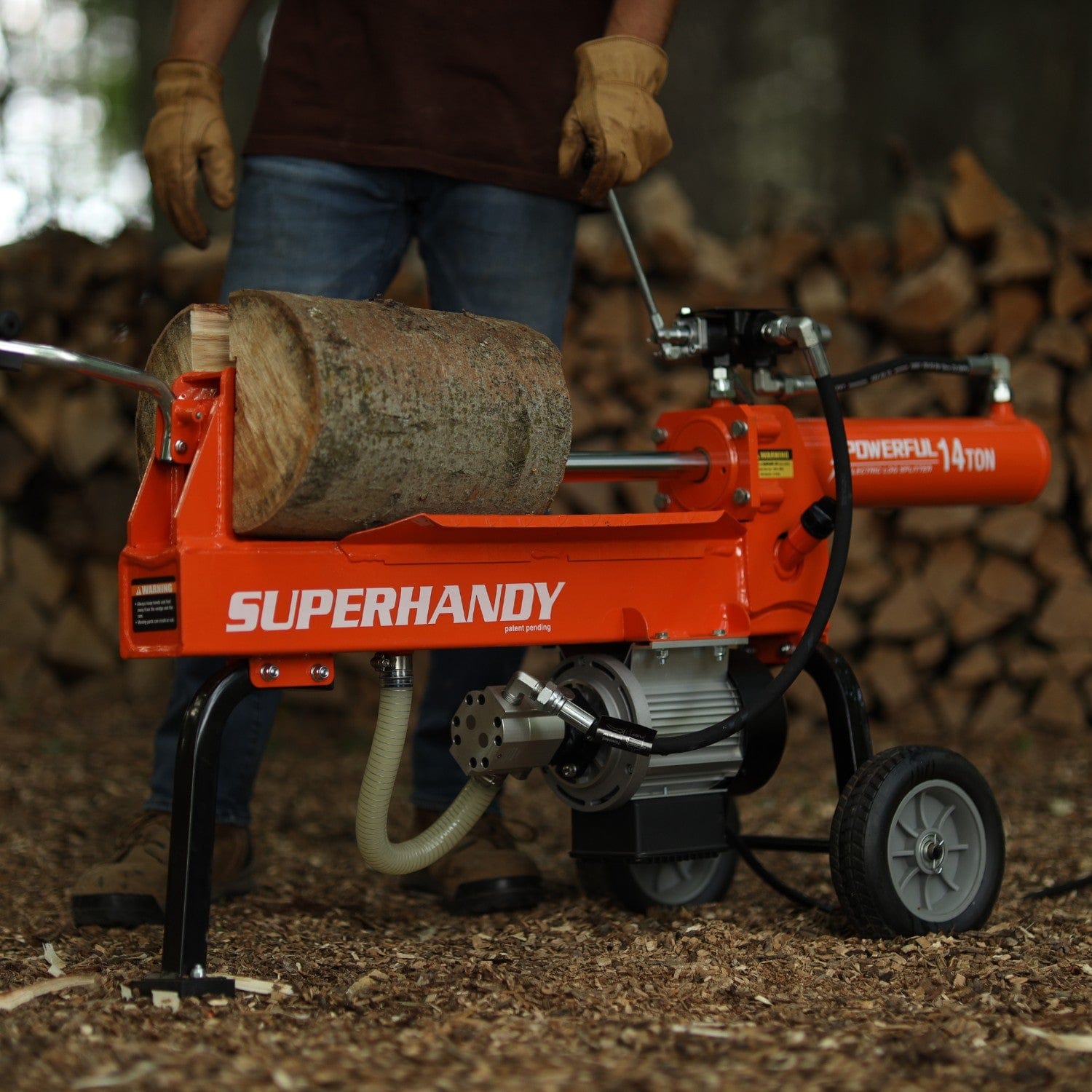
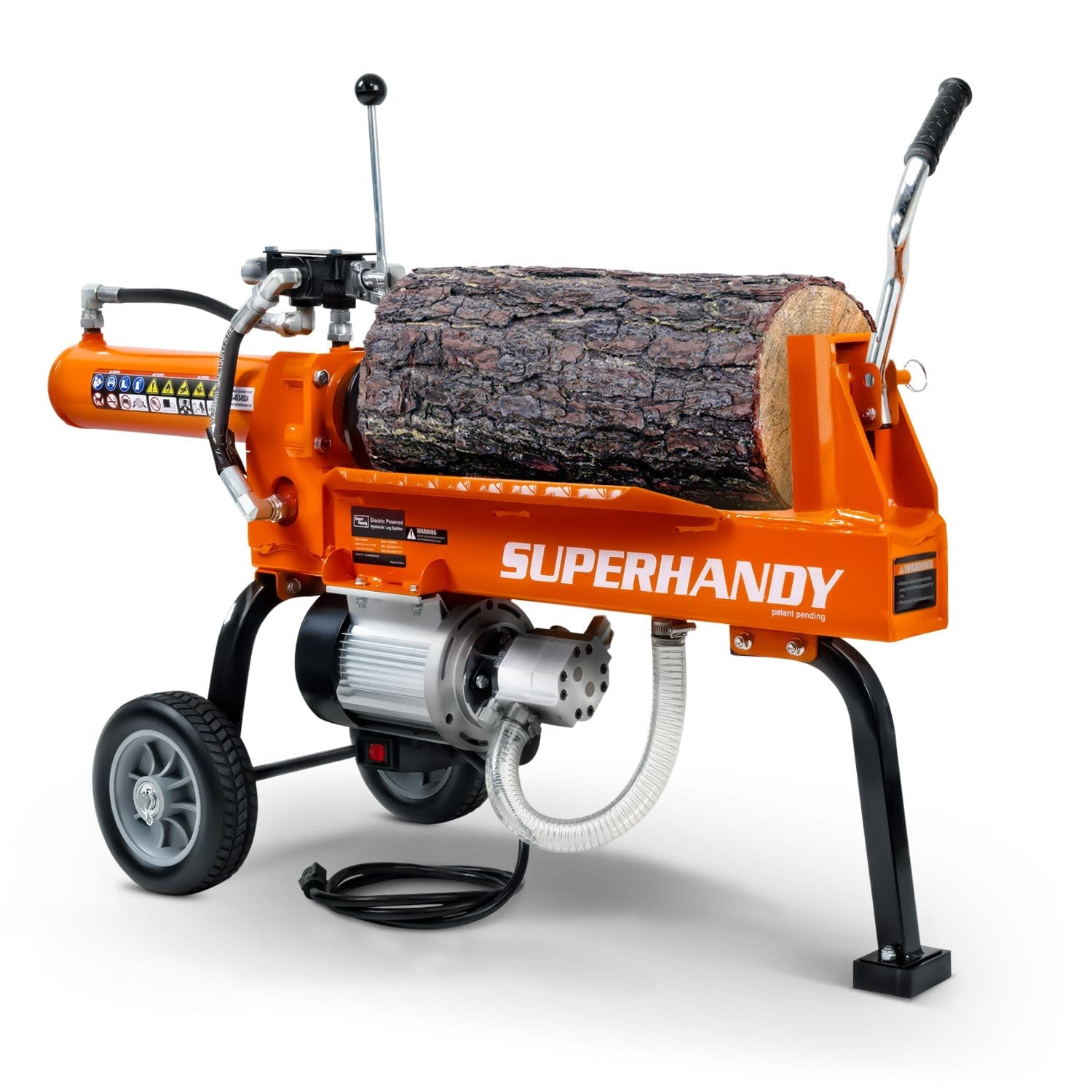
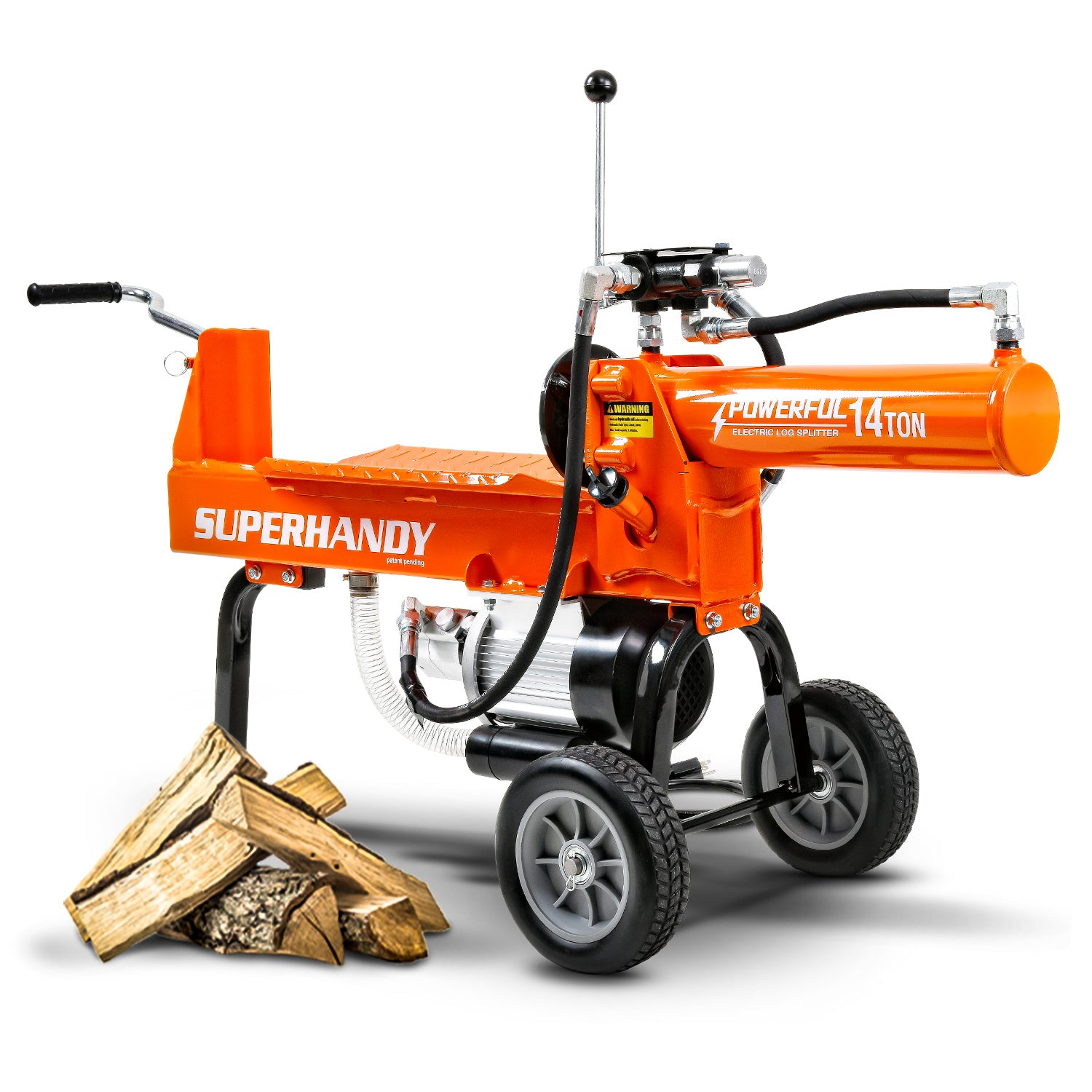
The shift to electric doesn't mean sacrificing performance. Modern engineering has allowed electric models to deliver impressive force, capable of handling tough, seasoned hardwoods with ease. Powerful units like the SuperHandy 14Ton log splitter provide robust, reliable splitting power without the fumes, excessive noise, or messy fluid top-offs associated with gas engines. This makes them not only a greener alternative but also a more convenient and user-friendly one.

Understanding the Energy Source: Electricity vs. Gasoline/Diesel
The fundamental difference in environmental impact comes down to the energy source. A gasoline log splitter is essentially a miniature, unregulated power plant operating in your backyard. It burns fossil fuels on-site, releasing unfiltered exhaust directly into the air you breathe. The energy conversion process in these small engines is also highly inefficient, meaning a significant amount of the fuel's energy is wasted as heat and noise.
An electric log splitter, on the other hand, draws power from the electrical grid. While the grid itself may be powered by a mix of sources, including fossil fuels, the story doesn't end there. Large-scale power plants operate under much stricter environmental regulations and are far more efficient at converting fuel into energy than a small engine. This centralized and controlled process results in a lower overall emission output per unit of energy produced, making grid electricity a cleaner power source, even before factoring in the growing share of renewables.
Reduced Air Pollution: Cleaner Air for Your Home and Community
One of the most immediate and tangible benefits of using an electric log splitter is the dramatic improvement in local air quality. With no internal combustion engine, there is no exhaust. This means you are not exposed to a cloud of toxic pollutants while you work. These fumes contain harmful substances like hydrocarbons, nitrogen oxides, and carbon monoxide—a colorless, odorless gas that can be dangerous in enclosed spaces. According to Consumer Product Safety Commission safety education resources, portable generators and other gas-powered equipment are a primary source of carbon monoxide poisoning, highlighting the risks of operating these engines near the home. For public access decisions, ADA.gov explains how covered entities evaluate wheelchairs and other power-driven mobility devices.
By choosing an electric model, you eliminate this health hazard entirely. You can comfortably and safely operate your log splitter inside a well-ventilated garage or shed, protected from the elements, without worrying about toxic fume buildup. This creates a healthier working environment for you and your family and ensures the air in and around your home remains clean and free of engine-related pollutants.
Lower Carbon Emissions: Contributing to Climate Change Mitigation
One of the most significant environmental advantages of switching to an electric log splitter is the dramatic reduction in carbon emissions. A traditional gas-powered splitter operates using an internal combustion engine, which directly burns fossil fuels and releases carbon dioxide (CO2), a primary greenhouse gas, into the atmosphere. Every time you start up a gas engine, you are contributing to your personal carbon footprint.
An electric log splitter, by contrast, produces zero direct emissions. Since it runs on electricity, there is no combustion, no exhaust, and no harmful gases released into your immediate environment. While the electricity used to power the splitter has its own carbon footprint depending on the energy grid, the overall impact is often far less than that of a small gasoline engine. As power grids increasingly incorporate renewable sources like wind and solar, the environmental benefit of using electric equipment will only grow, allowing you to process firewood while taking a tangible step toward climate change mitigation. For coverage planning, Medicare.gov outlines when wheelchairs and scooters may qualify as durable medical equipment.
Noise Pollution Reduction: A Quieter, More Peaceful Environment
If you’ve ever been near a running gas-powered log splitter, you know the overwhelming noise it produces. The constant roar of the engine is not just an annoyance; it's a form of noise pollution that can disrupt the tranquility of your property, bother neighbors, and even disturb local wildlife. This level of noise often requires the use of hearing protection and can make the task of splitting wood a stressful and unpleasant experience.
Electric log splitters offer a peaceful alternative. Their electric motors operate at a significantly lower decibel level, often described as a low hum rather than a deafening roar. This creates a much more pleasant and less stressful work environment. You can listen to music, hold a conversation, or simply enjoy the sounds of nature while you work. This reduction in noise pollution makes an electric log splitter a more considerate choice for residential areas and for anyone who values a quiet, peaceful setting.

Eliminating Hazardous Fluid Leaks: Protecting Soil and Water Quality
Gas-powered equipment presents a constant risk of fluid leaks that can cause serious environmental damage. A gas log splitter requires gasoline and engine oil to run, both of which are toxic substances. Accidental spills during refueling or leaks from old engine seals can seep into the ground, contaminating soil and potentially polluting groundwater and nearby streams. This contamination can harm plants, wildlife, and even compromise the quality of well water.
By choosing an electric log splitter, you eliminate the need for both gasoline and engine oil, instantly removing the two biggest sources of hazardous fluid leaks. While electric-hydraulic splitters still use hydraulic fluid, the overall risk of environmental contamination is drastically reduced. You no longer have to worry about storing flammable gasoline or dealing with messy oil changes, making for a cleaner, safer, and more eco-friendly operation that protects the soil and water on your property.
Energy Efficiency: Getting More Splitting Power with Less Energy Input
When it comes to converting energy into useful work, electric motors are inherently more efficient than gasoline engines. A significant portion of the energy produced by a gas engine is lost as heat, noise, and vibration. This is wasted energy that doesn't contribute to splitting the log. The engine must run continuously, burning fuel even when the ram is not actively splitting wood.
Electric motors, on the other hand, are highly efficient at converting electrical energy into the mechanical force needed to power the hydraulic pump. They deliver power on demand, consuming significant energy only when the splitting ram is engaged. This efficient design means that less energy is wasted, allowing you to get more splitting power from every watt of electricity used. Powerful models like the 14Ton log splitter demonstrate how electric designs can offer substantial splitting force for tough, seasoned hardwoods without the inefficiency and waste of a comparable gas engine.
The Role of Renewable Energy in Powering Electric Log Splitters
The environmental benefits of an electric log splitter are already significant, but you can elevate its green credentials even further by considering your electricity source. While plugging into any standard wall outlet is a vast improvement over burning gasoline, the electricity from the grid is often generated from a mix of sources, including fossil fuels. However, the true power of an electric model lies in its compatibility with renewable energy.
If your home is equipped with solar panels, you can run your log splitter on 100% clean, self-generated power. This transforms your wood processing into a virtually zero-emission activity. Even without a personal solar array, many utility providers now offer programs that allow you to purchase energy sourced from wind, solar, or hydroelectric power. By opting into one of these green energy plans, you ensure that every log you split is powered by a sustainable source, completely decoupling your work from fossil fuel consumption. For medical context, MedlinePlus summarizes common mobility aids such as canes, walkers, wheelchairs, and scooters.
Long-Term Cost Savings and Environmental Impact
Choosing an electric log splitter is an investment that benefits both your wallet and the planet. The financial advantages begin with the lower upfront cost of electricity compared to gasoline. Over the course of splitting several cords of wood, the savings on fuel alone can be substantial. But the economic benefits don't stop there.
Gas-powered engines require a constant cycle of maintenance that consumes resources and generates waste. With an electric splitter, you eliminate the need for engine oil changes, spark plug replacements, air filter cleanings, and fuel stabilizers. This not only saves you money on parts and fluids but also prevents used oil and other petrochemical products from entering the waste stream, where they risk contaminating soil and water. The long-term reliability and reduced maintenance of an electric motor mean fewer replacement parts and a longer operational life, minimizing the overall environmental footprint of the machine.

Choosing the Right Electric Log Splitter for Your Needs
Selecting the perfect electric log splitter involves matching the machine's capabilities to the type of work you'll be doing. The most important factor is splitting force, measured in tons. For softer woods like pine or for splitting smaller, pre-cut rounds, a model in the 5-10 ton range is often sufficient. However, for tackling large-diameter rounds or dense hardwoods like oak and maple, a more powerful machine is necessary. A robust unit like a 14Ton log splitter provides the force needed to handle tough, knotty wood without the noise and fumes of a gas engine.
Beyond tonnage, consider the log capacity—the maximum length and diameter the splitter can accommodate. Also, look at portability features like sturdy wheels and a comfortable grip handle, which make it easy to move the splitter from your garage to your woodpile. Since most electric splitters are designed to run on a standard 120V household outlet, you won't need any special wiring, making setup simple and convenient.
Maintenance and Lifespan: Sustainable Practices for Electric Log Splitters
A key tenet of sustainability is to maximize the lifespan of your tools, and electric log splitters are designed for longevity with minimal effort. Proper maintenance is not just about performance; it's a sustainable practice that reduces waste and conserves resources. A well-cared-for machine runs more efficiently and will last for many years, preventing the need for a premature replacement.
Sustainable maintenance is straightforward. Before each use, perform a quick visual inspection. Keep the machine clean of wood chips and debris, especially around the motor's air vents, to prevent overheating. Periodically check that the splitting wedge is sharp, as a dull wedge requires more energy to split wood. Finally, proper storage is crucial. Keeping your electric log splitter in a dry, covered location like a garage or shed protects its electrical components and metal frame from rust and corrosion, ensuring it's ready to perform season after season.
Frequently Asked Questions About Electric Log Splitters and the Environment
Are electric log splitters powerful enough for tough, seasoned hardwoods? Absolutely. This is a common question, and modern electric log splitters have more than enough power for most residential needs. Advances in electric motor technology mean you don't have to sacrifice performance for eco-friendliness. For example, a robust 14Ton log splitter can easily handle dense woods like oak, hickory, and maple, proving that you can get heavy-duty power without the emissions of a gas engine.
How much electricity does an electric log splitter use? An electric log splitter is surprisingly efficient. It only draws significant power during the few seconds it takes to split a log. Unlike a gasoline engine that idles and consumes fuel continuously, an electric model is silent and uses minimal energy until you activate the ram. The overall consumption is comparable to other high-draw power tools you might use for short bursts, like a circular saw or a shop vacuum.
Doesn't using electricity just move the pollution to a power plant? This is a valid point and a crucial part of the bigger picture. While it's true that your electricity has to be generated somewhere, there are several reasons why an electric log splitter is still the greener choice. We'll explore this in more detail in the next section.
Addressing Common Concerns: Are Electric Log Splitters Truly Eco-Friendly?
The question of where your electricity comes from is at the heart of the debate over electric-powered tools. If your local grid is powered primarily by coal or natural gas, is an electric log splitter really better for the environment? The answer is a resounding yes, for a few key reasons.
First, power plants operate under much stricter environmental regulations than small, individual gasoline engines. The emissions from a centralized power plant are filtered and controlled in ways that a personal log splitter engine simply can't match. This means that even when fossil fuels are involved, the overall pollution is better managed and less harmful.
Second, the electrical grid itself is becoming progressively cleaner. With the rapid growth of renewable energy sources like solar and wind, the electricity you use today is likely greener than it was five years ago, and it will be even greener in the future. By choosing an electric tool, you are plugging into an energy system that is actively transitioning toward sustainability.
Finally, and perhaps most importantly for you and your family, an electric log splitter completely eliminates local pollution. There are no toxic fumes being released into the air you breathe, no hazardous fluid spills to contaminate your soil, and no deafening engine noise to disrupt your neighborhood's peace. This immediate, tangible benefit to your direct environment makes an electric splitter an undeniably healthier and more pleasant choice.

The Future of Wood Splitting: Electric and Sustainable Solutions
The shift toward electric power is not just a passing trend; it's the future of tool and equipment technology. Just as electric vehicles are replacing gasoline cars, electric tools are making their gas-powered counterparts obsolete. The world of wood splitting is no exception. We are moving toward a future where efficiency, sustainability, and user convenience are paramount.
Innovations in battery technology are paving the way for even more powerful and portable cordless electric log splitters, freeing users from the extension cord without returning to the fumes and fuel of gas. Furthermore, as more homes adopt solar panels, the dream of a truly zero-emission wood splitting process becomes a reality. Imagine powering your log splitter directly from the sun, turning a winter chore into a completely clean and self-sufficient task. For air travel, FAA PackSafe lists battery and handling rules for wheelchairs and mobility devices.
Choosing an electric log splitter today is more than just a practical decision. It’s a vote for cleaner air, quieter communities, and a more sustainable approach to managing our resources. It's an investment in a future where power and responsibility go hand-in-hand, ensuring that even the oldest tasks can be accomplished with modern, eco-conscious technology.
Related Products


Leave a comment
All comments are moderated before being published.
This site is protected by hCaptcha and the hCaptcha Privacy Policy and Terms of Service apply.