











Choosing the Right Dolly for Your Furniture Moving Needs
The first step to a successful move is selecting the proper equipment. Using a dolly that isn't suited for the item you're moving can be just as dangerous as not using one at all. The right dolly for moving furniture will match the weight, size, and shape of your piece. A small dolly might buckle under the weight of a solid oak wardrobe, while an oversized one might be too cumbersome for navigating tight apartment hallways. Taking a moment to plan and choose the correct dolly is the most important investment you can make in a safe move.
Understanding Different Types of Dollies (Hand Trucks, Furniture Dollies, Appliance Dollies)
The word "dolly" can refer to several different tools. Understanding the primary types will help you make the right choice for your specific task.
-
Hand Trucks: Also known as a utility dolly, this is the classic L-shaped tool with two wheels, a handle, and a small ledge at the bottom. Hand trucks are excellent for moving stacked boxes, small appliances, or tall, narrow items that can be tilted back and balanced on the wheels.
-
Furniture Dollies: These are simple, flat platforms, usually square or rectangular, with four caster wheels. They are low to the ground and suitable for items with a large, flat base, such as dressers, cabinets, couches, and heavy desks. You simply lift one side of the furniture, slide the dolly underneath, and you're ready to roll.
-
Appliance Dollies: A heavy-duty version of the hand truck, appliance dollies are built specifically for tall, heavy items like refrigerators and washing machines. They often feature a taller frame, built-in straps to secure the load, and sometimes even stair-climber wheels to make navigating steps easier.

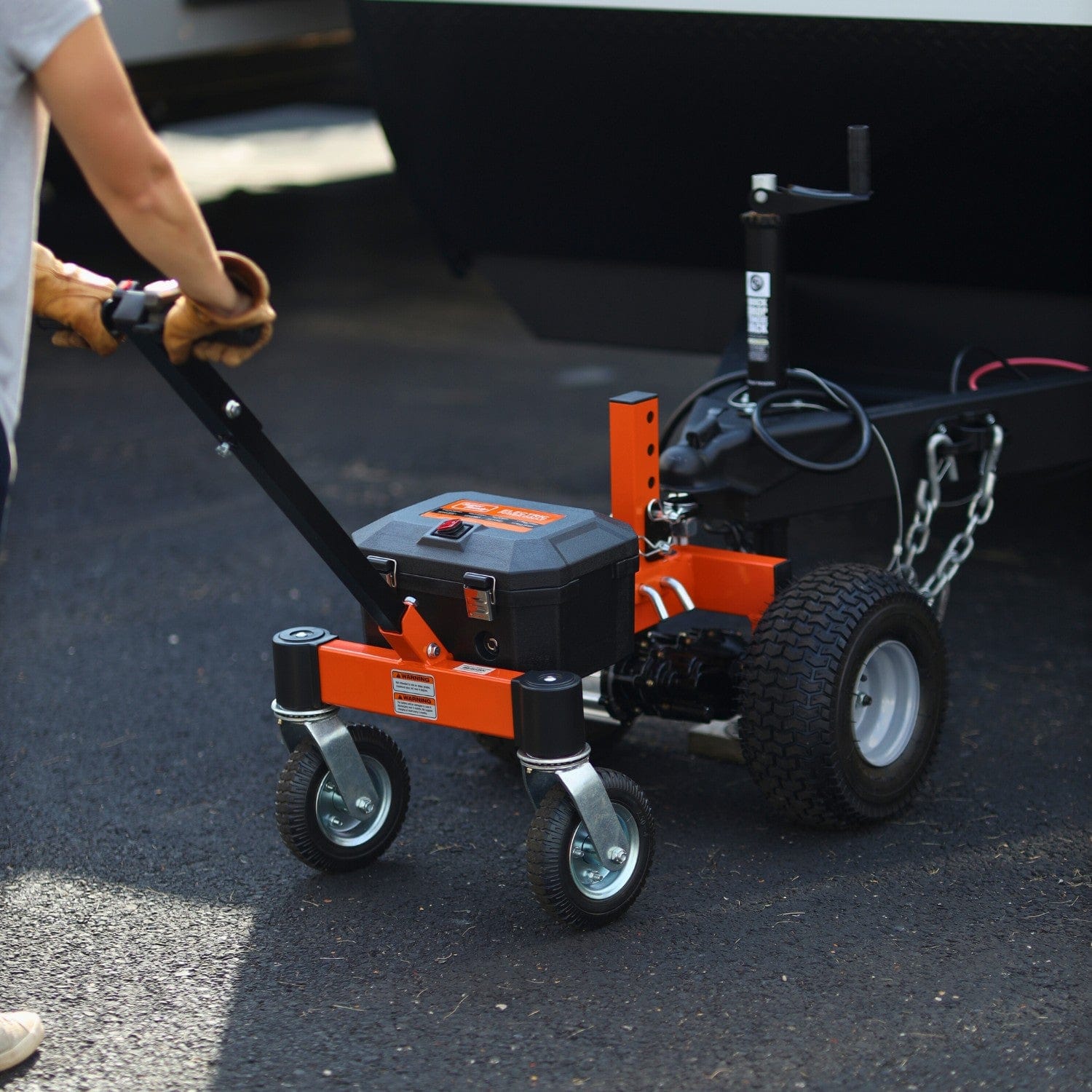
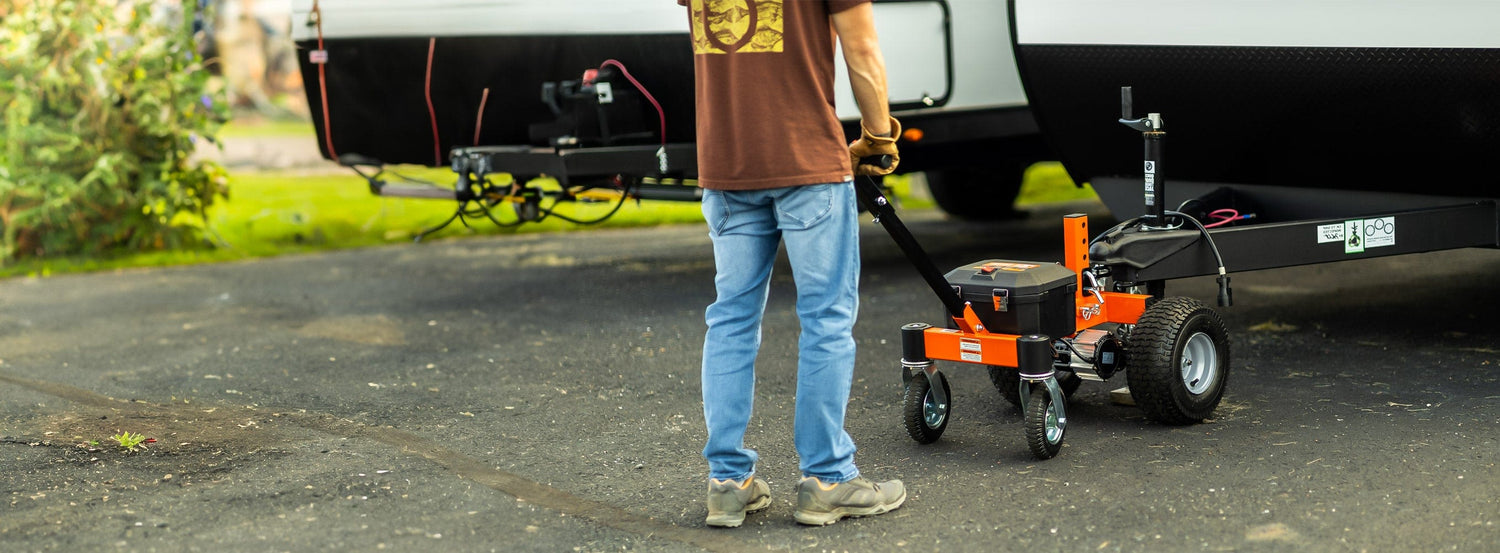
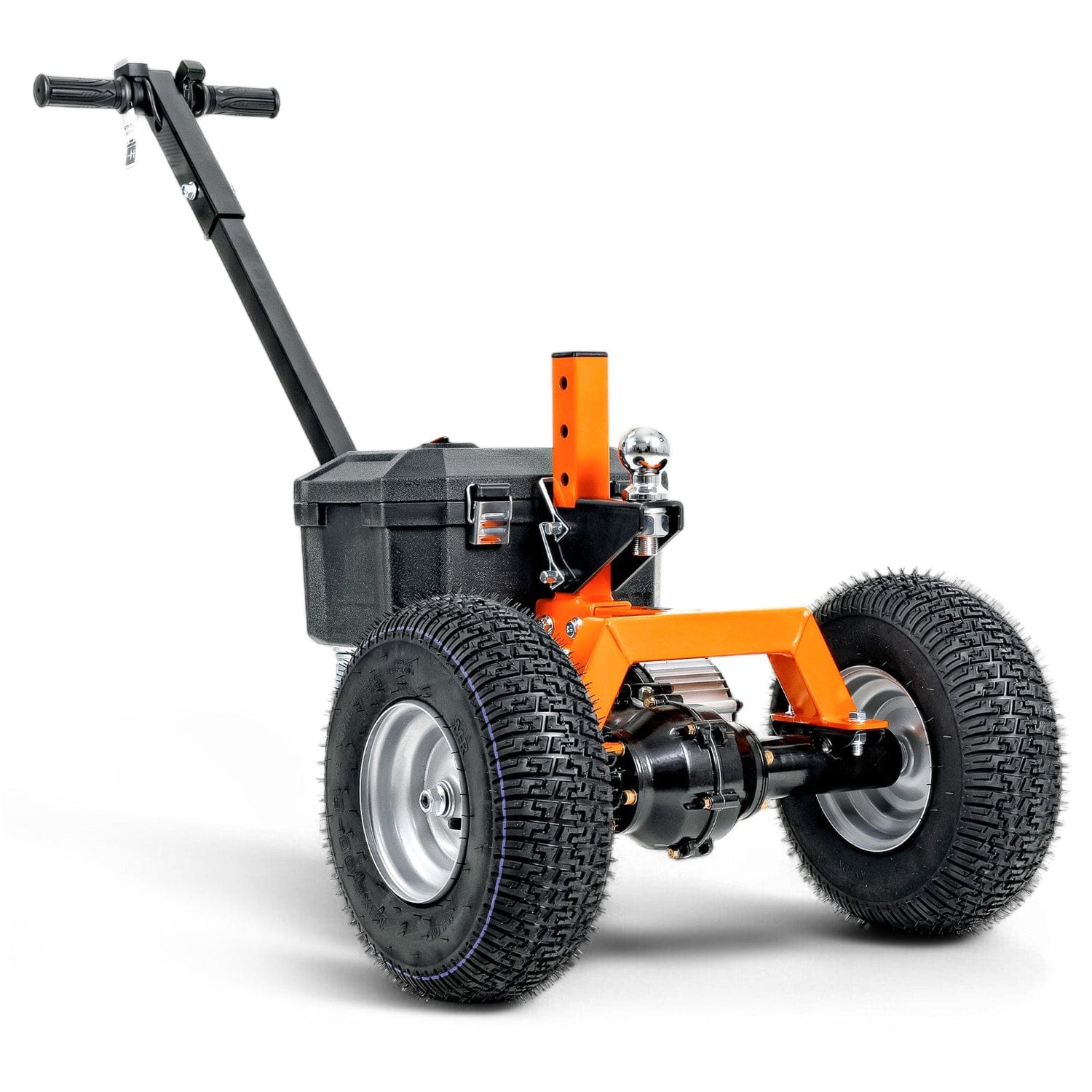
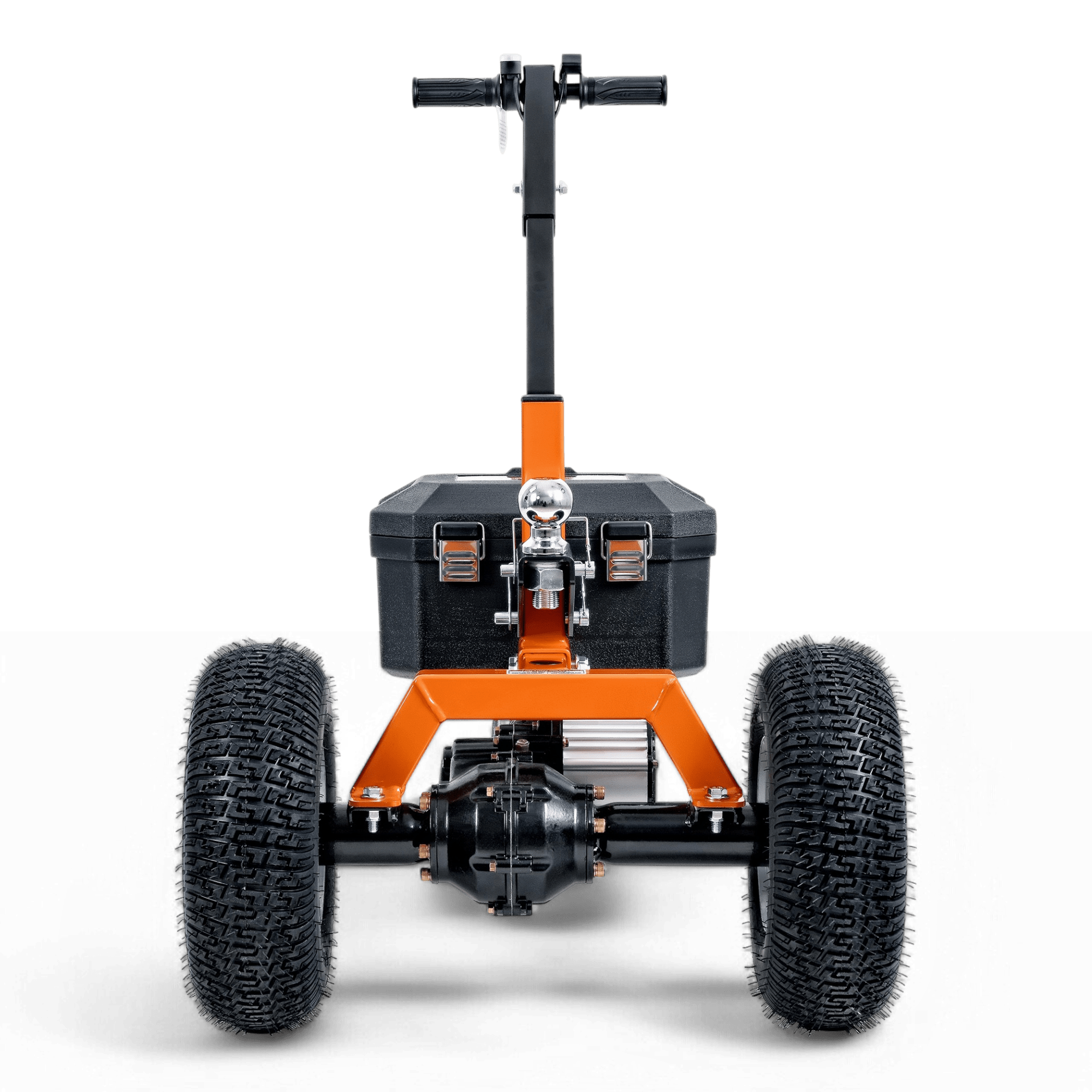
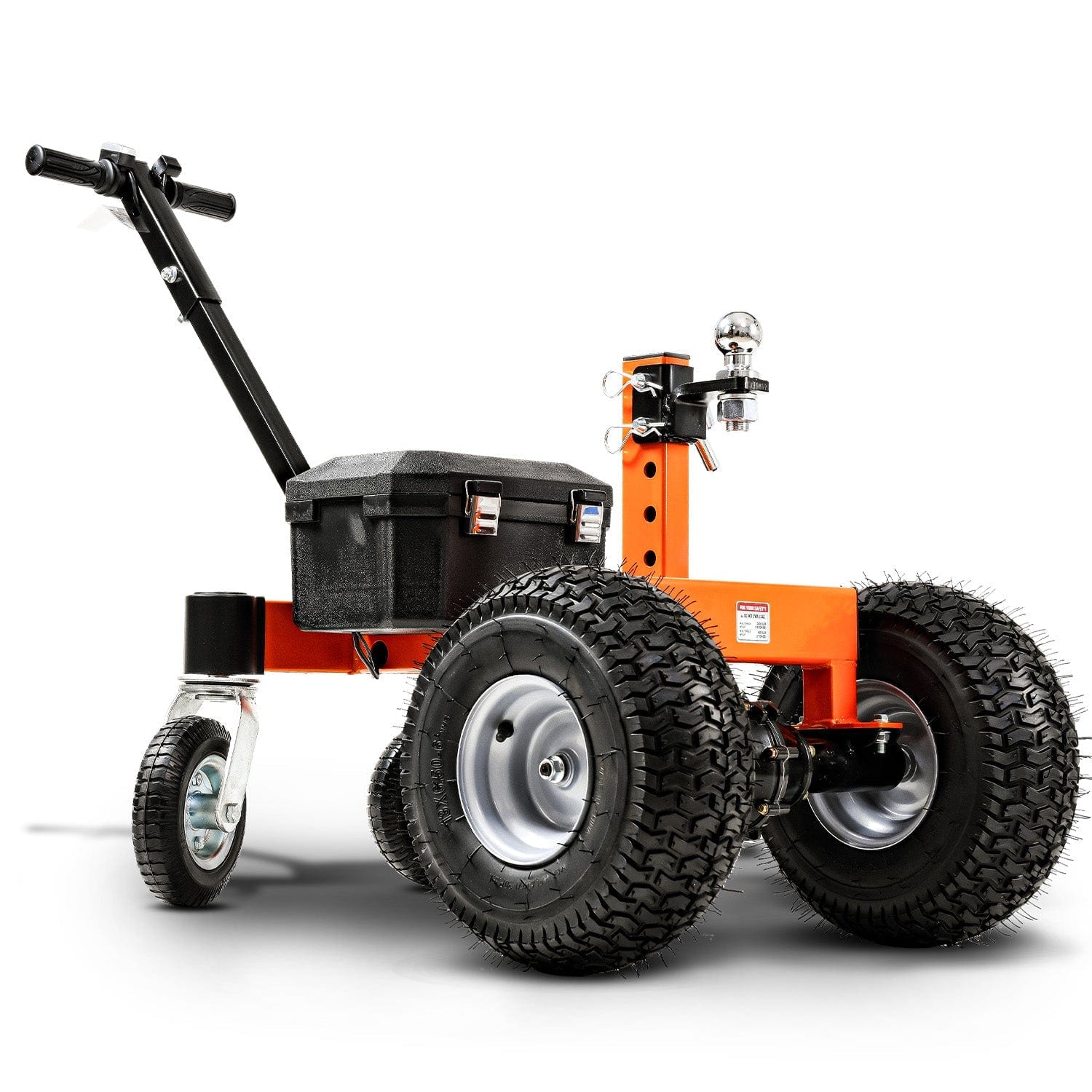
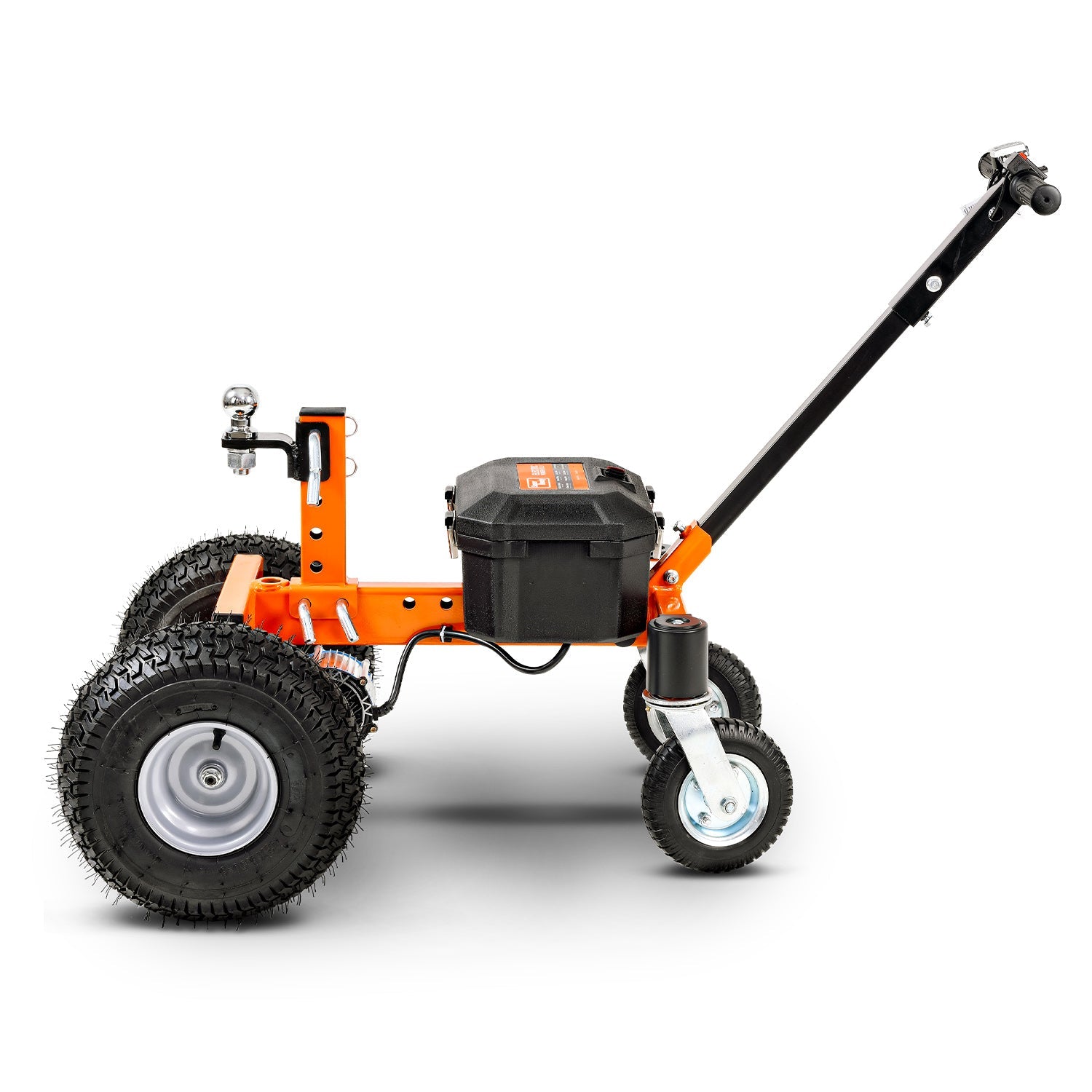
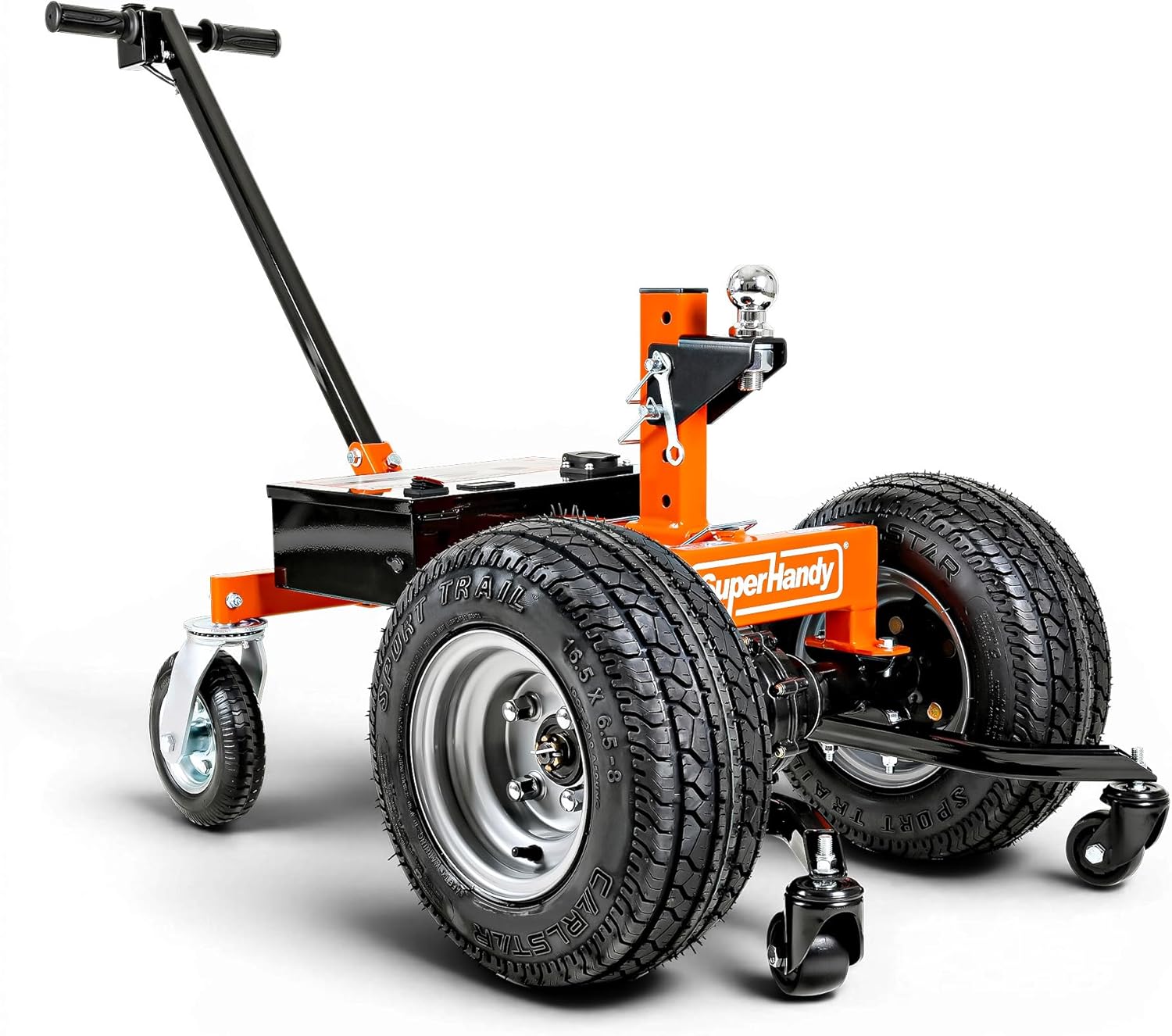
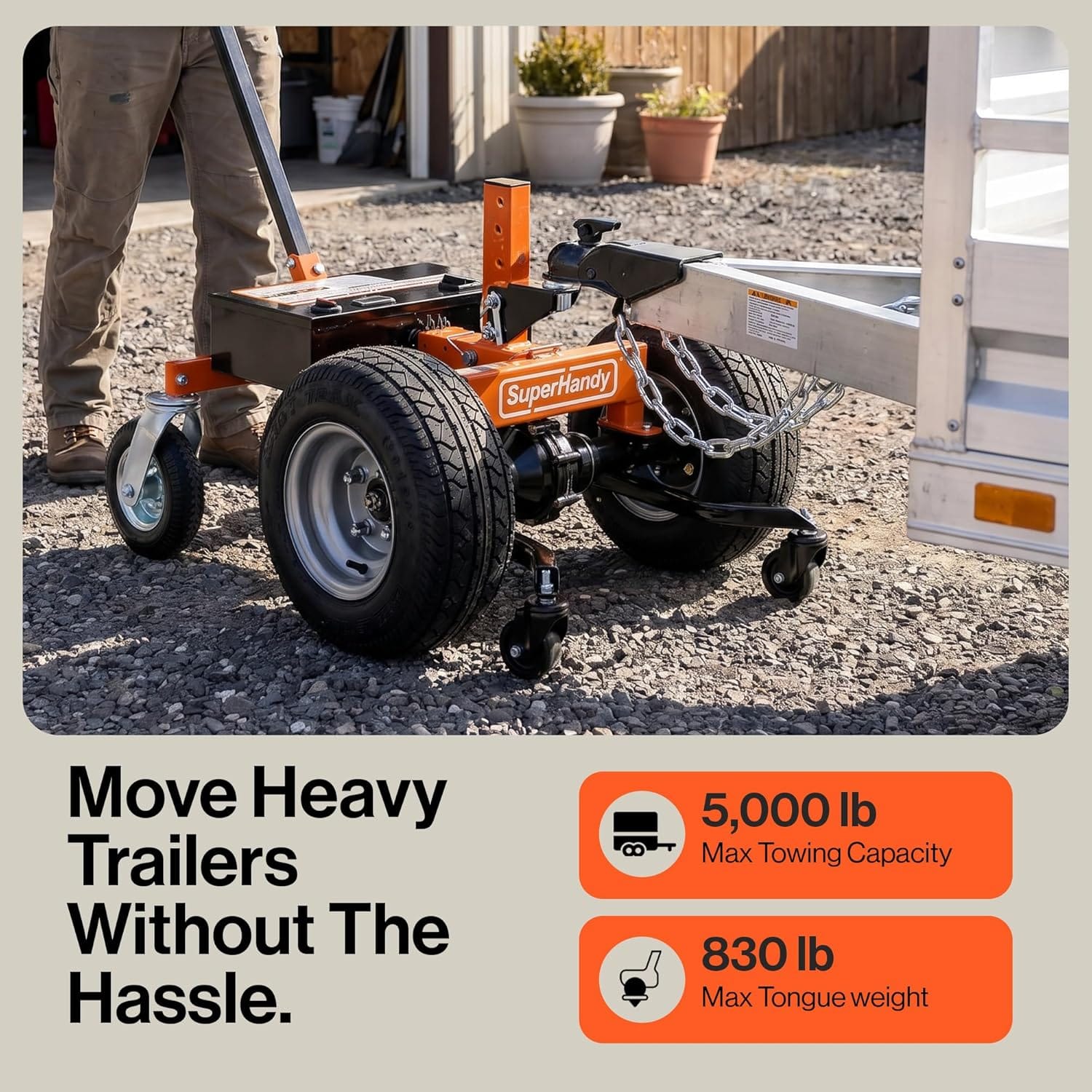
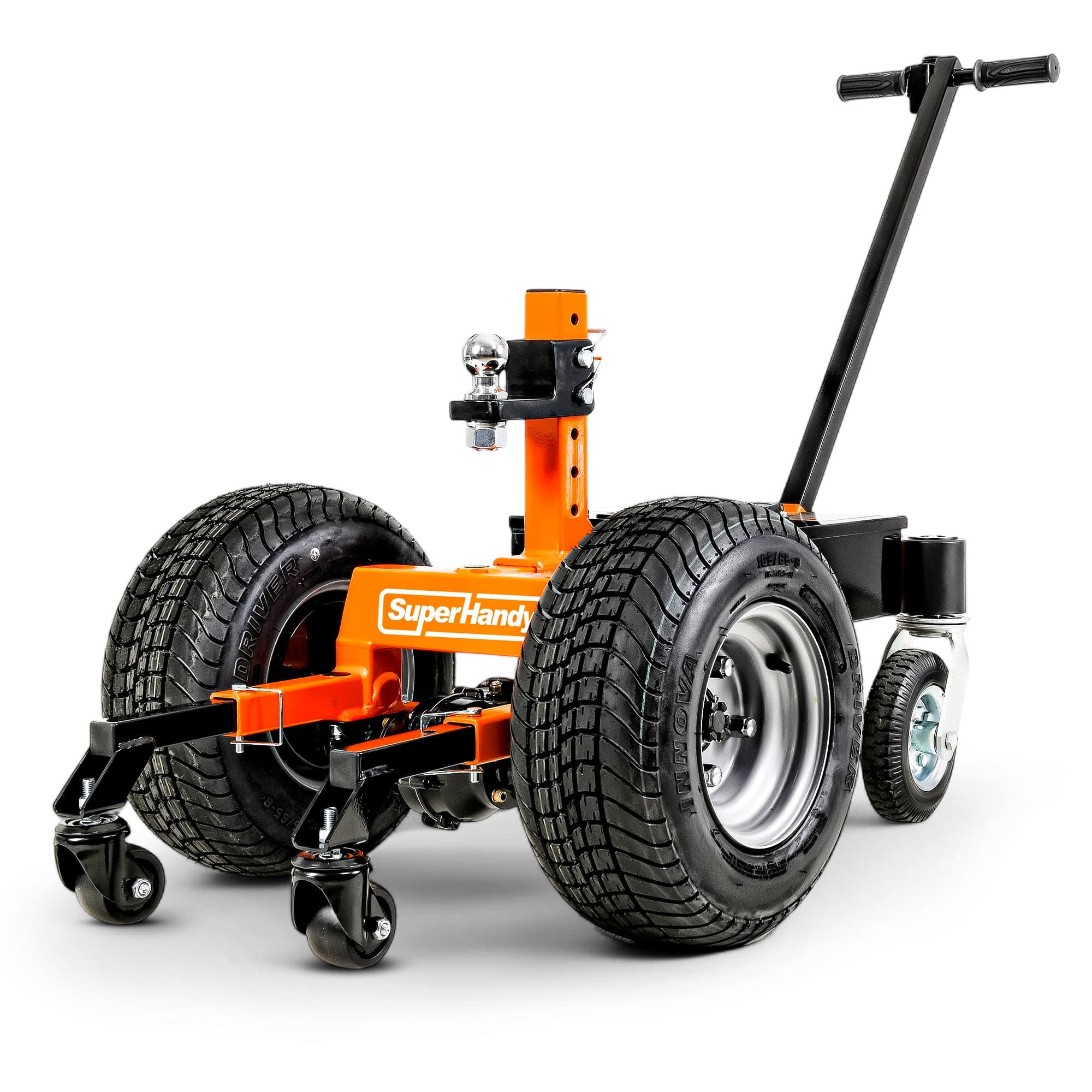
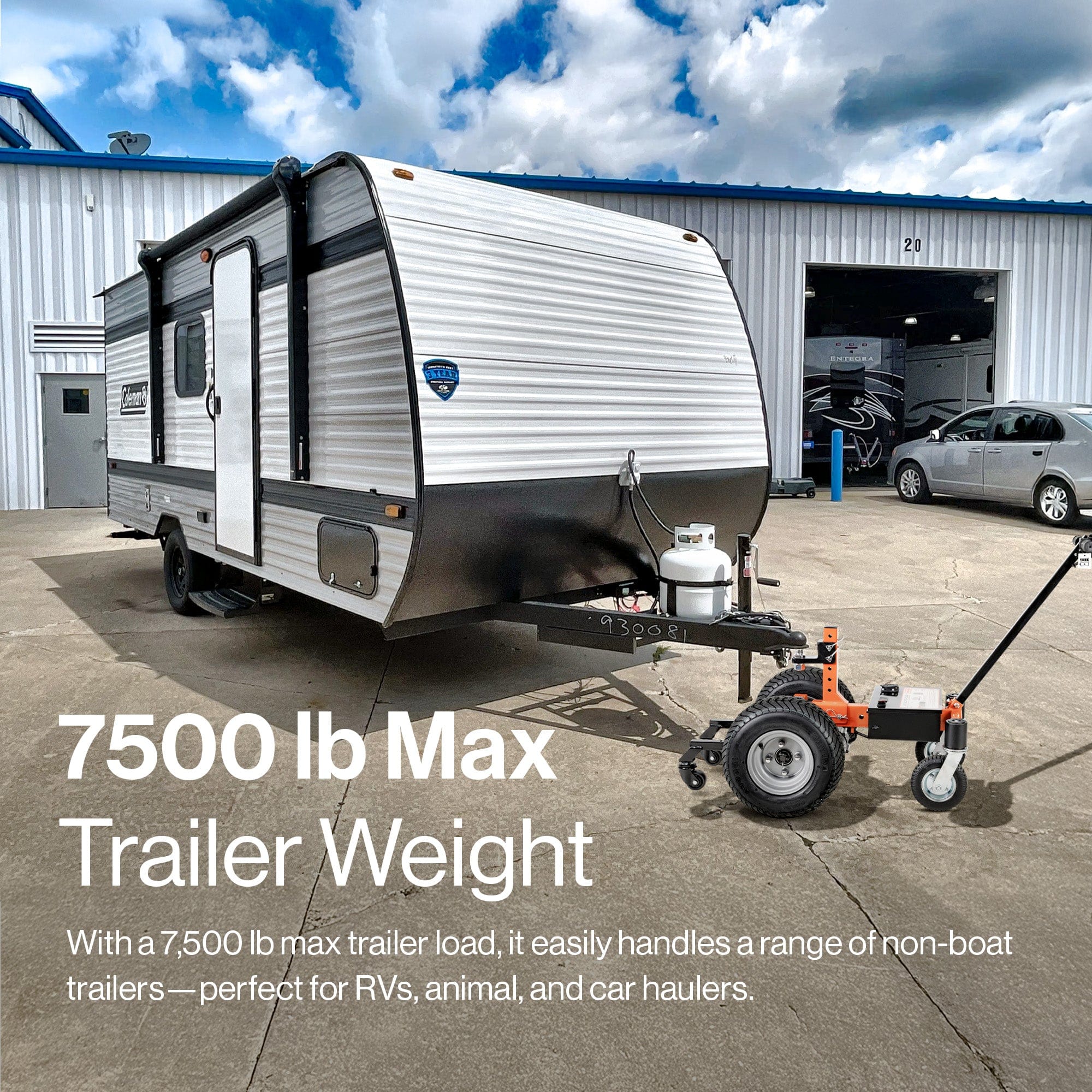
For even more demanding tasks, such as moving small trailers or other towed equipment around your property, a heavy duty tow dolly is the right tool. These can be manual, like a basic trailer dolly or a more robust 600 lbs capacity model, or even electric for maximum power. An electric trailer dolly can handle thousands of pounds with ease, and there are even more advanced electric models for specific industrial needs.
Assessing Your Furniture's Weight and Dimensions for Safe Handling
Before you even think about lifting, you need to know what you're up against. First, determine the weight of your furniture. For appliances, you can often find the weight in the user manual or with a quick online search. For wooden or upholstered furniture, you may have to estimate. Always overestimate to be safe. Compare this weight to the load capacity of your dolly, which is usually printed on the tool itself. Overloading a dolly is a common cause of accidents. Following basic safety education principles, like understanding your equipment's limits, is crucial for preventing mishaps that could lead to damaged goods or personal injury. Next, use a tape measure to get the furniture's height, width, and depth. This isn't just for the dolly—it’s to ensure the piece will fit through doorways, hallways, and around corners once it's loaded.
Gathering Essential Moving Supplies Beyond the Dolly
A dolly is the star of the show, but it needs a strong supporting cast. Having these essential supplies on hand will make your move smoother and safer.
- Moving Straps or Bungee Cords: These are non-negotiable for securing your furniture to the dolly.
- Furniture Blankets or Pads: Drape these over your furniture to protect it from scratches and dings during the move.
- Work Gloves: A good pair of gloves will improve your grip and protect your hands from splinters and pinching.
- Tape Measure: Keep it handy for double-checking clearances on the fly.
- Basic Toolkit: A screwdriver or small wrench set can be a lifesaver if you need to remove legs or handles to get a piece through a tight spot.
Preparing Your Home for a Smooth Furniture Move
Before you even touch the dolly, a little prep work inside your home will save you a world of headaches. The goal is to create a clear, unobstructed path for your move. Start by taking measurements. Is your tall armoire going to clear that low-hanging light fixture? Will your wide sofa fit through the hallway? Measure the furniture’s dimensions and compare them against every doorway, corner, and stairwell on its route. It’s far better to discover a potential problem now than when you have a 200-pound dresser balanced on a dolly. Once you’ve confirmed your route, prop open all interior and exterior doors along the path so you don’t have to stop and wrestle with a doorknob mid-move.
Clearing Pathways and Protecting Your Floors and Walls
With your route planned, it’s time to turn it into a clear runway. Remove any and all potential obstacles. This includes area rugs that can snag dolly wheels, floor lamps, small side tables, decorative items, and children's toys. A clear path is a safe path. Next, focus on protection. Your floors and walls are vulnerable to scratches, dents, and scuffs. For hard surfaces like wood, tile, or laminate, lay down a protective layer of flattened cardboard, ram board, or old blankets. On walls, pay special attention to tight corners where scrapes are most likely to happen. You can tape moving blankets or pieces of cardboard to sharp corners to create a soft buffer.
Mastering the Art of Loading Furniture onto the Dolly
Loading your furniture correctly is key to a stable and safe move. For a standard four-wheel furniture dolly, the process requires teamwork and a focus on balance.
- Position the Dolly: Place your dolly on the floor alongside the longest side of the furniture item.
- Tilt the Furniture: With at least one partner, carefully tilt the heavy item away from the dolly. One person should support the weight while the other manages the dolly.
- Slide and Center: Slide the dolly underneath the furniture, aiming for the center. Finding the item's center of gravity is crucial; an off-center load is an unstable load that will want to tip.
- Lower and Adjust: Gently lower the furniture onto the dolly. Make small adjustments to ensure the weight is distributed evenly across the platform. The piece should feel balanced and not rock back and forth.
The same principles of balance apply to any heavy-duty moving task. Whether you're moving a filing cabinet or positioning a trailer with a heavy duty tow dolly, a centered and stable load is the foundation of a safe maneuver.
Securing Your Load: Why Straps and Bungees Are Crucial
A balanced load is a great start, but it’s not secure until it’s strapped down. A simple bump or a sudden stop can send unsecured furniture sliding or toppling off the dolly, risking damage to the item, your home, or causing serious personal injury. This is where moving straps, ratchet straps, or even strong bungee cords become your most important safety tool. They physically bind the furniture to the dolly, making them a single, stable unit. According to the U.S. Consumer Product Safety Commission, preventing items from becoming unstable is a key part of home safety, and their safety education resources highlight the importance of securing heavy objects to prevent tip-over incidents.
To secure your load, wrap one or two straps over the top of the furniture and feed them through the frame of the dolly for moving furniture. Tighten the straps until the item is held firmly in place, checking that it doesn’t wobble. Be careful not to overtighten, which could damage the furniture’s finish. Whether you’re securing a delicate antique or maneuvering a boat trailer with a powerful electric trailer dolly, a tightly secured load is non-negotiable for safety and control.
Navigating Tight Corners and Doorways with a Loaded Dolly
Maneuvering a bulky piece of furniture on a dolly through your home’s tight spots is an art form that requires patience and strategy. The golden rule is to move slowly and deliberately. When approaching a corner, have one person act as a spotter to call out distances and prevent collisions with walls. For tight 90-degree turns, you may need to pivot the dolly carefully, sometimes lifting one set of wheels slightly off the ground to tighten the turning radius.
Doorways present a unique challenge, especially with tall items like bookcases or refrigerators. Use the "high-low" technique: as you approach the doorway, the person guiding the dolly from behind should tilt the top of the furniture backward, lowering its profile. The person in front guides the base through the doorway first. Once the base is clear, you can straighten the item back to its upright position. Constant, clear communication between you and your moving partner is essential to prevent scuffs, scrapes, and injuries.
Safely Maneuvering Stairs: Techniques and Precautions
Moving heavy furniture up or down stairs is one of the most hazardous parts of any move and should be approached with extreme caution. If possible, avoid it altogether. However, if it's unavoidable, never attempt it alone. You will always need at least two people: one person positioned above the dolly and one below. The person at the top will bear the majority of the weight and control the movement, while the person at the bottom guides the base and helps stabilize the load. According to the Consumer Product Safety Commission's safety education resources, taking preventative measures during strenuous household tasks is key to avoiding serious injuries.
When going down stairs, the dolly should lead the way. Position the furniture on the dolly so it leans back against the handles, and slowly roll it down one step at a time. The person at the top acts as the brake, controlling the descent. When going up stairs, the process is reversed. You’ll pull the dolly up the stairs backward, with the main operator at the top pulling and the spotter at the bottom lifting and guiding the base over each step. Always use straps to ensure the furniture is completely secured to the dolly, as any shift in weight could be disastrous.
Unloading Furniture at Its New Location Without Strain
You’ve successfully navigated the hallways and stairs—now it’s time to unload. This final step requires just as much care as loading. Position the dolly as close as possible to the furniture’s final destination. With one person ready to stabilize the item, the dolly operator should slowly and carefully tilt the load forward until the furniture’s base touches the ground.
Once the base is on the floor, have your partner hold the item steady while you slide the dolly’s platform out from underneath. Avoid the temptation to just drop the furniture the last few inches. Instead, use your leg muscles to gently lower it completely, protecting both the item and your back. The same principles of controlled movement are essential whether you're placing a dresser in a bedroom or precisely parking a utility trailer in a tight spot with a powerful electric trailer dolly.
Post-Move Checks: Ensuring Furniture and Home Are Undamaged
With the furniture in place and the dolly set aside, take a moment to perform a thorough post-move inspection. First, examine the piece of furniture you just moved. Look for any new scratches, dents, or chips that may have occurred during transit. Pay close attention to corners and legs, as these are the most vulnerable areas.
Next, walk the path you took through your home. Check the walls, door frames, and floors for any scuffs or gouges. It’s much easier to address a small paint scuff or floor scratch right away than to discover it weeks later. Finally, give your equipment a once-over. Ensuring your tools are in good condition is a good habit, whether it's a simple furniture dolly or a heavy duty tow dolly used for bigger jobs. Proper care ensures your equipment, from a basic trailer dolly to a robust electric model, is ready and safe for your next project.
Frequently Asked Questions About Moving Heavy Furniture with a Dolly
Even with the best preparation, you might still have a few questions about using a dolly for moving furniture. Moving heavy items can be intimidating, but understanding your equipment is the first step toward a safe and successful move. Here, we answer some of the most common questions movers have.
How much weight can a standard furniture dolly hold?
This is a critical question, as overloading a dolly is a primary cause of moving-day accidents. The weight capacity of a standard furniture dolly—the flat, four-wheeled platform style—typically ranges from 600 to 1,200 pounds. However, this is just a general guideline. The exact capacity depends heavily on the dolly's construction materials (hardwood vs. steel frame), the quality of the caster wheels, and the overall build. Always check the manufacturer's specifications printed on the dolly or its packaging before loading it. For air travel, FAA PackSafe lists battery and handling rules for wheelchairs and mobility devices.
Never assume a dolly can handle your heaviest piece of furniture. A solid oak armoire or a grand piano can easily exceed the limits of a basic model. For these exceptionally heavy items, you may need a heavy-duty dolly specifically rated for higher weights. It's all about matching the tool to the task. While a furniture dolly is suitable for a sofa, moving something with extreme weight and an awkward shape, like a small boat or utility trailer, requires a different class of equipment entirely. For those jobs, you'd need a heavy-duty manual trailer dolly, which is designed to handle thousands of pounds with ease.
What's the difference between a hand truck and a furniture dolly?
Though the terms are sometimes used interchangeably, a hand truck and a furniture dolly are two distinct tools designed for different purposes. Confusing them can lead to an inefficient or even dangerous move.
A hand truck, also known as an upright dolly or utility dolly, features an L-shaped frame with two wheels at the bottom, a small ledge (or nose plate) to slide under items, and a tall handle. To use it, you slide the nose plate under your object, tilt the handle back to balance the load on the two wheels, and then push or pull it. Hand trucks are ideal for moving tall, upright items like refrigerators, washing machines, or stacks of boxes. Their vertical design makes them more suitable for navigating stairs, with the right technique.
A furniture dolly, often called a mover's dolly, is a simple, flat platform, usually made of wood or steel, with four caster wheels that swivel. It has no built-in handle. You and a partner lift the heavy item—like a dresser, couch, or large cabinet—and place it centered on the platform. You then push the item itself to roll it across a flat surface. A furniture dolly provides a low, stable center of gravity for wide and bulky pieces, making it the often a practical choice for moving most large household furniture across rooms or to a moving truck.
While these two tools cover most indoor moving needs, some jobs require even more power and precision. For maneuvering a camper, jet ski, or small trailer in a tight garage or driveway, neither a hand truck nor a standard dolly will do. This is where a specialized heavy duty tow dolly becomes essential, offering motorized assistance to move immense weight safely and without physical strain.
How much weight can a standard furniture dolly hold?
This is a critical question, as overloading a dolly is a primary cause of moving-day accidents. The weight capacity of a standard furniture dolly—the flat, four-wheeled platform style—typically ranges from 600 to 1,200 pounds. However, this is just a general guideline. The exact capacity depends heavily on the dolly's construction materials (hardwood vs. steel frame), the quality of the caster wheels, and the overall build. Always check the manufacturer's specifications printed on the dolly or its packaging before loading it.
Never assume a dolly can handle your heaviest piece of furniture. A solid oak armoire or a grand piano can easily exceed the limits of a basic model. For these exceptionally heavy items, you may need a heavy-duty dolly specifically rated for higher weights. It's all about matching the tool to the task. While a furniture dolly is suitable for a sofa, moving something with extreme weight and an awkward shape, like a small boat or utility trailer, requires a different class of equipment entirely. For those jobs, you'd need a heavy-duty manual trailer dolly, which is designed to handle thousands of pounds with ease.
What's the difference between a hand truck and a furniture dolly?
Though the terms are sometimes used interchangeably, a hand truck and a furniture dolly are two distinct tools designed for different purposes. Confusing them can lead to an inefficient or even dangerous move.
A hand truck, also known as an upright dolly or utility dolly, features an L-shaped frame with two wheels at the bottom, a small ledge (or nose plate) to slide under items, and a tall handle. To use it, you slide the nose plate under your object, tilt the handle back to balance the load on the two wheels, and then push or pull it. Hand trucks are ideal for moving tall, upright items like refrigerators, washing machines, or stacks of boxes. Their vertical design makes them more suitable for navigating stairs, with the right technique.
A furniture dolly, often called a mover's dolly, is a simple, flat platform, usually made of wood or steel, with four caster wheels that swivel. It has no built-in handle. You and a partner lift the heavy item—like a dresser, couch, or large cabinet—and place it centered on the platform. You then push the item itself to roll it across a flat surface. A furniture dolly provides a low, stable center of gravity for wide and bulky pieces, making it the often a practical choice for moving most large household furniture across rooms or to a moving truck.
While these two tools cover most indoor moving needs, some jobs require even more power and precision. For maneuvering a camper, jet ski, or small trailer in a tight garage or driveway, neither a hand truck nor a standard dolly will do. This is where a specialized heavy duty tow dolly becomes essential, offering motorized assistance to move immense weight safely and without physical strain.
Related Products

Leave a comment
All comments are moderated before being published.
This site is protected by hCaptcha and the hCaptcha Privacy Policy and Terms of Service apply.