









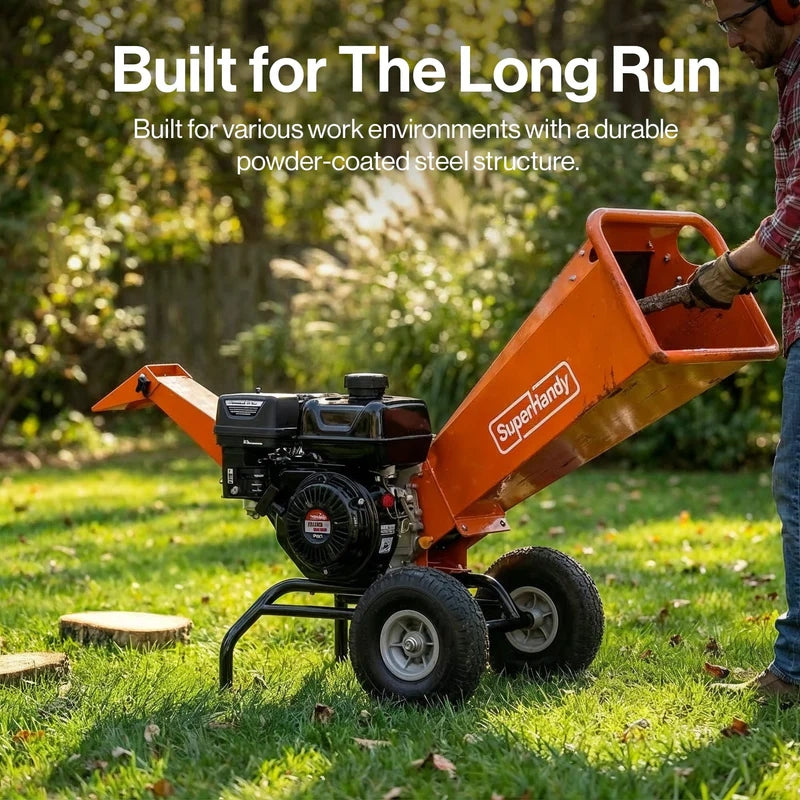
Why Regular Wood Chipper Maintenance is Crucial for Longevity and Safety
Think of regular maintenance as a small investment that pays huge dividends. A well-maintained wood chipper runs more efficiently, uses less fuel, and is far less likely to suffer a catastrophic failure that could lead to expensive repairs or replacement. By catching small issues like loose bolts or dull blades early, you prevent them from causing major damage to the engine or cutting assembly.
More importantly, maintenance is a cornerstone of safety. A poorly maintained machine can be a serious hazard. A loose blade could break apart and become a projectile, while a clogged discharge chute can cause material to kick back violently toward the operator. According to the Occupational Safety and Health Administration, proper maintenance is a critical component of overall hand and power tool safety. By following a consistent checklist, you ensure that all safety guards are functional and the machine operates as the manufacturer intended, protecting you and anyone nearby.
Essential Tools and Supplies for Your Wood Chipper Maintenance Kit
Having the right tools on hand makes maintenance tasks quicker and easier. You don't need a professional mechanic's workshop, but a basic kit will cover most routine jobs. Assemble these items in a dedicated toolbox so they're always ready when you need them.

Essential Tools:
- Safety Gear: Heavy-duty work gloves and safety glasses are non-negotiable.
- Wrench & Socket Set: For tightening nuts and bolts on the housing, wheels, and engine mounts.
- Torque Wrench: Crucial for tightening blade bolts to the manufacturer's exact specifications to prevent them from coming loose.
- Grease Gun: For lubricating bearings and other moving parts.
- Spark Plug Wrench: Essential for engine tune-ups on gas models.
- Screwdriver Set: For accessing panels and making adjustments.
Essential Supplies:
- Engine Oil: The correct grade for your chipper's engine (check the manual).
- Fuel Stabilizer: To prevent fuel from going stale during storage.
- Replacement Parts: It’s wise to keep a spare set of blades, belts, and an air filter on hand.
- Cleaning Brushes & Rags: For clearing debris and wiping down components.
Having these items ready will streamline the maintenance of all types of Wood Chippers, from compact electric models to powerful gas-powered units.
Pre-Operation Checks: What to Inspect Before Every Use
A quick five-minute inspection before you start work is the single best habit you can develop. This routine check can prevent unexpected shutdowns and accidents.
- Check Fluid Levels (Gas Models): Ensure the engine has sufficient oil and fresh fuel. Running low on oil can seize the engine, while old fuel can clog the carburetor.
- Inspect the Power Cord (Electric Wood Chipper): For an electric wood chipper, examine the entire length of the power cord for any cuts, frays, or damage before plugging it in.
- Examine the Machine for Loose Parts: Visually inspect the entire chipper. Look for and tighten any loose nuts, bolts, or screws. Pay close attention to the wheels, axle, and tow bar if applicable.
- Ensure Chutes are Clear: Check that the infeed hopper and discharge chute are completely free of old debris. An obstruction can cause a jam and dangerous kickback.
- Verify Safety Guards are in Place: Make sure all safety guards and covers are properly secured. Never operate a Wood Chippers with safety features disabled or removed.
Blade Inspection and Sharpening: The Heart of Your Chipper's Performance
The chipper blades do all the real work, and their condition directly impacts the machine's performance. Dull blades don't cut; they smash. This puts immense strain on the engine, belts, and bearings, leading to poor-quality chips and premature wear.
Before each use, or at least every few hours of operation, perform a visual inspection of the blades. Look for significant nicks, cracks, or a rounded cutting edge. A sharp blade will have a clean, defined edge. If you notice the chipper is struggling to pull in branches or the engine is bogging down more than usual, it’s a clear sign your blades need attention. Many modern Wood Chippers feature dual-edge, reversible blades. When one side becomes dull, you can simply unbolt them, flip them around, and reinstall them for a factory-fresh cutting edge, effectively doubling their lifespan before sharpening is required.
Understanding Blade Types and When to Replace Them
The blades are the business end of your wood chipper. Understanding their condition is key to efficient operation. Most chippers use either standard single-edge blades or dual-edge reversible blades. While standard blades must be sharpened or replaced when dull, reversible blades offer a significant advantage: when one side becomes dull, you can simply flip it around to use the fresh, sharp edge, effectively doubling its lifespan before needing sharpening or replacement.
So, how do you know it's time to act? Look for these signs:
- Poor Output Quality: Instead of uniform chips, you're getting stringy, shredded, or bruised wood.
- Reduced Performance: The chipper struggles to pull in branches, or you have to force material through.
- Increased Vibration or Noise: Dull blades have to work much harder, which can cause excessive vibration and strain on the engine and other components.
- Visible Damage: During your pre-operation check, look for nicks, chips, or a rounded cutting edge on the blades.
Continuing to operate with dull blades not only produces poor-quality mulch but also puts unnecessary stress on the engine, belts, and bearings, leading to more significant and costly repairs down the line.
Engine Care: Keeping Your Wood Chipper's Powerhouse in Top Shape
Whether you have a gas-powered or an electric wood chipper, the motor is its heart. Proper engine care ensures you have the power you need when you need it.
For a gas-powered chipper, maintenance is similar to other small engines.
- Air Filter: A clogged air filter starves the engine of oxygen, reducing power and increasing fuel consumption. Check it before each use. Tap out loose debris and replace it when it's visibly dirty or damaged.
- Spark Plug: A faulty spark plug can prevent the engine from starting or cause it to run rough. Check it periodically for carbon buildup or wear. Clean or replace it according to your owner's manual, typically once per season.
- Keep it Clean: Keep the engine's cooling fins free of wood chips, dust, and oil to prevent overheating.
For an electric wood chipper, maintenance is simpler but still important. Keep the motor housing vents clear of debris to ensure proper airflow and prevent overheating. If your model is battery-powered, proper battery care is crucial for longevity. According to the Department of Energy, you can extend the life of lithium-ion batteries by avoiding extreme hot or cold temperatures and trying to store them with a partial, not full, charge.
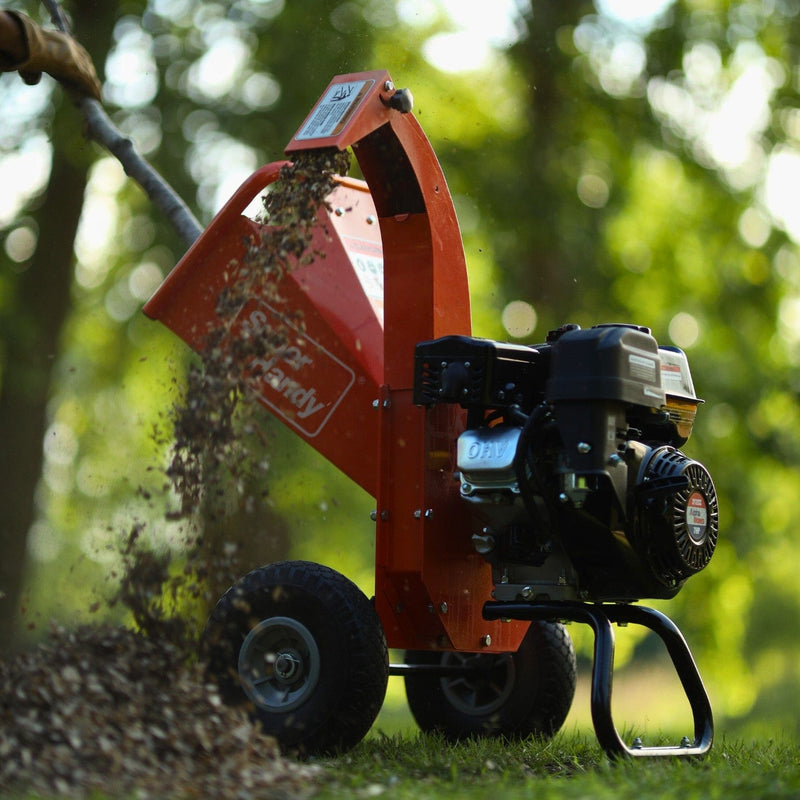
Fluid Levels and Changes: Oil, Fuel, and Hydraulic Systems Explained
Fluids are the lifeblood of your gas-powered machine. Neglecting them is one of the fastest ways to cause permanent engine damage. Before starting any work, make sure your collection of Wood Chippers is on level ground to get an accurate reading.
- Engine Oil: Check the oil level using the dipstick before every use. A low oil level can lead to catastrophic engine failure. Most manufacturers recommend an initial oil change after the first 5 hours of operation, and then every 25-50 hours of use thereafter. Always use the oil type and weight specified in your owner's manual.
- Fuel: Always use fresh, clean fuel. Gasoline can go stale in as little as 30 days, leading to gummed-up carburetors and fuel lines. If you don't plan on using your chipper for a few weeks, it's wise to add a fuel stabilizer to the tank. This prevents varnish from forming and ensures an easy start next time you need it.
- Hydraulic Fluid: Some high-end, commercial-grade chippers feature a hydraulic feed system to pull material into the blades. If your model has this feature, check the hydraulic fluid level and condition as recommended by the manufacturer.
Belts and Pulleys: Checking for Wear and Proper Tension
The drive belt is what transfers power from the engine to the cutting assembly. If this belt is worn, loose, or broken, your chipper is useless. Inspecting the belt is a quick but critical maintenance step.
With the machine completely off, remove the belt guard. Look for signs of wear on the belt, such as:
- Cracks or splitting
- Fraying edges
- Glazing or a shiny appearance on the sides
- Missing chunks
Next, check the tension. A belt that is too loose will slip, reducing performance and generating heat that can damage the belt. A belt that is too tight puts excessive strain on the engine and drum shaft bearings, leading to premature failure. A good rule of thumb is that the belt should have about ½ inch of play or flex when you press on it at its midpoint. If you find any damage or the tension is off, replace or adjust the belt immediately.
Feed Chute and Discharge Chute: Ensuring Unobstructed Material Flow
The feed and discharge chutes are the entry and exit points for all material passing through your wood chipper. Keeping them clean and clear is essential for both performance and safety. A clogged chute can cause material to back up into the cutting chamber, leading to dangerous jams and placing unnecessary strain on the engine and blades.
Before each use, perform a quick visual inspection. With the machine completely off and the spark plug disconnected (or unplugged for an electric model), look down both chutes for any leftover debris, compacted wood chips, or sap buildup. After you're done chipping, use a long-handled brush or a sturdy stick to clear out any remaining material. Never use your hands to clear a chute, even when the machine is off. Check that the adjustable flap on the discharge chute moves freely, allowing you to direct chips exactly where you want them.
Frame, Chassis, and Safety Guards: Structural Integrity and Protection
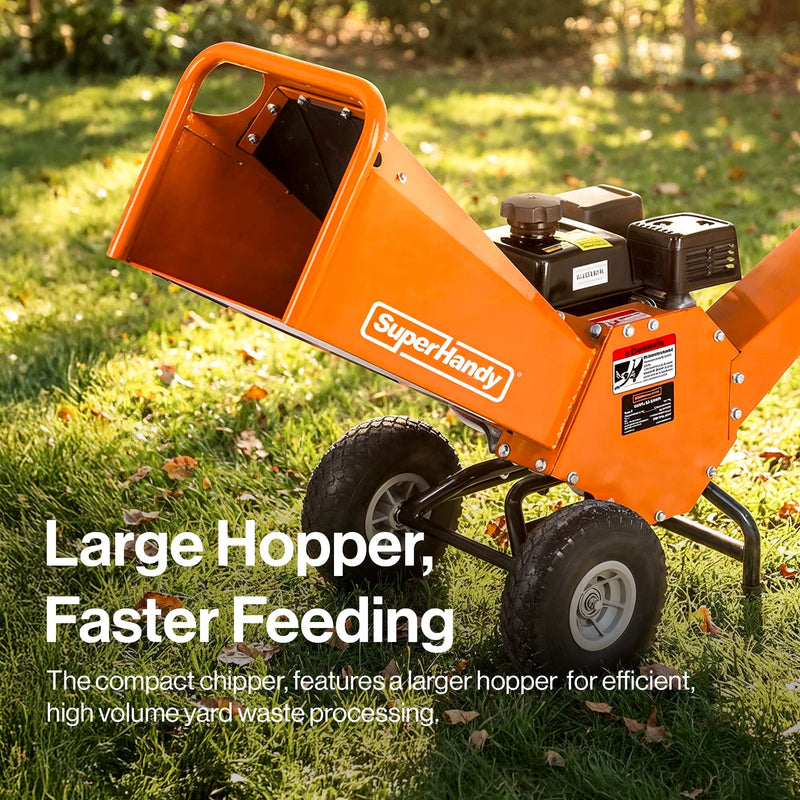
Your wood chipper’s frame and chassis provide the stable foundation needed to handle intense vibration and heavy workloads. The safety guards are your first line of defense against injury. Regularly inspect the entire frame for signs of stress, such as cracked welds, loose bolts, or significant rust. Tighten any loose hardware you find.
Safety guards are not optional. They are specifically designed to keep your hands and body away from the dangerous cutting mechanism and moving belts. According to the Occupational Safety and Health Administration, machine guarding is a critical component of hand and power tool safety. Always verify that all guards are securely in place and undamaged before starting the engine. If a guard is broken or missing, do not operate the chipper until it has been replaced. A well-built machine, like our heavy-duty Wood Chippers, is designed with both structural integrity and user protection in mind.
Lubrication Points: Keeping Moving Parts Smooth and Rust-Free
Proper lubrication reduces friction, prevents premature wear, and protects against rust and corrosion. While a compact electric wood chipper may have sealed bearings and fewer service points, most gas-powered models have several key areas that require regular greasing.
Consult your owner's manual to identify all lubrication points, which are typically marked with a small grease fitting, also known as a zerk. Common points include wheel bearings and axle pivots. To lubricate:
- Wipe the grease fitting clean to prevent dirt from being forced into the joint.
- Attach a grease gun to the fitting.
- Pump grease until you see a small amount of fresh grease emerge from the seal.
- Wipe away any excess grease to prevent dirt and debris from accumulating.
Troubleshooting Common Wood Chipper Issues and Solutions
Even with perfect maintenance, you might occasionally run into issues. Here’s a quick guide to diagnosing and solving the most common problems with Wood Chippers.
-
Problem: Chipper jams or clogs frequently.
-
Solution: The most likely cause is dull or damaged blades. Sharpen or replace them. You may also be feeding wet, green material too quickly, causing sap to build up. Finally, ensure you aren't feeding branches larger than the chipper's maximum rated capacity.
-
Problem: Gas engine won't start.
-
Solution: Run through the basic start-up checklist. Is there fresh fuel in the tank? Is the fuel shut-off valve open? Is the choke set correctly for a cold or warm start? Is the spark plug wire firmly connected? If these are all correct, check if the spark plug is fouled or if the air filter is clogged.
-
Problem: Excessive vibration or noise.
-
Solution: Shut down the machine immediately. Severe vibration is often a sign of a serious problem. It could be caused by a chipped or broken blade throwing the rotor out of balance, or the main chipper housing or engine bolts may have come loose. Inspect the blades for damage and check all mounting hardware.
-
Problem: Electric chipper trips the circuit breaker.
-
Solution: This usually happens when the motor is overloaded. Try feeding smaller material at a slower, more consistent pace. Also, ensure you are using a heavy-duty extension cord that is the proper gauge and as short as possible for the distance. A long or light-duty cord can cause a voltage drop, forcing the motor to draw more current and trip the breaker.
Seasonal Storage and Winterization Tips for Your Wood Chipper
As the chipping season winds down, properly storing your machine is essential for protecting it from the harsh winter elements and ensuring it’s ready for spring. A little effort now prevents rust, engine damage, and costly repairs later. Follow these steps to winterize your wood chipper correctly.
-
Clean It Completely: Before anything else, give your chipper a thorough cleaning. Use compressed air or a brush to remove all wood chips, dirt, and sap from the hopper, discharge chute, and cutting chamber. Caked-on debris can trap moisture, leading to rust and corrosion, and can also attract pests.
-
Manage the Fuel System (Gas Models): Old fuel is the number one cause of startup problems in the spring. You have two options for a gas-powered chipper:
- Run it Dry: The simplest method is to run the engine until it’s completely out of gasoline. This prevents fuel from degrading and gumming up the carburetor and fuel lines.
- Use a Fuel Stabilizer: If you prefer to keep fuel in the tank to prevent moisture and rust, fill the tank about 95% full with fresh gasoline, add the correct amount of fuel stabilizer, and then run the engine for 5-10 minutes. This circulates the stabilized fuel through the entire system.
-
Perform Engine and Blade Care: Change the engine oil while the engine is still slightly warm. Old oil contains contaminants that can damage internal components during storage. This is also a great time to inspect, clean, and sharpen the chipper blades. Coat the sharpened blades with a light layer of all-purpose oil or rust-inhibiting spray to prevent corrosion.
-
Protect the Battery: For an electric wood chipper or a gas model with an electric start, take care of the battery. If it's removable, take it out and store it indoors in a cool, dry place, away from extreme temperatures. For lithium-ion batteries, it's best to store them at a partial charge rather than fully charged or completely empty. According to the Department of Energy, following simple tips for extending the lifetime of lithium-ion batteries, like avoiding temperature extremes, can significantly improve their longevity.
-
Cover and Store: Move your clean, prepped chipper to a dry, sheltered location like a garage or shed. Place a block of wood under the tongue jack and tires to keep them off the damp concrete. Finally, cover the entire machine with a breathable, waterproof cover or tarp to protect it from dust, moisture, and pests.

Frequently Asked Questions About Wood Chipper Maintenance
How often should I sharpen my wood chipper blades? This depends heavily on how much you use it and what you chip. As a general rule, inspect your blades after every 10 hours of use and plan to sharpen them every 25-40 hours. You’ll know it’s time when the machine struggles to pull in branches, the engine strains more than usual, or the output is stringy and bruised instead of clean-cut chips.
What kind of oil does my wood chipper use? Always check your owner’s manual for the manufacturer’s specific recommendation. Most 4-stroke gas engines on Wood Chippers use a standard motor oil like SAE 30 or 10W-30, but the correct type can vary based on your climate and the engine model. Using the wrong oil can lead to poor performance and engine damage.
Can I chip wet or green wood? Yes, most quality Wood Chippers are designed to handle green (freshly cut) wood effectively. In many cases, the moisture in green wood helps lubricate the cutting process. However, be aware that very wet, sappy wood can sometimes build up on the blades or clog the discharge chute. It’s a good practice to alternate between green and dry materials to help keep the chamber clear.
My electric wood chipper keeps tripping the breaker. What’s wrong? This is a common issue often related to power supply. First, ensure you are not using an extension cord that is too long or has too small a wire gauge; this causes a voltage drop that overloads the motor. Use the shortest, heaviest-gauge cord recommended in your manual. Second, avoid feeding material too aggressively or trying to chip branches that exceed the chipper's maximum diameter capacity.
When to Call a Professional for Wood Chipper Repairs
While many maintenance tasks are suitable for a DIYer, some problems require the tools and expertise of a trained technician. Knowing when to put down the wrench and pick up the phone is key to your safety and your machine’s health.
- Serious Engine Trouble: If your gas engine won’t start after you’ve checked the fuel, air filter, and spark plug, or if it emits heavy smoke, makes loud knocking sounds, or runs erratically, it’s time for a pro. These symptoms can point to complex carburetor issues, internal damage, or timing problems that are best left to an expert.
- Excessive Vibration: A chipper that suddenly starts vibrating violently is a major safety concern. This often indicates a severely imbalanced cutting rotor, a bent driveshaft, or failed bearings. Operating the machine in this state can lead to catastrophic failure. A professional can diagnose the source and perform the precise rebalancing or component replacement needed.
- Structural Damage: If you discover cracks in the machine's frame, welds, or the rotor housing, stop using it immediately. These are critical structural components, and their failure could be disastrous. A certified welder or technician must inspect and repair this type of damage.
- Major Electrical Failures: For an electric wood chipper, if the motor hums but won’t spin, you see sparks, or you smell burning plastic, unplug it at once. These issues go beyond a simple tripped breaker and point to a faulty motor, capacitor, or wiring. High-voltage electrical repairs are dangerous and should only be handled by a qualified service center.
Related Products


Leave a comment
All comments are moderated before being published.
This site is protected by hCaptcha and the hCaptcha Privacy Policy and Terms of Service apply.