












Why a Gas Log Splitter is Essential for Cold Climates
When the temperature drops and snow is on the ground, your firewood supply becomes a lifeline. While an electric log splitter can be a great choice for smaller jobs and softer woods, a cold climate demands more power and resilience. This is where a Gas Log Splitter proves its worth. The primary advantage is raw, untethered power. Gas engines deliver the high tonnage necessary to burst through dense, frozen hardwoods like oak, maple, and hickory—woods that are prized in cold regions for their long, hot burn times.
Unlike an electric log splitter, which may struggle or stall against a knotty, ice-rimmed log, a gas-powered model provides consistent force to get the job done efficiently. Furthermore, gas splitters are completely portable. You can tow them directly to your woodpile, deep in your property, without being tethered to an electrical outlet. This freedom is invaluable when you’re processing large quantities of wood far from the garage. For anyone serious about heating with wood through a long winter, a gas-powered Log Splitter isn't just a convenience; it's a necessity.

Understanding Your Wood-Splitting Needs: Volume and Wood Type
Before choosing a splitter, take a moment to assess your specific requirements. The right machine for your neighbor might not be the right one for you. Consider two key factors:
- Volume: How much wood do you need to split? If you're supplementing your home's heat or enjoying occasional weekend fires, a smaller-tonnage machine might suffice. However, if you rely on a wood stove as your primary heat source through several cold months, you'll be processing multiple cords of wood. In this case, a more powerful and efficient splitter will save you countless hours and effort.
- Wood Type: The type of wood you split is critical. Softwoods like pine and fir are relatively easy to split and don't require immense force. Hardwoods like oak, ash, hickory, and maple are significantly denser and tougher. Add freezing temperatures to the mix, and these logs become rock-solid. For cold-climate residents who primarily burn hardwoods, a higher-tonnage Gas Log Splitter is essential to handle the workload without fail.
Key Features to Look for in a Gas Log Splitter for Winter
Choosing a log splitter for harsh conditions means looking beyond the basic specs. You need a machine built to perform reliably when the weather is working against you. The following features are crucial for ensuring your splitter is a dependable partner all winter long.
Engine Power and Torque: The Heart of Your Splitter
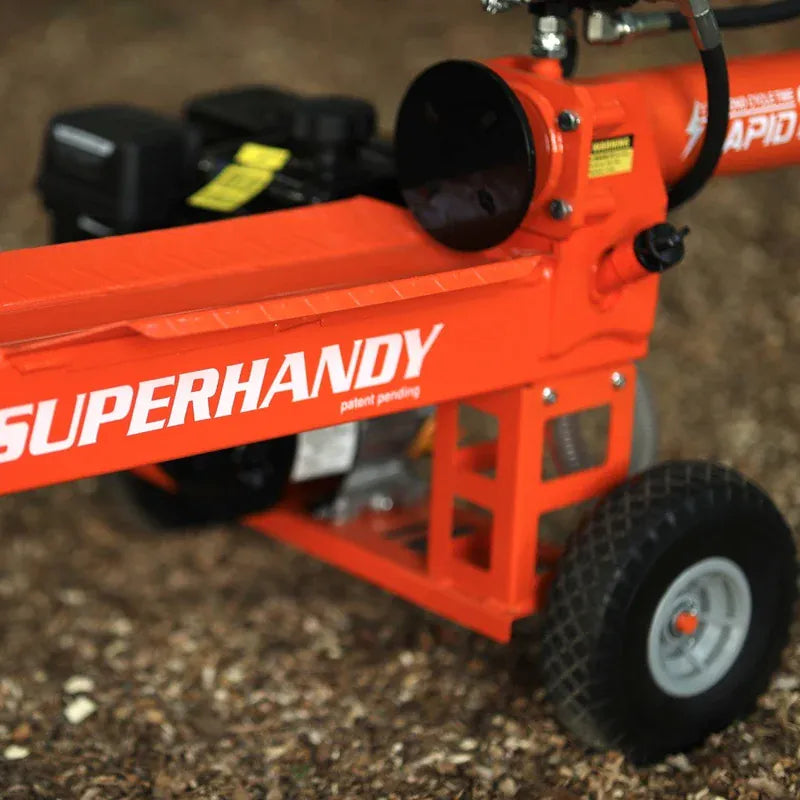
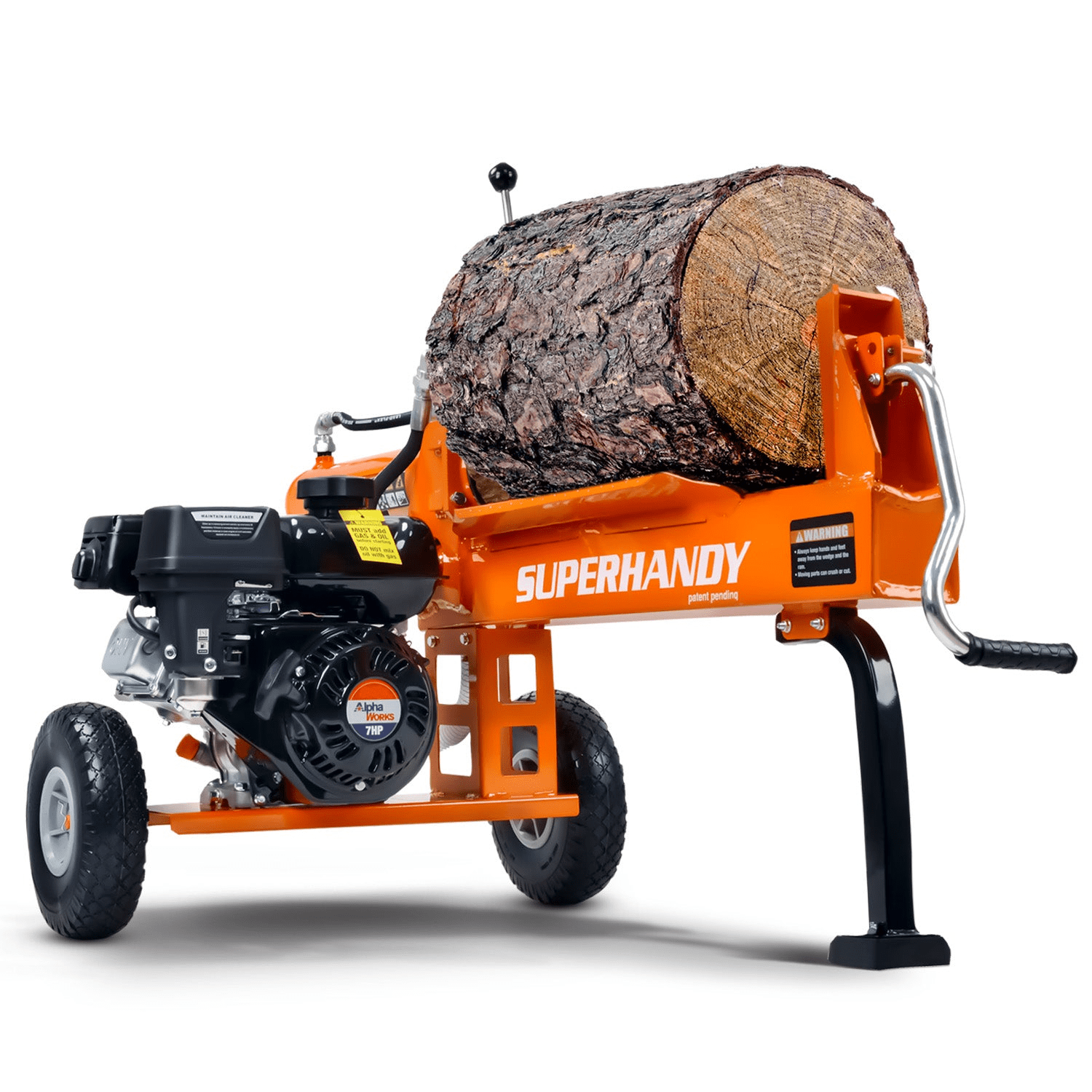
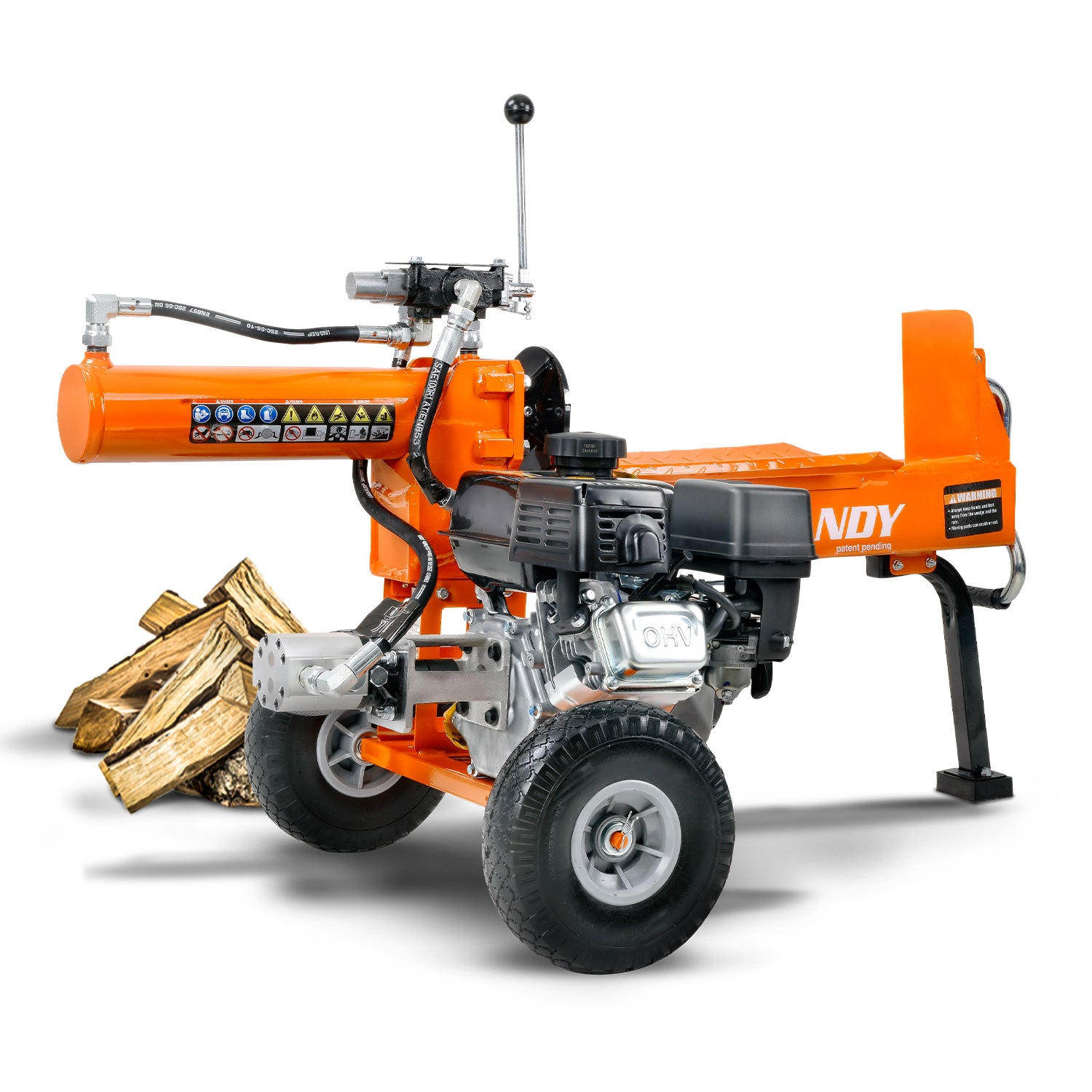
The engine is the core of any Gas Log Splitter, driving the hydraulic pump that generates splitting force. For winter use, a robust and reliable engine is non-negotiable. Look for models with engines known for easy cold-weather starting. A high-quality engine, like the 7 HP engine in a 20 Ton Gas Log Splitter, provides the necessary power and torque to maintain consistent pressure. Torque is especially important—it's what keeps the ram moving steadily when it encounters a tough knot or dense, frozen grain, preventing the machine from bogging down or stalling. A powerful engine ensures you can work through your woodpile efficiently, no matter how challenging the logs are.
Splitting Force (Tons): Matching Power to Wood Density
When you see a log splitter advertised with a specific tonnage, it’s referring to the amount of force the hydraulic ram can exert on a log. This is arguably the most critical factor when choosing a splitter for cold-climate hardwoods. Softwoods like pine or fir can often be split with less force, but dense hardwoods such as oak, maple, or hickory demand significantly more power, especially when they are green or full of knots.
As a general guideline:
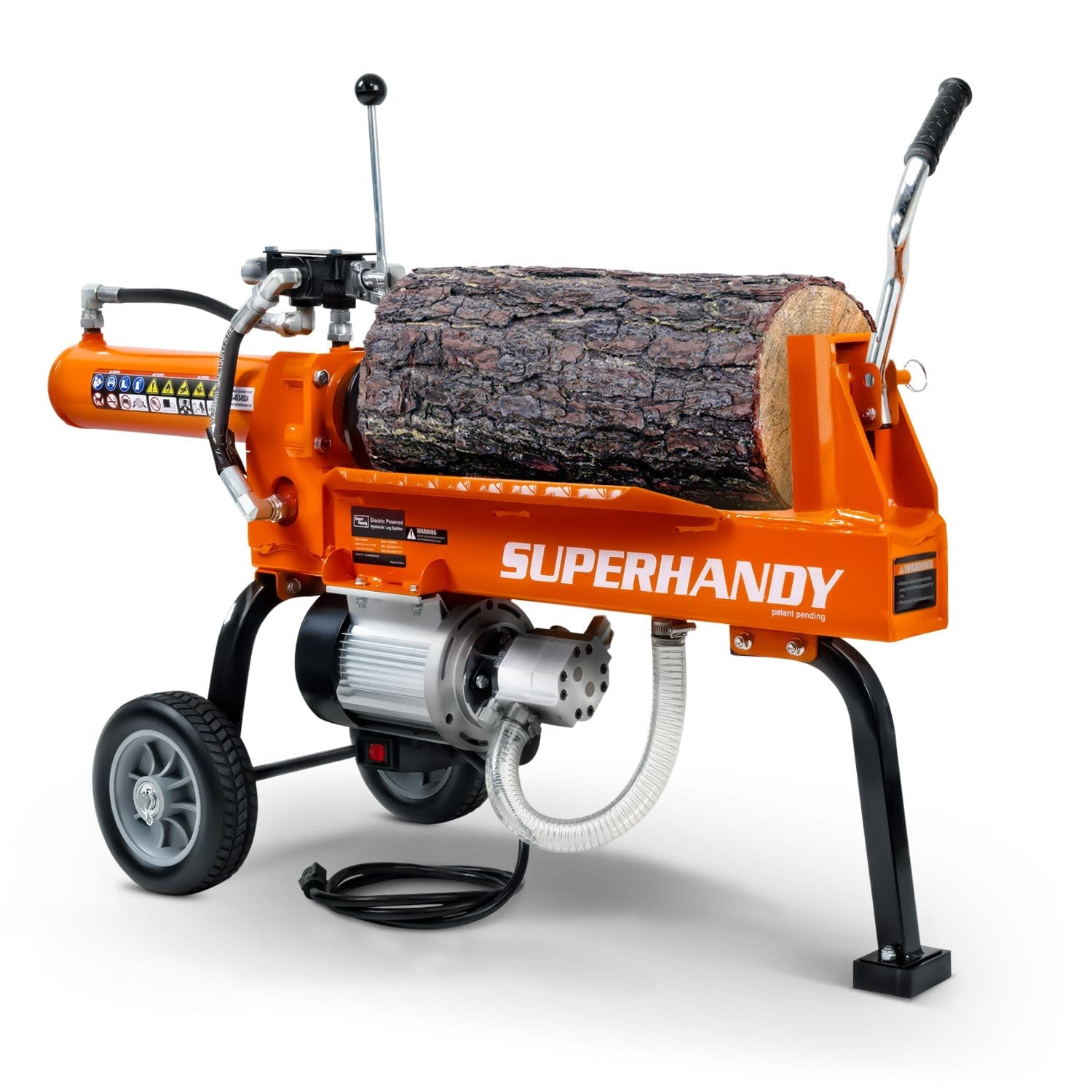
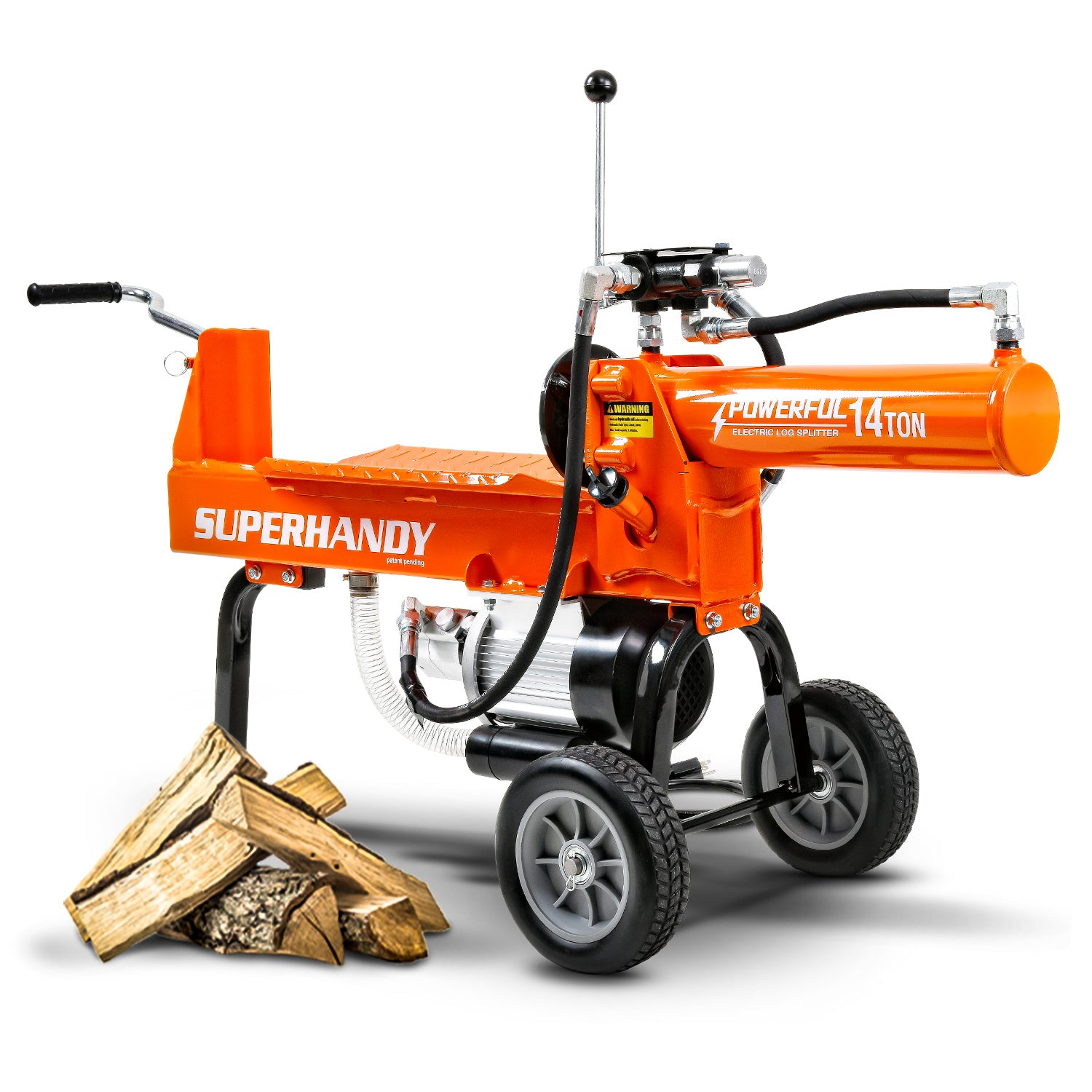
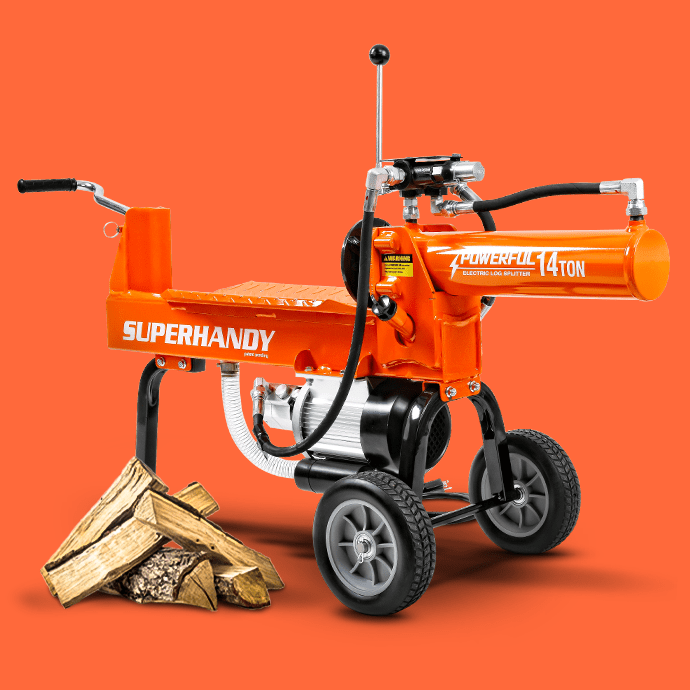
- Up to 15 Tons: Suitable for most seasoned softwoods and smaller-diameter hardwoods. A powerful electric log splitter, like a 14 Ton Electric Log Splitter, can handle these tasks efficiently.
- 20 Tons and Above: This is the sweet spot for serious winter preparation. A 20 Ton Gas Log Splitter has the raw strength to tear through large, dense, and even knotty hardwood rounds without bogging down. For a cold climate where your primary fuel is hardwood, investing in a 20-ton or higher model ensures you won't be stopped by a tough piece of wood.
Cycle Time: How Quickly Can You Process Firewood?
Cycle time is the total time it takes for the splitting wedge to travel forward and fully retract, ready for the next log. A faster cycle time directly translates to more wood split per hour. While a difference of a few seconds might not seem like much, it adds up significantly over an entire afternoon of work.
A Gas Log Splitter designed for high-volume work will typically have a cycle time between 10 and 15 seconds. Slower machines can take 20 seconds or more, nearly doubling the time it takes to process your woodpile. For those racing against the first snowfall, a fast cycle time is a non-negotiable feature that maximizes your productivity and gets your firewood stacked and ready for winter sooner.

Log Capacity: Diameter and Length Considerations
Log capacity is defined by two measurements: the maximum log length the machine can accommodate and the maximum diameter it can split. Most splitters are designed to handle a standard firewood length of up to 20-25 inches, which is sufficient for nearly all home fireplaces and wood stoves.
Diameter is where a robust Gas Log Splitter shines. While many splitters can handle logs up to 12-14 inches in diameter, models built for heavy-duty use can tackle rounds over 16 inches wide. Remember that tonnage and diameter are related; you need the higher tonnage to effectively split those larger-diameter hardwood logs. Always check the machine's specifications to ensure it can handle the size of wood you plan to process.
Ease of Use and Ergonomics for Extended Splitting Sessions
Splitting firewood is a marathon, not a sprint. Ergonomic features can make the difference between an efficient workday and a sore back. Look for a log splitter with features that prioritize your comfort and safety during long hours of operation.
Key ergonomic features include:
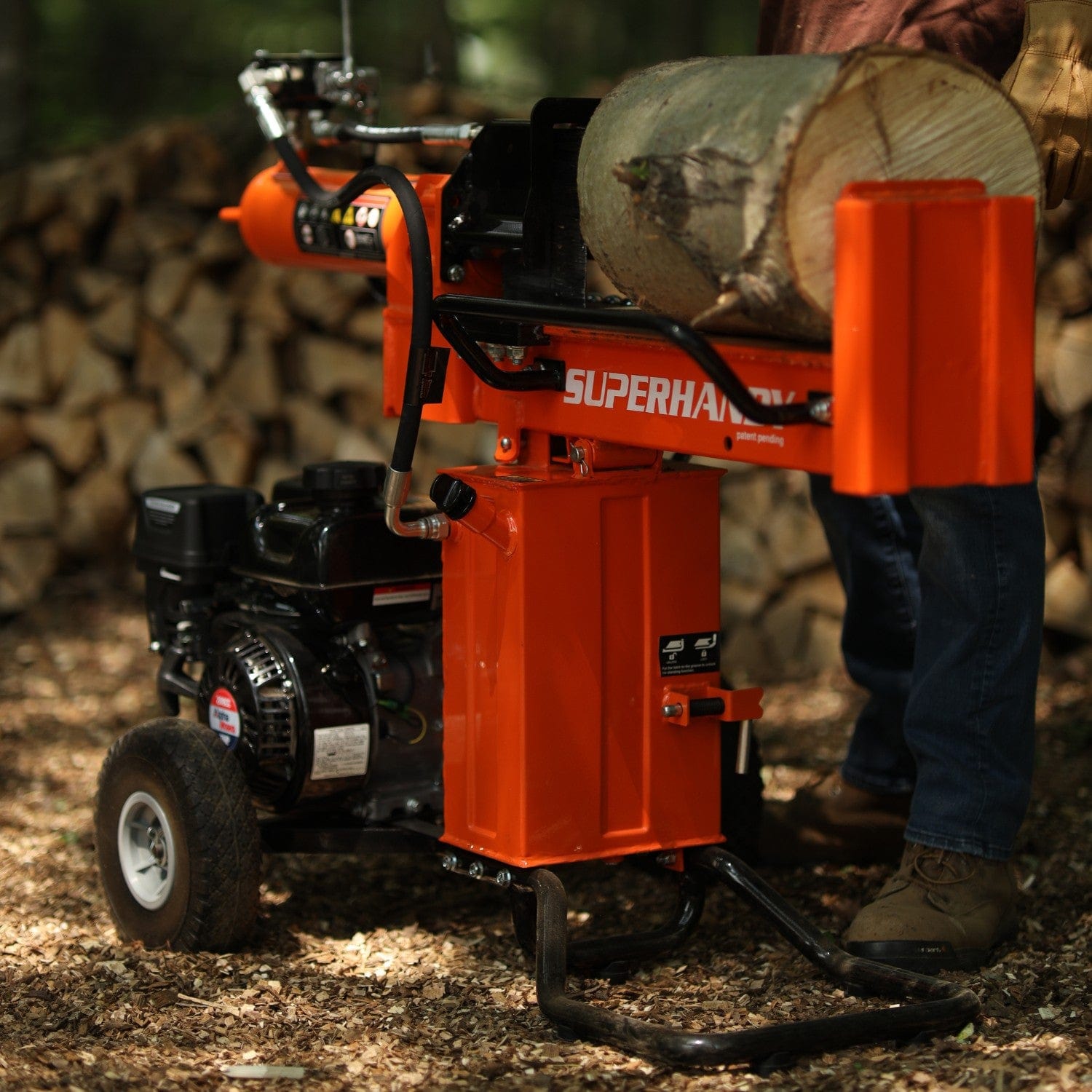
- Horizontal/Vertical Splitting: Many gas models offer both positions. The horizontal position is great for rapid-fire splitting of manageable logs. For massive, heavy rounds that you can't lift, simply switch the machine to the vertical position and split them on the ground.
- Portability: Large, pneumatic tires and a tow-hitch make it easy to move the splitter from your storage shed to your woodpile, even over uneven terrain.
- Comfortable Working Height: A machine that allows you to work without constantly bending over will save you from significant back strain.
- Log Cradles: These simple additions hold the log securely on the beam, preventing it from falling off mid-split and saving you from repeatedly picking it up.
Durability and Maintenance for Reliable Cold-Weather Performance
When you're relying on a machine in freezing temperatures, durability isn't just a feature—it's a necessity. A robust gas log splitter built with a heavy-gauge steel frame and quality welds will withstand the stress of splitting dense, frozen hardwood without flexing or failing. In winter, metal can become more brittle, so a solid construction is your first line of defense against operational downtime.
Cold-weather maintenance is also crucial for consistent performance. Before starting a splitting session, always check your engine oil. Many manufacturers recommend a thinner viscosity oil for winter use to ensure the engine starts easily and stays properly lubricated. Likewise, keep an eye on your hydraulic fluid, as cold temperatures can thicken it and slow down your cycle time.
Finally, remember that the goal is to produce ready-to-burn firewood. Once split, the wood needs to be properly seasoned. Burning wood with higher moisture content creates more smoke, which contains harmful chemicals and particulates and forms creosote on your chimney. To ensure your wood dries effectively, stack it off the ground and keep it covered. According to experts at the Cornell Cooperative Extension, it's important to keep your woodpile covered--you'll gain more from protecting it from rain and snow than you would from exposing it to the sun.
Safety Features: Protecting Yourself During Operation
Operating a powerful machine like a gas log splitter demands a focus on safety. Modern splitters are designed with several key features to protect the user during long work sessions.
- Two-Handed Operation: This is one of the most important safety mechanisms. It requires you to use both hands to engage the hydraulic ram, ensuring your hands are safely away from the wedge and splitting area.
- Auto-Return Ram: After the wedge splits the log, the control lever automatically returns to neutral, and the ram retracts. This not only speeds up your workflow but also prevents accidental engagement.
- Log Cradles or Trays: These features hold the log securely on the beam during splitting and catch the pieces afterward, preventing them from falling on your feet or creating a hazardous, cluttered workspace.
Always supplement these built-in features with personal protective equipment (PPE), including safety glasses, heavy-duty gloves, and steel-toed boots.
Comparing Gas Log Splitters: Top Models for Harsh Winters
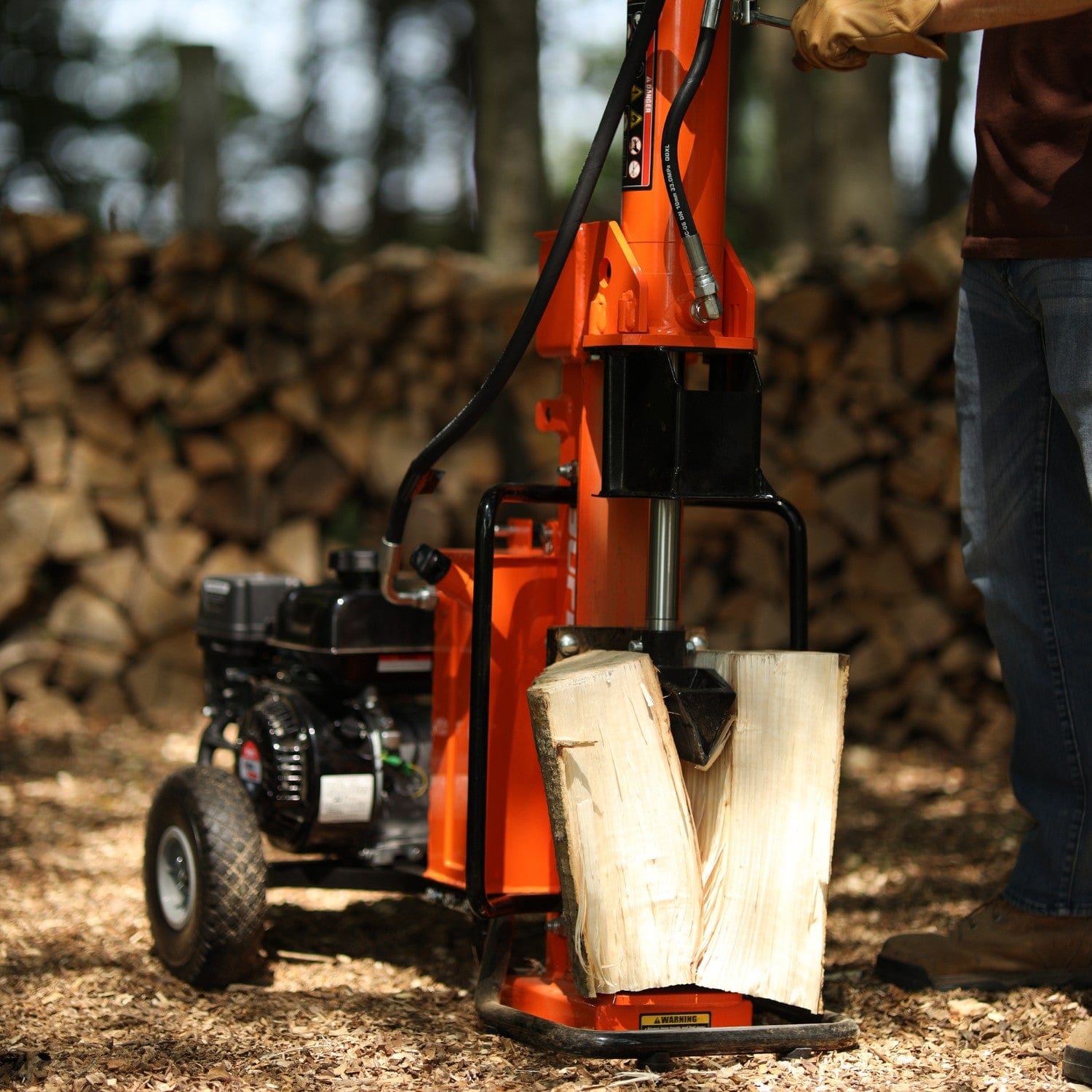
While an electric log splitter can be a great tool for smaller jobs, a powerful gas model is the undisputed champion for processing large volumes of hardwood in a cold climate. Gas engines deliver the consistent torque and tonnage needed to burst through frozen oak, maple, or ash without bogging down.
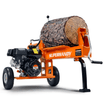
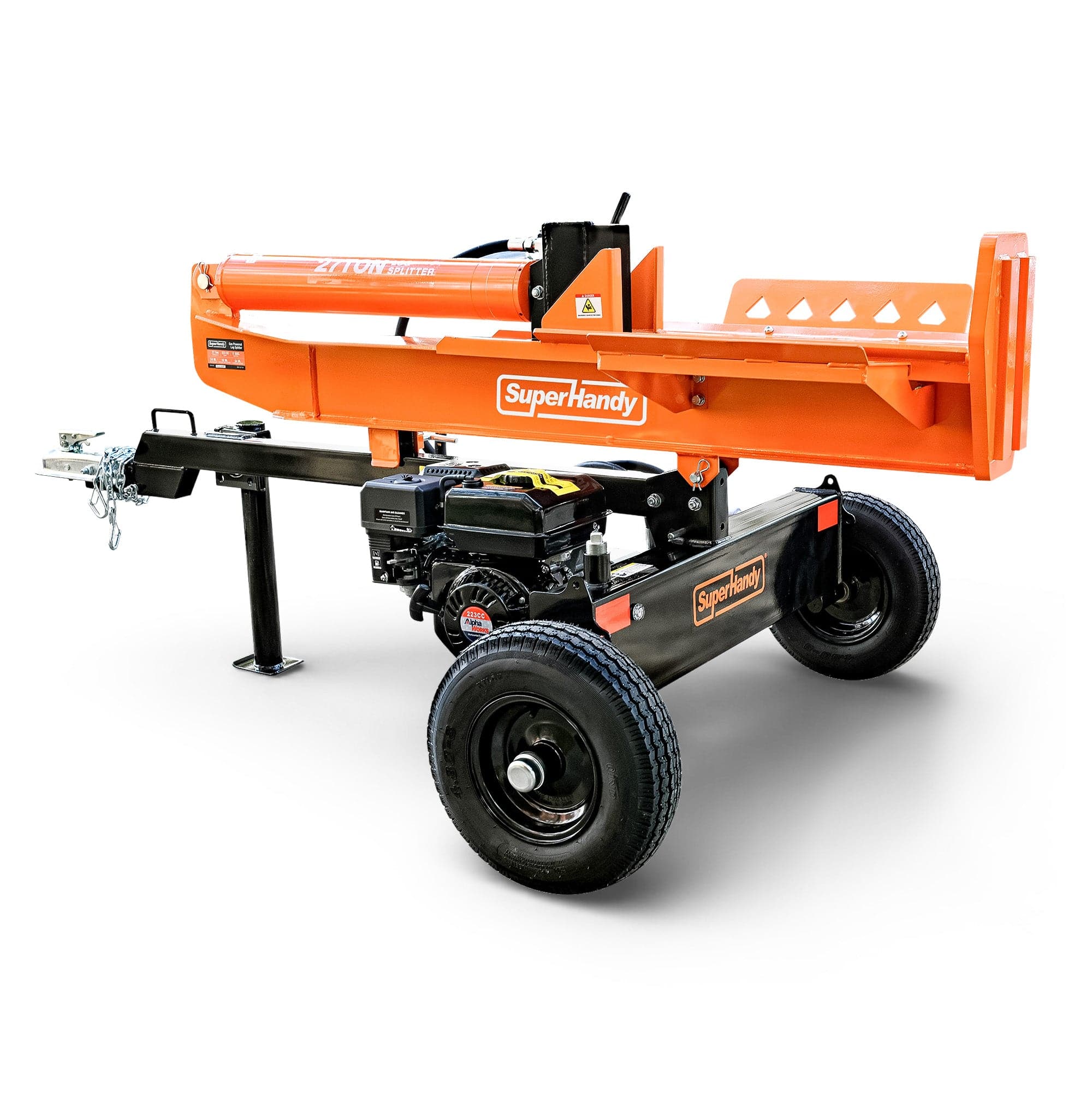
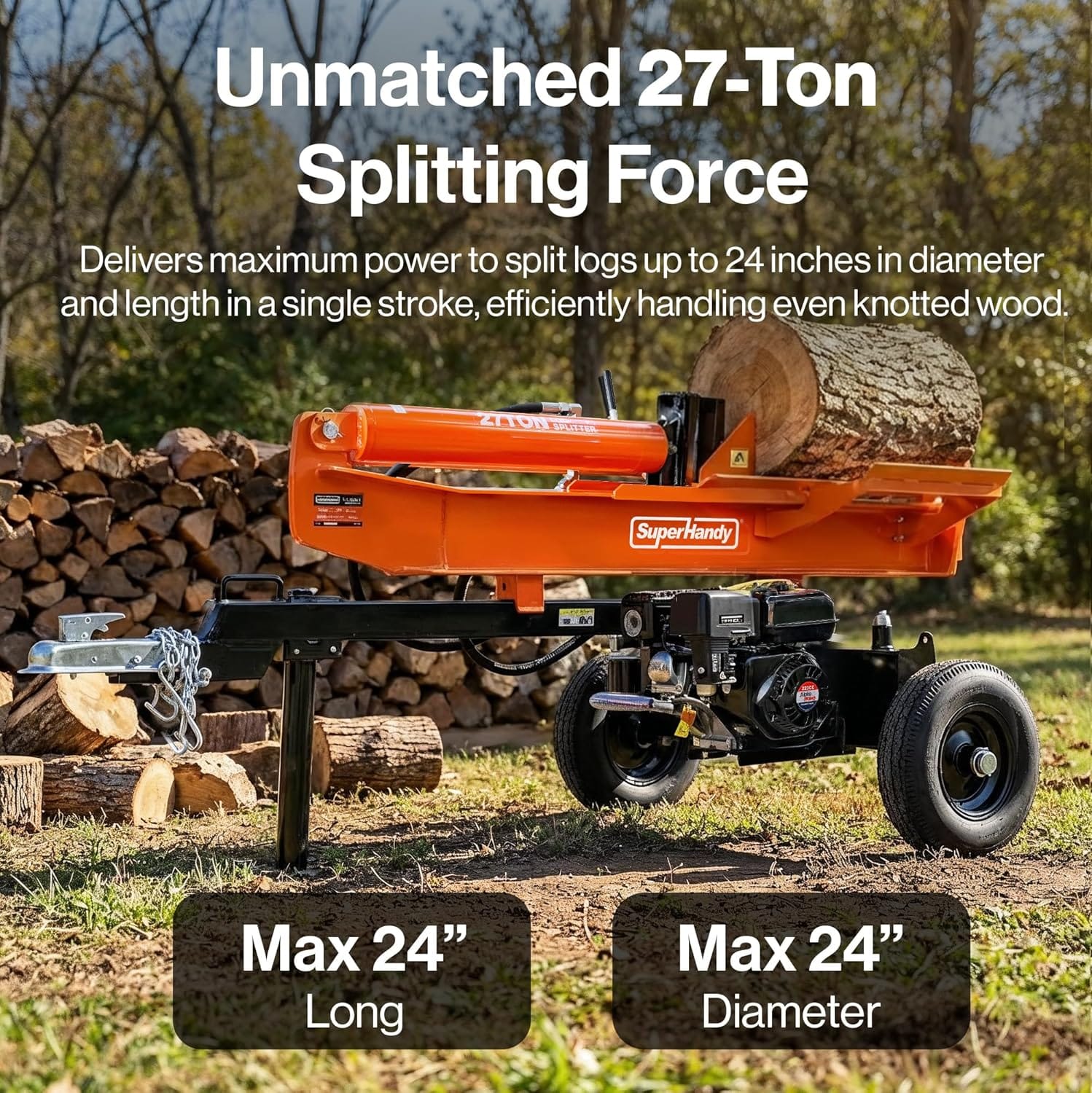
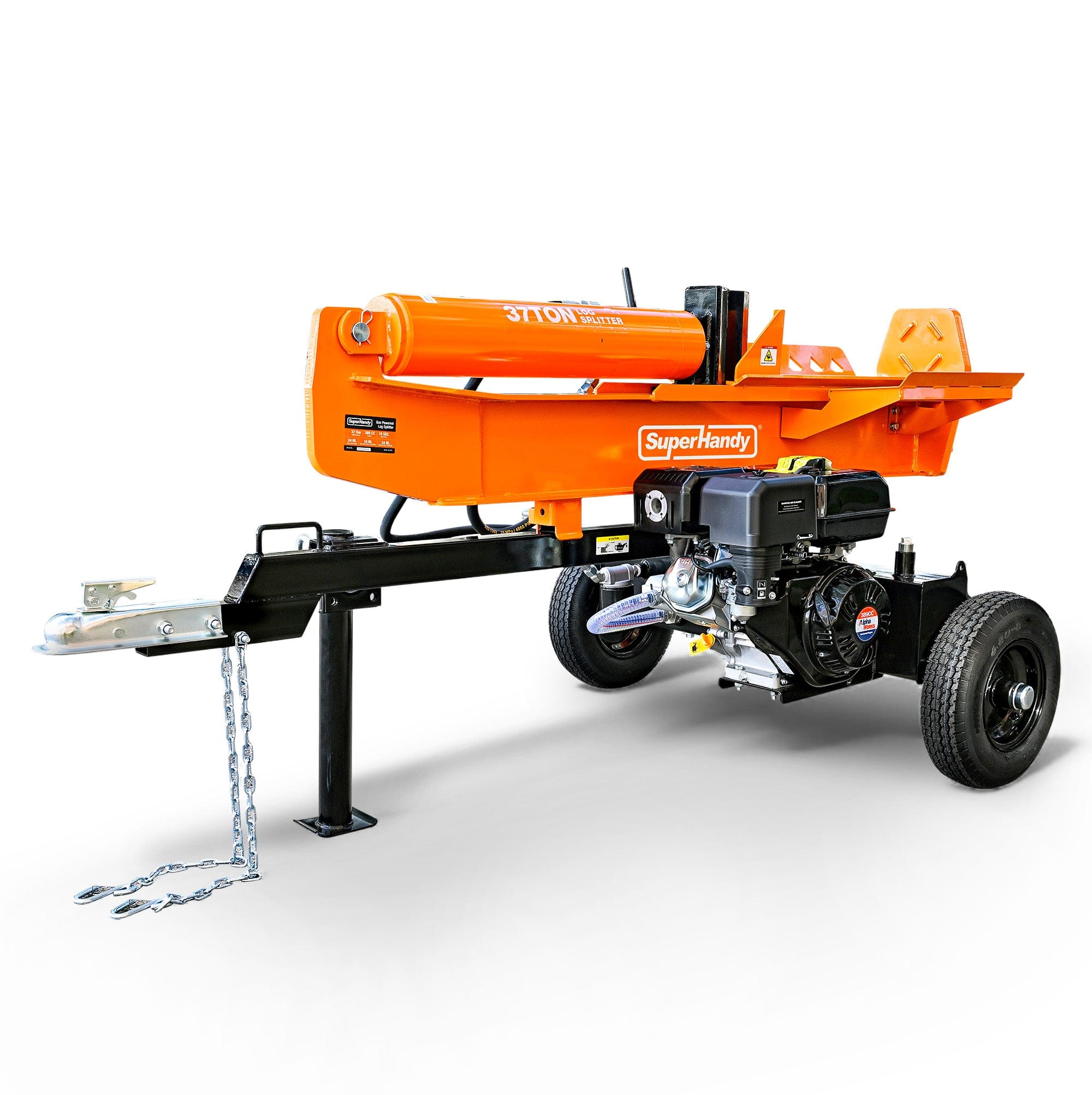
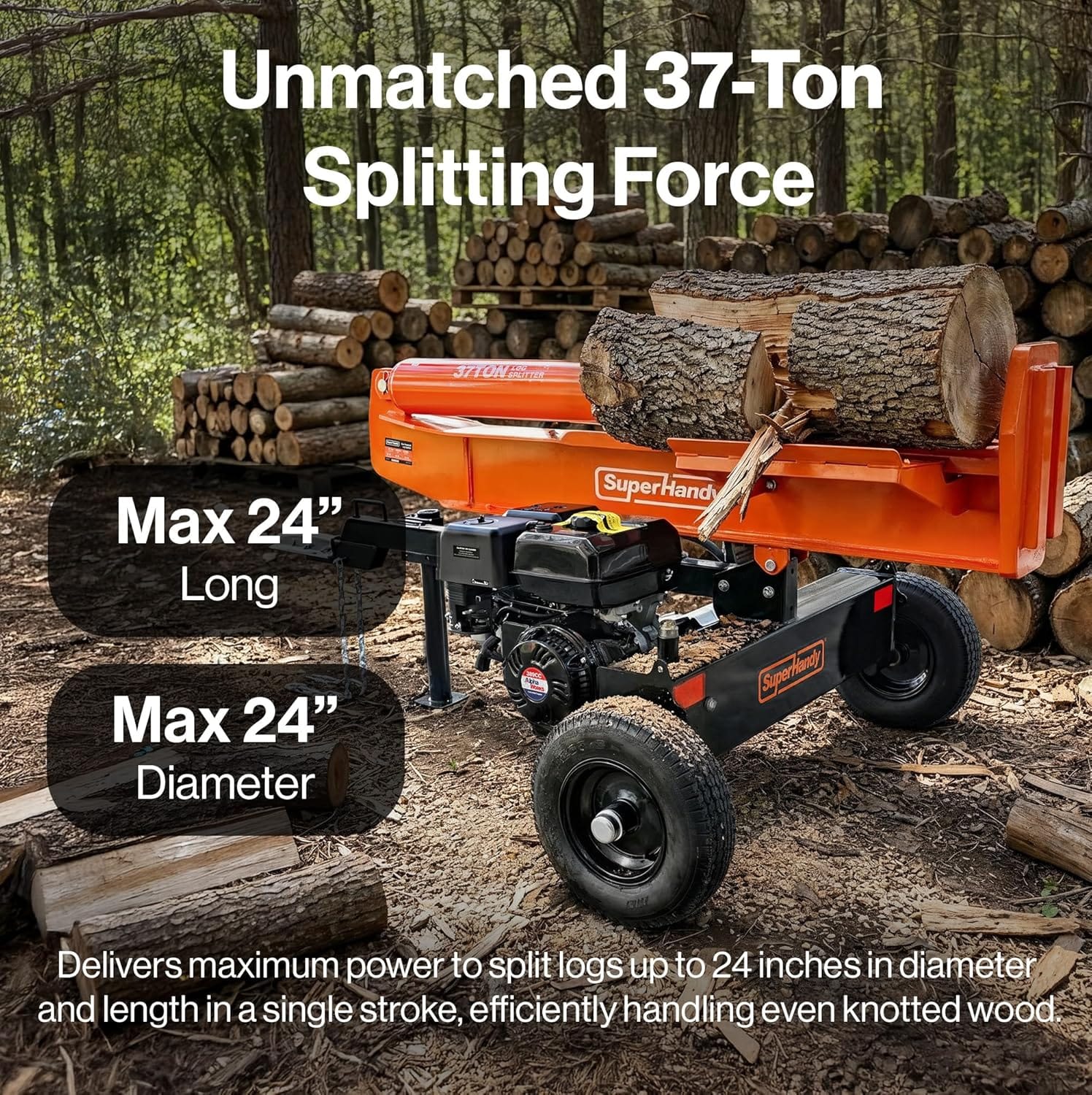
For serious winter firewood preparation, a machine like the SuperHandy 20 Ton Gas Log Splitter is an ideal choice. Its immense splitting force and reliable gas engine are engineered for high-volume, heavy-duty work. In contrast, a model like our 14 Ton Electric Log Splitter offers a quieter, emission-free alternative for smaller properties or less demanding wood types. For most cold-climate homeowners who heat with wood, the power and portability of a gas model provide the greatest value and efficiency. You can explore our full range of options on our Log Splitter collection page.
Setting Up and Operating Your Gas Log Splitter Safely
Proper setup and operation are key to getting the most out of your machine and staying safe. Follow these general steps every time you work:
- Find a Safe Workspace: Place your log splitter on a flat, level, and stable surface. Ensure the area is clear of clutter, ice, and trip hazards. Keep children and pets far away from the work zone.
- Pre-Operation Check: Before starting the engine, check the fuel, engine oil, and hydraulic fluid levels. Inspect the machine for any loose bolts or damaged hoses.
- Warm-Up: Start the engine and let it run for a few minutes, especially in cold weather. This allows the engine oil and hydraulic fluid to warm up and circulate properly, ensuring smooth operation.
- Split Safely: Place a log securely on the beam against the endplate. Engage the two-handed controls to advance the ram. Never attempt to split more than one log at a time or hold a log with your hand or foot during splitting.
- Shutdown and Storage: After you finish, turn off the engine and allow it to cool. Clean any wood debris from the machine and store it in a dry, covered location to protect it from the elements.
Maintaining Your Gas Log Splitter for Longevity
A powerful gas log splitter is a significant investment in your home's comfort and energy independence. To ensure it starts reliably and performs at its peak season after season, a consistent maintenance routine is non-negotiable. Proper care not only extends the life of your machine but also guarantees it’s ready to tackle a mountain of wood when the first frost hits. Neglecting maintenance can lead to poor performance, costly repairs, and frustrating downtime right when you need your firewood most.
Engine Care: The Foundation of Reliability
The gas engine is the heart of your splitter. Keep it healthy with these essential checks:
- Engine Oil: Regularly check the oil level and change it according to the manufacturer's schedule. For cold weather operation, consult your owner's manual about using a specific oil viscosity that allows for easier starts.
- Air Filter: A clogged air filter starves the engine of air, reducing power and increasing fuel consumption. Check it before each use and clean or replace it as needed.
- Spark Plug: A clean, properly gapped spark plug is essential for reliable ignition, especially in the cold. Check it periodically and replace it if it shows signs of wear or fouling.
- Fuel System: Stale fuel is a primary cause of starting problems. Always use fresh gasoline and add a quality fuel stabilizer, particularly if the splitter will sit unused for more than a few weeks.
Hydraulic System Health
The hydraulic system provides the immense force needed to split tough, frozen hardwood. Keep it in top condition:
- Monitor Hydraulic Fluid: Check the hydraulic fluid level before each major splitting session. Low fluid can cause the pump to overheat and fail. Cold temperatures can thicken the fluid, so always allow the machine a few minutes to warm up before placing it under a heavy load.
- Change the Hydraulic Filter: Just like your engine's oil filter, the hydraulic filter traps contaminants that can damage the pump and valve. Replace it as recommended by the manufacturer.
- Inspect Hoses and Fittings: Before operating, visually inspect all hydraulic hoses for cracks, abrasions, or leaks. Ensure all fittings are tight to prevent fluid loss and maintain maximum splitting pressure.
Mechanical Components and Storage
Beyond the engine and hydraulics, the physical structure of your Log Splitter requires attention. A sharp wedge is critical; a dull one crushes wood rather than splitting it, putting unnecessary strain on the entire system. A well-maintained wedge on a powerful unit like a 20 Ton Gas Log Splitter ensures it slices through logs efficiently. Keep the slide beam free of wood chips and debris to allow the ram to move smoothly.
When the season is over, proper storage is key. Clean the machine thoroughly, address any paint chips to prevent rust, and store it in a dry, covered location. While a Gas Log Splitter requires this diligence, it’s a fair trade-off for its unmatched power and mobility. For those with smaller-scale needs, a machine like a 14 Ton Electric Log Splitter offers simpler maintenance, as it forgoes the need for engine oil changes and fuel management.
Frequently Asked Questions about Gas Log Splitters for Cold Climates
Can I use a gas log splitter in freezing temperatures?
Yes, gas log splitters are designed to operate in a wide range of conditions, including cold weather. However, performance can be affected. The hydraulic fluid may become thicker, slightly slowing the cycle time until the machine warms up. The engine may also be harder to start. It's crucial to use the correct engine oil viscosity for winter operation and allow the machine a few minutes to warm up before placing it under a heavy load.
Is a gas log splitter better than an electric log splitter for cold weather?
For serious cold-climate firewood processing, a gas log splitter is typically the superior choice. Gas models offer significantly more splitting force, which is essential for tackling the dense, frozen hardwoods common in winter. For example, a powerful 20 Ton Gas Log Splitter can handle tough, stringy, or knotted wood that might stall a smaller electric unit. While an electric log splitter is great for smaller jobs and can be used indoors, a gas model’s power and portability (no need for an electrical outlet) make it ideal for large-scale splitting anywhere on your property.
What kind of maintenance is specific to winter use?
Winter maintenance focuses on fluids and storage. Ensure you are using an engine oil rated for colder temperatures (e.g., 5W-30) to aid in starting. Check your user manual for hydraulic fluid recommendations, as some are better suited for the cold than others. After use, clean off any snow, ice, or wood debris. If possible, store your log splitter in a shed or garage to protect it from the harshest elements, which will make startup much easier.
Maximizing Your Firewood Supply with Efficient Splitting
Having a powerful gas log splitter is the first step; using it efficiently is how you build a truly impressive woodpile for the winter. The key is to create a streamlined workflow that minimizes effort and maximizes output.
Start by organizing your workspace. Create a "three-station" system: a pile of unsplit rounds on one side of the machine, your operating station in the middle, and a designated area for split wood on the other side. This assembly-line approach prevents you from constantly moving around and handling the same piece of wood multiple times. Work with a partner if possible—one person can load rounds while the other operates the controls and clears the split pieces.

Split wood to a consistent, manageable size for your stove or fireplace. This not only makes it easier to stack and store neatly but also ensures more predictable and efficient burning. For the fastest seasoning, split your wood while it's still "green" (freshly cut). The smaller, split pieces have more surface area exposed to the air, allowing moisture to evaporate much more quickly than it would from a whole round.
By combining a powerful machine with a smart process, you can turn a mountain of logs into a perfectly seasoned firewood supply in record time. Investing in the right Log Splitter and using it efficiently ensures you'll always have a warm, comfortable home, no matter how low the temperature drops.
Related Products

Leave a comment
All comments are moderated before being published.
This site is protected by hCaptcha and the hCaptcha Privacy Policy and Terms of Service apply.