



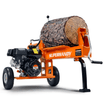











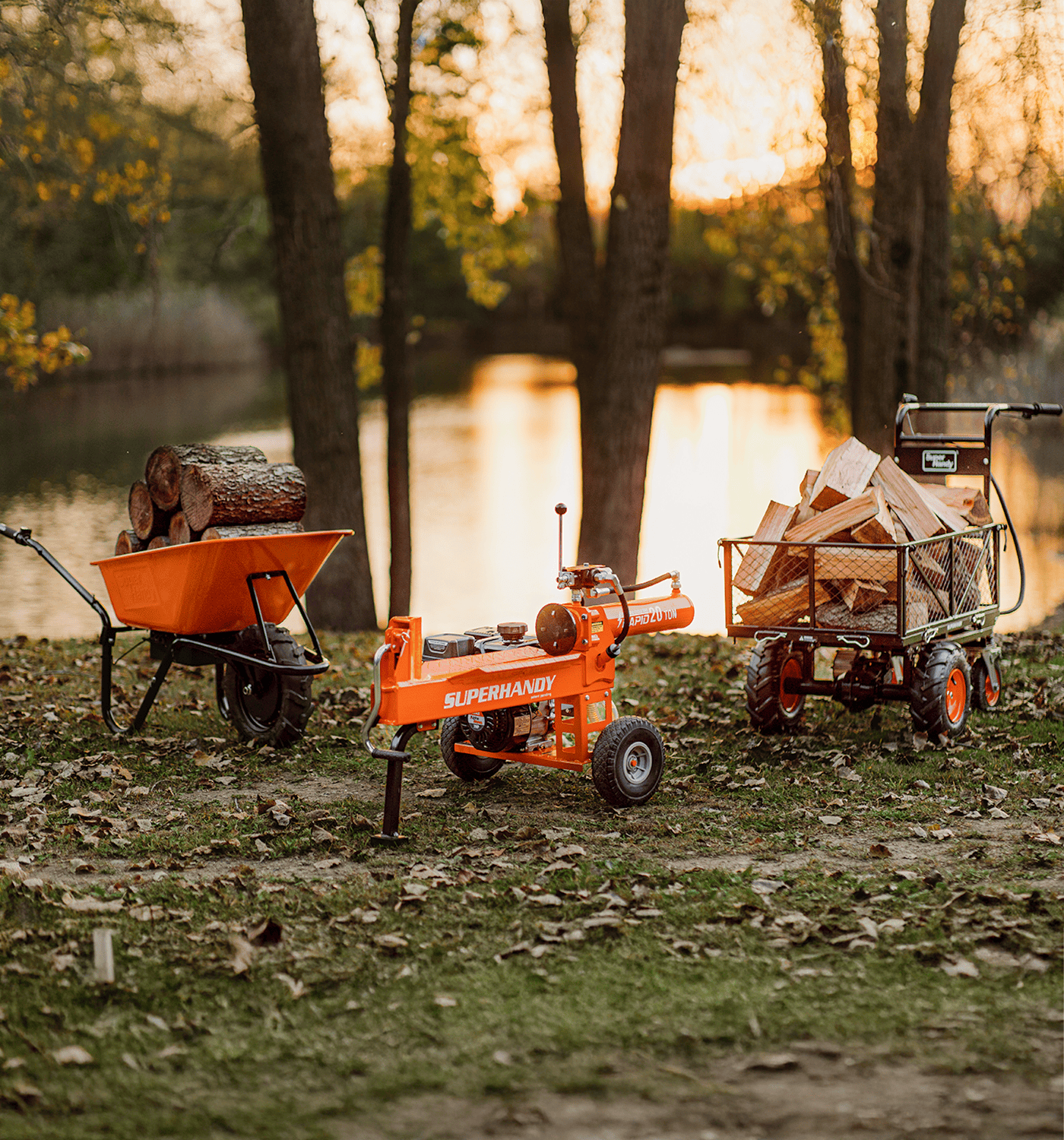
A powerful gas log splitter is a game-changer, transforming a mountain of uncut rounds into a perfectly stacked woodpile with incredible speed and efficiency. It saves your back, your time, and your energy. But like any piece of heavy machinery, unlocking its full potential—and ensuring your safety—requires more than just pulling the start cord. Many owners, both new and experienced, fall into common traps that reduce their machine's lifespan, compromise safety, and turn an efficient job into a frustrating ordeal.
Are you making these mistakes? This guide will walk you through the five most common errors log splitter owners make. By understanding and avoiding these pitfalls, you can protect your investment, maximize your productivity, and ensure every splitting session is a safe and successful one. Let's dive into the first two critical mistakes.
Mistake #1: Overlooking Crucial Pre-Operation Safety Checks
It's tempting to wheel your splitter out, fire it up, and get right to work. However, skipping a 60-second pre-operation inspection is one of the most dangerous and costly mistakes you can make. A gas log splitter combines a powerful engine with a high-pressure hydraulic system, and assuming everything is fine from the last use is a recipe for disaster.
Before every single session, perform a quick but thorough walk-around. This simple habit can prevent catastrophic failure and serious injury.
- Check Fluids: Verify the engine oil and hydraulic fluid levels are within the recommended range. Low levels can cause overheating and permanent damage to the engine or hydraulic pump.
- Inspect Hoses & Fittings: Look for any cracks, abrasions, or leaks in the hydraulic hoses. A pinhole leak in a high-pressure line can inject hydraulic fluid into your skin, causing a severe injury that requires immediate medical attention.
- Examine the Wedge & Beam: Ensure the splitting wedge is sharp, secure, and free of cracks. Check that the beam is clear of debris.
- Tires & Tow Hitch: If you have a towable model, check the tire pressure and ensure the tow coupler is properly secured before moving it.

Why Ignoring PPE & Machine Inspection Puts You at Risk
The forces at play in a log splitter are immense. A log can shift unexpectedly, or a piece of wood can shoot off the splitter at high velocity. That's why Personal Protective Equipment (PPE) isn't optional—it's essential. The consequences of ignoring safety checks and proper gear range from damaged equipment to life-altering injuries.
Always wear the following PPE:
- Safety Glasses or Goggles: Protect your eyes from flying wood chips, splinters, and debris. This is the most critical piece of safety gear.
- Durable, Non-Slip Gloves: Improve your grip on logs and protect your hands from splinters.
- Steel-Toed Boots: Protect your feet from falling logs or equipment.
- Hearing Protection: Gas engines are loud and can cause long-term hearing damage.
By creating a consistent routine of machine inspection and always wearing your PPE, you build a critical layer of safety that allows you to operate your splitter with confidence.
Mistake #2: Improper Log Placement & Splitting Techniques
You can have the most powerful machine on the market, like a beastly 37Ton log splitter, but if you don't position the log correctly, you're wasting its power and creating a dangerous situation. The hydraulic ram exerts incredible force in a straight line. If the log isn't properly braced, that force can cause the log to pop out of the machine sideways or vertically.
Follow these rules for perfect placement every time:
- Flat and Centered: The log must sit flat and stable against the footplate at the end of the beam.
- Split with the Grain: Always position the log to be split lengthwise, along the grain. Never attempt to split a log cross-grain.
- Square Ends: Both ends of the log should be cut as squarely as possible. An angled end can cause the log to be pushed out under pressure.
- One Log at a Time: Never try to save time by stacking multiple small logs or trying to split two at once. This is extremely unstable and dangerous.
If a log is knotty or has an uneven shape, take extra care to ensure it is as stable as possible before engaging the ram. Correct placement not only is safer but also results in cleaner, more efficient splits, allowing you to get through your woodpile faster.
How to Position Logs for Optimal Splitting Power & Prevent Jams
The difference between a clean, one-cycle split and a frustrating jam often comes down to one simple thing: log placement. Your log splitter is incredibly powerful, but it needs to apply that force correctly along the wood's grain. Think of it like tearing a piece of paper—it’s much easier to tear along its length than across its width.
Follow these fundamental rules for safe and efficient splitting:
- Place Logs Lengthwise: Always position the log on the beam so the wedge will strike it along the grain, from one cut end to the other.
- Ensure a Stable Base: The end of the log must sit flat and square against the footplate (the stationary plate at the end of the beam). A log placed at an angle can fly out under pressure, creating a serious safety hazard.
- Center the Log: Position the log in the center of the footplate to ensure even pressure distribution and prevent it from twisting during the split.
- Split One at a Time: Never attempt to split two logs at once. The unpredictable pressure can cause one or both to be ejected from the machine.
- Use Vertical Mode for Large Rounds: For heavy, unwieldy logs that are difficult to lift, use your splitter's vertical operation feature. This allows you to roll the log into place without straining your back.
[IMAGE PLACEHOLDER]
Mistake #3: Neglecting Regular Hydraulic Fluid & Engine Maintenance
A gas log splitter is a powerful combination of two systems: a hydraulic press and a gasoline engine. Ignoring either one is a recipe for disaster. Many owners focus on the engine—keeping it gassed up and occasionally checking the oil—but completely forget about the hydraulic system that does the actual work.
The hydraulic fluid is the lifeblood of your splitter. It does more than just transfer force from the pump to the ram; it also lubricates moving parts and dissipates heat. When this fluid becomes old, contaminated with water and debris, or runs low, it loses its effectiveness. This leads to overheating, blown seals, sluggish performance, and ultimately, catastrophic failure of the pump or cylinder—a repair that can cost a significant fraction of the machine’s original price.
Mistake #4: Using the Wrong Log Splitter for Your Wood Type & Volume
Not all firewood is created equal, and neither are log splitters. One of the most common mistakes is buying a splitter without enough power for the job. The "tonnage" rating of a log splitter refers to the amount of splitting force it can generate. Using a machine that is underpowered for your specific needs will lead to constant stalling, incomplete splits, and unnecessary strain on the engine and hydraulic system.
Here’s a quick guide to matching tonnage to your wood:
- Softwoods & Small Hardwoods: For splitting smaller rounds (under 12 inches) of softer woods like pine, fir, or poplar, a 20Ton log splitter or a versatile 25Ton log splitter provides ample power for typical homeowner tasks.
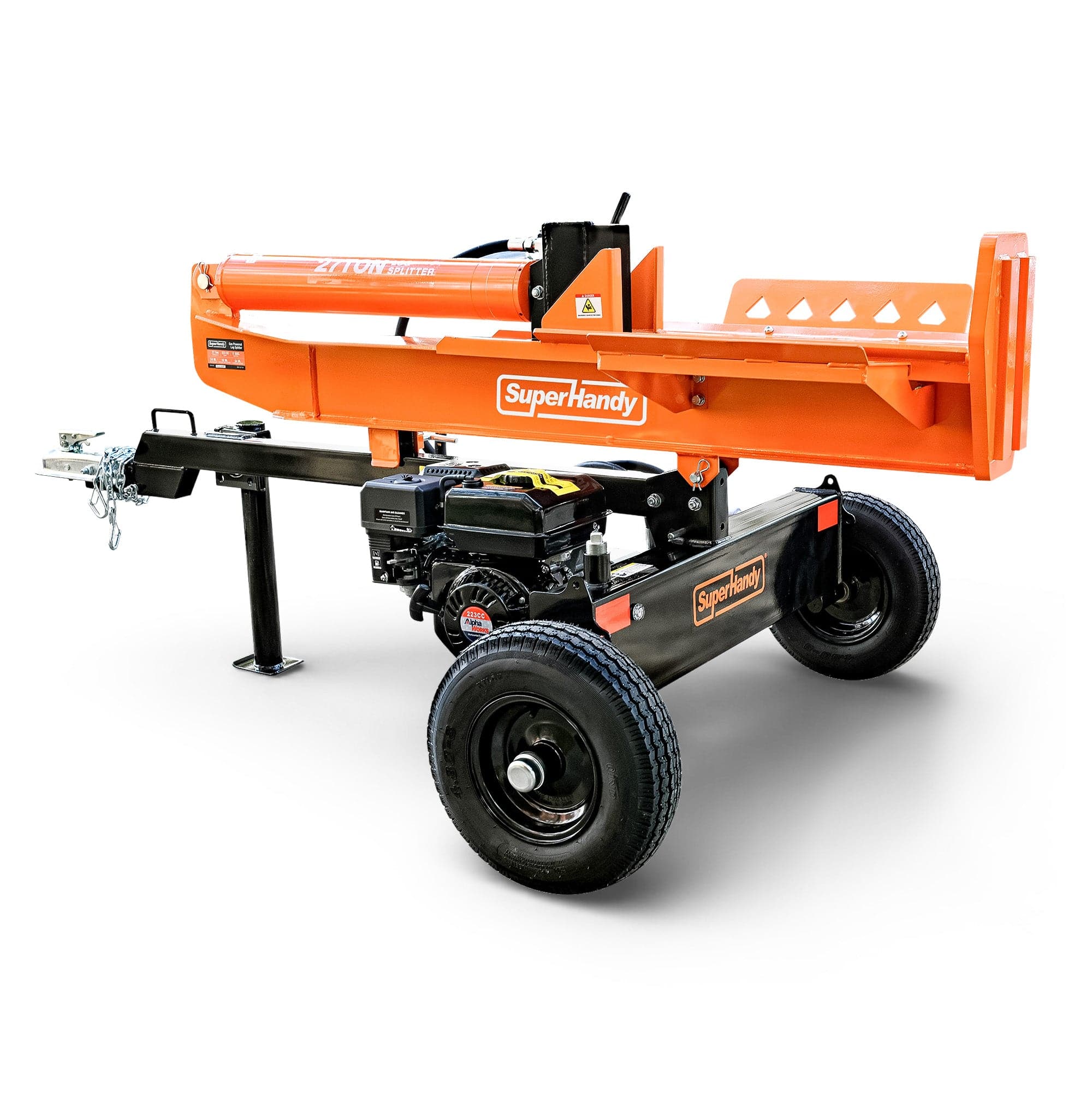
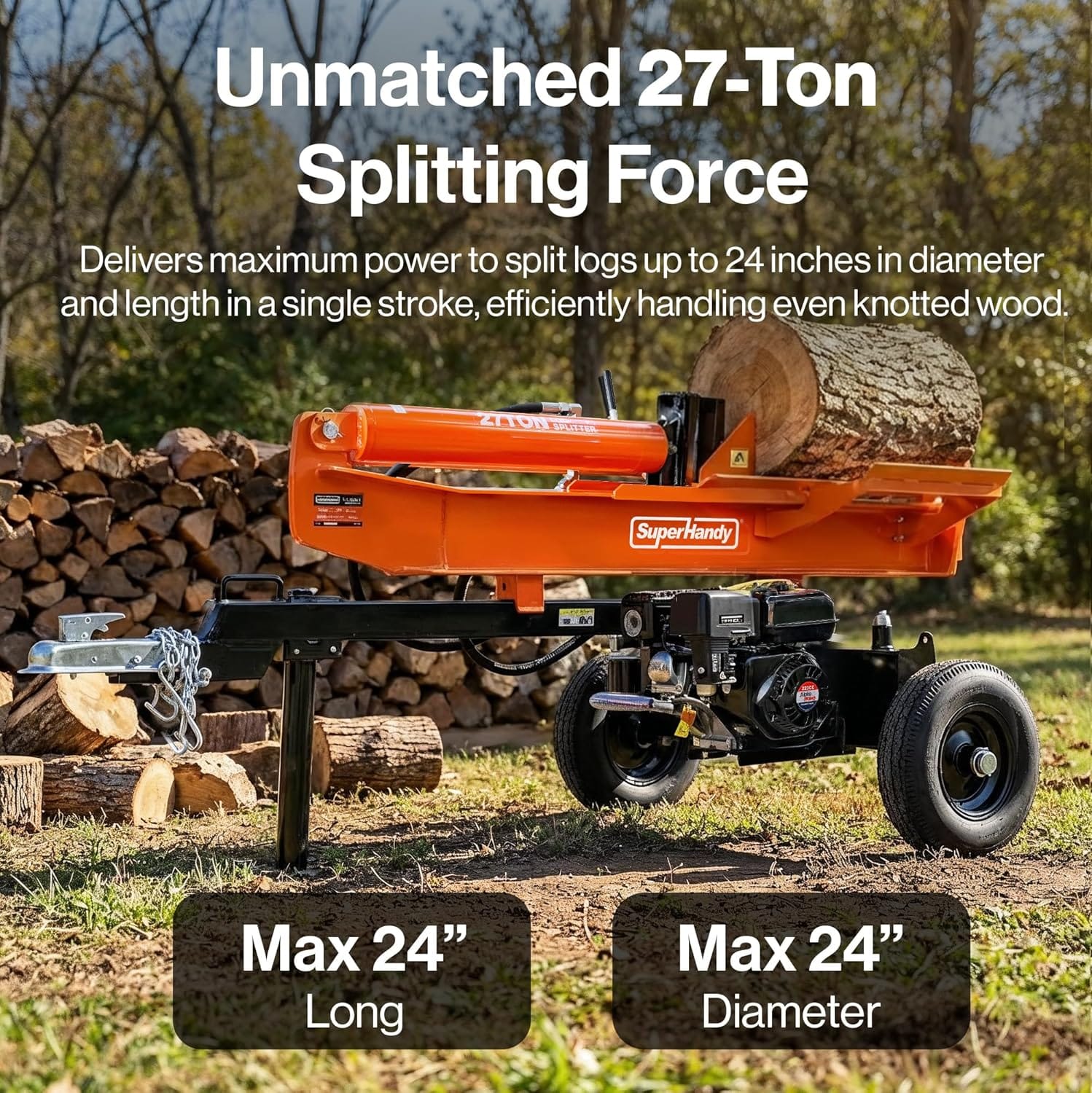
- Large, Seasoned Hardwoods: If you’re frequently tackling larger rounds of dense, seasoned hardwoods like oak, maple, or ash, you need more force. A robust 27Ton log splitter has the muscle to make quick work of tougher jobs.
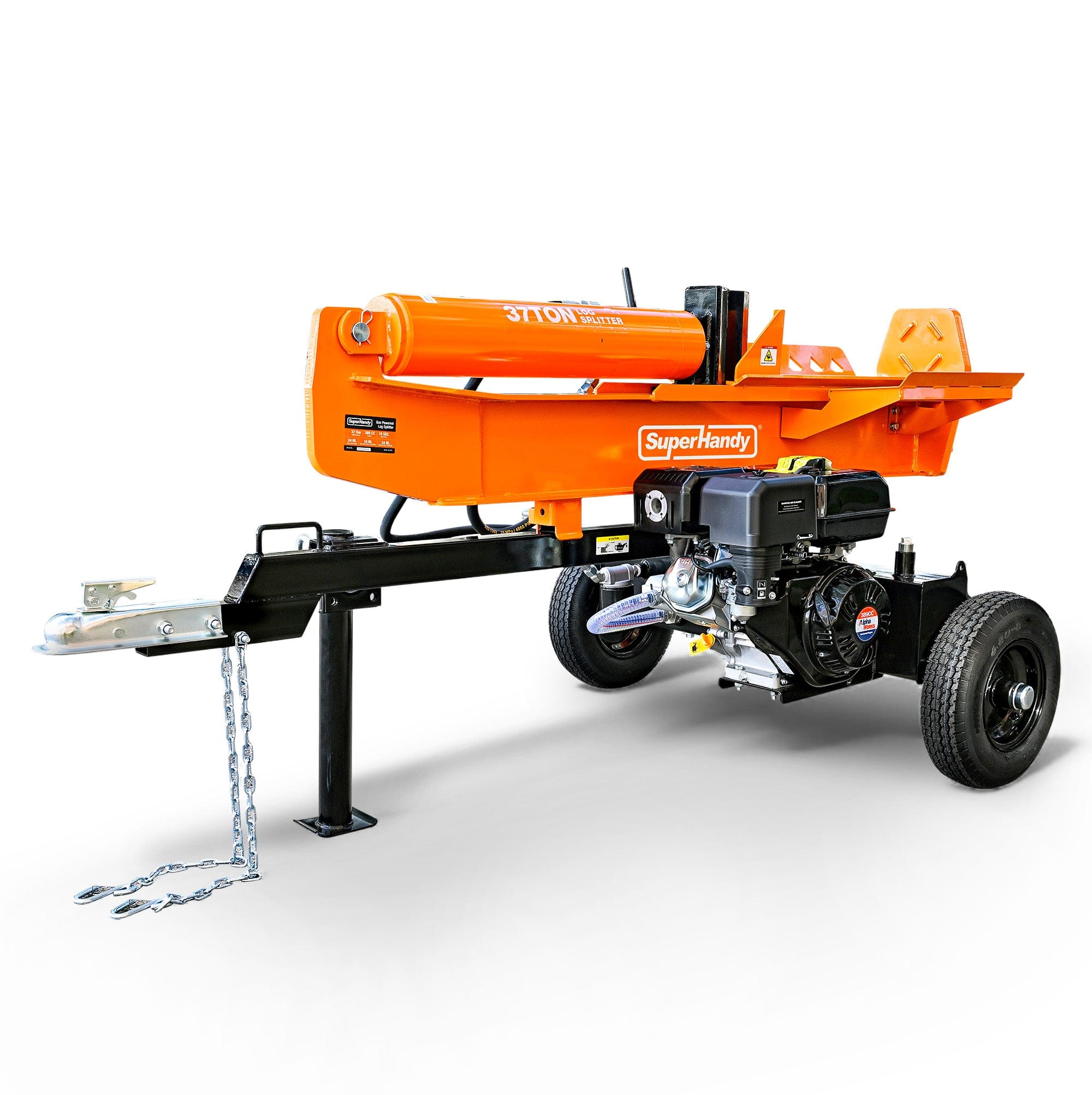
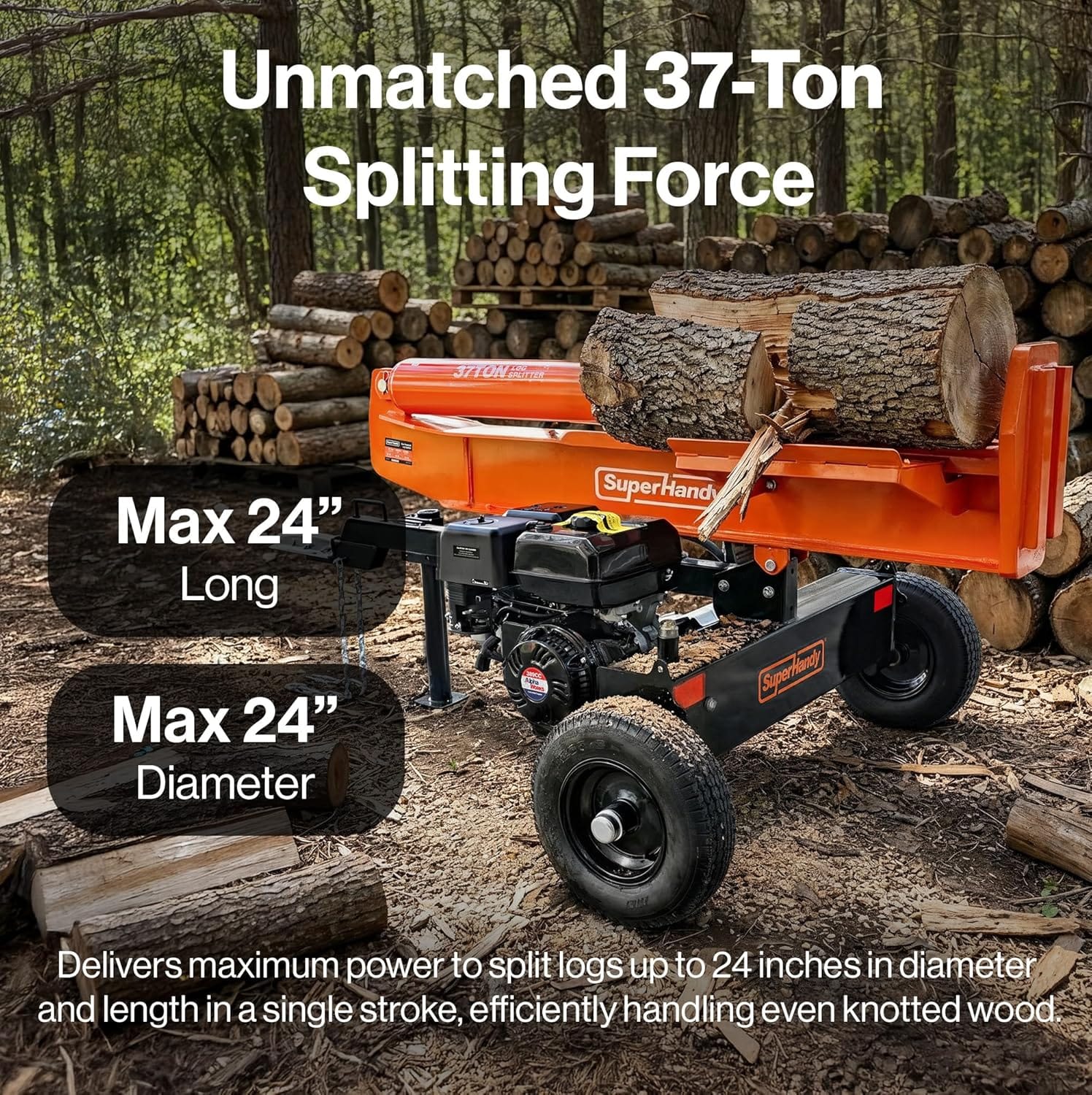
- Green, Knotty, or Stringy Wood: For the most demanding tasks—splitting large-diameter, freshly cut (green) hardwood or dealing with notoriously difficult wood like elm, hickory, or sweetgum—maximum power is essential. Investing in a heavy-duty 37Ton log splitter ensures you’ll never be underpowered, saving you time and preventing wear on your machine.
Matching Your Splitter's Tonnage to Your Specific Splitting Needs
Using a gas log splitter that’s underpowered for your needs isn’t just inefficient—it can damage the machine’s hydraulic system. Conversely, buying more tonnage than you need is an unnecessary expense. Tonnage refers to the amount of force the splitter can exert. Matching it to your typical workload is key.
Here’s a general guide to help you choose the right power level:
- For softwoods (pine, cedar) and smaller seasoned hardwoods up to 12 inches in diameter: A splitter in the 20-ton range is often sufficient. The SuperHandy 20Ton log splitter is a great entry point for typical homeowner use, providing ample power without breaking the budget.
- For medium-to-large seasoned hardwoods (oak, maple) up to 24 inches in diameter: This is where you need more muscle. A 25Ton log splitter or the slightly more powerful 27Ton log splitter can handle tougher jobs and larger volumes with ease.
- For large, green, or knotty hardwoods: If you’re regularly splitting difficult, unseasoned wood, you need maximum force. A heavy-duty 37Ton log splitter will power through the most challenging logs without straining the machine.
Mistake #5: Improper Storage Leading to Premature Wear and Tear
Once the splitting season is over, it’s tempting to simply wheel your log splitter into a corner of the yard and forget about it until next year. This is a critical mistake. Leaving your investment exposed to rain, snow, and fluctuating temperatures is a recipe for rust, faded paint, cracked hoses, and engine problems. Water can contaminate the hydraulic fluid and fuel, leading to costly repairs and a machine that won’t start when you need it most.
Best Practices for Protecting Your Log Splitter During Off-Season
Proper storage is a simple form of preventative maintenance. Following these steps will ensure your gas log splitter is ready to work as hard as you are next season.
- Clean It Thoroughly: Remove all wood debris, dirt, and oil residue from the beam, wedge, and engine. A clean machine makes it easier to spot potential issues like leaks.
- Stabilize the Fuel: Gasoline can degrade in as little as 30 days, leaving behind gummy deposits that clog the carburetor. Either add a quality fuel stabilizer to the tank and run the engine for a few minutes to circulate it, or run the engine until the tank is completely empty.
- Perform End-of-Season Maintenance: Change the engine oil and check the hydraulic fluid level. This is the perfect time to top off fluids or replace them according to your owner's manual.
- Lubricate and Protect: Apply a light coat of grease to the splitting wedge and any other unpainted metal surfaces to prevent rust.
-
Cover and Store: The ideal storage location is a dry, protected space like a garage, shed, or barn. If you must store it outdoors, use a heavy-duty, waterproof log splitter cover to shield it from the elements.

Frequently Asked Questions About Log Splitter Ownership
What's the Ideal Hydraulic Fluid for My Log Splitter?
Always consult your owner's manual first, as the manufacturer’s recommendation is the definitive answer. However, most consumer-grade log splitters use a standard anti-wear (AW) hydraulic oil, such as AW32 or AW46. The number indicates the fluid's viscosity. AW32 is thinner and works well in colder climates, while AW46 is slightly thicker and is often recommended for warmer operating temperatures. Using the wrong type of fluid can cause the hydraulic system to perform poorly or overheat.
How Often Should I Sharpen My Log Splitter Wedge?
There isn't a fixed schedule for sharpening the wedge; it depends entirely on usage. Instead of following a calendar, pay attention to the machine's performance. If you notice the splitter is "smashing" or tearing logs apart rather than making clean splits, or if it leaves stringy wood fibers behind, it's time for a sharpening. A dull wedge puts unnecessary strain on the hydraulic system. You can easily sharpen it with a hand file or a low-speed angle grinder, being careful to maintain the original angle of the wedge.
What's the Ideal Hydraulic Fluid for My Log Splitter?
The single most reliable source for this answer is your owner's manual. Manufacturers specify the exact type and viscosity of hydraulic fluid that works best with their pump, seals, and operating pressures. Deviating from this can lead to poor performance and even damage your machine.
That said, most modern gas log splitters use a standard anti-wear (AW) hydraulic oil. The most common grades are AW32 and AW46. The number indicates the fluid's viscosity (its thickness or resistance to flow). Here’s a simple breakdown:
- AW32: This is a lighter-weight oil, ideal for operating your log splitter in colder temperatures. It flows more easily when cold, ensuring smoother startup and operation.
- AW46: This is a slightly heavier oil, better suited for warmer climates. It maintains its viscosity better under high heat, providing consistent lubrication and preventing premature wear.
Some manuals may also approve the use of Automatic Transmission Fluid (ATF), but never use it unless explicitly recommended by the manufacturer.
Regardless of the type, always check your hydraulic fluid level before each use. If the fluid appears milky or foamy, it's a sign that water has contaminated the system. You must drain and replace the fluid immediately to prevent rust and severe damage to the hydraulic pump.
How Often Should I Sharpen My Log Splitter Wedge?
There isn’t a rigid timetable for sharpening your log splitter's wedge; its frequency depends entirely on usage and the type of wood you're splitting. Instead of marking your calendar, learn to recognize the signs of a dull wedge:
- Increased Splitting Time: If logs that used to split easily now require more time or multiple cycles, the wedge is likely dull.
- Crushing, Not Splitting: A sharp wedge slices cleanly into the wood fibers. A dull one will crush and tear them, creating a messy split and leaving more splinters.
- Engine Strain: You might notice the engine on your gas log splitter laboring more than usual to push the ram through a log.
- Visible Damage: Perform a quick visual and tactile inspection. If you can see or feel nicks, dings, or a rounded-over edge, it's time for a touch-up.
For a typical homeowner splitting a few cords a season, a good sharpening at the beginning of the season is often sufficient. If you’re a heavy user or frequently split dense, knotty hardwoods like oak or hickory, you may need to sharpen it several times a season. A few minutes with a flat-file or an angle grinder can restore the edge, dramatically improving your splitter's efficiency and reducing strain on its engine and hydraulic system.
Mastering Your Log Splitter: Safe, Efficient, and Long-Lasting Operation
Avoiding the common mistakes of overlooking safety, using improper techniques, and neglecting maintenance is the key to mastering your log splitter. It transforms a powerful tool from a potential hazard into a productive asset that can serve you reliably for years, saving you countless hours of back-breaking labor.
A well-maintained machine is a safe and efficient machine. By integrating pre-operation checks, proper log placement, and a consistent maintenance schedule into your routine, you ensure every component—from the engine to the hydraulic pump—works in harmony.
Ultimately, peak performance also comes from matching the right machine to your workload. You wouldn't use a hatchet to fell a giant redwood, and the same principle applies here. Having the correct tonnage ensures you can tackle your woodpile without over-stressing your equipment. Whether your needs call for the immense power of a 37Ton log splitter for the toughest hardwoods, the balanced capability of a 27Ton log splitter, or a versatile model like a 25Ton log splitter or 20Ton log splitter for general use, the right choice makes all the difference.
By investing a little time in knowledge and care, you protect your investment, your safety, and your time—turning every pile of unsplit rounds into a perfectly stacked cord of firewood with confidence and ease.
Related Products


Leave a comment
All comments are moderated before being published.
This site is protected by hCaptcha and the hCaptcha Privacy Policy and Terms of Service apply.