











Why Gardeners Must Rethink Fallen Leaves: Beyond Disposal into the Future of Soil Health
For generations, the arrival of autumn has signaled a familiar ritual for homeowners and gardeners: the rake, the blower, and the endless parade of yard waste bags lining the curb. We’ve been conditioned to see fallen leaves as a nuisance—a messy blanket that smothers our lawns and clogs our gutters. This annual cleanup is viewed as a necessary, if tedious, chore. But what if this entire perspective is wrong? What if we are meticulously collecting and discarding one of the most valuable, free resources nature provides for our gardens?
It's time to shift our mindset from disposal to deployment. Treating leaves as trash is a missed opportunity of immense proportions. By bagging them up, we are not just creating more landfill waste; we are actively robbing our own soil of the essential nutrients it needs to thrive. This cycle of removal and replacement—discarding leaves only to buy bags of commercial fertilizer and mulch—is inefficient, expensive, and unsustainable. The future of a truly healthy garden lies in understanding how to close this loop, transforming autumn’s bounty from a problem into a powerful solution for soil vitality.
The Hidden Value in Fallen Leaves: Understanding Their Essential Role in Ecosystems
A single fallen leaf is a perfectly packaged parcel of organic matter and stored nutrients. Throughout the growing season, trees draw minerals like calcium, magnesium, potassium, and phosphorus from deep within the soil. These vital nutrients are stored in their leaves. When autumn arrives, the tree sheds these leaves, returning that concentrated wealth back to the earth.
This isn't just about fertilizer. Fallen leaves create a natural blanket over the soil, known as leaf litter. This layer insulates plant roots from extreme temperature swings, helps retain crucial moisture by reducing evaporation, and provides essential winter shelter for beneficial insects, pollinators, and other wildlife. From ladybugs to earthworms, countless creatures rely on this protective layer to survive the cold. By removing leaves, we disrupt this delicate ecosystem and remove the very foundation of natural soil regeneration.

Understanding the Soil Food Web: How Leaves Fuel Nature's Nutrient Cycle
Beneath the surface of your garden lies a bustling, microscopic world known as the soil food web. This complex network of bacteria, fungi, protozoa, nematodes, and earthworms is the engine that drives soil fertility. And its primary fuel source? Decomposing organic matter, especially fallen leaves.
When leaves break down, they release carbon, which provides energy for these microorganisms. In turn, these tiny powerhouses consume, digest, and excrete, converting the complex organic compounds in the leaves into simple, bioavailable nutrients that plant roots can easily absorb. Earthworms tunnel through the soil, pulling leaf fragments down with them, aerating the ground and enriching it with their castings. This natural, self-sustaining cycle is what creates the dark, crumbly, nutrient-rich topsoil that every gardener dreams of. Without a steady supply of organic material like leaves, this web begins to starve, and the soil becomes compacted, lifeless, and dependent on external inputs.
How a Leaf Mulcher Transforms Garden Chore into Garden Gold: Efficiency and Enrichment
Understanding the value of leaves is one thing; effectively incorporating them into your garden is another. A thick, wet mat of whole leaves can indeed smother a lawn and takes a very long time to decompose. This is where a leaf mulcher becomes an indispensable tool, acting as the critical bridge between raw resource and usable amendment.
A leaf mulcher takes bulky piles of leaves and, in minutes, shreds them into a fine, uniform material. This simple act of shredding accomplishes two transformative things:
- Massive Volume Reduction: It condenses massive piles of leaves by a ratio of up to 16:1, making them far easier to handle, transport, and store.
- Accelerated Decomposition: It dramatically increases the surface area of the leaf fragments, giving microorganisms countless more points of entry to begin the decomposition process.
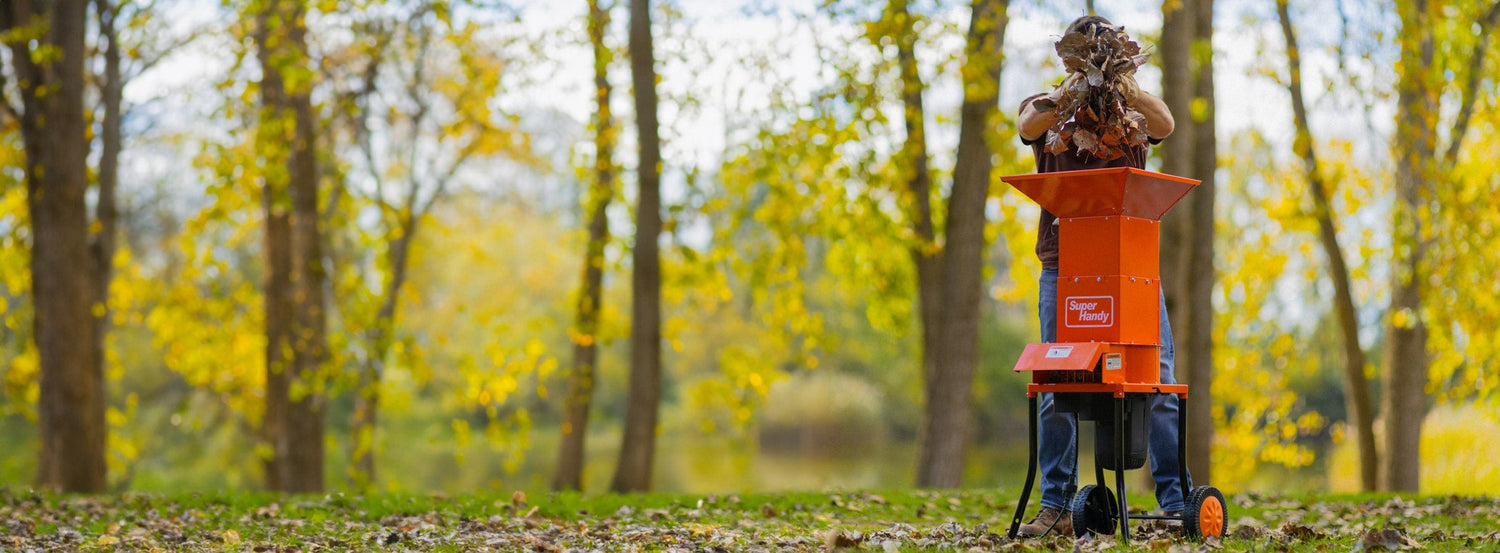
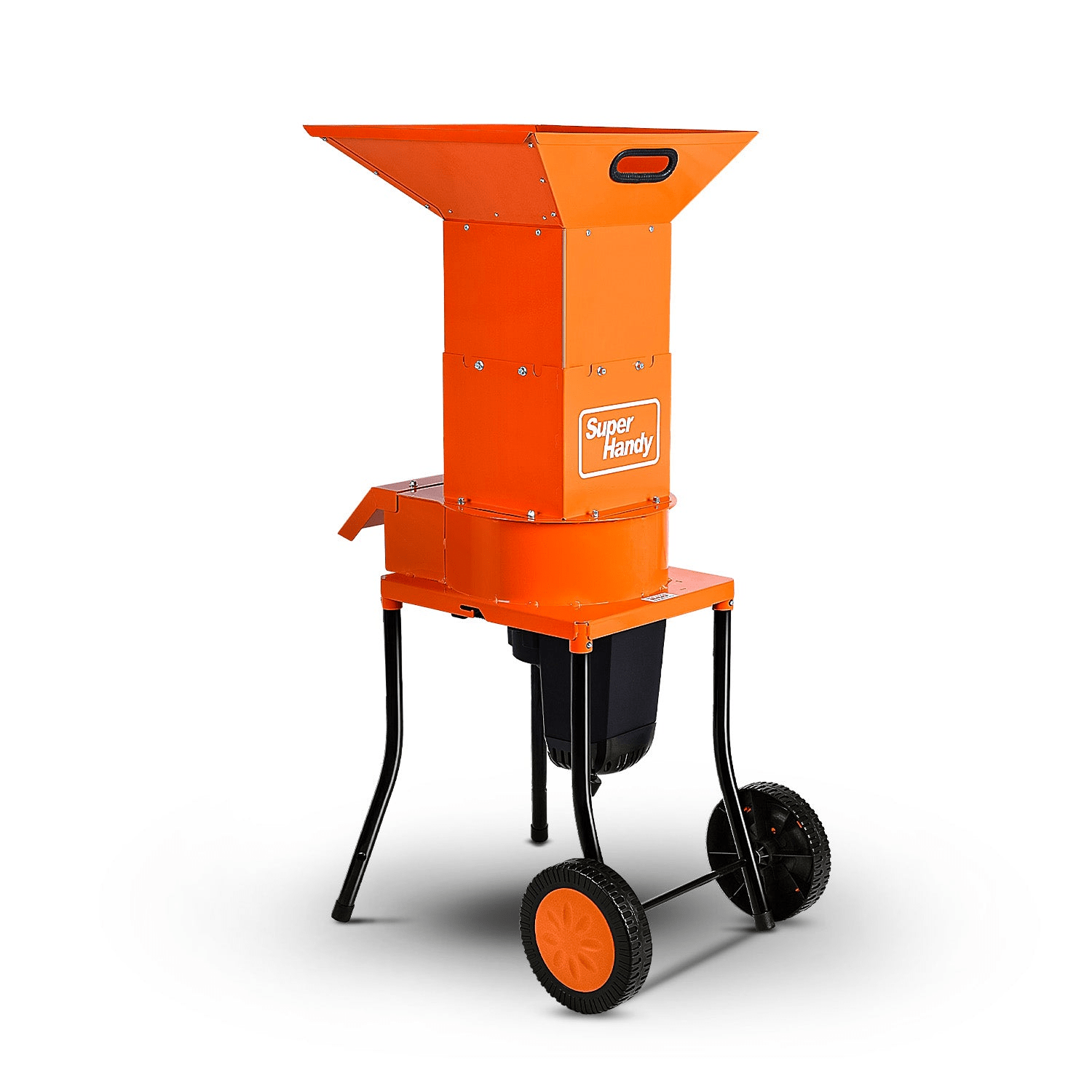
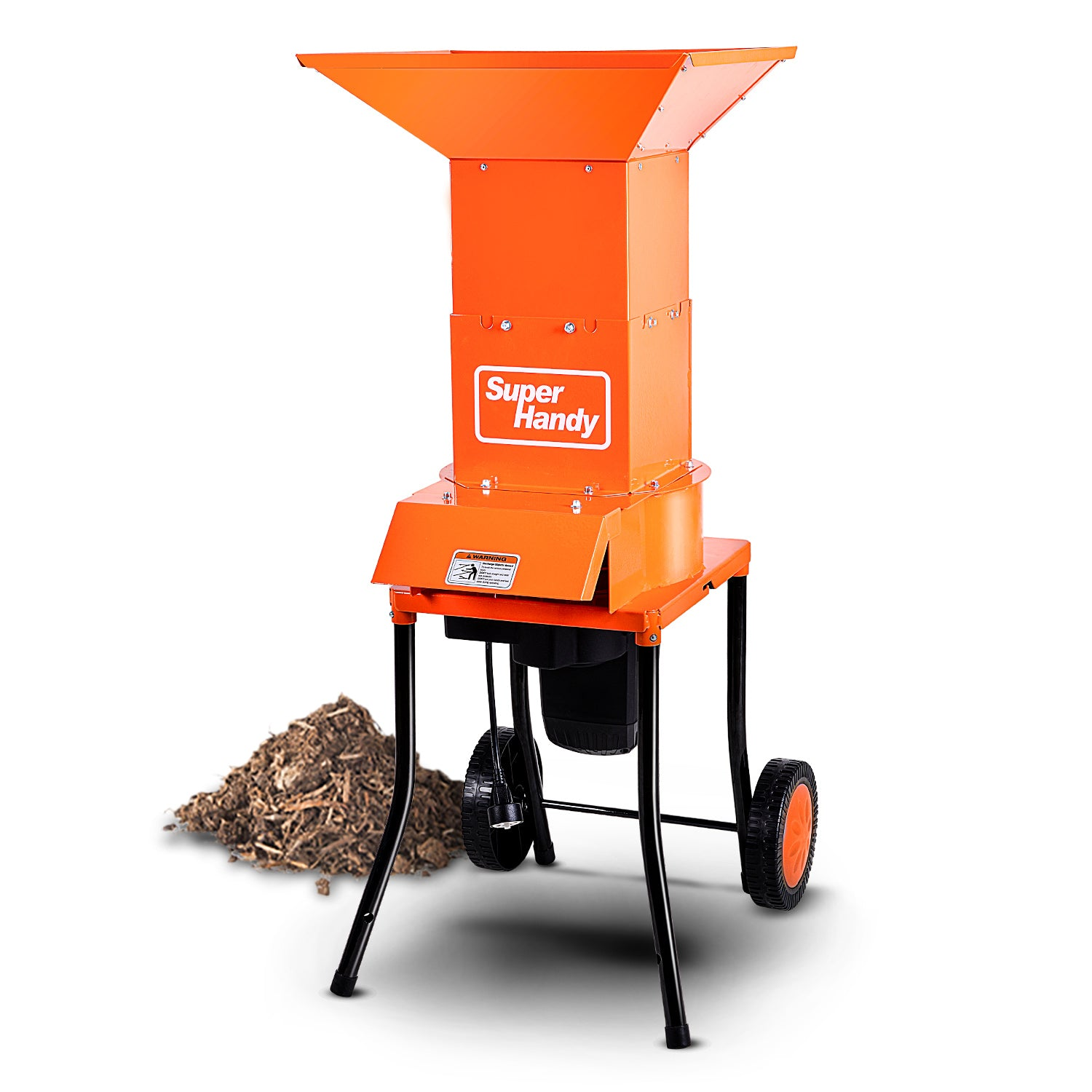
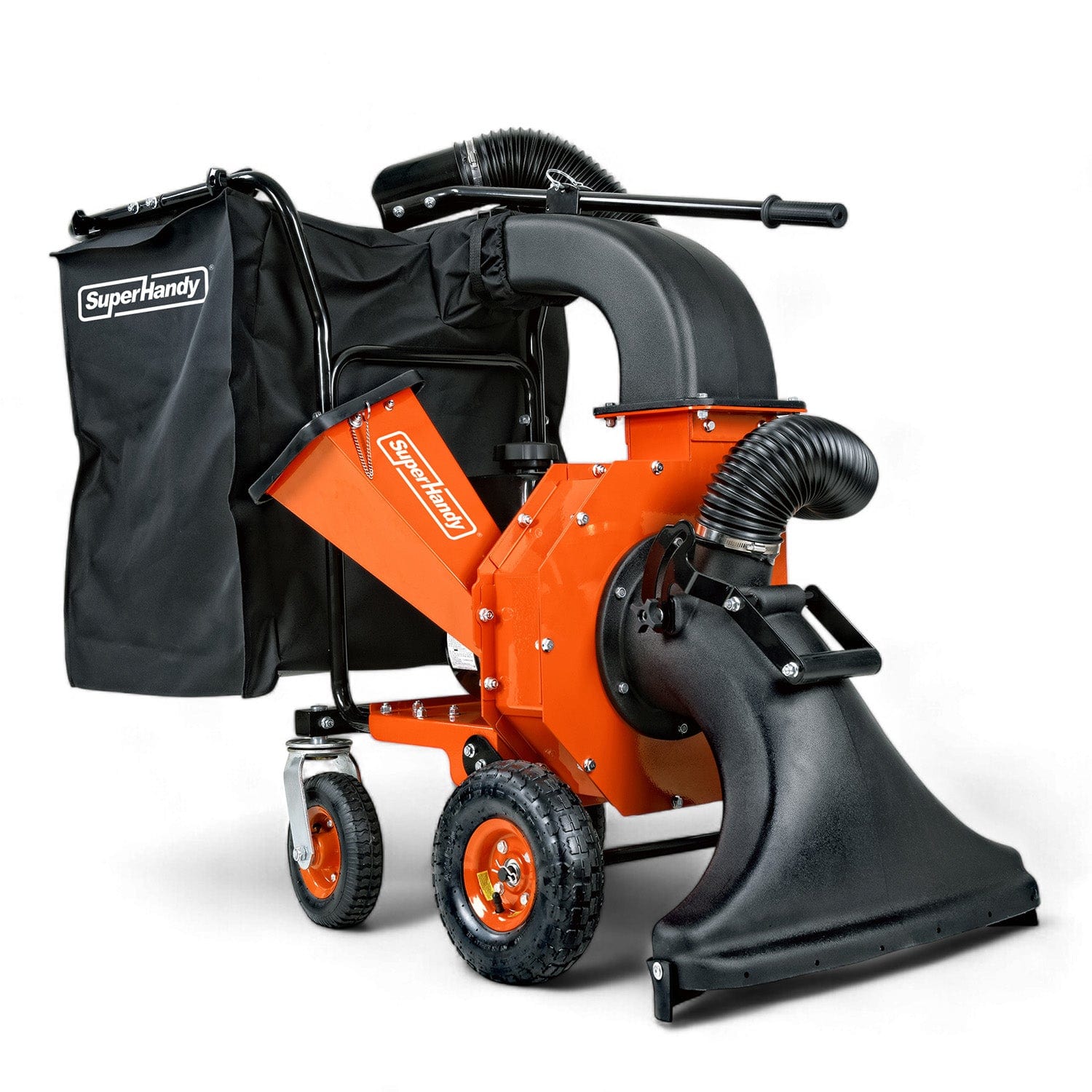
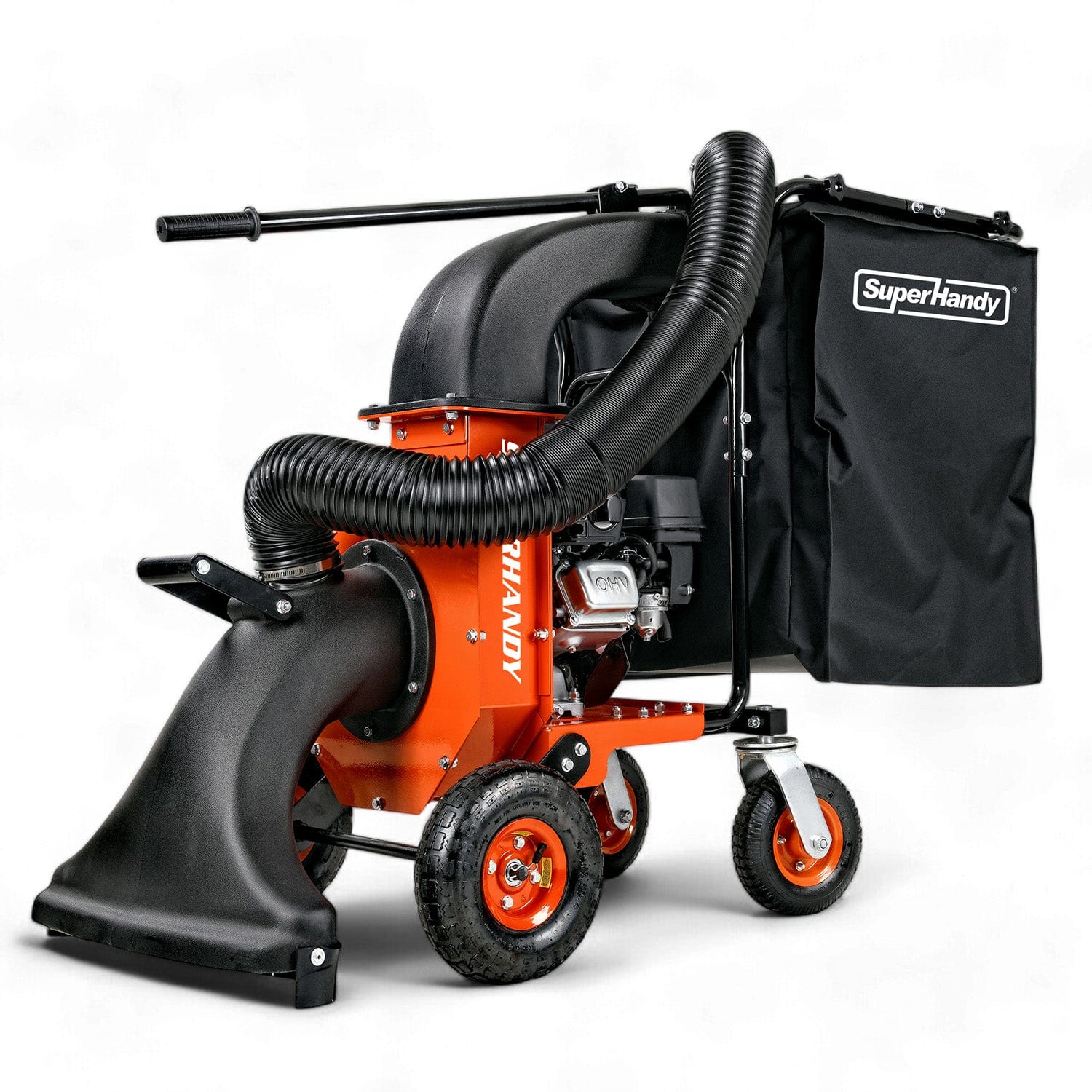
Instead of waiting a year or more for a pile of whole leaves to break down, mulched leaves can become nutrient-rich compost or top-dressing in just a few months. This process turns a back-breaking chore into a quick, productive task. An efficient electric model like the SuperHandy Leaf Mulcher can process bushels of leaves in minutes. For larger properties or clearing vast areas, a powerful 7HP Engine Leaf Vacuum Mulcher can simultaneously collect and shred, streamlining the entire process. Suddenly, fall cleanup is no longer about disposal; it's the first and most important step in creating next year’s "black gold" for your garden.
Creating Superior Soil Amendments: Crafting Mulch, Compost, and Leaf Mold for Peak Performance
Once you process your fall bounty through a leaf mulcher, you’re not left with waste; you’re holding what gardeners call "black gold." The small, uniform pieces of shredded leaves are the perfect base ingredient for several high-value soil amendments that will transform your garden's health and productivity.
A powerful leaf mulcher is your first step to creating these three essential garden resources:
- Leaf Mulch: This is the simplest and most direct application. The shredded leaves can be applied directly to the surface of your garden beds and around trees and shrubs. Unlike whole leaves, which can form a dense, water-repellent mat, mulched leaves allow water and air to penetrate the soil while still offering protection.
- High-Octane Compost: Whole leaves can take a very long time to break down in a compost pile. Mulched leaves, with their massively increased surface area, accelerate the decomposition process significantly. They are a perfect "brown" material, providing carbon to balance the nitrogen-rich "greens" like grass clippings and kitchen scraps.
- Nutrient-Rich Leaf Mold: Prized by expert gardeners, leaf mold is created by simply piling up shredded, moistened leaves and letting them decompose over a year or two. The resulting material is a superb soil conditioner that dramatically improves soil structure and water retention. According to the Royal Horticultural Society, it can hold up to 500 times its own weight in water.
Streamlining Your Yard Cleanup: Significant Time and Effort Savings with Mulched Leaves
Let’s be honest: raking, bagging, and hauling dozens of bags of leaves is a grueling, back-breaking autumn ritual. A leaf vacuum mulcher fundamentally changes this equation by introducing incredible efficiency. The single biggest advantage is volume reduction.

Instead of wrestling with 10 or 12 bulky bags of whole leaves, you’re left with just one manageable bag of shredded material. High-quality machines do this with astonishing effectiveness. Models like the SuperHandy Leaf Vacuum Wood Chipper boast impressive 10:1 reduction ratios, turning a mountain of yard work into a small, useful pile.
This translates directly into:
- Less Physical Strain: Fewer bags to lift and carry.
- Fewer Trips: No more lining the curb with a dozen bags or making multiple trips to a municipal compost facility.
- Faster Cleanup: The process of vacuuming and mulching is often faster than traditional raking and bagging, reclaiming your weekend.
Beyond Soil Enrichment: Unlocking Advanced Ecological Benefits with Leaf Mulching
Using a leaf mulcher is more than just a smart gardening tactic; it’s a powerful act of environmental stewardship. By repurposing leaves on-site, you participate in a cycle that benefits the wider ecosystem.
First, you are actively reducing landfill waste. When yard waste is sent to a landfill, it decomposes anaerobically (without oxygen), producing methane—a potent greenhouse gas. By keeping those leaves on your property, you prevent that pollution.
Second, you are creating a vital habitat. A layer of leaf mulch provides essential shelter for a host of beneficial organisms, from earthworms and centipedes to fireflies and ladybugs. It also provides a crucial overwintering habitat for native pollinators like queen bumblebees and the larvae of some butterfly and moth species, ensuring a healthier population for the following spring.
Water Conservation and Weed Suppression: A Strategic Approach to Garden Resilience
The practical benefits of applying your newly created leaf mulch are immediate and profound, creating a more resilient and low-maintenance garden.
A 2-3 inch layer of leaf mulch acts as a natural shield for your soil. This shield dramatically reduces water evaporation from the soil surface, meaning you'll need to water your plants far less frequently. This not only conserves a precious resource but also lowers your water bill.
Simultaneously, that same layer of mulch blocks sunlight from reaching the soil, which is essential for most weed seeds to germinate. This natural weed suppression means you'll spend significantly less time on your hands and knees pulling unwanted plants and reduce or eliminate the need for chemical herbicides. This dual-action benefit makes your garden better equipped to handle dry spells and frees you up to enjoy your outdoor space rather than just work in it.
Pest Deterrence and Disease Prevention: Cultivating Healthier Plants Naturally
A healthy garden ecosystem is a balanced one, and a simple layer of leaf mulch is a powerful tool for achieving that balance. Far from being just a hiding spot for "bad" bugs, a mulch layer creates a thriving habitat for beneficial predators. Ground beetles, spiders, and centipedes take shelter there, hunting down common garden pests like slugs and aphids before they can damage your plants.
Furthermore, mulching acts as a protective barrier against soil-borne diseases. During heavy rain or watering, bare soil can splash onto the lower leaves of plants, carrying fungal spores like those that cause septoria leaf spot or early blight. According to the University of Maryland Extension, a 2-3 inch layer of organic mulch significantly reduces this splash-back, keeping foliage clean and healthy. Ultimately, by enriching the soil and promoting a robust soil food web, mulched leaves help you grow stronger, more resilient plants that are naturally better equipped to fend off both pests and diseases.
Choosing the Right Leaf Mulcher: Finding the Perfect Tool for Your Garden's Needs
The journey from a pile of leaves to a pile of "garden gold" begins with the right equipment. The best leaf mulcher for you depends on your yard size, the volume of leaves you handle, and the type of debris you need to process.
For homeowners with small to medium-sized suburban yards, an electric model is often the perfect fit. They are lightweight, easy to store, produce no emissions, and are significantly quieter than their gas-powered counterparts. A reliable electric leaf mulcher can efficiently handle the annual leaf fall from a few mature trees, turning mountains of leaves into manageable bags of nutrient-rich mulch.
If you manage a larger property, deal with a massive volume of leaves, or need to process tougher yard waste like twigs and small branches, a more robust machine is in order. A powerful gas-powered leaf vacuum mulcher offers greater power and untethered mobility, allowing you to tackle any corner of your property without being tied to an outlet. These versatile machines often combine shredding, chipping, and vacuuming functions, making them a comprehensive yard cleanup solution.
Key Features to Consider: Optimizing for Power, Capacity, and Portability
When comparing models, a few key specifications will help you make the best choice:
- Mulch Reduction Ratio: This number (e.g., 10:1, 16:1) tells you how effectively the machine reduces the volume of your leaves. A 16:1 ratio means the mulcher can condense 16 bags of whole leaves into just one bag of mulch. A higher ratio results in a finer mulch that decomposes faster and takes up less storage space.
- Power Source: As mentioned, this is a primary consideration. Electric models are great for convenience and lower maintenance, while gas engines deliver superior power for heavy-duty tasks and complete freedom of movement.
- Hopper Size & Portability: A wide hopper opening makes it easier and faster to feed leaves into the machine. For larger, heavier units, look for features that enhance portability, such as large, durable wheels and well-placed handles, which make moving the mulcher across lawns and uneven terrain much easier.
Real-World Impact: Inspiring Stories of Gardens Transformed by Smart Leaf Management
Consider Sarah, a dedicated gardener who used to dread autumn. Every year, she’d spend weekends raking and stuffing dozens of plastic bags with leaves, only to haul them to the curb. Then, come spring, she would buy expensive bags of wood mulch from the garden center.
After investing in a leaf mulcher, her entire routine changed. That fall, the chore of bagging leaves was replaced by the satisfying task of creating a valuable resource. She processed her entire yard's worth of leaves in a single afternoon, creating a large pile of fine, fragrant mulch. She spread it over her vegetable garden and perennial beds, protecting them for the winter. The following spring, the results were astounding. Weeds were scarce, her soil was dark and crumbly, and her plants were more vibrant than ever. Sarah not only saved time and money but also closed the nutrient loop in her own backyard, transforming a seasonal chore into a cornerstone of her garden's success.
Future-Proofing Your Garden: Embracing Sustainability and Self-Sufficiency
Adopting a leaf mulcher is more than just a seasonal cleanup strategy; it's a fundamental shift toward creating a self-sufficient and sustainable garden ecosystem. By transforming fallen leaves from "waste" into a valuable resource, you close the nutrient loop within your own property. Instead of bagging organic matter and sending it to a landfill while simultaneously buying fertilizer and mulch from a store, you are creating these essential amendments on-site.
This practice builds long-term resilience. Soil enriched with leaf mulch retains moisture more effectively, reducing your watering needs and making your garden more resistant to drought. It fosters a healthy soil microbiome, which in turn supports stronger, more disease-resistant plants. Over time, you reduce your reliance on external, often synthetic, inputs and cultivate a landscape that is not only beautiful but also ecologically robust and prepared for the future. You are no longer just a gardener; you are the steward of a thriving, closed-loop system.
Frequently Asked Questions About Leaf Mulchers and Mulching
Getting started with leaf mulching often brings up a few common questions. Here are answers to some of the most frequent queries from gardeners making the switch.
Is a leaf mulcher truly worth the investment for a small garden?
Absolutely. While it's easy to associate large equipment with sprawling properties, the benefits of a leaf mulcher scale down perfectly. Even a small yard can produce a surprising volume of leaves, which can quickly overwhelm curbside bins or become a recurring expense in disposable bags.
A compact, efficient unit like the SuperHandy Leaf Mulcher is designed for this exact scenario. The key benefits for small gardens are:
- Space Efficiency: It drastically reduces the volume of leaves, making them far easier to store and manage in a limited area. One bag of mulched leaves can equal ten bags of whole ones.
- Cost Savings: You eliminate the need to buy bags of commercial mulch or soil conditioner, saving money year after year.
- Soil Health: The quality of soil in a small garden is critical. Applying your own nutrient-rich leaf mulch directly improves soil structure and fertility, maximizing the health of your plants.
The initial investment pays for itself not just in money saved, but in time, convenience, and the superior health of your garden.
What's the best way to store mulched leaves?
The ideal storage method depends on how you plan to use your "garden gold." Here are the most effective options:
-
For Immediate Mulch: If you're mulching in the fall to protect garden beds over winter, you can apply it directly. For spring use, store the dry, shredded leaves in burlap sacks or plastic garbage bags. If using plastic, poke a few holes in the bag to allow for air circulation and prevent mold. Store them in a dry place like a garage, shed, or under a tarp.
-
For Compost Enrichment: Mulched leaves are a fantastic "brown" or carbon-rich material for your compost pile. Their reduced size helps them break down much faster. You can either add them in layers with "green" materials like kitchen scraps and grass clippings or keep a stockpile next to your bin to add as needed.
-
For Creating Leaf Mold: To create a premium soil conditioner, simply pile your mulched leaves in an out-of-the-way corner of your yard. A simple bin made of wire fencing can help contain the pile. According to the PennState Extension, keeping the pile moist will accelerate the decomposition process, yielding dark, crumbly leaf mold in one to two years. For properties with extremely high leaf volume, a powerful Leaf Vacuum Wood Chipper can create a massive stockpile ready for large-scale soil amendment projects.
Related Products

Leave a comment
All comments are moderated before being published.
This site is protected by hCaptcha and the hCaptcha Privacy Policy and Terms of Service apply.