










Why Prioritize Ease of Use and Ergonomics When Buying a Leaf Vacuum Mulcher?
Yard work is rewarding, but it's also physically demanding. Raking, bagging, and hauling leaves can lead to a sore back and tired arms. A leaf vacuum mulcher is designed to make this chore faster and more efficient, but not all models are created equal. This is where ergonomics—the science of designing products to fit the people who use them—becomes critical.
Prioritizing a tool with good ergonomics isn't about luxury; it's about sustainability for your body. An uncomfortable, poorly balanced leaf shredder for compost can turn a 30-minute task into a painful ordeal, leaving you with muscle strain and fatigue. Conversely, an ergonomic model feels like a natural extension of your body, allowing you to work longer and more comfortably. By choosing a tool that minimizes physical stress, you not only avoid potential injuries but also make your yard cleanup more efficient and enjoyable. After all, the goal is to get a clean lawn without a thick mat of leaves blocking the sunlight and nutrients your grass needs to thrive, not to trade a messy yard for an aching back.
Understanding the Different Types of Leaf Vacuum Mulchers: Which Design Suits Your Needs?
The right design for you depends almost entirely on the size of your property and the volume of leaves you handle each year.
- Handheld: These are the most common type for residential use. They combine a blower, vacuum, and mulcher into one portable unit. Ideal for small to medium-sized yards, patios, and driveways, they offer great maneuverability for getting around flower beds and other obstacles.
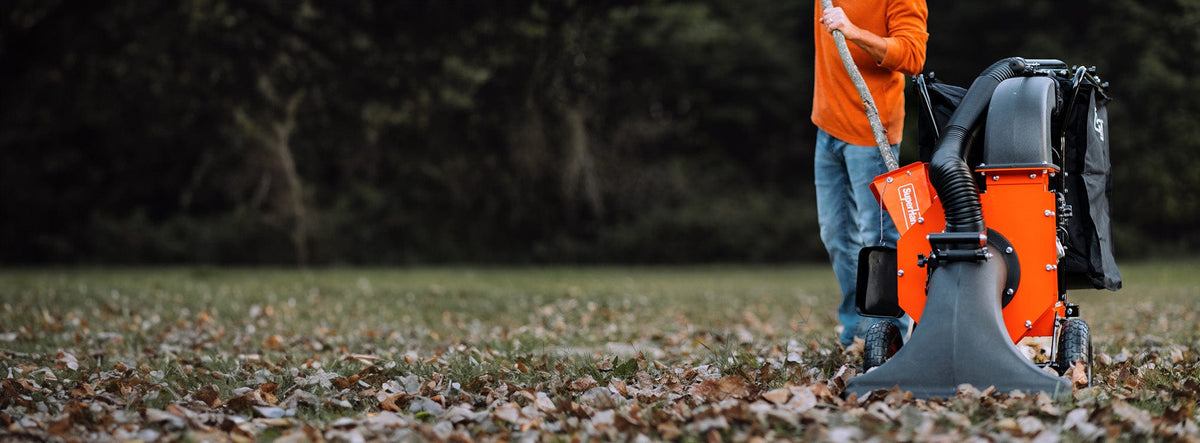
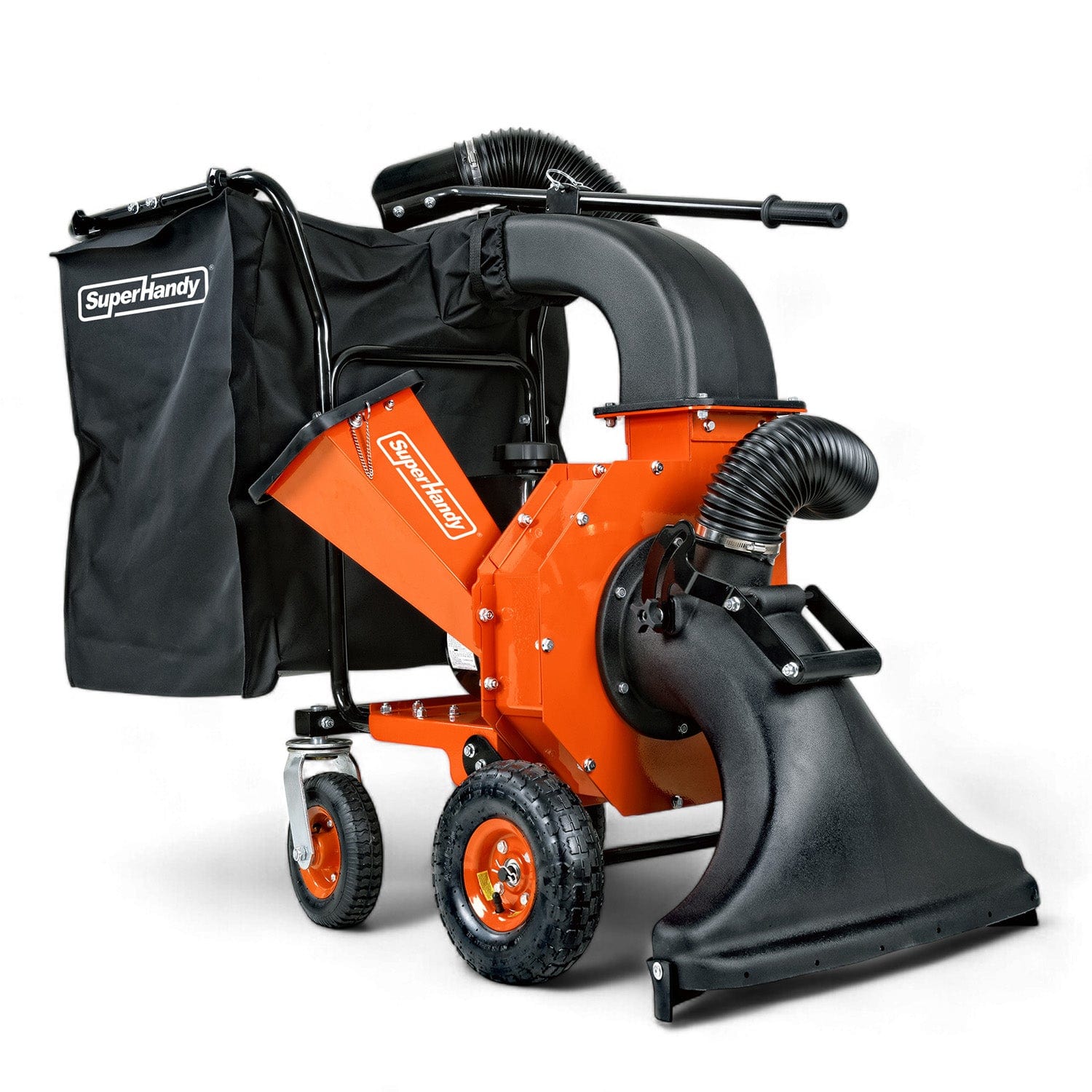
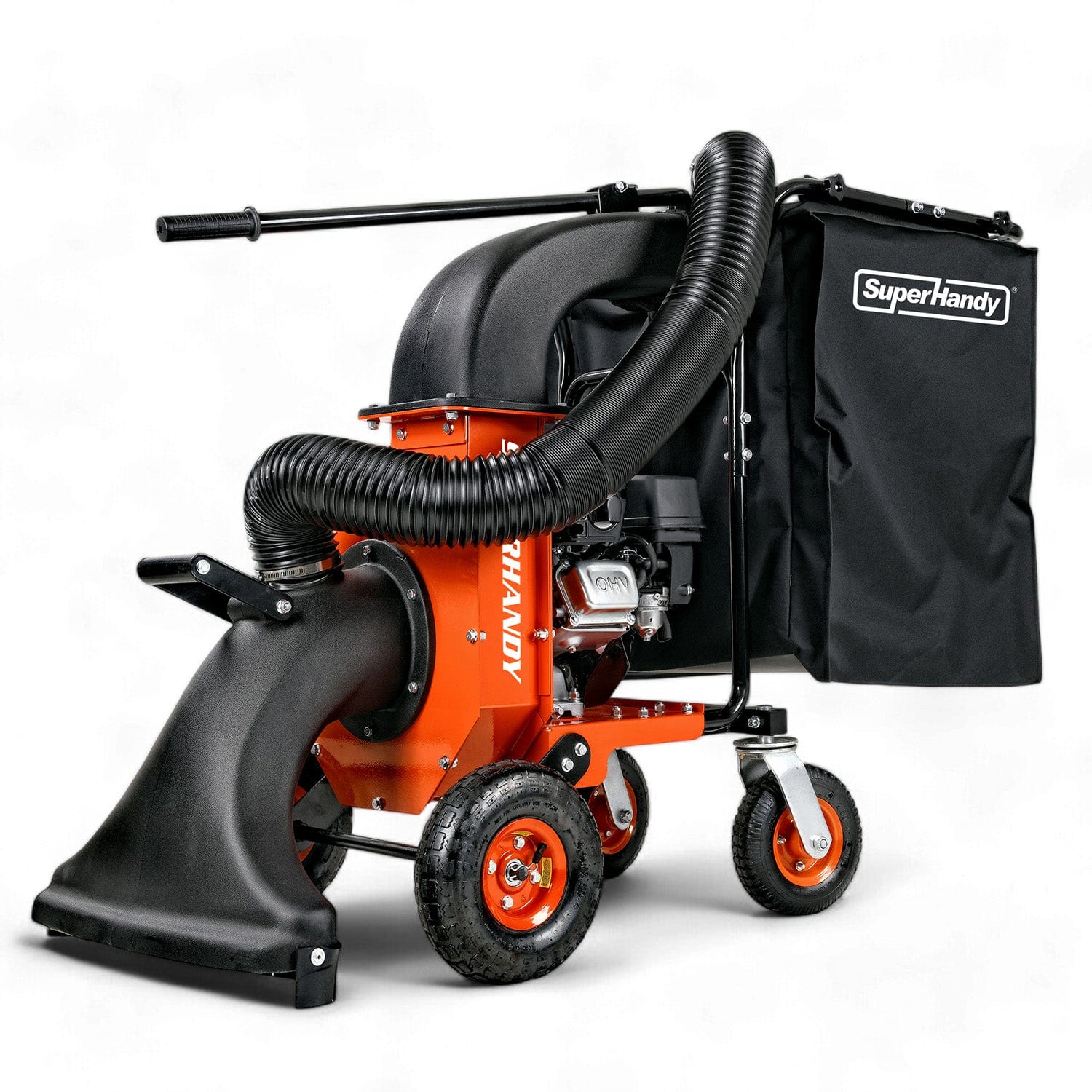
- Walk-Behind: For larger properties with significant leaf fall, a walk-behind model is a back-saver. These machines, which operate much like a push lawnmower, have wider vacuum nozzles and more powerful engines. You simply push them across the lawn, and they suck up and shred leaves as they go. This design takes all the weight off your arms and shoulders, making it perfect for clearing large, open areas. For heavy-duty residential jobs, a walk-behind leaf vacuum chipper can process leaves and small branches with ease.
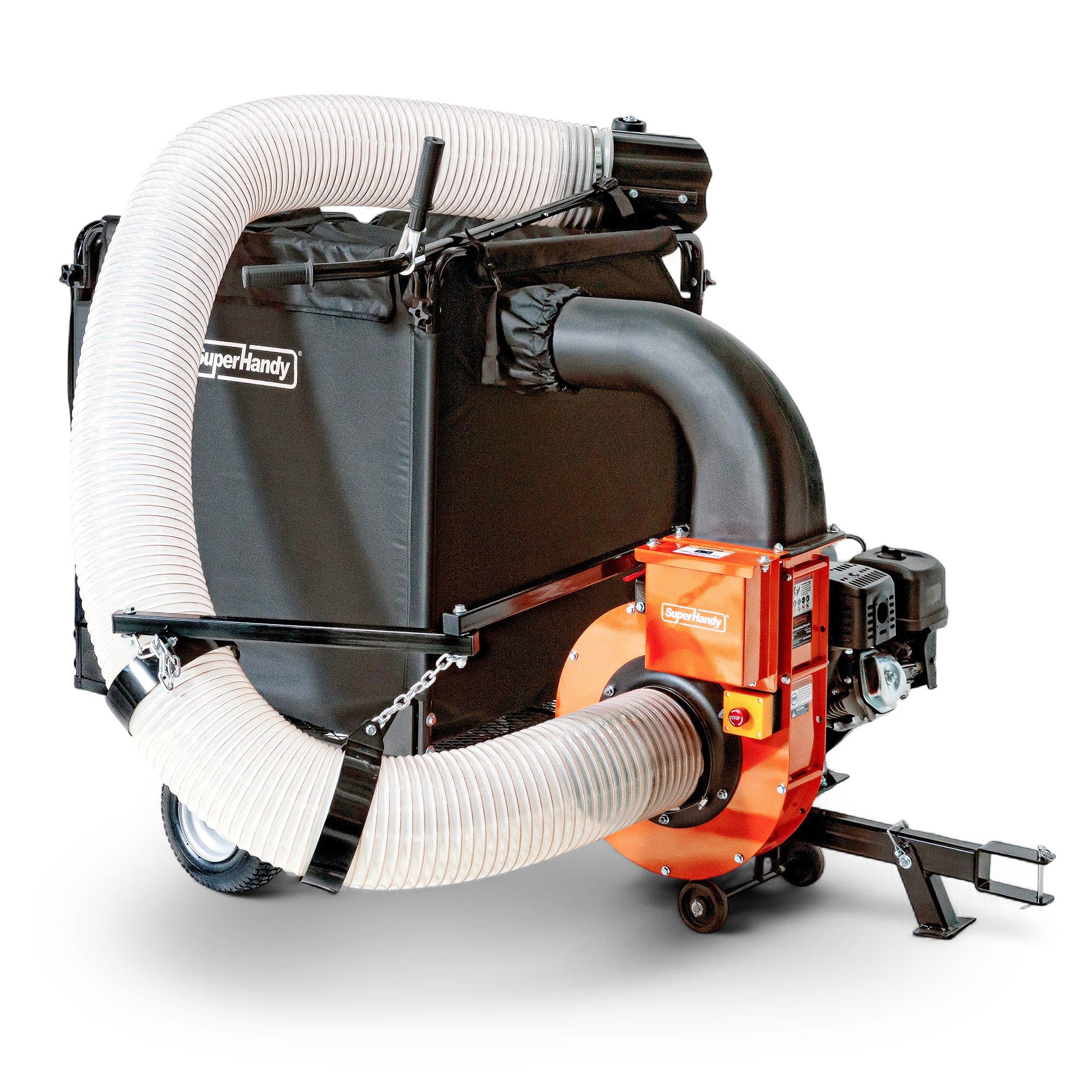
- Tow-Behind/Truck-Mounted: These are commercial-grade beasts designed for massive properties, estates, or professional landscaping services. A truck loader vacuum attaches to a lawn tractor or utility vehicle and uses a large hose to suck up immense volumes of debris directly into a trailer or truck bed.

Evaluating Power Source Options: Corded Electric, Battery-Powered, or Gas-Powered?
The power source directly impacts a mulcher's weight, mobility, and overall user experience.
- Corded Electric: These are typically the lightest options, offering consistent power without the fumes or maintenance of a gas engine. Their main ergonomic challenge is managing the extension cord, which can snag on trees and limit your range. They are best suited for smaller, unobstructed yards.
- Battery-Powered (Cordless): Offering the best of both worlds, cordless models provide the freedom of a gas machine with the low-noise, low-vibration benefits of electric. However, the battery adds weight, so balance is key. They are perfect for medium-sized yards where you don't want to be tethered by a cord.
-
Gas-Powered: Gas engines deliver the most power and unlimited runtime, but they are also the heaviest, loudest, and produce the most vibration. The constant vibration can lead to hand and arm fatigue during extended use. This option is best for large properties where maximum power is non-negotiable.

Assessing Weight and Balance: How to Find a Mulcher That Won't Strain You
The listed weight of a leaf vacuum mulcher is only half the story. A well-balanced tool can feel significantly lighter and more controllable than a heavier but poorly balanced competitor. An awkward, front-heavy machine forces you to constantly use your arm and back muscles to keep it level, leading to rapid fatigue.
According to agricultural safety experts, work that involves high force or is performed in an awkward position puts you at a higher risk of injury, especially when the motion is repetitive. Holding a heavy, unbalanced leaf vacuum is a perfect example of this risk. When shopping, pay attention to how the unit feels in your hands. Does it feel balanced, or does the nozzle tip dip toward the ground? Remember to also consider the "wet weight"—the weight of the machine with a full bag of dense, mulched leaves, which can add 10-20 pounds or more. Look for handheld models that include a padded shoulder strap, which can make a world of difference by distributing the load across your body instead of concentrating it on your arms.
Related Products



Leave a comment
All comments are moderated before being published.
This site is protected by hCaptcha and the hCaptcha Privacy Policy and Terms of Service apply.