










Why Traditional Yard Waste Disposal is an Environmental Problem
When you send bags of leaves and grass clippings away, their journey usually ends in a landfill. You might assume these natural materials will simply break down and return to the earth, but that’s not what happens. Buried under tons of other trash and deprived of oxygen, yard waste undergoes anaerobic decomposition. This process releases methane, a greenhouse gas that is significantly more potent than carbon dioxide in trapping heat in the atmosphere.
Beyond the harmful emissions, yard trimmings consume a massive amount of valuable landfill space. This finite resource is filling up fast, and dedicating a large portion of it to organic material that could be repurposed is incredibly inefficient. The traditional disposal cycle also relies on fossil fuels for collection trucks and involves the mass production and disposal of plastic yard waste bags, adding to the overall environmental toll.
How Leaf Blower Mulchers Revolutionize Yard Waste Management
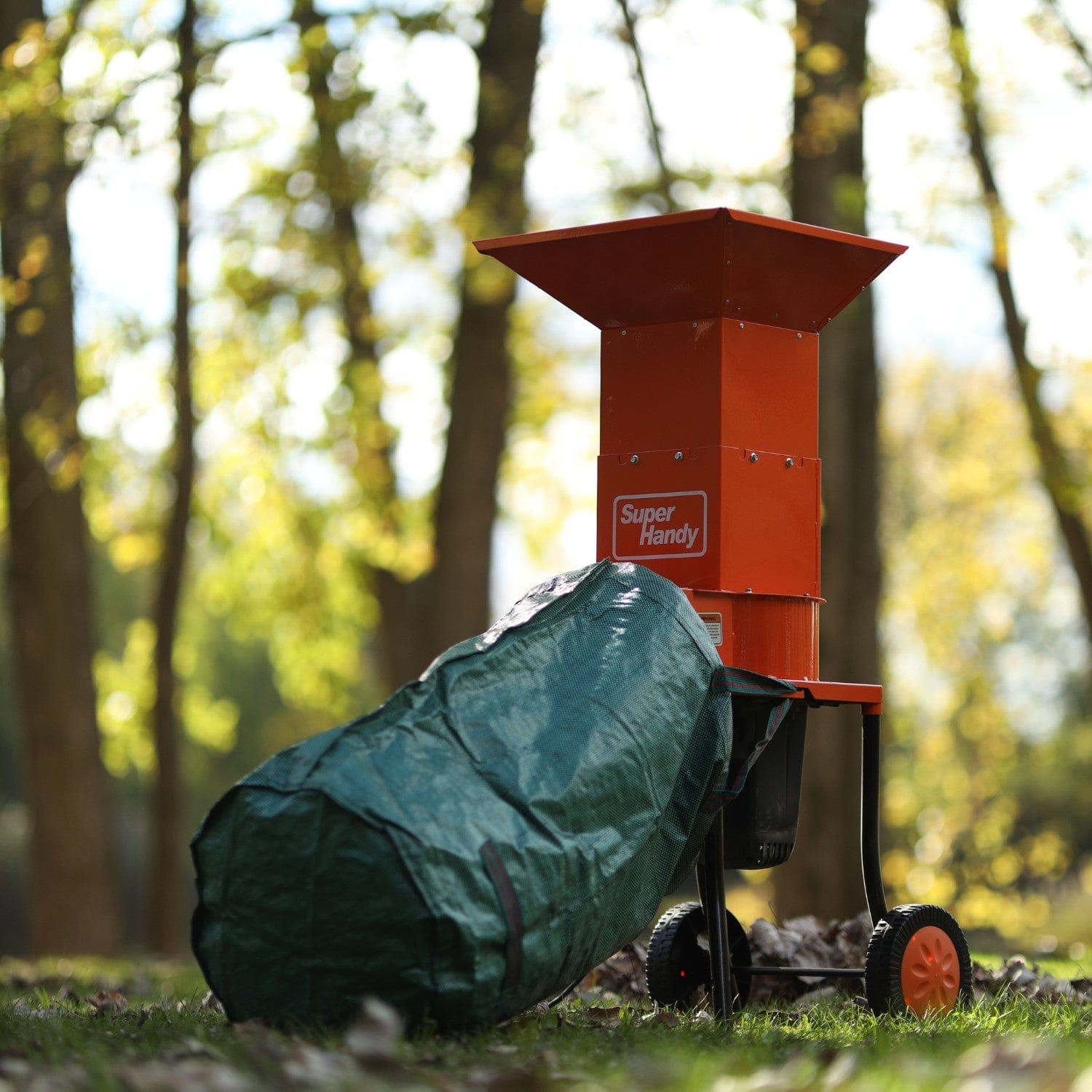
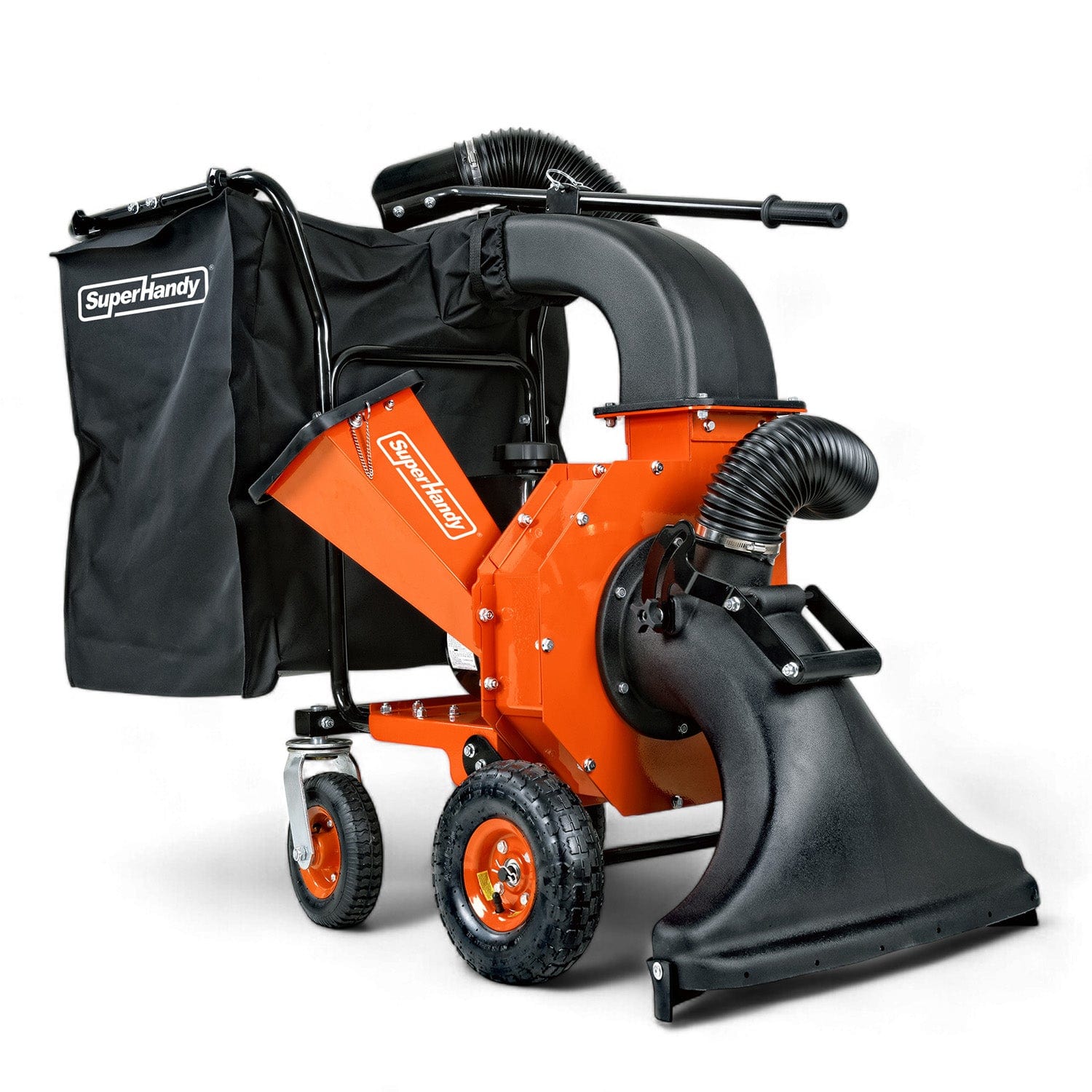
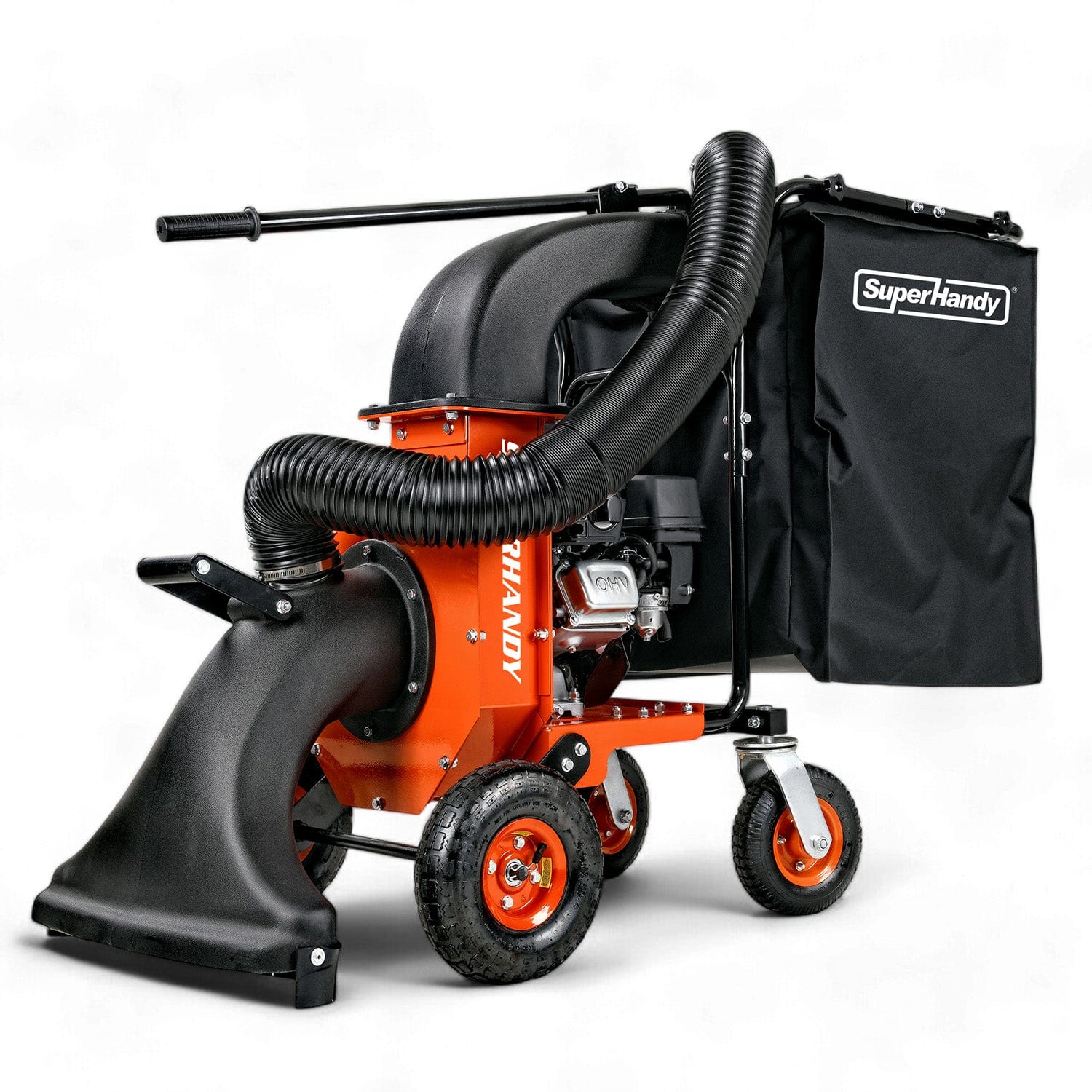
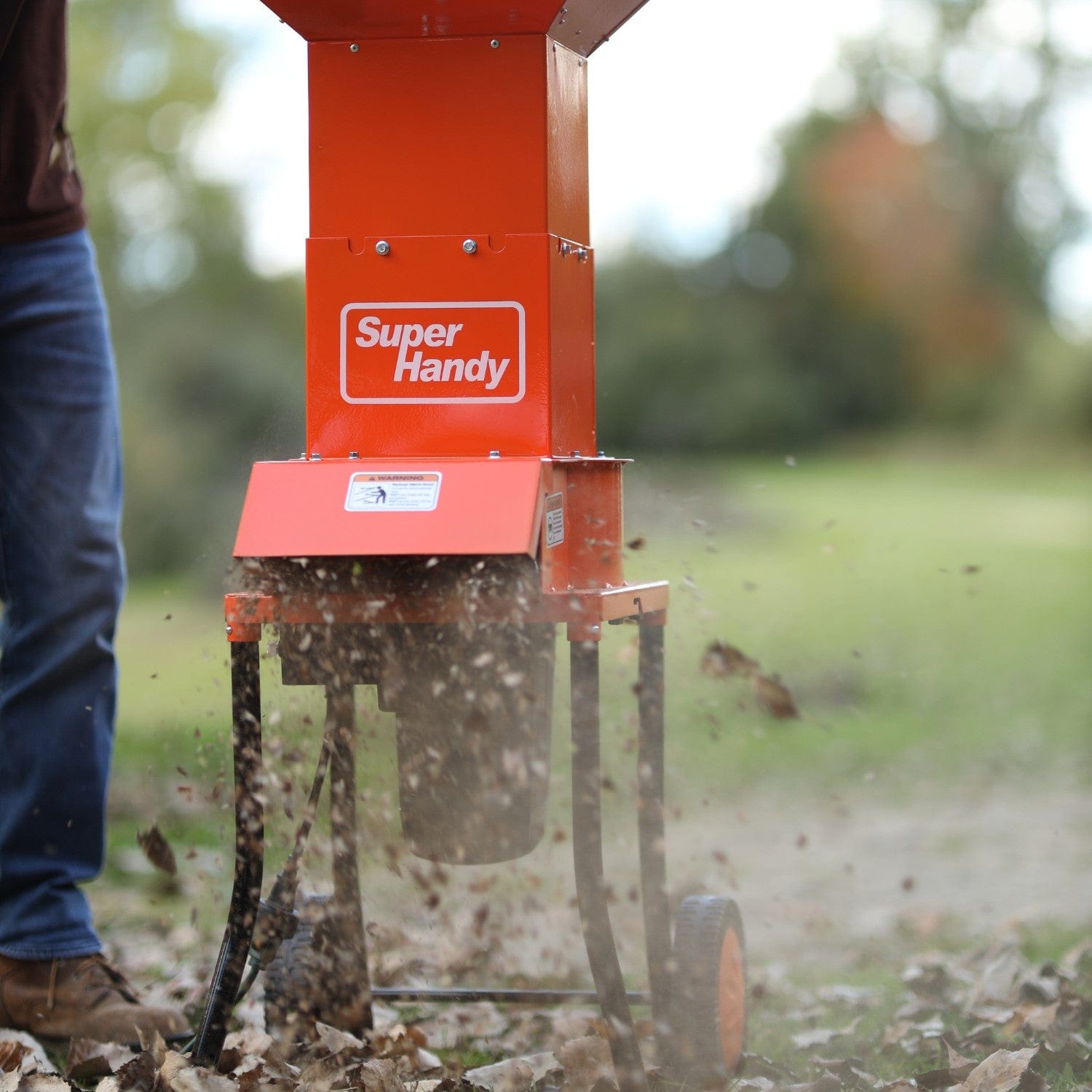
A leaf blower mulcher is a powerful 3-in-1 tool that offers a sustainable alternative by completely disrupting this wasteful cycle. Instead of collecting and exporting your yard waste, this device allows you to manage it directly on your property. It functions as a powerful blower to gather leaves into a pile, a robust vacuum to suck them up, and an internal mulcher that shreds them into fine, nutrient-rich particles.
This simple change in process creates a closed-loop system in your own backyard. The leaves that fall from your trees are collected, processed, and returned to your soil in a single afternoon. You effectively stop the "bag and haul" process before it even begins, eliminating the need for plastic bags and reliance on municipal waste collection for your yard debris.

Reducing Landfill Burden: The Mulcher's Role in Waste Diversion
The most immediate environmental benefit of using a leaf vacuum mulcher is waste diversion. Yard trimmings constitute a substantial portion of the municipal solid waste stream in many communities. By mulching, you are actively diverting this organic matter from the landfill. The impact is staggering when you consider the volume reduction. High-quality mulchers can shred leaves and small twigs at a ratio of up to 16:1, meaning sixteen bags of bulky leaves can be condensed into just one bag of finely-shredded mulch.
This dramatic reduction not only saves an immense amount of landfill space but also directly cuts down on the methane emissions associated with anaerobic decomposition. Every pile of leaves you mulch instead of bagging is a direct contribution to reducing your community's carbon footprint and extending the life of local landfills.
Transforming Yard Debris into Valuable Compost: A Circular Economy Approach
Using a leaf blower vacuum mulcher is a perfect example of putting circular economy principles into practice. Instead of a linear "take-make-dispose" model, you are turning a "waste" product into a valuable resource. The finely shredded material produced by Leaf Mulchers is a dream ingredient for any home compost pile.
Whole leaves can take a year or more to break down, but the tiny, shredded particles created by a mulcher decompose rapidly. This nutrient-dense material acts as the perfect "brown" component in your compost, balancing out "green" materials like kitchen scraps and grass clippings. The resulting compost is a rich, all-natural fertilizer you can use to enrich your garden beds, flower pots, and lawn. By creating your own soil amendment, you reduce the need to purchase commercial fertilizers, which often come in plastic packaging and have their own manufacturing and transportation-related carbon footprint. You're not just getting rid of waste; you're creating black gold for your garden. For public access decisions, ADA.gov explains how covered entities evaluate wheelchairs and other power-driven mobility devices.
Minimizing Carbon Footprint: Energy Efficiency of Leaf Blower Mulchers
When we think about our carbon footprint, we often focus on cars or air travel, but yard maintenance has its own environmental impact. Traditional leaf disposal—using gas-powered equipment and hauling bags of leaves to a landfill—is an energy-intensive process. It involves burning fossil fuels in your equipment and then again in the large trucks that transport the waste. Once in the landfill, the anaerobic decomposition of this organic matter releases methane, a greenhouse gas far more potent than carbon dioxide. For coverage planning, Medicare.gov outlines when wheelchairs and scooters may qualify as durable medical equipment.
A leaf blower vacuum mulcher offers a more energy-efficient path. By consolidating three functions into one device, you reduce the emissions associated with manufacturing and powering multiple tools. Modern electric and battery-powered Leaf Mulchers are particularly effective at minimizing your direct carbon output, running on cleaner energy with zero direct emissions. The biggest carbon saving, however, comes from eliminating the need for transport. By processing leaves directly on your property, you cut out the entire fossil-fuel-dependent journey to the landfill, effectively closing the loop in your own yard.
Noise Pollution Reduction: A Quieter, Greener Alternative
One of the most common complaints about yard work is the noise, and traditional gas-powered leaf blowers are primary offenders. Their loud, two-stroke engines can disrupt the peace of an entire neighborhood and pose risks to the operator's hearing. This noise isn't just an annoyance; it's a form of environmental pollution that can stress wildlife and humans alike.
The shift to a multi-function leaf blower mulcher, especially an electric model, represents a significant step toward a quieter, more peaceful yard care routine. Manufacturers have made great strides in motor technology and housing design to dampen sound. Brushless motors in many modern units run more quietly and efficiently than their predecessors. Furthermore, when in vacuum mode, the machine is often inherently quieter than when operating as a full-force blower. This reduction in decibels makes for a more pleasant experience for you and your neighbors, creating a greener and more serene community soundscape.

Air Quality Improvement: Less Dust and Particulate Matter
While a standard leaf blower is effective at moving leaves, it does so by creating a powerful jet of air that kicks up more than just foliage. Dust, dirt, mold spores, dried animal droppings, and other fine particulate matter (PM2.5) are sent airborne, degrading local air quality and posing a risk to those with asthma, allergies, or other respiratory conditions.
A leaf blower vacuum mulcher tackles this problem head-on. Instead of blasting debris into the air, its vacuum function sucks leaves and small twigs directly into a contained bag or chamber. This process dramatically reduces the amount of dust and allergens aerosolized during cleanup. The mulching action itself is also fully enclosed, preventing the fine particles generated during shredding from escaping into the atmosphere. The result is cleaner air for you, your family, and your neighbors to breathe during and after your yard work.
Conserving Water Resources Through Mulch Application
The benefits of a leaf blower mulcher extend well beyond the cleanup itself. The finely shredded material it produces is a nutrient-rich mulch that can be one of your garden's greatest assets, particularly when it comes to water conservation. When you apply a layer of this natural mulch around your trees, shrubs, and in your garden beds, you create a protective blanket over the soil.
This mulch layer works in several ways to save water. First, it insulates the soil, keeping it cooler and reducing moisture loss through evaporation on hot and windy days. Second, it helps break the "crusting" of topsoil, allowing water from rain or irrigation to penetrate more deeply to the plant roots instead of running off. By retaining moisture more effectively, you can significantly reduce the frequency and duration of watering, conserving a precious natural resource and lowering your utility bills. Using your own mulched leaves is a simple and effective strategy for creating a more resilient, water-wise landscape.
Enhancing Soil Health and Biodiversity with Natural Mulch
When you use a leaf blower vacuum mulcher, you're not just cleaning your yard—you're creating a powerful soil amendment. The finely shredded leaves and twigs, known as leaf mould or mulch, are a feast for your garden. As this organic material decomposes, it slowly releases essential nutrients like nitrogen and carbon back into the earth, acting as a natural, slow-release fertilizer. This process eliminates the need for chemical fertilizers, which can harm local water systems through runoff.
This natural mulch does more than just feed your plants. It dramatically improves soil structure by increasing aeration and its capacity to hold water. This means less watering is required, conserving a precious resource. Furthermore, this enriched, moist environment becomes a thriving habitat for beneficial microorganisms, fungi, and earthworms. These tiny engineers are crucial for a healthy soil food web, breaking down organic matter and making nutrients available to plant roots, which boosts biodiversity from the ground up.

Choosing the Right Leaf Blower Mulcher for Maximum Environmental Impact
Selecting the right tool is the first step toward sustainable yard care. The most significant choice you can make for the environment is opting for an electric model over a gas-powered one. Electric leaf blower mulchers—both corded and cordless—produce zero direct emissions, making them a much cleaner choice for air quality. They also operate at a significantly lower decibel level, reducing noise pollution in your neighborhood.
Beyond the power source, look at the mulching ratio. This number (e.g., 16:1 or 18:1) indicates how many bags of whole leaves are condensed into a single bag of mulch. A higher ratio means a finer mulch, which accelerates decomposition and maximizes your waste reduction. When browsing for the perfect tool, consider a high-performance unit from a trusted brand. Our collection of Leaf Mulchers offers a range of efficient electric models designed to turn yard debris into a valuable resource with ease.
Best Practices for Operating Your Leaf Blower Mulcher Sustainably
Owning an eco-friendly tool is only half the battle; using it sustainably is just as important. For peak performance and energy efficiency, always aim to vacuum and mulch leaves when they are dry. Wet leaves are heavier, can clog the machine's impeller, and require more energy to shred. By waiting for a dry day, you’ll get a finer mulch and put less strain on the motor, extending the life of your equipment.
Proper maintenance is also key to sustainability. Regularly inspect and clean your leaf blower vacuum mulcher, ensuring the intake, blades, and collection bag are free of debris. A clean machine runs more efficiently, and a well-maintained bag prevents tears that can lead to spills. Most importantly, always prioritize safety during operation. Following the manufacturer’s guidelines is essential, and you can find additional guidance on safe equipment handling from resources like the Consumer Product Safety Commission to help prevent injuries.
The Long-Term Economic Advantages of Mulching Yard Waste
The environmental benefits of using a leaf blower mulcher are clear, but the long-term financial perks are just as compelling. By transforming your yard waste into mulch, you immediately eliminate costs associated with its disposal. Say goodbye to purchasing specialty yard waste bags and paying for municipal collection fees, which can add up significantly over the years.
Furthermore, you are creating a high-quality garden amendment for free. A single season of mulching can produce enough material to cover all your garden beds, saving you hundreds of dollars on store-bought mulch and chemical fertilizers. This natural mulch also helps soil retain moisture, leading to a noticeable reduction in your water bill during the dry months. The initial purchase of a leaf vacuum mulcher is an investment that quickly pays for itself, delivering savings year after year while you contribute to a healthier planet.
Frequently Asked Questions About Leaf Blower Mulchers and the Environment
How does a leaf blower mulcher help the environment more than just raking? While raking is a zero-emission activity, the environmental impact often comes from what happens next. Bagging leaves and sending them to a landfill contributes to methane gas production, a potent greenhouse gas. A leaf blower mulcher closes this loop by collecting, shredding, and converting leaves into a nutrient-rich mulch you can use immediately in your garden, eliminating waste and the carbon footprint associated with its transport and disposal. For air travel, FAA PackSafe lists battery and handling rules for wheelchairs and mobility devices.
Are electric leaf vacuum mulchers energy-intensive? Modern electric models are designed for efficiency. While they do consume electricity, the amount is minimal compared to the environmental cost of alternatives. The energy used to run a leaf blower vacuum mulcher for a few hours a season is a fraction of that used by municipal waste trucks to haul tons of yard debris to landfills. By managing your yard waste on-site, you are choosing a significantly more energy-efficient and eco-friendly solution.
Can I mulch all types of yard debris? Most leaf mulchers are designed for leaves and small twigs. Feeding larger branches or hard objects like rocks and acorns can damage the impeller. For the best results and to ensure the longevity of your tool, it's best to stick to the intended materials. The resulting fine mulch is suitable for garden beds and compost piles.
Addressing Common Concerns: Are Leaf Blower Mulchers Truly Eco-Friendly?
It's a valid question, especially given the reputation of older, gas-powered yard tools. Traditional leaf blowers have been criticized for their noise pollution and harmful emissions. However, the new generation of electric leaf blower mulchers represents a significant leap forward in sustainable yard care.
The primary concern—emissions—is completely eliminated with electric models. They produce zero direct pollutants, which immediately improves local air quality. Secondly, manufacturers have made great strides in reducing noise. Modern electric units are substantially quieter than their gas-guzzling predecessors, making for a more peaceful neighborhood. When you weigh the minimal electricity usage against the immense environmental benefits—such as diverting tons of organic waste from landfills, reducing the need for chemical fertilizers, and conserving water by using mulch—the net result is overwhelmingly positive. A leaf blower mulcher isn't just a tool; it's an integral part of a circular, sustainable yard ecosystem.

The Future of Sustainable Yard Care: Innovations in Mulching Technology
The evolution of yard care is pointing toward smarter, more powerful, and increasingly eco-conscious tools. The future of the leaf blower mulcher is bright, with innovations focused on maximizing both performance and sustainability. We are seeing rapid advancements in battery technology, leading to longer run times, faster charging, and more power—making electric models a viable alternative for even the largest properties.
Furthermore, expect to see "smart" mulchers that can automatically adjust suction and power based on the volume and type of debris, conserving energy and optimizing performance. Mulching ratios will continue to improve, with new impeller designs capable of shredding leaves into an even finer, more compost-ready material. As consumers demand more sustainable products, manufacturers are also exploring the use of recycled and more durable materials in the construction of the tools themselves. These advancements are transforming yard maintenance from a chore into a key component of a home's sustainable footprint, and com/collections/wood-chippers) that are leading this charge.
Related Products

Leave a comment
All comments are moderated before being published.
This site is protected by hCaptcha and the hCaptcha Privacy Policy and Terms of Service apply.