









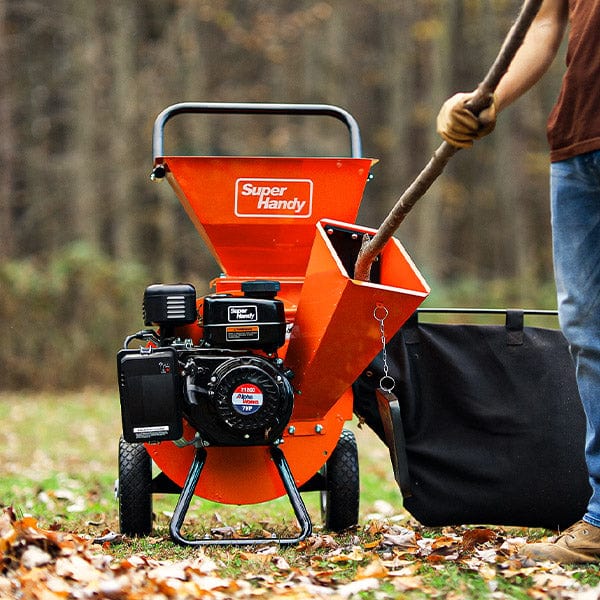
Choosing the ideal wood chipper can transform your property maintenance from a chore into an efficient, environmentally friendly process. Whether you're a homeowner with a small yard or a professional managing vast acreage, selecting the right chipper for wood significantly impacts your efficiency and the quality of your landscape. This comprehensive guide for 2026 delves into every aspect of chipper selection, ensuring you make an informed decision tailored to your specific demands.
Why Invest in a Wood Chipper? Understanding the Benefits for Your Property
Investing in a wood chipper goes beyond simple waste disposal. It's a strategic move for sustainable property management. These powerful machines convert fallen branches, brush, and other organic debris into valuable wood chips. This not only cleans up your yard but also provides a continuous supply of natural material. Gone are the days of hauling bulky branches to the curb or making frequent trips to the dump. A chipper for wood streamlines cleanup, saves time, and reduces landfill waste, offering a compelling return on investment for any property owner.

Boost Your Garden: The Environmental and Economic Perks of Homemade Mulch
One of the most significant advantages of owning a wood chipper is the ability to produce your own high-quality mulch. Homemade mulch offers numerous benefits for your garden and wallet. Environmentally, it enriches soil health, retains moisture, and suppresses weed growth, reducing the need for chemical herbicides. Economically, it eliminates the recurring cost of purchasing bagged mulch from garden centers. By transforming yard waste into a valuable resource, you close the loop on your property's organic material, fostering a healthier, more vibrant landscape. For more on the benefits of mulching, explore resources from the Environmental Protection Agency (EPA).
Assessing Your Property: How Size and Landscape Dictate Your Chipper Choice
The size and nature of your property are paramount in determining the right wood chipper. A compact model suitable for a suburban backyard will likely fall short on a multi-acre estate. Understanding the scale of your debris, the terrain, and the frequency of use will guide you toward a machine that aligns perfectly with your operational needs.
Small Yards (Under 1 Acre): What to Look for in Compact and Portable Models
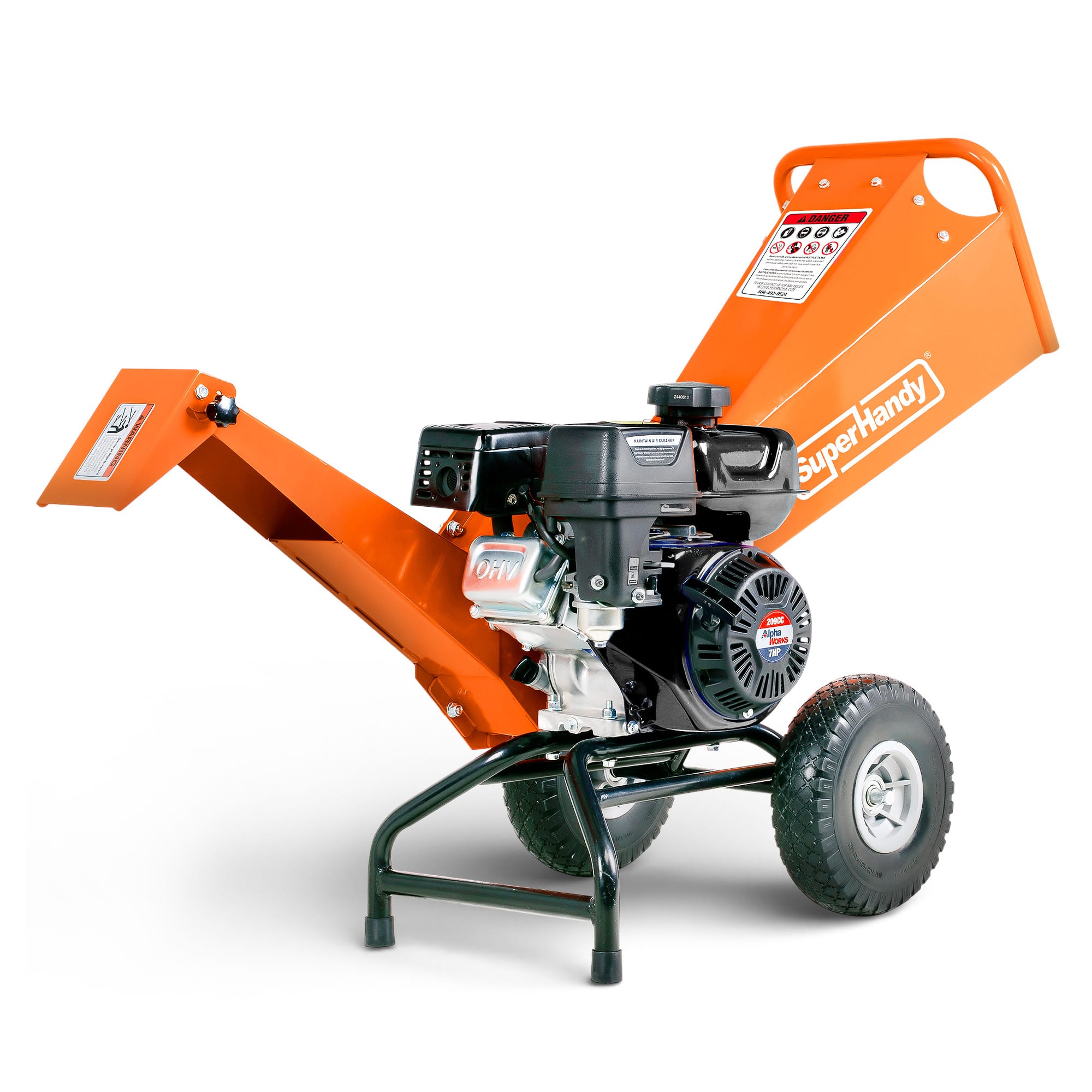
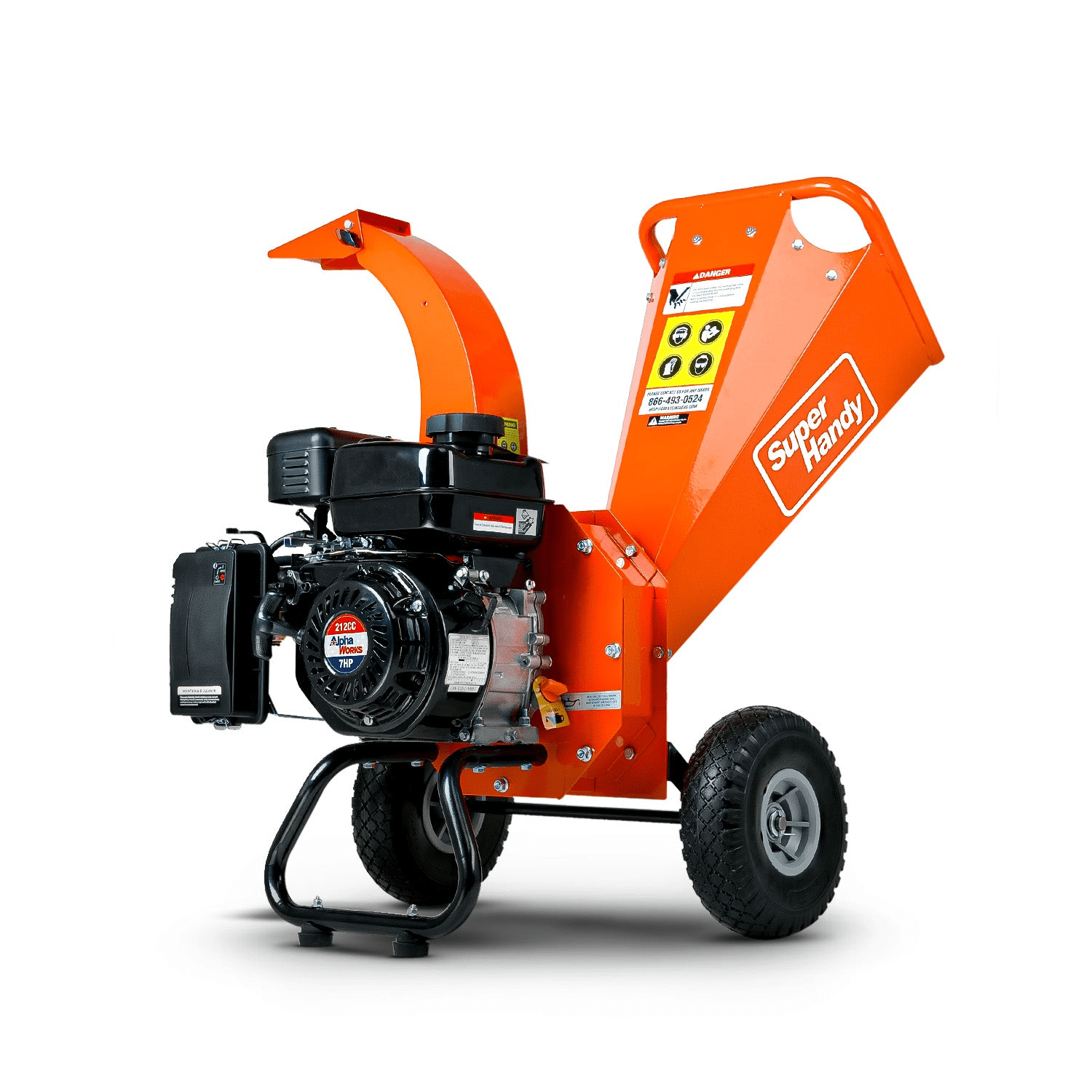
For smaller properties, typically under an acre, portability, ease of storage, and sufficient power for light-duty work are key. Electric or smaller gas-powered wood chippers are often the best fit. They handle branches up to 2-3 inches in diameter, making them ideal for garden cleanups, pruning waste, and general yard maintenance. Look for features like lightweight designs, sturdy wheels, and simple controls. The SuperHandy Wood Chipper Compact is an excellent example of a model designed for these specific needs, offering convenience without compromising performance for small tasks.

Medium Properties (1-5 Acres): Balancing Power and Maneuverability
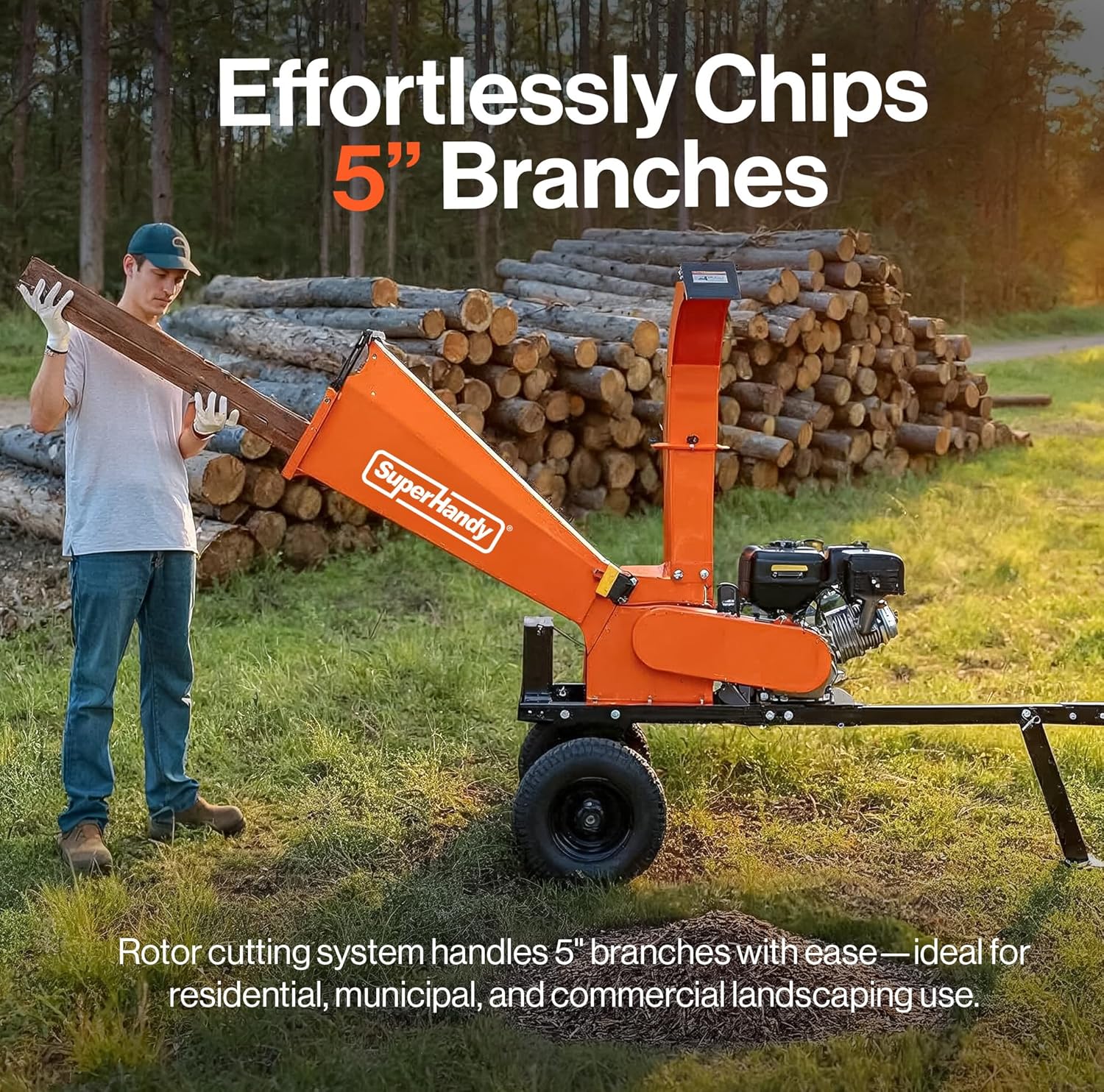
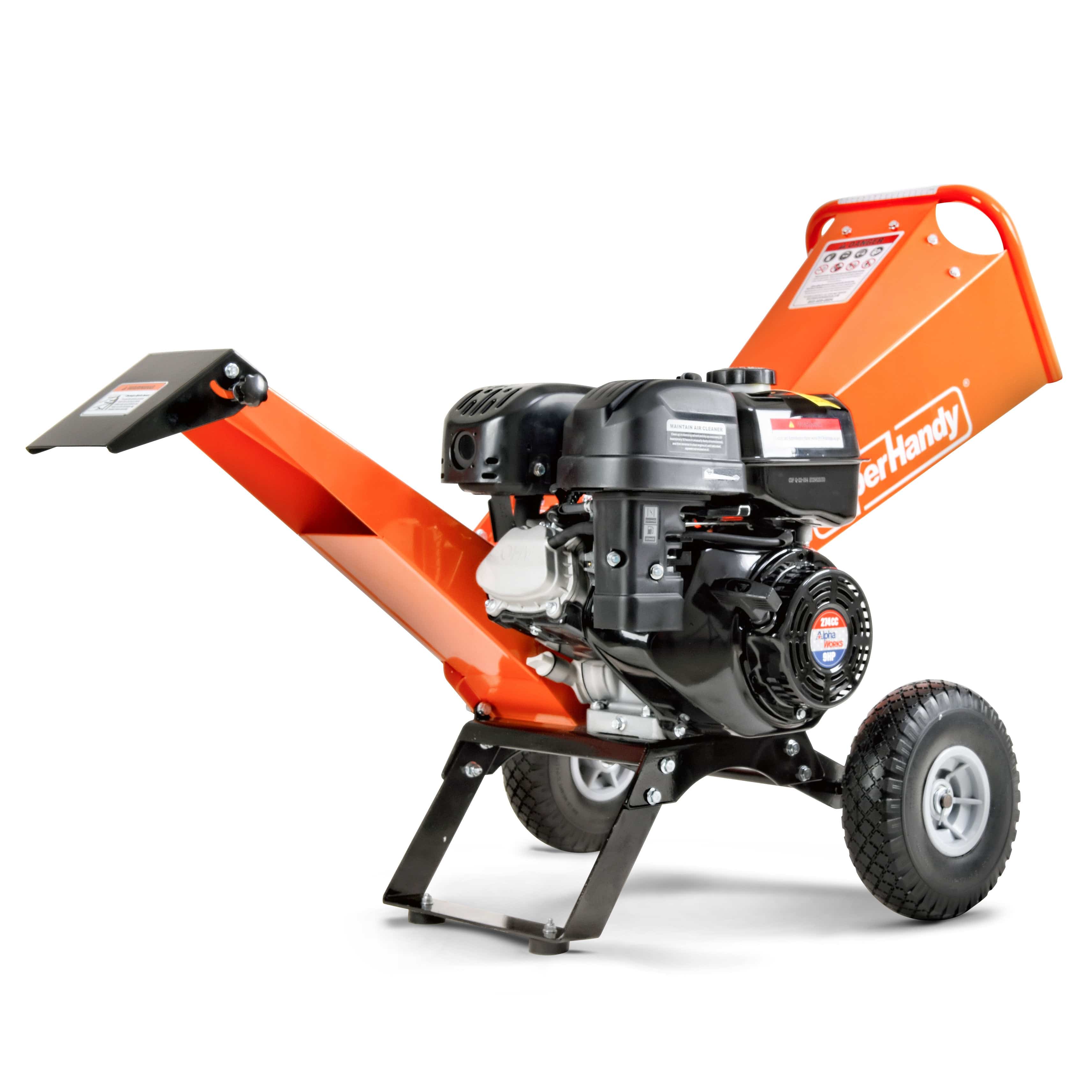
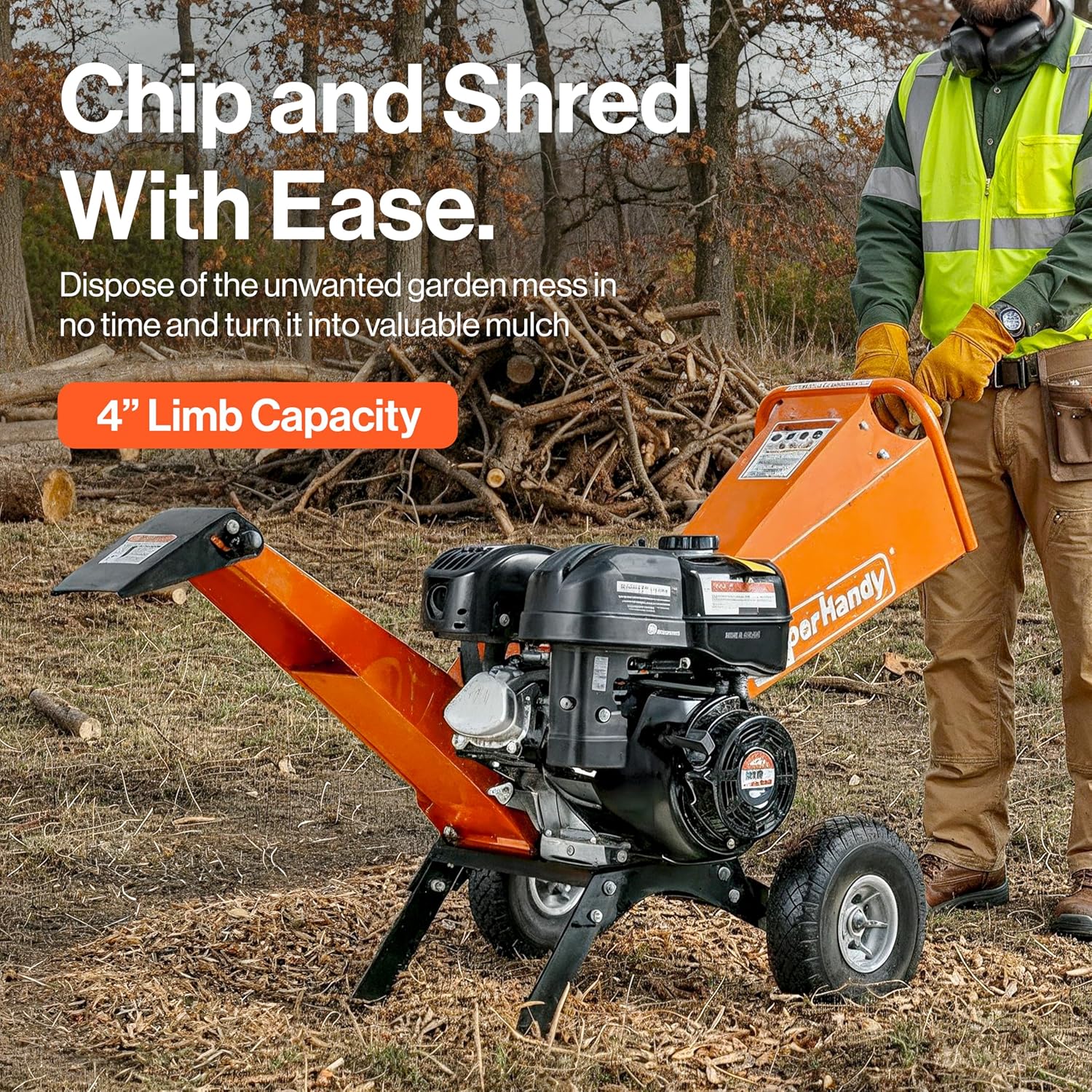
Owners of medium-sized properties (1-5 acres) require a wood chipper that offers a balance of power and maneuverability. Gas-powered models, typically ranging from 6.5 HP to 10 HP, are well-suited here. They can handle larger branches, often up to 3-4 inches, and provide the mobility to move around a larger landscape without being tethered to an electrical outlet. Features like larger wheels and robust frames become more critical. For a diverse selection that balances capability with ease of use, consider exploring the various options available in the SuperHandy Wood Chipper collection.
Large Estates & Rural Land (Over 5 Acres): When Commercial-Grade Power Becomes Necessary
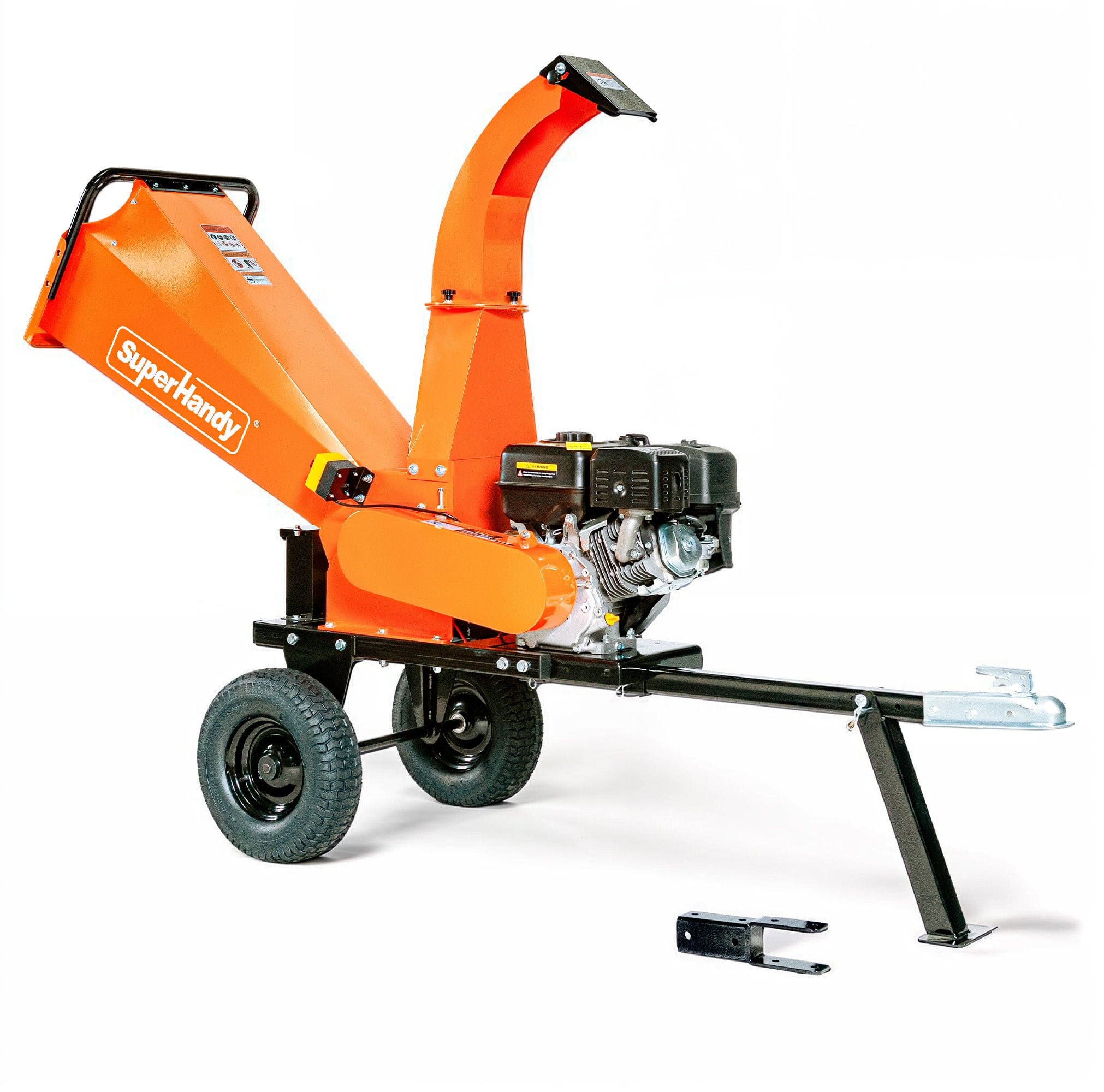
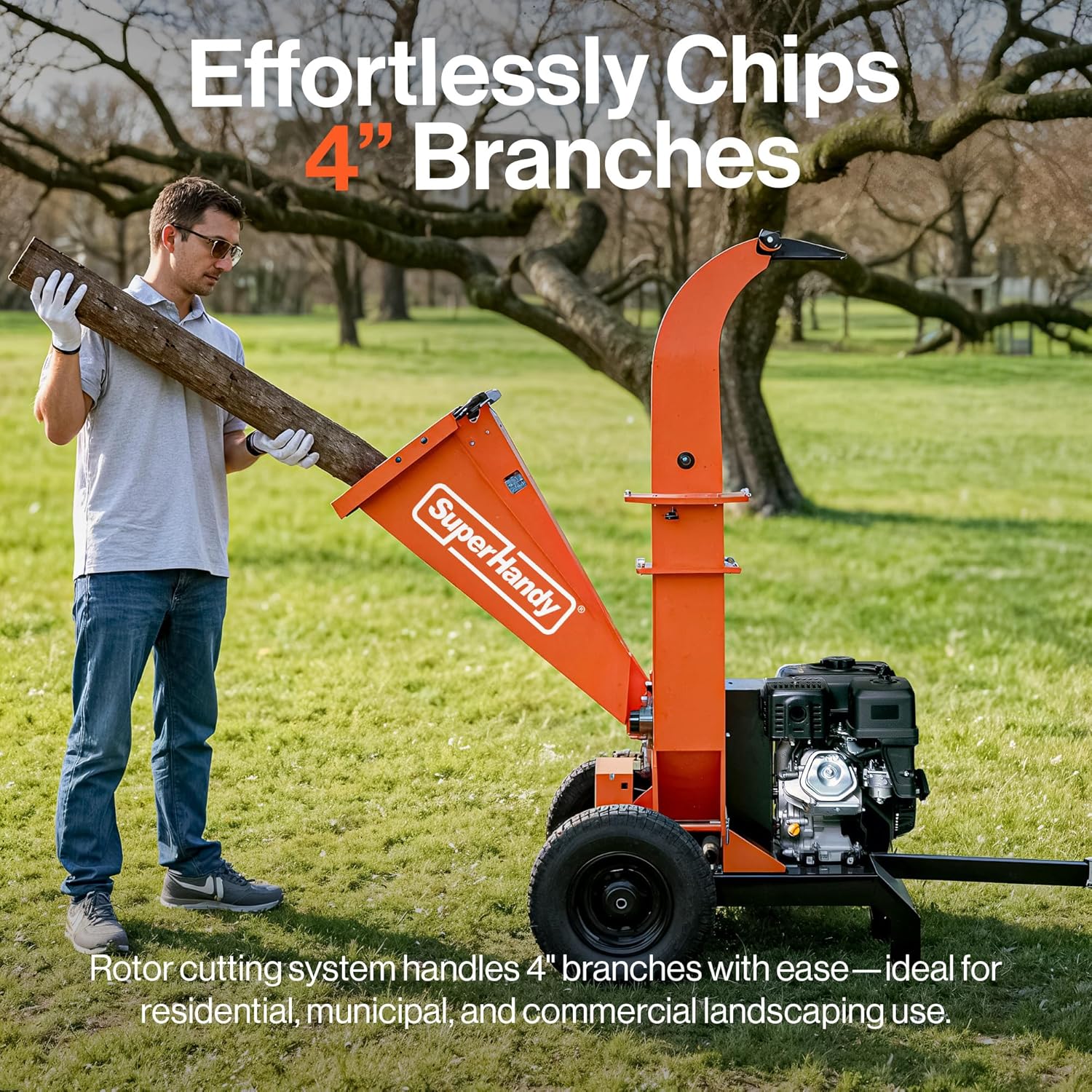
For large estates, farms, or rural land exceeding 5 acres, a heavy-duty, commercial-grade chipper for wood is indispensable. These powerful machines feature higher horsepower engines (13 HP and above) and can tackle branches of 4 inches or more in diameter. Towable designs are crucial for transporting the chipper across vast properties or to different work sites. Electric start, durable construction, and high throughput are common features. Models like the SuperHandy Towable Wood Chipper Shredder and the SuperHandy Towable Wood Chipper are engineered for the demanding needs of extensive land management.

Material Matters: Matching Chipper Capacity to Your Debris Type
The type and size of the material you intend to chip are direct indicators of the chipper's required capacity. Wood chippers are designed with specific maximum branch diameters in mind. Overloading a chipper with material too large or too dense can lead to clogs, damage, and potential safety hazards. Always match the chipper's specifications to your typical debris.
Tackling Twigs and Leaves: Ideal Chippers for Light Brush and Garden Waste
If your primary need is to process small twigs, leaves, green garden waste, and branches up to 1-2 inches, a smaller electric or low-horsepower gas wood chipper will suffice. These models are typically equipped with shredder capabilities, ideal for converting softer materials into fine mulch. They are perfect for routine garden tidy-ups and seasonal pruning.
The Importance of Throughput: How Much Material Do You Need to Process?
Throughput refers to the volume of material a wood chipper can process in a given time. This is critical if you have a large volume of debris to clear quickly, for example, after a storm or a major landscaping project. Higher horsepower engines, wider feed chutes, and aggressive feeding mechanisms contribute to greater throughput. Consider how often you'll be chipping and the typical volume of material you generate when evaluating this feature. A chipper with insufficient throughput can turn a quick job into a lengthy, frustrating ordeal.
Electric Chippers: The Pros and Cons for Small-Scale, Eco-Friendly Use
Electric wood chippers are popular for their convenience and environmental benefits. They produce zero emissions during operation, are significantly quieter than gas models, and require less maintenance. They are perfect for homeowners with smaller yards and access to power outlets. However, their power output is generally lower, limiting the diameter of branches they can handle. Cord length can also restrict mobility, requiring extension cords or multiple power points across your property.

Gas-Powered Chippers: Understanding Engine Size (HP) and Fuel Efficiency for Versatility
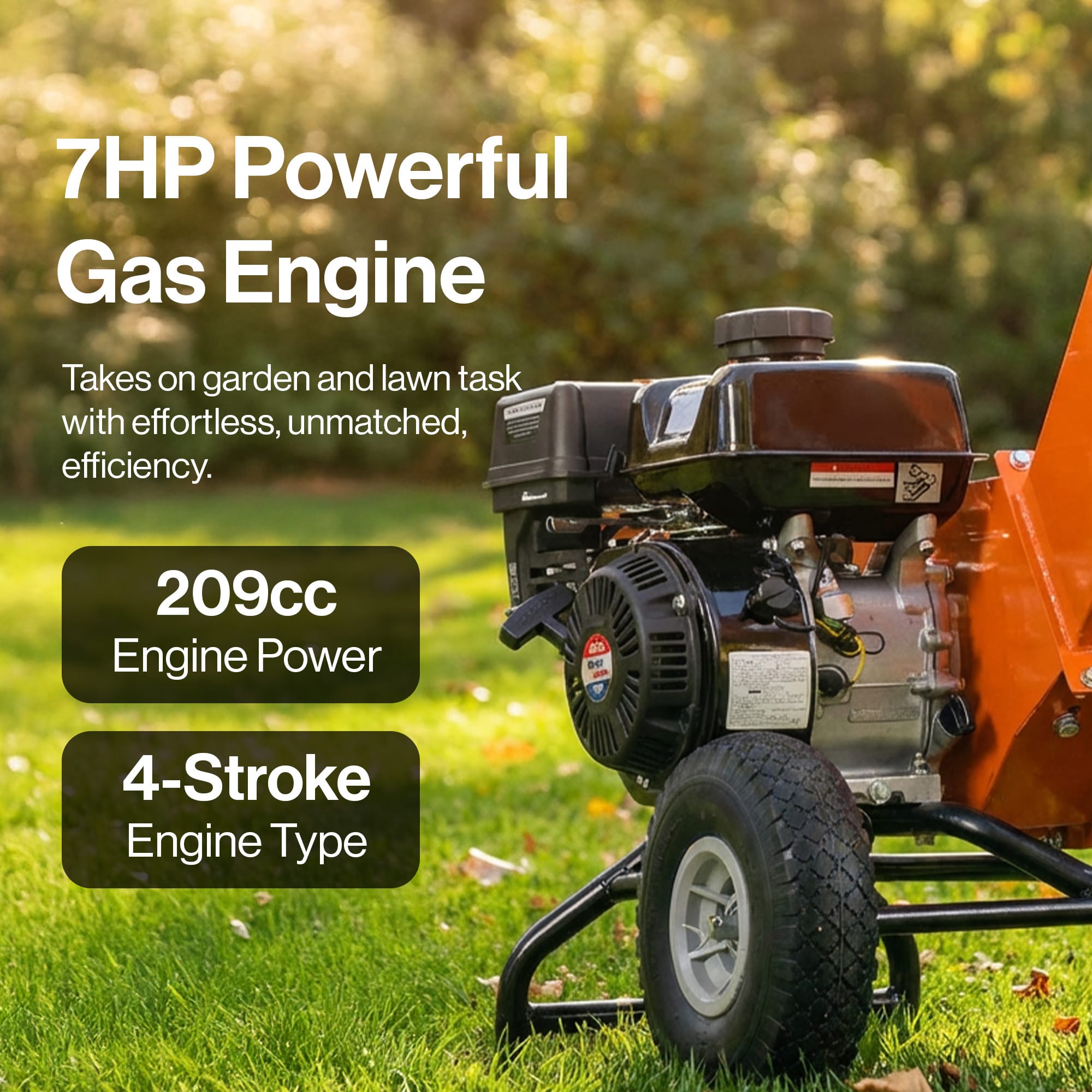
Gas-powered wood chippers offer superior power and mobility, making them suitable for larger properties and tougher jobs. Their independence from electrical outlets allows them to be used anywhere on your property. Engine size, measured in horsepower (HP), directly correlates with chipping capacity and throughput. A 10 HP chipper for wood will outperform a 6.5 HP model in handling larger branches and processing material faster. While they are louder and require fuel and more maintenance (oil changes, spark plugs), their versatility and robust performance are unmatched for substantial landscaping tasks. Look for models with good fuel efficiency to minimize operating costs over time.
Essential Features to Prioritize When Buying a Wood Chipper
Beyond power source and size, several key features enhance a wood chipper's safety, usability, and effectiveness. Paying attention to these details ensures a more satisfying and productive ownership experience.
Feed Chute Design: Ensuring Safe and Easy Material Input
The design of the feed chute is crucial for both safety and efficiency. A wider, more open chute makes it easier to feed irregularly shaped branches and brush, reducing the risk of jams and the effort required. Look for chutes with safety hoppers that prevent hands from reaching the blades. Some advanced designs feature self-feeding mechanisms, where the blades pull the material in, minimizing manual pushing and enhancing safety.
Discharge Chute Control: Directing Mulch Where You Need It
An adjustable discharge chute provides control over where the processed wood chips land. This feature allows you to direct mulch directly into a wheelbarrow, a designated pile, or back onto your garden beds, saving significant time and effort in material handling. Look for chutes that are easy to adjust and can be locked into position for consistent spreading.
Portability and Storage: Wheels, Handles, and Compact Designs
Even for larger gas models, portability is a key consideration. Large, pneumatic tires make it easier to move the wood chipper over uneven terrain. Ergonomic handles improve pushing and pulling. For smaller models, a compact design that can be easily stored in a shed or garage without taking up excessive space is a significant advantage. Towable models often include a hitch for connection to a tractor or ATV, greatly increasing their mobility across vast landscapes.
Budgeting for Your Wood Chipper: Understanding Price Ranges and Value
Wood chippers come in a wide range of prices, from a few hundred dollars for entry-level electric models to several thousands for professional-grade, towable units. Your budget should align with your property size and usage frequency. Consider the long-term value: a slightly more expensive chipper for wood that perfectly meets your needs will likely be a better investment than a cheaper model that constantly struggles or breaks down. Factor in potential maintenance costs and fuel consumption for gas models.
Making the Final Decision: Real-World Scenarios and Recommendations
Considering all the factors, let's look at some real-world recommendations for selecting your perfect wood chipper in 2026.
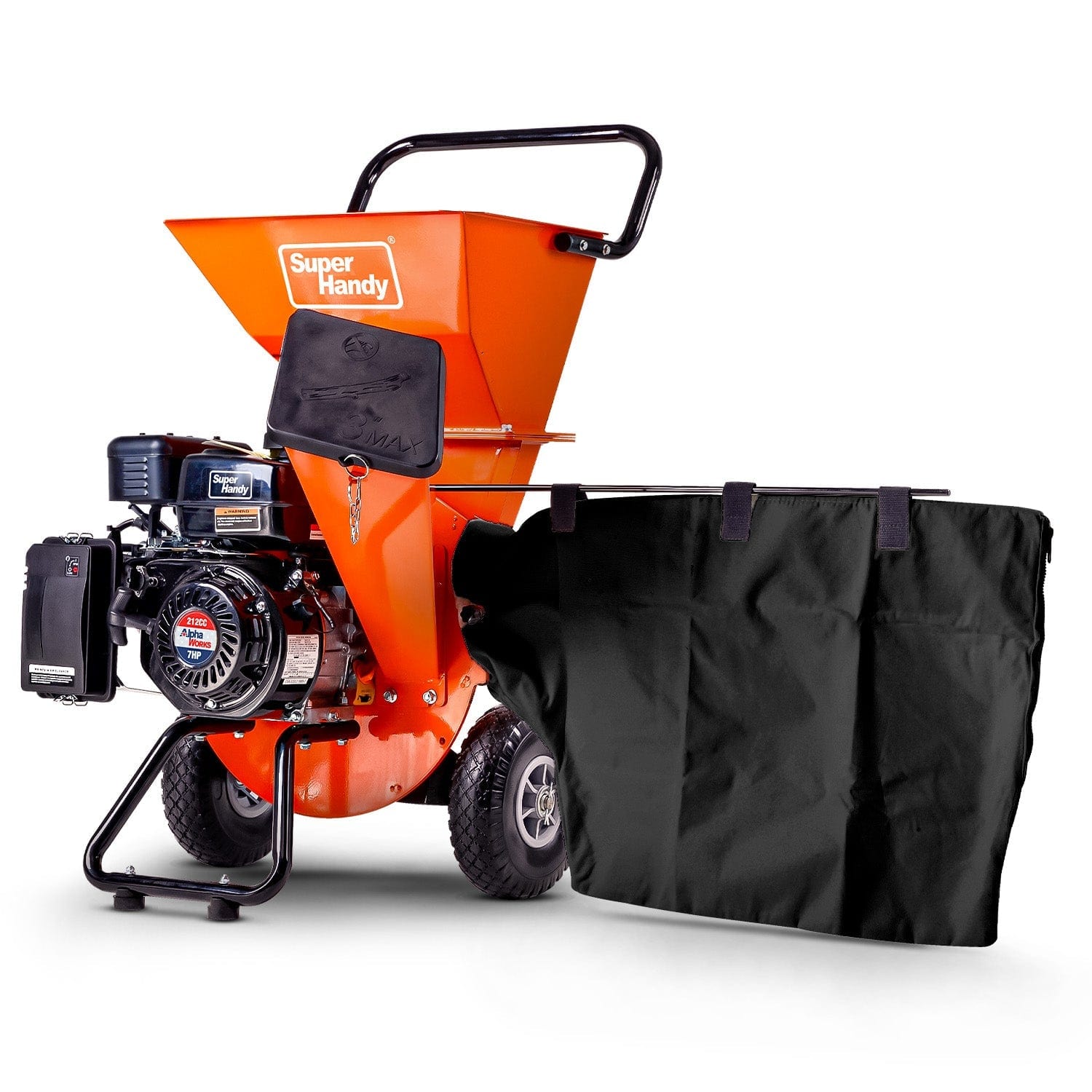
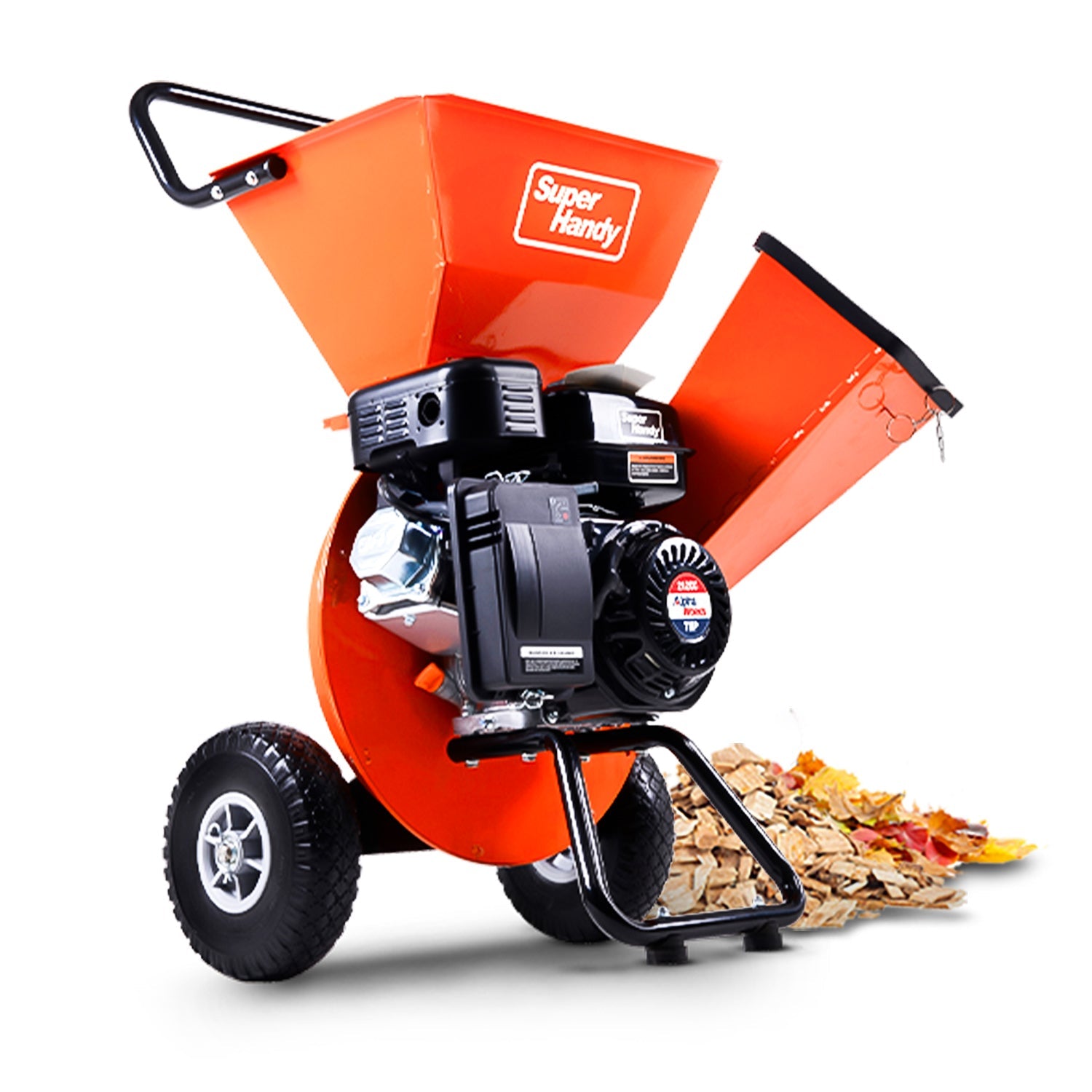
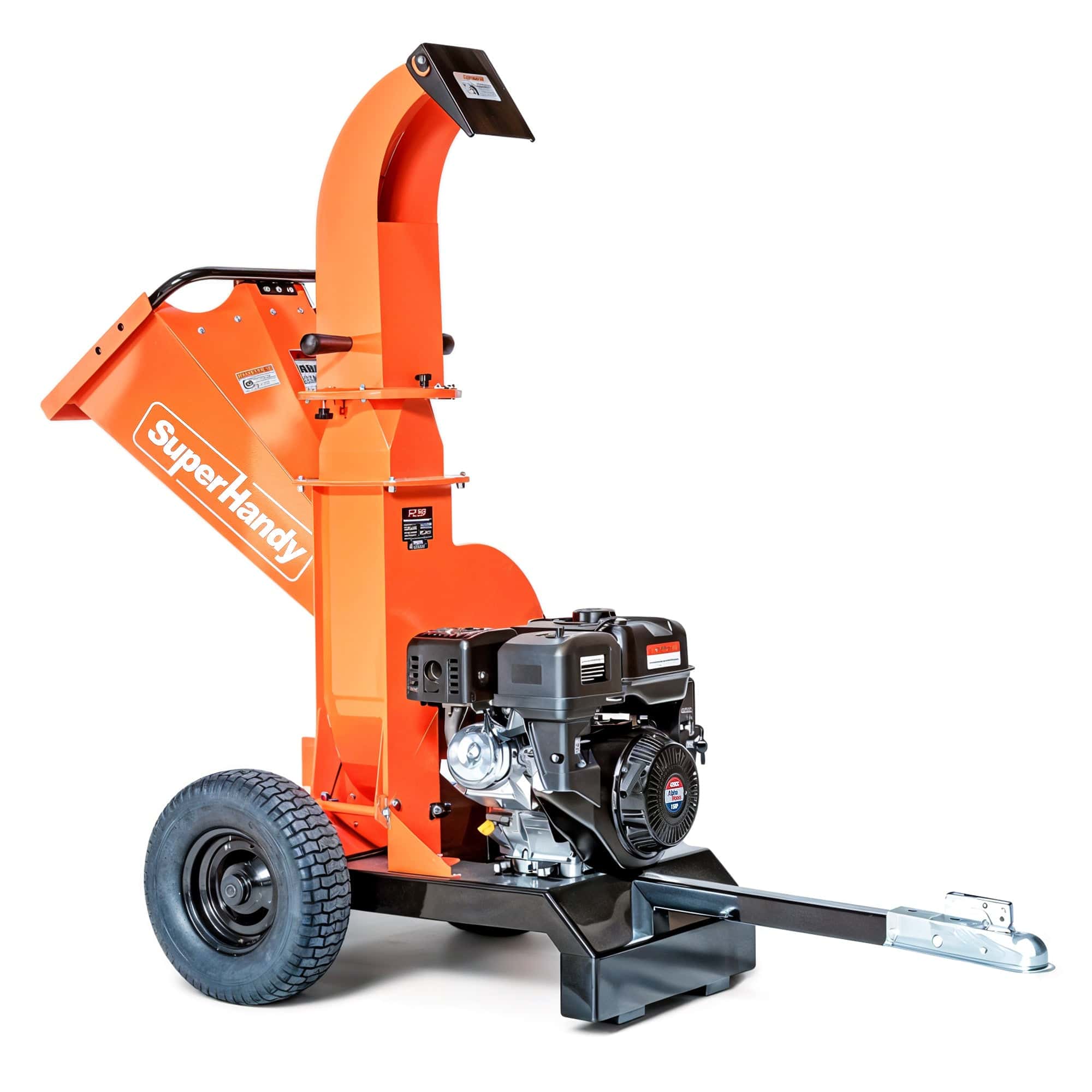
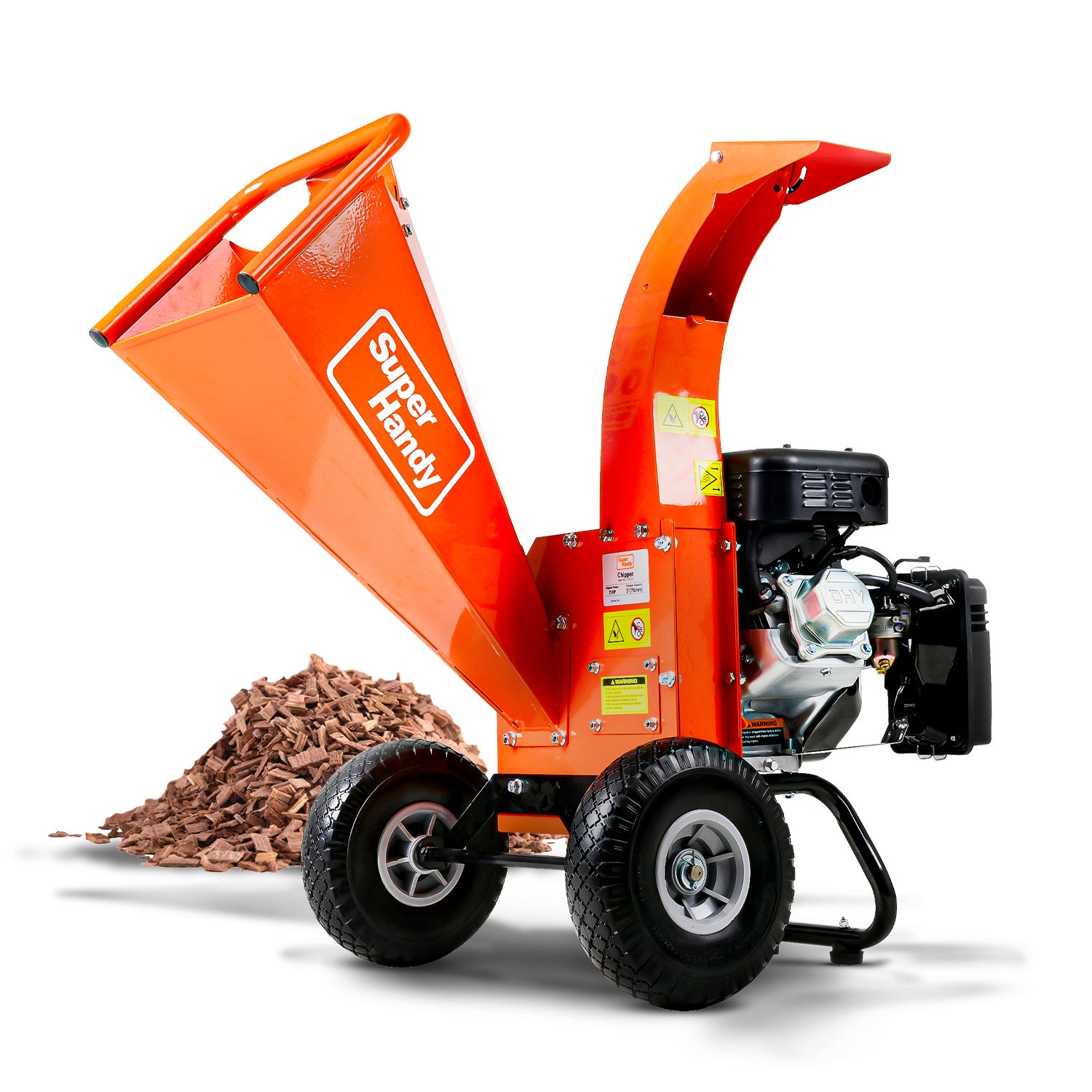
If you have a suburban home with occasional pruning and garden waste, an electric or smaller gas chipper like the SuperHandy Wood Chipper Compact is an excellent choice. For larger suburban yards or properties up to 5 acres with more substantial brush, a robust gas-powered model offering a good balance of power and portability would be ideal. The SuperHandy Wood Chipper Pro stands out as a versatile option for homeowners needing more power and efficiency.
The Landscaping Professional/Large Property Owner: Top Picks for Heavy-Duty Performance
For landscaping professionals or owners of large rural properties, only the most powerful and durable wood chippers will do. These users require machines capable of continuous operation, high throughput, and the ability to process very large diameter branches. Towable chipper for wood units like the SuperHandy Towable Wood Chipper Shredder or the SuperHandy Towable Wood Chipper are essential. These heavy-duty machines ensure maximum productivity and reliability in demanding environments.
Maximizing Your Investment: Tips for Operating and Maintaining Your Wood Chipper
Proper operation and regular maintenance extend the life of your wood chipper and ensure safe, efficient performance. Always read the owner's manual thoroughly before operation. Wear appropriate personal protective equipment (PPE), including eye protection, hearing protection, and sturdy gloves. Keep blades sharp; dull blades reduce efficiency and strain the engine. Regularly check and clean the machine, especially after heavy use. For more comprehensive safety information on power equipment, consult resources like OSHA's Safety and Health Topics.

Frequently Asked Questions About Wood Chippers (Q&A)
Can I chip wet wood? What's the best practice?
While most modern wood chippers can technically process wet wood, it is generally not recommended. Wet wood can clog the chipper more easily, reduce efficiency, and dull blades faster. It also produces a finer, mushier mulch that takes longer to dry and can be prone to mold. For best results, allow branches to dry for a few days or weeks before chipping. If you must chip wet wood, feed it slowly and in smaller quantities.
How often do I need to sharpen or replace chipper blades?
The frequency of sharpening or replacing wood chipper blades depends heavily on the type and volume of material you chip. Hardwoods, dirty wood, or continuous heavy use will dull blades faster. As a general guideline, inspect blades after every 10-20 hours of operation. Sharpen them when you notice a decrease in chipping efficiency or a rougher mulch product. Blades that are nicked, bent, or severely worn should be replaced immediately for optimal safety and performance.
What's the ideal size of wood chips for garden mulch?
The ideal size of wood chips for garden mulch typically ranges from 1 to 3 inches. Smaller chips (1 inch) break down faster, releasing nutrients more quickly, and are good for annuals or vegetable gardens. Larger chips (2-3 inches) provide longer-lasting weed suppression and moisture retention, making them ideal for perennial beds, shrubs, and pathways. Many wood chippers offer adjustable settings or screens to influence chip size.
Cultivating a Cleaner Landscape: Your Perfect Wood Chipper Awaits
Choosing the right wood chipper is an investment that pays dividends in a cleaner, healthier, and more manageable property. By carefully assessing your needs against the various types and features available in 2026, you can select a chipper for wood that will serve you efficiently for years to come. From compact electric units to heavy-duty towable models, there's a SuperHandy solution waiting to transform your yard waste into a valuable resource. Take the time to make an informed decision, and enjoy the benefits of a beautifully maintained landscape.
Related Products


Leave a comment
All comments are moderated before being published.
This site is protected by hCaptcha and the hCaptcha Privacy Policy and Terms of Service apply.