








Understanding Wood Chipper Hazards: Why Safety Gear is Non-Negotiable
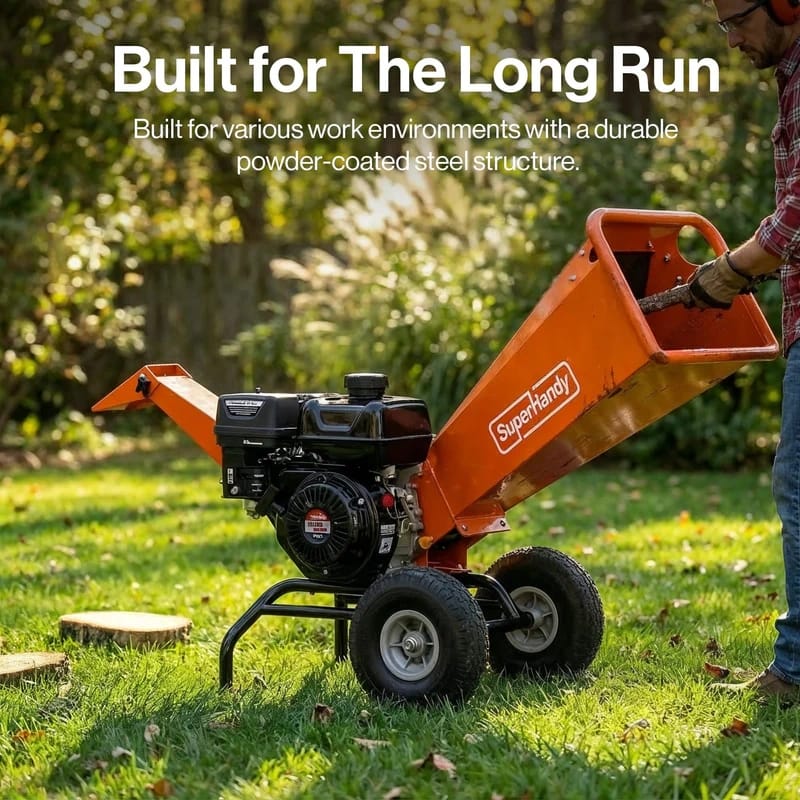
A wood chipper operates by pulling branches into a housing where a spinning drum or disc with hardened steel blades shreds the material into small chips. The primary hazards are clear: the fast-moving blades can cause catastrophic injury in an instant, and the machine’s powerful intake can pull in loose clothing, gloves, or even an operator's hands and arms faster than one can react.
Beyond the immediate danger of the cutting mechanism, a gas wood chipper creates secondary hazards. It can eject wood chips and debris at high velocity, posing a significant risk to your eyes and face. The engine produces loud noise that can cause permanent hearing damage over time, and the process kicks up fine dust and particles that are harmful to inhale. Forgetting or neglecting safety gear isn't just a minor oversight; it's an invitation for a life-altering accident.
Essential Personal Protective Equipment (PPE) for Wood Chipper Operation
Personal Protective Equipment (PPE) is your first and most critical line of defense. It’s not a single item but a complete system of gear designed to protect you from head to toe. According to OSHA hand and power tool safety guidance, using appropriate PPE is a fundamental requirement for operating potentially dangerous machinery. This isn't just a rule for professional job sites; it's a best practice for anyone firing up a powerful Rotor wood chipper in their own backyard. Before you even think about starting the engine, you must be wearing the correct gear.

Head Protection: Hard Hats and Beyond
While you might not think of head protection as essential for yard work, it's crucial when operating a wood chipper. The most obvious risk comes from falling branches, often called "widowmakers," which can be dislodged while you're gathering or moving brush. Furthermore, a chipper can sometimes throw larger, unpredictable pieces of wood upwards or sideways.
A standard, ANSI Z89.1-compliant hard hat is non-negotiable. It provides vital impact protection from overhead hazards. Even if you are only doing light-duty cleanup with a mini wood chipper, the branches you are handling can shift and fall unexpectedly. Ensure your hard hat fits snugly and the suspension is properly adjusted before each use.
Eye Protection: Safety Glasses, Goggles, and Face Shields
Your eyes are extremely vulnerable to the high-velocity projectiles a wood chipper produces. A single flying wood chip, splinter, or even a piece of bark can cause permanent vision loss. Standard prescription glasses or sunglasses offer almost no protection. You need dedicated, impact-rated eye and face protection.
- Safety Glasses: At a minimum, wear ANSI Z87.1-rated safety glasses with side shields. These protect against direct impacts from the front and sides.
- Goggles: For a better seal against fine dust and smaller particles that can get around glasses, safety goggles are a often a practical choice.
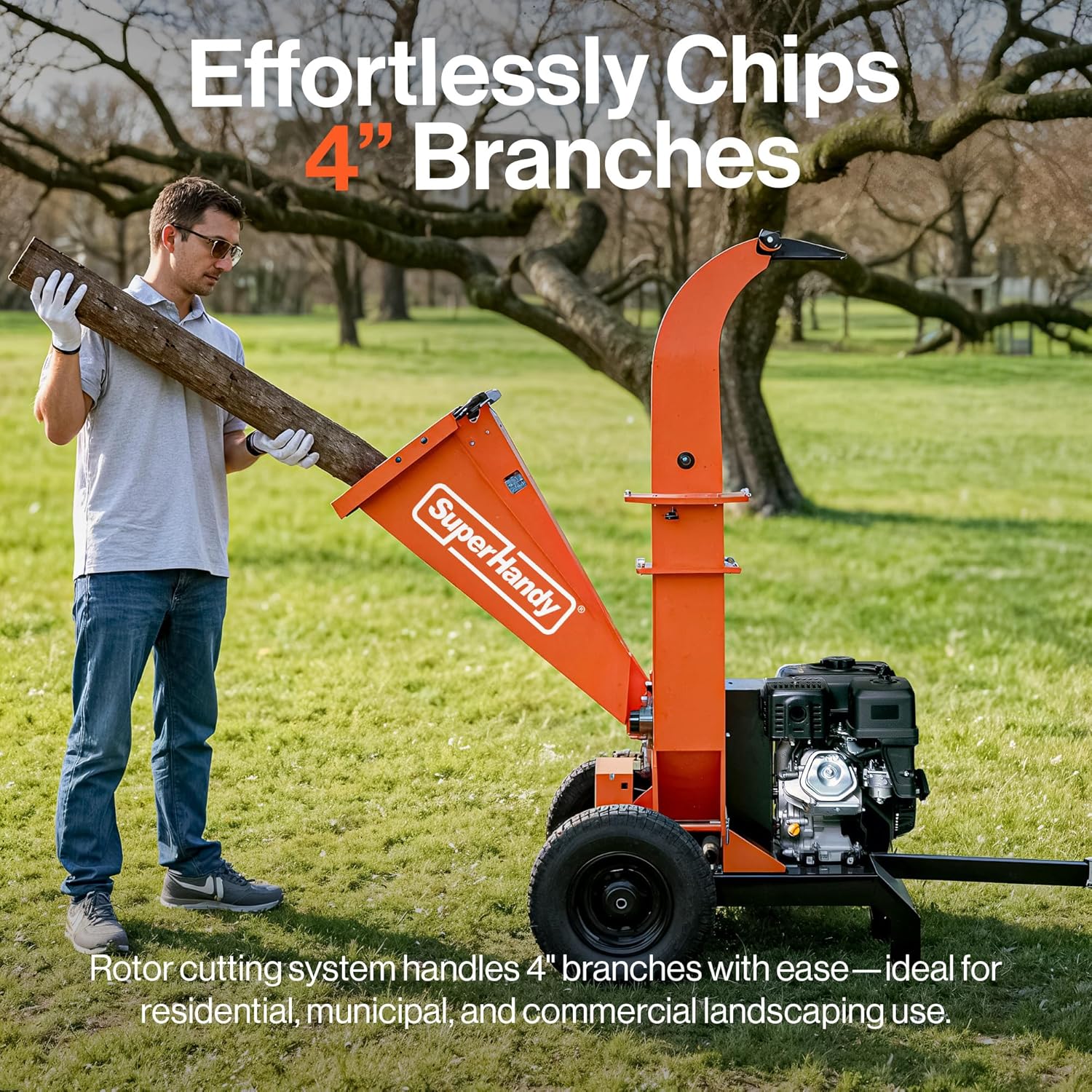
- Face Shield: For maximum protection, a full face shield is the gold standard. It should always be worn over your safety glasses or goggles, not as a replacement for them. A face shield deflects the larger debris that could otherwise cause severe facial injuries. This is especially important when feeding a high-capacity unit like a 4 inch wood chipper that processes material aggressively. Never compromise on eye and face protection.
Hearing Protection: Earmuffs vs. Earplugs for Chipper Noise
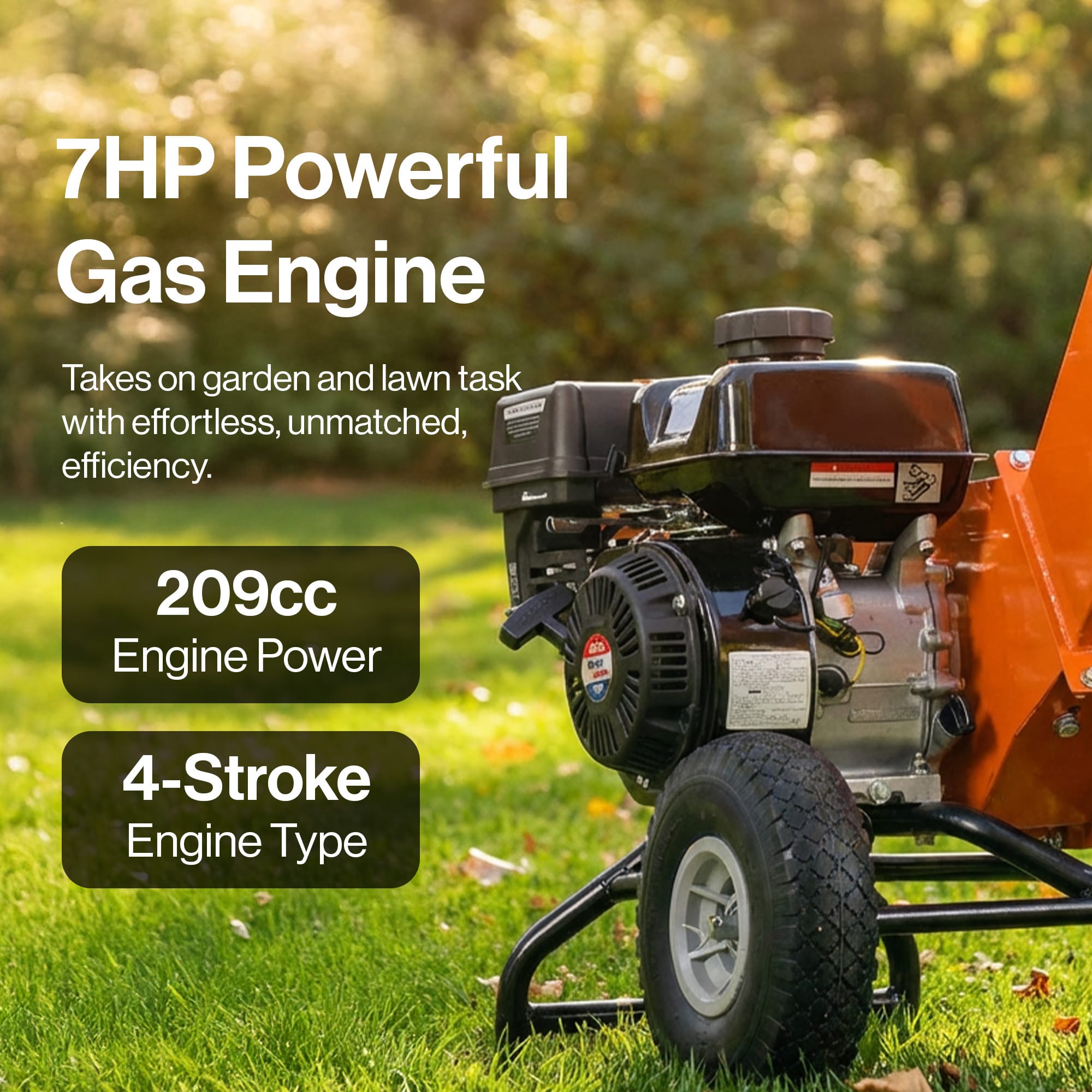
A gas wood chipper is an incredibly loud piece of equipment, with many models operating well over 100 decibels (dB). Prolonged exposure to this level of noise can cause permanent hearing damage. To prevent this, proper hearing protection is not just recommended—it's essential. The Occupational Safety and Health Administration provides extensive hand and power tool safety guidance, emphasizing that personal protective equipment is a critical line of defense against worksite hazards, including excessive noise. When you're running a powerful machine like a 4 inch wood chipper, you have two primary choices for protecting your hearing:
- Earmuffs: These fit over the entire ear, creating a seal to block out sound. They are easy to put on and take off, making them convenient for intermittent use. Look for a high Noise Reduction Rating (NRR), ideally 25 or higher. The main downside is that they can be bulky and hot in warm weather.
- Earplugs: These are inserted into the ear canal. They are lightweight, portable, and less expensive than earmuffs. However, they must be inserted correctly to provide their stated NRR, which can be tricky for some users.
For maximum protection, especially during long operating sessions, consider doubling up by wearing earplugs underneath a pair of earmuffs. This combination can significantly increase the overall NRR and provide the best possible defense against the engine's roar.

Hand Protection: Durable Gloves for Grip and Safety
Your hands are on the front line when operating a wood chipper, constantly handling rough branches and feeding them into the machine. The right pair of gloves is crucial for preventing cuts, splinters, and blisters while ensuring a firm grip on the material you're chipping. When selecting gloves, avoid loose or baggy styles, as they can easily get snagged in the chipper's intake chute, creating a severe safety hazard.
Look for snug-fitting gloves made from durable materials like thick leather or a reinforced synthetic fabric. A textured palm and fingers will provide superior grip, even on wet or slick branches. For a versatile machine like a 3 in 1 wood chipper that handles chipping, shredding, and vacuuming, having a reliable pair of gloves is essential for safely managing all types of yard debris. Always inspect your gloves for holes or excessive wear before each use and replace them when they become compromised.
Leg and Foot Protection: Chaps and Steel-Toe Boots
Flying debris is an unavoidable part of using a wood chipper. Wood chips can be ejected from the machine at high velocity, capable of causing serious cuts and bruises. Standard work pants or jeans offer minimal protection. For this reason, heavy-duty leg protection, such as chainsaw chaps or specialized protective trousers, is highly recommended. These garments are made with multiple layers of cut-resistant material designed to stop or deflect high-speed projectiles. The powerful cutting mechanism of a Rotor wood chipper makes this type of protection particularly important.
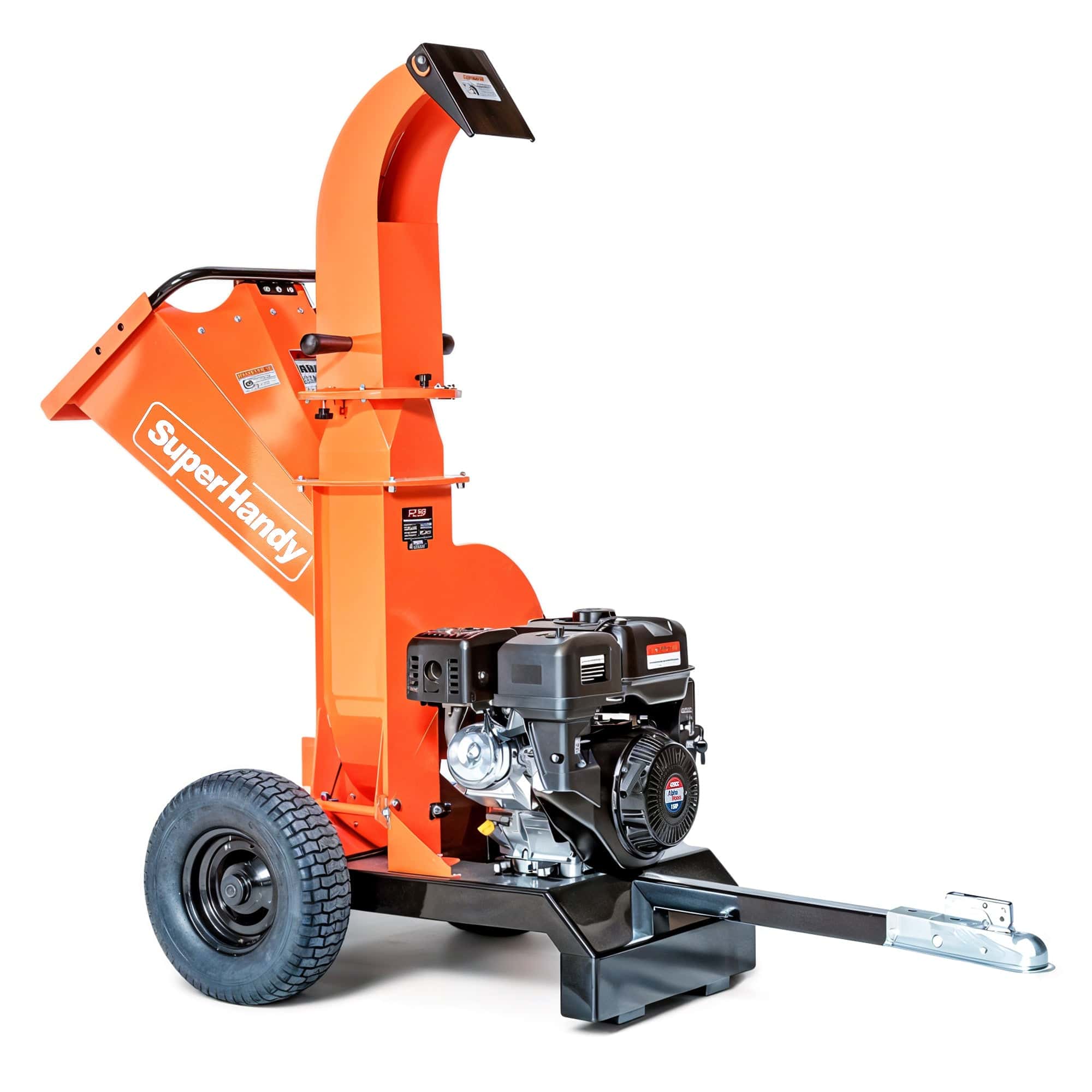
Equally important is what you wear on your feet. Steel-toe boots are non-negotiable. They protect your feet from being crushed by heavy logs, dropped equipment, or the machine itself. When operating a large unit like a [tow behind wood chipper](https://superhandyus.com/products/superhandy-towable-wood-chipper-4-in-chipping
Choosing the Right Safety Gear: Material, Fit, and Durability
Selecting your personal protective equipment (PPE) isn't just about ticking boxes; it's about choosing the right defense for the job. The effectiveness of your gear comes down to three key factors: material, fit, and durability. For eye protection, look for safety glasses or goggles with ANSI Z87.1-rated polycarbonate lenses, which are designed to withstand high-velocity impacts from flying wood chips. When it comes to hand protection, choose durable leather or synthetic gloves that offer a firm grip without sacrificing dexterity. For your legs, specially designed chaps made from ballistic nylon can provide a crucial barrier against debris.
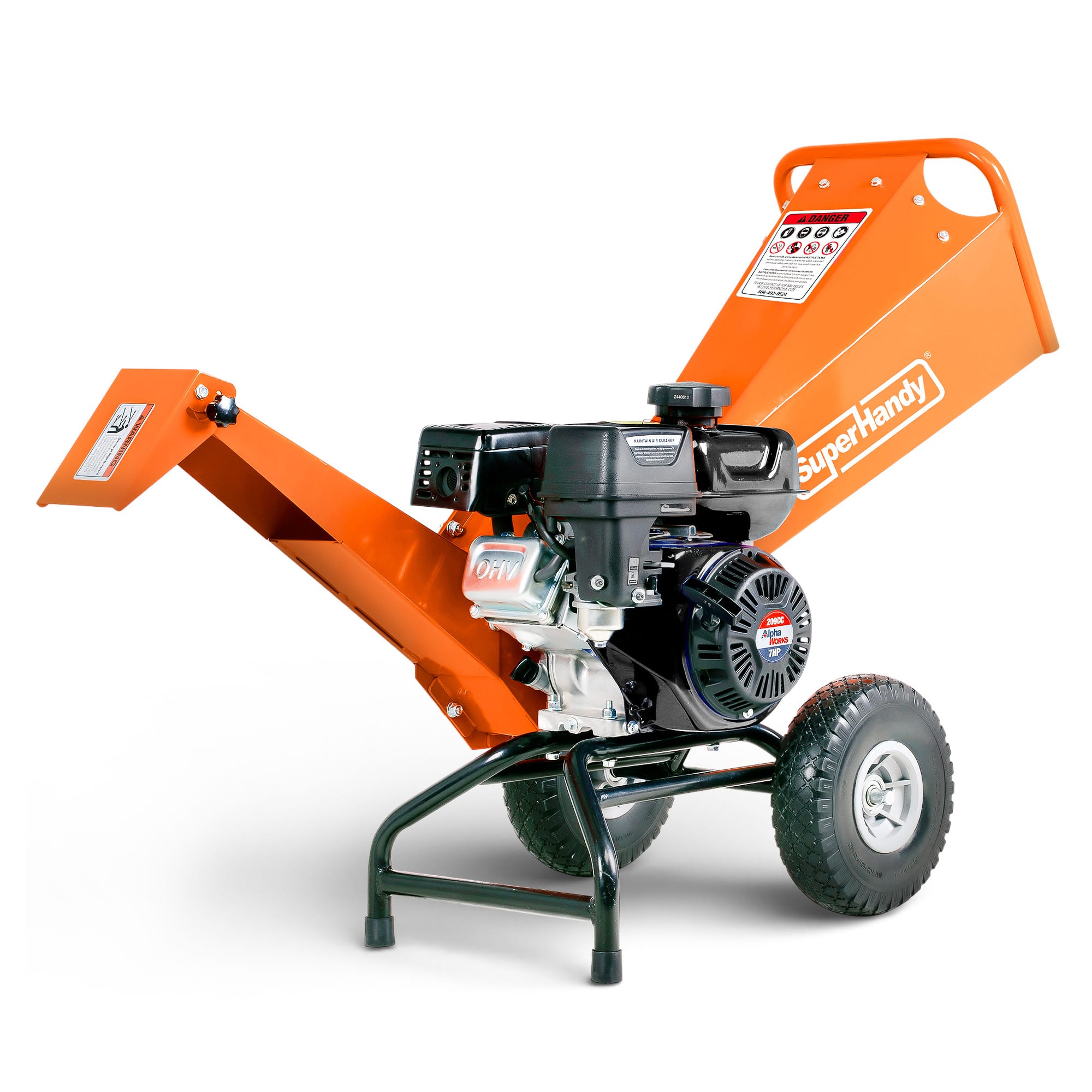
Fit is just as critical as the material. Poorly fitting gear can be a hazard in itself. All safety apparel should be snug enough to stay in place and avoid snagging on branches or your wood chipper, but not so tight that it restricts movement. A hard hat should be adjustable to sit securely on your head, and safety goggles need to form a seal around your eyes to keep fine dust out. Remember, even a powerful mini wood chipper demands the same level of respect and properly fitted gear as a larger machine.
Maintaining Your Safety Gear: Inspection and Replacement
Your safety gear is your first line of defense, but it's only effective if it's in good condition. Before you even start your gas wood chipper, take a minute to perform a thorough inspection of your PPE. Check your hard hat for any cracks, dents, or signs of UV degradation. Examine your safety glasses for deep scratches that could impair your vision. Look over your gloves for holes or thinning material and inspect your chaps for any cuts or tears.
Cleaning your gear after each use not only extends its life but also makes it easier to spot potential damage. If you find any issues during your inspection, do not hesitate to replace the item. A compromised piece of equipment is a risk you can't afford to take. Remember that some items, like hard hats, have an expiration date and should be replaced after any significant impact, even if no damage is visible. Just as you perform regular maintenance on your 3 in 1 wood chipper, your PPE requires consistent attention to ensure it’s ready to protect you.

Safe Operating Procedures: Beyond the Gear
While wearing the right PPE is essential, safe behavior is what truly prevents accidents. Your most important tool is knowledge, so always start by reading and understanding the owner's manual for your specific wood chipper model. Before you begin, clear your work area of any tripping hazards like rocks, tools, or tangled hoses. Keep children, pets, and any bystanders at a safe distance from the operating zone. When feeding branches into the machine, insert the thickest end first and allow the chipper to pull the material in on its own. According to OSHA hand and power tool safety guidance, you should never use your hands or feet to push material into a machine; always use a long branch or a designated push paddle for shorter pieces.
Your personal conduct is also part of the safety equation. Avoid wearing loose-fitting clothing, jewelry, or anything with drawstrings that could get caught in the machine. Stay focused on the task, eliminate distractions, and never leave a running wood chipper unattended. Following these procedures is paramount, especially when operating a powerful machine like a tow behind wood chipper, to ensure every job ends safely.
Chipper Maintenance and Safety Checks
A well-maintained wood chipper is a safer wood chipper. Integrating a pre-operation checklist into your routine is a non-negotiable step for safe operation. Before every use, check the fuel and oil levels, inspect hoses for leaks, and ensure all nuts and bolts are tight. Crucially, verify that all safety guards, shields, and the emergency shut-off features are in place and functioning correctly. A quick inspection of a powerful 4 inch wood chipper can prevent major issues down the line.
Blade condition is critical for both performance and safety. Dull blades require more force, strain the engine, and can increase the risk of the machine grabbing and kicking back. Check the blades for sharpness, nicks, and cracks before starting. Many modern designs, like a Rotor wood chipper with reversible blades, simplify this process. Most importantly, always shut the engine down completely and wait for all moving parts to come to a complete stop before performing any maintenance, adjustments, or attempting to clear a clog.
Emergency Preparedness: What to Do in Case of an Accident
Even with the best preparation and strictest adherence to safety protocols, accidents can happen. Your ability to respond quickly and correctly in an emergency is just as critical as the gear you wear. Before you ever start your wood chipper, you should have a clear emergency action plan.
The first step in accident prevention is following established safety rules for all equipment. Adhering to the general principles outlined in OSHA's hand and power tool safety guidance helps create a safer working environment from the start. However, if an incident does occur, stay calm and follow these steps:
- Shut Down the Machine Immediately: The absolute first priority is to stop the wood chipper to prevent further injury. Know the location of the emergency shut-off switch or key and be able to access it without hesitation.
- Assess the Situation and Call for Help: Quickly evaluate the severity of the injury. For any serious injury, such as a deep laceration, amputation, or being struck by a large object, call 911 immediately. Have your phone fully charged and easily accessible, not buried in a pocket under layers of gear.
- Administer First Aid: If you are trained, provide immediate first aid. This could include applying direct pressure to a wound to control bleeding. Keep a well-stocked first-aid kit near your work area at all times.
- Keep the Injured Person Calm: Reassure the injured person while you wait for emergency medical services to arrive. Keep them still and as comfortable as possible.
[IMAGE PLACEHOLDER] A well-organized and clearly labeled first-aid kit placed near the wood chipper work area.
It is always recommended to work with a partner who can call for help or assist in an emergency. Never operate a wood chipper alone in a remote area without a reliable way to contact help.
Frequently Asked Questions About Wood Chipper Safety Gear
Do I need full PPE for a small chipper or a quick job? Yes, absolutely. The potential for serious injury from a wood chipper is determined by the machine's moving parts and high-speed operation, not the duration of the job. Even a mini wood chipper operates with enough force to cause severe harm. Flying debris, noise, and dust are hazards regardless of whether you're working for ten minutes or ten hours.
What's the difference between earmuffs and earplugs? Both are designed to reduce noise to safe levels, but they work differently. Earplugs are inserted into the ear canal and are often small and inexpensive. Earmuffs fit over the entire ear, creating a seal against the head. Muffs are easier to take on and off, but can be bulky and hot. For the extreme noise of a gas wood chipper, many professionals prefer earmuffs for their higher Noise Reduction Rating (NRR) or even use both plugs and muffs simultaneously for maximum protection.
Can I wear any sturdy work boots? While any closed-toe shoe is better than nothing, standard work boots do not offer sufficient protection. You need ANSI-rated, steel-toe boots. These are specifically designed to protect your feet from the impact of a falling log or piece of equipment. Look for boots that also have slip-resistant soles to ensure stable footing on loose ground or wood chips.
Where to Purchase Reliable Wood Chipper Safety Equipment
Your safety gear is an investment in your well-being. Just as you research the best equipment for the job, you should be equally discerning about where you buy your Personal Protective Equipment (PPE). Low-quality gear can fail when you need it most, providing a false sense of security.
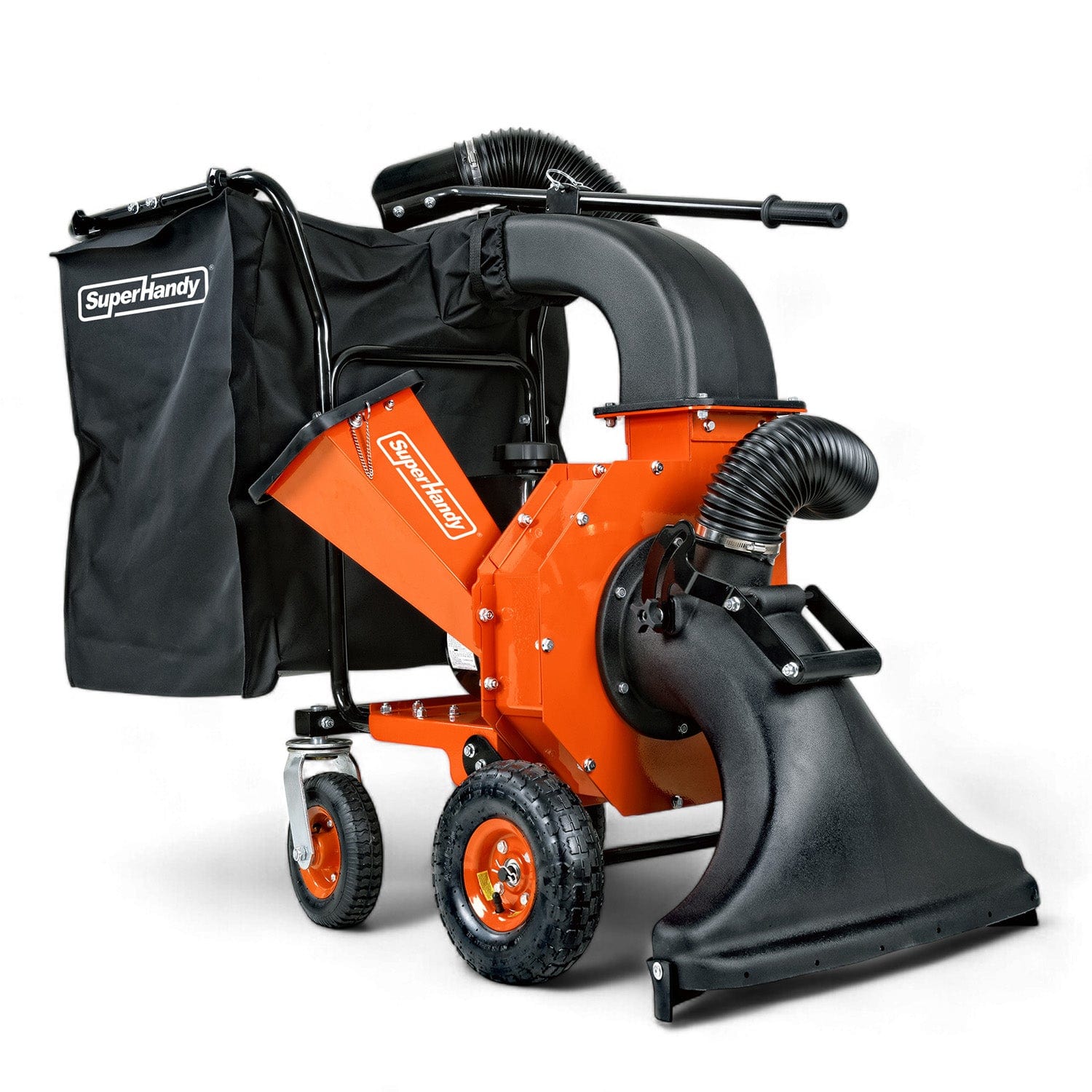
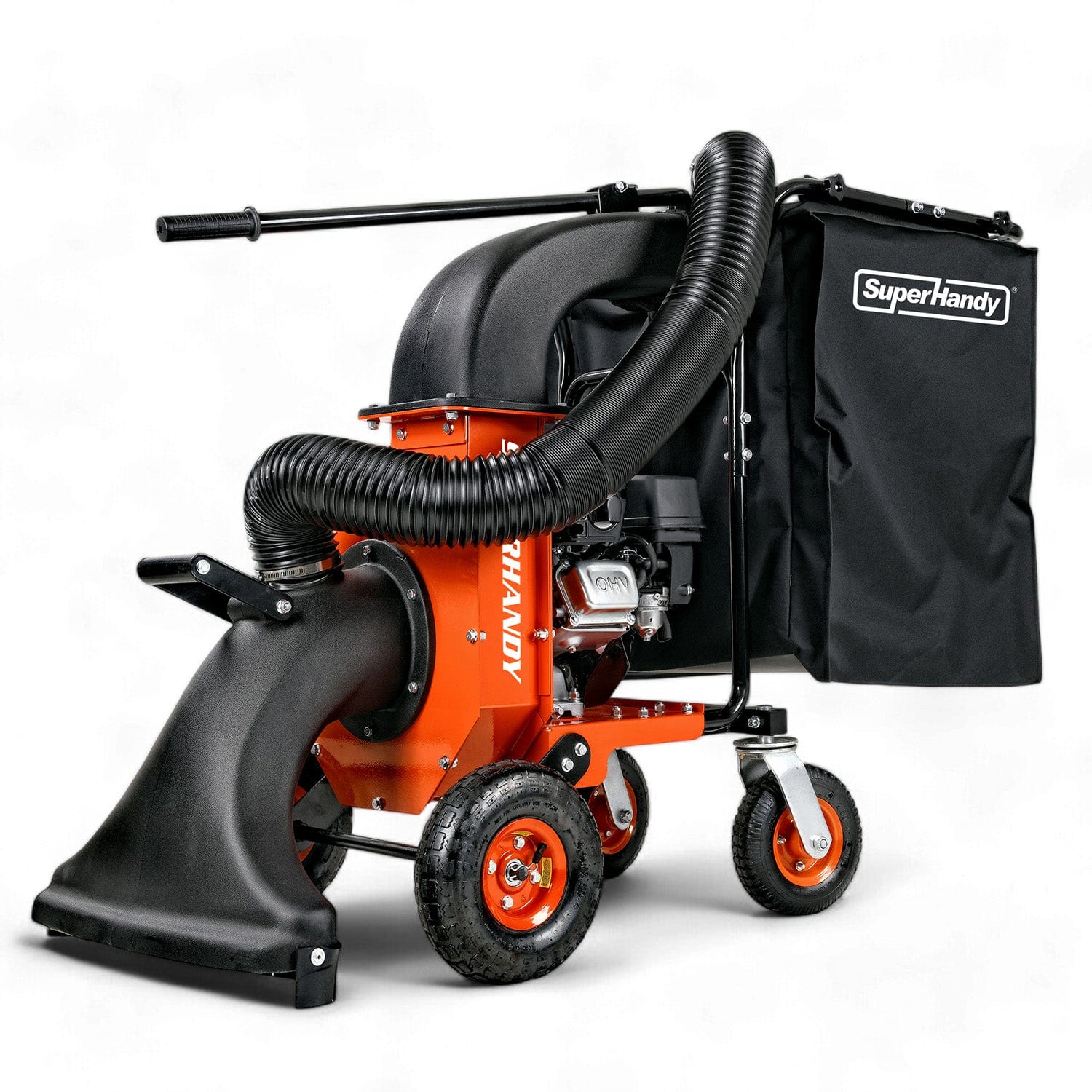
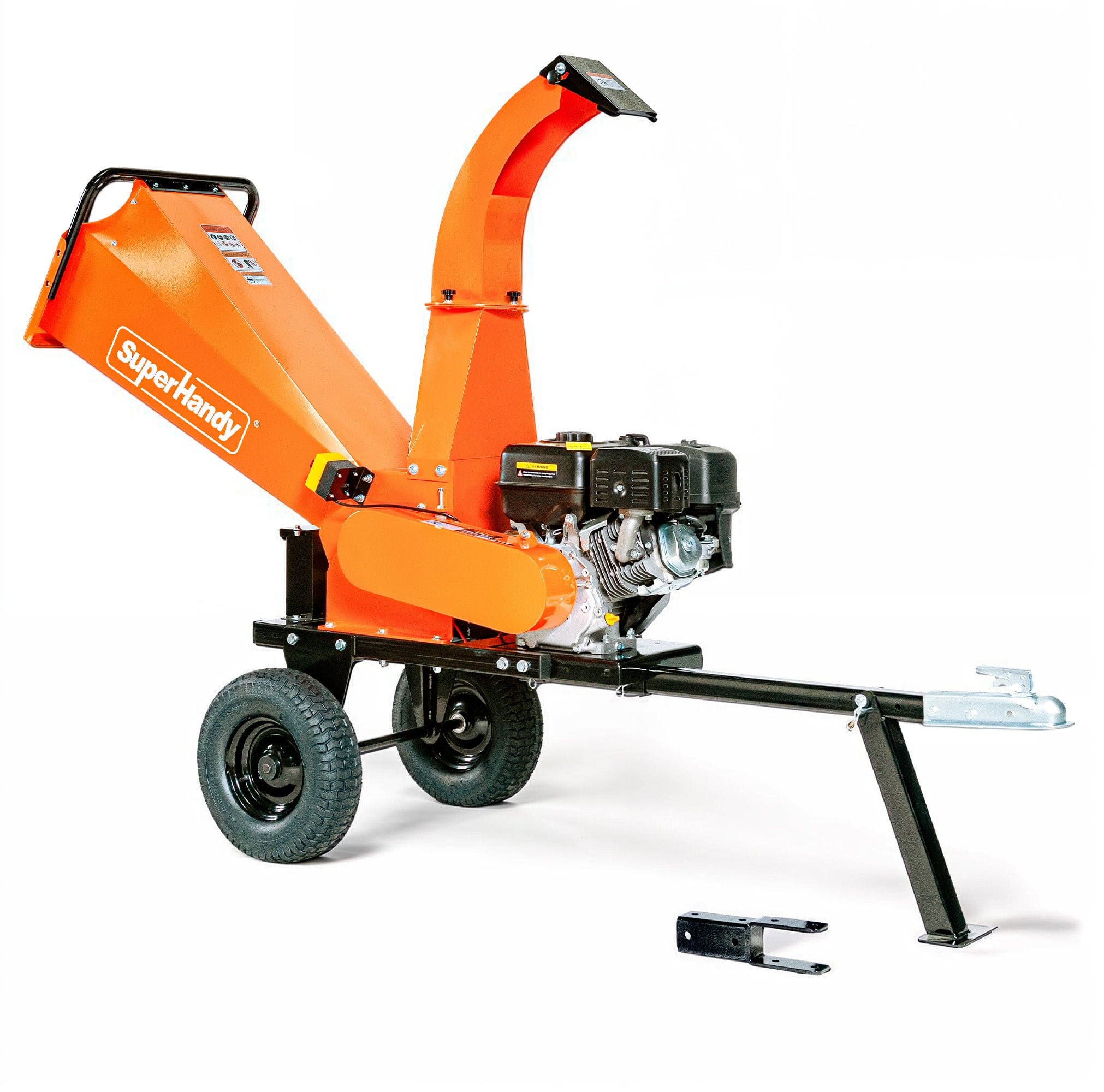
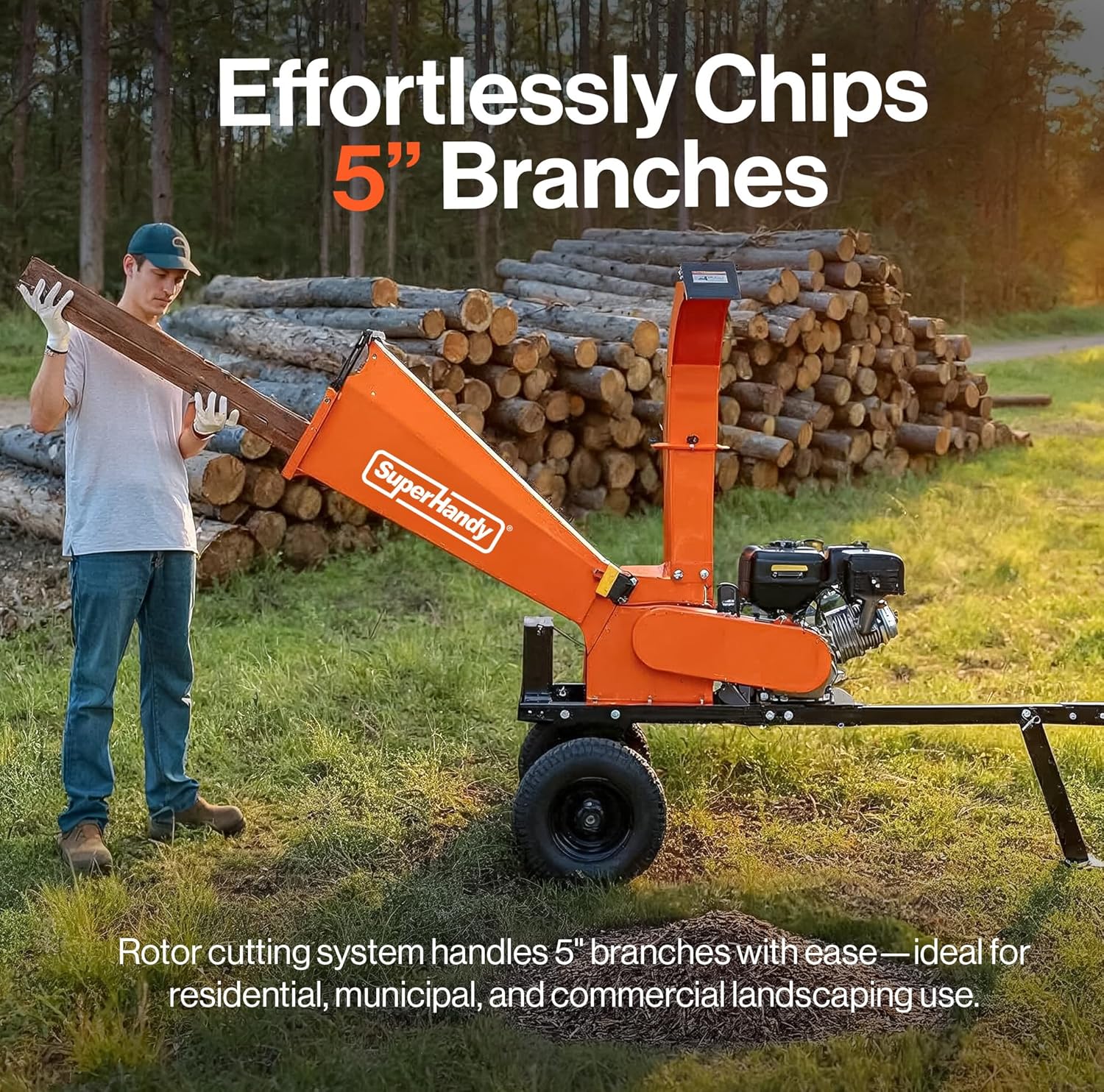
When you invest in a powerful machine like a Rotor wood chipper or a heavy-duty 4 inch wood chipper, it only makes sense to source your safety gear from a trusted supplier. At SuperHandy, we not only provide a wide range of high-performance chippers—from a versatile 3 in 1 wood chipper to a commercial-grade tow behind wood chipper—we also offer the essential safety equipment you need to operate them with confidence. Browse our collection of durable gloves, protective eyewear, and other vital gear to build your complete safety kit in one place.
Related Products

Leave a comment
All comments are moderated before being published.
This site is protected by hCaptcha and the hCaptcha Privacy Policy and Terms of Service apply.