








Why Leaf Mulch is Your Garden's Best Friend
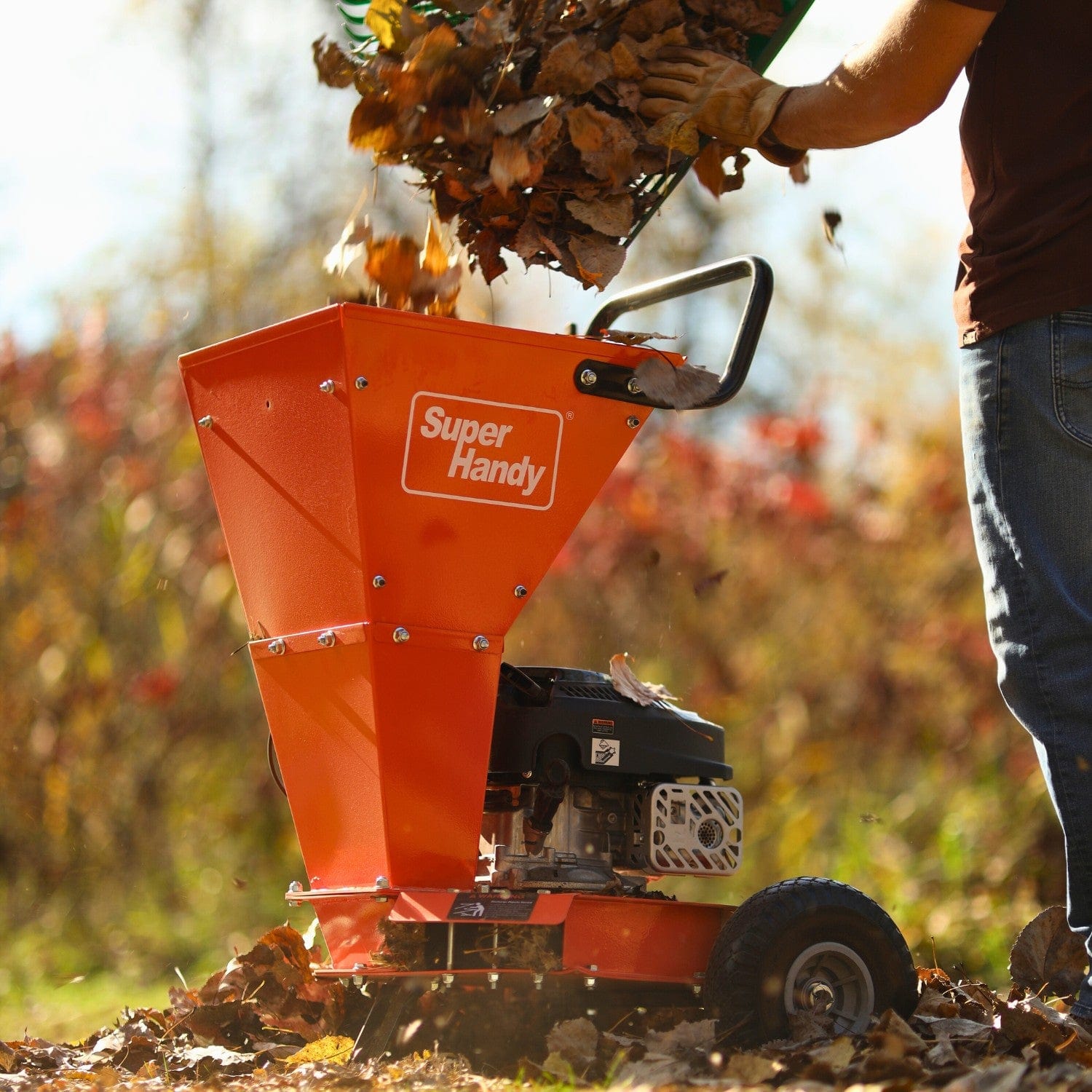
Those autumn leaves blanketing your yard aren't just waste; they are a free, nutrient-rich resource waiting to be unlocked. When shredded into fine mulch, leaves decompose and release valuable organic matter into your soil, improving its structure, aeration, and fertility. This natural blanket helps the ground retain moisture, reducing your need to water, and it effectively suppresses weed growth, saving you time and back-breaking effort in the spring. By creating your own mulch with a leaf mulcher, you significantly reduce yard waste and save money on expensive fertilizers and store-bought soil amendments.
Choosing the Right Leaf Vacuum Mulcher for Your Needs
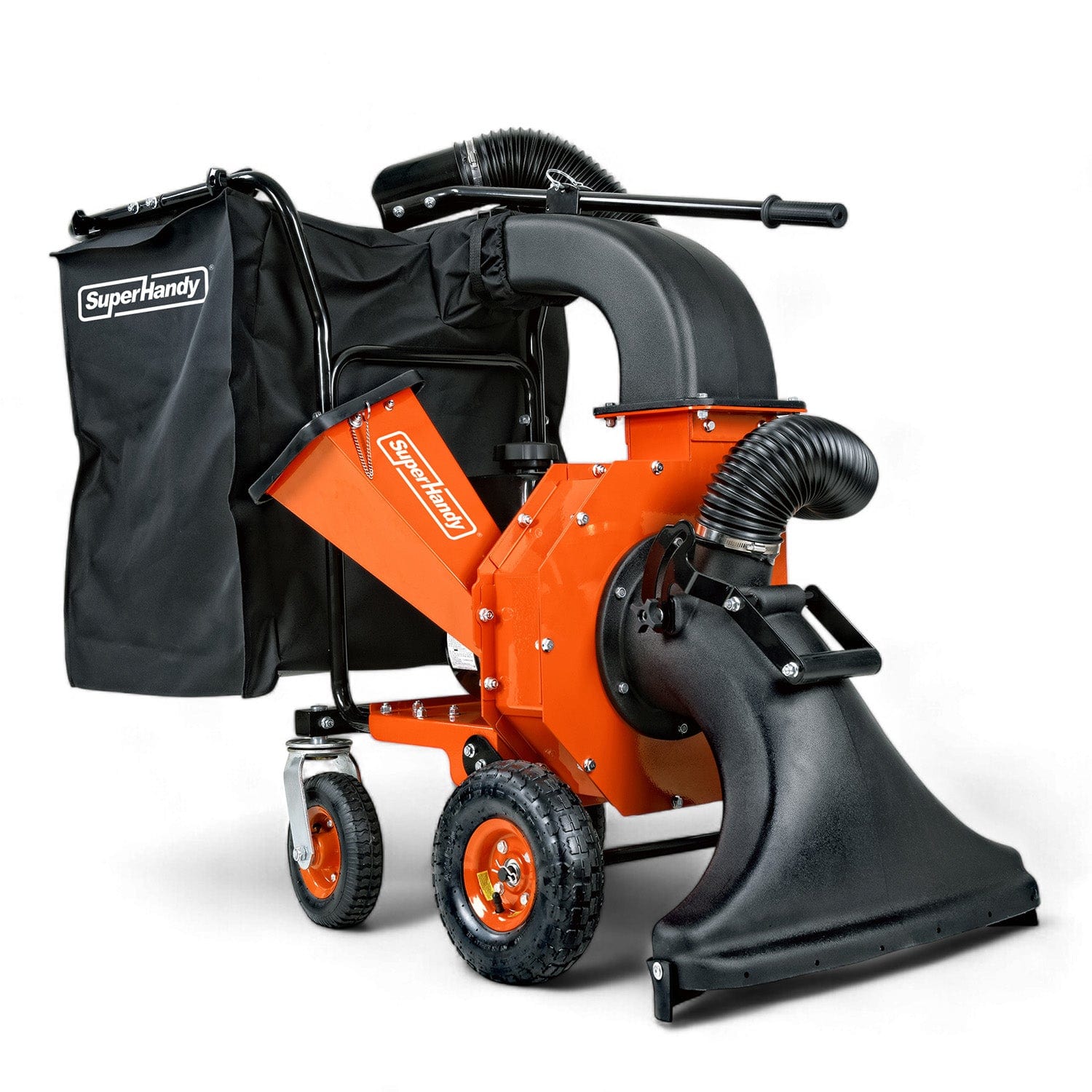
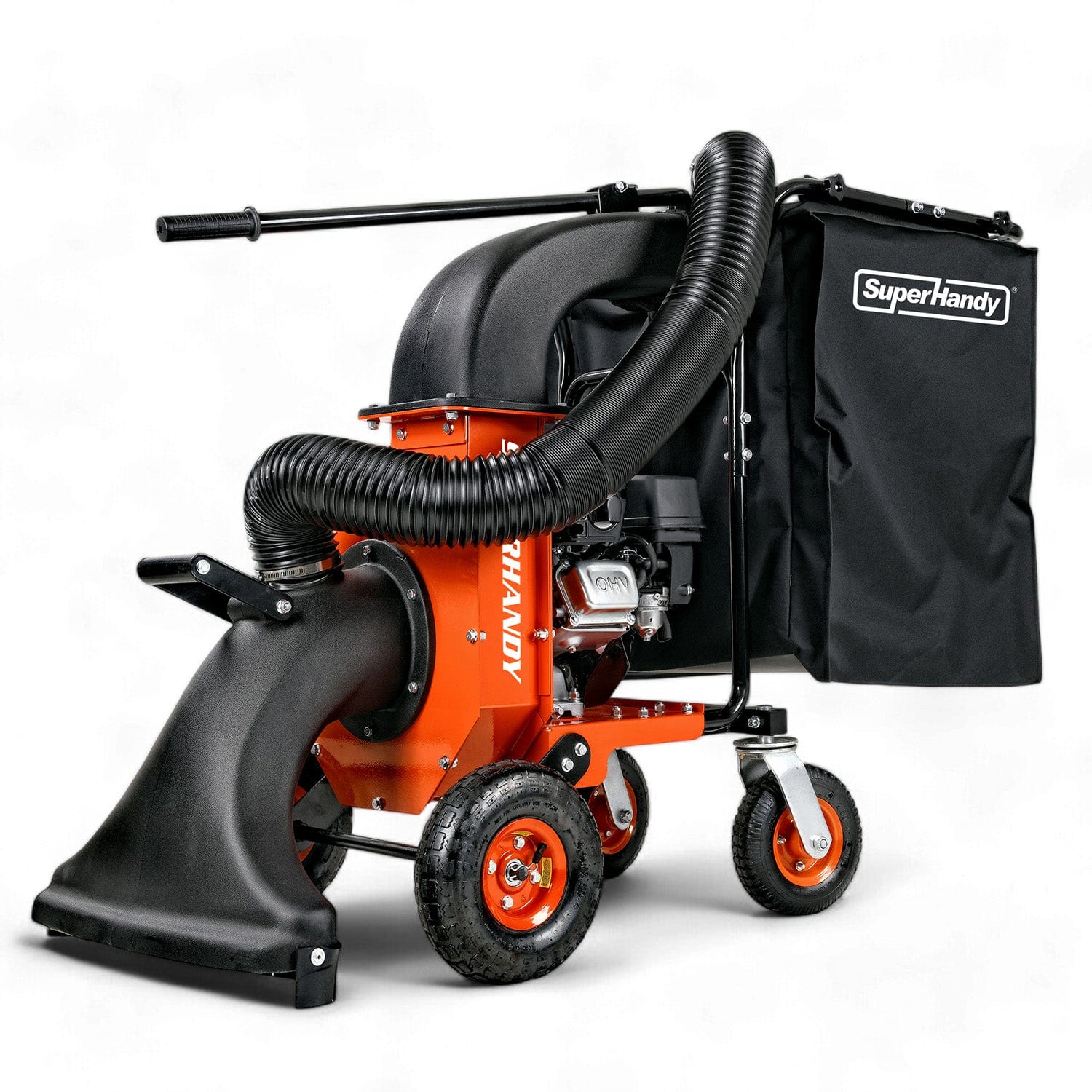
The first step in transforming your leaves is selecting a tool that matches your yard's demands. Leaf vacuum mulchers come in three main varieties: corded electric, cordless electric (battery-powered), and gas-powered. Corded electric models are lightweight, quiet, and ideal for small to medium-sized yards where an outlet is always within reach. Cordless models provide complete freedom of movement, suitable for navigating around garden beds and trees without a tether. For larger properties or heavy-duty cleanup, a gas-powered leaf shredder delivers maximum power to tackle dense, wet leaves and small twigs with useful efficiency.

Understanding the Key Features: Bagging vs. Mulching Ratios
When comparing models, you'll often see a "mulching ratio," such as 10:1 or 16:1. This number is crucial as it indicates how effectively the machine reduces leaf volume. For example, a 16:1 ratio means the leaf vacuum mulcher can shred 16 bags of whole leaves down to just one bag of fine mulch. A higher ratio is generally better, creating a finer material that decomposes faster and takes up far less space. Also, pay attention to the collection bag's capacity—a larger bag allows you to work longer before needing to stop and empty it.
Safety First: Essential Precautions Before You Start
Operating any power tool requires care and attention. Before you begin, always wear appropriate personal protective equipment (PPE), including safety glasses, sturdy gloves, and hearing protection. Read your owner's manual thoroughly to understand your specific model's operation and safety features. Clear the work area of rocks, large sticks, and other hard objects that could damage the impeller or become dangerous projectiles. Never put your hands or feet near the intake or discharge areas while the machine is running.
Step-by-Step Guide: Mastering Your Leaf Vacuum Mulcher
You’ve chosen your machine, and now it’s time to turn those pesky leaf piles into a valuable resource. Using a leaf vacuum mulcher is straightforward once you get the hang of it. Follow these steps for safe, efficient operation and learn what to do with the "garden gold" you create.
Preparing Your Yard for Efficient Leaf Collection
Before you even start your engine or plug in your cord, a little prep work goes a long way. First, walk the area and remove any large sticks, branches, pinecones, rocks, or children's toys. These items can damage the leaf shredder's impeller or become dangerous projectiles. For best results, use a rake or blower to gather leaves into manageable piles or long rows called windrows. This concentrates the material, allowing you to work continuously instead of hunting for scattered leaves, making your job much faster.

Operating Your Mulcher: Techniques for Optimal Results
With your yard prepped, it’s time to power up. Always begin by ensuring the collection bag is securely attached and zipped closed. When you start vacuuming, use a slow, steady sweeping motion over your leaf piles, letting the machine’s suction do the work. Avoid forcing the nozzle too deeply into a dense pile, as this can cause clogs. The best performance comes from tackling dry leaves, which shred easily and flow smoothly into the bag. While some models can handle damp leaves, they are more likely to clump and clog the intake tube or impeller. Adhering to established hand and power tool safety guidelines, such as wearing safety glasses and gloves, is essential for protecting yourself during operation.
What to Do with Your Mulched Leaves: Creative Uses
Once your collection bag is full, you have a nutrient-rich, finely shredded material ready to benefit your entire landscape. Don't just send it to the curb! Here are a few fantastic uses for your freshly mulched leaves:
- Enrich Your Compost: Leaf mulch is a carbon-rich "brown" material that is suitable for balancing the nitrogen-rich "green" materials (like kitchen scraps or grass clippings) in your compost bin. This mixture accelerates decomposition and creates a balanced, nutrient-dense compost.
- Create Natural Garden Mulch: Spread a 2-3 inch layer of your mulched leaves around trees, shrubs, and in your garden beds. This natural mulch helps suppress weeds, retain soil moisture, and regulate soil temperature, protecting plant roots from extreme heat and cold. As it breaks down, it will continuously add organic matter to your soil.
Transforming Leaves into Nutrient-Rich Compost
One of the best uses for your shredded leaves is to supercharge your compost pile. Whole leaves can take a year or more to break down, but the fine particles produced by a leaf mulcher decompose in just a few months. These shredded leaves are a fantastic "brown" material, rich in carbon. For a balanced, fast-acting compost, mix two parts of your mulched leaves with one part "green" material, such as fresh grass clippings or kitchen scraps. This combination creates the perfect environment for beneficial microbes to work their magic, turning your yard waste into dark, crumbly compost for your garden.
Using Mulch to Suppress Weeds and Retain Soil Moisture
Take your freshly shredded leaves directly to your garden beds. Applying a two-to-three-inch layer of leaf mulch around your plants, shrubs, and trees works wonders. This layer acts as a natural barrier, blocking sunlight and preventing stubborn weed seeds from germinating. Furthermore, the mulch helps the soil retain precious moisture by reducing evaporation, meaning you'll need to water less often. The fine texture created by a quality leaf shredder ensures the mulch settles nicely and doesn't blow away, providing consistent protection for your soil.
Enhancing Your Lawn with a Thin Layer of Leaf Mulch
You don't have to remove all the leaves from your lawn. By using a leaf vacuum mulcher, you can shred them into a fine, nutrient-rich powder and return them directly to the turf. Unlike whole leaves that can smother and kill grass, a thin layer of finely mulched leaves will quickly settle between the grass blades. As they decompose, they release valuable nutrients back into the soil, acting as a natural fertilizer. This simple step helps build healthier soil, reduces the need for chemical fertilizers, and promotes a lusher, greener lawn.
Maintaining Your Leaf Vacuum Mulcher for Longevity
Proper maintenance ensures your leaf mulcher performs efficiently for years to come. After every use, disconnect the power source and clear any compacted leaf debris from the impeller, mulching chamber, and vacuum tube to prevent clogs and motor strain. Regularly inspect the mulching blades or strings for wear and tear; dull or damaged components will reduce performance. Check the collection bag for any rips or holes that could leak dust and debris. Finally, store your machine in a clean, dry area away from the elements. Following these steps will keep your leaf vacuum mulcher ready for action every season.
Troubleshooting Common Leaf Mulcher Issues
Even the best leaf vacuum mulcher can run into hiccups. Before you get frustrated, check these common issues and their simple fixes. Always disconnect the power source (unplug or remove the battery) before performing any inspection or maintenance.
-
Clogging: The most frequent problem is a clog in the vacuum tube or impeller housing. This usually happens when you try to vacuum wet, heavy leaves, twigs, or too much material at once. Solution: Turn off and disconnect the power. Clear the obstruction from the tube and check the impeller area for wrapped-up debris. To prevent it, work with dry leaves and avoid sucking up sticks and acorns.
-
Loss of Power or Suction: If your mulcher isn't performing like it used to, the collection bag is the first place to look. A full or nearly full bag will drastically reduce airflow and suction. Solution: Empty the bag. If the problem persists, check for a partial clog in the tube. For cordless models, a low battery can also cause a drop in performance, so ensure it's fully charged.
-
Unit Won't Start: A mulcher that refuses to start is often due to a safety feature. Most units have sensors that prevent operation if the tubes or bag are not attached correctly. Solution: Double-check that all components are securely locked in place. For a battery-powered leaf shredder, ensure the battery is fully seated and charged. For corded models, check your power outlet, extension cord, and home circuit breaker.

Frequently Asked Questions About Leaf Vacuum Mulchers
Q: Can I use a leaf vacuum mulcher on wet leaves?
A: While technically possible with some high-powered models, it's not recommended. Wet leaves are heavy, sticky, and tend to clump together, which can easily clog the vacuum tube and impeller. This puts unnecessary strain on the motor and gives you a poor mulching result. For best performance, use your machine on dry or slightly damp leaves.
Q: How do I properly care for my cordless mulcher's battery?
A: To get the most out of your battery, store it in a cool, dry place away from extreme heat or cold. Avoid leaving it on the charger for extended periods after it has reached a full charge. Following best practices can help with extending the lifetime of lithium-ion batteries, ensuring your tool is ready when you are.
Q: What is the difference between a leaf vacuum mulcher and a leaf shredder?
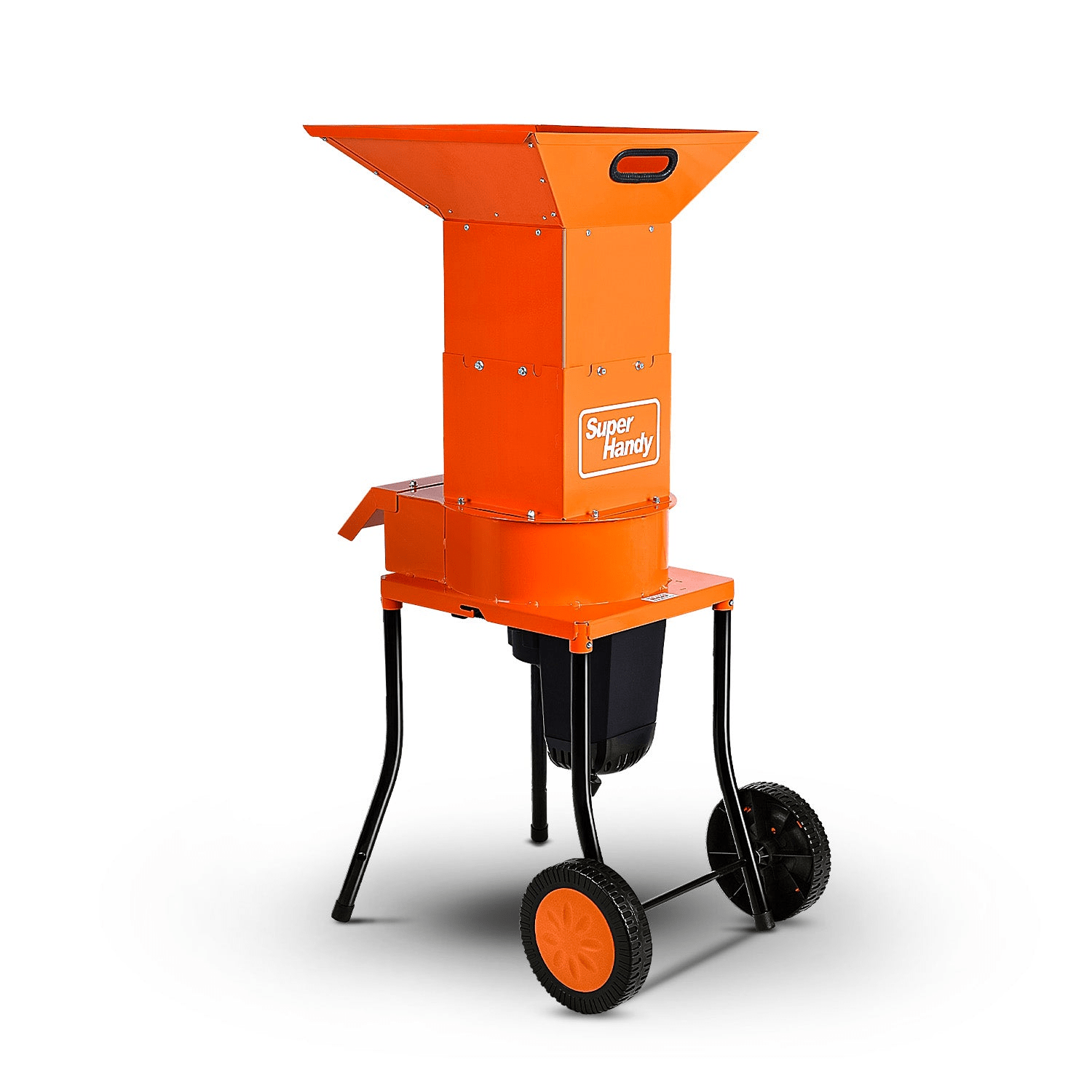
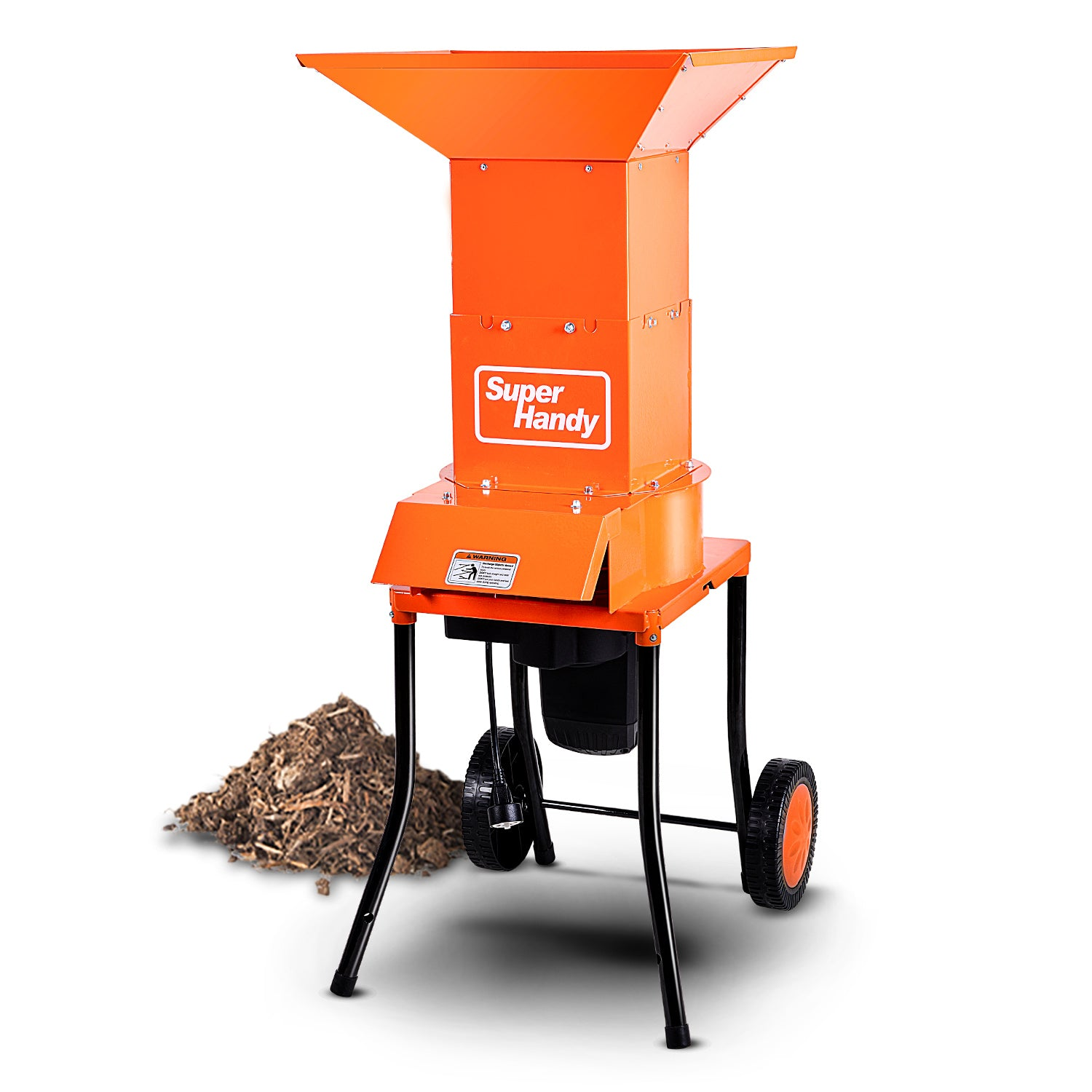
A: A leaf vacuum mulcher is a portable, often 3-in-1 tool that functions as a blower, vacuum, and mulcher. You walk around your yard collecting leaves. A dedicated leaf shredder is a stationary machine with a hopper on top; you bring the leaves to it and feed them in. A leaf vacuum is great for mobility and cleaning various areas, while a stationary shredder often handles a higher volume and may process small branches.
FAQ: What is the ideal mulching ratio for garden use?
The mulching ratio (e.g., 16:1) tells you how effectively a leaf mulcher reduces leaf volume. A 16:1 ratio means the machine can reduce 16 bags of whole leaves into a single bag of shredded material.
For general garden use, a higher ratio is typically better. A ratio of 16:1 or higher produces a fine, confetti-like mulch. This finer material breaks down faster, releasing nutrients into your soil more quickly. It's suitable for mixing into compost, top-dressing your lawn, or creating a neat, protective layer in flower beds. While a lower ratio (like 10:1) is still very effective, the resulting coarser mulch is better suited for pathways or around large, established shrubs where slower decomposition is acceptable.
Related Products


Leave a comment
All comments are moderated before being published.
This site is protected by hCaptcha and the hCaptcha Privacy Policy and Terms of Service apply.