











Why Traditional Trailer Maneuvering is a Pain Point for Many
Anyone who has ever tried to back a boat, camper, or utility trailer into a tight spot knows the feeling. The mix of frustration, stress, and sheer awkwardness is a near-universal experience. Traditional maneuvering, which relies on a tow vehicle, is fraught with challenges. The steering is counterintuitive—you have to turn the wheel left to make the trailer go right—and requires constant, minute corrections. This "jackknife" dance often involves multiple attempts, strained necks from looking over your shoulder, and a complete reliance on a spotter who you hope is giving clear directions.
Beyond the mental gymnastics, there's the physical strain. For smaller trailers, some might resort to manually pushing them into place. This is a recipe for back strain, pinched fingers, and exhaustion. Even manual trailer dollies, while better than nothing, require significant physical effort to push or crank, especially on uneven ground or slight inclines. The core problem is a lack of precision and an abundance of blind spots, turning the simple act of parking your trailer into a dreaded, time-consuming chore.
The Electric Trailer Dolly: A Game Changer for Effortless Parking
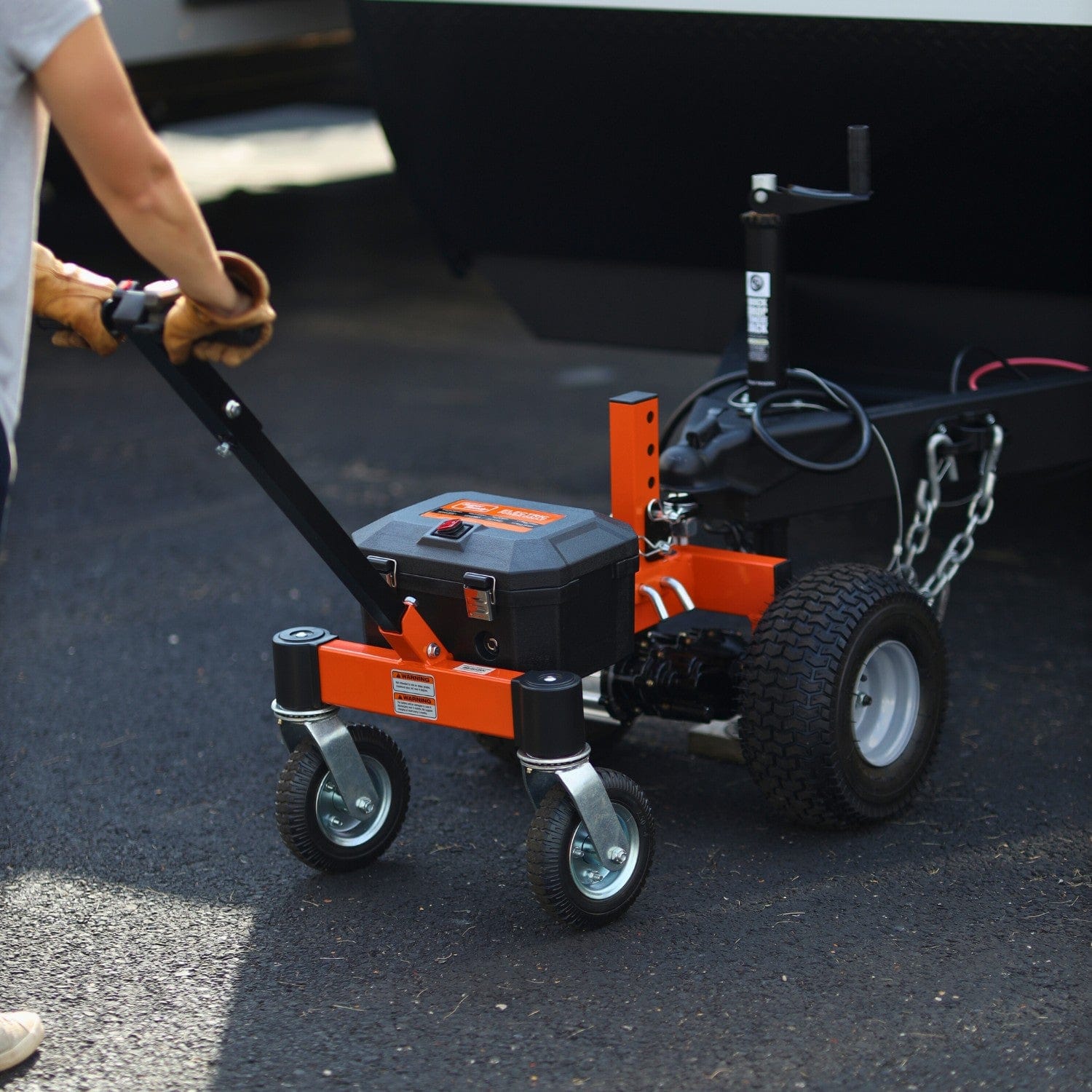
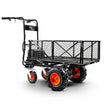
Enter the electric trailer dolly. This innovative tool completely transforms the experience of moving and parking your trailer, turning a two-person, high-stress job into a simple, one-person task. An electric trailer dolly is a motorized, walk-behind device that attaches to your trailer's tongue, allowing you to maneuver it with precision and minimal physical effort. It effectively detaches the trailer from the tow vehicle, giving you 360-degree visibility and direct control.

Imagine effortlessly guiding your boat into the garage or positioning your camper perfectly on its storage pad, all with the simple push of a button. There's no more yelling for a spotter, no more blind reversing, and no more back-breaking pushing. The powered wheels do all the heavy work, allowing you to focus solely on placement. For anyone who needs to move a trailer in a confined space, an electric trailer dolly like a versatile 5000lb trailer dolly isn't just a convenience; it's a complete game changer.
How Electric Trailer Dollies Work: The Technology Behind the Ease
The magic of an electric trailer dolly lies in its straightforward yet powerful design. At its heart is a robust system that converts electrical energy into mechanical force. It all starts with a power source, typically a set of sealed lead-acid or modern lithium-ion batteries. This battery provides the electricity to a high-torque DC motor.
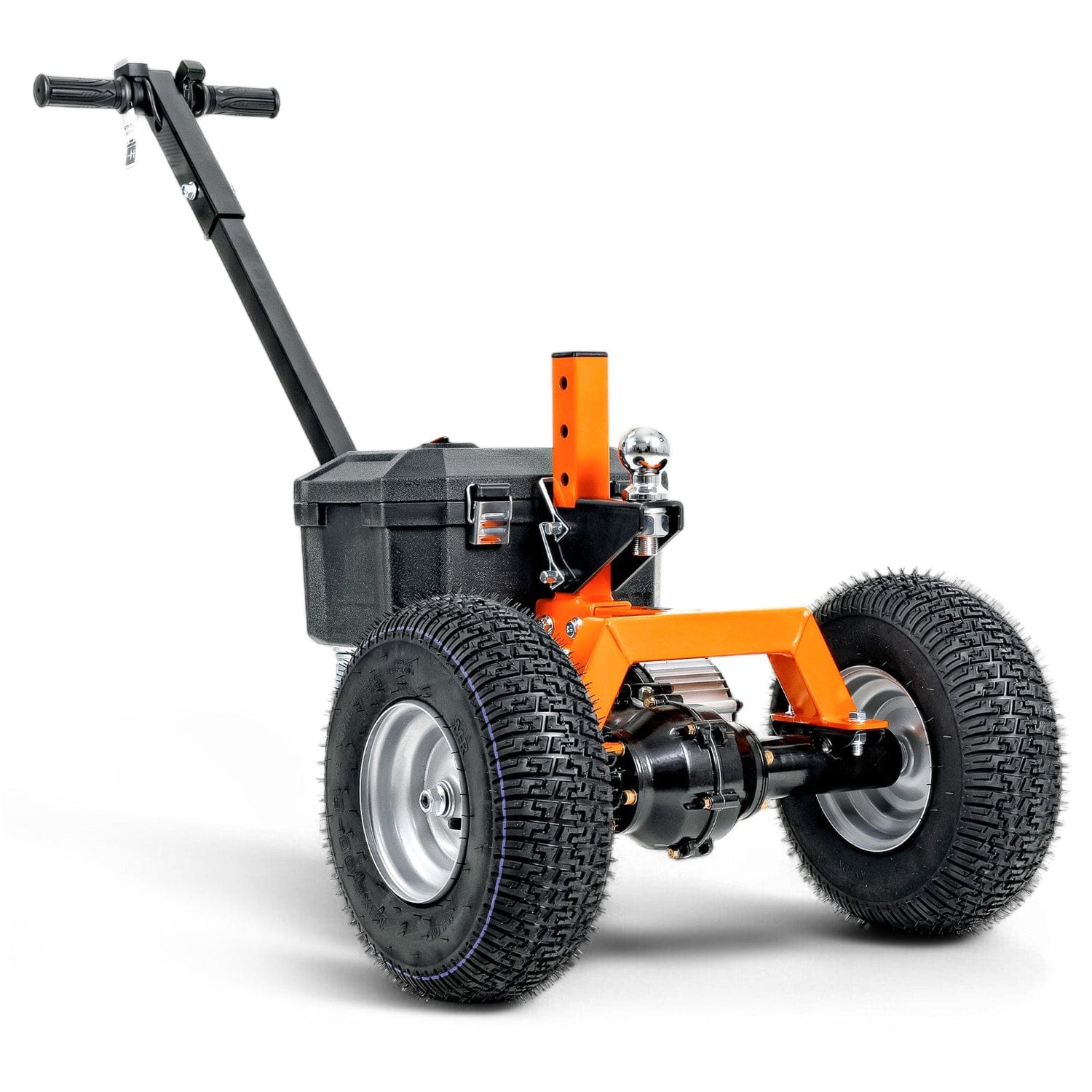
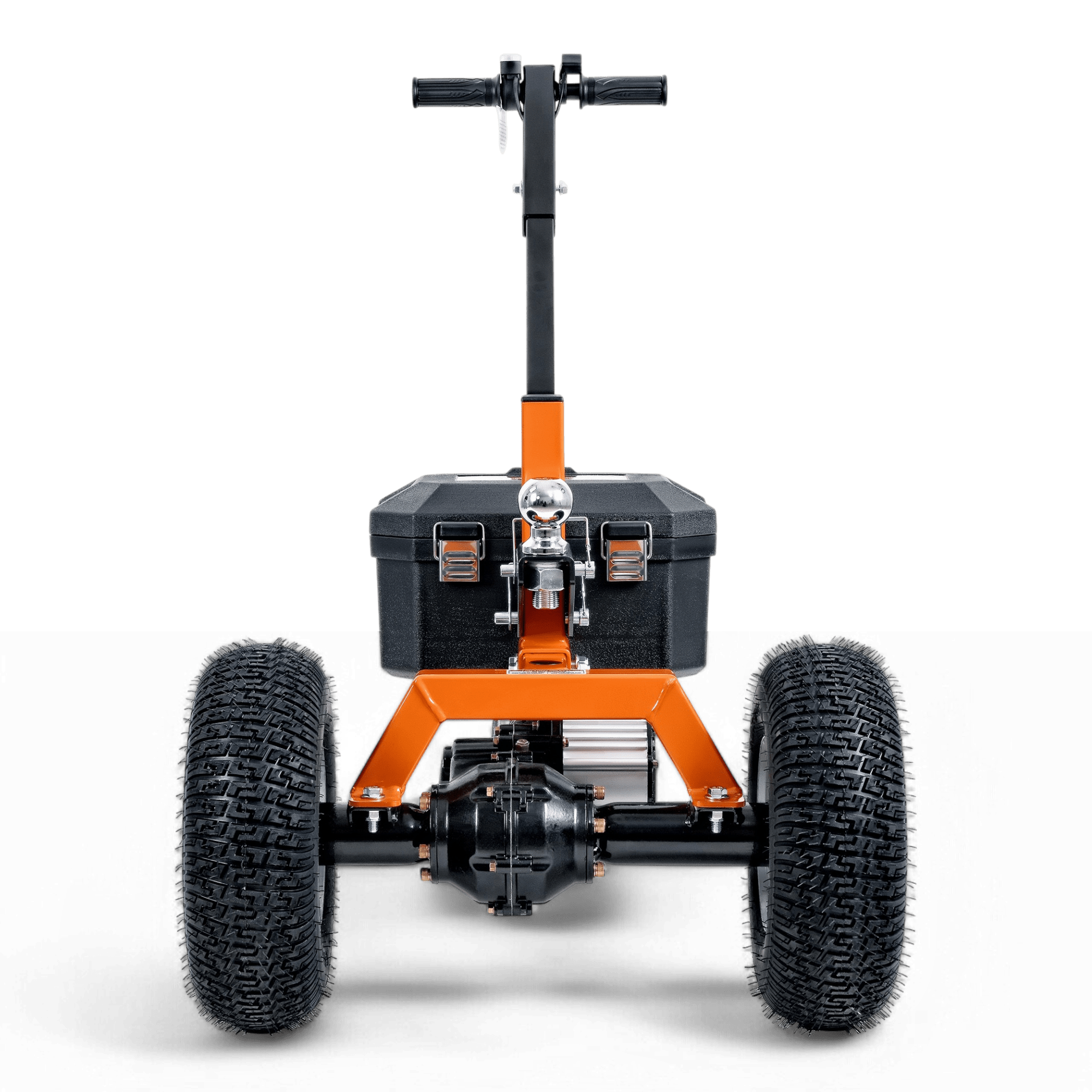
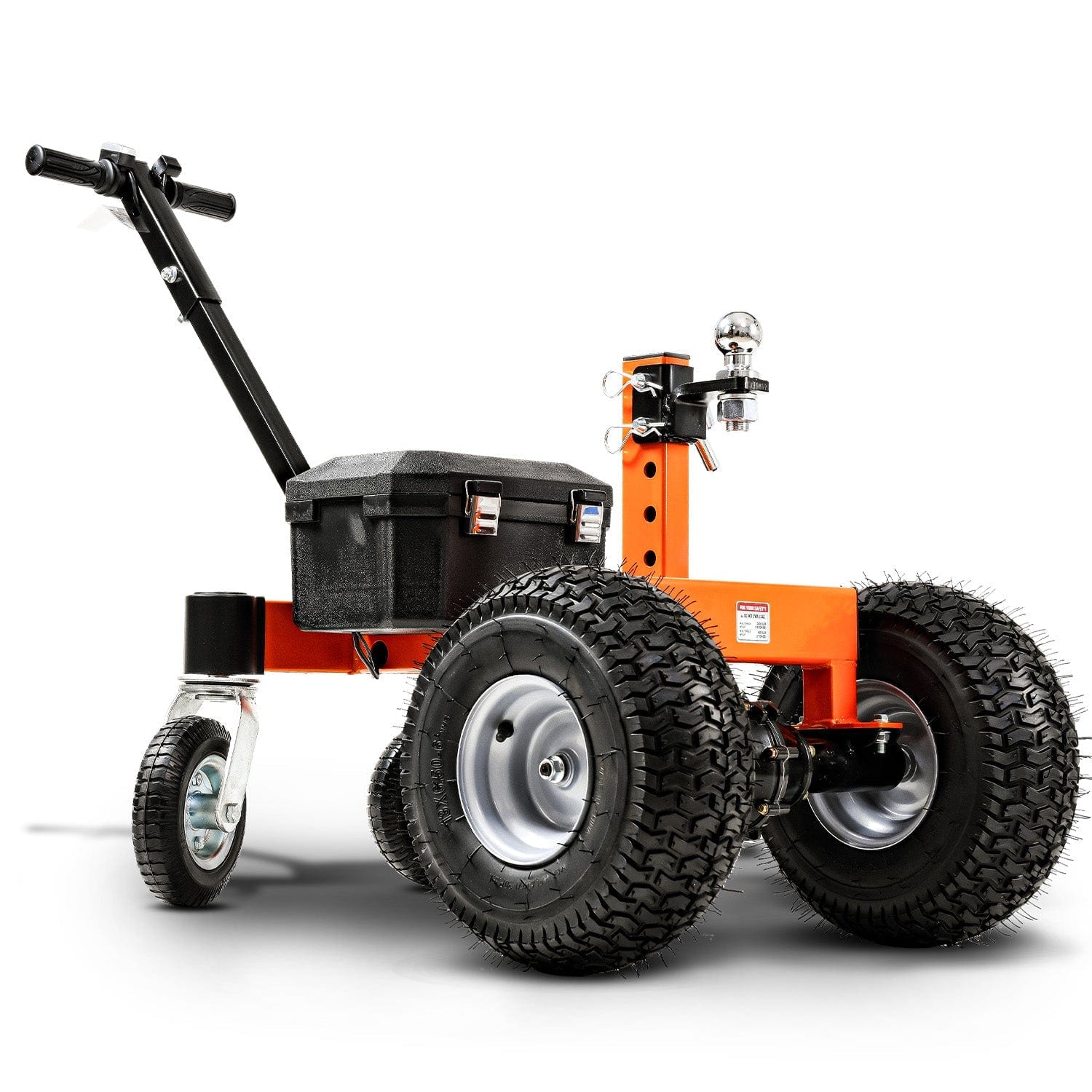
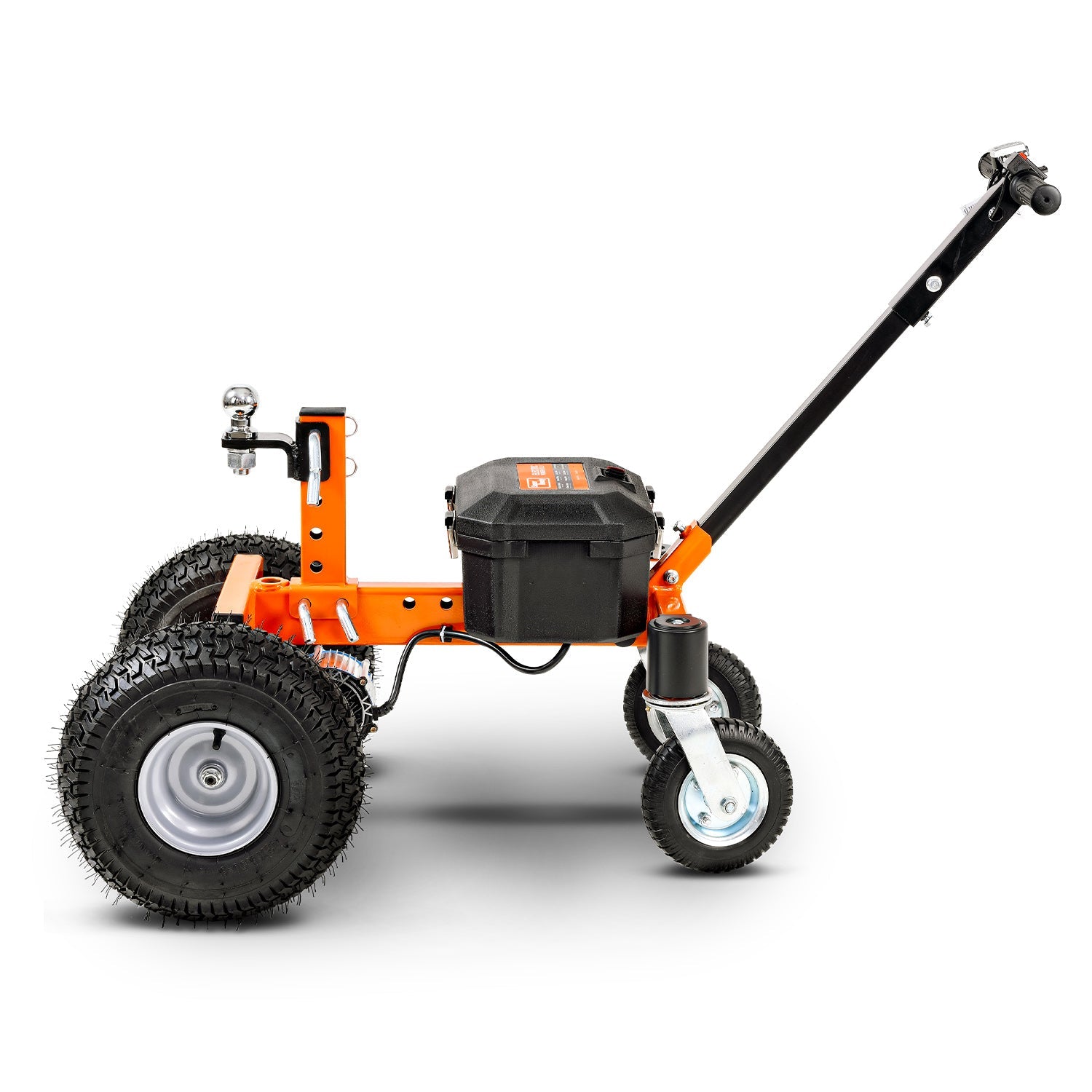
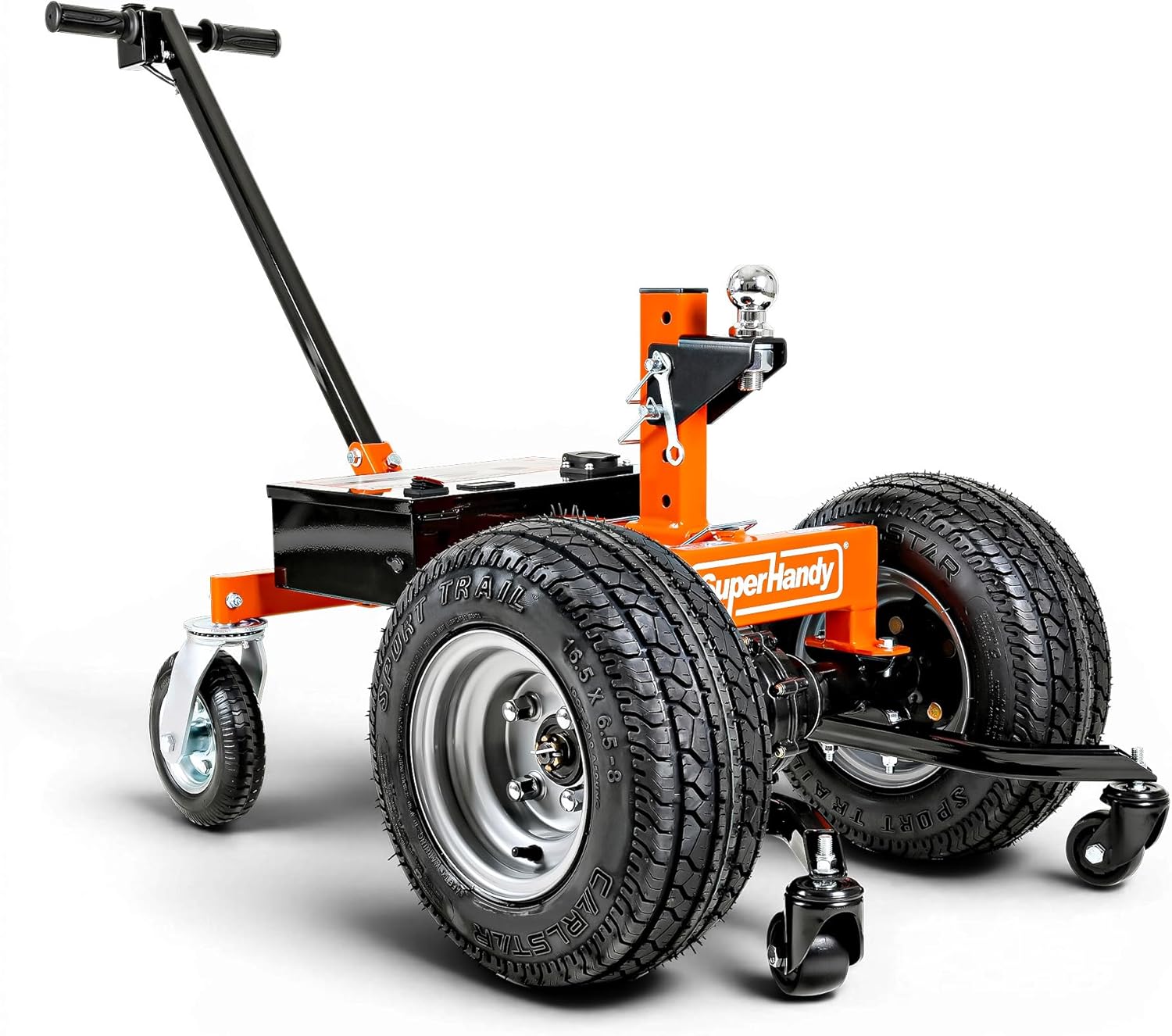
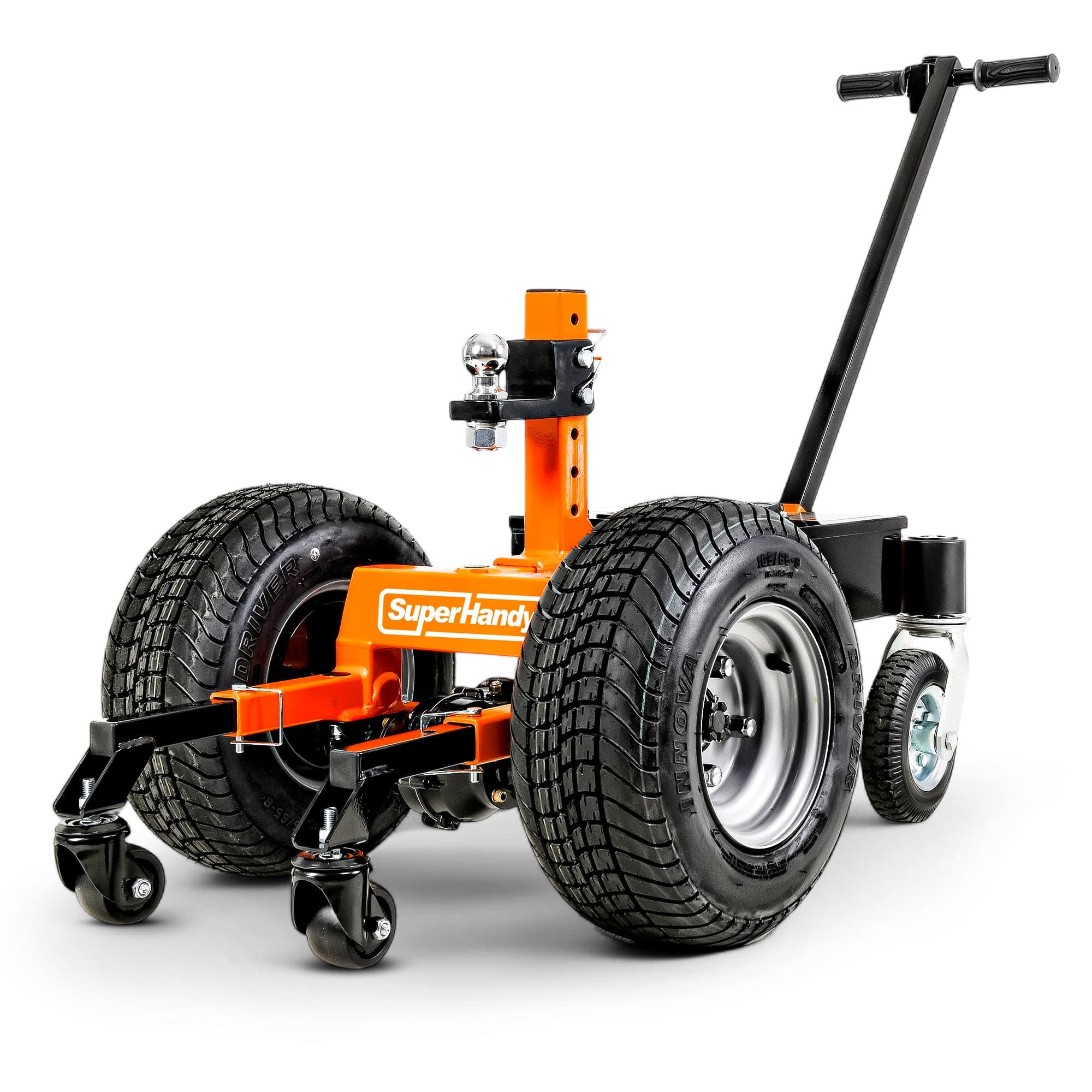
The motor is connected to a gearbox and drivetrain, which multiplies the motor's power and transfers it to the drive wheels. This is what gives the dolly the muscle to move thousands of pounds from a standstill. The entire system is managed through a simple control interface located on the handlebars. With a forward/reverse switch and a variable-speed throttle, you have intuitive command over the trailer's movement and direction. A secure, often height-adjustable ball mount connects the dolly to your trailer’s coupler, ensuring a safe and stable connection. This combination of battery, motor, and user-friendly controls makes a powerful tool like a 2800lb trailer dolly both incredibly effective and surprisingly simple to operate. For public access decisions, ADA.gov explains how covered entities evaluate wheelchairs and other power-driven mobility devices.
Key Features to Look for in a Modern Electric Trailer Dolly
When shopping for an electric trailer dolly, not all models are created equal. Paying attention to a few key features will ensure you get a tool that is safe, effective, and perfectly suited to your needs.
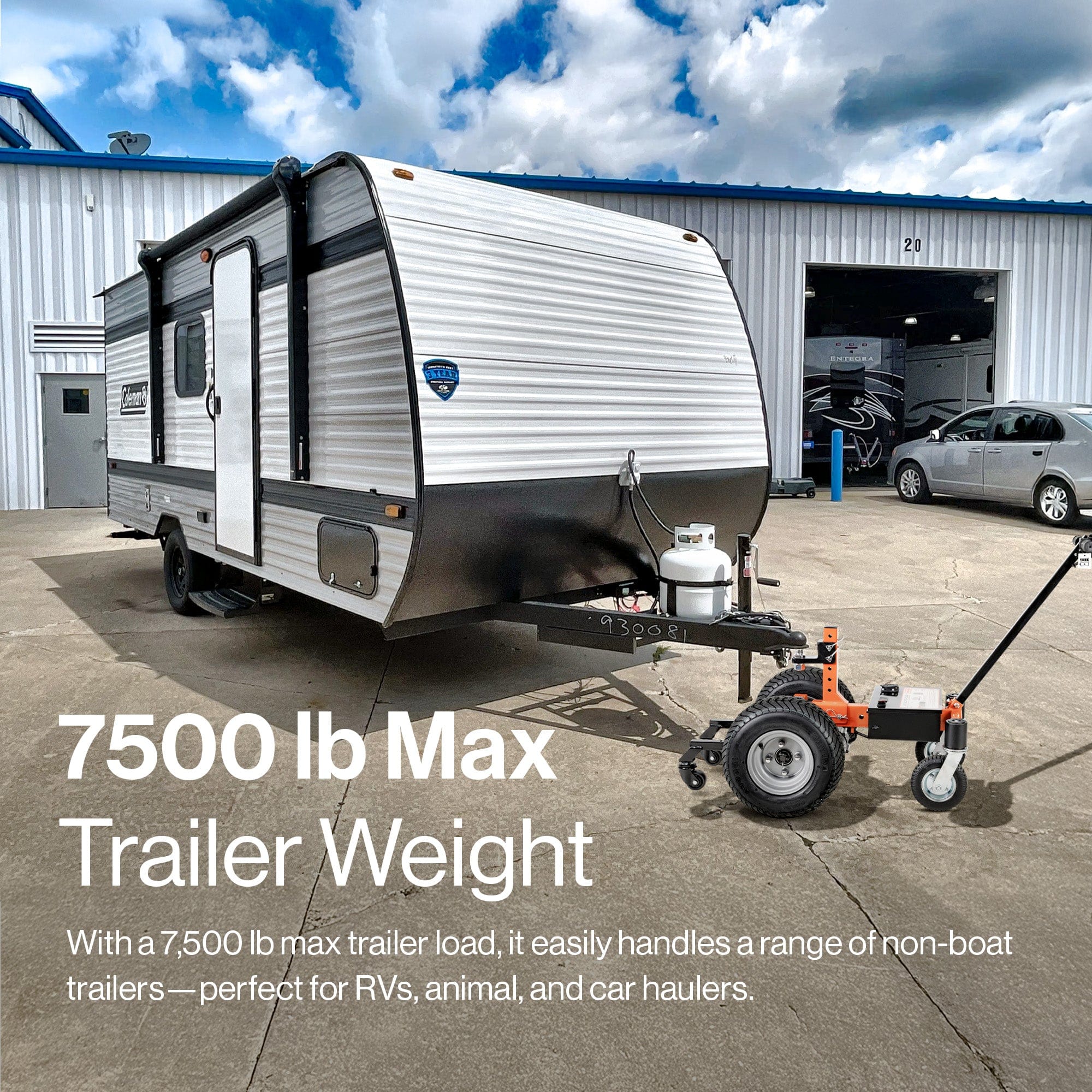
- Weight Capacity: This is the most critical specification. Ensure the dolly's maximum towing capacity exceeds your trailer's Gross Trailer Weight (GTW). It's always better to have more capacity than you need. Models range from lighter-duty units to a heavy-duty 7500lb trailer dolly for substantial loads.
- Tires and Traction: Look for heavy-duty, all-terrain tires. Large, deeply treaded wheels provide superior traction on various surfaces like gravel, grass, and uneven pavement, preventing slipping and ensuring consistent control.
- Variable Speed and Braking: A variable-speed throttle is essential for precision. It allows you to move the trailer at a slow, controllable pace for careful positioning. Equally important is an automatic braking system, which engages the moment you release the throttle, preventing runaway situations on inclines.
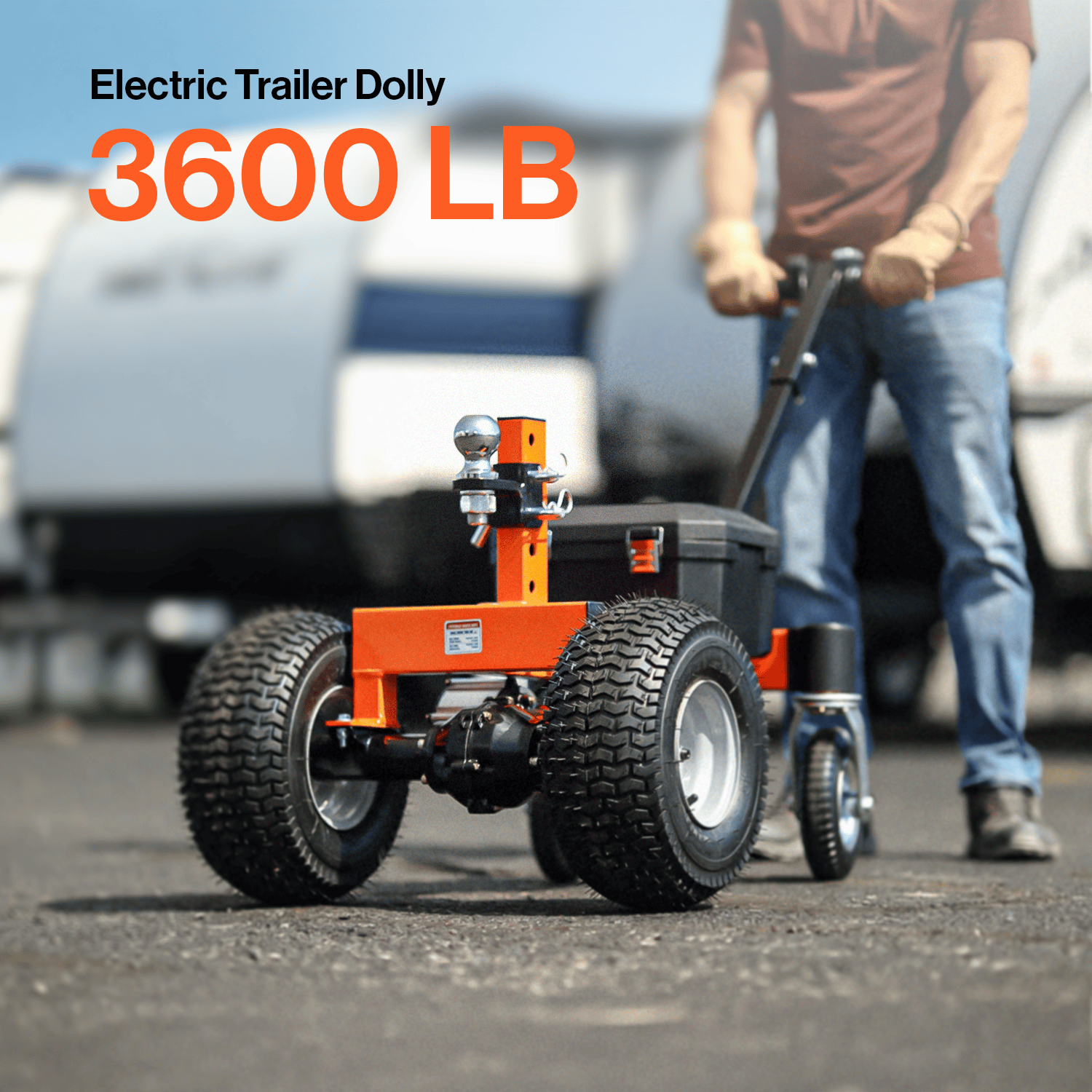
- Adjustable Ball Mount: Your trailer dolly must be compatible with your trailer. A quality dolly will feature a height-adjustable ball mount to ensure a level connection with your trailer's coupler, which is crucial for stability and safe operation. A versatile 3600lb trailer dolly often includes features like this to accommodate a wide range of utility and recreational trailers.
Comparing Electric Trailer Dollies to Manual Jacks and Other Solutions
When it comes to moving a trailer without a tow vehicle, you have a few options, each with distinct pros and cons. The traditional manual trailer dolly or tongue jack is the most basic solution. While inexpensive, it demands significant physical strength to push, pull, and crank, especially on inclines or uneven surfaces. This method can be slow, exhausting, and puts you at risk for back and muscle strain. Another common approach is using the tow vehicle itself for fine-tuning placement, but this often leads to frustration. Limited visibility, the large turning radius of the vehicle, and the constant risk of jackknifing make it nearly impossible to position a trailer perfectly in a tight spot like a garage or a narrow storage bay.
An electric trailer dolly, by contrast, completely changes the equation. It replaces manual labor with motorized power, allowing a single person to move thousands of pounds with just their fingertips. Unlike maneuvering with a truck, an electric dolly gives you unparalleled precision and visibility, as you walk alongside the trailer with a clear view of all corners. Models like the versatile 3600lb trailer dolly offer variable speed control, letting you crawl the trailer into its exact spot without the jerky movements of a clutch or gas pedal. The trade-off is a higher initial investment, but the return in convenience, safety, and time saved is immeasurable.
Real-World Applications: Who Benefits Most from Electric Trailer Dollies?
While any trailer owner can appreciate the ease of an electric dolly, certain users find them to be truly indispensable tools.
- RV and Travel Trailer Owners: Navigating a bulky camper into a tight campsite spot or backing it up a narrow residential driveway is a common headache. An electric trailer dolly transforms this stressful, multi-person job into a simple, one-person task.
- Boat Owners: From positioning the trailer perfectly on the launch ramp to squeezing it into a storage unit for the off-season, boat owners constantly face maneuvering challenges. A powerful unit like a 5000lb trailer dolly provides the muscle and control needed to handle heavy boat and trailer combinations with ease.
- Equestrian and Agricultural Users: Moving horse or livestock trailers around a barnyard or fairground requires careful, steady movement to avoid startling the animals. The quiet, smooth operation of an electric dolly is far less disruptive than a loud truck engine.
- Commercial Operators: For landscapers, contractors, and event companies, time is money. An electric dolly allows employees to quickly and safely position utility trailers, chippers, or concession stands without needing a dedicated tow vehicle, boosting efficiency and reducing labor costs.
The Environmental Advantages of Electrifying Your Trailer Handling
Choosing an electric trailer dolly isn't just a smart move for convenience; it's also a step toward more environmentally responsible equipment use. The most significant benefit is the elimination of emissions. Instead of starting up a large gas or diesel truck engine just to move a trailer 50 feet, you're using clean, battery-powered energy. This means no exhaust fumes, which is especially important when maneuvering in enclosed spaces like a garage, workshop, or storage facility, improving air quality for you and your family.
Furthermore, electric motors are exceptionally quiet. This drastic reduction in noise pollution makes for a more pleasant experience and keeps you on good terms with your neighbors, especially when you're hitching up for an early-morning fishing trip or returning late at night from a weekend away. A compact and efficient model like this 2800lb trailer dolly uses only the energy required for the task, making it a far more efficient solution than idling a V8 engine designed for highway speeds.

Safety First: How Electric Dollies Enhance Trailer Maneuvering Safety
Safety is the paramount concern when moving heavy, cumbersome trailers. An electric trailer dolly offers substantial safety improvements over traditional methods. The most critical advantage is superior visibility. By operating the dolly from the front of the trailer, you have a clear, unobstructed 360-degree view of your surroundings. This eliminates the dangerous blind spots inherent in using a tow vehicle, drastically reducing the risk of colliding with posts, buildings, or other vehicles.
The motorized function also removes the primary cause of injury associated with manual dollies: physical overexertion. Pushing and pulling thousands of pounds can easily lead to severe back, shoulder, and muscle strain. By letting the motor do the work, you protect your body from harm. Of course, as with any powered equipment, safe operation is key, and users should always follow the manufacturer's instructions and general best practices outlined in OSHA's hand and power tool safety guidance.
Finally, an electric dolly provides controlled, predictable movement. Features like variable speed control and automatic braking, found on robust models like the 7500lb trailer dolly, prevent the sudden lurches that can cause you to lose control of a trailer on a manual dolly. This controlled power, combined with the fact that you are moving the trailer from its pivot point at the tongue, completely eliminates the risk of a dangerous jackknife accident that can occur when reversing with a tow vehicle.
Installation and Integration: Getting Your Electric Dolly Up and Running
One of the most appealing aspects of a modern electric trailer dolly is its straightforward, near-plug-and-play design. Manufacturers understand that you’re buying a dolly to save time and effort, and that principle starts with the setup. Most units arrive with minimal assembly required—typically just attaching the control handle and ensuring the battery is charged. The integration with your trailer is seamless, thanks to the universal coupler design.
The process is simple:
- Attach the dolly’s ball mount to your trailer’s coupler, just as you would with a tow vehicle.
- Lock the coupler latch securely.
- Use the dolly’s controls to raise the trailer tongue, lifting the trailer’s weight off its own jack.
- Retract the trailer jack, and you’re ready to move.
Models like this 3600lb trailer dolly are designed to be operational within minutes of unboxing, getting you from a stationary struggle to smooth mobility in no time.
Maintenance and Durability: Ensuring Long-Term Performance
An electric trailer dolly is a low-maintenance powerhouse, but a few simple habits will ensure it remains a durable and reliable tool for years. Unlike gas-powered equipment, there are no oil changes, spark plugs, or fuel stabilizers to worry about. The primary focus is on the battery and the tires. For the battery, it's best to follow best practices for lithium-ion cells, such as avoiding deep discharges and storing the unit in a temperature-controlled environment when possible. According to the U.S. Department of Energy, you can extend battery life by not letting it drain completely and by avoiding extreme hot or cold temperatures, which can degrade performance over time; for more information, you can review their tips for extending the lifetime of lithium-ion batteries.
Beyond the battery, periodically check the tire pressure to ensure optimal traction and maneuverability. Keep the dolly’s frame clean, wiping away any mud or debris that could interfere with moving parts. Built with heavy-gauge steel frames and rugged, all-terrain tires, a quality electric dolly like this robust 7500lb trailer dolly is engineered for longevity with just a minimal amount of care.
The Cost-Benefit Analysis: Is an Electric Trailer Dolly a Worthwhile Investment?
While an electric trailer dolly represents a higher upfront cost than a simple manual jack, its value becomes clear when you analyze the long-term benefits. Think of it as an investment in safety, efficiency, and independence. The most immediate return is the elimination of physical strain. Pushing and pulling a multi-thousand-pound trailer by hand can easily lead to back, shoulder, or muscle injuries—and the associated medical costs or downtime.
Furthermore, the precision of an electric dolly dramatically reduces the risk of accidental damage. Every scrape against a garage wall, dent in a tow vehicle, or jack-knifed trailer comes with a repair bill. The controlled, slow-speed movement of a dolly minimizes these costly mistakes. For anyone who frequently moves a boat, RV, or utility trailer, the time saved and frustration avoided are invaluable. When you consider the cost of one potential accident or injury, a powerful unit like a 5000lb trailer dolly often pays for itself quickly, making it a very worthwhile investment.
Future Trends: What's Next for Electric Trailer Dolly Technology?
The evolution of the electric trailer dolly is far from over. As battery technology, automation, and smart connectivity advance, we can expect to see even more impressive capabilities in the years to come. The next wave of innovation will likely focus on making these devices smarter and more autonomous. Imagine a trailer dolly with Bluetooth connectivity, allowing you to control it from a smartphone app that also provides diagnostic feedback and battery health status.
Future models may incorporate features like "memory parking," where the dolly can record a path into a tight garage or parking spot and repeat it with the push of a button. We can also anticipate improvements in power and efficiency, with lighter, more energy-dense batteries that offer longer runtimes and faster charging. As engineers continue to push boundaries, we'll see higher weight capacities and more advanced traction control systems, making it possible to move even larger and heavier trailers with ease. The progress seen in today's compact and efficient models, like this 2800lb trailer dolly, is just the beginning of a smarter, more automated future for trailer handling.
Frequently Asked Questions About Electric Trailer Dollies
As electric trailer dollies become more popular, many potential users have questions about their capabilities and operation. Here are answers to some of the most common inquiries.
Can an electric trailer dolly work on an incline or uneven ground? Yes, most electric dollies are designed to handle slight inclines and varied terrain like gravel or firm grass. However, it's crucial to check the manufacturer's specifications for the maximum grade percentage the unit can safely handle. The dolly's performance will depend on its motor power, tire type, and the total weight of your trailer.
How fast do they move? Electric trailer dollies are engineered for precision and safety, not speed. They typically move at a controlled walking pace, allowing you to make fine-tuned adjustments and navigate tight spaces without the risk of an accident. The focus is on slow, steady, and powerful movement.
Are they difficult to attach to a trailer? Not at all. An electric trailer dolly connects to your trailer's tongue in the same way your tow vehicle does. You simply lower the trailer's coupler onto the dolly's ball hitch and secure the latch. The process is quick, straightforward, and can be done by one person in minutes.

Addressing Common Concerns: Powering Your Electric Dolly
One of the biggest questions for new users revolves around the power source: the battery. Understanding how to manage it is key to getting the most out of your electric trailer dolly. Most models use either sealed lead-acid or lithium-ion batteries, each providing reliable power to the electric motor.
A fully charged battery typically provides enough runtime for multiple maneuvering sessions, though this varies based on trailer weight, terrain, and incline. Recharging is as simple as plugging the included charger into a standard wall outlet. To ensure your dolly is always ready, it's good practice to recharge it after each significant use. For those using models with lithium-ion batteries, you can maximize their operational life by avoiding full discharges and storing the unit in a moderate temperature environment, as recommended by these lithium-ion battery lifetime tips.
Making the Switch: Your Guide to Choosing the Right Electric Trailer Dolly
Ready to leave the strain of manual maneuvering behind? Choosing the right electric trailer dolly comes down to matching the machine's capabilities with your specific needs. Consider these key factors to make an informed decision.
-
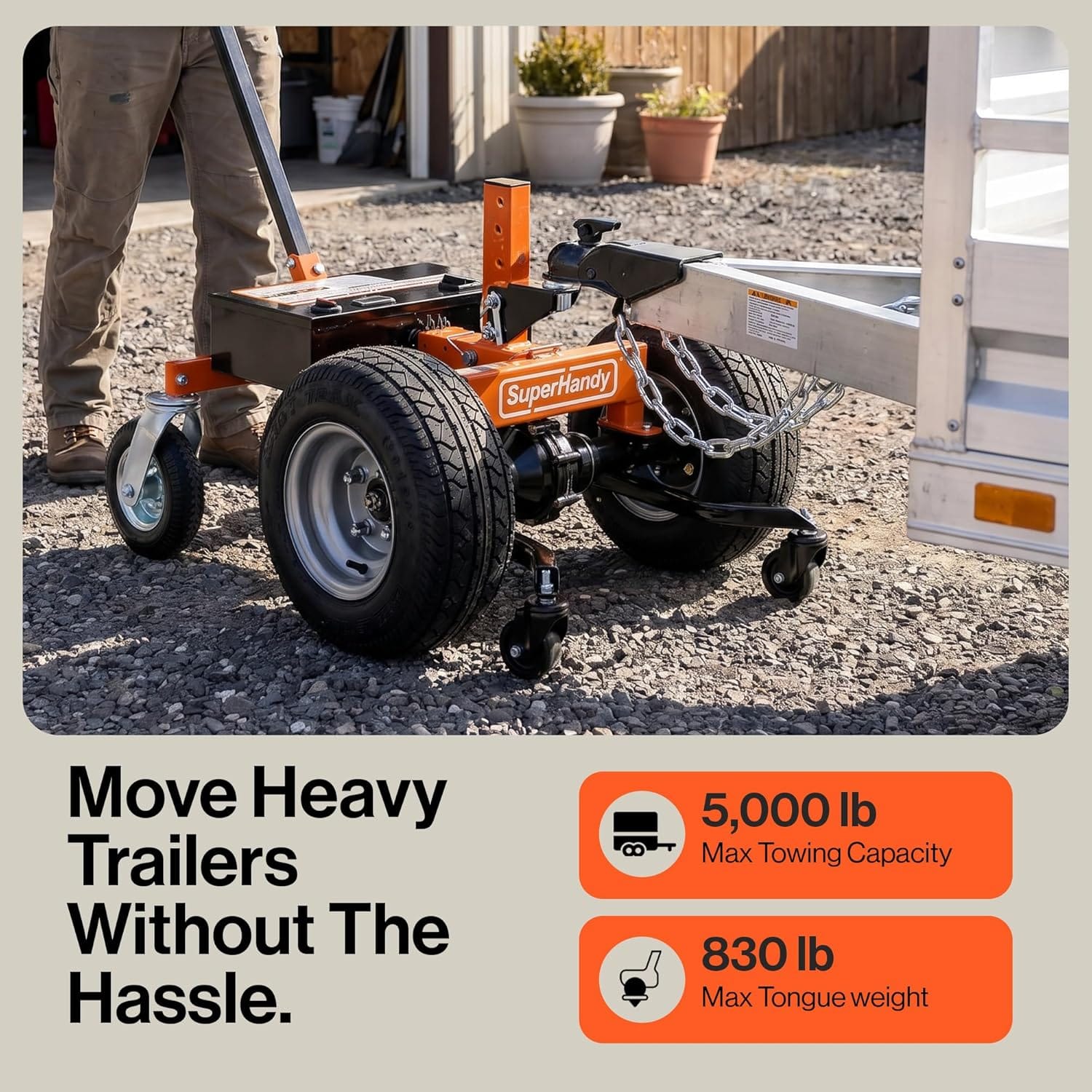
Towing Capacity and Tongue Weight: This is the most critical factor. Your dolly must be rated to handle your trailer's Gross Trailer Weight (GTW). Always choose a dolly with a capacity that exceeds your trailer's fully loaded weight. For extremely heavy-duty applications, like large travel trailers or commercial equipment, a robust model like a 7500lb trailer dolly is essential. Also, check the maximum tongue weight rating to ensure it can support the downward force from your trailer's tongue.
-
Trailer Type and Size: The type of trailer you own—be it a boat trailer, a small camper, a utility trailer, or a horse trailer—will influence your choice. Lighter loads, such as a small fishing boat or jet ski trailer, can be easily handled by a compact unit like a 2800lb trailer dolly, which is suitable for tight garage spaces.
-
Terrain and Surface: Where will you be moving your trailer? If you're primarily on smooth, paved surfaces like concrete or asphalt, standard tires will suffice. For maneuvering on gravel, packed dirt, or grass, look for a model with all-terrain or deep-tread tires for superior traction. Many mid-range options, like the 3600lb trailer dolly, offer a great balance for mixed-surface use.
-
Key Features: Modern dollies come with features that enhance usability and safety. Look for variable speed control for ultimate precision, an automatic braking system that engages when you release the throttle, and a compatible ball hitch size for your trailer's coupler. For those with mid-sized campers or utility trailers, a versatile 5000lb trailer dolly often includes these advanced features, providing an excellent mix of power and control.
Related Products


Leave a comment
All comments are moderated before being published.
This site is protected by hCaptcha and the hCaptcha Privacy Policy and Terms of Service apply.