



















Landscaping is undergoing a massive digital transformation. Homeowners and commercial groundskeepers are no longer relying on simple, analog tools to maintain their properties. Instead, modern yard maintenance depends heavily on cutting-edge hardware paired with intelligent software. As we move deeper into 2026, the traditional yard chore of raking and bagging leaves has been replaced by sophisticated smart tech. At the forefront of this revolution is the smart leaf mulcher, a device that maximizes efficiency, minimizes physical strain, and transforms organic debris into valuable soil nutrients.
Today, yard waste equipment is part of a connected ecosystem. From high-tech sensors that detect debris density to artificial intelligence that optimizes motor speeds, modern equipment is engineered to work smarter, not harder. Let us explore the latest innovations defining the future of yard management and how you can benefit from these advanced machines.
Transforming Yard Management Through Intelligent Leaf Mulching Technology in 2026
Historically, managing autumn debris required intensive manual labor or loud, inefficient gas-powered machines. However, intelligent leaf mulching technology has completely disrupted standard landscaping practices. Smart technology shifts the focus from sheer mechanical force to precision processing. By integrating microprocessors and digital interfaces, modern machines adapt to their environment in real time. This means less fuel consumption, lower electricity usage, and a dramatically reduced physical toll on the user.
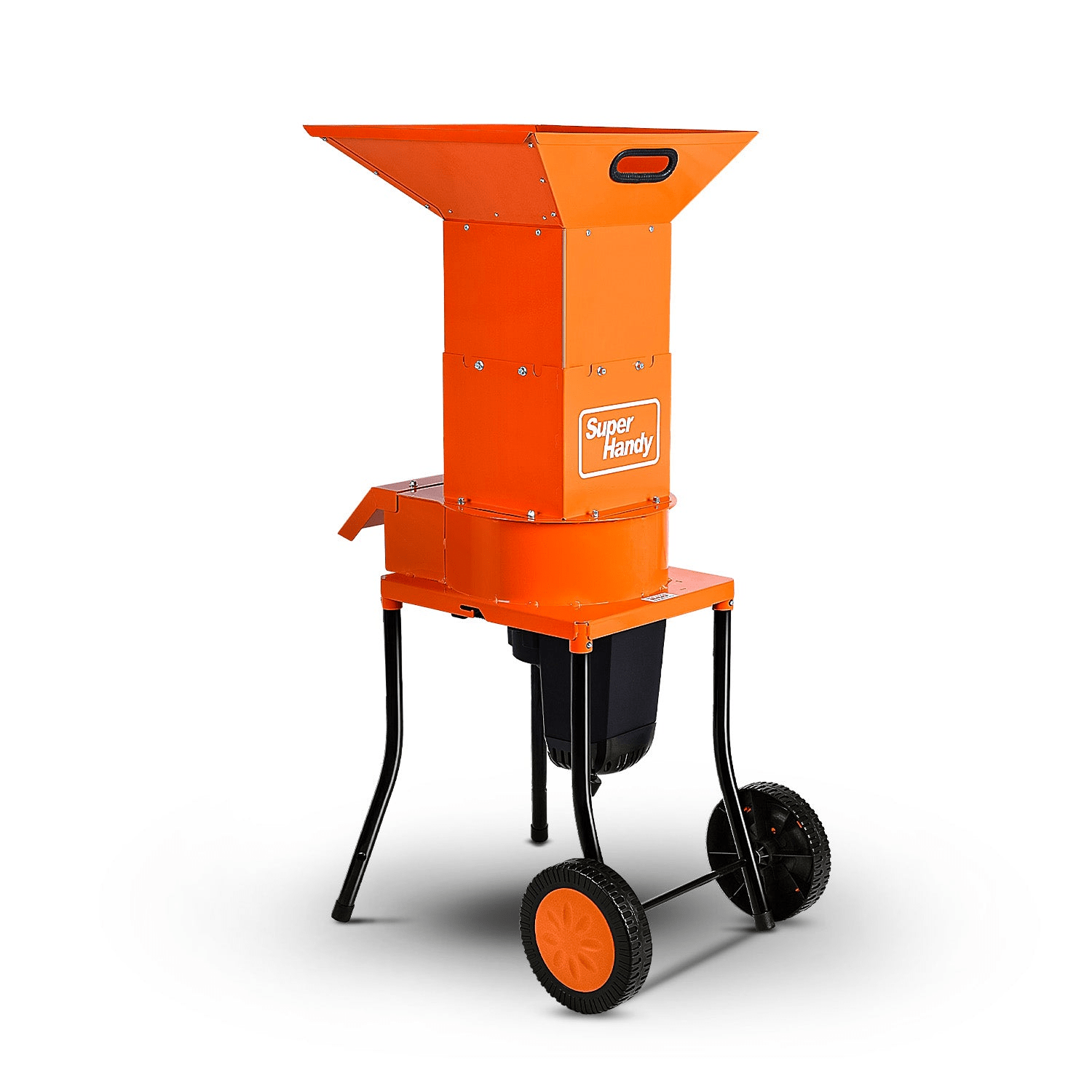
Advanced models now feature variable processing modes. Users can select an ultra-fine setting for delicate flower beds or a coarser setting for base layering around large trees. The modern leaf shredder mulcher does more than just break down leaves; it actively calculates the optimal mulch-to-air ratio. This precise engineering ensures that the resulting organic matter decomposes at an ideal rate, returning vital nitrogen and carbon to the soil without suffocating the grassroots.
How Artificial Intelligence and Sensors Revolutionize Debris Processing Efficiency
Artificial intelligence is no longer restricted to smartphones and autonomous cars; it has found a highly practical application in your backyard. The integration of AI and environmental sensors allows a modern leaf vacuum mulcher to assess the type and volume of yard waste it processes. According to data published by the U.S. Environmental Protection Agency (EPA), yard trimmings account for millions of tons of municipal solid waste annually. Processing this material efficiently at home significantly reduces landfill dependency.
By utilizing AI algorithms, smart mulchers monitor internal airflow, blade resistance, and battery temperature. When the system detects a potential clog or an unusually heavy intake of dense debris, it automatically modulates its power output to prevent jamming. This proactive approach eliminates the frustrating stops and starts that plagued older equipment, ensuring a smooth, uninterrupted workflow.
AI-Powered Material Identification for Seamless Debris Sorting
One of the most impressive features of the latest landscaping technology is AI-powered material identification. Optical sensors and acoustic monitors analyze the debris entering the intake chute. By comparing the sound and visual data against a vast cloud-based database, the machine can distinguish between a dry oak leaf, a wet maple leaf, and a hazardous object like a rock or a dropped tool.
If the AI detects a hard, non-organic object, it can trigger an instantaneous emergency stop mechanism. This seamless sorting capability protects the internal blades from catastrophic damage, extending the lifespan of the equipment. It also ensures that the final mulch product is free from shredded plastics or harmful metal shards, keeping your garden ecosystem safe and pristine.
Automated Blade Speed Adjustment Based on Leaf Type and Moisture Content
Not all leaves are created equal. Wet, heavy foliage requires significantly more torque to process than dry, brittle leaves. Modern smart mulchers feature built-in moisture sensors that evaluate the dampness of the incoming yard waste. Based on this data, the onboard computer dynamically adjusts the blade speed and motor torque.
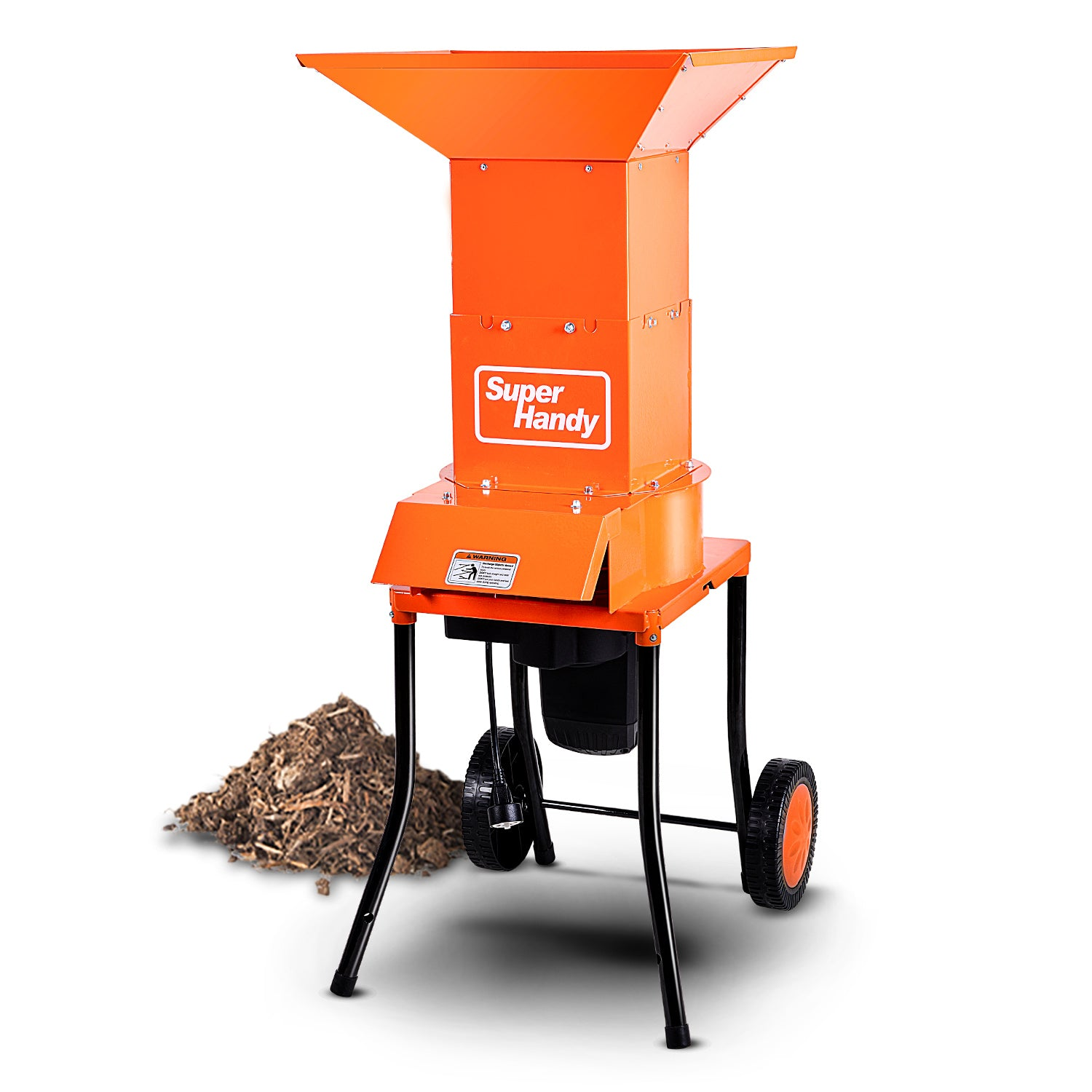
For example, if you are tackling a pile of dry autumn leaves, the machine will increase blade speed to maximize throughput and save battery life. Conversely, when dealing with damp, dense foliage after a rainstorm, the motor will slow the blade speed while maximizing torque to prevent stalling. For homeowners seeking an efficient, electrically powered solution, investing in a high-quality Electric Leaf Mulcher ensures that you have the adaptable power necessary to handle varying seasonal conditions seamlessly.
The Rise of IoT-Connected Mulchers and Predictive Maintenance Ecosystems

The Internet of Things (IoT) has fundamentally changed how we interact with our tools. According to the IEEE Internet of Things Journal, connected devices significantly improve operational efficiency through continuous data exchange. IoT-connected mulchers are constantly sending telemetry data to companion mobile apps, providing real-time insights into the machine's health.
Predictive maintenance is the standout benefit of this ecosystem. Instead of waiting for a belt to snap or a motor to burn out, the system alerts you weeks in advance that a component is showing signs of wear. This shift from reactive repair to proactive maintenance saves users hundreds of dollars in repair costs and prevents frustrating mid-project breakdowns.
Cloud-Based Performance Tracking for Residential and Commercial Landscaping
Whether you manage a small suburban lawn or a sprawling commercial estate, data is invaluable. Cloud-based performance tracking allows users to log their yard work sessions automatically. The application tracks metrics such as operating time, volume of debris processed, energy consumed, and overall efficiency.
Commercial landscaping companies benefit immensely from this technology. Fleet managers can monitor multiple devices across different job sites from a single dashboard. They can track which crews are operating efficiently, schedule battery charging rotations, and provide clients with exact data on the amount of organic waste recycled on their property.
Preventing Equipment Downtime with Proactive Component Health Monitoring
Downtime is the enemy of productivity. Proactive component health monitoring uses micro-vibration sensors to detect microscopic imbalances in the spinning blades or the motor shaft. If a blade becomes dull or slightly bent, the vibration signature changes. The smart system detects this anomaly immediately and prompts the user to inspect the hardware.
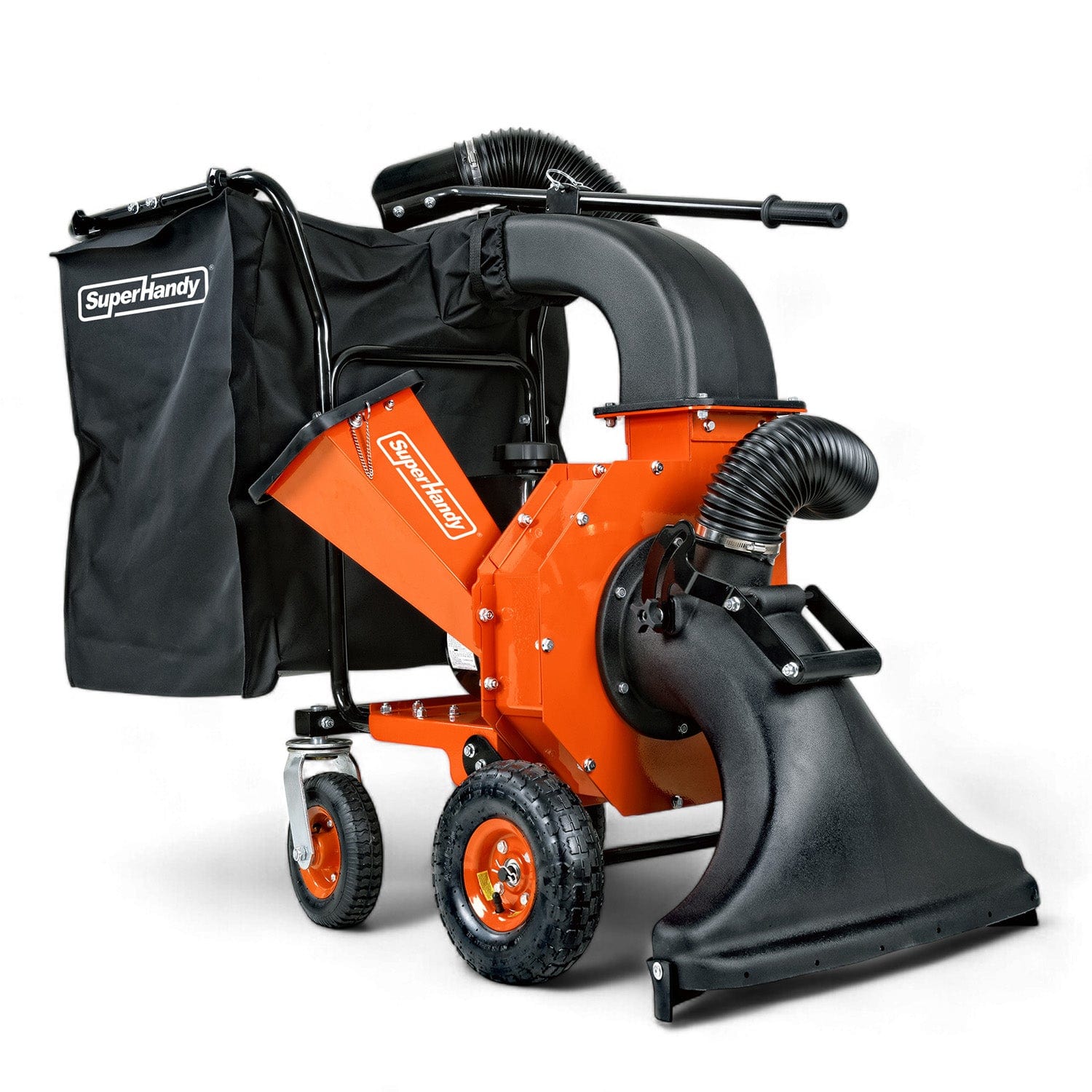
For heavy-duty tasks that require robust processing power, equipment reliability is paramount. Tools like the Leaf Vacuum & Wood Chipper benefit greatly from proactive monitoring. By ensuring that chipper blades and vacuum impellers are in optimal condition, users maintain peak performance, ensuring thick branches and dense leaf piles are processed without dangerous jams or sudden failures.
Sustainability and the Circular Economy in Modern Smart Mulching Systems
The 2026 landscaping industry is heavily focused on sustainability. Smart mulching systems play a vital role in the circular economy by transforming what was once considered "waste" into a valuable resource. Bagging leaves in plastic and sending them to a landfill is no longer environmentally acceptable.
Modern intelligent systems facilitate on-site composting. By breaking organic matter down to an optimal size, these machines accelerate the natural decomposition process. This reduces methane emissions associated with landfill decomposition and promotes sustainable soil stewardship right in your own backyard.
Maximizing Soil Nutrient Retention with Precision Particle Size Reduction
The size of the mulch particle directly affects how quickly and efficiently nutrients return to the soil. As detailed by Wikipedia's extensive research on Mulch, organic materials provide vital nitrogen, phosphorus, and potassium as they decay. Smart mulchers allow for precision particle size reduction, giving users exact control over the output.
If the particles are too large, they decompose too slowly and can harbor unwanted pests. If they are pulverized into dust, they can form an impermeable crust that blocks water from reaching plant roots. Smart mulchers use precision-guided blades to achieve the goldilocks zone of mulch sizing, ensuring maximum nutrient retention and optimal soil aeration.
Reducing Carbon Footprints Through Energy-Efficient Battery Management Systems
The shift away from fossil fuels is a major driver of modern yard tech. Advanced lithium-ion and emerging solid-state battery technologies offer incredible power density without the carbon emissions of traditional gas engines. However, the true magic lies in the Energy-Efficient Battery Management Systems (BMS).
A smart BMS continuously balances the electrical load across battery cells. It prevents overheating during intense mulching sessions and optimizes power delivery based on the immediate demand of the motor. This intelligent power routing extends battery life by up to forty percent compared to non-smart electric models, significantly reducing the overall carbon footprint of your yard maintenance routine.
Designing for Urban Environments: Whisper-Quiet Operations and Sonic Dampening

As urban and suburban areas become more densely populated, noise pollution has become a critical issue. Many municipalities have enacted strict ordinances limiting the decibel levels of lawn equipment. Manufacturers of modern yard tech have responded by prioritizing acoustic engineering and sonic dampening.
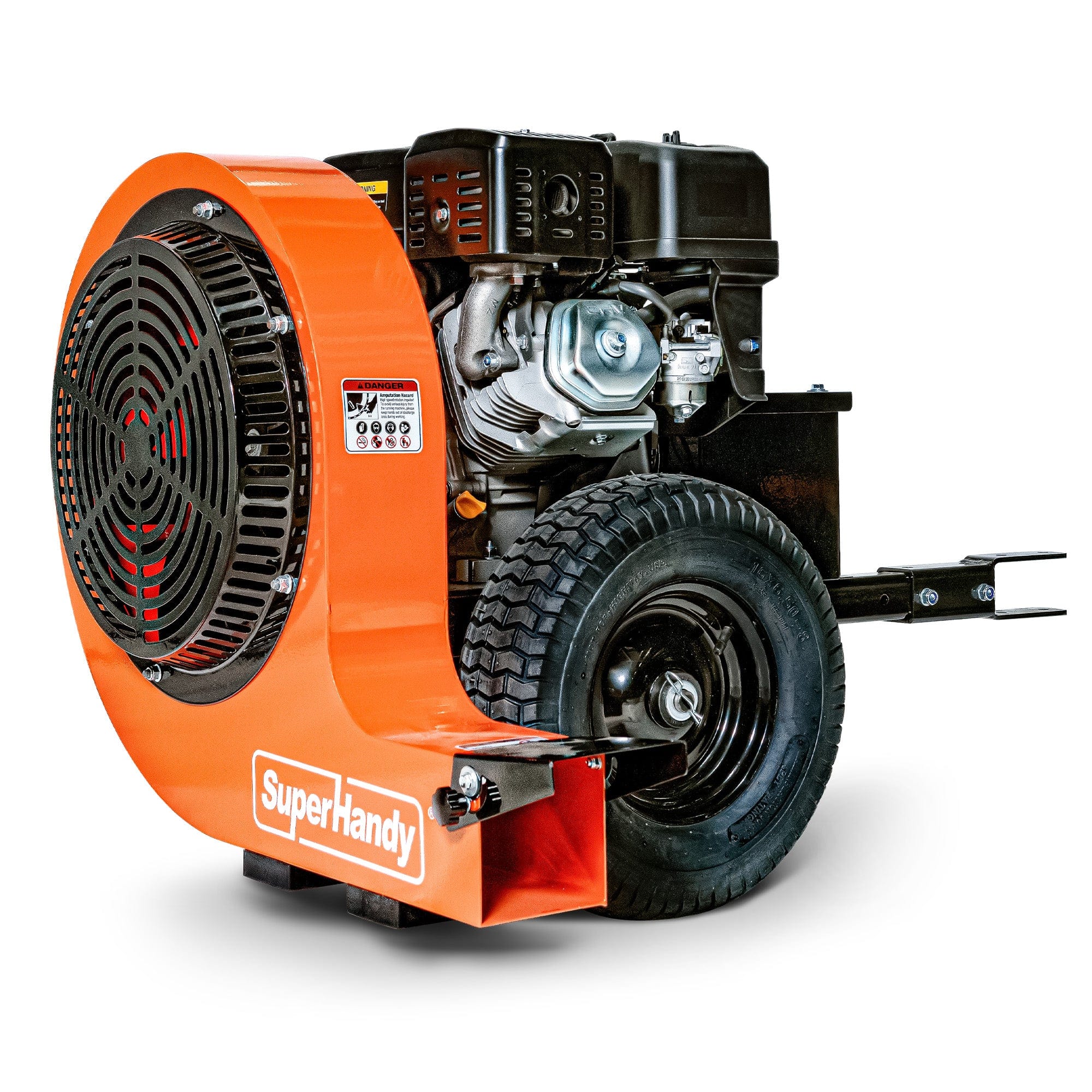
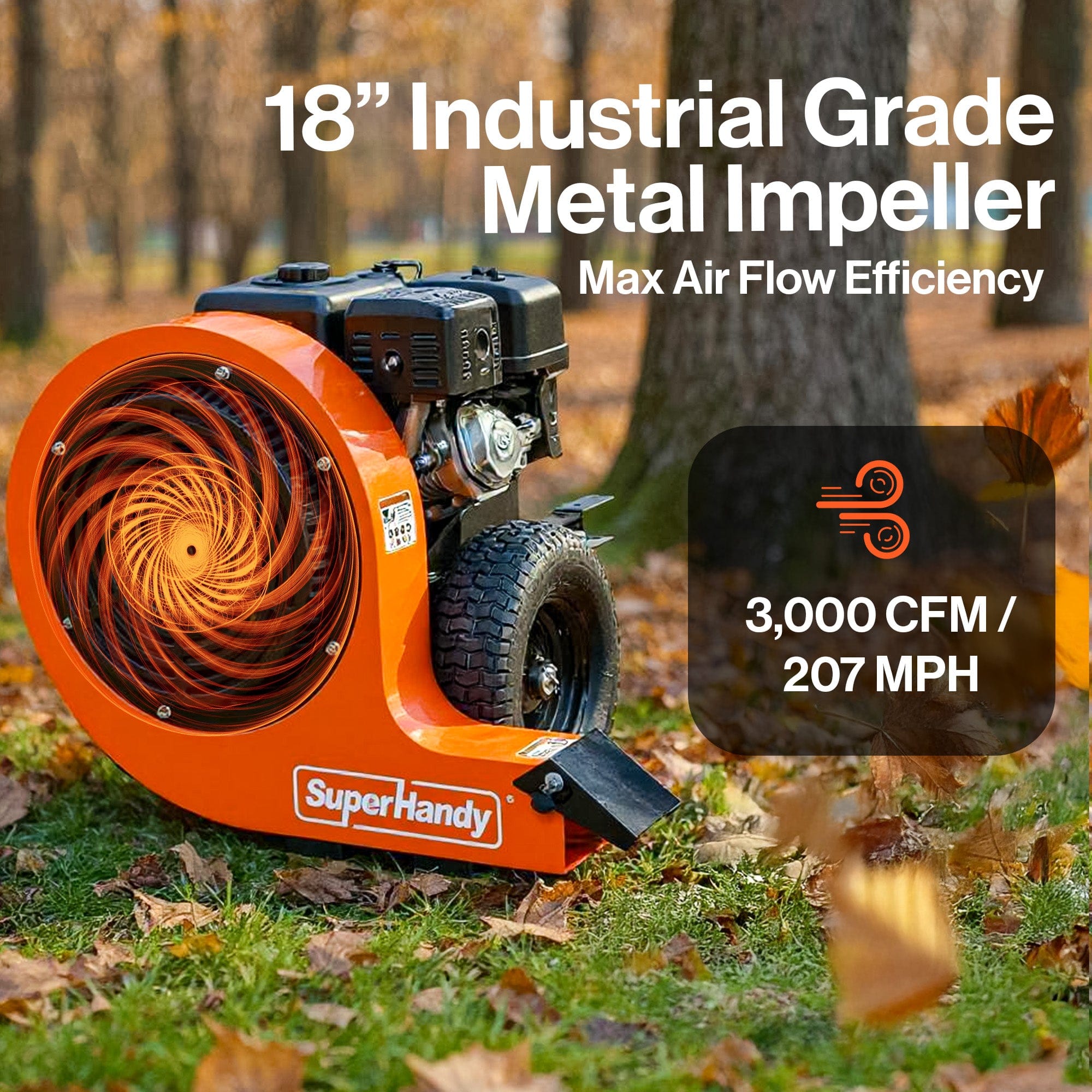
While a powerful Walk-Behind Gas Leaf Blower remains an excellent choice for massive, rural estates requiring immense clearing power, dense urban zones benefit immensely from electric alternatives designed with noise reduction in mind. Smart mulchers utilize specialized housing geometries to trap sound waves internally, preventing them from escaping into the neighborhood.
Solving Noise Pollution Challenges with Advanced Electric Motor Tech
Traditional brushed motors rely on physical contact between carbon brushes and commutators, creating friction, heat, and a distinct whining noise. The latest 2026 electric smart mulchers utilize advanced brushless DC motors (BLDC).
These brushless motors use magnetic fields to generate rotation, eliminating internal friction. Furthermore, the AI controller pulses the electricity in a specific waveform that cancels out harsh acoustic frequencies. The result is a machine that operates at a low, unobtrusive hum, allowing homeowners to manage their yard waste early in the morning or late in the evening without facing noise complaints from neighbors.
Mobile App Integration for Customizing Mulch Consistency and Depth
The integration of mobile applications gives users unprecedented control over their landscaping outcomes. Through a Bluetooth or Wi-Fi connection, the companion app lets you dial in the exact mulch consistency you desire.
Are you preparing a vegetable garden for the winter? The app will configure the internal baffles and blade speeds to produce a coarse, insulating layer. Are you top-dressing a pristine lawn? The system will adjust to create a fine, easily integrated organic powder. Furthermore, augmented reality (AR) features in some apps can calculate the exact volume of mulch you have generated and advise you on the optimal depth to spread it across your specific square footage.
Evaluating the Economic Value Proposition of Smart Yard Waste Hardware
Upgrading to smart yard technology often requires a higher upfront cost compared to buying a basic, analog tool. However, the economic value proposition becomes incredibly clear when you evaluate the long-term benefits. Smart hardware is an investment in efficiency, longevity, and property value.
By leveraging predictive maintenance, energy efficiency, and precise material handling, smart mulchers drastically lower total cost of ownership. Users no longer need to purchase expensive proprietary fuel mixtures, replace spark plugs, or pay exorbitant repair bills for catastrophic engine failures that could have been prevented.
Comparing Initial Capital Investment Against Long-Term Operational Savings
When evaluating the purchase of a smart leaf shredder mulcher, you must look beyond the sticker price. Traditional gas-powered machines incur ongoing costs: gasoline, oil, regular servicing, and replacement parts due to high-vibration wear and tear.
Smart electric mulchers draw power from the grid, which is fundamentally cheaper than liquid fuel. Additionally, the intelligent motor control ensures that components do not suffer unnecessary strain. Over a three-to-five-year period, the operational savings in fuel and maintenance reliably eclipse the higher initial capital investment, making smart tech the financially prudent choice for regular users.
The Impact of Smart Technology on the Resale Value of Landscaping Equipment
Unlike traditional landscaping tools that depreciate rapidly the moment they are used, smart equipment holds its value remarkably well. This is largely due to over-the-air (OTA) software updates.
Just as modern smart cars receive performance enhancements via Wi-Fi, smart leaf mulchers can download updated AI sorting algorithms or more efficient motor control profiles. Because the machine's brain is constantly improving, secondary buyers are willing to pay a premium for used smart equipment. Furthermore, the companion app provides a verifiable digital service history, proving to the buyer that the internal components have been flawlessly maintained.
Predicting the Next Decade: Autonomous Mulching Robots and Smart City Synergy
Looking ahead to the next decade, the convergence of robotics and smart city infrastructure will redefine landscaping. We are already seeing the early stages of autonomous mulching robots. These automated units will undock from their charging stations, map the yard using LiDAR and optical sensors, and autonomously vacuum and mulch fallen leaves without human intervention.
Furthermore, these devices will synergize with smart city ecosystems. A smart municipal grid could signal autonomous mowers and mulchers to operate only during off-peak energy hours, balancing the electrical grid. They could also report hyper-local weather data and soil conditions back to municipal agricultural databases. The humble leaf mulcher is evolving from a simple backyard tool into an integrated node within the broader smart city network.
Frequently Asked Questions Regarding the Next Generation of Smart Leaf Mulchers
Do smart leaf mulchers require a constant Wi-Fi connection to function effectively?
No, a constant Wi-Fi connection is not required for the core mechanical functions. Smart leaf mulchers possess onboard microprocessors that handle real-time tasks like AI material sorting and blade speed adjustment. Wi-Fi or Bluetooth is only necessary for syncing data to your mobile app, downloading over-the-air firmware updates, or uploading diagnostic reports to the cloud. You can comfortably mulch at the far edges of your property without a signal.
How does AI material recognition prevent damage from hidden rocks or metal?
AI material recognition utilizes a combination of high-speed optical cameras and acoustic sensors mounted near the intake chute. When debris enters the machine, the system instantly analyzes its visual profile and the sound it makes against the intake walls. If the AI detects the dense acoustic signature or rigid visual shape of a rock or metal object, it triggers an electromagnetic brake. This stops the cutting blades in milliseconds, preventing the hard object from shattering the blades or damaging the motor shaft.
Are high-tech electric mulchers powerful enough for wet leaves and thick debris?
Absolutely. Modern high-tech electric mulchers utilize brushless DC motors paired with advanced battery management systems. When the internal sensors detect wet, dense leaves, the smart controller automatically increases the motor's torque while slightly reducing the RPM. This prevents stalling and provides the raw twisting force needed to chew through heavy, waterlogged debris. They easily rival, and often surpass, the performance of traditional gas-powered equivalents.
What is the expected maintenance schedule for sensor-heavy yard equipment?
Because of predictive maintenance technology, the physical maintenance schedule is actually less demanding than traditional equipment. You do not need to perform seasonal oil changes or replace spark plugs. Routine maintenance generally involves wiping down the optical sensors with a microfiber cloth, ensuring the intake chute is clear of sap buildup, and periodically sharpening or replacing the steel blades. The companion app will alert you precisely when these tasks need to be performed based on actual usage hours rather than guesswork.
Will autonomous mulching robots integrate with existing smart home ecosystems?
Yes. Manufacturers are designing autonomous mulching robots with open-source protocols like Matter and integration capabilities for platforms like Amazon Alexa, Google Home, and Apple HomeKit. In the near future, you will be able to set routines where your mulching robot automatically deploys after your smart irrigation system finishes watering, or you can simply use voice commands to send the robot to clean up the driveway before guests arrive.
Related Products



Leave a comment
All comments are moderated before being published.
This site is protected by hCaptcha and the hCaptcha Privacy Policy and Terms of Service apply.