










Why You Need Firewood: Turning Fallen Oak into Warmth
A fallen oak limb in your yard isn't just a cleanup chore; it's an opportunity. Oak is a premier hardwood, known for its long, hot burn time, making it ideal for heating your home. By processing that fallen limb, you're not only clearing your property but also stocking up on a valuable, self-sufficient resource for cozy winter nights. It’s about transforming storm debris into a season of warmth, turning a potential headache into a practical asset for your household.
Assessing the Fallen Oak Limb: Size, Condition, and Safety First
Before you start cutting, take a moment to assess the situation. First, check the surroundings. Are there any downed power lines or other hazards? Is the limb stable, or could it roll or shift unexpectedly? Next, evaluate the limb itself. Note its diameter at various points. This will determine which tools you need—a chainsaw for the trunk and thickest branches, and a wood chipper for the smaller limbs. Also, consider if the wood is green (freshly fallen) or has been down for a while, as this affects how it will be processed and seasoned.
Safety Gear Essentials for Limb Breakdown and Chipping
Working with fallen trees and power equipment demands respect for safety. Never begin without the proper personal protective equipment (PPE). Essential gear includes:
- Eye Protection: Safety glasses or goggles to shield your eyes from flying debris.
- Hearing Protection: Earmuffs or plugs, as both chainsaws and wood shredders are extremely loud.
- Durable Gloves: To protect your hands from splinters and improve your grip.
- Sturdy, closed-toe footwear: Steel-toed boots are ideal for protection.
- Snug-fitting clothing: Avoid loose garments that could get caught in machinery.
The Wood Chipper: Your Essential Tool for Efficient Firewood Prep
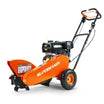
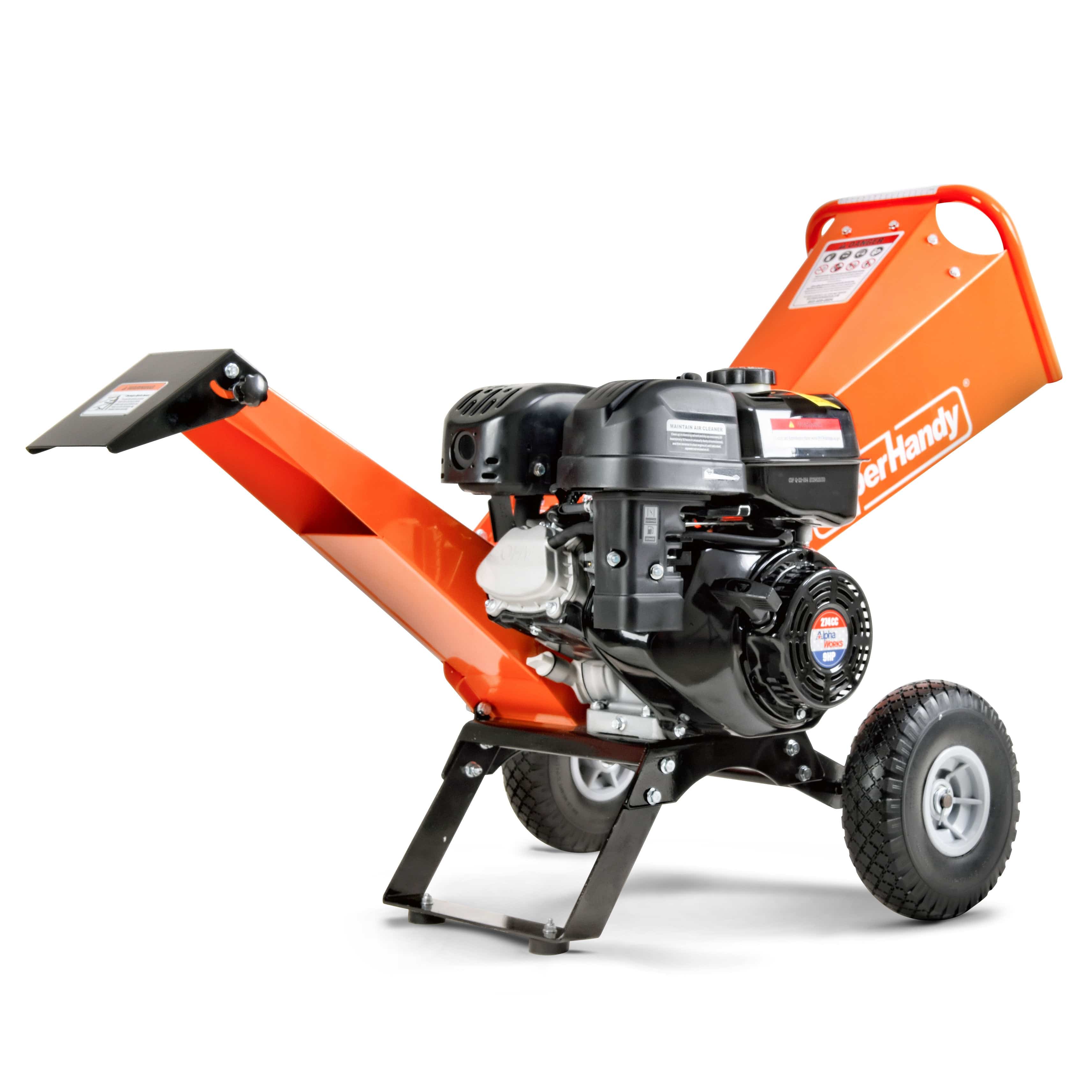
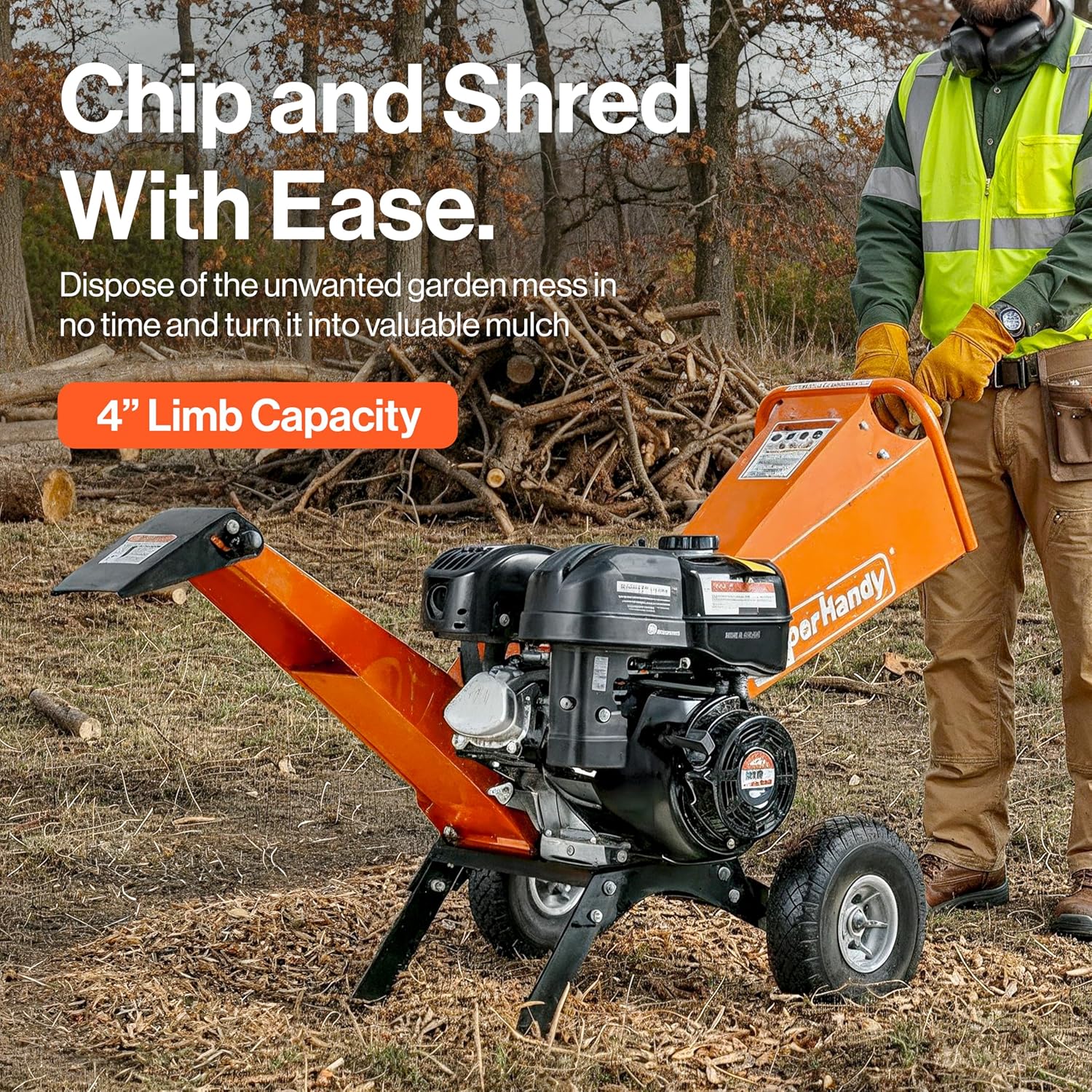
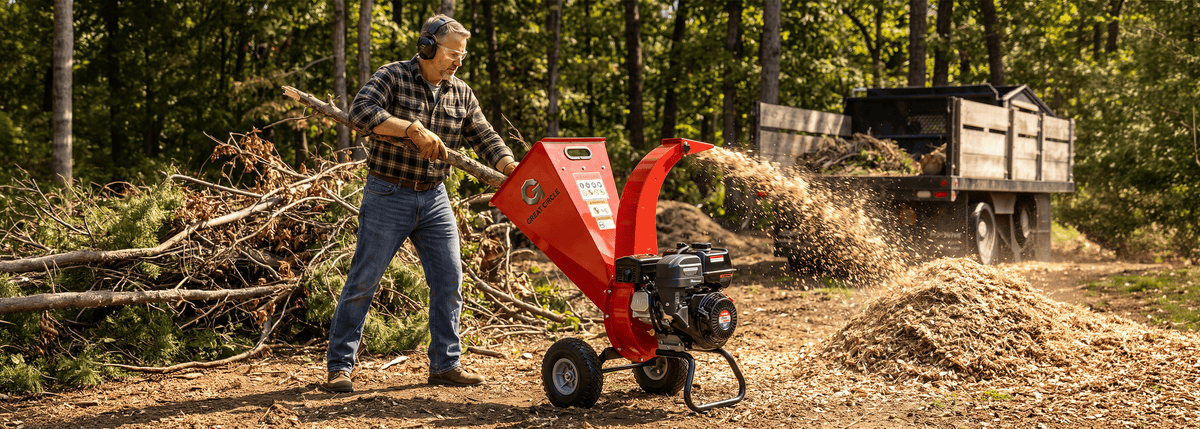
While a chainsaw handles the heavy lifting, the real star of efficient cleanup is the Wood chipper. This powerful machine takes the unwieldy mess of smaller branches and twigs—the parts too small for firewood but too large to ignore—and instantly transforms them. A quality wood shredder turns this debris into uniform wood chips. These chips can be used as valuable kindling to start your fires, as natural mulch for your garden, or for creating pathways. It eliminates countless trips to the burn pile and makes every part of the oak limb useful.
Choosing the Right Wood Chipper: Electric vs. Gas and Size Matters
Selecting the right wood chipper is crucial for tackling a fallen oak limb. Electric models are quieter and great for small twigs and leaves, but for the dense, hardwood branches of an oak, a gas-powered wood chipper is your best bet. Gas models offer superior power to handle thicker material. Pay close attention to the chipper's maximum limb diameter capacity. For oak, a machine rated for at least 3 inches is recommended to avoid overworking the engine and ensure efficient processing.
Setting Up Your Wood Chipper for Optimal Performance
Before you start, proper setup is key to safety and efficiency. Place your wood shredder on a flat, stable, and clear patch of ground. For gas models, check the fuel and oil levels. Ensure all safety guards are in place, the collection bag is securely attached, and the discharge chute is aimed in a safe direction, away from people, windows, and vehicles. A clear workspace prevents tripping hazards and allows you to manage branches easily.

Step-by-Step: Safely Feeding the Oak Limb into the Chipper
With your safety gear on and the machine running, begin feeding the smaller branches from the oak limb into the hopper.
- Feed the thickest end of the branch in first.
- Allow the machine's rollers to pull the material in naturally. Never force branches or use your hands or feet to push them into the hopper.
- Feed material at a steady pace, allowing the engine to recover between larger pieces.
- Keep your hands and face away from the hopper opening as the machine works.
Understanding Chipper Output: Chips for Mulch vs. Firewood Kindling
The output from your wood chipper serves two excellent purposes. The small, uniformly-sized wood chips are perfect for use as kindling. Their high surface area allows them to dry quickly and ignite easily, helping you start a roaring fire with your larger oak logs. Alternatively, these same oak chips make a fantastic, long-lasting mulch for garden beds, helping to retain soil moisture and suppress weeds.
Processing Larger Chunks: When to Use a Chainsaw vs. the Chipper
While a powerful tool, a wood chipper has a specific role. It's designed to process smaller branches and limbs, typically up to a few inches in diameter, turning them into chips. For the main trunk of the fallen oak limb and any branches that exceed your chipper’s maximum capacity, you’ll need a chainsaw. The rule is simple: if a branch is too thick to fit safely and easily into the chipper’s infeed chute, it’s a job for the saw. Cut these larger pieces into manageable 16-20 inch logs for firewood. The chipper then handles the cleanup, devouring the smaller offcuts and branches.
Drying Your Oak Firewood: The Importance of Seasoning
The logs you've cut are not yet ready for your fireplace. Freshly cut "green" oak has a high moisture content, making it difficult to burn. Burning unseasoned wood is inefficient, produces excessive smoke, and can lead to a dangerous buildup of creosote in your chimney. To season your oak, stack the logs off the ground in a place with good airflow, protecting the top from rain while leaving the sides open. As a dense hardwood, oak requires a long drying time—plan on at least one to two years for it to be properly seasoned and ready to provide optimal heat.

Alternative Uses for Oak Wood Chips: Beyond the Fireplace
Your wood shredder will leave you with a large pile of valuable oak chips. Instead of just using them for kindling, consider their other benefits. Oak wood chips make an excellent, long-lasting mulch for garden beds and around trees, helping to retain soil moisture and suppress weeds. You can also add them to your compost pile as a "brown" carbon-rich material to balance out "green" nitrogen-rich materials like grass clippings. Their durability also makes them perfect for creating natural-looking, mud-free pathways in your yard or garden.
Maintaining Your Wood Chipper for Longevity and Safety
A well-maintained machine is a safe and effective one. The most critical part of your Wood chipper is its blades; keep them sharp for clean cuts and to reduce strain on the engine. After each use, clear out any leftover debris to prevent jams and corrosion. For gas models, follow a regular maintenance schedule for oil changes, air filter cleaning, and spark plug checks. Before every session, perform a quick inspection to ensure all nuts, bolts, and safety guards are secure. This routine care guarantees your chipper is ready and safe for the next job.
Frequently Asked Questions About Breaking Down Oak Limbs with a Chipper
Can I put green, freshly fallen oak wood through a chipper?
Yes, and it’s often recommended. Most wood chippers perform best with green wood because the moisture content helps lubricate the cutting blades. This allows for a smoother chipping action and puts less strain on the machine’s motor. Hard, dry oak can be more difficult to process and may cause the blades to dull more quickly.
What's the maximum diameter of an oak limb a chipper can handle?
This varies significantly depending on the specific model. Smaller electric chippers may only handle branches up to 1.5 inches in diameter, while more powerful gas-powered units can tackle limbs 3 inches thick or more. Always consult the manufacturer's specifications for your wood chipper to avoid overloading the machine, which can cause jams or damage.
What’s the difference between a wood chipper and a wood shredder for this job?
A wood chipper uses sharp blades to cut branches into small, relatively uniform wood chips, which is perfect for processing solid oak limbs. A wood shredder typically uses blunt hammers (flails) to pulverize softer, leafy organic material, which is better for creating compost. For breaking down woody limbs, a chipper is the correct and more efficient tool.
Can I use the oak wood chips for firewood right away?
No. Like larger logs, green wood chips contain a lot of moisture and will smolder and produce excessive smoke rather than burn cleanly. They must be seasoned first. Spread the chips in a thin layer in a dry, well-ventilated location for several months to allow them to dry out completely before using them as tinder or kindling.
Related Products


Leave a comment
All comments are moderated before being published.
This site is protected by hCaptcha and the hCaptcha Privacy Policy and Terms of Service apply.