









Why Your Lawn Actually Loves a Blanket of Leaves
It’s easy to view a thick layer of leaves as a suffocating mess that will kill your grass. While a whole, un-shredded layer of leaves can block sunlight and trap moisture, leading to fungal diseases, a mulched layer is an entirely different story. When chopped into small pieces, leaves become a powerhouse of benefits for your turf.
Think of it as nature's own slow-release fertilizer. As those tiny leaf particles decompose, they release valuable organic matter and nutrients—like carbon, potassium, and phosphorus—directly into the soil. This process:
- Feeds the Soil: It enriches the soil, creating a healthier environment for grass roots to thrive.
- Improves Soil Structure: The organic matter helps improve aeration and water retention, making your lawn more resilient to drought.
- Supports Beneficial Organisms: Decomposing leaves provide food for earthworms and beneficial microbes, which are essential for healthy soil ecology.
Instead of bagging up this free, all-natural soil amendment, mulching allows you to return those nutrients right back where they came from.
The 'Why Not Burn?' Debate: Understanding the Environmental Impact
For generations, the smell of burning leaf piles was a hallmark of fall. However, we now understand the significant downsides of this practice. Burning leaves is not just a fire hazard; it's a major source of air pollution.
Leaf smoke contains harmful pollutants like carbon monoxide, soot, and toxic compounds that can irritate the eyes, nose, and throat. For individuals with asthma, emphysema, or other respiratory conditions, this smoke can trigger serious health problems. Furthermore, many municipalities have banned or strictly regulated leaf burning due to these health and safety concerns. Choosing to mulch isn't just better for your lawn—it's a safer, more responsible choice for your health and your community's air quality.
When to Start: Timing Your Leaf Mulching for Maximum Benefit
Timing is crucial for successful leaf mulching. Don't wait until every last leaf has fallen from the trees. By then, you'll be facing a thick, damp mat that is difficult for a mower to process and can smother your grass before you even begin.
The best strategy is to mulch frequently. Aim to mow and mulch your leaves every week or so during the peak of leaf-fall. A good rule of thumb is to take action when you can still see about 50% of your grass through the leaf cover. This ensures the layer is never too thick for your equipment to handle. Mulching dry leaves is also far more effective; they shred easily and distribute evenly. Wet, matted leaves tend to clog mowers and create clumpy, unsightly piles on your lawn.
The Right Tools for the Job: Essential Gear for Leaf Mulching
While you can start with a basic mower, having specialized equipment makes the job faster, easier, and more effective, especially for larger properties.
- Mulching Mower: The most common tool. A standard lawn mower equipped with a mulching blade will chop leaves into fine pieces and push them down into the turf. For this method, you may need to make a few passes over heavier areas.

-
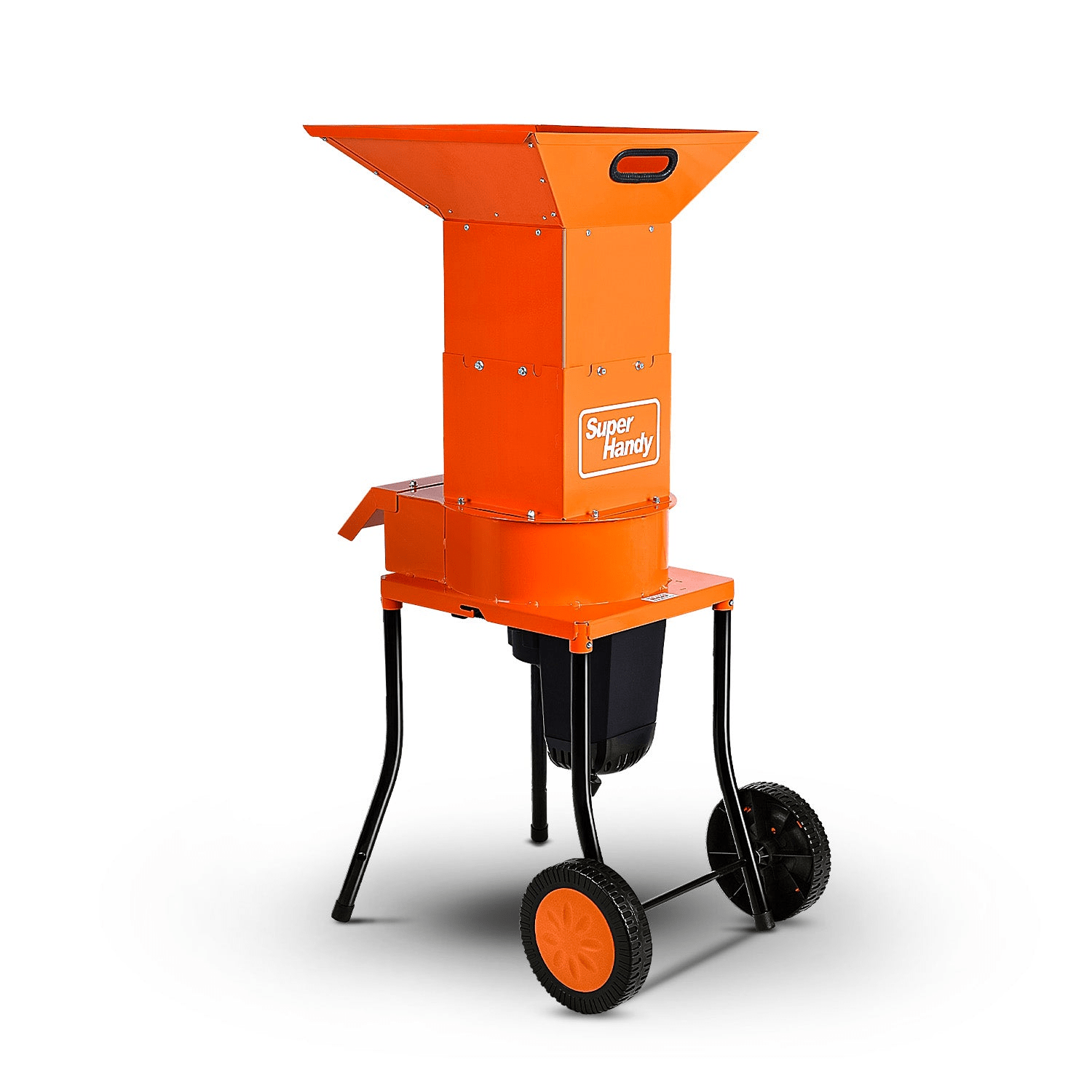
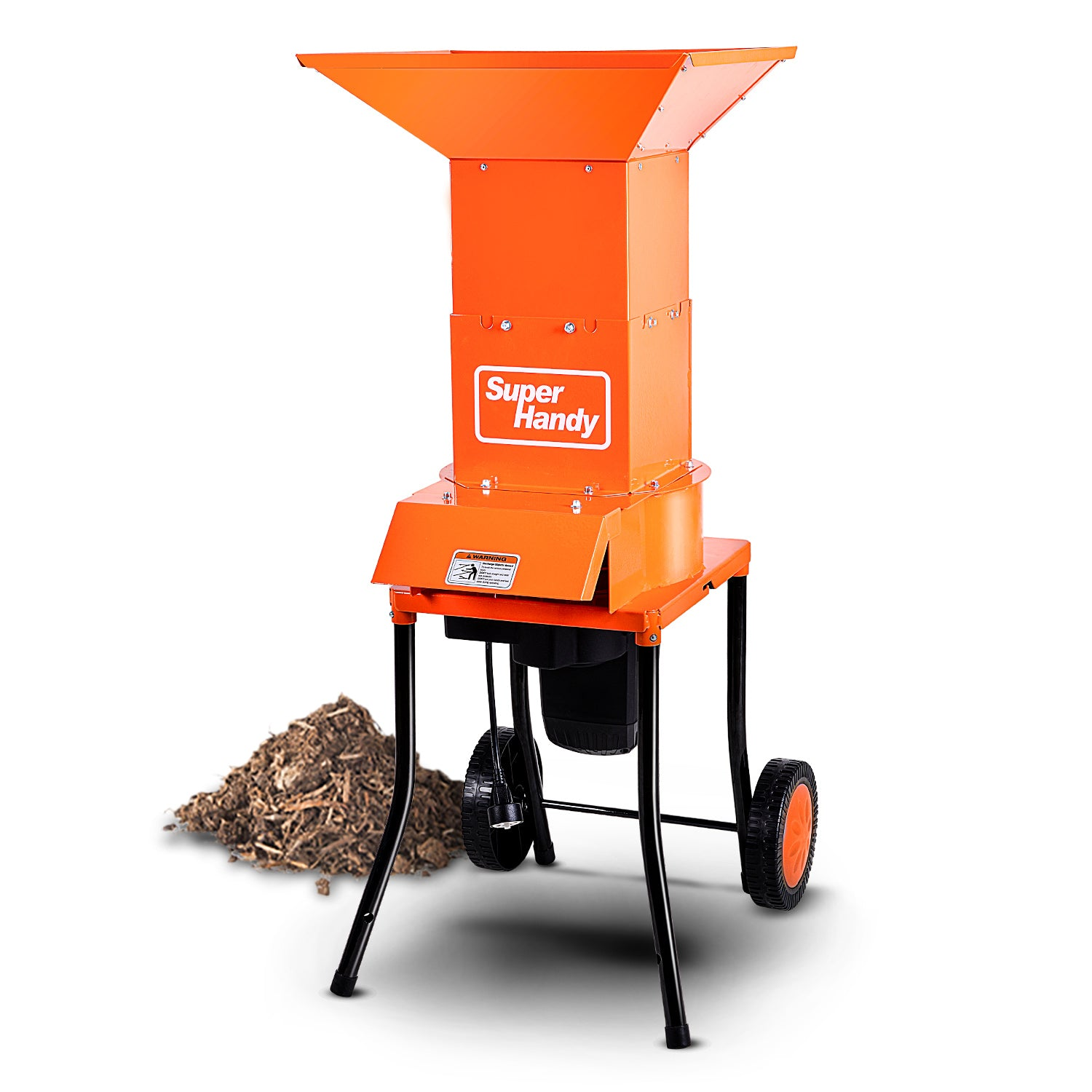
Dedicated Leaf Mulcher: If you have a lot of leaves or want to create fine mulch for garden beds, a standalone electric leaf mulcher is an excellent investment. These stationary units can shred large volumes of leaves into a fine, nutrient-rich material perfect for your lawn or compost pile.
-
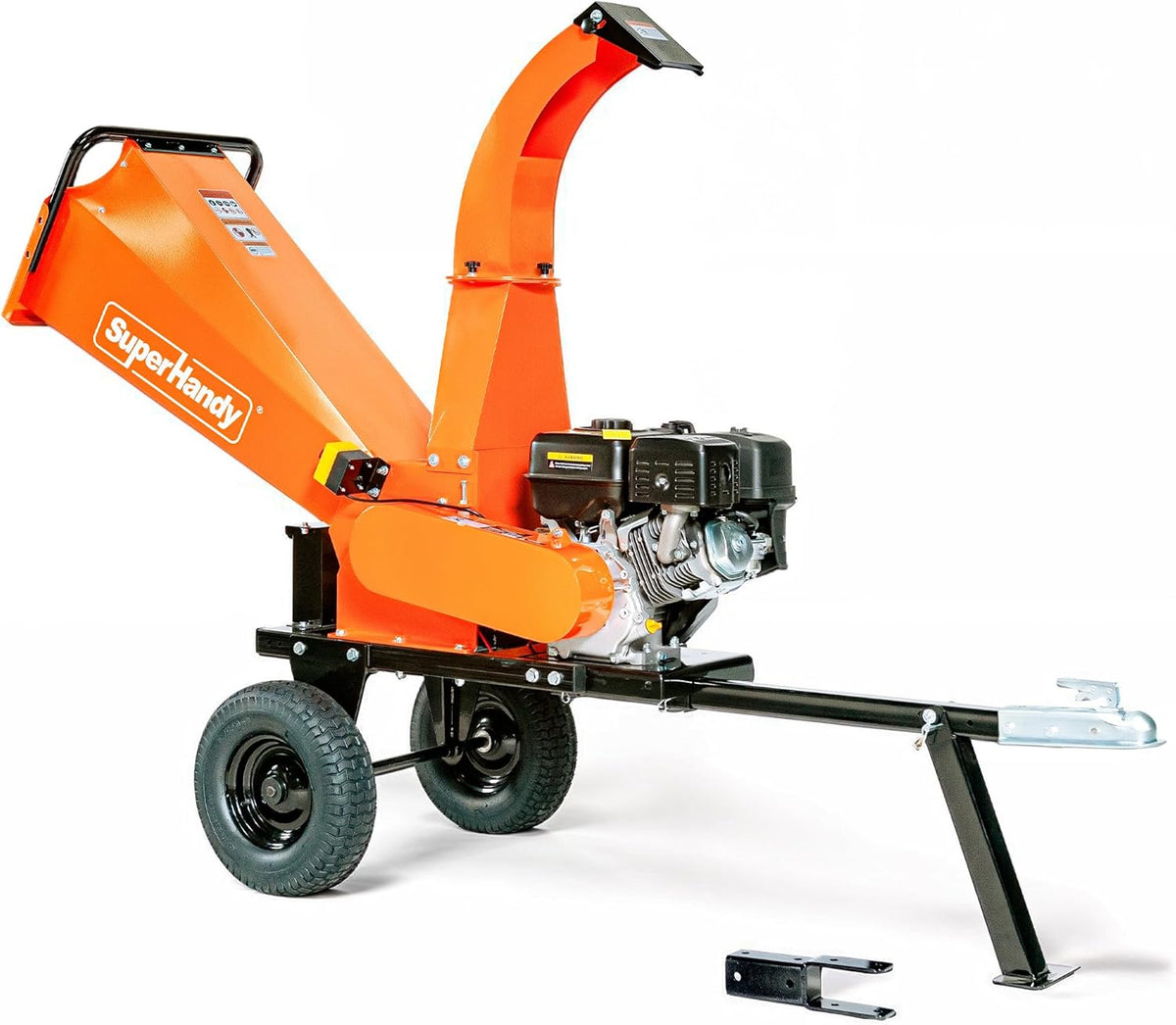
Leaf Vacuum Mulcher: A combination leaf vacuum mulcher offers incredible versatility. These powerful machines not only shred leaves but also vacuum them up, making cleanup in garden beds and around obstacles a breeze. Some models even double as a wood chipper for all-around yard waste management.
-
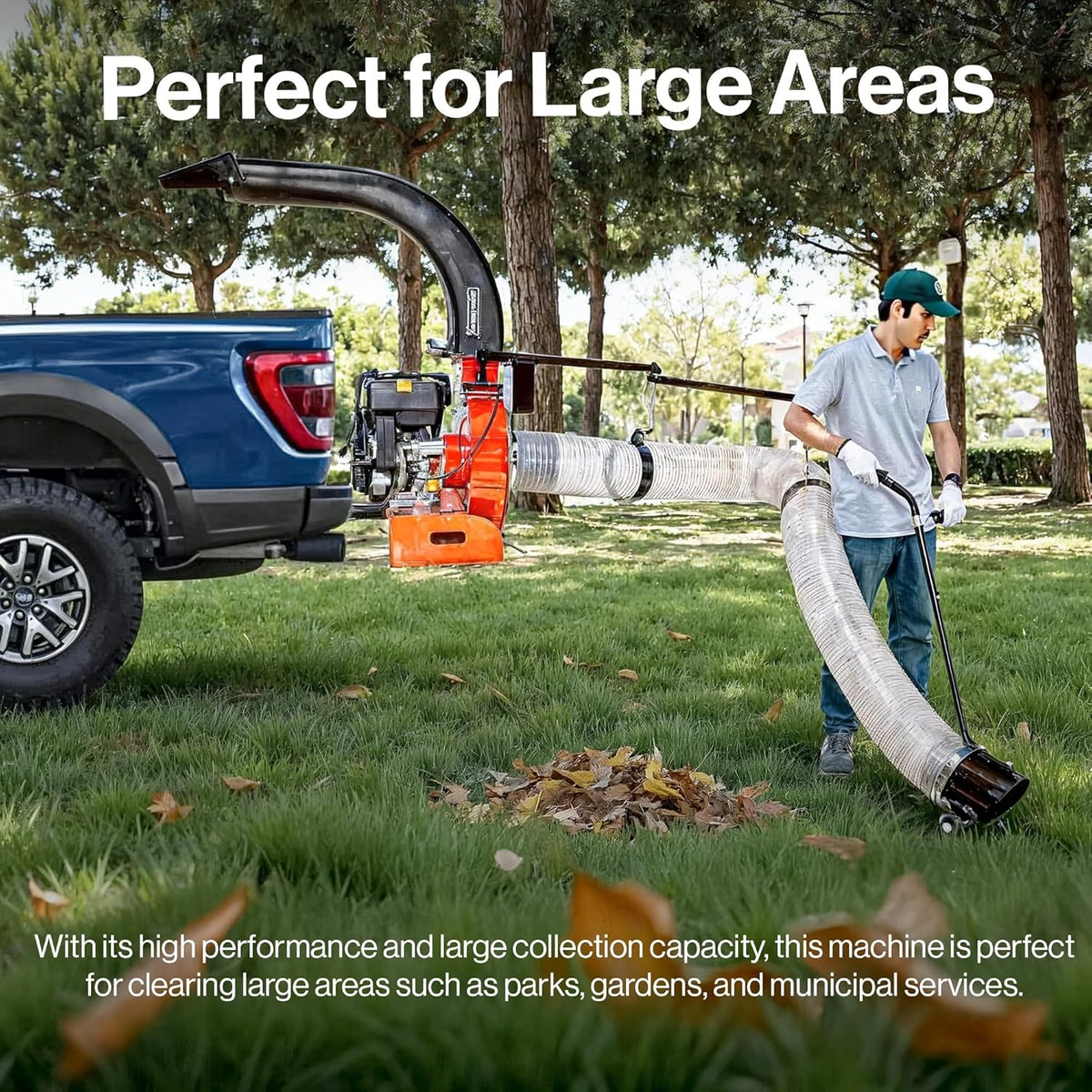
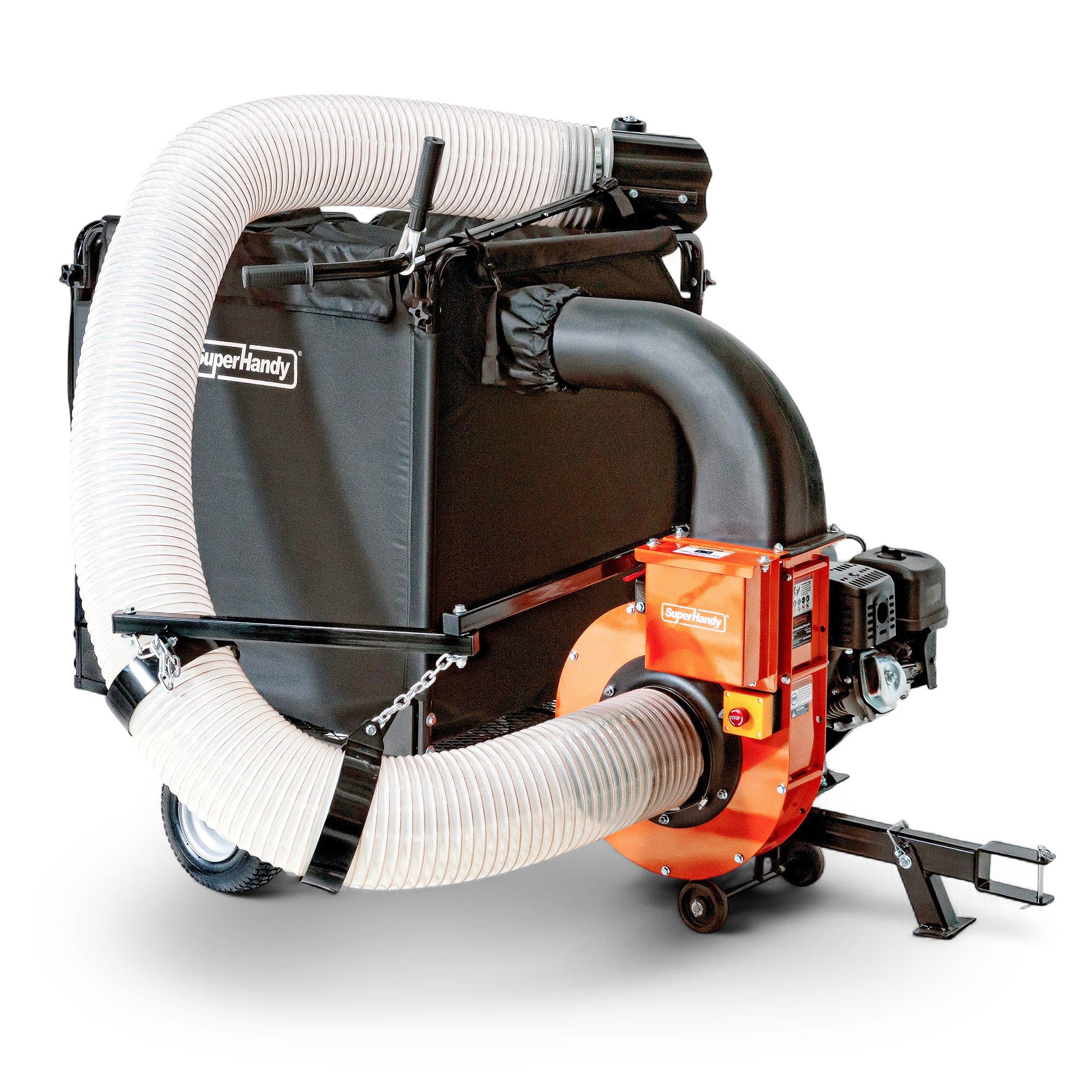
Heavy-Duty Vacuums: For large estates or commercial-level cleanup, you need equipment that can handle immense volume. A truck-loader leaf vacuum can clear massive areas quickly, while a towable leaf and lawn vacuum combines powerful suction with a large-capacity collector, minimizing time spent emptying.
Finally, don't forget the basics: sturdy gloves to protect your hands and safety glasses to shield your eyes from flying debris are non-negotiable.
Related Products



Leave a comment
All comments are moderated before being published.
This site is protected by hCaptcha and the hCaptcha Privacy Policy and Terms of Service apply.