








Why a Wood Chipper Was the Strategic Solution for This Farm
The farm manager, Sarah, realized they weren't just dealing with "waste"—they were failing to capture a valuable resource. The decision to purchase an engine wood chipper was a strategic one, aimed at turning a major liability into a multi-faceted asset. The primary goal was to process branches and brush on-site, immediately eliminating the need for hauling and burning.
By converting bulky branches into compact wood chips, they could solve several problems at once. First, they would reclaim the land previously used for debris piles. Second, they would create a steady supply of organic mulch for use around the farm—a product they occasionally had to purchase. This "closed-loop" system would reduce costs, improve soil health in their garden beds and around their fruit trees, and cut down on labor hours spent on non-productive waste management. An engine wood chipper was the key to unlocking this new level of efficiency.

Choosing the Right Engine Wood Chipper: Key Selection Criteria
With a clear goal in mind, the Green Valley Acres team established key criteria for selecting the perfect machine for their needs. A one-size-fits-all approach wouldn't work; they needed a chipper that matched their specific operational scale and terrain. Their evaluation focused on four main areas:
-
Power and Capacity: The farm needed a gas-powered model for true portability, allowing them to work in remote pastures and orchards far from electrical outlets. Critically, they analyzed the diameter of the branches they typically handled. A small mini wood chipper would be insufficient for clearing post-storm debris, so they focused on machines capable of handling branches of 3 inches or more in diameter.
-
Functionality: Did they need a machine that only chips wood, or one that could also shred leaves and smaller organic matter? Given their mix of woody branches and leafy green waste from garden clearing, a versatile machine was highly desirable. A 3 IN 1 wood chipper that combines chipping, shredding, and vacuuming capabilities was a strong contender for maximum utility.
-
Portability and Design: The chipper had to be easy to move across varied terrain, from grassy fields to dirt paths. They looked for models with large, rugged wheels and a well-balanced frame. The ability to tow the unit with a small tractor or ATV was a significant bonus.
-
Durability and Maintenance: Farm equipment takes a beating. The team prioritized chippers with a reputation for solid construction, reliable engines, and easy-to-access components like blades for sharpening or replacement.
The Chosen Model: Unveiling the Specific Engine Wood Chipper
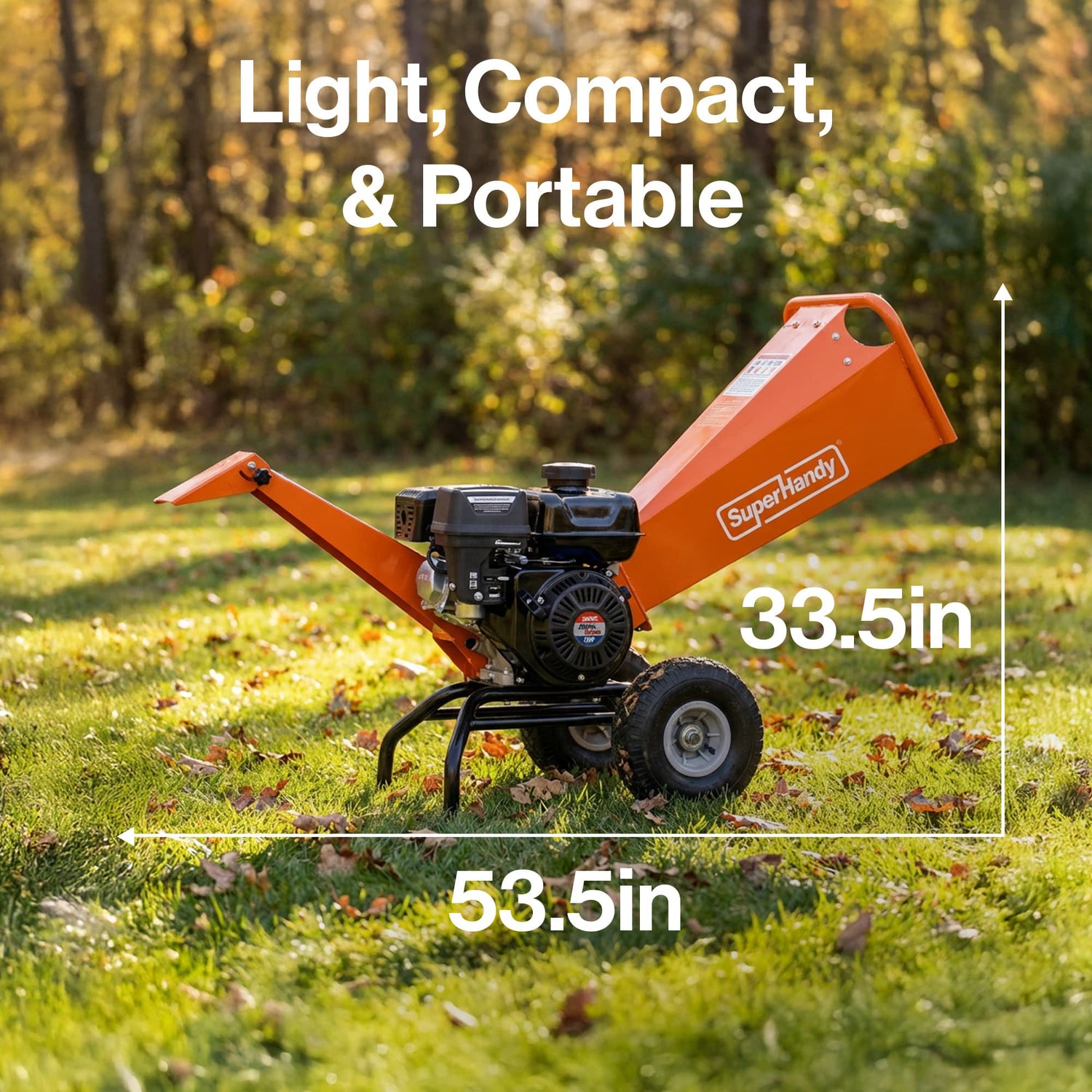
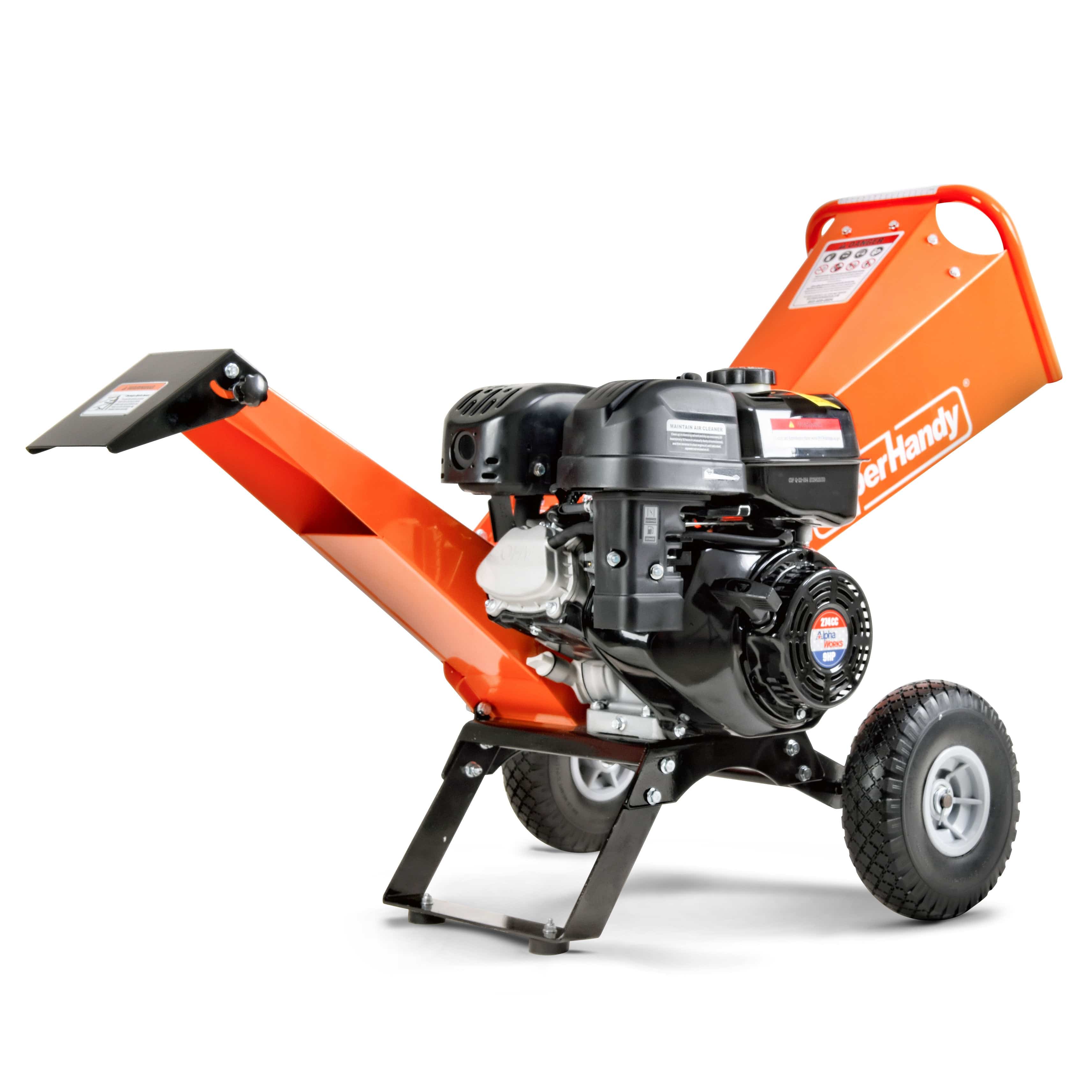
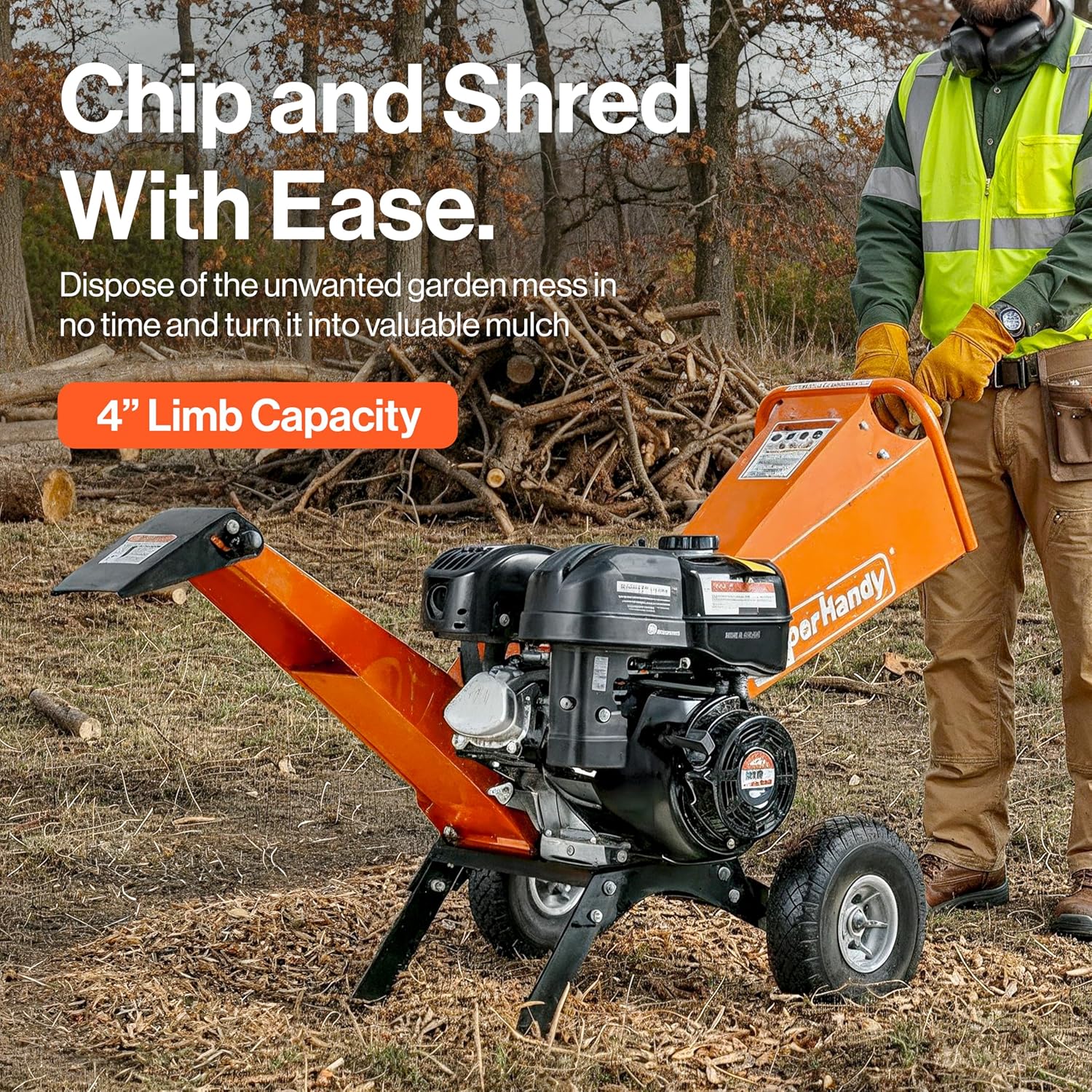
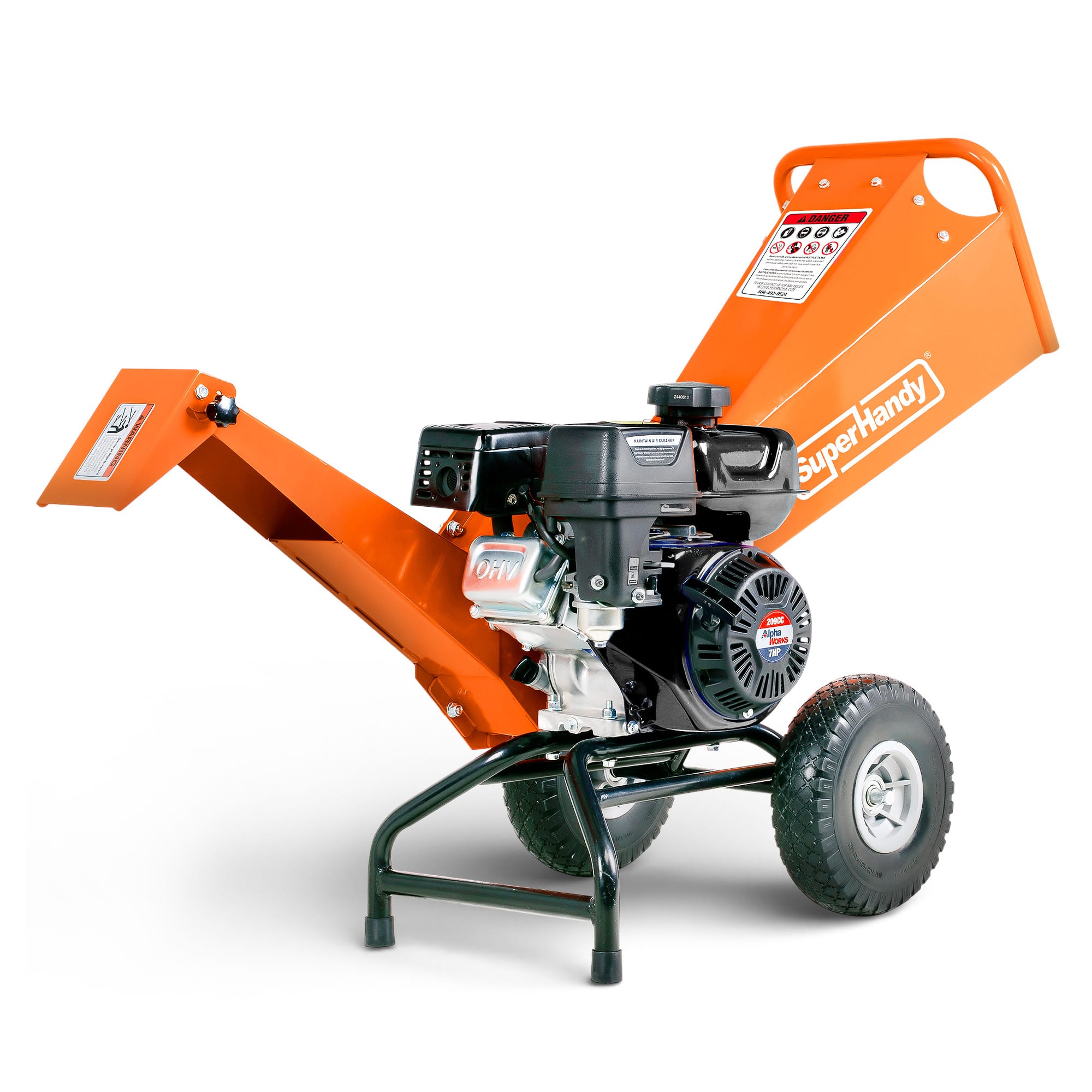
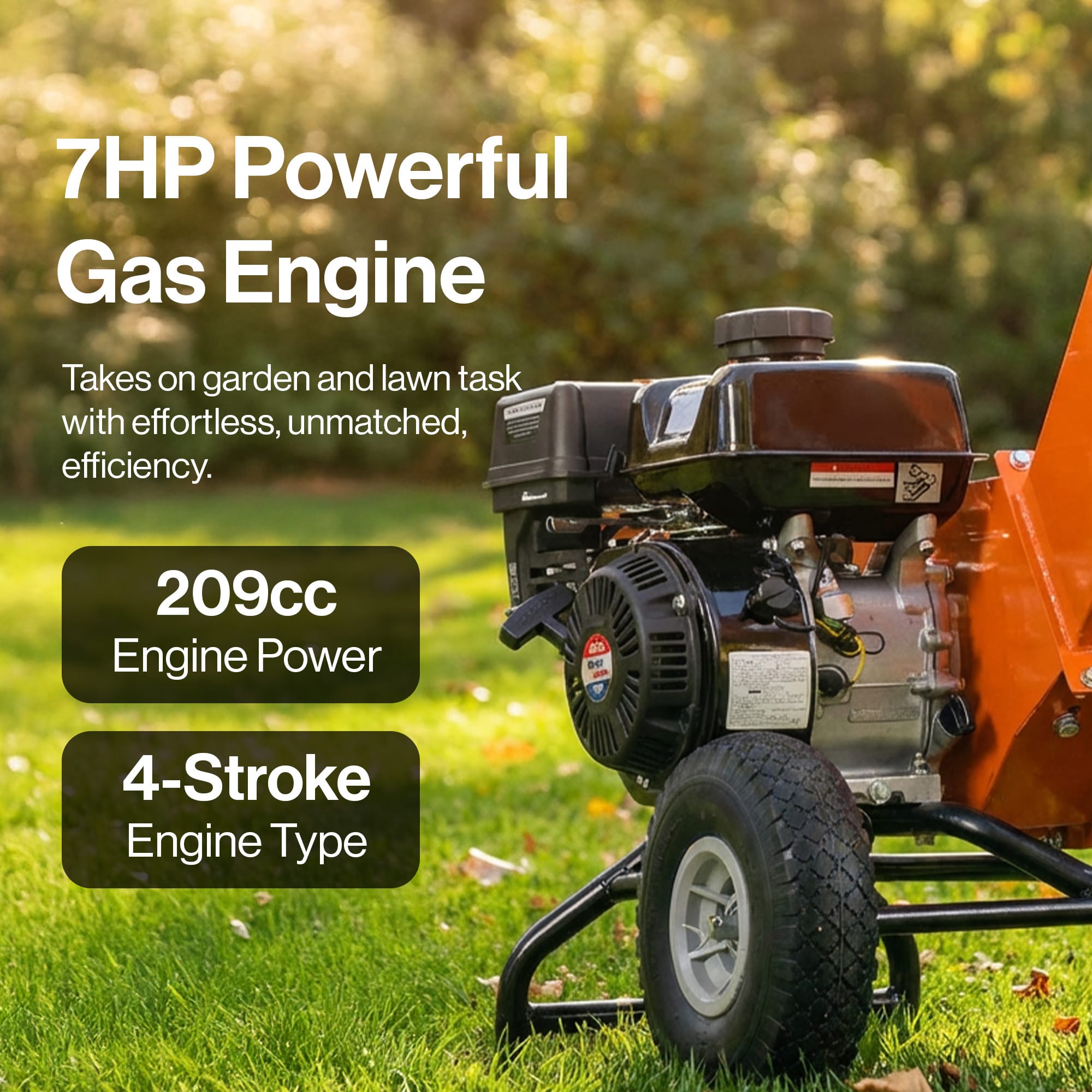
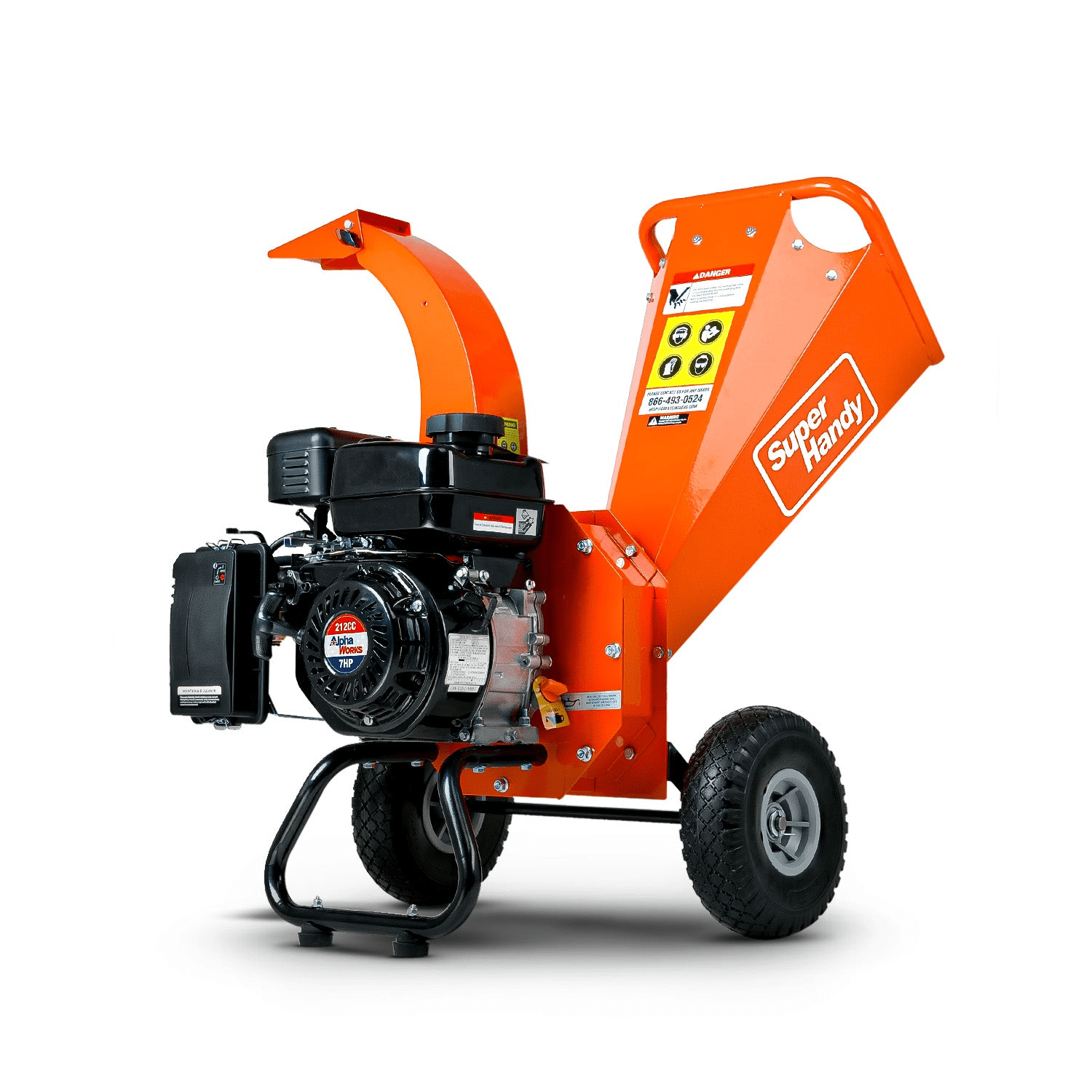
After careful consideration and comparing several models, Green Valley Acres chose the SuperHandy 4in wood chipper. This model was the ideal fit for their established criteria. Its powerful 9HP gas engine and 4-inch chipping capacity were more than enough to handle the majority of their orchard prunings and storm debris.
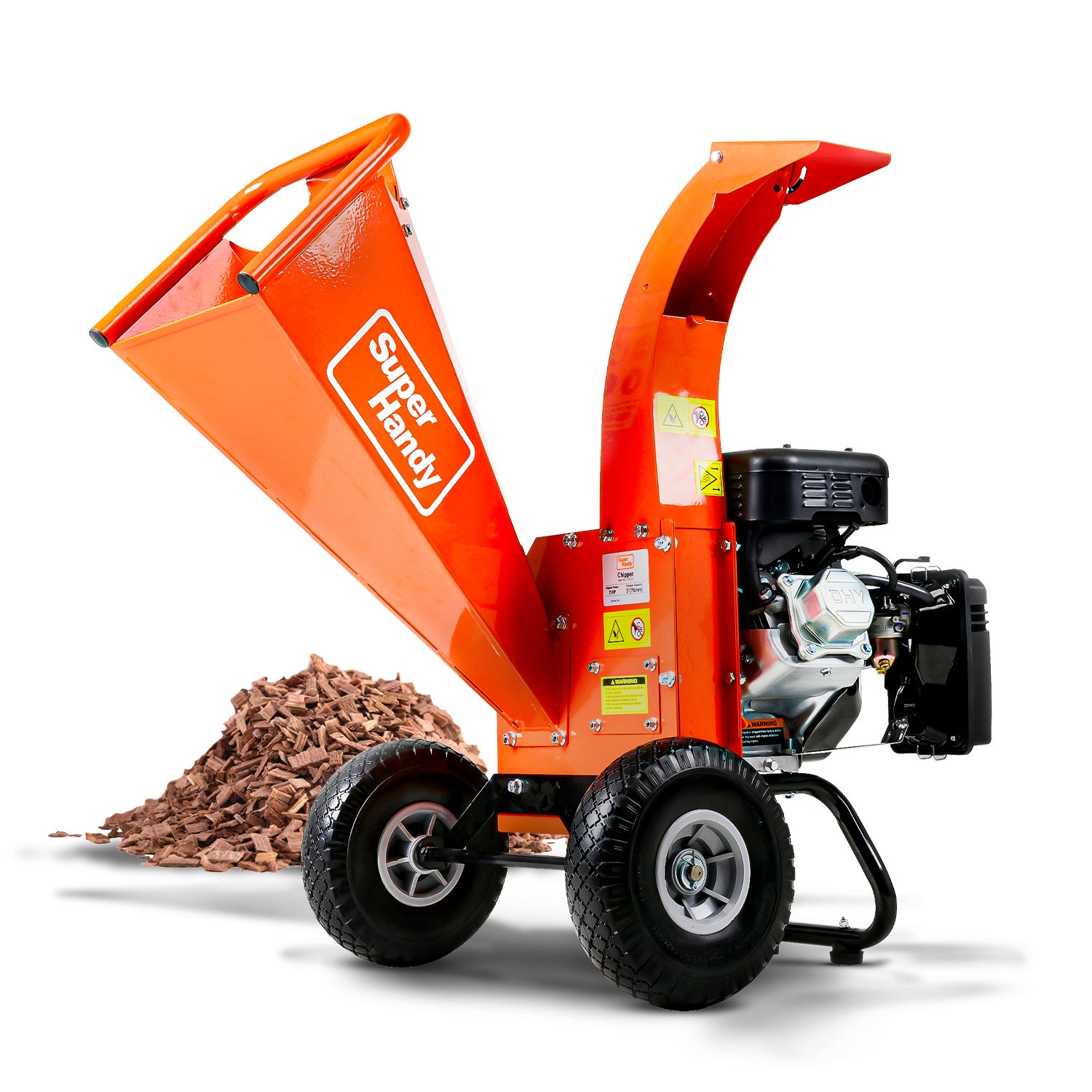
The design of the cutting system was a major selling point. As a powerful rotor wood chipper, it efficiently pulled in branches and processed them quickly, a key factor for saving labor time. The large wheels made it manageable to move by hand for smaller jobs, and the unit was balanced enough to be towed to more distant parts of the farm without issue. The adjustable discharge chute allowed them to direct the fresh mulch precisely where it was needed—into a wheelbarrow, a trailer, or directly onto a garden bed. This specific engine wood chipper checked all the boxes, promising to be a game-changer for their daily workflows.
Implementation: Integrating the Chipper into Daily Farm Workflows
Bringing the new engine wood chipper onto the farm wasn't just about parking it in the barn; it required a strategic shift in daily operations. The first step was designating a specific, level, and clear area for chipping, away from high-traffic zones and structures. The farm manager then developed a new workflow: instead of creating brush piles for later, orchard pruning and land-clearing debris were now brought directly to the chipping station at the end of each day. This "process-as-you-go" approach prevented the accumulation of waste. A crucial part of this integration was comprehensive safety training for all staff who would operate the machine. Following established best practices like those found in OSHA hand and power tool safety guidance, the team reviewed proper feeding techniques, emergency shut-off procedures, and the mandatory use of personal protective equipment (PPE), including safety glasses and gloves. This ensured the powerful 4in wood chipper was not only a productive tool but a safe one.
Streamlining Waste Management: From Piles to Usable Mulch
Before the chipper, the farm’s waste management was a constant struggle. Unsightly and hazardous brush piles dotted the property, taking up valuable space and becoming habitats for pests. Disposing of them meant slow, smoky burns (where permitted) or costly hauling services. The wood chipper completely transformed this liability into an asset. Now, every branch, twig, and stalk is converted into uniform wood chips. The farm immediately found uses for this new resource. Coarse chips were used to create durable, mud-free pathways between crop rows and around animal pens. Finer mulch was spread around fruit trees and in garden beds to suppress weeds, retain soil moisture, and regulate temperature. This closed-loop system eliminated off-site disposal costs and the need to purchase expensive commercial mulch, turning a waste stream into a valuable on-farm resource. The versatility of a 3 IN 1 wood chipper proved especially useful, allowing them to process not just woody branches but also softer green materials for composting.
Boosting Efficiency: Time and Labor Savings Achieved
The most immediate impact of the new workflow was a dramatic increase in efficiency. The old method of managing brush was incredibly labor-intensive. It involved multiple steps: cutting, dragging branches to a central pile, and then dedicating entire days to burning or loading them for disposal. The farm estimated that this process consumed approximately 15-20 worker-hours per month, particularly after seasonal pruning. With the engine wood chipper, the task was consolidated and simplified. What previously took two workers a full day could now be accomplished by one worker in just a few hours. The portability of the chipper also meant it could be towed directly to larger clearing sites, minimizing the time spent hauling material across the property. This freed up significant labor, allowing the small team to focus on more critical, revenue-generating activities like planting, harvesting, and animal care. The efficient design of a Rotor wood chipper further maximized throughput, making quick work of even large-diameter branches.
Cost-Benefit Analysis: Quantifying the Chipper's ROI
While the initial investment in a quality wood chipper seemed substantial, a simple cost-benefit analysis revealed a rapid return on investment (ROI). The farm broke down the numbers:
- Labor Savings: At an average of 15 saved hours per month and a conservative labor rate of $20/hour, the farm saved $300 per month.
- Mulch Savings: The farm typically spent around $1,200 per year on purchased mulch for its orchards and gardens. This cost was completely eliminated. That’s another $100 per month in savings.
- Disposal Savings: Occasional hauling fees for excess brush, which averaged $300 annually, were also eliminated, adding another $25 per month to the savings column.
Total monthly savings amounted to approximately $425. Factoring in the initial purchase price of their chipper (around $2,500), the machine paid for itself in just under six months. For smaller operations with less debris, even a Mini wood chipper can offer a similarly compelling ROI on a smaller scale. This calculation doesn't even include the less tangible (but significant) value of improved soil health, water conservation from mulching, and the increased productivity from reallocated labor.
Beyond Mulch: Unexpected Benefits and New Opportunities
While the primary goal was to create mulch for their garden beds and orchards, the farm quickly discovered a host of unexpected benefits that extended far beyond soil enrichment. The constant supply of fresh wood chips opened up new possibilities for improving the farm's ecosystem and even creating small revenue streams.
First, the chips became the perfect material for creating durable, mud-free pathways between crop rows and around animal enclosures. This dramatically improved accessibility, especially after heavy rains. The farm also began using the wood chips as deep litter bedding in their chicken coop. This method proved far superior to straw, as the carbon-rich chips absorbed moisture and odor more effectively, leading to healthier birds and a less frequent need for cleanouts. When the bedding was finally changed, it was already a fantastic, pre-composted starter for their compost piles. The versatility of a 3 IN 1 wood chipper allowed them to experiment with different chip sizes, producing finer material for composting and coarser chips for pathways.
Addressing Operational Hurdles: Troubleshooting and Maintenance
Of course, integrating a powerful piece of equipment like an engine wood chipper wasn't without a learning curve. The farm team quickly learned that respecting the machine's capabilities and limitations was key to success. Early on, they encountered a jam by trying to process a large volume of wet, leafy material too quickly. This taught them to let green waste wilt for a day before chipping and to alternate it with dry, brittle branches to keep the chamber clear.
They developed a simple but effective maintenance schedule. This included a quick pre-use check of oil and fuel levels, ensuring all bolts were tight, and inspecting the blades weekly for dullness. A sharp set of blades is crucial for both speed and efficiency, and they found that models with features like the reversible blades on their 4in wood chipper effectively doubled the life of each set before needing to be sharpened or replaced. Above all, safety became the top priority. The farm team established a strict safety protocol, following official hand and power tool safety guidance which includes always wearing eye and hearing protection, and never reaching into the hopper or discharge chute while the machine is running.
Farmer Testimonials: Real-World Impact and Satisfaction
The true measure of the chipper’s success can be heard in the voices of those who use it every day.
"The chipper changed our entire mindset," says the farm's owner. "Brush piles were an eyesore and a fire hazard that we just accepted. Now, every fallen branch is an opportunity. We're building healthier soil, keeping our animals cleaner, and we've saved a huge amount of time on cleanup. It paid for itself in the first season, just in labor savings."
A farmhand adds, "I used to dread storm cleanup. It meant days of hauling and building a massive, ugly burn pile. Now, I hook the chipper up to the ATV, and we process everything on site. It’s honestly satisfying to turn a mess into neat piles of useful chips."

Is an Engine Wood Chipper Right for Your Farm? Key Considerations
Inspired by this farm’s success? Before you invest, it’s important to consider if an engine wood chipper is the right fit for your specific operation. Ask yourself these key questions:
- What is your volume of woody waste? If you are constantly pruning an orchard, clearing fence lines, managing a woodlot, or cleaning up after storms, a chipper can be a transformative tool. For minimal debris, the investment may not be justified.
- What is your property size and layout? A compact and portable Mini wood chipper is often suitable for navigating the tight spaces of a smaller homestead. Larger farms with substantial acreage will benefit from a more powerful, high-capacity model that can handle bigger jobs more quickly.
- What is your primary goal for the output? If you simply need coarse chips for pathways or groundcover, most standard chippers will suffice. However, if you want to create finer material for a fast-composting system or for use as animal bedding, you may want to look for a machine with specific features like a shredder function or a Rotor wood chipper mechanism.
- Do you have the resources for safe operation and maintenance? A wood chipper is an investment not only of money but also of time. Ensure you have the personnel and discipline to operate it safely and perform the routine maintenance required to keep it running efficiently for years to come.
Frequently Asked Questions about Engine Wood Chippers for Farms
What's the biggest difference between a consumer-grade and a farm-ready wood chipper? The primary differences are capacity, durability, and power. While a standard backyard chipper is great for small twigs and occasional use, a farm-grade engine wood chipper is built for heavier workloads. Models designed for agricultural settings, like a robust 4in wood chipper, feature more powerful engines and tougher components to handle larger diameter branches and operate for extended periods without strain.
How do I choose the right size chipper for my farm? Assess the typical diameter of the brush and limbs you need to process. If your farm primarily deals with clearing overgrown fence lines with saplings and smaller debris, a compact Mini wood chipper may be sufficient and more maneuverable. However, for processing pruned orchard limbs or clearing larger wooded areas, a machine with a 3-inch or greater capacity is a more strategic investment that will save you time and prevent bottlenecks.
Are engine wood chippers safe to operate? Yes, when operated with respect and adherence to safety protocols. Modern chippers are designed with safety features, but the operator is the most important factor. Always wear appropriate personal protective equipment (PPE), including heavy-duty gloves and safety glasses. It is essential to read the owner's manual thoroughly and follow all established hand and power tool safety guidance to ensure safe operation. Never reach into the infeed hopper or discharge chute while the machine is running.
Can one machine handle chipping, shredding, and mulching? Absolutely. Many modern engine wood chippers are incredibly versatile. For maximum efficiency, look for a unit that can process different types of organic matter. A 3 IN 1 wood chipper, for instance, often includes a main chute for woody branches, a side hopper for leafy material, and the capability to produce fine mulch, consolidating multiple tasks into one powerful machine.

Maximizing Your Investment: Tips for Long-Term Chipper Success
An engine wood chipper is a workhorse, and like any valuable piece of farm equipment, it requires proper care to deliver a long service life and a strong return on investment. Consistent maintenance is the key to performance and longevity.
- Follow a Pre-Use Checklist: Before every use, perform a quick inspection. Check the engine oil and fuel levels. Ensure all guards are in place and that the hopper and discharge chute are clear of old debris. This simple five-minute routine can prevent major mechanical failures.
- Keep Blades Sharp: Dull blades are a chipper's worst enemy. They don't cut; they smash. This puts immense strain on the engine, increases fuel consumption, and produces low-quality, stringy mulch. Most chippers, including specialized Rotor wood chipper models, have reversible blades, effectively doubling their life. Once both sides are dull, have them professionally sharpened or replace them according to the manufacturer’s guidelines.
- Operate Correctly: Avoid the temptation to force oversized branches into the hopper. Feed material at a steady rate, allowing the engine to work efficiently. Critically, never feed soil, rocks, metal, or other non-organic materials, as this will quickly destroy the blades and can cause serious damage to the rotor assembly.
- Store Properly: When not in use, protect your investment from the elements. Storing the chipper in a barn, shed, or under a heavy-duty tarp prevents rust and protects belts and plastic components from sun damage. For off-season storage, either drain the fuel tank or add a fuel stabilizer to prevent carburetor problems.
The Future of Farm Operations: Embracing Efficient Machinery
The decision to integrate an engine wood chipper into daily farm life is more than just a solution to a waste problem—it represents a broader shift toward smarter, more self-sufficient farming. Small and mid-sized agricultural operations are increasingly leveraging specialized machinery to gain efficiencies once reserved for large-scale industrial farms.
This trend is about transforming liabilities into assets. A pile of branches is a disposal headache; a pile of wood chips is valuable mulch for garden beds, pathways, and animal bedding. By embracing tools like a wood chipper, farmers can close the loop on their own property, reducing reliance on costly external waste removal services and creating valuable resources from what was once considered trash.
Ultimately, the future of successful farming lies in this kind of strategic optimization. Investing in the right machinery frees up the most valuable resource on any farm: the farmer's time. By automating and streamlining tasks like waste management, operators can focus on core activities like crop cultivation, animal husbandry, and business growth. An engine wood chipper isn't just a machine; it's a catalyst for a more resilient, efficient, and profitable operation.
Related Products


Leave a comment
All comments are moderated before being published.
This site is protected by hCaptcha and the hCaptcha Privacy Policy and Terms of Service apply.