















Pre-Ride Scooter Inspection: What to Check Before Every Journey
Just like you’d check a car before a long drive, a quick inspection of your Mobility Scooter before each use can prevent unexpected issues. Taking these few minutes is a crucial habit for any rider.
- Tires: Visually inspect the tires for any signs of wear, damage, or low pressure (for pneumatic tires). For solid tires, check for significant gouges or cracks. Good tire condition is key to a smooth and stable ride.
- Brakes: Before you set off, test the brakes. On most scooters, releasing the throttle lever automatically engages the brake. Ensure it engages smoothly and brings you to a firm, complete stop.
- Battery Level: Glance at the battery gauge on your console. Do you have enough charge for your planned journey and a little extra, just in case? Getting stranded with a dead battery can be a significant inconvenience and a potential safety risk.
- Lights and Horn: Quickly test your scooter's horn, headlights, and taillights. These features are vital for your visibility to others and for alerting pedestrians or vehicles to your presence.
- Tiller and Seat: Make sure the tiller (the steering column) and the seat are securely locked into your preferred position. Any looseness can affect your control while driving.
Understanding Your Mobility Scooter's Controls and Features
Familiarity with your scooter’s controls is non-negotiable for safe operation. While models vary, most share a standard set of features. Take time to read the owner’s manual for your specific Mobility Scooter to understand its unique functions. Mobility aids, including scooters, are designed to be intuitive, but a clear understanding of each button and lever is essential.
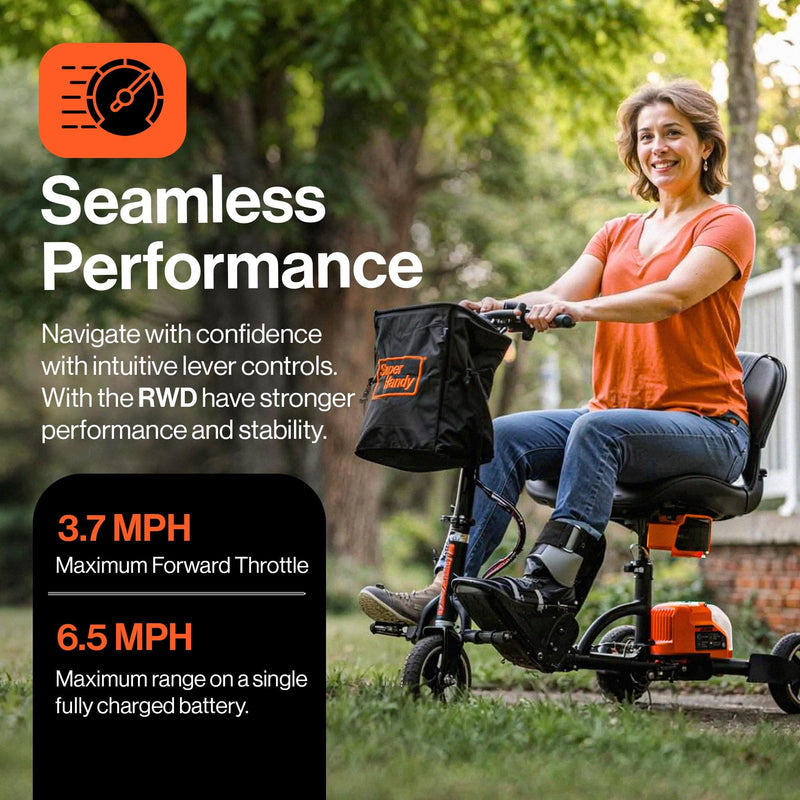
- Throttle Lever: Often called a "wig-wag" paddle, this lever controls your movement. Pushing or pulling one side moves you forward, and the other side engages reverse. Releasing it brings the scooter to a stop.
- Speed Control Dial: This dial allows you to set the maximum speed. It's wise to set it to a lower speed for crowded indoor spaces like shopping centers and a higher speed for open, outdoor paths.
- Key/Ignition: This powers your scooter on and off. Always remove the key when you are not using the scooter to prevent unauthorized use.
- Horn Button: A clearly marked button used to alert others of your approach.
- Battery Gauge: This display, usually featuring a series of colored lights or a needle, indicates the remaining battery life.
Mastering Safe Operation: Essential Riding Techniques
Once you’re familiar with the controls, it's time to master the art of driving safely. If you are a new rider, practice in a safe, open area like an empty parking lot to build confidence before heading out on public paths.
Start and stop smoothly to avoid jerking, which can cause you to lose balance. When it comes to turning, always slow down before you enter the turn. A Mobility Scooter is most stable when turning at a low speed. Attempting sharp, high-speed turns dramatically increases the risk of tipping over. Always give yourself a wide turning radius. When you need to reverse, do so slowly and deliberately. Look over your shoulder and be aware of your surroundings, as your visibility is more limited when going backward.
Navigating Different Terrains: Pavement, Hills, and Uneven Surfaces
Your journeys will take you over various surfaces. Adjusting your driving style to the terrain is critical for maintaining stability and control.
- Pavement and Sidewalks: These are the ideal surfaces for an electric mobility scooter. However, always be vigilant for cracks, potholes, and uneven sections. When crossing a street, use designated crosswalks and curb cuts whenever possible.
- Hills and Ramps: Approach all inclines and declines straight on. Never try to cross a steep hill sideways, as this shifts the center of gravity and can easily cause a tip-over. Maintain a steady speed going uphill to avoid losing momentum. When going downhill, keep your speed low and controlled.
- Uneven Surfaces: Be extra cautious on surfaces like grass, gravel, or cobblestones. These can reduce traction and may be challenging for a standard Mobility Scooter. If you must cross them, do so at your slowest speed. Be aware that navigating these difficult terrains will also drain your battery more quickly than riding on smooth pavement.
Visibility and Awareness: Being Seen and Avoiding Hazards
A key part of staying safe on your Mobility Scooter is ensuring others can see you, and that you are aware of your surroundings. Because they operate at a lower height and slower speed than pedestrian traffic, electric mobility scooters can sometimes be missed by drivers and people on foot. Make yourself more visible by using your scooter’s built-in headlights and taillights, even during the day. For enhanced visibility, consider adding reflective tape to the sides and rear of your scooter. Wearing bright-colored clothing or a high-visibility vest can also make a significant difference. Just as important is your own awareness. Always scan your path ahead for obstacles like potholes, cracks, or debris. When approaching intersections or crossing driveways, make eye contact with drivers to confirm they see you before proceeding. Use your horn or bell to alert pedestrians politely when you need to pass.
Battery Management: Maximizing Range and Longevity
Nothing cuts a trip short faster than a dead battery. Proper battery management not only maximizes the range of your Mobility Scooter on each trip but also extends the overall life of the battery. To get the most distance from a single charge, try to maintain a smooth, steady pace and avoid rapid acceleration or abrupt stops. The total weight on the scooter, including any cargo, also impacts range, so avoid carrying unnecessarily heavy items. Hilly terrain will drain your battery much faster than flat surfaces, so factor this into your route planning. Over time, all batteries degrade, but you can prolong their useful life by avoiding deep discharges. It's better to recharge your scooter after each day of use rather than waiting for the battery to be nearly empty.

Charging Your Scooter Safely and Effectively
Correct charging is fundamental to the safety and performance of your electric mobility scooter. Always use the specific charger that was supplied by the manufacturer for your model. Using an incompatible charger can permanently damage the battery and create a serious fire hazard. To charge your scooter, find a dry, well-ventilated indoor space away from flammable materials. Never charge your scooter outdoors or in a damp environment. Plug the charger into the scooter first, then plug it into the wall outlet. When charging is complete, unplug the charger from the wall before disconnecting it from your Mobility Scooter. Most modern scooters have smart chargers that prevent overcharging, so it’s generally safe and recommended to charge it overnight to ensure it’s ready for the next day.
Weather Considerations: Riding in Rain, Wind, and Sun
Weather can significantly impact the safety and operation of your scooter. While a light drizzle may be manageable, you should avoid riding your Mobility Scooter in heavy rain or thunderstorms. Water can damage the electronic components, such as the tiller and controller, and wet surfaces dramatically reduce traction, increasing the risk of skidding. If you get caught in an unexpected shower, try to find shelter and use a plastic cover to protect the controls. Strong winds can also pose a challenge, potentially affecting your stability and steering; slow down and maintain a firm grip in gusty conditions. On hot, sunny days, be aware that dark-colored scooters can get very hot, and direct sunlight can degrade plastic components over time. Park in the shade whenever possible and remember to protect yourself with sunscreen, a hat, and plenty of water.
Traveling with Your Mobility Scooter: Transport and Storage Tips
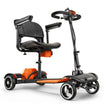
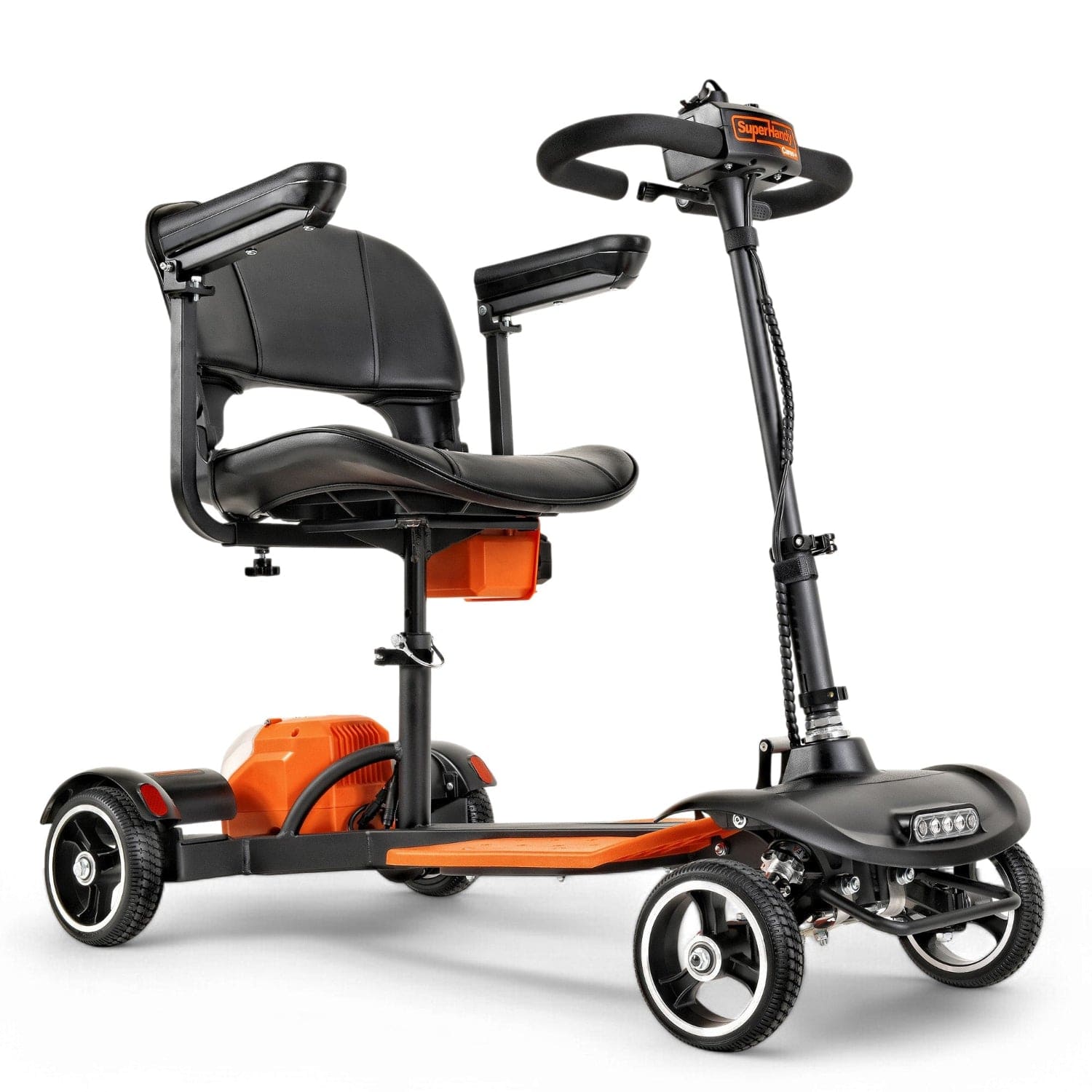
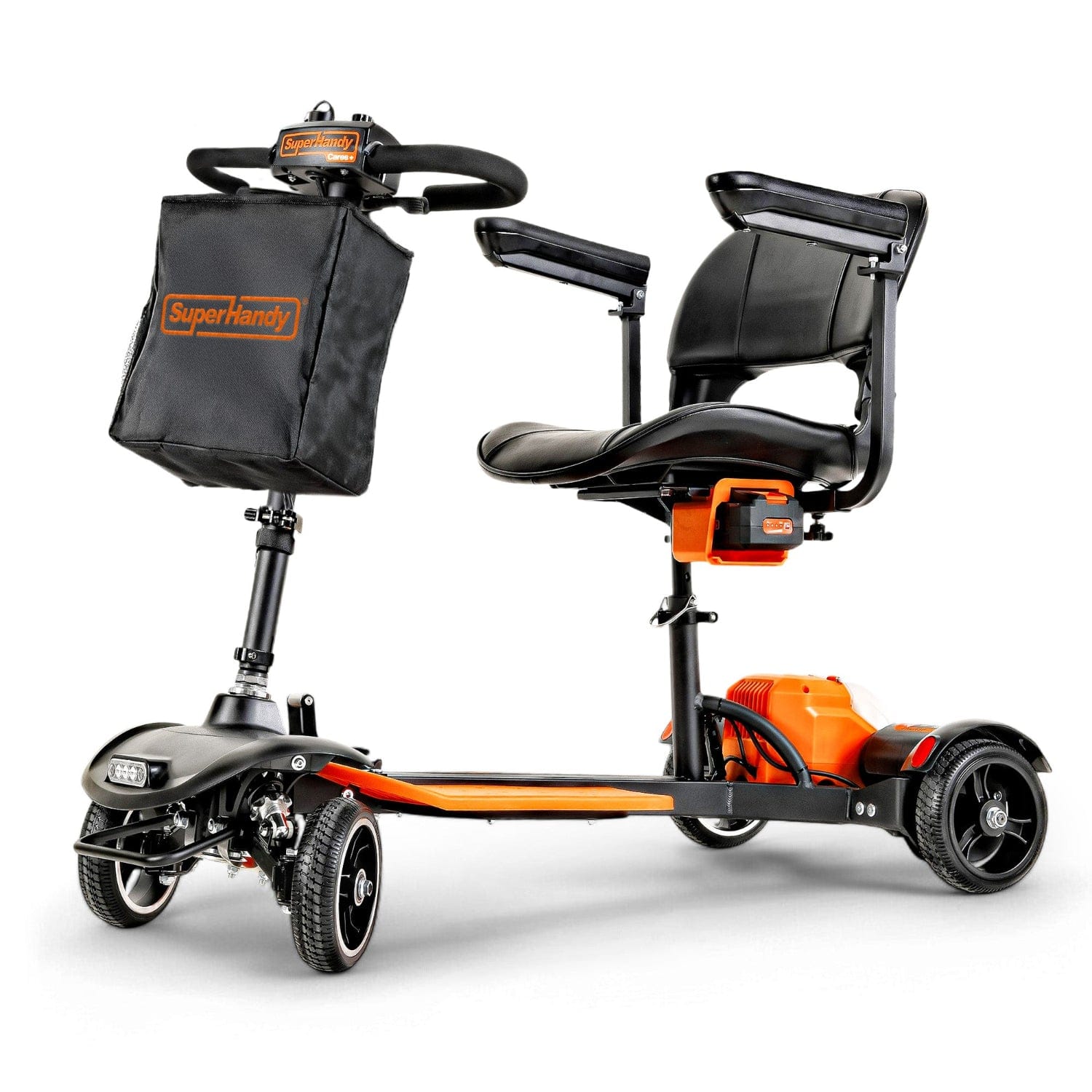
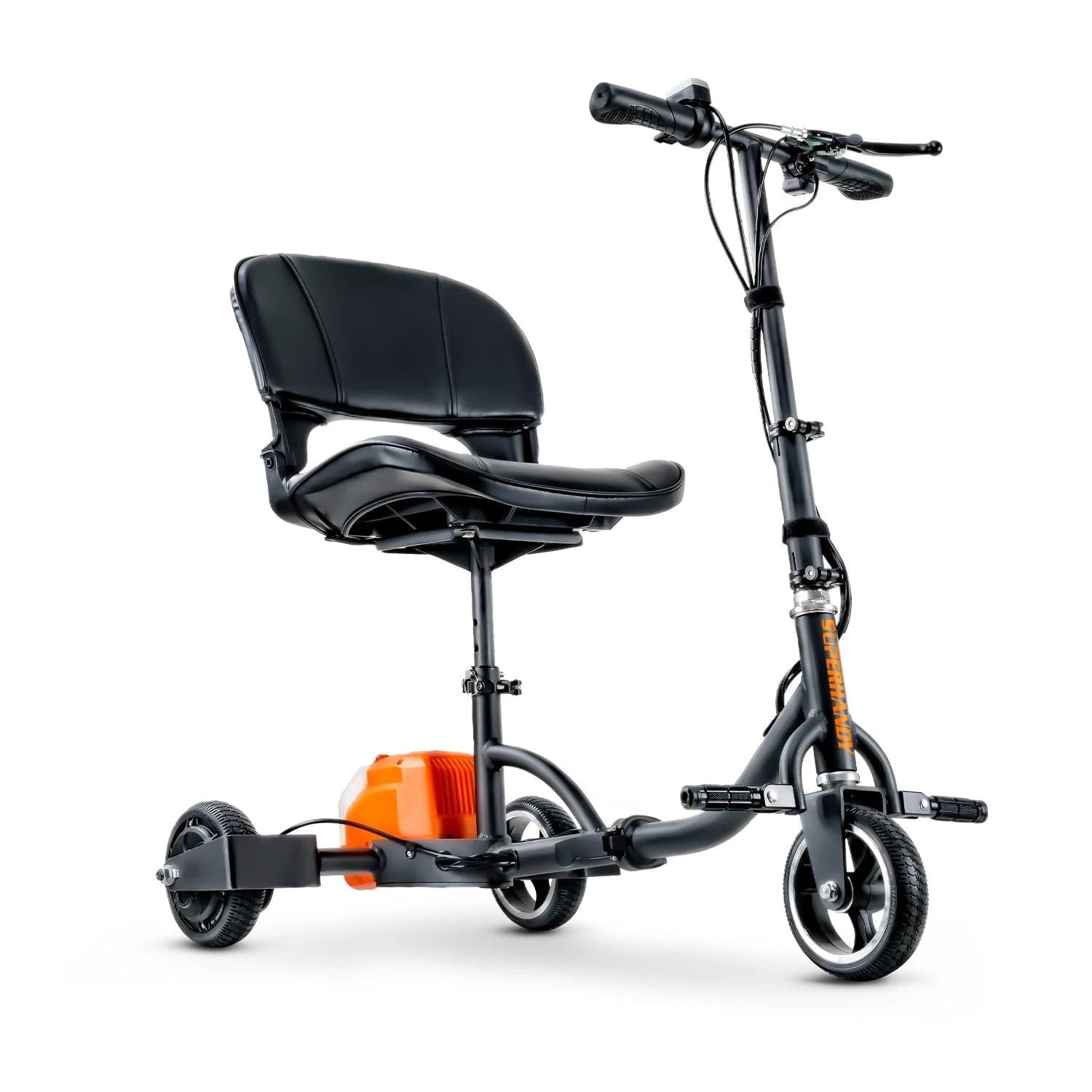
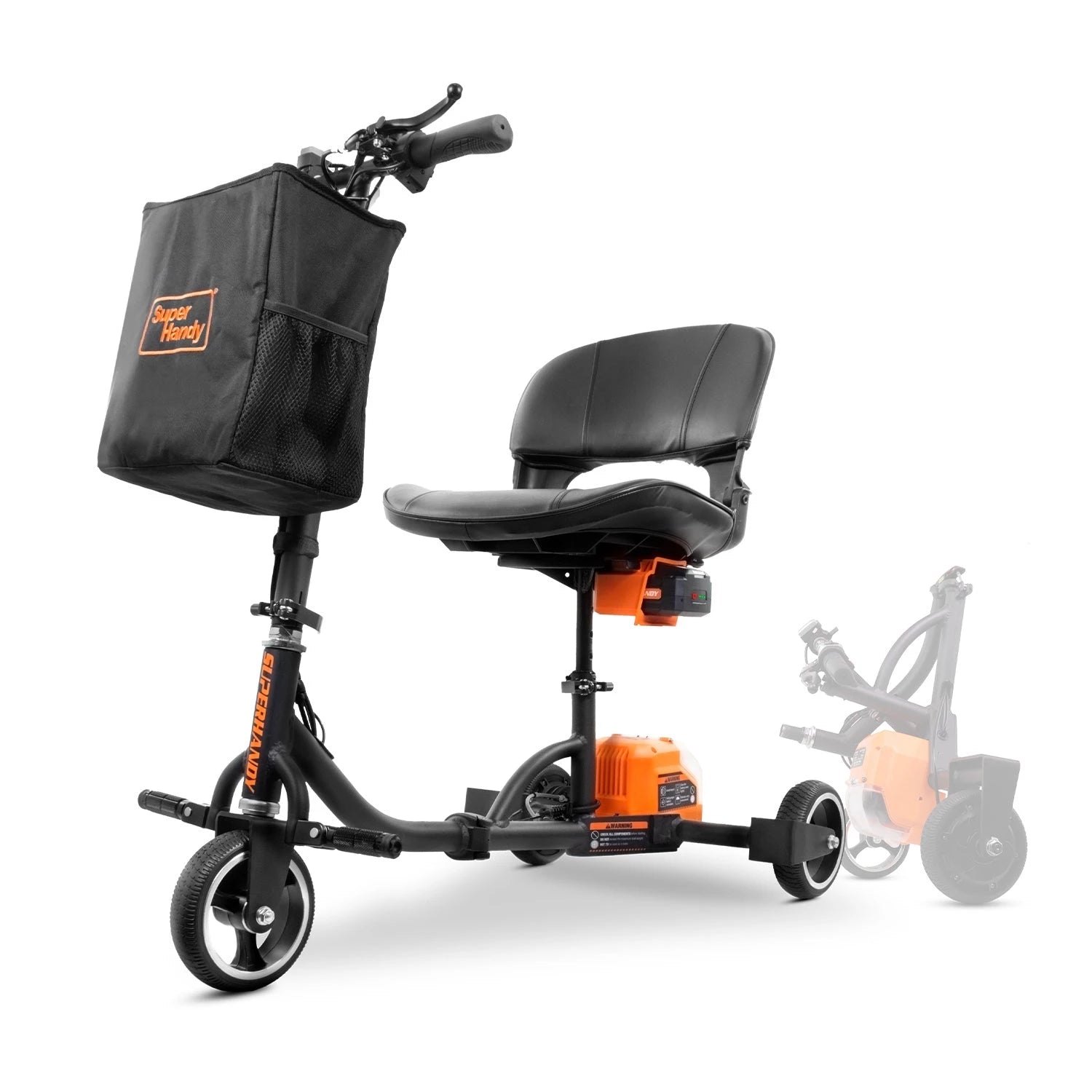
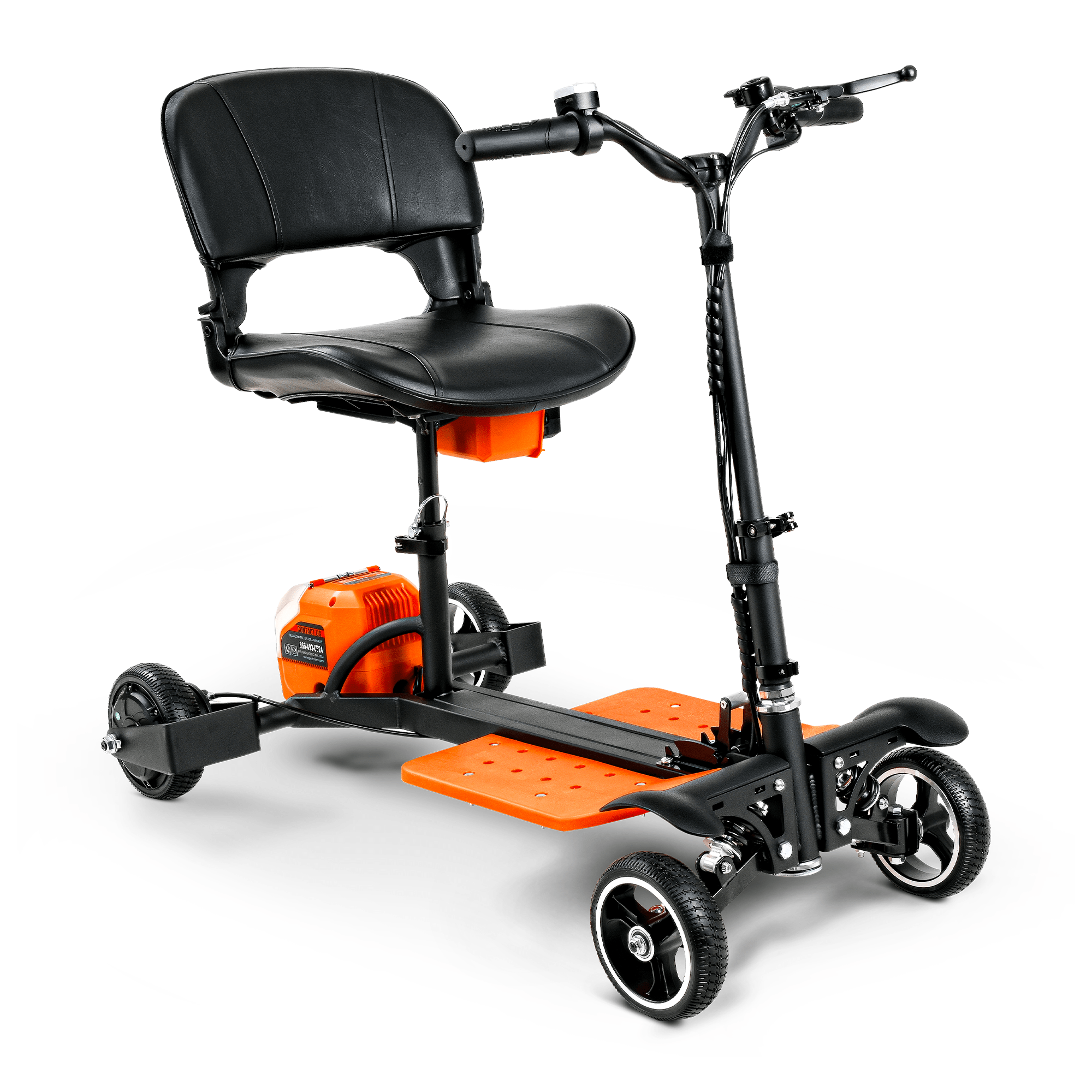
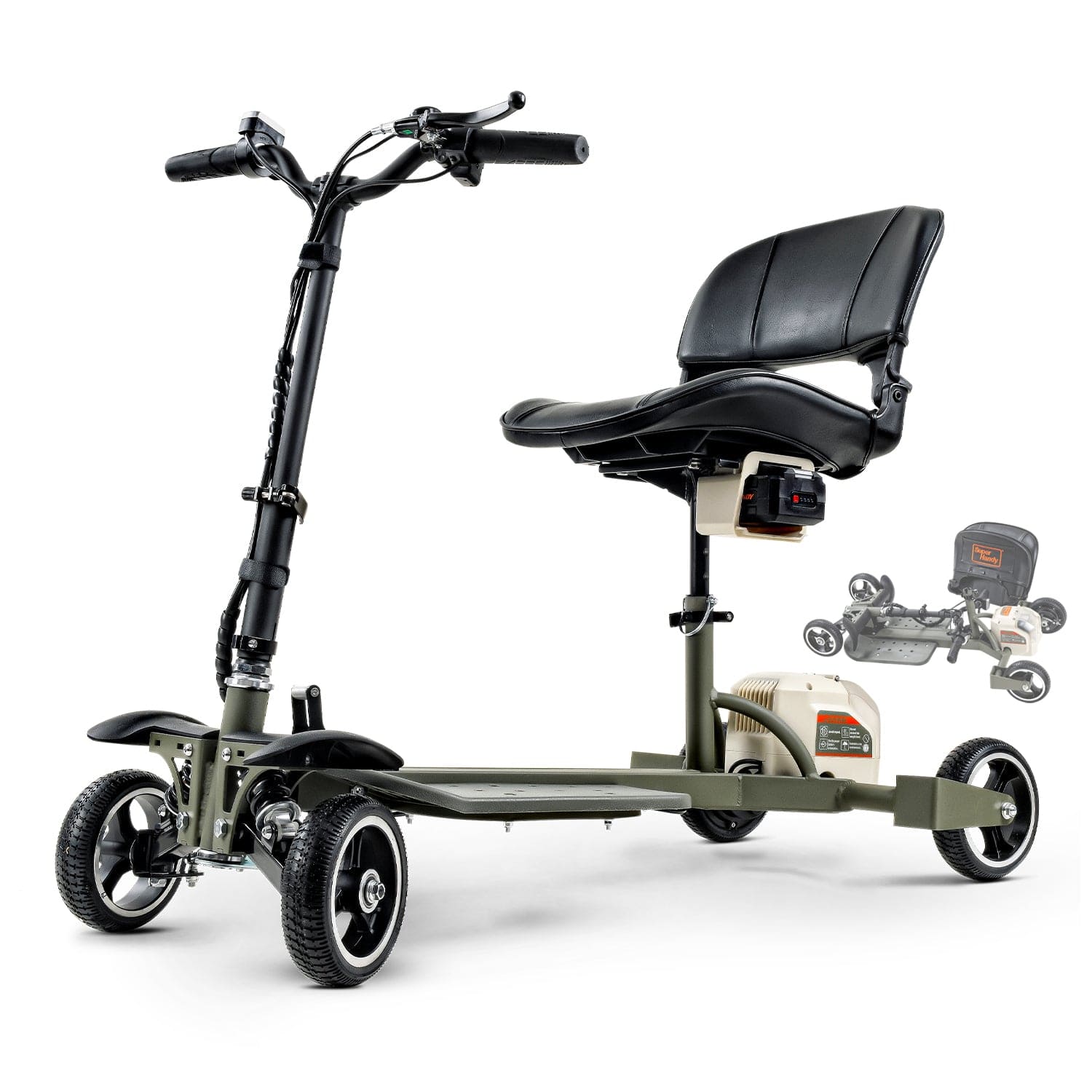
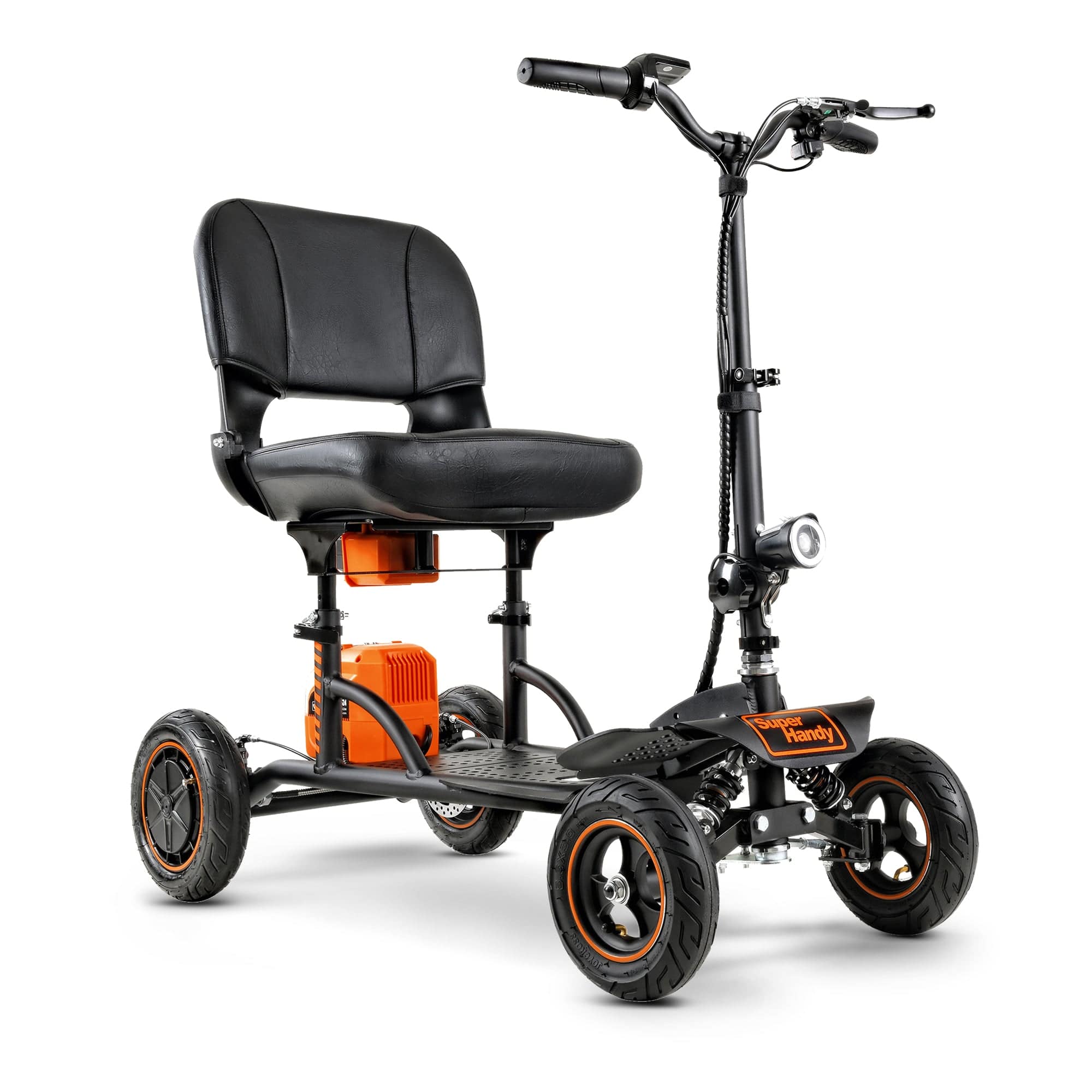
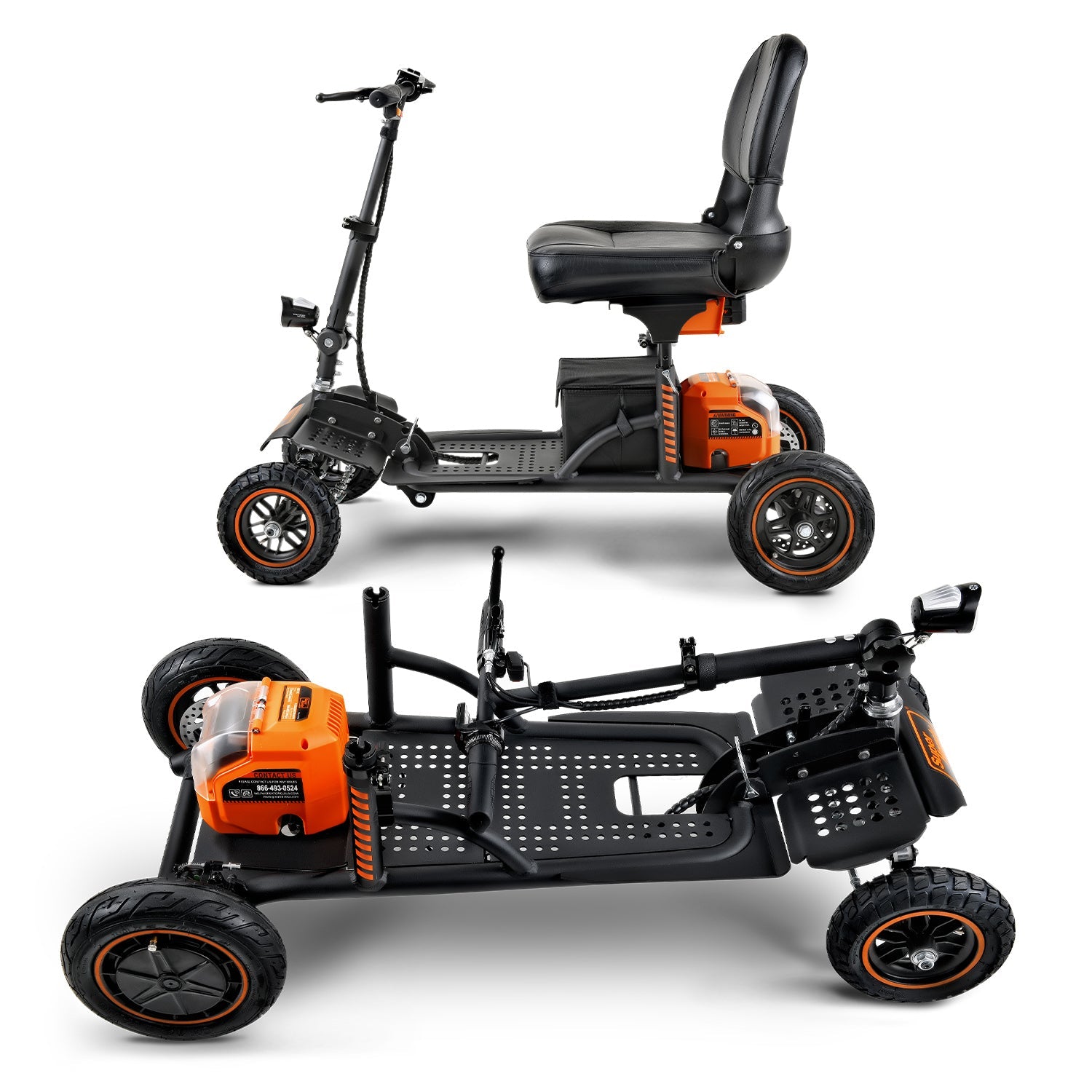
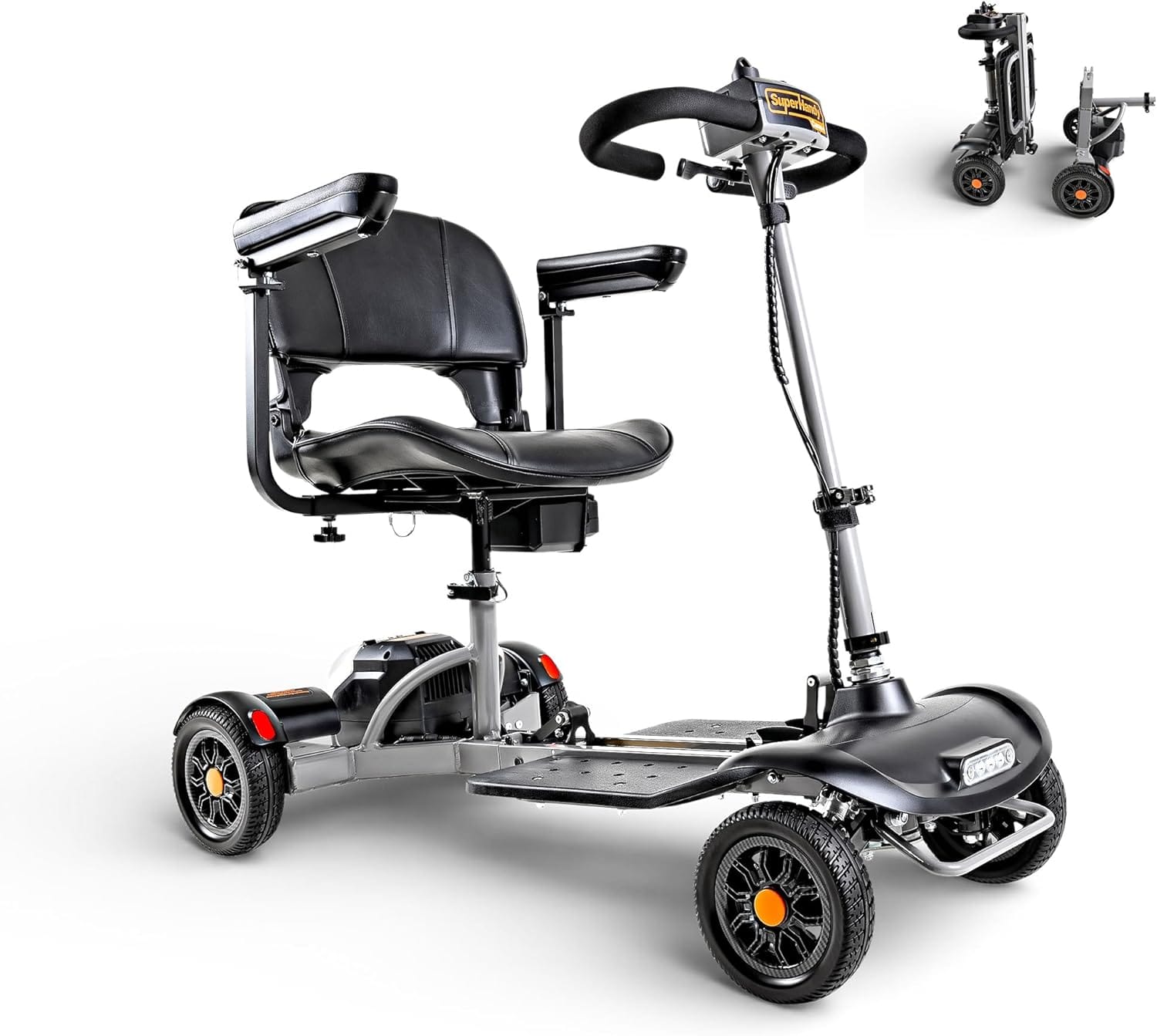
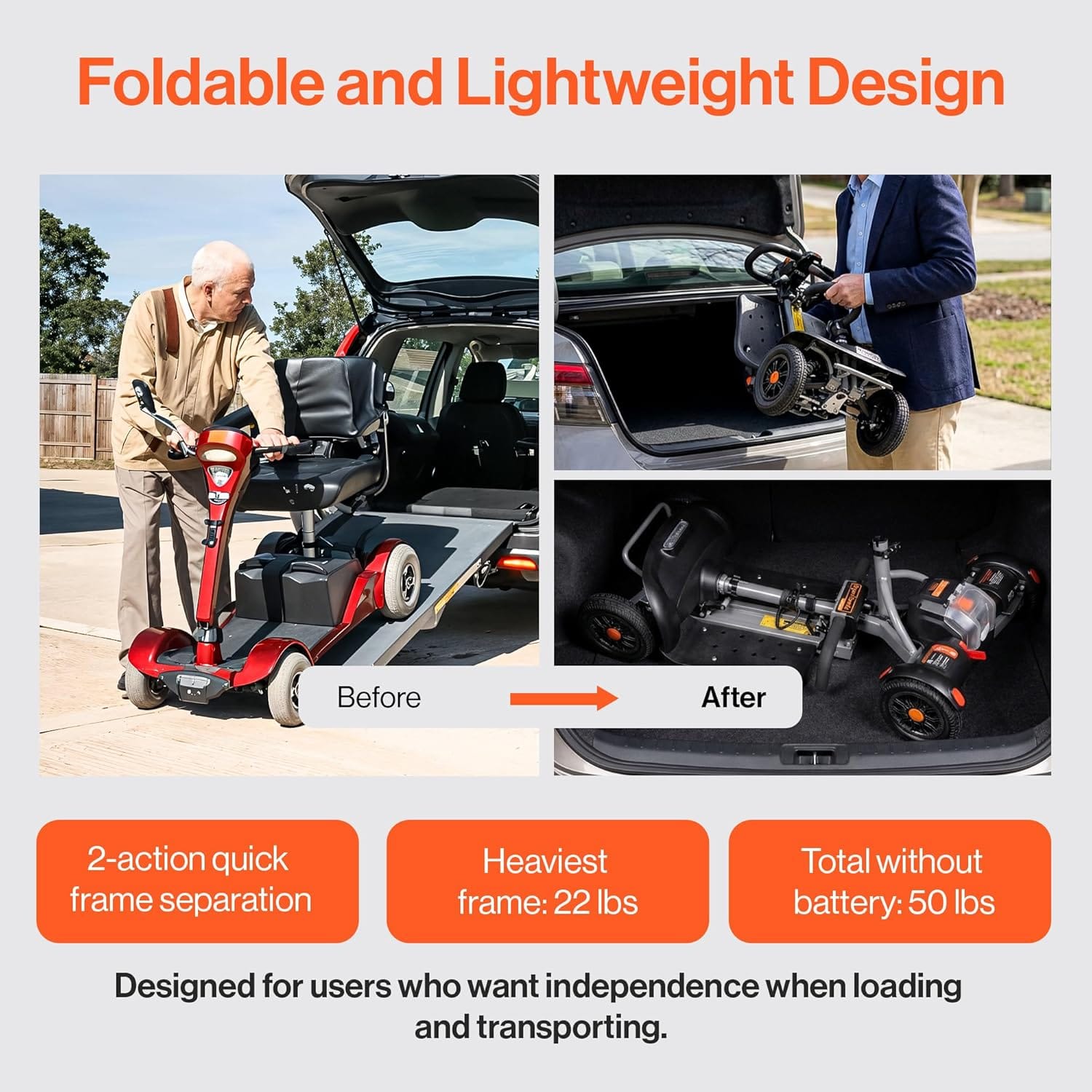
Your mobility scooter opens up a world of possibilities, and that includes travel. Whether you're taking a day trip or flying across the country, a little preparation ensures your scooter is ready for the journey. For car travel, many modern scooters are designed for portability. Lightweight, foldable models like the SuperHandy Passport Prime Mobility Scooter can be easily collapsed to fit in a car trunk or SUV, eliminating the need for a vehicle lift. Always ensure the scooter is switched off and secured so it doesn’t shift during transit.

When traveling by air, it's crucial to contact your airline well in advance. Each airline has specific procedures for handling an electric mobility scooter, particularly concerning the battery. You will likely need to provide details about your scooter's size, weight, and battery type (e.g., lithium-ion or sealed lead-acid). For long-term storage, keep your scooter in a clean, dry, and temperate location. To preserve battery health, charge it at least once a month even when not in use.
Maintenance Schedule: Keeping Your Scooter in Top Condition
Regular maintenance is the best way to ensure your Mobility Scooter remains safe, reliable, and in peak operating condition. By following a simple schedule, you can catch small issues before they become major problems.
- Before Each Ride: Perform a quick visual check. Look at the tires to ensure they are properly inflated and glance at the battery indicator to confirm you have enough charge for your trip.
- Weekly Checks: Take a few minutes each week to wipe down your scooter’s frame and seat. Test the brakes, lights, and horn to ensure they are working correctly. Check for any loose nuts, bolts, or connections, especially around the tiller and seat.
- Monthly Checks: Give your scooter a more thorough inspection. Check the tire treads for wear and tear. If you have pneumatic tires, check the pressure with a gauge. Inspect the battery terminals for any signs of corrosion and clean them with a wire brush and a mixture of baking soda and water if needed.
- Annual Service: It's a good practice to have your electric mobility scooter professionally serviced once a year. A qualified technician can inspect the motor, brakes, transaxle, and electrical systems to ensure everything is functioning safely. Always consult your owner's manual for maintenance guidelines specific to your model.
Troubleshooting Common Mobility Scooter Issues
Even with proper care, you may occasionally run into a minor issue. Knowing how to troubleshoot common problems can get you moving again quickly and safely.
- Scooter Won’t Turn On: This is often the most alarming issue, but the fix is usually simple. First, ensure the key is fully inserted and turned to the "on" position. Check that the battery pack is fully charged and securely connected. Finally, locate the main circuit breaker (usually a button on the battery pack or near the rear wheels) and see if it needs to be reset.
- Scooter Stops Suddenly: If your scooter loses power while you're driving, the first thing to check is the battery gauge. You may have simply run out of charge. Another common cause is inadvertently knocking the freewheel lever. This lever disengages the motor to allow the scooter to be pushed manually. Make sure it is in the "drive" position.
- The Scooter is Beeping: A series of beeps from your Mobility Scooter is a diagnostic alert. The number and pattern of the beeps correspond to a specific fault code. Consult your user manual to decipher the code, which can point to anything from a low battery to a controller issue. If you cannot resolve an issue yourself, do not hesitate to contact the manufacturer or a certified repair technician.
Understanding Local Laws and Regulations for Scooter Use
Operating your mobility scooter safely means knowing the rules of the road—and the sidewalk. Laws governing mobility devices can vary significantly between cities and states, so it’s important to familiarize yourself with your local regulations. Generally, mobility scooters are treated as pedestrians, meaning they are intended for use on sidewalks and in crosswalks. Avoid using them in the street unless there is no safe sidewalk available.
In the United States, your right to use a mobility scooter in public spaces is protected. Under the Americans with Disabilities Act, wheelchairs and other power-driven mobility devices are allowed in all areas open to pedestrian traffic within public accommodations. This includes stores, parks, hotels, and government buildings. However, these facilities can place legitimate safety requirements on their use.
Many municipalities have specific ordinances regarding speed limits on sidewalks, so it's wise to check with your local government or police department. Being a courteous and law-abiding rider ensures your safety and the safety of those around you. A well-designed electric mobility scooter provides the freedom to navigate your community, and following the rules helps everyone share public spaces harmoniously.
Choosing the Right Accessories for Enhanced Safety
While the standard features of your Mobility Scooter are designed for safety, the right accessories can elevate your security and confidence on every trip. These additions aren't just for convenience; they are crucial investments in your well-being.
- Increase Your Visibility: The single most important thing you can do to stay safe is to ensure you are seen by pedestrians, cyclists, and drivers. A tall, brightly colored safety flag makes you more visible from a distance and above parked cars. Applying reflective tape to the sides, front, and back of your scooter will make you stand out at dusk, at dawn, and at night. For ultimate visibility, consider adding extra LED headlights and taillights.
-
Secure Your Belongings: Dangling shopping bags from the handlebars is a significant safety hazard. It can unbalance your scooter, obstruct your controls, and get caught in the wheels. Invest in proper storage like a front basket, a rear-mounted bag, or an under-seat pouch. This keeps your personal items secure and your hands free to focus on steering and braking.
-
Protect Yourself from the Elements: A weather canopy can be a game-changer, offering protection from harsh sun and light rain. This not only keeps you comfortable but also improves your visibility by preventing sun glare or rain in your eyes. A secure cup holder prevents spills that could create a mess or, worse, cause you to become distracted while driving.
-
Add a Layer of Security: When you’re not using your scooter, you want to keep it safe. A durable, weather-resistant scooter cover protects the electrical components from rain and dust when parked outside. For added peace of mind, a scooter alarm can deter theft and alert you to any tampering.

Frequently Asked Questions About Mobility Scooter Safety
Navigating the world on your scooter can bring up some questions. Here are answers to some of the most common safety-related queries we receive.
Can I take my scooter into stores, restaurants, and other public buildings? Yes. In the United States, your mobility scooter is a tool for accessibility. According to ADA mobility device guidance, public accommodations like stores, hotels, and restaurants must allow people with disabilities to use mobility devices like wheelchairs and scooters in any areas open to pedestrian use. You have the right to access these spaces to go about your daily life.
Do I need a license or insurance for my electric mobility scooter? Generally, you do not need a driver's license to operate a mobility scooter. However, insurance is a different matter. While not always legally required, it is highly recommended. A dedicated mobility scooter insurance policy can provide coverage for theft, damage, and liability in case of an accident. Some homeowner's or renter's insurance policies may offer partial coverage, so it's worth checking with your provider.
Is it safe to use my scooter in the rain? It is best to avoid riding your Mobility Scooter in heavy rain or stormy conditions. Water can damage the scooter's electronic components and battery, and wet surfaces dramatically increase the risk of skidding or losing traction. If you are caught in a light shower, reduce your speed, be extra cautious on slick surfaces, and dry your scooter thoroughly as soon as you get to your destination.
Can I ride my mobility scooter on the road? Whenever possible, you should operate your Mobility Scooter on the sidewalk. However, in areas where sidewalks are unavailable or unusable, you may need to ride on the road. If you must do so, treat yourself like a pedestrian: ride on the far left side of the road, facing oncoming traffic. This makes you more visible to drivers. Always check your local town or city regulations, as rules can vary.
Related Products


Leave a comment
All comments are moderated before being published.
This site is protected by hCaptcha and the hCaptcha Privacy Policy and Terms of Service apply.