



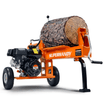








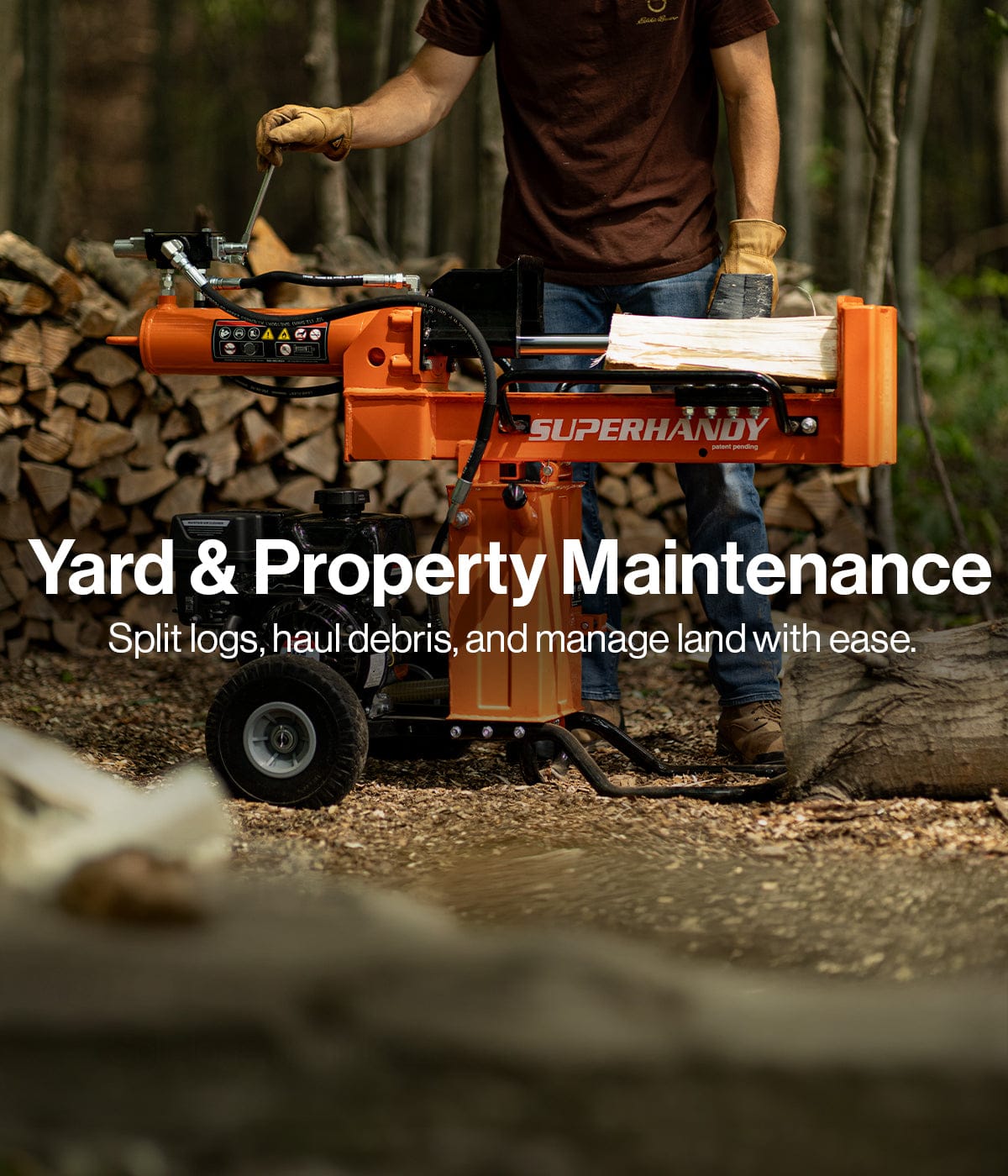
Investing in a 14-ton log splitter isn't just about buying a tool; it's about reclaiming your time, saving your back, and vastly improving the efficiency of your wood processing. For anyone facing cord after cord of firewood, this powerful machine transforms a laborious, day-long chore into a manageable task. Its robust splitting force quickly handles common log sizes and wood types, ensuring you spend less time struggling and more time stacking. This guide will help you master your wood splitter, making it an invaluable asset for years to come.
Why a 14-Ton Splitter is the Right Choice for Homeowners and Firewood Enthusiasts
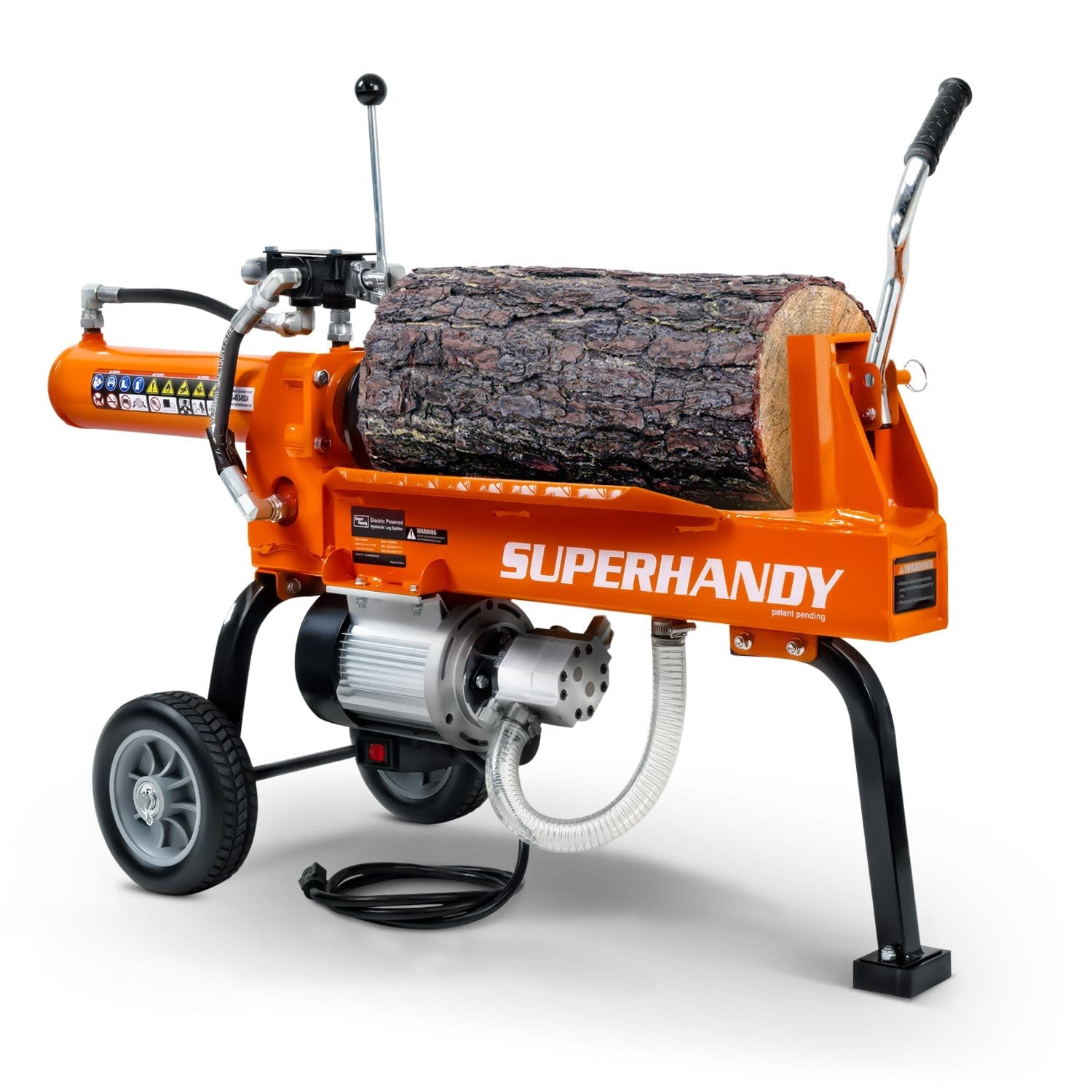
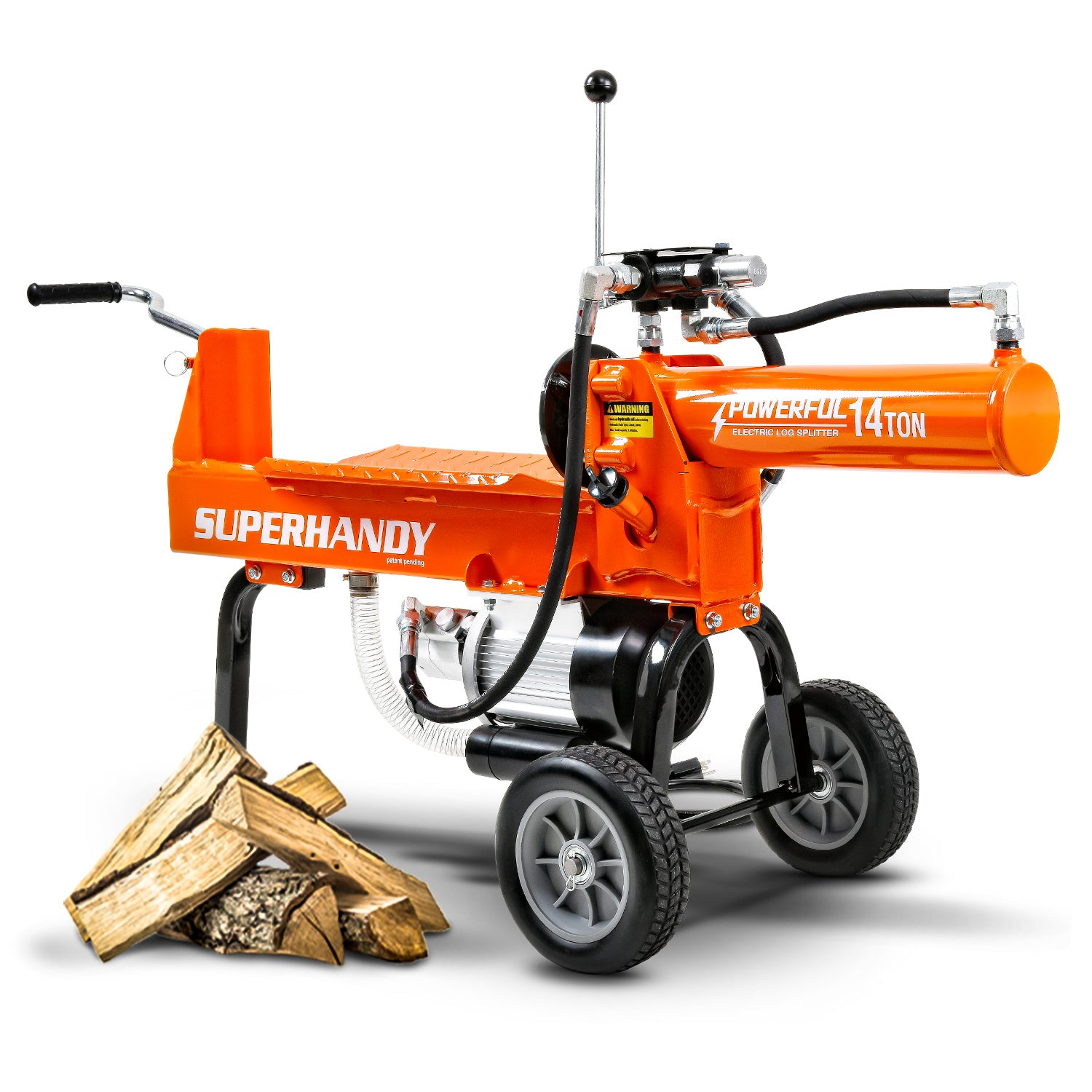
A 14-ton log splitter strikes the perfect balance between power and portability for the average homeowner or dedicated firewood enthusiast. While larger commercial units might be overkill, and smaller models could struggle with tougher, knottier logs, a 14-ton machine handles a vast majority of splitting needs with ease. It efficiently processes hardwood and softwood up to 20-22 inches in length and varying diameters, from oak and maple to pine and birch. This capacity means fewer re-splits and less manual effort, solidifying its place as the go-to choice for consistent, high-volume firewood production. Explore the capabilities of a reliable 14-ton log splitter to see how it fits your needs.
Pre-Splitting Essentials: Safety and Setup for Your 14-Ton Log Splitter
Before you even think about firing up your log splitter, paramount attention must be paid to safety and proper setup. Choose a level, stable work area, clear of debris, children, and pets. Ensure adequate space around the machine for safe log handling and movement. Always refer to your owner's manual for specific setup instructions. Understanding the mechanics of hydraulic wood splitters is key to safe operation, and you can learn more by reading this comprehensive article. Proper preparation minimizes risks and maximizes productivity.

Conducting Vital Pre-Operation Inspections: Fuel, Oil Levels, and Hydraulic System Checks
A thorough pre-operation inspection is non-negotiable for the longevity and safe performance of your 14-ton log splitter. First, check the fuel tank; ensure it has the correct type and sufficient level of fuel. Next, inspect the engine oil level and condition using the dipstick – top off or change if necessary according to your manual. Crucially, verify the hydraulic fluid level, ensuring it's within the recommended range. Look for any signs of leaks around hoses, fittings, and cylinders. A quick visual check of the wedge, ram, and other connections ensures everything is secure and free from damage before starting your splitting session.
The Non-Negotiable Guide to Personal Protective Equipment (PPE) for Safe Splitting
Safety is paramount when operating any powerful machinery, especially a 14-ton log splitter. Never compromise on personal protective equipment (PPE). Essential gear includes:
- Safety Glasses or Goggles: Protect your eyes from flying wood chips and debris that can cause serious injury.
- Hearing Protection: Log splitters generate significant noise during operation. Earplugs or earmuffs are crucial to prevent hearing damage from prolonged exposure.
- Heavy-Duty Work Gloves: Shield your hands from splinters, pinches, and the rough texture of wood, while also improving grip.
- Steel-Toed Boots: Guard your feet against falling logs and accidental impacts from moving parts or tools.
- Long-Sleeved Shirt and Pants: Provide a crucial barrier against flying splinters, scrapes, and minor abrasions. Always inspect your PPE before starting any splitting session and replace anything that is worn, damaged, or no longer offers adequate protection.

Expert Techniques for Optimal Log Splitting and Maximizing Throughput
To maximize efficiency with your log splitter, adopt a methodical and strategic approach. First, pre-stage your logs within easy reach of the machine, minimizing the time spent fetching wood between splits. Aim to split logs into consistent, manageable sizes suitable for your specific needs, typically 16-18 inches long for most fire pits or wood stoves. Feed the log into the splitting chamber squarely, ensuring the wedge contacts the center of the log face. Avoid overlapping logs or attempting to split too many small pieces at once, as this can reduce efficiency and put unnecessary strain on the machine. A smooth, continuous workflow, where logs are processed one after another, is key to quickly and effectively handling a large volume of wood.
Selecting and Positioning Logs for Clean, Fast Splits: Understanding Wood Grain and Size
Choosing the right logs significantly impacts splitting ease and efficiency. Ideal logs have straight grain, minimal knots, and fit comfortably within your splitter’s maximum dimensions (e.g., typically up to 20-25 inches long for many 14-ton models). For optimal positioning, always place the log flat and stable on the splitting beam. Orient the log so the splitting wedge strikes the weakest point or follows any existing natural cracks in the wood. If a log is tapered, splitting from the narrower end often yields better, cleaner results. Understanding wood grain—the direction of the wood fibers—is critical; splitting with the grain is always considerably easier and faster than attempting to split across it.

Advanced Splitting Strategies: Tackling Knots, Twisted Grain, and Awkward Pieces Efficiently
Not all logs are perfectly straight or free of imperfections. For pieces with stubborn knots or twisted grain, adjust your strategy. Knots are points of extreme density; try to split through them directly if they are small, or aim to split just to one side where the wood fibers are less compressed. Rotating the log often reveals a better angle where the grain is straighter or where an existing crack can be exploited. For severely twisted grain, you might need to make multiple smaller passes or split the log into smaller, more manageable segments first. Never force a log that's heavily resistant; excessive force can potentially damage your splitter or create dangerous kickbacks. Some logs, particularly those with numerous limbs or extreme twists, may simply be too challenging for a log splitter and are better left as irregular pieces or processed using alternative methods.
Maintaining Your 14-Ton Log Splitter for Years of Reliable Service
To ensure your 14-ton log splitter operates at peak efficiency and remains a reliable tool for seasons to come, consistent maintenance is key. Think of it as an investment in longevity. Regular checks prevent minor issues from escalating into costly repairs. This includes monitoring vital fluids, keeping components clean, and inspecting wear parts. By adhering to a simple maintenance schedule, you'll maximize your splitter's lifespan and always be ready for the next pile of wood.

Post-Use Cleaning, Proper Storage, and Routine Maintenance Checks for Longevity
Immediately after each use, dedicate a few minutes to proper care. Cleaning involves removing sawdust, wood chips, and sap from the ram, wedge, and log cradle. This prevents debris from interfering with moving parts and reduces friction. Use a stiff brush or compressed air. Wipe down the machine, especially metal components, to prevent rust.
For proper storage, always store your splitter in a dry, protected area, ideally a garage or shed, away from direct moisture and sunlight. If outdoor storage is unavoidable, invest in a durable, waterproof cover. Lower the ram completely to protect the hydraulic cylinder from corrosion.
Routine maintenance checks extend beyond post-use cleaning. Regularly inspect hydraulic fluid levels and condition; replace according to manufacturer recommendations (typically after 50-100 hours or annually). Checking engine oil, spark plug, and air filter per your model's manual (see relevant products on superhandyus.com for detailed manuals) ensures the engine runs smoothly. Pay attention to all hoses and fittings for leaks, and tighten any loose bolts. For more in-depth insights into hydraulic system care, this informative article offers valuable perspectives.
Troubleshooting Common Issues with Your 14-Ton Log Splitter: Quick Fixes and Solutions
Even with diligent maintenance, occasional issues can arise. Knowing how to quickly diagnose and address common problems can save you time and frustration. Most problems with a 14-ton log splitter have straightforward solutions that you can often tackle yourself before needing professional assistance.
[IMAGE PLACEHOLDER: A diagram highlighting common troubleshooting points on a log splitter]
Quick Solutions for Power Loss, Jams, and Hydraulic System Problems
Power Loss: If your engine loses power or fails to start, first check the fuel level. Ensure the spark plug is clean, properly gapped, and securely connected. A clogged air filter can also restrict airflow; clean or replace it. Confirm the engine's on/off switch is in the "on" position and the choke (if applicable) is set correctly for starting.
Jams: A log jam is usually caused by improperly placed logs or those with tough knots. Never use your hands to clear a jam. Instead, reverse the ram to its starting position. If the log remains stuck, gently tap it with a heavy mallet or use a wedge to dislodge it. Prevent jams by splitting logs with the grain and avoiding pieces too large for your splitter's capacity.
Hydraulic System Problems: Issues like slow ram movement or complete loss of pressure often point to the hydraulic system. Check the hydraulic fluid level and top it off if low. Air in the system can cause erratic operation; consult your manual for bleeding instructions. Inspect all hydraulic hoses and fittings for visible leaks and tighten any loose connections. If leaks persist or components are damaged, replacement may be necessary.
Frequently Asked Questions About 14-Ton Log Splitters
What type of wood can a 14-ton log splitter handle?
A 14-ton log splitter is generally well-suited for a wide range of woods, including common hardwoods like oak, maple, and birch, as well as softwoods such as pine and cedar. Its tonnage is ideal for most residential firewood needs, efficiently splitting logs up to 20-22 inches long and 10-12 inches in diameter. For tougher, knotty pieces, strategic log positioning and multiple passes might be necessary, as detailed in other sections of this guide.
Is a 14-ton log splitter powerful enough for extensive use?
Absolutely. For homeowners, small farms, and firewood enthusiasts, a 14-ton model strikes an excellent balance between power, efficiency, and portability. It provides ample force to process several cords of wood per season without overspending on an industrial-grade machine. Its hydraulic system ensures consistent splitting power, making quick work of your woodpile. To understand more about the mechanics, you can read this informative article about hydraulic wood splitters.
How often should I perform maintenance on my 14-ton log splitter?
Regular maintenance is crucial for the longevity and performance of your machine. It's recommended to check fuel and oil levels before each use, inspect hydraulic fluid levels every 10-20 hours of operation, and change the hydraulic fluid annually or after 100 hours, whichever comes first. Keep the splitting wedge clean and sharp, and ensure all nuts and bolts are tightened. Refer to your owner's manual for specific maintenance schedules for your particular 14-ton log splitter model.
Where can I find a reliable 14-ton log splitter?
You can find high-quality and reliable 14-ton log splitters from reputable outdoor power equipment retailers, both online and in brick-and-mortar stores. For example, SuperHandy offers excellent options designed for durability and efficiency. You can explore available models and compare features directly through trusted online marketplaces. Always consider reviews and warranty information before making a purchase.
Related Products


Leave a comment
All comments are moderated before being published.
This site is protected by hCaptcha and the hCaptcha Privacy Policy and Terms of Service apply.