









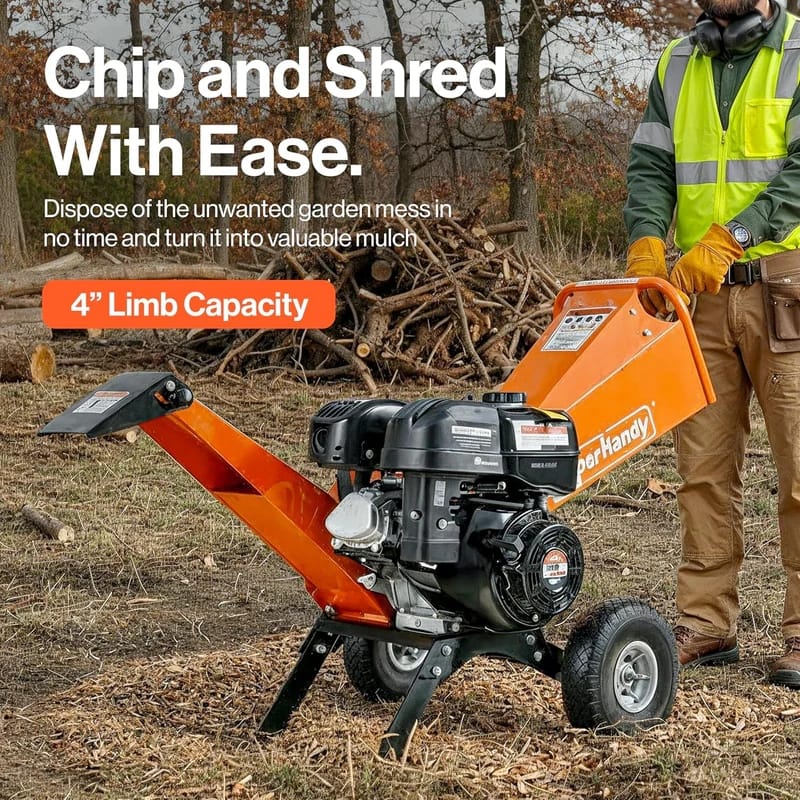
Why Understanding Wood Chipper Specs is Crucial Before You Buy
Choosing a wood chipper based on price or color alone is a recipe for frustration. The specifications are the machine's resume, detailing exactly what it can and cannot do. If you buy an underpowered model, you'll spend your time fighting jams and feeding it tiny twigs. If you buy an oversized commercial machine for a small backyard, you've overspent on power you'll never use.
Understanding the specs ensures you get a tool that matches the job. It helps you compare different models meaningfully, so you know if you're paying for better performance, added features, or just a brand name. A well-matched machine is not only more efficient but also safer to operate, as you won't be pushing it beyond its designed limits. Whether you need a versatile 3 IN 1 wood chipper for general yard cleanup or a dedicated machine for larger logs, the details matter. For public access decisions, ADA.gov explains how covered entities evaluate wheelchairs and other power-driven mobility devices.
Engine Power: Horsepower (HP) and Cubic Centimeters (CC) Explained
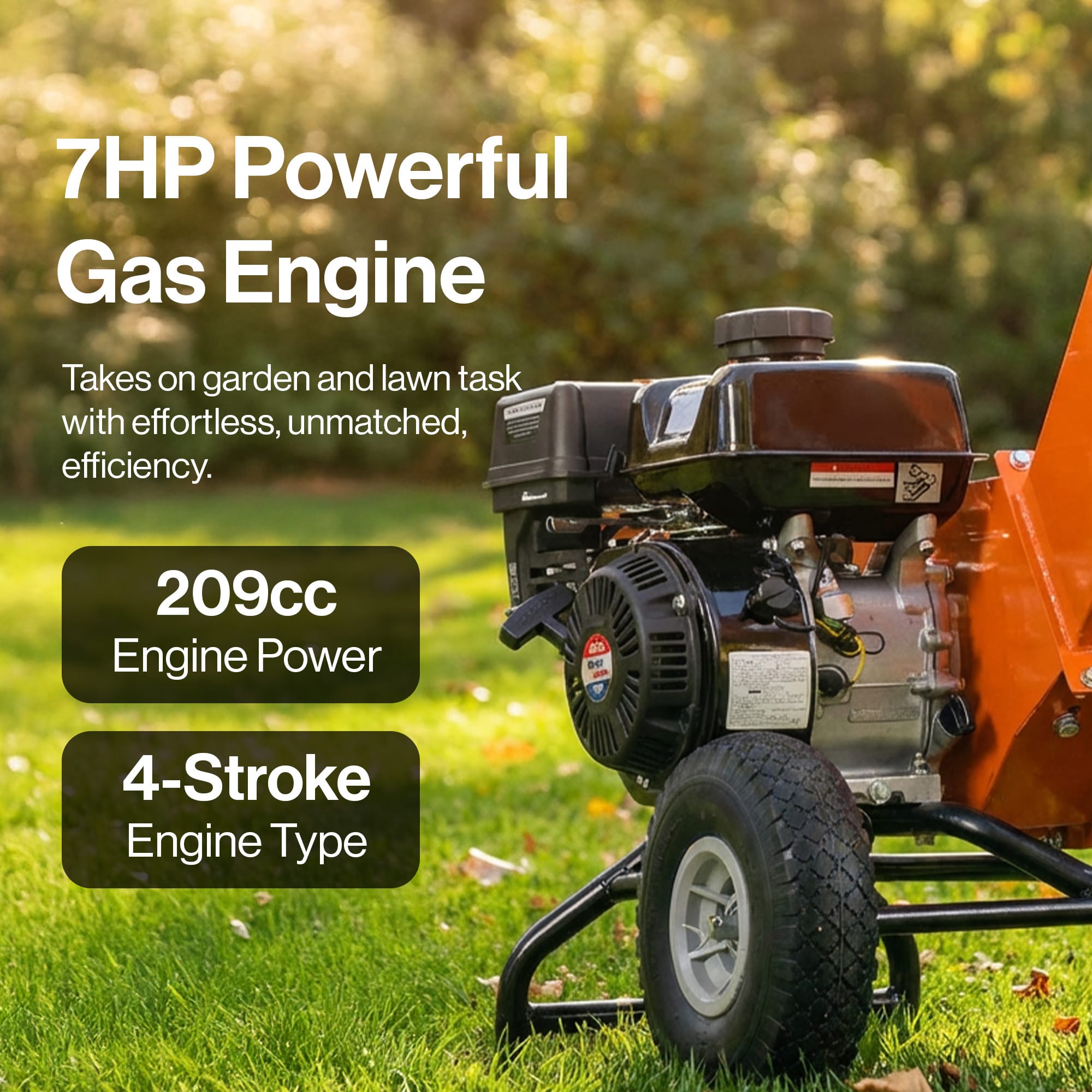
The engine is the heart of any gas power wood chipper, and its power is typically measured in Horsepower (HP) and Cubic Centimeters (CC).
- Horsepower (HP): This is the most direct measure of the engine's work output. More horsepower translates to more chipping power, allowing the blades to spin with greater force and momentum. This helps the machine slice through harder woods and thicker branches without bogging down.
- Cubic Centimeters (CC): This refers to the engine's displacement, or its physical size. A larger CC engine can combust more air and fuel, which generally allows it to produce more torque and horsepower.
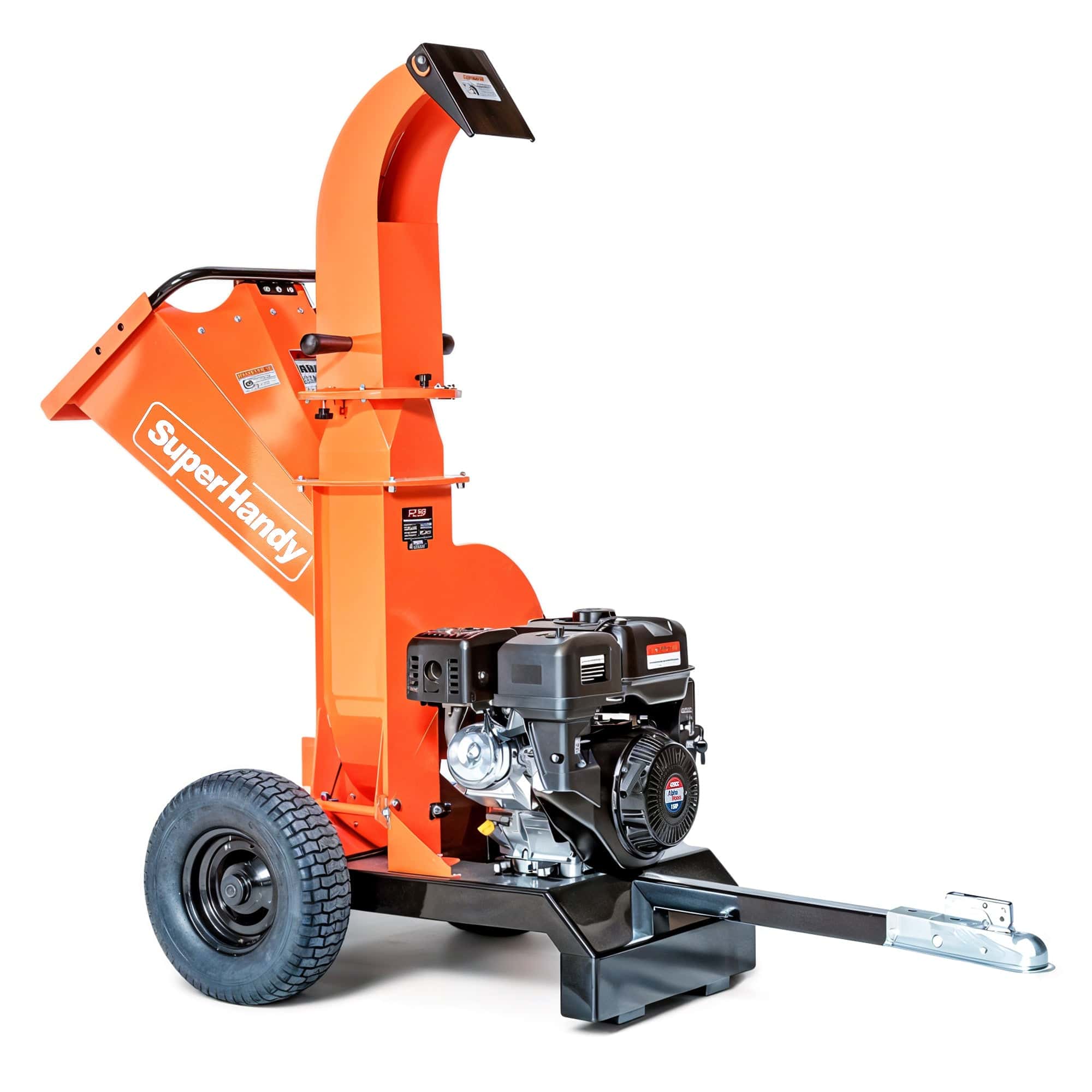
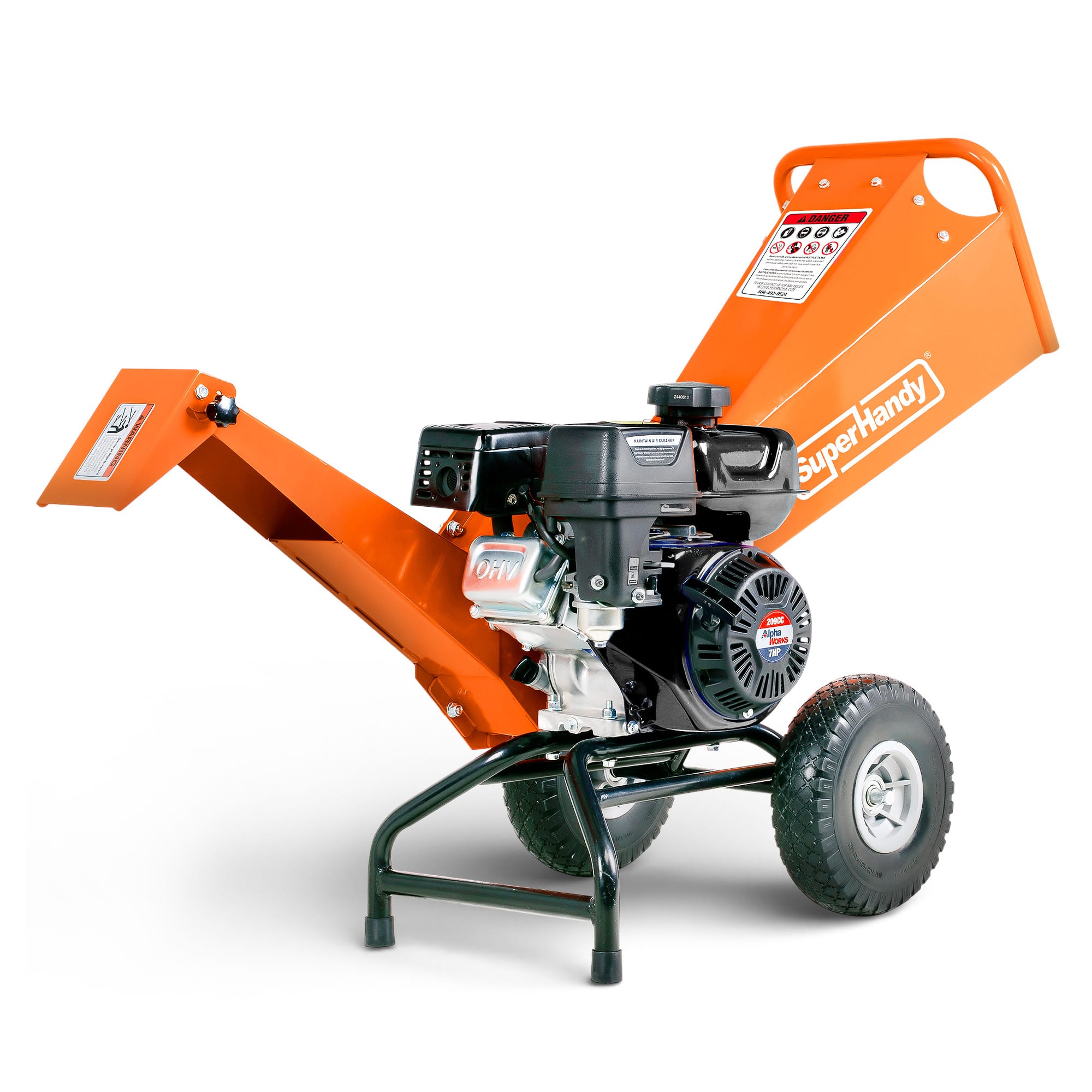
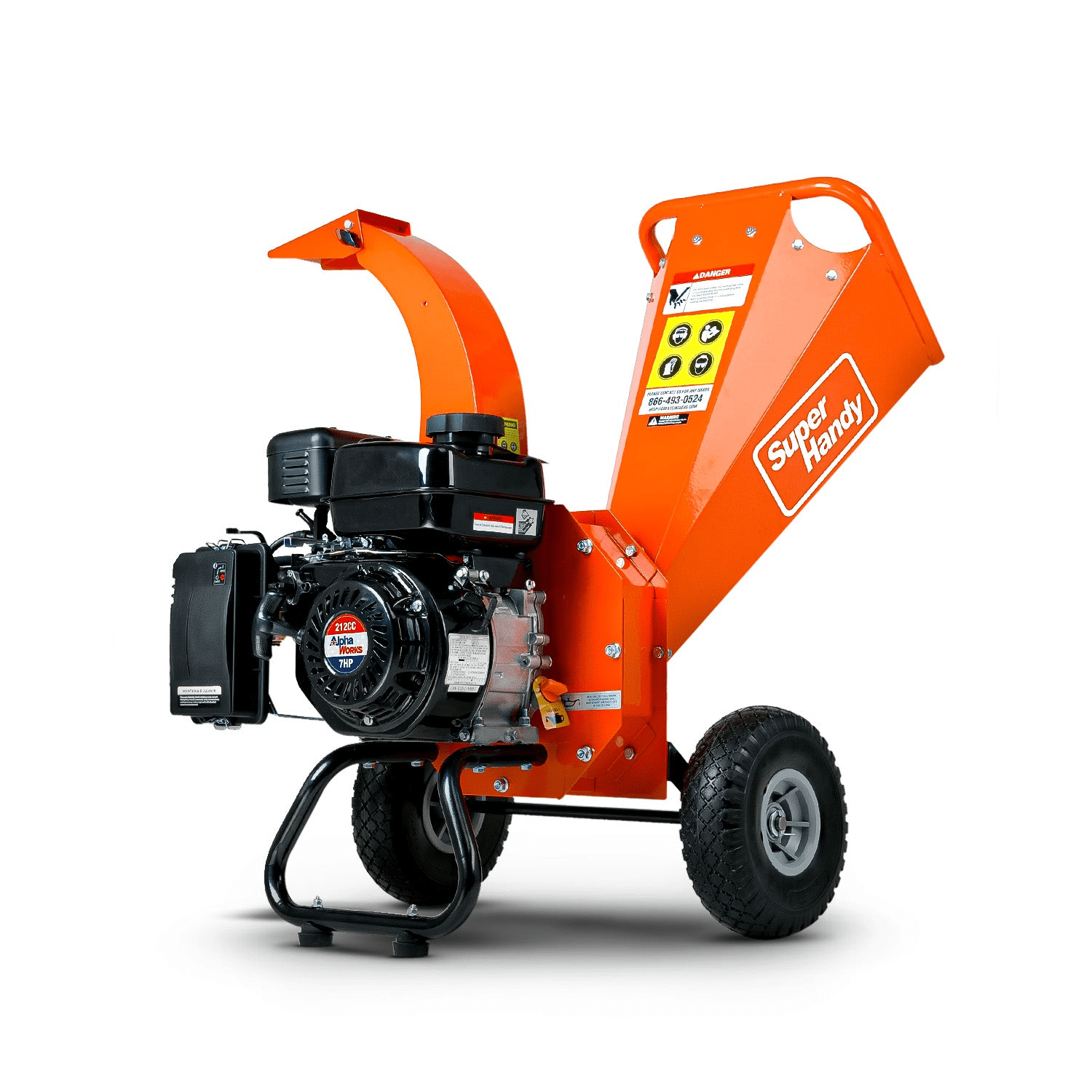
While higher CC often means higher HP, HP is the more practical figure for judging performance. A small Mini wood chipper for occasional use might have a 7 HP engine, which is suitable for small branches and shrubs. com/products/superhandy-towable-wood-chipper-4-in-chipping-capacity-15hp-gas-engine-13-in-wheels-electric-start-trailer-ready-with-2-in-coupler?_pos=10&_psq=wood+chipper&_ss=e&_v=1.0) with a 15 HP engine provides the necessary muscle to get the job done quickly.

Chipper Capacity: Maximum Branch Diameter and Throughput Rate
After engine power, chipper capacity is the most important specification. It tells you exactly what size material the machine can handle.
The Maximum Branch Diameter is the thickest piece of wood the chipper is rated to process. This is the number you see advertised most prominently, such as "3-inch capacity" or "4-inch capacity." It's crucial to choose a capacity that slightly exceeds the size of the branches you'll be chipping most often. While a 4 inch wood chipper can handle a 4-inch branch, consistently feeding it material at its absolute maximum can strain the engine and cause premature wear. A good rule of thumb is to choose a chipper with a capacity at least one inch larger than your typical debris.
Throughput Rate is a less common spec on consumer models but is vital for understanding efficiency. It measures how much material the chipper can process in a given amount of time (e.g., cubic meters per hour). A higher throughput rate means you'll finish your work faster, making it a key consideration for anyone with large volumes of debris to clear.
Blade Type and Material: How They Affect Performance and Durability
The cutting mechanism is where the magic happens. The design and quality of the blades and the rotor they're attached to directly impact the chipper's performance and longevity.
Most chippers use hardened steel knives mounted to a heavy, spinning rotor or flywheel. The weight of this assembly creates inertia, which helps power the blades through tough or knotted wood smoothly. A well-built Rotor wood chipper will maintain its speed during chipping for a more consistent and efficient output.
The blades themselves are the critical cutting edge. Look for chippers with blades made from high-strength steel (like CR12MoV) for durability and edge retention. A key feature to seek out is reversible blades. This design allows you to simply unbolt the blades, flip them over to a fresh, sharp edge, and effectively double their lifespan before they need to be professionally sharpened or replaced. This simple feature saves you significant time, money, and maintenance-related downtime.
Feed Mechanism: Gravity Feed vs. Self-Feeders – Which is Right for You?
How you get material into your wood chipper is a defining factor in its efficiency and ease of use. The feed mechanism determines the amount of physical effort required from you. There are two primary types: gravity feed and self-feed.
Gravity-feed wood chippers, also known as manual-feed chippers, rely on a sloped intake chute and gravity to guide branches toward the cutting blades. You are responsible for pushing the material into the hopper to ensure it makes contact with the rotor. This design is common on smaller, more affordable residential models like a Mini wood chipper. They are best suited for homeowners tackling light yard cleanup with smaller branches and twigs. For coverage planning, Medicare.gov outlines when wheelchairs and scooters may qualify as durable medical equipment.
Self-feeding wood chippers use mechanical or hydraulic rollers to grab material and actively pull it into the cutting chamber. This significantly reduces the physical labor involved, as you only need to guide the branch into the hopper opening. Self-feeders are safer, faster, and can handle larger, more awkward branches with less effort. This advanced mechanism is a key feature of more powerful units, including this high-performance Rotor wood chipper. If you have a large property or plan to use your chipper frequently for substantial cleanup, a self-feeding model is a worthwhile investment.
Chute Design: Intake and Discharge Angles for Efficient Operation
The chutes on a wood chipper are more than just openings; their design directly impacts performance, safety, and convenience. You’ll want to pay attention to both the intake chute (or hopper) and the discharge chute.
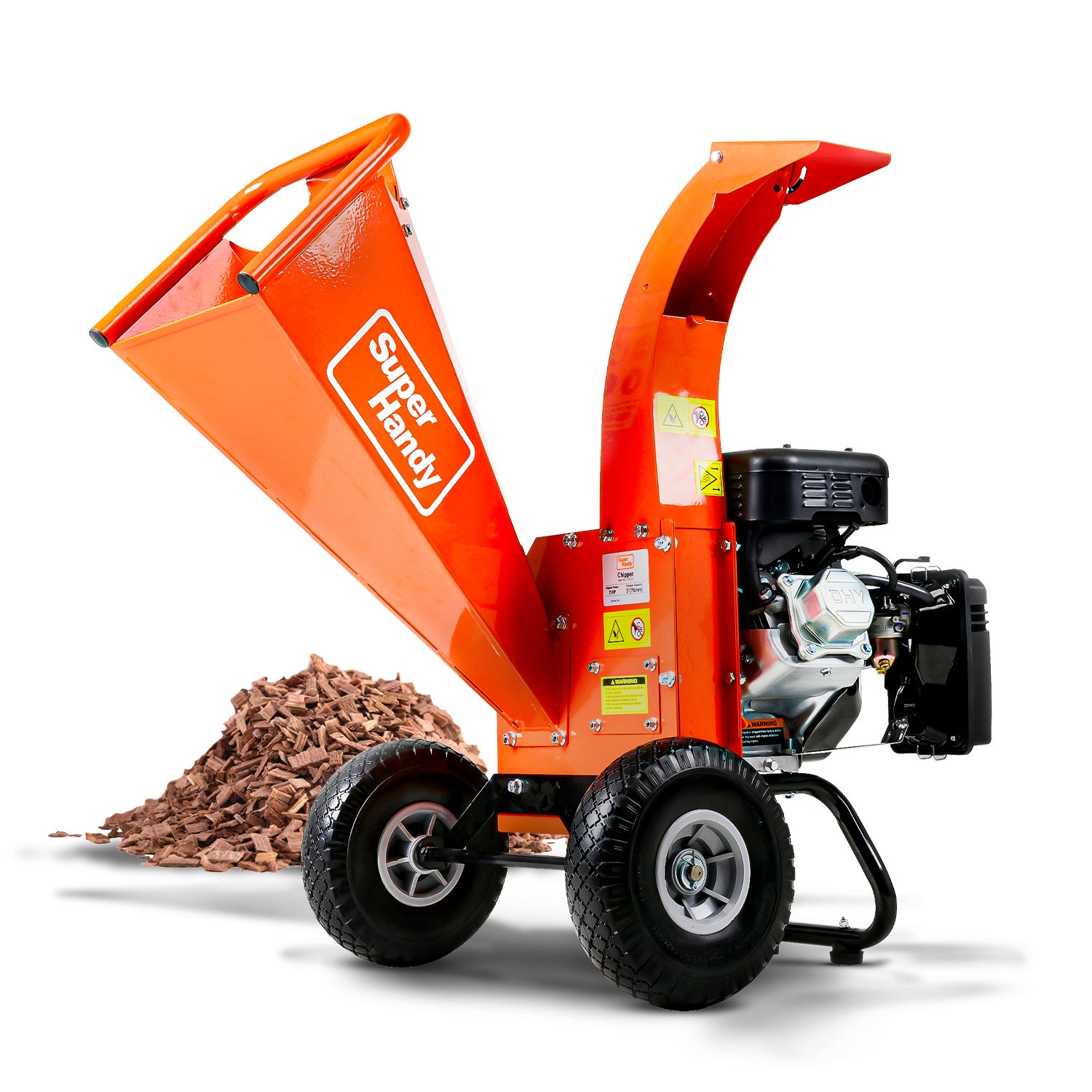
The intake chute is where you feed the branches. A wide, funnel-shaped hopper is ideal for processing bushy branches with lots of leaves without excessive pre-trimming. The length of the chute is also a critical safety feature, creating distance between your hands and the internal blades.

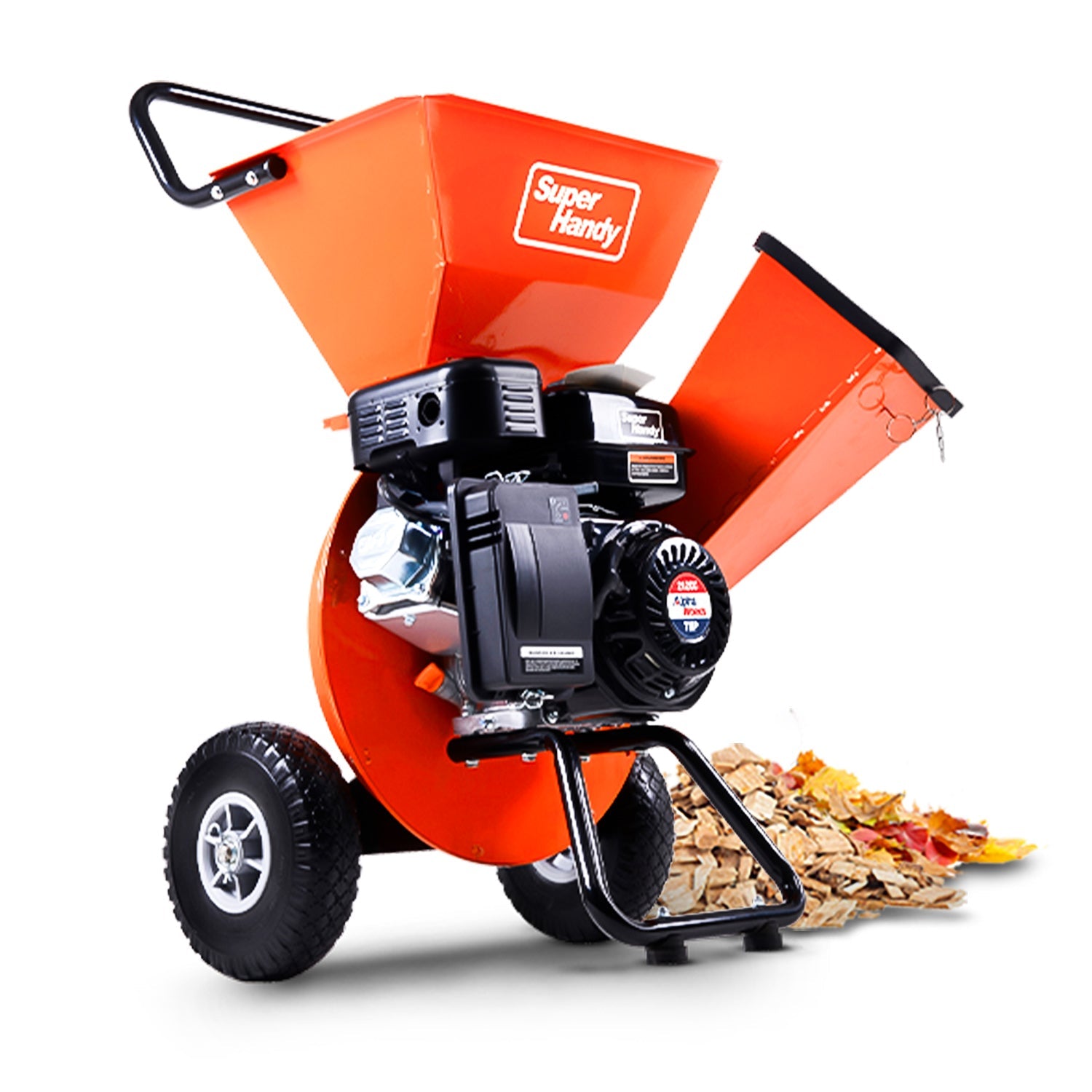
The discharge chute is where the processed wood chips exit the machine. A key feature to look for is an adjustable discharge chute, which allows you to pivot and angle the output. This gives you precise control over where the chips land, whether you’re aiming for a compost pile, a wheelbarrow, or the back of a utility trailer. A well-designed, high-angle chute also helps prevent clogs, especially when chipping wet or green material. Many versatile models, like a 3 IN 1 wood chipper, feature easily adjustable chutes for maximum efficiency.
Mobility and Weight: Trailer-Mounted, Skid-Mounted, and Standalone Options
Consider where you’ll be using your wood chipper. The machine’s weight and mobility will determine how easily you can move it around your property or transport it to different job sites.
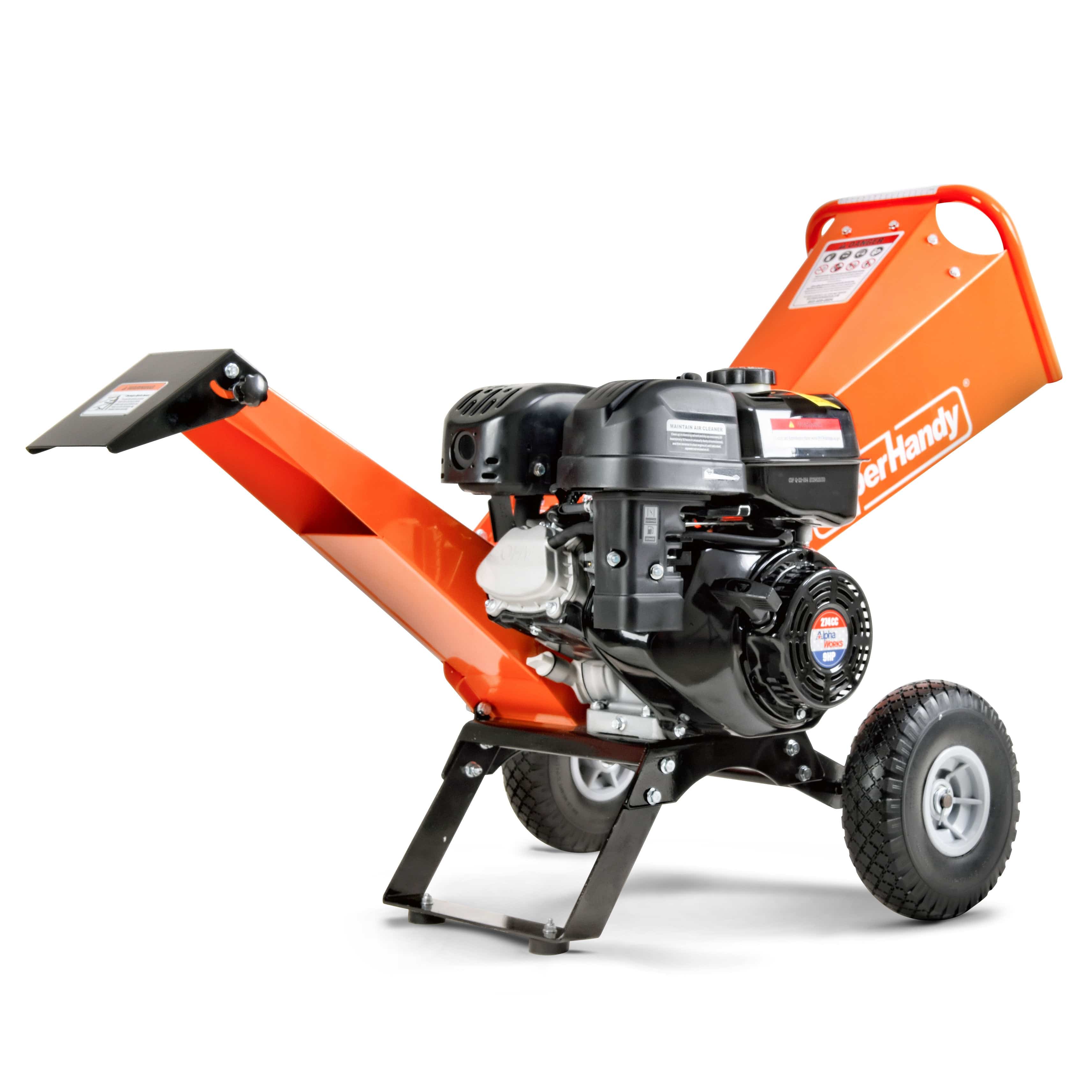
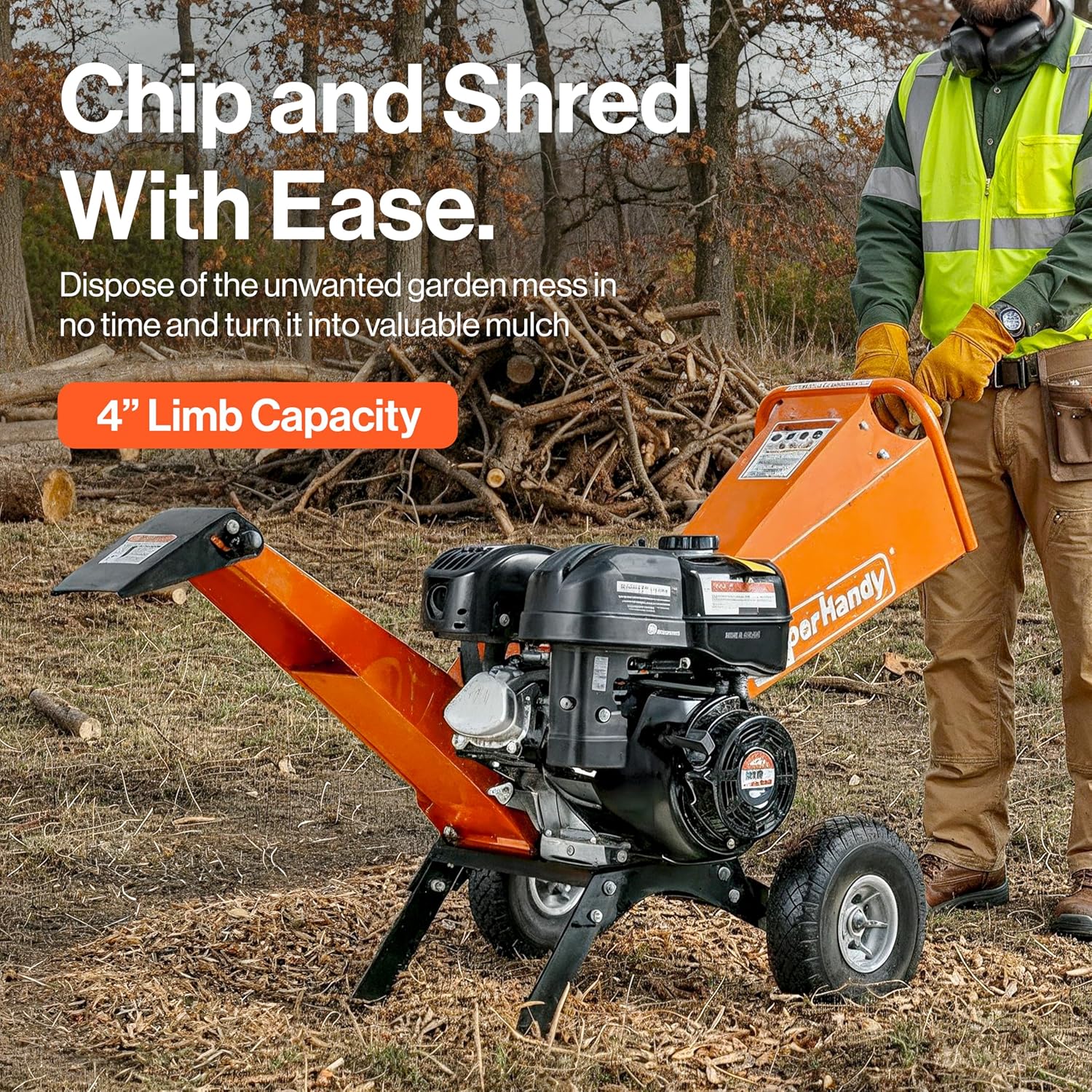
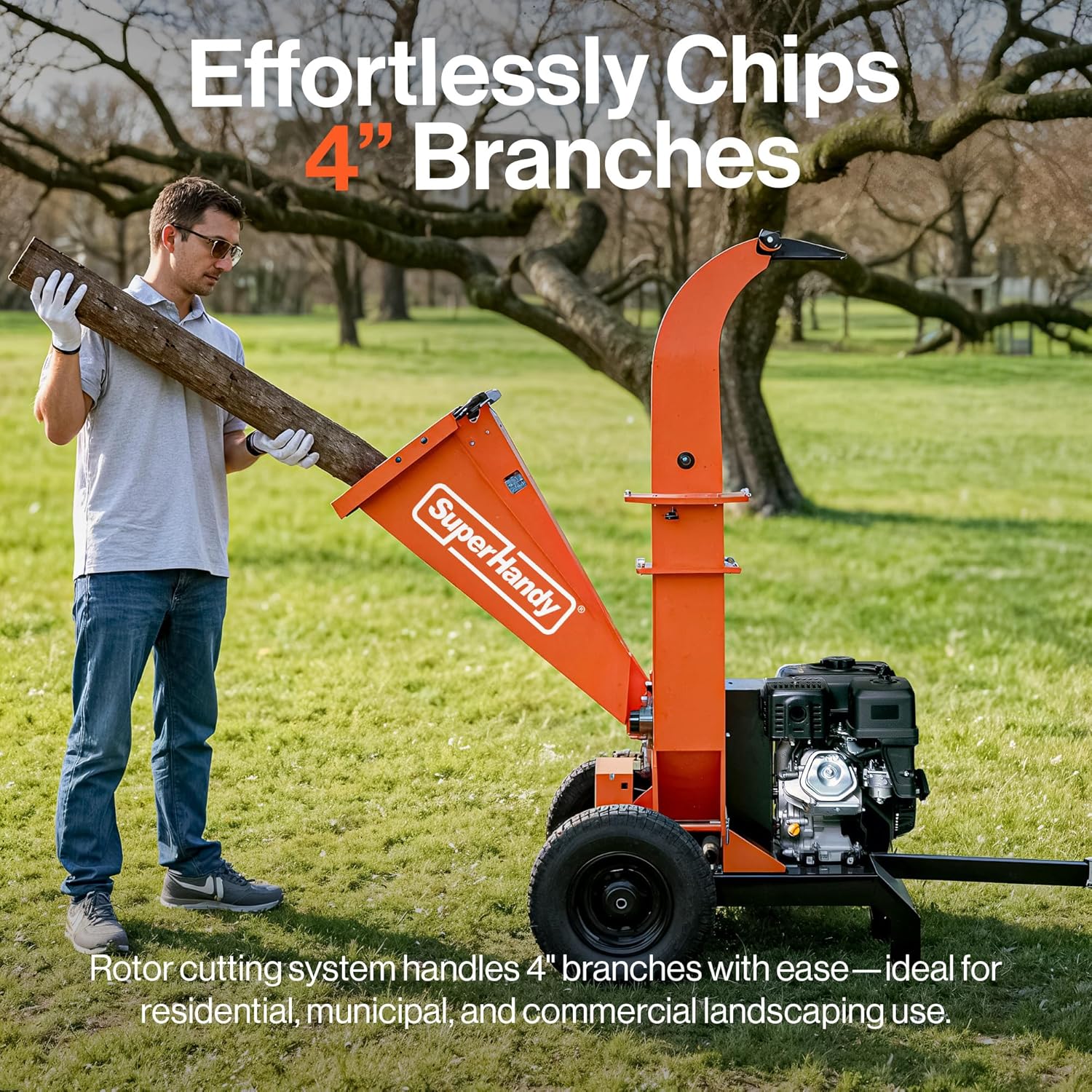
- Standalone/Portable: These are the most common types for residential use. They are self-contained units mounted on a frame with wheels, making them easy to push or pull by hand across a lawn or driveway. A standalone 4 inch wood chipper offers a great balance of power and maneuverability for typical property maintenance.
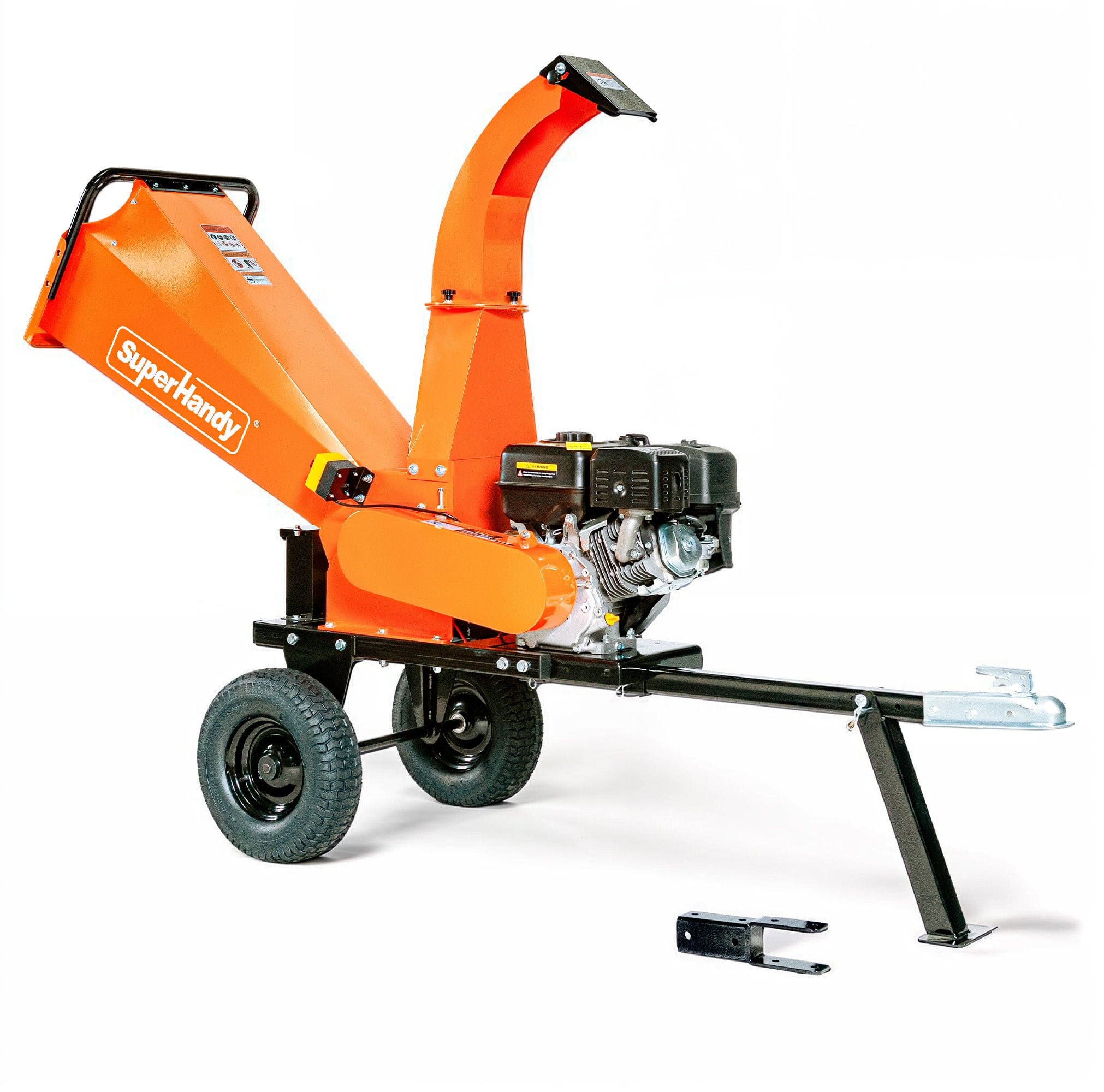
- Trailer-Mounted/Towable: For large properties, commercial landscapers, or arborists, a towable chipper is essential. These heavy-duty machines are integrated into a road-ready trailer with an axle, wheels, and a tow coupler. A 4 inch towable wood chipper can be easily hitched to a truck or ATV for transport across large estates or between client locations.
- Skid-Mounted: These chippers are designed to be operated from another piece of equipment, typically a tractor with a 3-point hitch and Power Take-Off (PTO) shaft. They are a powerful choice for agricultural and forestry applications where a tractor is already part of the workflow.
Safety Features: What to Look For in a Wood Chipper
A gas power wood chipper is an incredibly powerful tool, and safety should be your number one consideration. Modern chippers are designed with several features to protect the operator, but you should always supplement them with proper usage and Personal Protective Equipment (PPE), including safety glasses, durable gloves, and hearing protection.
Look for these key built-in safety features:
- Long Intake Chute: A long, narrow chute physically prevents an operator's hands and arms from reaching the internal cutting mechanism.
- Hopper Safety Flaps: These are typically rubber curtains at the mouth of the hopper designed to block wood chips and debris from flying back at the operator.
- Emergency Stop/Safety Bar: Found on most self-feeding chippers, this is a bar or switch located around the hopper. Pushing or pulling it will immediately disengage or reverse the feed rollers, providing a quick way to stop the machine in an emergency.
- Centrifugal Clutch: This mechanism prevents the chipper blades from spinning until the engine reaches a specific speed (RPM). It ensures the rotor won't engage unexpectedly the moment the engine starts.
Maintenance Requirements: Understanding Your Chipper's Long-Term Needs
A wood chipper is a powerful machine that requires regular maintenance to operate safely and efficiently. Neglecting its upkeep not only shortens the machine's lifespan but can also lead to poor performance and potential safety hazards. Before you buy, review the manufacturer's recommended maintenance schedule. Key tasks typically include:
- Blade Care: The chipper blades do the heavy lifting. For optimal performance, they must be kept sharp. Dull blades mash wood instead of cutting it, which puts immense strain on the engine and results in stringy, poor-quality mulch. Many models feature reversible blades, doubling their life before needing to be sharpened or replaced.
- Engine Maintenance: For a gas power wood chipper, this involves routine checks similar to any small engine. You'll need to change the oil, clean or replace the air filter, and check the spark plug at regular intervals specified in your user manual.
- Lubrication and Inspection: Regularly grease any specified fittings (zerks) to keep bearings and moving parts operating smoothly. It's also wise to perform a full-machine inspection before each use, tightening any loose nuts or bolts and clearing away caked-on debris. A versatile machine like a 3 IN 1 wood chipper with multiple functions requires checking each component—the chipping chute, shredding hopper, and vacuum inlet—to ensure all are clear and in good working order.
Fuel Type and Consumption: Gas, Diesel, and Electric Considerations
The power source of your wood chipper dictates its performance, portability, and maintenance needs. The three main types are gas, electric, and diesel.
- Gasoline-Powered: This is the most common category for residential and light-commercial use. Gas engines offer an excellent balance of power and portability, allowing you to work anywhere on your property without being tethered to an outlet. They can handle larger branches and tougher wood than their electric counterparts. A robust 4 inch wood chipper is a perfect example of a machine built to tackle serious yard cleanup with the freedom of gas power. Fuel consumption will vary based on engine size and how hard you're working the machine.
- Electric-Powered: Electric chippers are quieter, lighter, and require less engine maintenance. However, they are generally less powerful, limited to smaller twigs and branches (typically under 2 inches), and restricted by the length of an extension cord. For those who want more power and capacity without a huge footprint, a compact Mini wood chipper with a gas engine provides a portable and more potent alternative to most electric options.
- Diesel-Powered: Found almost exclusively in commercial and industrial settings, diesel chippers provide immense torque for chipping the largest logs. They are the most powerful and often most fuel-efficient for large-scale jobs but are also the heaviest, most expensive, and most complex to maintain.
Noise Levels: Decibels and Their Impact on Your Work Environment
There's no way around it: wood chippers are loud. The noise is generated by both the engine and the cutting mechanism pulverizing wood. A typical gas-powered wood chipper operates at a range of 100-110 decibels (dB), a level that can cause permanent hearing damage with prolonged exposure. Because of this, proper hearing protection is not optional—it's a mandatory piece of safety equipment. Always wear high-quality earmuffs or earplugs when operating your machine. Even an efficiently designed Rotor wood chipper will produce significant noise. Also, be considerate of your surroundings; check local noise ordinances and inform your neighbors before starting a large chipping project. For medical context, MedlinePlus summarizes common mobility aids such as canes, walkers, wheelchairs, and scooters.
Warranty and Support: Protecting Your Investment
A wood chipper is a significant purchase, and a good warranty is your assurance that the manufacturer stands behind its product. When evaluating a chipper, look beyond the price tag and consider the warranty terms and the availability of customer support.
- Warranty Coverage: Check the length of the warranty (typically 1 to 3 years for residential models) and, more importantly, what it covers. Often, the engine and the frame have different warranty periods. Parts subject to normal wear and tear, such as blades, belts, and tires, are usually not covered.
- Customer and Parts Support: A great warranty is only useful if the company is responsive. Look for brands that have a reputation for helpful customer service and a readily available supply of replacement parts. When you invest in a large piece of equipment like a 4 inch towable wood chipper, knowing you can get support and parts down the road provides crucial peace of mind and protects your investment for years to come.
How to Choose the Right Wood Chipper for Your Specific Needs
With a clear understanding of the key specifications, you can now match a machine to your unique situation. The best wood chipper is the one that aligns with your property size, the type of debris you generate, and how you plan to work. To find your perfect match, consider these common scenarios:
-
For the Suburban Homeowner: If you have a typical backyard and primarily deal with seasonal pruning, fallen twigs, and small branches from storm cleanup, you don't need a massive machine. A compact, easy-to-store model is ideal. Look for a chipper capacity of around 2-3 inches. A Mini wood chipper offers enough power for most residential tasks without taking up excessive garage space.
-
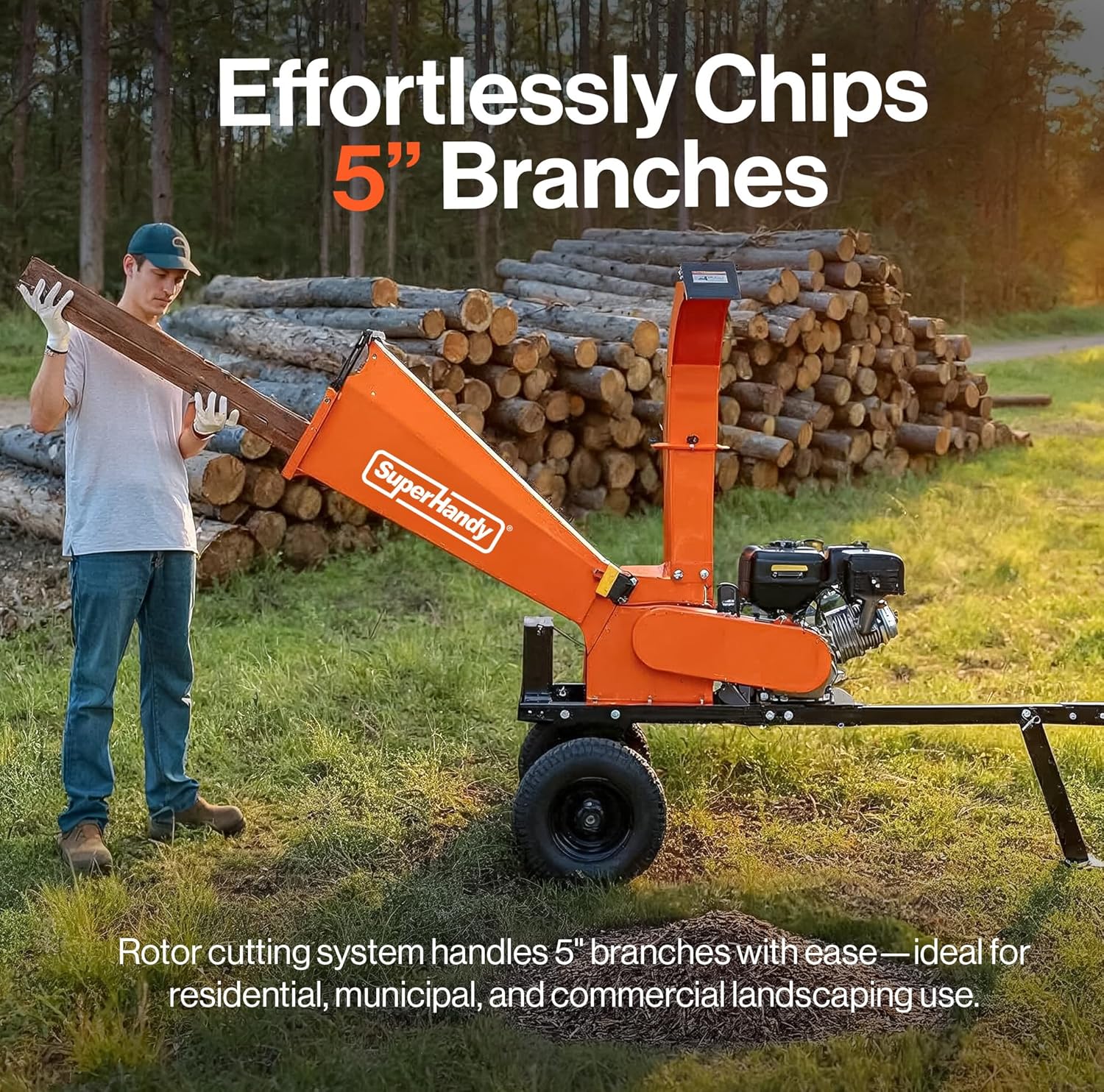
For the Large Property Owner or Homesteader: Managing several acres of land means dealing with more substantial debris. You'll likely encounter branches up to 4 inches in diameter from clearing brush or felling small trees. A powerful gas engine is a must. A robust 4 inch wood chipper with large wheels for portability across uneven terrain is an excellent choice. If your property is expansive, a 4 inch towable wood chipper that can be hitched to an ATV or utility tractor will save you significant time and effort.
-
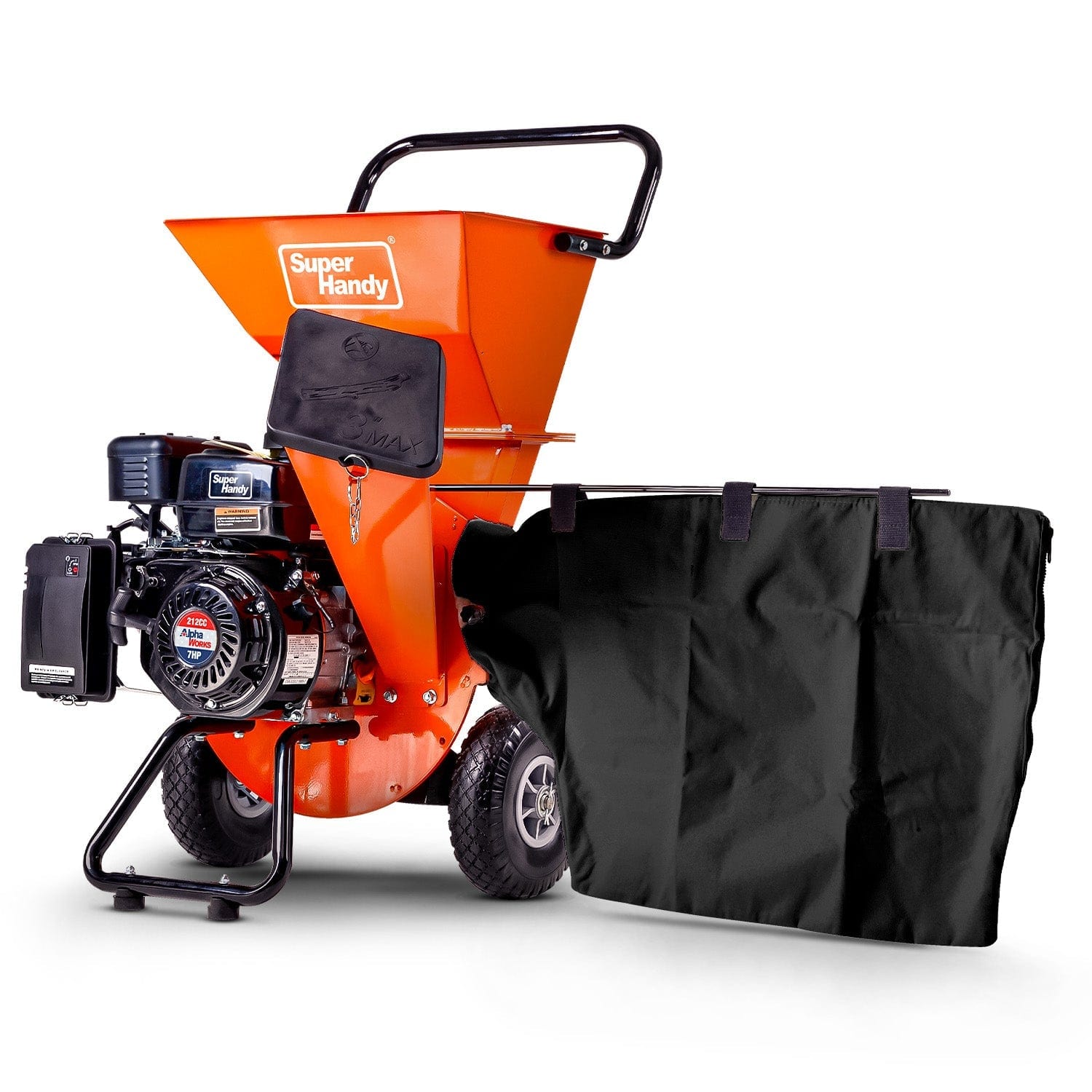
For Mixed Yard Waste: Do you find yourself battling both woody branches and piles of leaves, stalks, and vines? A standard chipper may struggle with soft, leafy material. In this case, a versatile combo unit is your best bet. A 3 IN 1 wood chipper provides a dedicated chipper chute for branches and a separate, larger hopper for shredding leaves and other organic matter into valuable mulch.

Frequently Asked Questions About Wood Chipper Specifications
Navigating the technical details can bring up a few common questions. Here are answers to some of the most frequent inquiries to help clarify your decision-making process.
FAQ: What is the difference between a chipper and a shredder?
This is one of the most important distinctions to understand when shopping for yard cleanup equipment. While the terms are sometimes used interchangeably, chippers and shredders perform different tasks using different mechanisms.
A wood chipper is specifically designed to process solid, woody material. It uses sharp, hardened steel blades mounted on a spinning flywheel or drum to slice branches and limbs into uniform wood chips. This design is highly effective for breaking down rigid material. A powerful Rotor wood chipper is a perfect example of a machine focused on this single, heavy-duty task. The output is ideal for pathways, ground cover, or smoking woods. For air travel, FAA PackSafe lists battery and handling rules for wheelchairs and mobility devices.
A shredder, on the other hand, is built to process softer, greener, and more varied organic material. Instead of sharp blades, it typically uses blunt hammers or flails that pulverize leaves, grass clippings, corn stalks, and small twigs. This action tears and smashes the material into a fine, soil-like mulch that is suitable for composting or enriching garden beds.
Many modern machines are chipper/shredder combos that offer the best of both worlds. These units, like a 3 IN 1 wood chipper, feature two separate inlets: a smaller side chute for feeding branches into the chipping blades and a large top hopper for dropping leafy debris into the shredding hammers. If you need to manage a wide variety of yard waste, a combination gas power wood chipper is the most efficient and versatile solution.
FAQ: What is the difference between a chipper and a shredder?
This is one of the most important distinctions to understand when shopping for yard cleanup equipment. While the terms are sometimes used interchangeably, chippers and shredders perform different tasks using different mechanisms.
A wood chipper is specifically designed to process solid, woody material. It uses sharp, hardened steel blades mounted on a spinning flywheel or drum to slice branches and limbs into uniform wood chips. This design is highly effective for breaking down rigid material. A powerful Rotor wood chipper is a perfect example of a machine focused on this single, heavy-duty task. The output is ideal for pathways, ground cover, or smoking woods.
A shredder, on the other hand, is built to process softer, greener, and more varied organic material. Instead of sharp blades, it typically uses blunt hammers or flails that pulverize leaves, grass clippings, corn stalks, and small twigs. This action tears and smashes the material into a fine, soil-like mulch that is suitable for composting or enriching garden beds.
Many modern machines are chipper/shredder combos that offer the best of both worlds. These units, like a 3 IN 1 wood chipper, feature two separate inlets: a smaller side chute for feeding branches into the chipping blades and a large top hopper for dropping leafy debris into the shredding hammers. If you need to manage a wide variety of yard waste, a combination gas power wood chipper is the most efficient and versatile solution.
Related Products

Leave a comment
All comments are moderated before being published.
This site is protected by hCaptcha and the hCaptcha Privacy Policy and Terms of Service apply.