
















Choosing the Right Lightweight Mobility Scooter for Travel
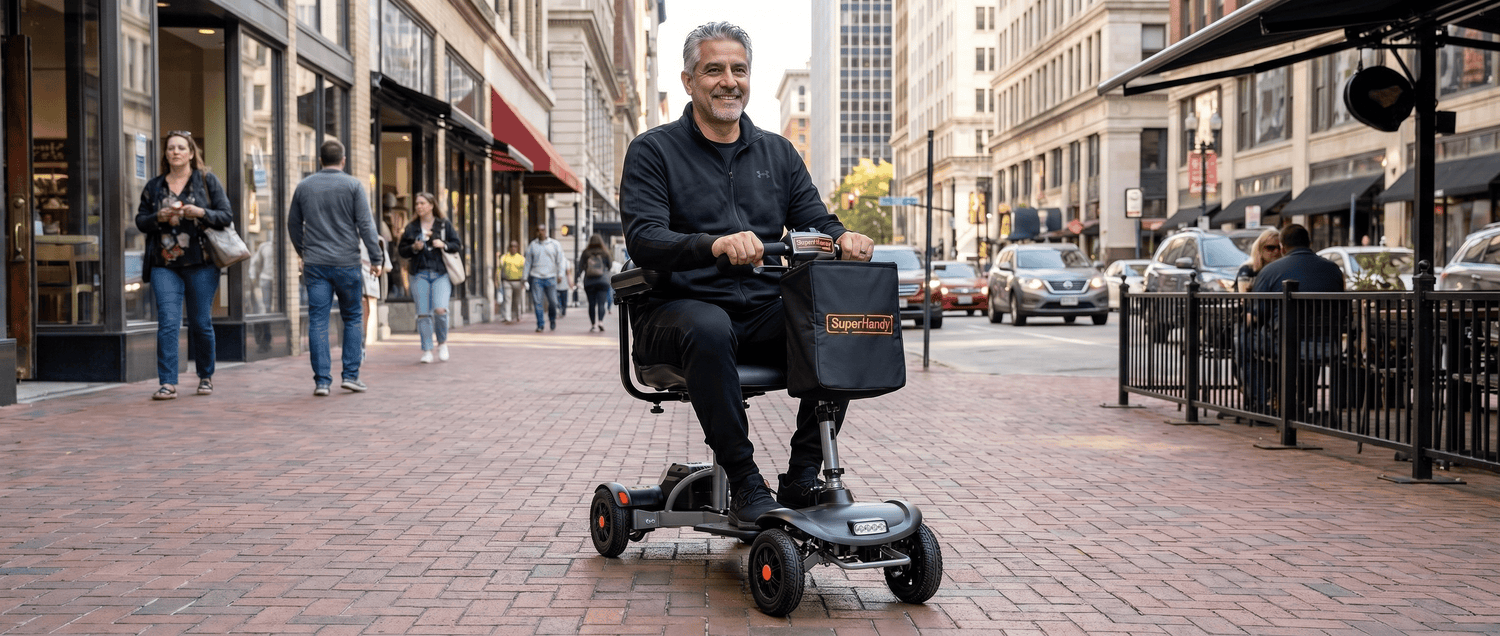
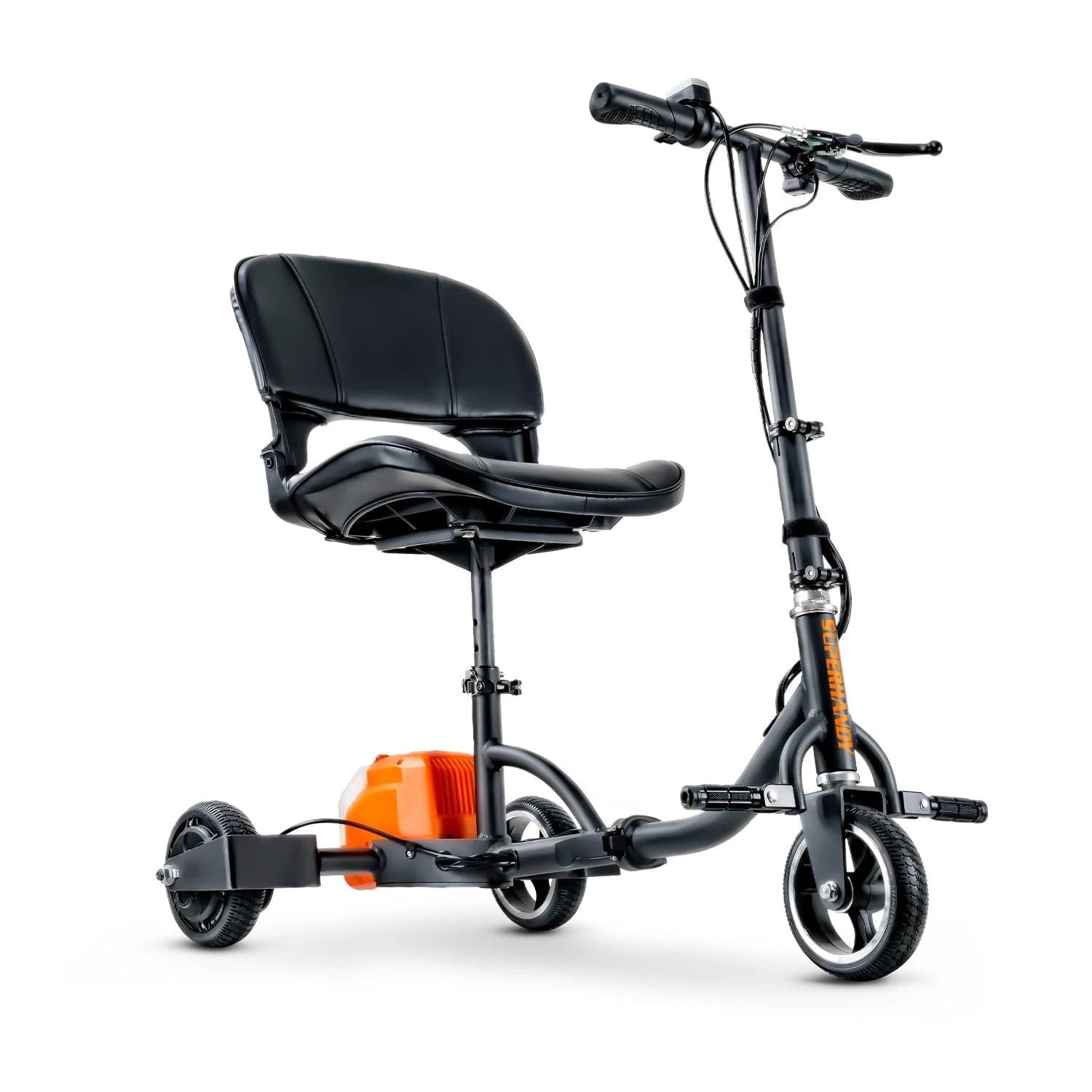
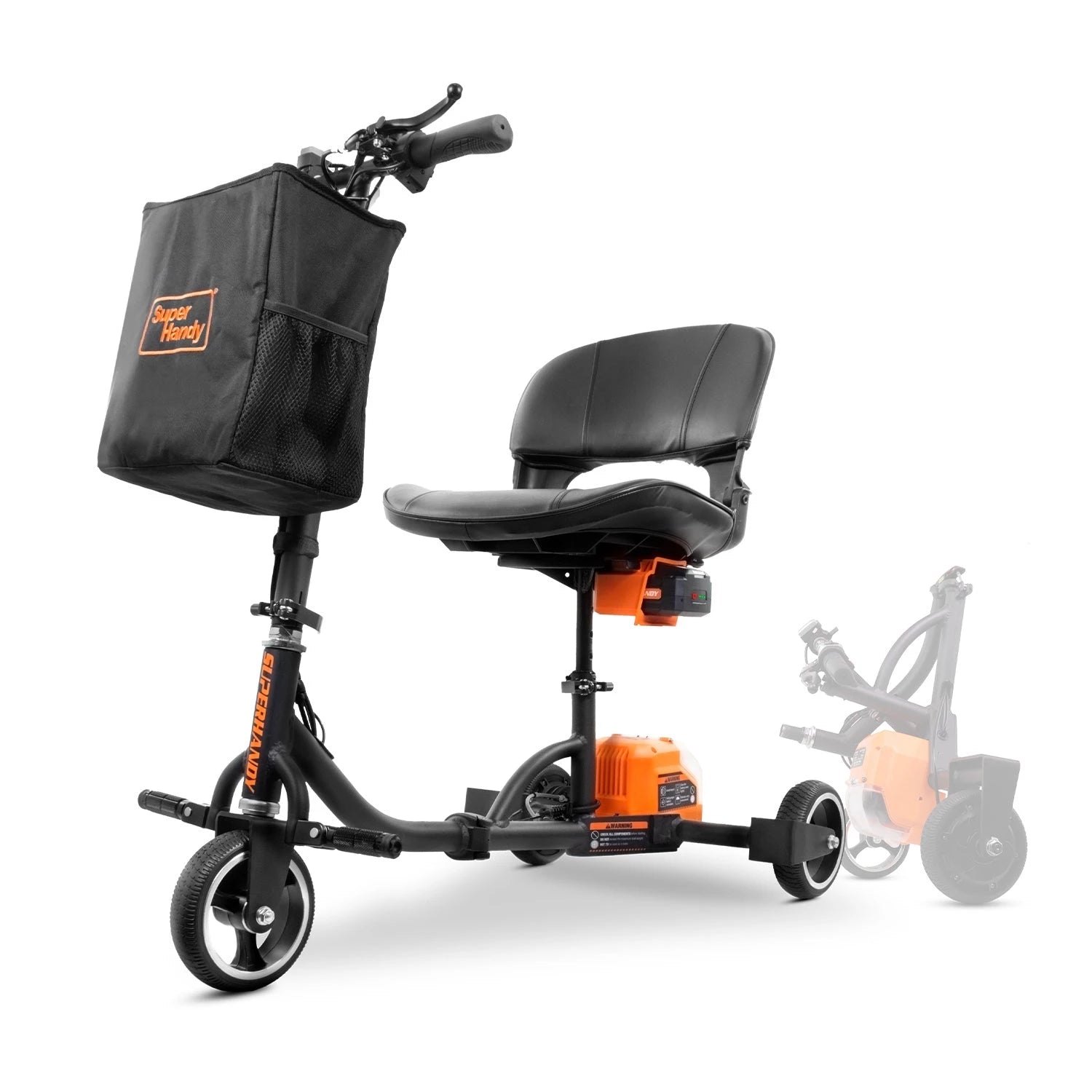
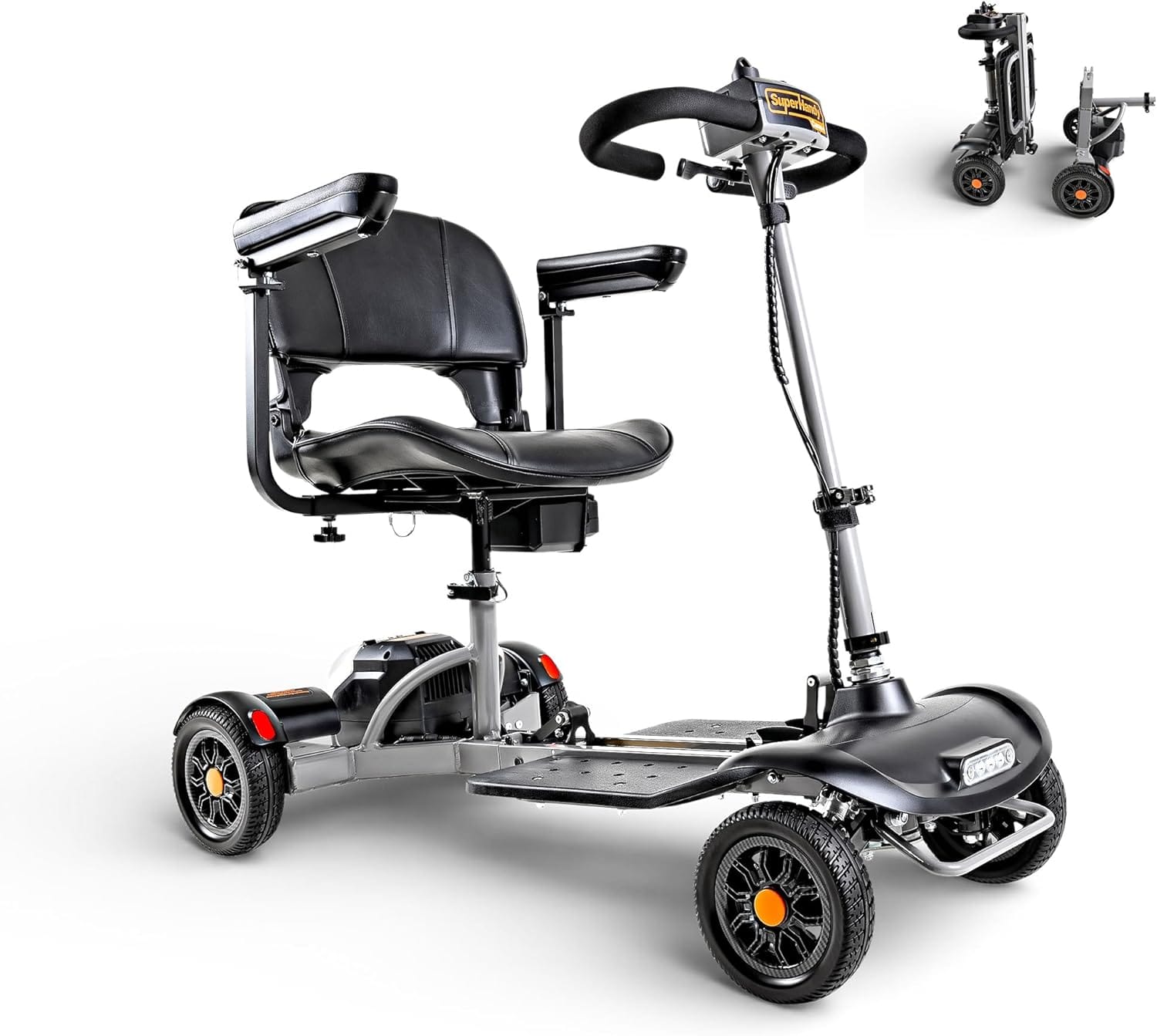
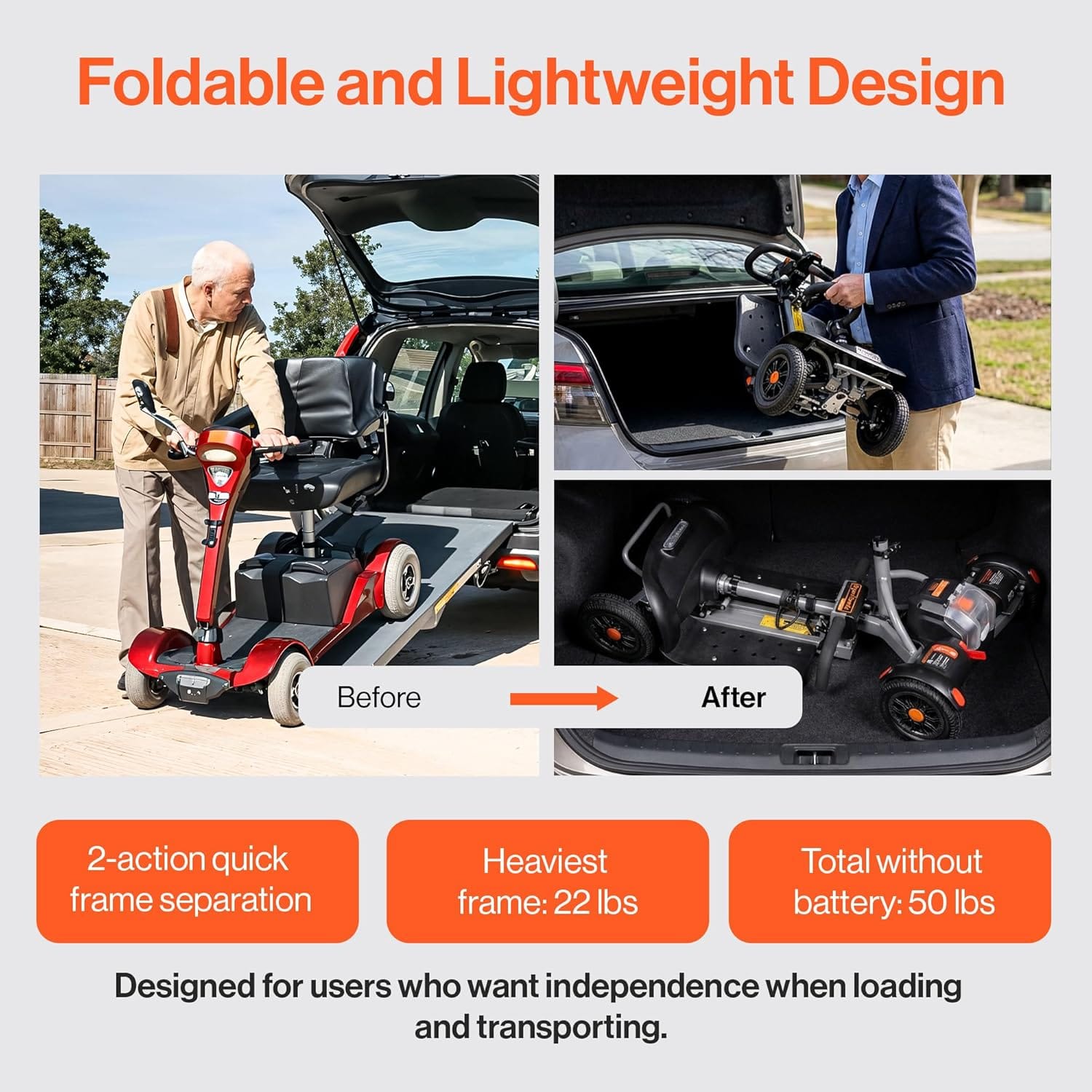
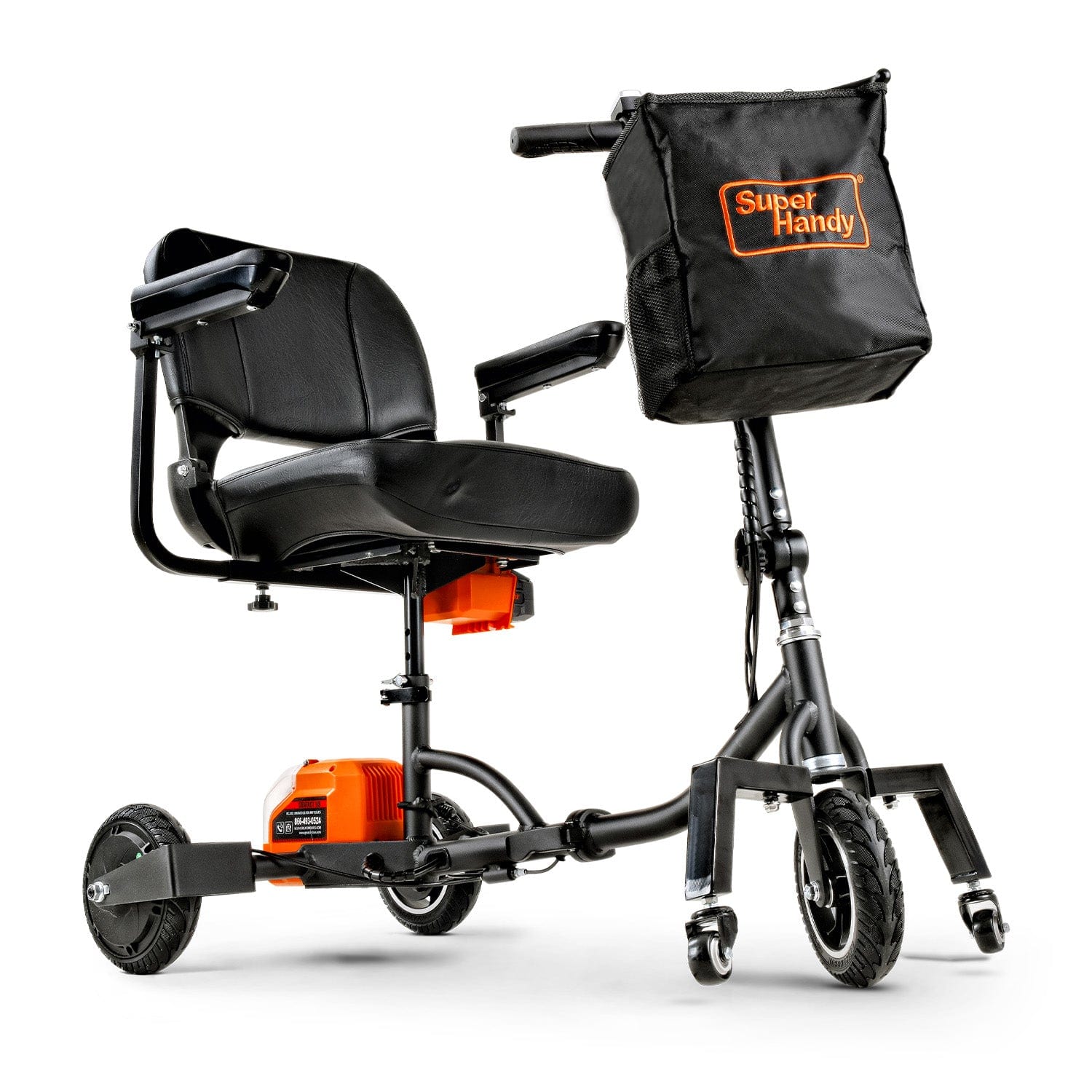
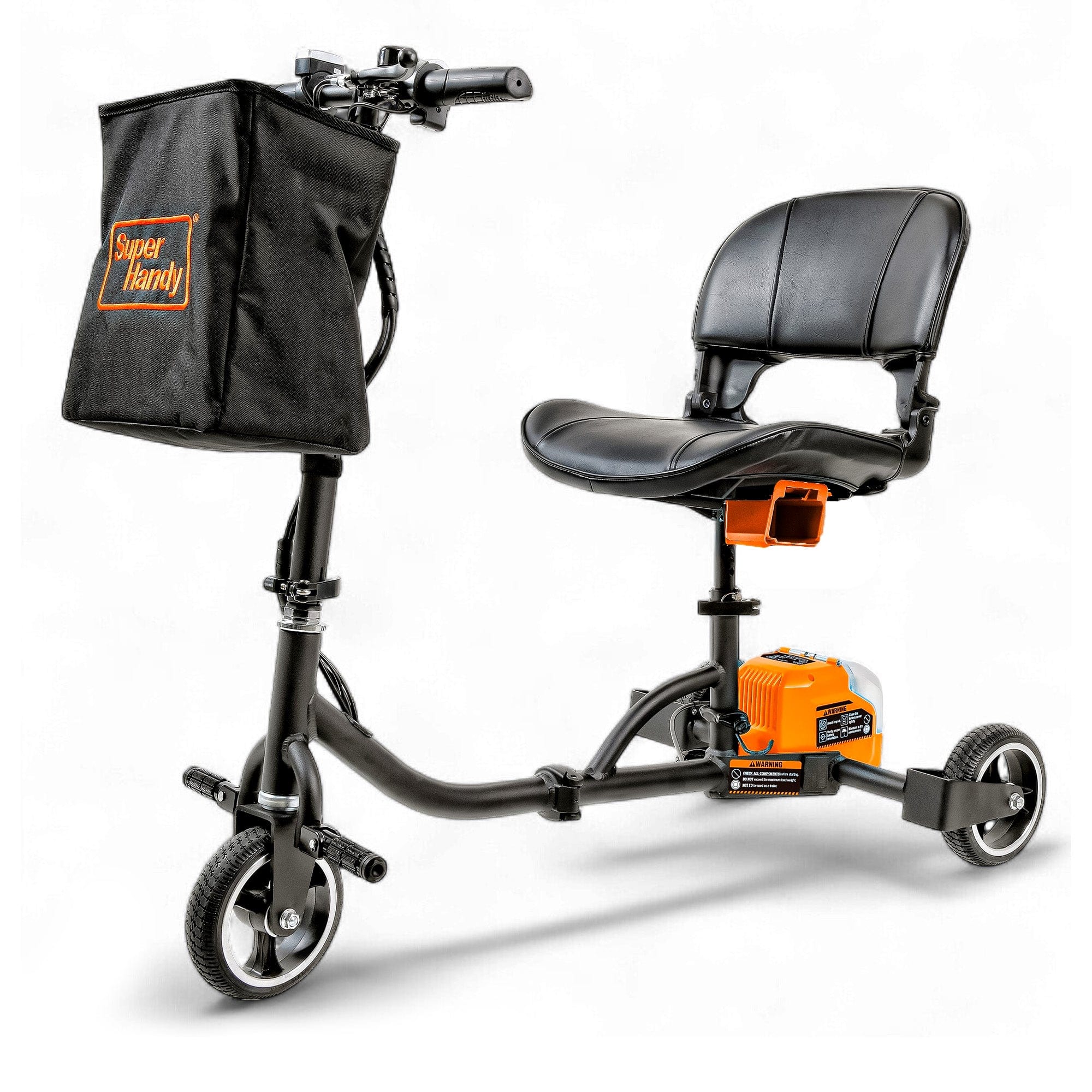
The first step to a successful journey is selecting the right travel companion. A lightweight mobility scooter designed for travel should be easy to lift, compact, and foldable. Look for models that can be collapsed quickly, fitting into a car trunk or an oversized luggage compartment. Battery type is also crucial; many travel scooters use lithium-ion batteries that are approved for air travel. When exploring your options, focus on the total weight, dimensions when folded, and the ease of the folding mechanism. The ideal Mobility Scooters for travel combine portability with the durability needed to explore new destinations with confidence.
Understanding Airline and Public Transport Regulations for Scooters
Navigating travel regulations is less daunting than it seems. Most airlines and public transport systems are well-equipped to handle mobility devices, but they have specific rules you must follow. For air travel, it is essential to contact your airline at least 48 hours before your flight to inform them you are traveling with a mobility scooter. You will need to provide details like its make, model, weight, dimensions, and battery type. According to the FAA PackSafe wheelchair and mobility-device battery rules, lithium-ion batteries must often be removed from the scooter and carried into the cabin, with specific limits on battery size (watt-hours).

Packing Your Lightweight Mobility Scooter for Safe Transit
Properly packing your scooter ensures it arrives at your destination in the same condition it left. Start by giving it a thorough cleaning. Once you're ready to pack, fold the scooter into its most compact form and secure any loose parts with straps or ties. Remove the battery as instructed by your airline—you will typically carry this with you in your hand luggage. It's also wise to remove other detachable items like baskets or cushions. To prevent scratches and damage, consider investing in a durable travel case or cover. Finally, label your scooter clearly with your name, contact information, and destination address.
Navigating Airports and Train Stations with Your Scooter
Airports and train stations can be vast, but your scooter is your key to navigating them with ease. Plan to arrive early to allow ample time for check-in and security. You can ride your scooter through the airport right up to the boarding gate. Inform the gate agent that you will be gate-checking your device. Just before boarding, staff will take your scooter to be stored in the aircraft's cargo hold. This service is free of charge. Upon arrival, your scooter will either be brought to the aircraft door or be available for pickup at the baggage claim's oversized luggage area.
Essential Accessories for Traveling with a Mobility Scooter
The right accessories can transform a good trip into a great one. For your travel mobility scooter, a few key items are non-negotiable. A durable, padded travel cover is essential to protect your scooter from damage during flights or while stowed on a train. To keep your hands free and your essentials secure, consider a front tiller bag for your phone, passport, and wallet, plus an under-seat storage basket for larger items. A universal cup holder and a USB charging port are small additions that provide immense convenience on long days of sightseeing. These thoughtful additions ensure your focus stays on the adventure, not on juggling your belongings.
Adapting Your Scooter for Different Terrains and Climates
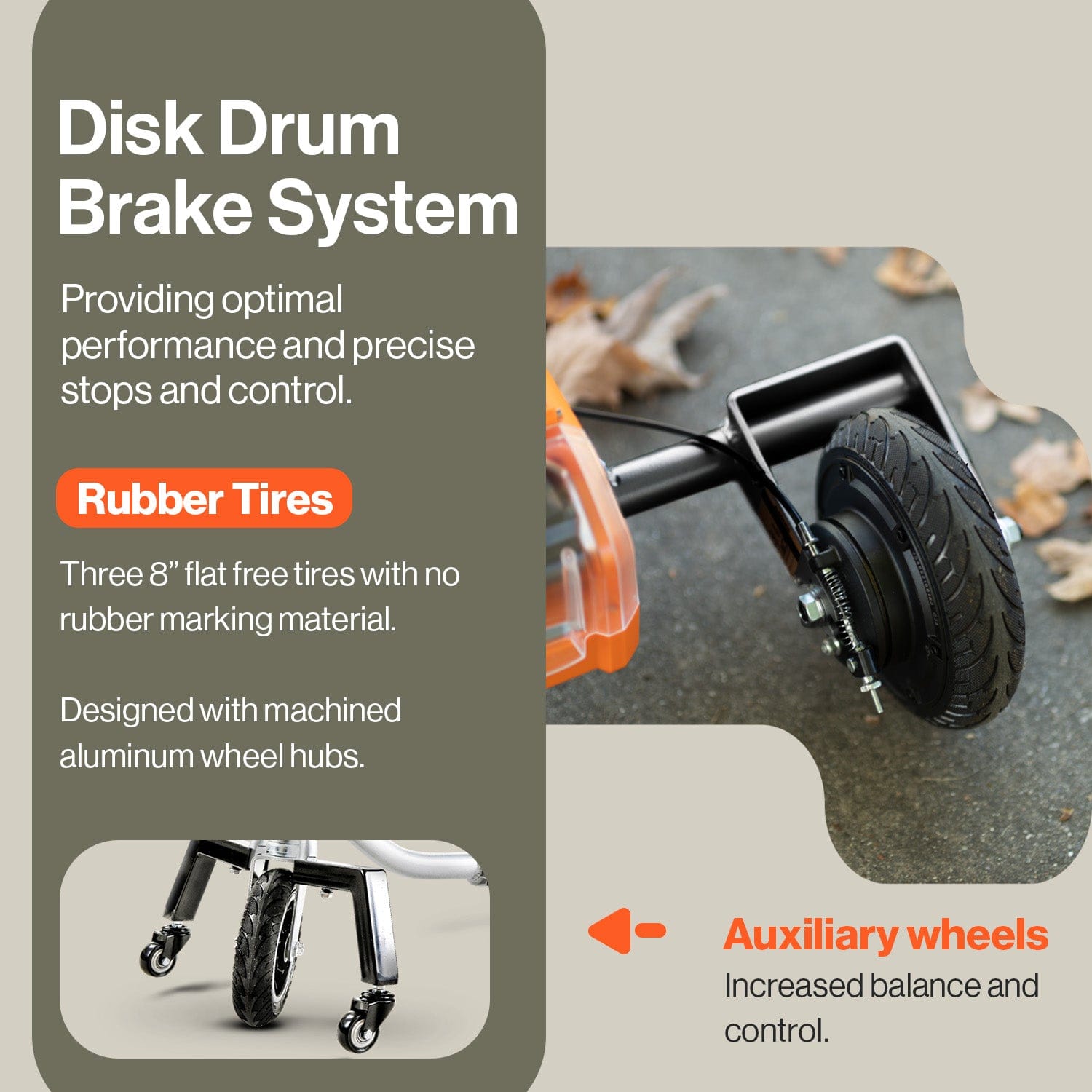
Traveling the world means encountering everything from ancient cobblestone streets to slick, rain-swept sidewalks. While most Mobility Scooters are designed for versatility, it’s wise to prepare for varied conditions. Before you go, ensure your scooter has solid, puncture-proof tires, which are ideal for handling unpredictable surfaces without the risk of a flat. Be mindful of your scooter’s ground clearance and motor power when approaching steep inclines or uneven paths. For weather, a simple waterproof scooter cover or a personal poncho can be a lifesaver in a sudden downpour, while a wide-brimmed hat will provide necessary shade in sunny destinations.
Finding Accessible Accommodation and Attractions Abroad
Planning is paramount when it comes to accessible travel. While many online booking sites offer "wheelchair accessible" filters, these can be unreliable. Always contact hotels directly before booking to confirm specifics. Ask about step-free entrances, elevator dimensions, and whether they offer rooms with roll-in showers. For attractions, check their websites for detailed accessibility information. Don't hesitate to email or call them to ask about ramps, accessible restrooms, and pathway surfaces. This proactive approach prevents disappointment and ensures your destinations are truly ready to welcome you and your lightweight mobility scooter.
Managing Scooter Battery Life and Charging on the Go
Battery management is crucial for a stress-free journey. Before flying, you must understand your scooter's battery type (e.g., lithium-ion) and its watt-hour (Wh) rating. According to the FAA PackSafe wheelchair and mobility-device battery rules, most lithium-ion batteries must be removed from the scooter and carried in the cabin. Always confirm the specific procedure with your airline well in advance. For charging abroad, you will need a universal travel adapter to fit foreign outlets. Check if your scooter’s charger is dual-voltage (e.g., 110-240V); if not, you will also need a voltage converter to avoid damaging the battery. To conserve power, charge the battery fully each night and try to minimize travel on steep inclines.
Dealing with Scooter Maintenance and Repairs While Traveling
Even the most reliable travel mobility scooter can encounter issues. A little preparation can prevent a minor hiccup from becoming a major travel disruption. Before you leave, perform a thorough pre-trip inspection: check tire pressure, test the brakes, and ensure the battery is holding a full charge. Pack a small, dedicated toolkit containing essentials like a multi-tool, spare fuses, and any specific wrenches your scooter requires. It’s also wise to research mobility equipment repair shops in your destination city. Having a local contact number saved on your phone provides invaluable peace of mind should you need professional assistance.
Tips for a Smooth and Enjoyable Travel Experience
Your lightweight mobility scooter is a tool for freedom, not a limitation. To ensure your trip is as seamless as possible, keep these tips in mind:
- Plan an Accessible Itinerary: Research attractions, restaurants, and tours in advance to confirm they are scooter-friendly.
- Communicate Your Needs: Inform airlines, hotels, and transport companies about your scooter ahead of time. Clear communication is key to receiving the assistance you need.
- Don't Over-schedule: Build downtime into your days. Traveling can be tiring, and leaving buffer time allows you to recharge both yourself and your scooter's battery.
- Connect with Fellow Travelers: Online forums and social media groups for travelers with disabilities are fantastic resources for destination-specific tips and recommendations.

Frequently Asked Questions
What makes a mobility scooter 'lightweight' for travel?
The term "lightweight" isn't a formal industry standard, but it generally refers to Mobility Scooters designed specifically for portability. These models prioritize features that make them easy to transport, lift, and store. Key characteristics include a total weight typically under 70 pounds, the ability to fold or disassemble quickly into a few manageable pieces, and often, a frame constructed from light-yet-durable materials like aluminum. As essential mobility aids, these scooters are built to enhance independence during daily life and, especially, while on the move. The ultimate goal of a lightweight or travel model is to fit easily into a car trunk, a cruise ship cabin, or an airline's cargo hold without requiring heavy-duty lifting equipment.
Can I take my mobility scooter on a plane?
Yes, you absolutely can! Airlines are required to transport medical assistive devices, including your travel mobility scooter, at no extra charge. The key is to communicate with your airline at least 48 hours before your flight to provide details about your scooter, such as its dimensions, weight, and battery type. According to the Federal Aviation Administration (FAA), there are specific rules for transporting wheelchairs and mobility devices with batteries, especially those with lithium-ion batteries. You will likely need to ride your scooter to the gate, where airline staff will then stow it in the cargo hold.
For scooters with removable batteries, you will typically be required to disconnect the battery and carry it with you into the cabin. For non-removable batteries, the airline crew will need to ensure it is properly disconnected and the terminals are protected from short-circuiting. Always arrive at the airport with plenty of extra time to navigate this process smoothly.

How do I charge my mobility scooter overseas?
Charging your scooter abroad requires a bit of planning due to differences in electrical systems. North America uses 110-120 volt electricity, while most of Europe, Asia, and other parts of the world use 220-240 volts. Plugging your scooter's charger directly into a foreign outlet without the proper equipment can permanently damage it. First, check your charger’s specifications; many modern Mobility Scooters come with dual-voltage chargers (100-240V), which adapt automatically. If this is the case, you will only need a simple plug adapter that matches the shape of the outlets in your destination country. If your charger is not dual-voltage, you will need a step-down voltage converter in addition to a plug adapter. It's best to purchase these accessories before you leave home to ensure you have the correct ones.
What if my mobility scooter breaks down during my trip?
A scooter malfunction is a traveler's concern, but preparation can make it a minor inconvenience rather than a trip-ruining disaster. Before you leave, have your scooter serviced and pack a small toolkit with essentials like a multi-tool, zip ties, and a spare fuse. Keep a digital and physical copy of your scooter’s user manual and the manufacturer's customer service number. If a problem arises, first consult the manual for troubleshooting tips. If that doesn't work, contact the manufacturer for guidance. You can also ask your hotel concierge for help locating a local mobility equipment repair shop. Some travel insurance policies offer coverage for mobility device repairs, so check your policy details before you depart.
Related Products




Leave a comment
All comments are moderated before being published.
This site is protected by hCaptcha and the hCaptcha Privacy Policy and Terms of Service apply.