












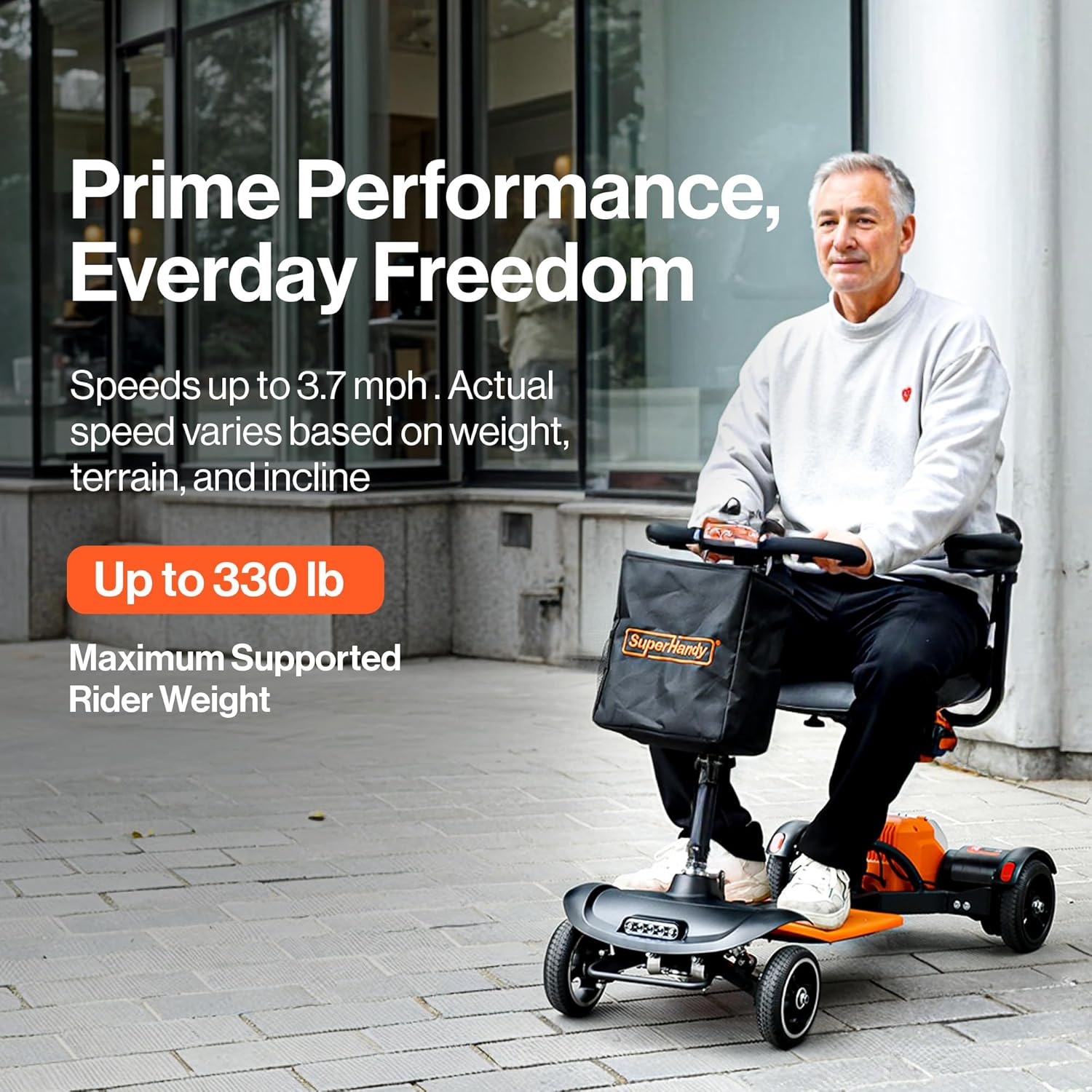
For many, the dream of exploring new destinations or simply enjoying daily outings is often limited by mobility challenges. But what if you could unlock a world of unrestricted adventures? A travel mobility scooter is precisely that key, offering unparalleled independence and the freedom to move without hindrance. Imagine effortlessly navigating bustling airports, exploring historical sites, or simply enjoying a leisurely stroll through a park with loved ones. These innovative devices are designed to empower users, transforming daunting journeys into enjoyable expeditions. They break down barriers, allowing individuals to reclaim their active lifestyles and experience the joy of discovery, proving that mobility limitations don't have to mean limiting your life's adventures.

Understanding Travel Mobility Scooters: What Makes Them Different?
While standard mobility scooters offer excellent assistance for daily use, travel mobility scooters are engineered with a distinct purpose: portability and convenience for transit. The primary difference lies in their design and construction, which prioritizes lightweight materials, compact footprints, and easy disassembly or folding mechanisms. Unlike their heavier, more robust counterparts, travel models are specifically built to be transported in vehicle trunks, on airplanes, or aboard cruise ships. They often feature lighter batteries (like lithium-ion), smaller wheels, and more streamlined frames, making them essential mobility assistance equipments for anyone on the go. This specialization ensures they can navigate tighter spaces, are simpler to store, and significantly reduce the logistical challenges associated with bringing a mobility aid on a trip.
Comparing Travel Mobility Scooter Types: Which Design Suits Your Journey?
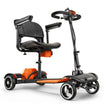
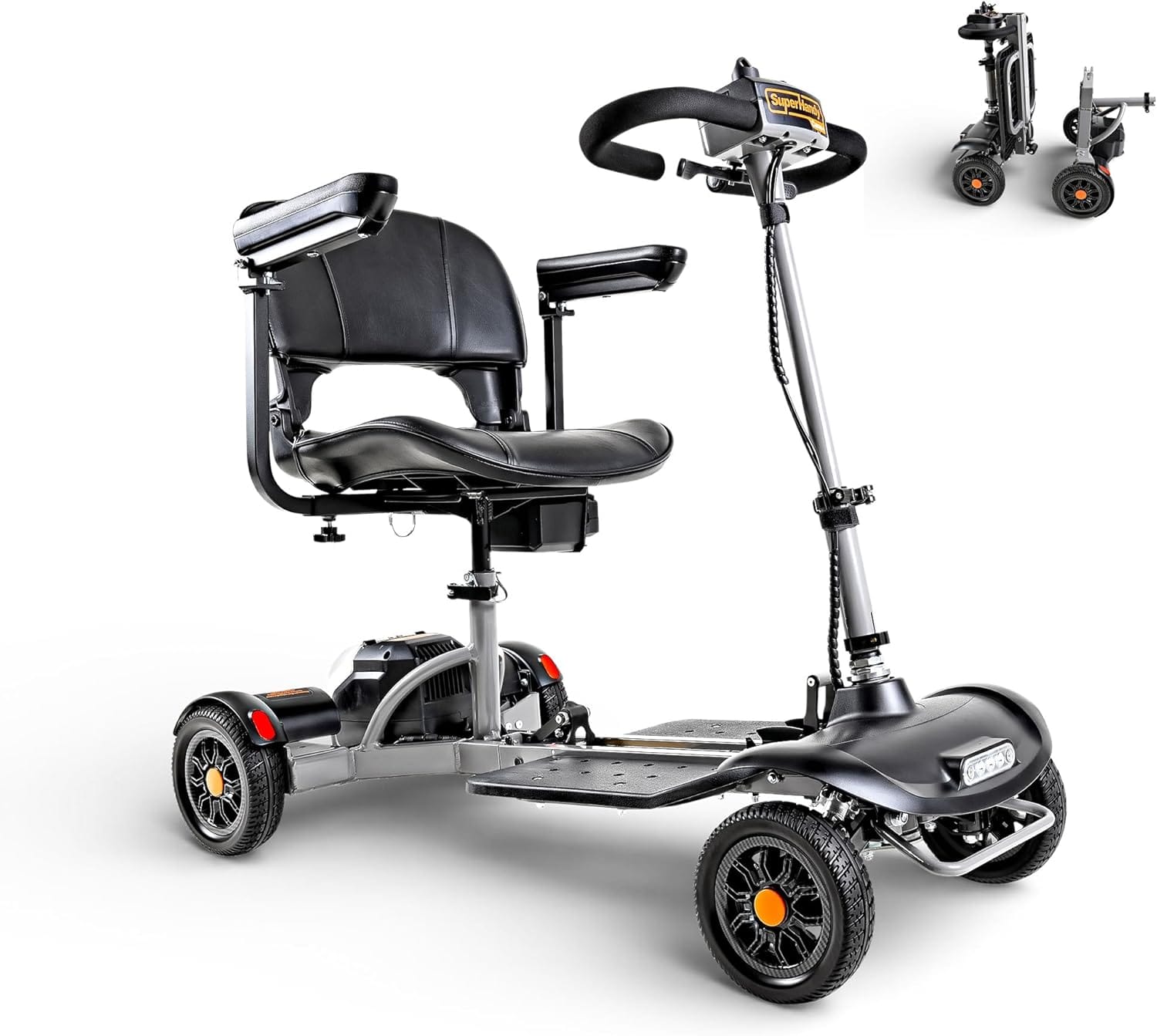
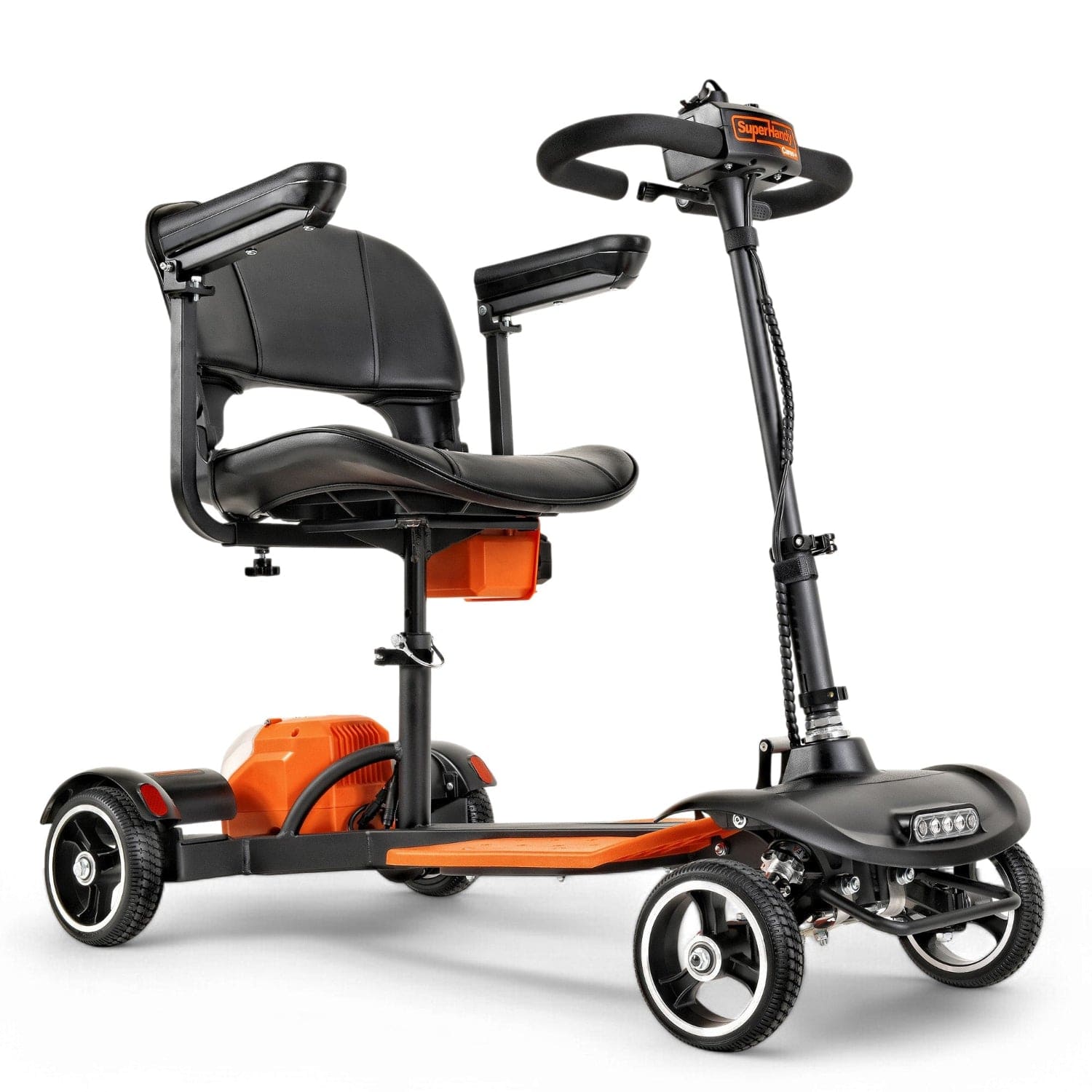
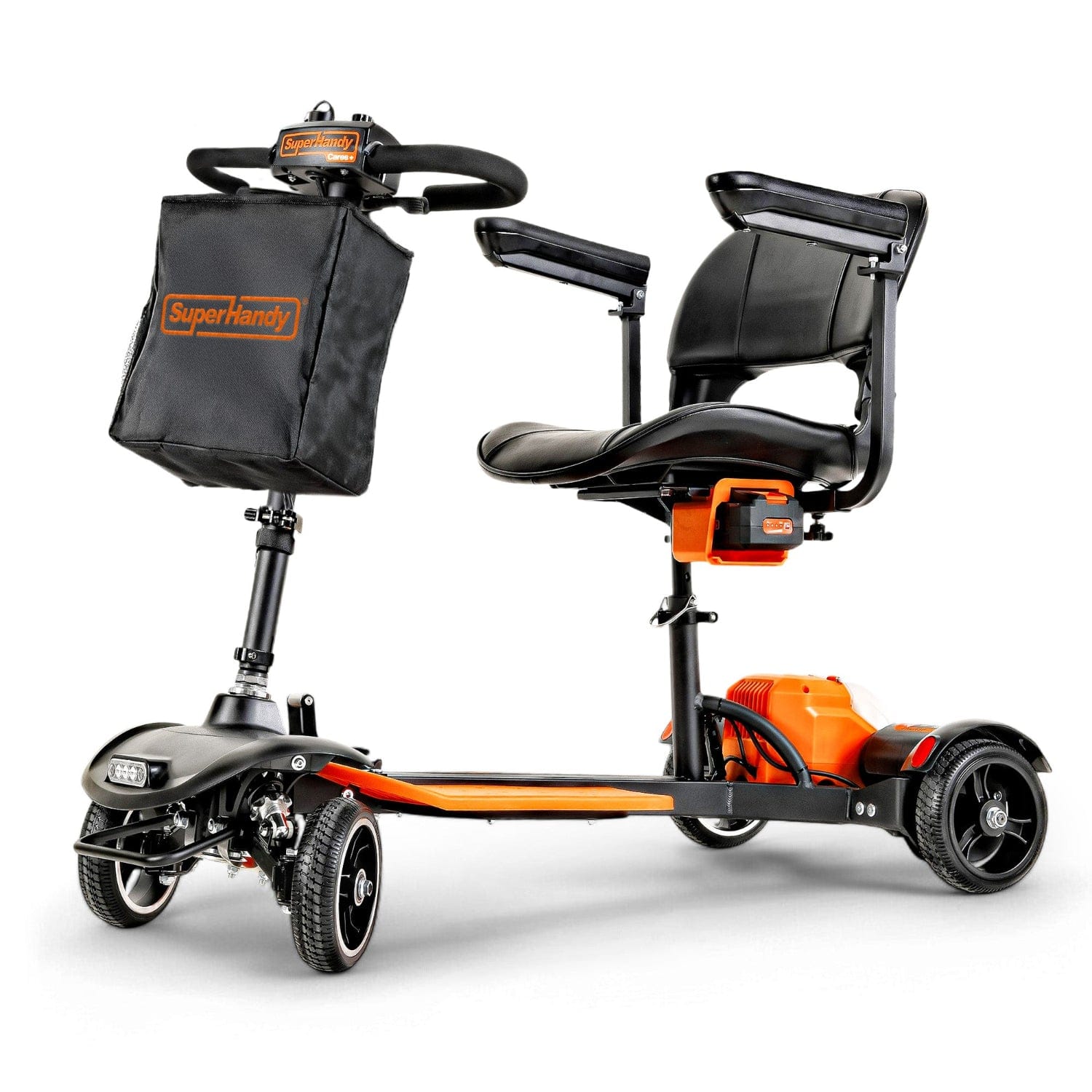
Choosing the right travel mobility scooter depends largely on your specific travel habits and individual needs. Generally, travel scooters fall into a few key categories, each offering distinct advantages. The main differentiators relate to their portability mechanism – whether they fold or disassemble – and their wheel configuration – three-wheel versus four-wheel. Some compact models, like the Passport Flex 4 Wheel Power Mobility Scooter, are designed for maximum convenience. Understanding these core types is crucial for making an informed decision, as each is tailored to different environments and user preferences. Do you need ultimate compactness for air travel, or superior stability for varied outdoor terrains? The answers to these questions will guide you toward the most suitable design for your unique adventures.
Foldable vs. Disassembled: Weighing Portability Options for Travel
When it comes to the crucial aspect of portability, travel mobility scooters primarily offer two main mechanisms: folding or disassembling.
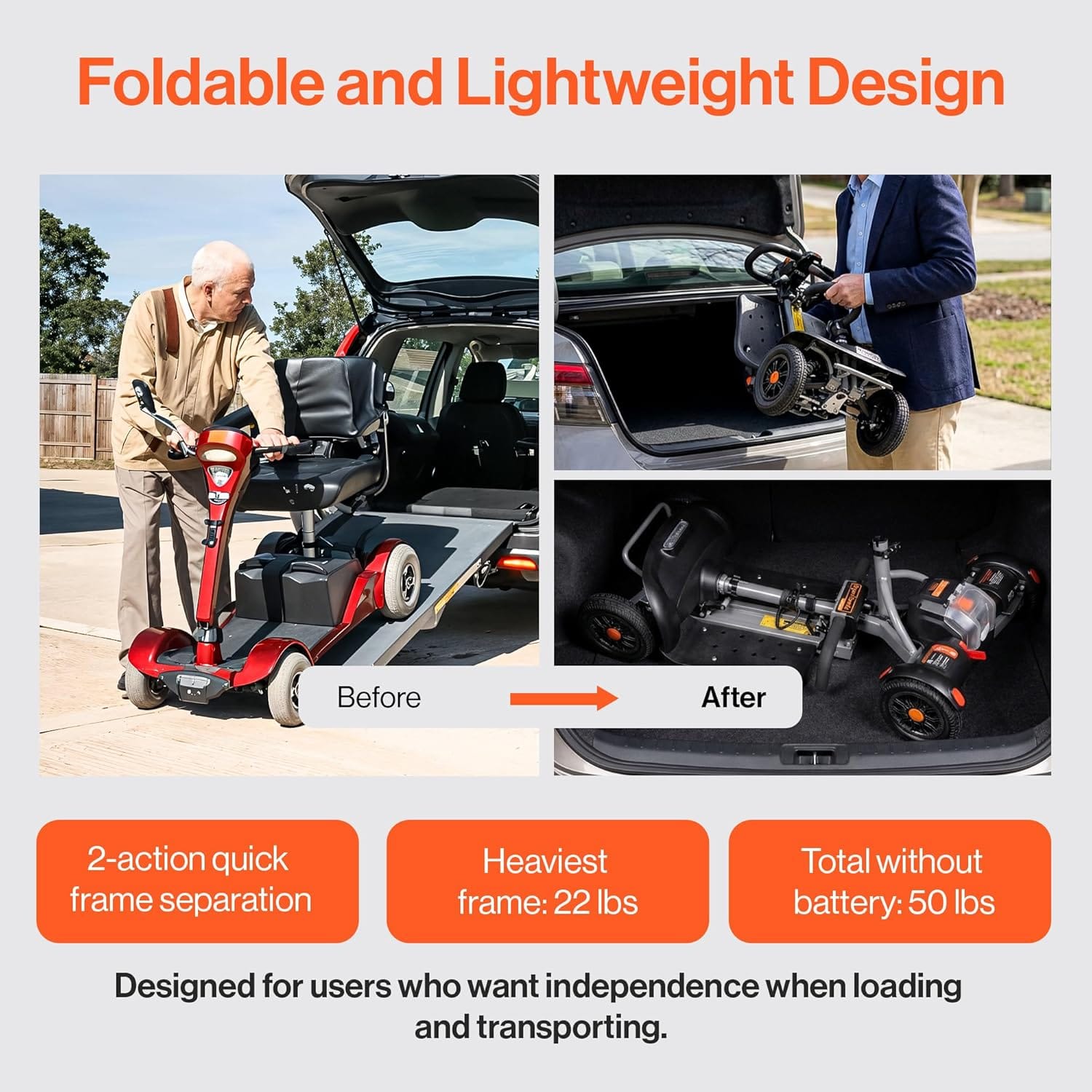
Foldable Travel Scooters: These are designed for ultimate convenience and quick deployment. With a simple mechanism, often at the press of a button or pull of a lever, the scooter folds down into a compact, single unit. Many can be stored upright, resembling a small suitcase.
- Pros: Extremely fast to set up and put away, no parts to lose, ideal for frequent short trips, convenient for public transport or car boots.
- Cons: Often slightly heavier than disassembled models due to their integrated design, may have fewer customizable options.
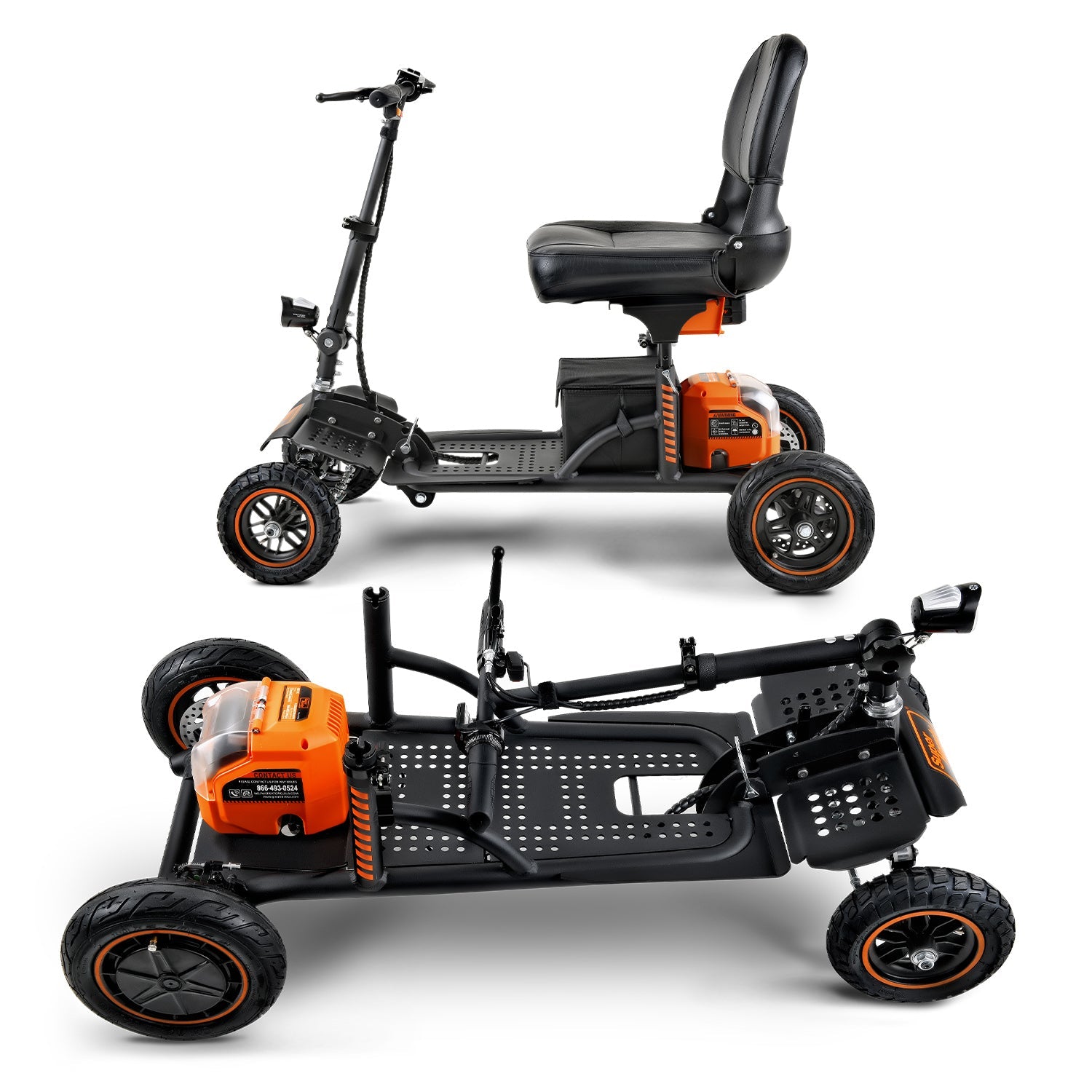
Disassembled Travel Scooters: These scooters break down into several lighter, more manageable pieces (typically 3-5 parts: seat, battery pack, front section, rear section).
- Pros: Each individual piece is lighter, making lifting easier for individuals with limited strength or for family members assisting with transport. They can often achieve a smaller overall footprint when packed in separate components.
- Cons: Takes more time and effort to assemble and disassemble, multiple pieces need to be stored and tracked, potential for misplacing parts.
For instance, a lightweight mobility scooter that disassembles might be preferred by someone who struggles with lifting a single heavier unit, even if folded. Conversely, someone prioritizing speed and simplicity for frequent car trunk loading might lean towards a foldable model like the Passport Flex 4 Wheel Power Mobility Scooter. Your choice between these two options will depend on your personal physical capabilities, how often you plan to transport the scooter, and the typical method of transport.
Three-Wheel vs. Four-Wheel: Stability and Maneuverability Explained for Different Terrains
When selecting a travel mobility scooter, one of the most fundamental decisions you'll face is between a three-wheel and a four-wheel model. Each configuration offers distinct advantages tailored to different environments and user needs.
Three-Wheel Scooters: These models are renowned for their superior maneuverability. With a single wheel at the front, they boast a tighter turning radius, making them ideal for navigating crowded indoor spaces like airports, cruise ships, shopping malls, and narrow corridors. Their lighter weight also contributes to easier portability, aligning perfectly with the concept of a lightweight mobility scooter designed for travel. However, their three-point stance means they offer less stability, particularly on uneven outdoor terrain or when encountering inclines. Users who primarily plan to use their scooter indoors or on smooth, level surfaces will find a three-wheel model highly effective.
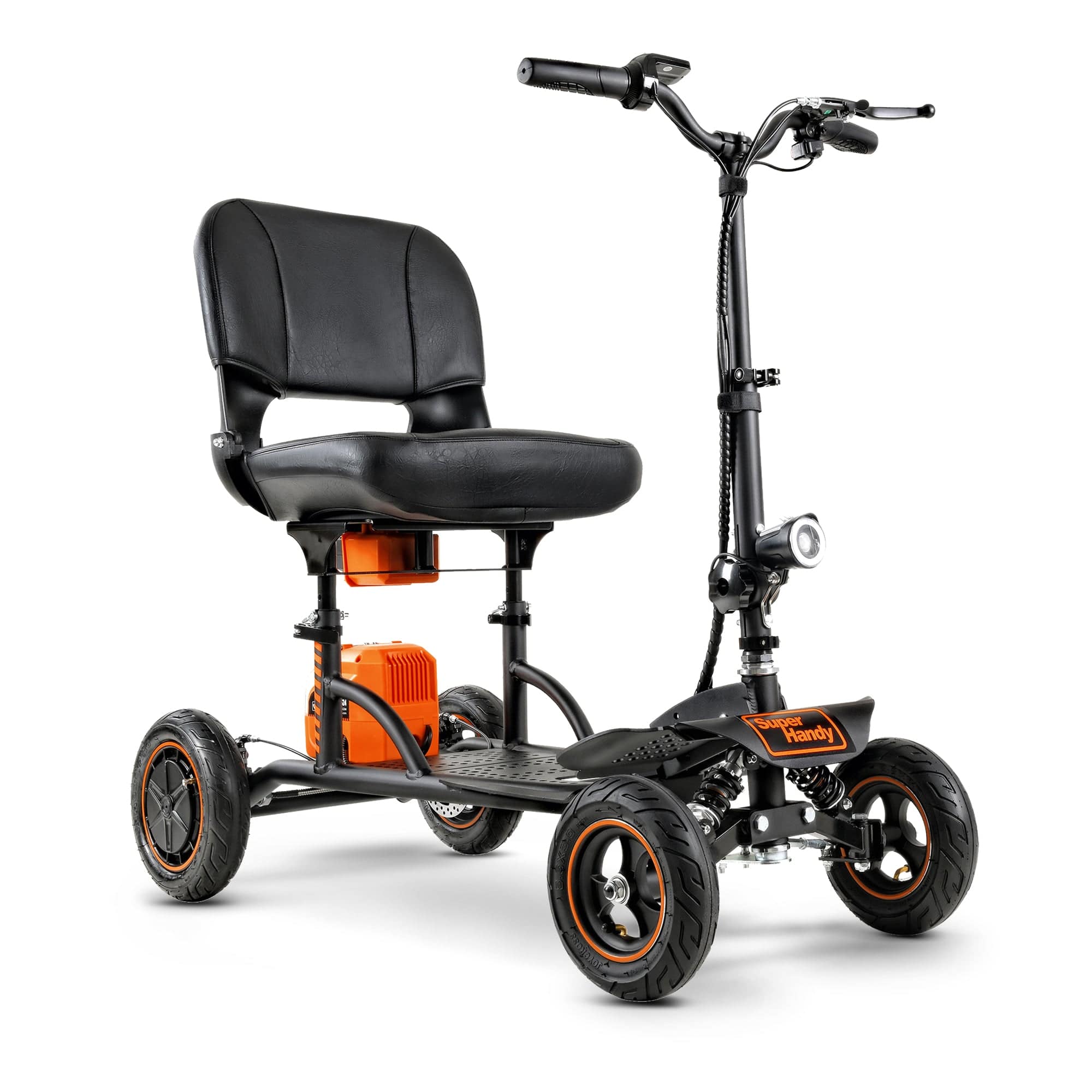
Four-Wheel Scooters: Offering enhanced stability and a more robust feel, four-wheel travel mobility scooters are excellent for outdoor adventures and varied terrains. The extra wheel provides a wider, more secure base, significantly reducing the risk of tipping, especially over bumps, grass, gravel, or slight inclines. This added stability instills greater confidence for users venturing into less predictable environments. While generally less nimble than their three-wheel counterparts, modern designs, like the Passport Flex 4 Wheel Power Mobility Scooter, offer impressive maneuverability for their class, making them a popular choice for those seeking a balance of stability and portability. If your travels involve cobblestone streets, park paths, or general outdoor exploration, a four-wheel model is often the more secure and comfortable option.
Ultimately, your choice depends on your primary travel destinations and the types of surfaces you anticipate encountering.
Essential Features: What Specifications Should You Prioritize for Comfort and Convenience?
Beyond the wheel configuration, a range of features can significantly impact your travel experience with a mobility scooter. Prioritizing these specifications ensures both comfort and convenience on your journeys.
- Adjustable Components: Look for scooters with adjustable tiller (handlebar) height and angle, and seat height. These adjustments allow you to customize the fit for optimal ergonomic comfort, reducing strain on long rides.
- Controls and Dashboard: Intuitive, easy-to-use controls are crucial. Consider models with a clear battery indicator, speed adjustment dial, and readily accessible horn. Some advanced mobility scooters even feature USB charging ports for your devices.
- Lighting Package: For safety, especially if you anticipate being out during dusk or dawn, front and rear lights, and even turn signals, are invaluable.
- Storage Options: Travel often requires carrying essentials. Integrated front baskets, under-seat storage, or rear storage bags can be incredibly useful for holding personal items, shopping, or even a small carry-on.
- Portability Features: For a travel mobility scooter, features like easy folding mechanisms, quick disassembly, and lightweight design (as discussed in other sections) are paramount for hassle-free transport.
- Suspension: While not common on all travel models, some premium lightweight mobility scooter options offer suspension systems. This feature significantly enhances ride comfort by absorbing shocks from uneven surfaces.
Battery Life and Range: How Far Can You Really Go on a Single Charge?
The battery is the heart of your travel mobility scooter, determining how far you can venture on a single charge. Understanding battery specifications is crucial for planning your trips without range anxiety.
Travel mobility scooters typically use either sealed lead-acid (SLA) or lithium-ion batteries. Lithium-ion batteries are increasingly popular for travel models due to their lighter weight, longer lifespan, and consistent power output, though they often come at a higher cost.
Factors Affecting Range: The advertised range of a scooter is often an ideal figure, and several real-world factors can influence how far you can actually go:
- User Weight: Heavier users require more power, which drains the battery faster.
- Terrain: Riding uphill, over rough surfaces, or through thick grass consumes more power than cruising on flat, smooth pavement.
- Speed Settings: Constantly operating at maximum speed will reduce your range compared to a moderate pace.
- Temperature: Cold weather can temporarily reduce battery efficiency and overall range.
- Battery Age and Maintenance: Older batteries or those not properly maintained will offer reduced performance.
Most travel scooters offer a range of 10-20 miles on a full charge. Always check the manufacturer's specifications and consider your typical usage patterns. For extended travel, consider carrying an extra battery (if compatible and airline-approved) or planning charging stops. Charging times can vary significantly, typically ranging from 6-12 hours for a full charge. Always ensure your charging adapter is compatible with the local power outlets when traveling internationally.
Weight Capacity and Seat Comfort: Ensuring a Safe and Enjoyable Ride for Every User
The weight capacity and seat comfort of your travel mobility scooter are critical factors for both safety and the overall enjoyment of your journeys.
Weight Capacity: Every mobility scooter has a specified maximum weight capacity, which you must never exceed. Overloading a scooter can compromise its stability, damage the motor and chassis, and significantly reduce battery life and range. More importantly, it creates a serious safety hazard. Always choose a scooter that comfortably accommodates your weight, leaving a small buffer for any items you might carry. Manufacturers typically design scooters with different weight classes in mind, ensuring structural integrity and performance across various user sizes.
Seat Comfort: Since you'll be spending a significant amount of time on your scooter, especially during travel, seat comfort is paramount. Consider the following:
- Padding: Adequate cushioning is essential to prevent discomfort and pressure points, particularly on longer excursions.
- Width and Depth: Ensure the seat is wide enough to comfortably accommodate you without feeling cramped, and deep enough to provide proper thigh support.
- Swivel Feature: Many travel scooters offer a swivel seat, which greatly assists in getting on and off the scooter, especially in tight spaces or at tables.
- Armrests: Padded, adjustable armrests provide support and help maintain good posture, reducing fatigue.
- Backrest: A supportive backrest is crucial for spinal comfort. Some models offer adjustable backrest angles.
Choosing a travel mobility scooter that comfortably supports your weight and provides an ergonomically sound seating experience will make all the difference in turning your travel dreams into enjoyable realities. For a truly comfortable and independent lifestyle, it's also worth considering other mobility assistance equipment for home use, such as Floor Lift Assistance for easy transfers, or even a specialized Bath lift to ensure accessibility in all aspects of daily living.
Three-Wheel vs. Four-Wheel: Stability and Maneuverability Explained for Different Terrains
When selecting a travel mobility scooter, a key decision is between three-wheel and four-wheel models. Each offers distinct advantages for different environments.
Three-Wheel Scooters: Known for superior maneuverability, these models offer a tighter turning radius, ideal for crowded indoor spaces like airports, cruise ships, and narrow corridors. Their lighter weight also aids portability, perfect for a lightweight mobility scooter. However, their three-point stance provides less stability, especially on uneven outdoor terrain or inclines. Best suited for smooth, level surfaces and indoor use.
Four-Wheel Scooters: Offering enhanced stability and a robust feel, four-wheel travel mobility scooters excel outdoors. The extra wheel provides a wider, more secure base, significantly reducing tipping risk over bumps, grass, or slight inclines. This stability boosts confidence on varied terrains. While generally less nimble than three-wheel models, modern designs, like the Passport Flex 4 Wheel Power Mobility Scooter, offer good maneuverability for their class, balancing stability with portability. They are often the more secure choice for cobblestone streets or general outdoor exploration. Your choice depends on your primary travel destinations and anticipated surfaces.
Essential Features: What Specifications Should You Prioritize for Comfort and Convenience?
Beyond wheel configuration, various features significantly impact your scooter experience. Prioritizing these specifications ensures comfort and convenience.
- Adjustable Components: Look for adjustable tiller height/angle and seat height for optimal ergonomic comfort.
- Controls and Dashboard: Intuitive controls with a clear battery indicator, speed adjustment, and horn are crucial. Some advanced mobility scooters include USB charging ports.
- Lighting Package: Front and rear lights, and even turn signals, are invaluable for safety during dusk or dawn.
- Storage Options: Integrated front baskets, under-seat storage, or rear bags are useful for carrying essentials.
- Portability Features: Easy folding mechanisms, quick disassembly, and a lightweight design are paramount for hassle-free transport.
- Suspension: Some premium options offer suspension, enhancing ride comfort by absorbing shocks on uneven surfaces.
Battery Life and Range: How Far Can You Really Go on a Single Charge?
The battery dictates your travel mobility scooter's range. Understanding specifications is vital for planning trips without range anxiety.
Travel scooters typically use sealed lead-acid (SLA) or lithium-ion batteries. Lithium-ion are preferred for travel due to lighter weight, longer lifespan, and consistent power, despite higher cost.
Factors Affecting Range: Advertised range is often ideal; real-world factors influence actual distance:
- User Weight: Heavier users drain batteries faster.
- Terrain: Uphills, rough surfaces, or thick grass consume more power.
- Speed Settings: Constant maximum speed reduces range.
- Temperature: Cold weather reduces battery efficiency.
- Battery Age and Maintenance: Older or poorly maintained batteries perform less efficiently.
Most travel scooters offer 10-20 miles on a full charge. Check manufacturer specs and consider your usage. For extended travel, consider an extra battery (if airline-approved) or plan charging stops. Charging typically takes 6-12 hours. Ensure your charger is compatible with local power outlets internationally.
Weight Capacity and Seat Comfort: Ensuring a Safe and Enjoyable Ride for Every User
Your scooter's weight capacity and seat comfort are crucial for safety and enjoyment.
Weight Capacity: Never exceed the scooter's maximum weight capacity. Overloading compromises stability, damages components, reduces battery life, and creates safety hazards. Choose a scooter that comfortably accommodates your weight, with a small buffer for carried items.
Seat Comfort: Since you'll spend considerable time on your scooter, comfort is paramount:
- Padding: Adequate cushioning prevents discomfort on long rides.
- Width and Depth: Ensure comfortable seating without feeling cramped, with proper thigh support.
- Swivel Feature: A swivel seat aids getting on/off, especially in tight spaces.
- Armrests: Padded, adjustable armrests provide support and reduce fatigue.
- Backrest: A supportive backrest is crucial; some offer adjustable angles.
Choosing a scooter that supports your weight and offers an ergonomically sound seat makes travel enjoyable. For comprehensive independent living, consider other mobility assistance equipment like Floor Lift Assistance for easy transfers, or a specialized Bath lift to ensure accessibility at home.
When selecting a travel mobility scooter, a key decision is between three-wheel and four-wheel models. Each offers distinct advantages for different environments.
Three-Wheel Scooters: Known for superior maneuverability, these models offer a tighter turning radius, ideal for crowded indoor spaces like airports, cruise ships, and narrow corridors. Their lighter weight also aids portability, perfect for a lightweight mobility scooter. However, their three-point stance provides less stability, especially on uneven outdoor terrain or inclines. Best suited for smooth, level surfaces and indoor use.
Four-Wheel Scooters: Offering enhanced stability and a robust feel, four-wheel travel mobility scooters excel outdoors. The extra wheel provides a wider, more secure base, significantly reducing tipping risk over bumps, grass, or slight inclines. This stability boosts confidence on varied terrains. While generally less nimble than three-wheel models, modern designs, like the Passport Flex 4 Wheel Power Mobility Scooter, offer good maneuverability for their class, balancing stability with portability. They are often the more secure choice for cobblestone streets or general outdoor exploration. Your choice depends on your primary travel destinations and anticipated surfaces.
Essential Features: What Specifications Should You Prioritize for Comfort and Convenience?
Beyond wheel configuration, various features significantly impact your scooter experience. Prioritizing these specifications ensures comfort and convenience.
- Adjustable Components: Look for adjustable tiller height/angle and seat height for optimal ergonomic comfort.
- Controls and Dashboard: Intuitive controls with a clear battery indicator, speed adjustment, and horn are crucial. Some advanced mobility scooters include USB charging ports.
- Lighting Package: Front and rear lights, and even turn signals, are invaluable for safety during dusk or dawn.
- Storage Options: Integrated front baskets, under-seat storage, or rear bags are useful for carrying essentials.
- Portability Features: Easy folding mechanisms, quick disassembly, and a lightweight design are paramount for hassle-free transport.
- Suspension: Some premium options offer suspension, enhancing ride comfort by absorbing shocks on uneven surfaces.
Battery Life and Range: How Far Can You Really Go on a Single Charge?
The battery dictates your travel mobility scooter's range. Understanding specifications is vital for planning trips without range anxiety.
Travel scooters typically use sealed lead-acid (SLA) or lithium-ion batteries. Lithium-ion are preferred for travel due to lighter weight, longer lifespan, and consistent power, despite higher cost.
Factors Affecting Range: Advertised range is often ideal; real-world factors influence actual distance:
- User Weight: Heavier users drain batteries faster.
- Terrain: Uphills, rough surfaces, or thick grass consume more power.
- Speed Settings: Constant maximum speed reduces range.
- Temperature: Cold weather reduces battery efficiency.
- Battery Age and Maintenance: Older or poorly maintained batteries perform less efficiently.
Most travel scooters offer 10-20 miles on a full charge. Check manufacturer specs and consider your usage. For extended travel, consider an extra battery (if airline-approved) or plan charging stops. Charging typically takes 6-12 hours. Ensure your charger is compatible with local power outlets internationally.
Weight Capacity and Seat Comfort: Ensuring a Safe and Enjoyable Ride for Every User
Your scooter's weight capacity and seat comfort are crucial for safety and enjoyment.
Weight Capacity: Never exceed the scooter's maximum weight capacity. Overloading compromises stability, damages components, reduces battery life, and creates safety hazards. Choose a scooter that comfortably accommodates your weight, with a small buffer for carried items.
Seat Comfort: Since you'll spend considerable time on your scooter, comfort is paramount:
- Padding: Adequate cushioning prevents discomfort on long rides.
- Width and Depth: Ensure comfortable seating without feeling cramped, with proper thigh support.
- Swivel Feature: A swivel seat aids getting on/off, especially in tight spaces.
- Armrests: Padded, adjustable armrests provide support and reduce fatigue.
- Backrest: A supportive backrest is crucial; some offer adjustable angles.
Choosing a scooter that supports your weight and offers an ergonomically sound seat makes travel enjoyable. For comprehensive independent living, consider other mobility assistance equipment like Floor Lift Assistance for easy transfers, or a specialized Bath lift to ensure accessibility at home.
Airline and Cruise Ship Regulations: Navigating Travel Restrictions for Your Scooter
Traveling with a mobility scooter requires careful planning, especially when flying or cruising. Airlines and cruise lines have specific regulations regarding battery types, scooter dimensions, and weight. For air travel, the critical factor is often the battery. Lithium-ion batteries (common in many modern lightweight mobility scooter) are subject to strict rules, often requiring them to be removed and carried in the cabin as carry-on luggage, provided they meet specific watt-hour limits. Sealed gel or dry cell batteries, on the other hand, are typically safer for checked baggage. Always contact your airline in advance to declare your scooter and confirm their specific policy. Provide them with the scooter's make, model, dimensions, weight, and battery type.
Cruise lines also have regulations, often related to cabin size, scooter width for gangways, and battery charging in cabins. Many allow scooters, but it's essential to check the accessibility policies of your chosen cruise line and ship. They may require advance notification and could have restrictions on charging or storing the scooter in public areas. Being prepared with your scooter’s specifications and relevant documentation will ensure a smoother boarding process and a stress-free journey.
Making the Smart Purchase: Where to Buy and What to Consider for Value
When investing in a travel mobility scooter, choosing the right vendor and model is paramount. You have options ranging from specialized medical supply stores and online retailers to large department stores. Online platforms often provide a wider selection and competitive pricing, while brick-and-mortar stores offer the advantage of test drives and personalized advice. Before committing, research reputable brands and read customer reviews to gauge reliability and customer service. Look for features that align with your travel style, such as a compact design, a user-friendly folding mechanism like on the Passport Flex 4 Wheel Power Mobility Scooter, and a comfortable seat for extended use.
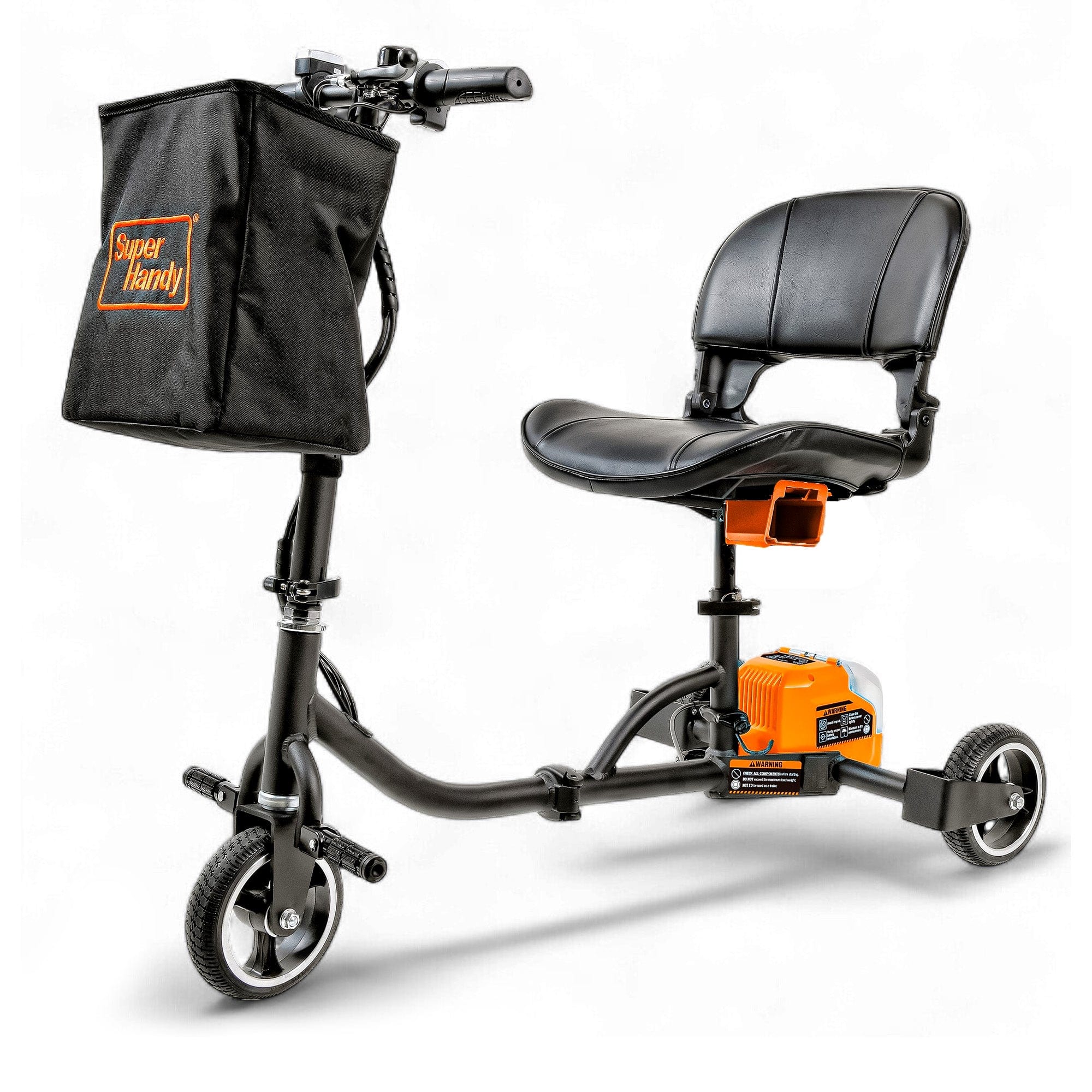
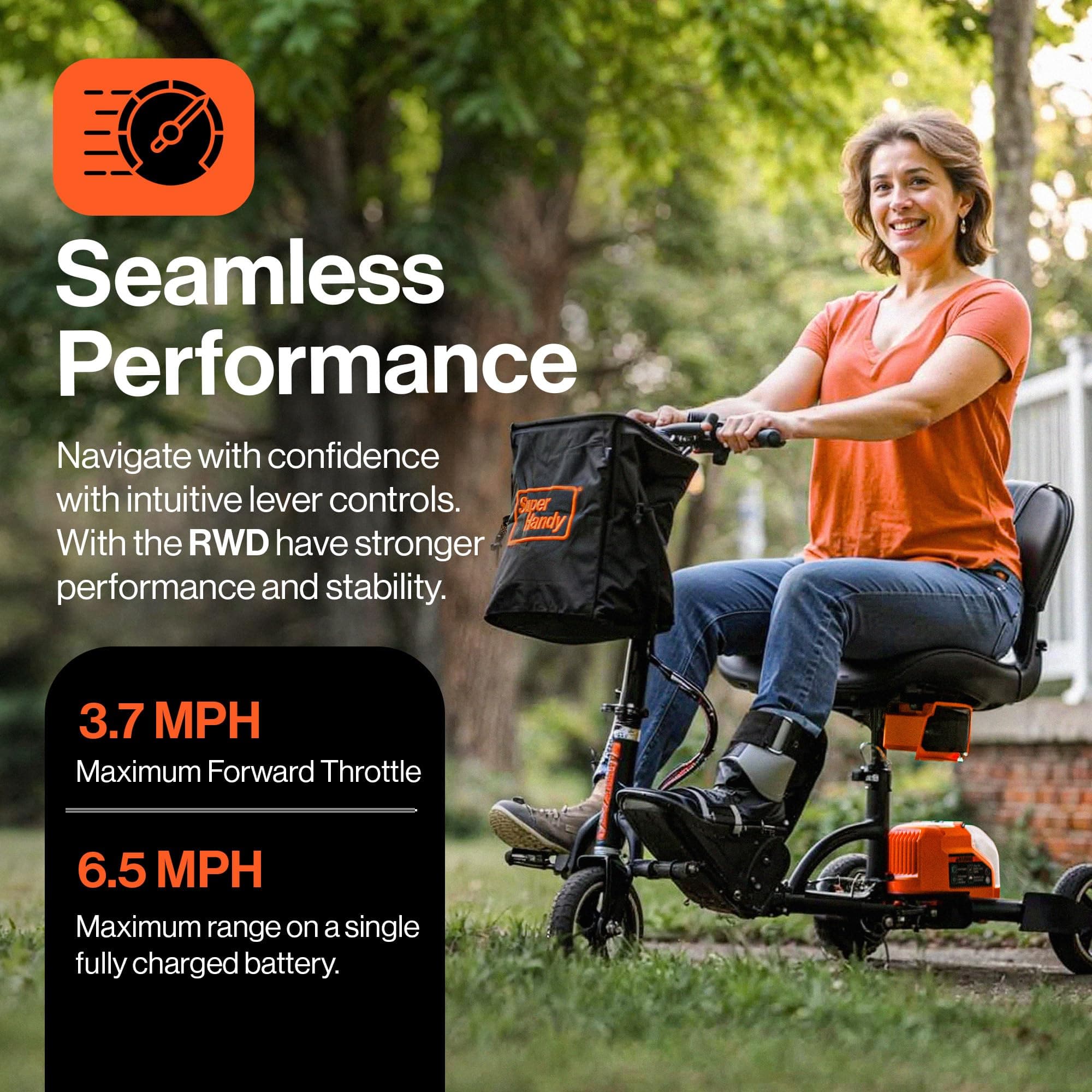
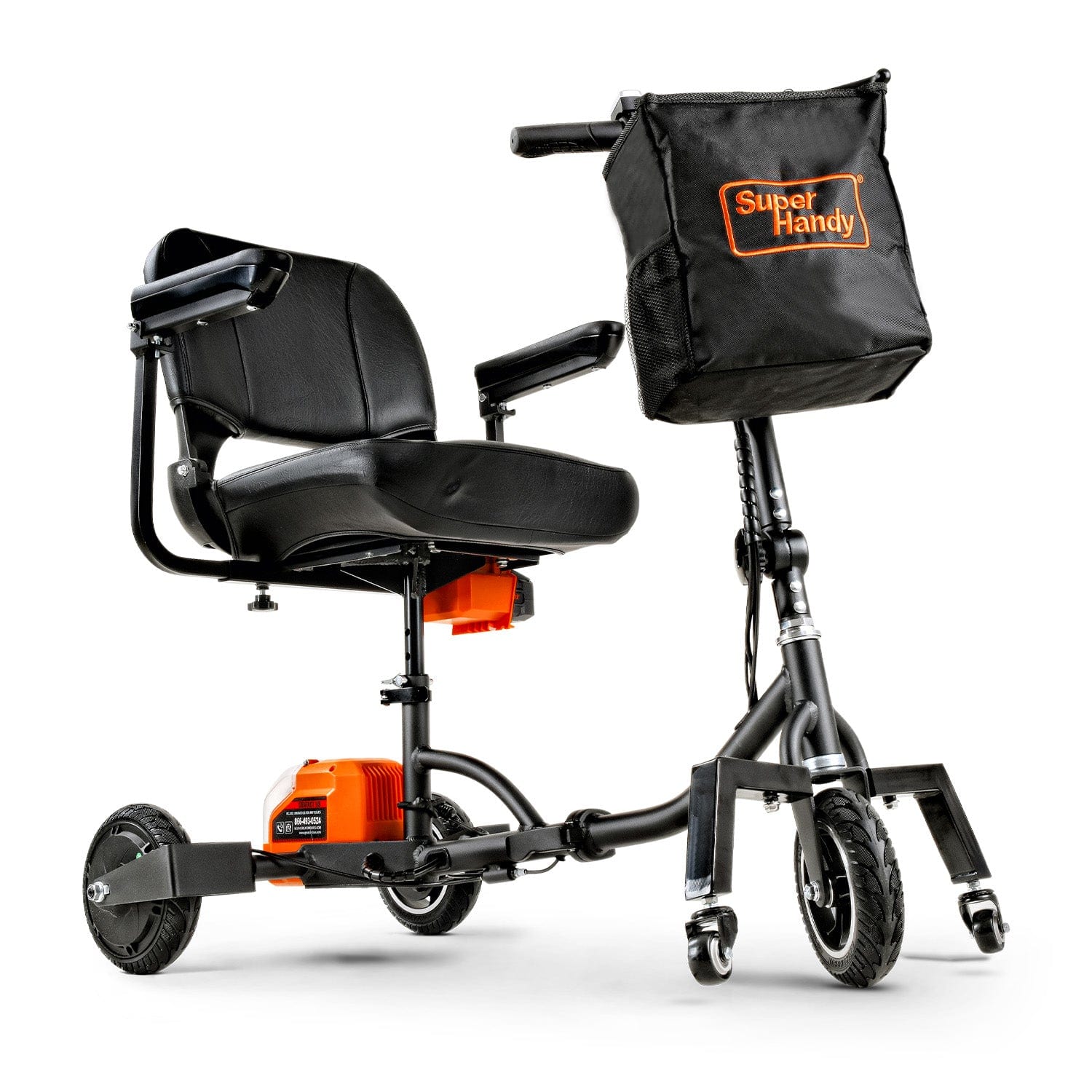
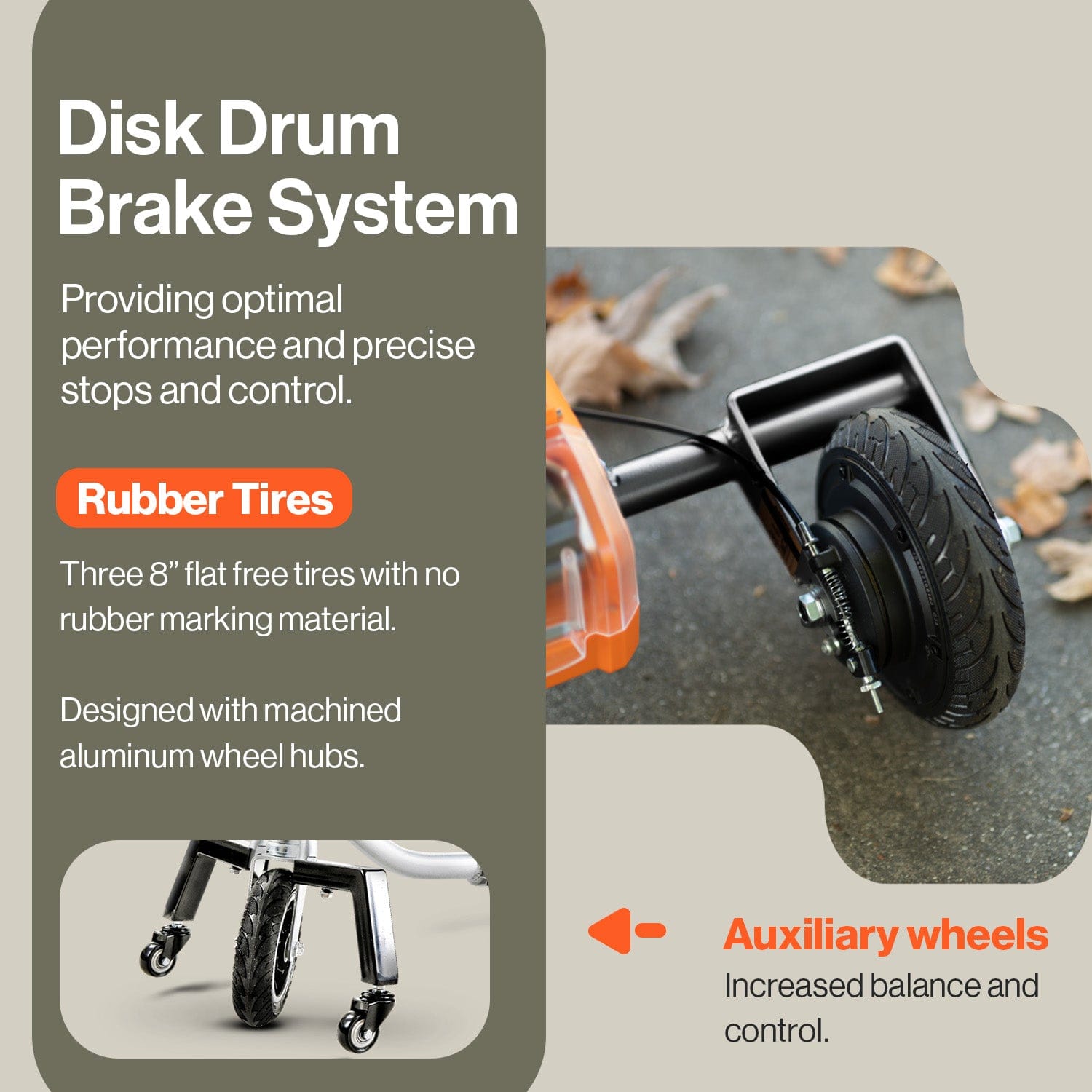
Consider not only the scooter itself but also the ecosystem of mobility assistance equipment. Some vendors, like SuperHandy, also offer solutions like Floor Lift Assistance and even a portable Bath lift to ensure accessibility extends beyond your travel adventures to your daily home life. A smart purchase considers your immediate travel needs and your long-term mobility requirements, ensuring you get the most value from your investment in freedom and independence.
Budgeting for Your Travel Scooter: Understanding Costs, Warranties, and Insurance
The cost of a mobility assistance equipments like a travel mobility scooter can vary significantly, typically ranging from $1,000 for basic models to over $4,000 for advanced, feature-rich options. Beyond the initial purchase price, factor in potential additional costs such as accessories (baskets, cup holders, extra batteries), shipping fees, and professional assembly if needed.
Warranties are crucial. Most reputable manufacturers offer a limited warranty covering the frame, motor, and electronic components for a certain period (e.g., 1-3 years). Batteries usually have a shorter warranty. Always understand what your warranty covers and for how long. An extended warranty might be a worthwhile investment for peace of mind.
Regarding insurance, check if your travel mobility scooter is covered under your home insurance policy for theft or damage, especially when traveling. Some travel insurance policies may also offer coverage for medical equipment. Researching these options beforehand can save you significant expense and stress if an unexpected issue arises.
Maximizing Your Scooter's Lifespan: Essential Maintenance and Storage Tips
Proper maintenance and storage are key to ensuring your travel mobility scooter remains reliable for years of adventures.
- Battery Care: This is paramount. Always follow the manufacturer's charging instructions. Avoid completely draining the battery, and charge it regularly, even when not in use for extended periods. Store the battery in a cool, dry place.
- Regular Cleaning: Keep your scooter clean by wiping it down regularly with a damp cloth. Avoid using harsh chemicals or excessive water, especially near electrical components.
- Tire Checks: Inspect tires for wear and tear, and ensure they are properly inflated if pneumatic. Refer to your owner's manual for recommended pressure.
- Routine Inspections: Periodically check all nuts, bolts, and fasteners to ensure they are secure. Listen for unusual noises during operation.
- Professional Servicing: Just like a car, your scooter can benefit from an annual professional check-up to ensure all components are functioning correctly and to address any potential issues before they become major problems.
- Proper Storage: When not in use, store your scooter in a dry, covered area away from extreme temperatures and direct sunlight. If it's a foldable model, ensure it's stored in its compact form to protect components.
Frequently Asked Questions About Travel Mobility Scooters
What distinguishes a travel mobility scooter from a standard mobility scooter?
Travel mobility scooters are specifically engineered for portability and ease of transport. Unlike larger, heavier standard models, travel scooters are typically more compact, lighter, and designed to either fold down or disassemble into smaller, manageable pieces without the need for tools. This makes them ideal for loading into car trunks, taking on public transport, or navigating airports and cruise ships. They prioritize convenience for the active traveler, often featuring lighter frames, smaller batteries (still powerful enough for travel), and designs that emphasize quick setup and breakdown. A lightweight mobility scooter is synonymous with a travel-friendly design, focused on giving you back your freedom on the go.

Are travel mobility scooters permissible on airplanes and cruise ships?
Yes, most travel mobility scooter models are designed with air and cruise travel in mind, but it’s crucial to check specific regulations with your airline or cruise line well in advance. The primary concern is typically the battery type. Lithium-ion batteries often have watt-hour (Wh) limits for carry-on luggage, while sealed lead-acid (SLA) or gel-cell batteries are generally allowed in checked baggage. Always inform your carrier when booking, and ensure your scooter’s battery is clearly labeled with its specifications. Many airlines require the battery to be disconnected and terminals insulated. Reputable travel scooters, like the Passport Flex 4 Wheel Power Mobility Scooter, are often designed to comply with common travel guidelines, offering peace of mind for your journey.
How do I choose the right travel mobility scooter for my personal adventures?
Selecting the perfect travel mobility scooter involves considering several factors tailored to your lifestyle. First, evaluate your typical travel needs: do you need it to disassemble easily for car transport, or fold compactly for public transit? Consider the terrain you'll encounter – a four-wheel model offers greater stability on varied surfaces, while a three-wheel version provides superior maneuverability in tight spaces. Weight capacity, battery range, and overall comfort are also paramount. It's essential to find a balance between portability and features that meet your specific requirements for comfort and functionality. You can explore a wide range of options suitable for various needs by visiting collections like Mobility scooters.
What's the typical battery life and range I can expect from a travel scooter?
The battery life and range of a lightweight mobility scooter vary significantly based on the battery type (lithium-ion, SLA), battery capacity (Ah or Wh), user weight, terrain, and speed settings. On average, most travel mobility scooters offer a range of 8 to 15 miles on a single charge, which is ample for a day of sightseeing, shopping, or navigating a cruise ship. High-performance models with larger batteries can extend this range further. Always check the manufacturer's specifications for estimated range and charging times. Remember that factors like hills, rough terrain, and frequent stops and starts can reduce the effective range.
Beyond travel scooters, what other mobility assistance equipment can enhance daily living?
While travel mobility scooter options offer unparalleled freedom for adventures outside the home, a comprehensive approach to mobility assistance equipments also includes solutions for everyday living. For enhancing safety and independence within your home, especially for transitioning between different levels or after a fall, equipment like Floor Lift Assistance can be invaluable. These specialized lifts provide a safe and dignified way to get from the floor to a seated or standing position. Additionally, for maintaining personal hygiene with ease and safety, a Bath lift can transform your bathroom into a more accessible and comfortable space, allowing you to enjoy bathing without assistance or risk. These tools collectively empower individuals to live more independently, both at home and while traveling.
How important is maintenance for a travel mobility scooter?
Maintaining your travel mobility scooter is crucial for ensuring its longevity, reliability, and safe operation, especially given the varying conditions it might encounter during travel. Regular checks of tire pressure (if applicable), battery terminals, and all moving parts are recommended. Keep your scooter clean, wipe away dirt and debris, and ensure it's stored in a dry place. The battery is the heart of your scooter; follow the manufacturer's guidelines for charging and storage to maximize its lifespan. Proper maintenance not only extends the life of your scooter but also ensures it performs optimally, providing you with consistent freedom and independence wherever your travels take you.
Related Products

Leave a comment
All comments are moderated before being published.
This site is protected by hCaptcha and the hCaptcha Privacy Policy and Terms of Service apply.