




















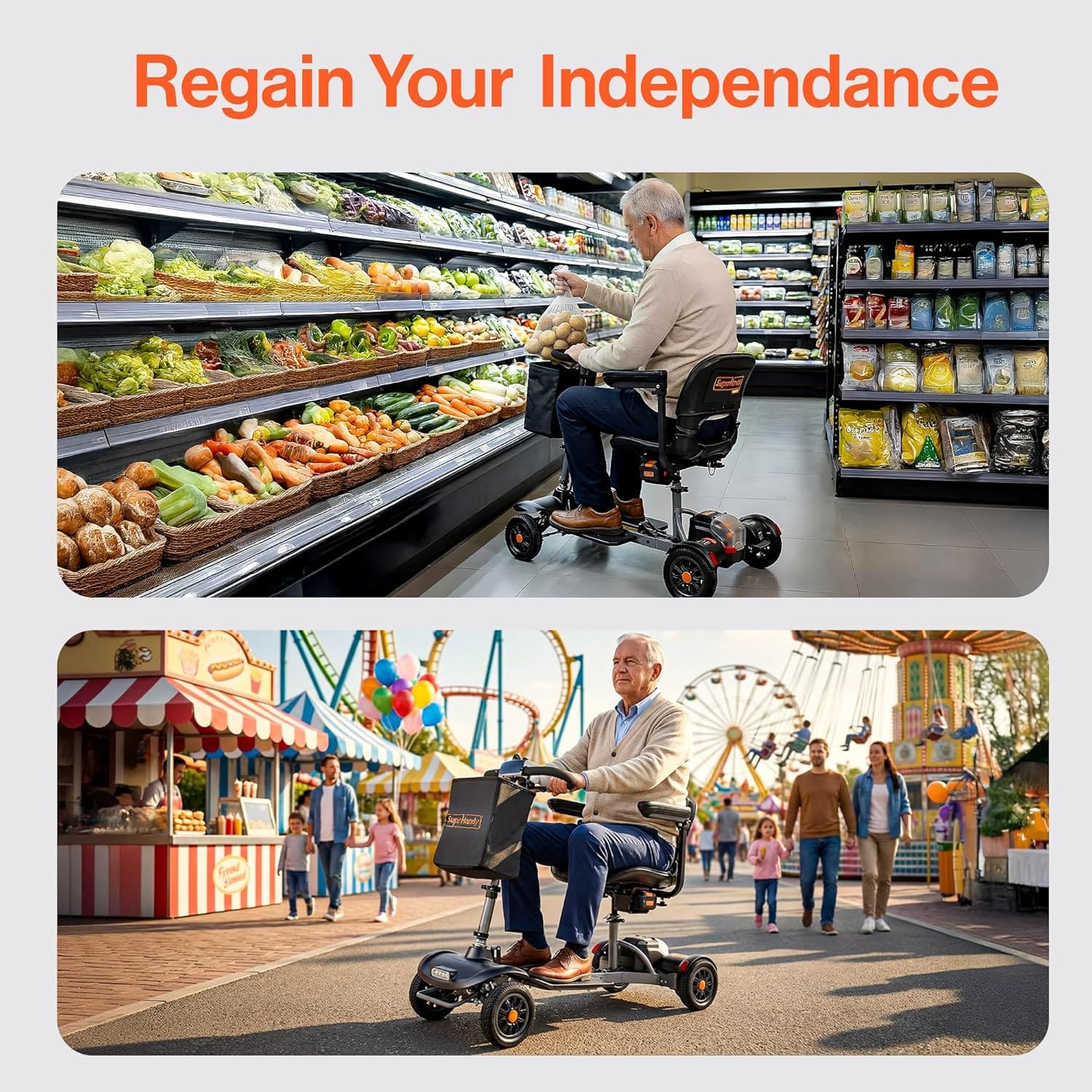
For millions of people worldwide, personal mobility is the bedrock of independence. It's the ability to visit a local park, shop for groceries, or simply meet a friend for coffee. When physical limitations arise, this fundamental freedom can feel distant. This is where the mobility scooter becomes more than just a device; it becomes a lifeline, a bridge to community, and a powerful tool for reclaiming an active lifestyle. But the story doesn't end there. We are on the cusp of a technological revolution, and the innovation shaping the future of mobility scooters matters more than ever. It’s about moving beyond basic transportation and creating intelligent, responsive partners that empower users with unprecedented safety, comfort, and freedom.
Overcoming Traditional Barriers: The Evolving Landscape of Mobility Scooter Design
For years, the perception of mobility scooters was often tied to bulky, heavy, and utilitarian designs. These traditional models, while functional, presented significant barriers. They were difficult to transport in a standard car, cumbersome to navigate in tight spaces like grocery store aisles, and often lacked the aesthetic appeal that encourages proud, confident use. The industry has heard these concerns loud and clear.

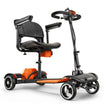
The modern landscape of mobilized scooters is a testament to user-centric innovation. Manufacturers are now prioritizing sleek, lightweight, and even foldable designs without sacrificing durability. The focus has shifted from a one-size-fits-all approach to a diverse market of specialized Mobility Scooters that cater to different lifestyles. From compact, travel-friendly models that can be easily stored in a car trunk to more robust, all-terrain options, today's designs are dismantling old stereotypes and making independent mobility more accessible and stylish than ever before.
Addressing Range Anxiety and Battery Limitations in Current Models
One of the most significant psychological hurdles for any electric vehicle user is "range anxiety"—the fear of the battery dying before reaching a destination or a charging point. For a mobility scooter user, this anxiety can be particularly acute, potentially discouraging longer trips and limiting spontaneous outings. This fear has historically been compounded by older, heavy lead-acid batteries that offered limited range and required long charging times.
The leap forward in battery technology, particularly the widespread adoption of lithium-ion batteries, is a game-changer. These advanced power sources are significantly lighter, which contributes to the overall portability of the scooter. More importantly, they offer a greater energy density, translating to longer ranges on a single charge. Users can now confidently plan full-day excursions, knowing their scooter has the stamina to keep up. Furthermore, these modern batteries can often be charged faster and have a much longer overall lifespan, providing both better performance and greater long-term value.
Enhancing User Comfort and Ergonomics Through Advanced Design
Innovation isn’t just about speed and distance; it's about the quality of the journey. A scooter that is uncomfortable to ride for extended periods is a scooter that will be used less often. Recognizing this, designers are placing a renewed emphasis on ergonomics and user comfort, ensuring the machine adapts to the person, not the other way around.
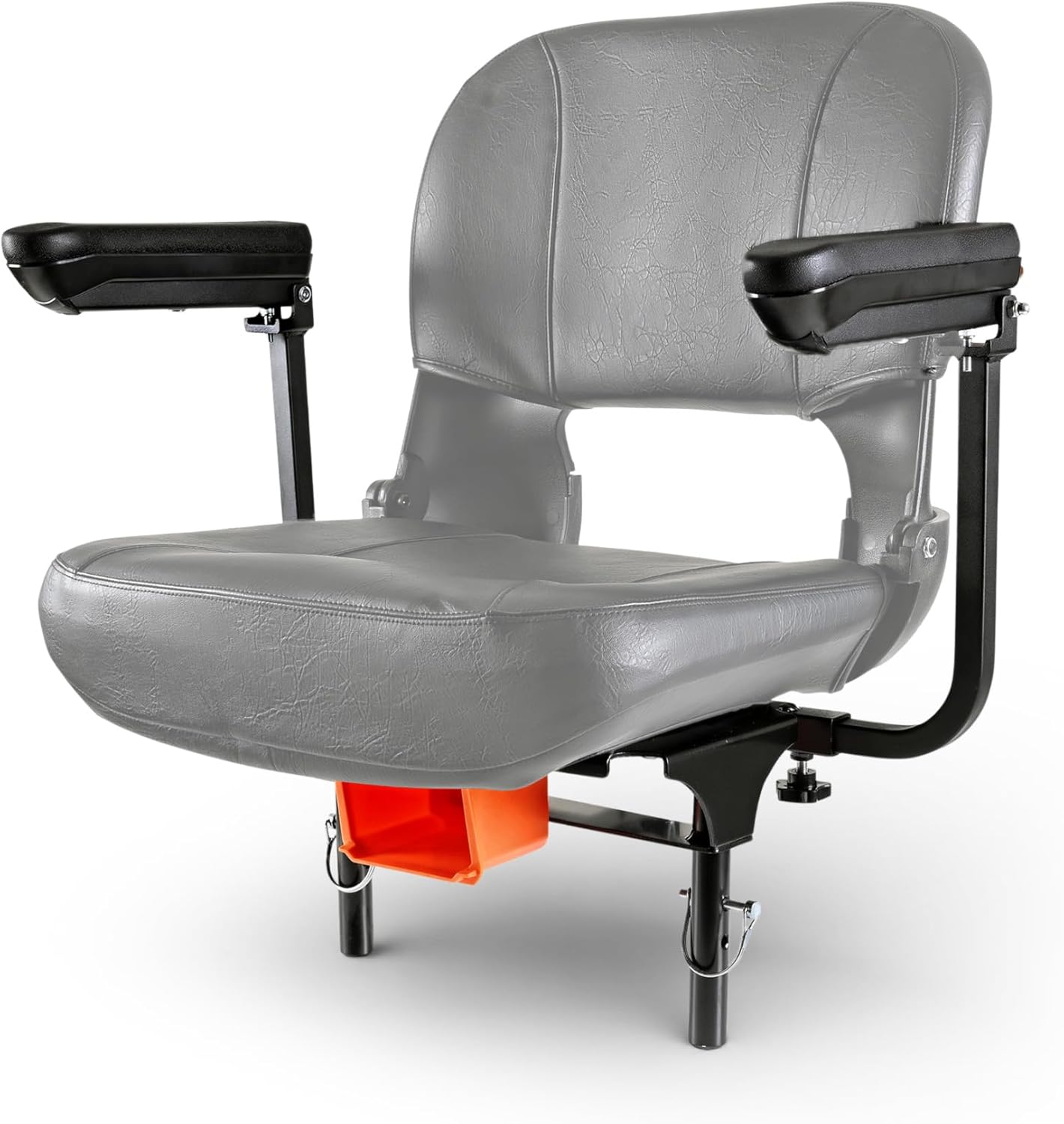
This focus manifests in several key areas. Advanced suspension systems, once reserved for high-end models, are becoming more common, providing a smoother ride over uneven surfaces like cracked sidewalks or cobblestone paths. Seats are no longer static; they are highly adjustable, often featuring memory foam padding, lumbar support, and swivel capabilities to make getting on and off easier. Tiller columns (the steering handle) are also becoming more adaptable, allowing users to find the perfect arm position to reduce shoulder and back strain. These thoughtful ergonomic enhancements transform the user experience from merely functional to genuinely comfortable and supportive.
Revolutionary Technologies Driving the Next Generation of Mobility Scooters
The mobility scooter of tomorrow is more than just a means of getting from point A to B; it's a sophisticated, connected, and highly intuitive partner in independence. The leap forward isn't just about incremental improvements—it's about a fundamental reimagining of what mobilized scooters can do. Groundbreaking advancements in autonomous navigation, material science, and smart connectivity are converging to create a new class of devices that are safer, more portable, and deeply integrated into the user's health and lifestyle.
Autonomous Features and Advanced Navigation Systems for Enhanced Safety
Imagine a mobility scooter that can navigate a crowded supermarket aisle on its own or automatically find its way back to a designated parking spot. This is the promise of autonomous technology. Drawing inspiration from the self-driving car industry, future mobility scooters are being developed with a suite of sensors like LiDAR, radar, and advanced cameras.
These systems work together to create a 360-degree view of the environment, enabling features such as:
- Intelligent Obstacle Avoidance: The scooter can automatically slow down or steer around pedestrians, curbs, and unexpected barriers, significantly reducing the risk of collisions.
- Automated Parking: With the press of a button on a smartphone app, the scooter could park itself in a tight space or retrieve itself from across the room.
- "Follow Me" Mode: This feature would allow the scooter to autonomously follow a caregiver or family member through complex environments like airports or shopping centers.
- GPS Wayfinding: Integrated smart GPS can guide users along accessible, pre-planned routes, providing verbal turn-by-turn directions and avoiding stairs or rough terrain.
These features aren't just for convenience; they provide a critical layer of safety, offering peace of mind to both users and their loved ones.
Lightweight Materials and Modular Designs for Unprecedented Portability
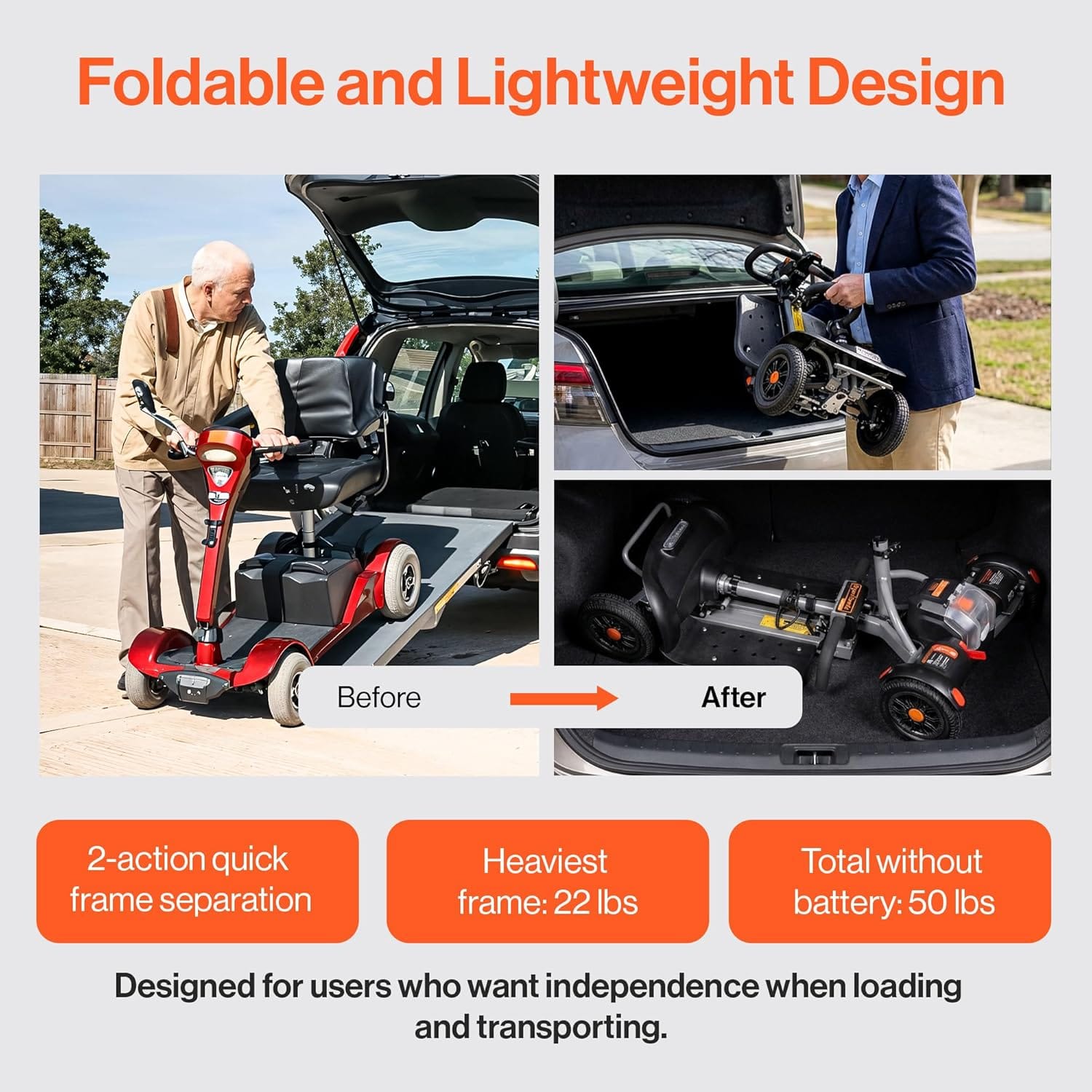
One of the most significant historical drawbacks of mobility scooters has been their weight and bulk. Lifting a heavy, cumbersome scooter into a car trunk is a major barrier to travel and spontaneity. The next generation of Mobility Scooters is tackling this head-on with advanced materials and innovative modular designs.
Engineers are increasingly using materials like carbon fiber, magnesium alloys, and graphene-infused polymers—the same materials found in aerospace and high-performance sports equipment. These materials offer incredible strength and durability at a fraction of the weight of traditional steel frames. The result is a mobility scooter that is not only easier to lift and handle but also more energy-efficient.

Furthermore, modularity is changing the game. Instead of a single, heavy unit, future designs allow for quick, tool-free disassembly into several lightweight, manageable pieces. This makes storage and transportation incredibly simple, empowering users to travel more freely and independently without needing assistance.
Smart Connectivity and Telehealth Integration for Proactive Care
The integration of the Internet of Things (IoT) is transforming the mobility mobility scooter from a simple vehicle into a smart health and wellness device. Through Bluetooth and Wi-Fi connectivity, scooters can sync with a dedicated smartphone app, unlocking a world of proactive features:
- Remote Diagnostics: The scooter can monitor its own battery health, motor performance, and tire pressure, sending alerts to the user or a service technician before a problem becomes serious.
- Emergency Assistance: Built-in gyroscopes and accelerometers can detect a fall or a sudden stop. If the user doesn't respond to a prompt, the system can automatically alert emergency contacts or first responders with the user's precise GPS location.
- Telehealth Integration: The scooter's control system could potentially link with a user's other health devices, such as heart rate monitors or blood oxygen sensors. This data could be shared securely with healthcare providers, offering a more complete picture of a user's daily activity and well-being.
Sustainable Power Sources and Rapid Charging Capabilities
The days of heavy, slow-charging lead-acid batteries are numbered. The future of power for mobilized scooters is lighter, faster, and far more sustainable. We are already seeing a significant shift toward high-density lithium-ion batteries, similar to those found in electric vehicles and smartphones. These modern power cells not only reduce the overall weight of a Mobility Scooters but also offer a longer range and a dramatically extended lifespan.
Looking ahead, the next revolution will be in charging speed and convenience. Imagine rapid-charging technology that can bring a scooter from empty to 80% charge in under an hour, eliminating long downtimes. We can also anticipate the rise of wireless inductive charging. Users could simply park their scooter on a designated mat in their home, and it would begin charging automatically—no fumbling with plugs or cables. Furthermore, innovations like regenerative braking, which captures energy during deceleration to recharge the battery, and the integration of small, high-efficiency solar panels on canopies will push sustainability and off-grid capabilities to new heights.
Advanced Safety Sensors and Collision Avoidance Systems
Inspired by the driver-assist technologies in modern cars, the next generation of mobility mobility scooters will be equipped with an intelligent suite of safety features. While current models rely on basic horns and lights, future scooters will use a multi-sensor approach to create a 360-degree awareness of the user's surroundings.

This "digital cocoon" will be powered by a combination of technologies:
- Ultrasonic Sensors: Perfect for detecting nearby obstacles like curbs, furniture, or pedestrians at low speeds.
- LiDAR (Light Detection and Ranging): Creates a detailed, real-time 3D map of the environment, allowing the scooter to identify potential hazards with incredible precision.
- AI-Powered Cameras: These systems can not only see obstacles but also identify and classify them—differentiating between a person, a pet, or an inanimate object.
When a potential collision is detected, the system can provide escalating alerts, from an audible beep or a haptic vibration in the handlebars to, in critical situations, automatically slowing or stopping the scooter. This proactive safety net provides invaluable peace of mind, especially for users navigating crowded spaces or those with slower reaction times.
Transforming Daily Life: How Future Mobility Scooters Foster Greater Independence
These technological leaps aren't just about impressive features; they are about fundamentally transforming daily life and empowering users with unprecedented independence. The combination of longer-lasting, fast-charging batteries and advanced safety systems directly dismantles the barriers of fear and anxiety that can limit a person’s world.
A longer range means the freedom to make spontaneous trips to the park, visit friends across town, or run multiple errands without meticulously planning every stop around a charging schedule. Advanced collision avoidance gives users the confidence to navigate bustling supermarkets, busy sidewalks, and community events without the constant fear of an accident. This shift reduces reliance on caregivers and family members, fostering a profound sense of self-sufficiency and dignity. Ultimately, a future mobility scooter isn’t just a device for getting from point A to B—it’s a key that unlocks a more active, spontaneous, and socially engaged life.
Seamless Urban Mobility and Public Transport Integration
True independence requires the ability to navigate the entire urban landscape, not just the immediate neighborhood. The future of mobilized scooters is one of seamless integration with public transportation systems. This begins with design innovations focused on portability, such as the use of carbon fiber and aluminum alloys to drastically reduce weight, and advanced one-touch auto-folding mechanisms.
Beyond physical design, smart connectivity will be the game-changer. Imagine your mobility scooter’s navigation app communicating directly with your city’s transit authority. It could plot a route that includes a bus or train, confirm that the upcoming vehicle is ADA-accessible, and even notify the driver that a scooter user is waiting at the stop. This "first-mile, last-mile" solution bridges the gap between a user’s front door and the public transport network, making entire cities accessible and enabling participation in a wider range of activities without the need for specialized transportation services.
Personalization and Adaptive Features for Diverse User Needs
The era of one-size-fits-all mobility solutions is ending. The future of the mobility scooter is deeply personal, recognizing that every user has a unique set of needs, physical abilities, and preferences. Innovation is shifting from generic models to highly adaptive platforms that can be tailored to the individual.
This goes beyond simple seat height adjustments. Future mobilized scooters will feature modular components, allowing users to swap out control interfaces—from standard tiller steering to joystick controls for those with limited hand dexterity. Programmable user profiles will enable riders or their caregivers to set custom speed limits, acceleration sensitivity, and turning radius, ensuring a ride that feels both safe and empowering. Imagine a scooter that automatically adjusts its suspension based on the terrain detected by its sensors or a seat that contours to the user's body throughout the day to prevent pressure sores. This level of customization ensures that as a user's needs change over time, their scooter can adapt with them, extending its useful life and enhancing their quality of life. Finding the right foundation for this customization starts with exploring the diverse options available in today's market of Mobility Scooters.
Frequently Asked Questions About Future Mobility Scooters
As technology advances, it's natural to have questions about what these changes mean for users. Here we address some of the most common inquiries about the next generation of mobility scooters.
How Will AI Improve Mobility Scooter Safety and Navigation?
Artificial Intelligence (AI) is poised to be the single most transformative technology in the mobility sector, acting as a "smart co-pilot" for riders. Its impact will be most profound in the areas of safety and navigation.
For safety, AI-powered systems will use a suite of sensors—like LiDAR, cameras, and ultrasonic sensors—to create a 360-degree awareness of the scooter's environment. This enables advanced collision avoidance, where the scooter can automatically slow down or stop if a pedestrian, pet, or obstacle suddenly appears in its path. According to research on assistive technologies published by institutions like the IEEE, AI can also monitor rider behavior to detect signs of fatigue or distress and can even include automatic fall detection that alerts emergency contacts.
In terms of navigation, AI will make getting around simpler and more accessible. GPS and smart mapping will go beyond simple directions. An AI-driven navigation system could plot a route to the grocery store that specifically avoids steep hills, high curbs, or broken pavement, based on real-time city data. Voice commands will become standard, allowing users to simply say, "Take me to the pharmacy," and the scooter will chart the safest, most accessible course. For navigating crowded indoor spaces like malls or airports, AI could enable a "follow-me" mode, allowing the scooter to autonomously trail a companion at a safe distance, removing the stress of navigating through crowds.
Related Products


Leave a comment
All comments are moderated before being published.
This site is protected by hCaptcha and the hCaptcha Privacy Policy and Terms of Service apply.