












When you hear the term "car dolly," your mind likely pictures a dusty auto shop, a classic car restoration project, or a vehicle being towed. For years, that was their primary domain. But in today's world, where space is a premium and efficiency is paramount, these unassuming tools are breaking free from the garage. They are becoming the unsung heroes of modern small-space logistics, offering a powerful solution for moving heavy, awkward objects with precision and ease.
This guide explores how automotive car dollies have evolved into versatile problem-solvers for warehouses, workshops, retail stores, and even homes. We'll uncover why mastering the art of dolly moving is no longer just for mechanics—it's a critical skill for anyone looking to maximize their space and minimize physical strain.
Beyond the Garage: Reimagining Material Handling in Confined Areas
The fundamental genius of a car dolly lies in its ability to grant 360-degree mobility to an otherwise immobile object. Placing a heavy item on a set of dollies transforms it from a dead weight into a nimble object that can be pushed, pulled, and pirouetted into the tightest of corners. This simple concept has profound implications for material handling far beyond the automotive world.
Imagine a packed warehouse aisle where a forklift can't reach, a retail stockroom overflowing with seasonal inventory, or a home workshop where a large table saw needs to be moved to make room for a new project. In each scenario, the challenge is the same: how to move something heavy and bulky without superhuman strength, a crew of helpers, or the risk of damaging the item or its surroundings. This is where reimagining the use of automotive car dollies provides a breakthrough solution.

Navigating the Squeeze: The Challenges of Manual Movement in Restricted Environments
Attempting to move cumbersome objects manually in confined spaces is a recipe for inefficiency and injury. The primary challenges are a lack of leverage and a restricted range of motion. Pivoting a large crate or a heavy piece of machinery in a narrow hallway often involves a frustrating process of shuffling back and forth, risking scuffed walls, scraped floors, and damaged goods.
More importantly, it poses a significant safety risk. The physical strain of pushing and dragging heavy loads can lead to serious musculoskeletal injuries. According to the U.S. Bureau of Labor Statistics, overexertion and bodily reaction are consistently the leading causes of workplace injuries, many of which stem from improper material handling. Without the right tools, workers and individuals alike face an increased risk of back sprains, muscle tears, and other debilitating conditions. This inefficient and dangerous struggle highlights the urgent need for a smarter approach.
The Evolution of Maneuverability: From Basic Rollers to Advanced Dolly Systems
The concept of placing wheels under an object is ancient, but the modern car dolly represents a significant leap forward in design and capability. Early versions were often little more than simple steel plates with basic casters, functional but limited in weight capacity and smoothness of motion. As manufacturing and material science advanced, so did the dolly.
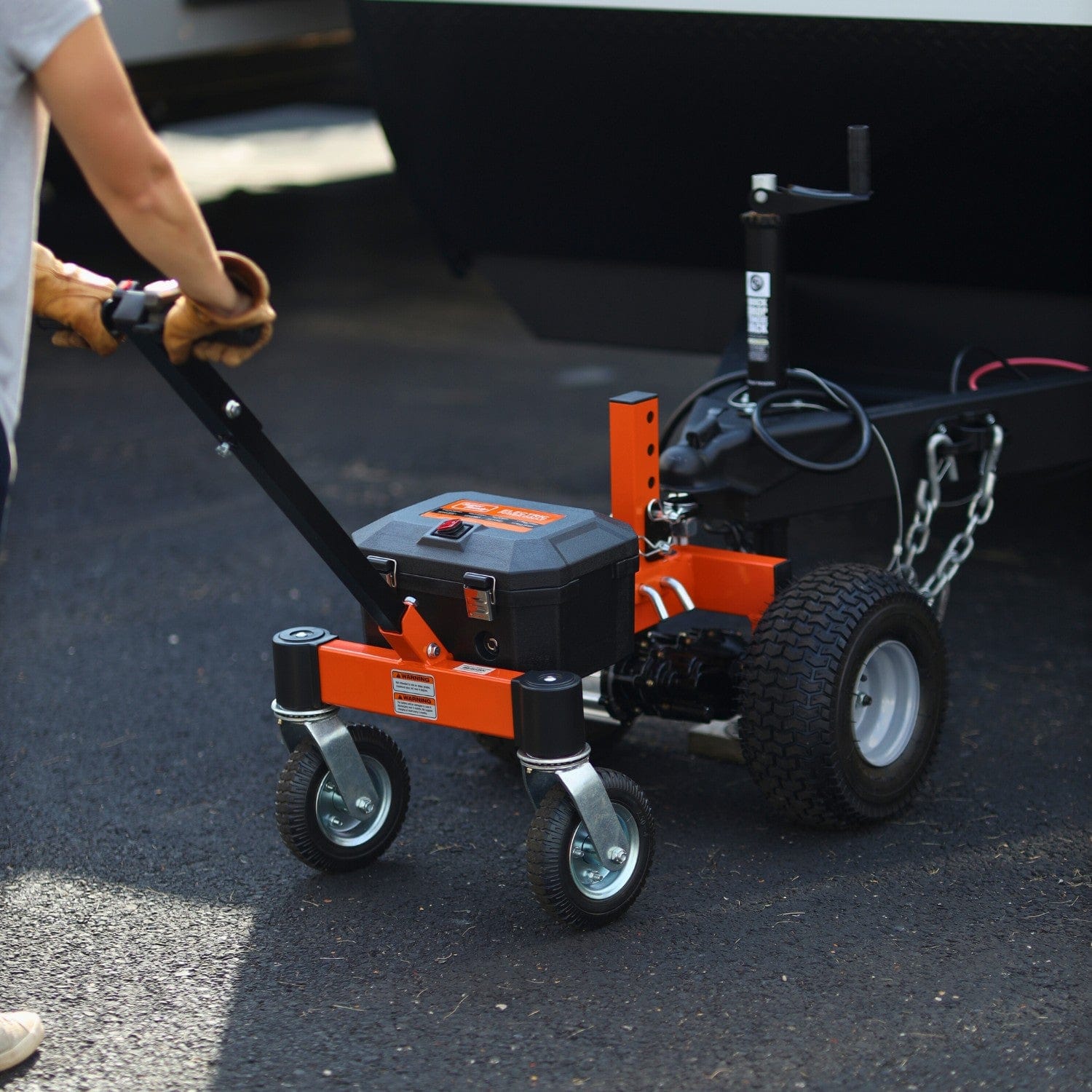
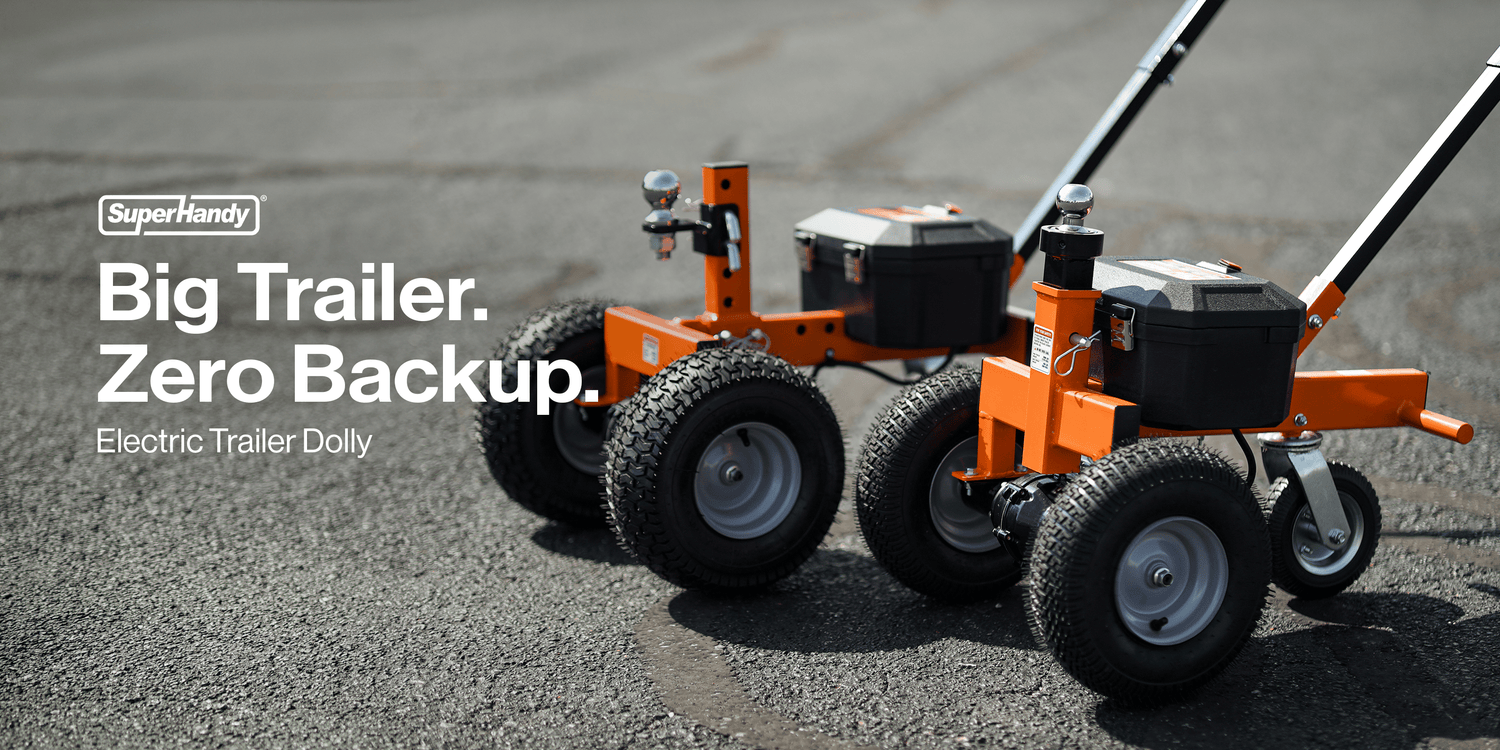
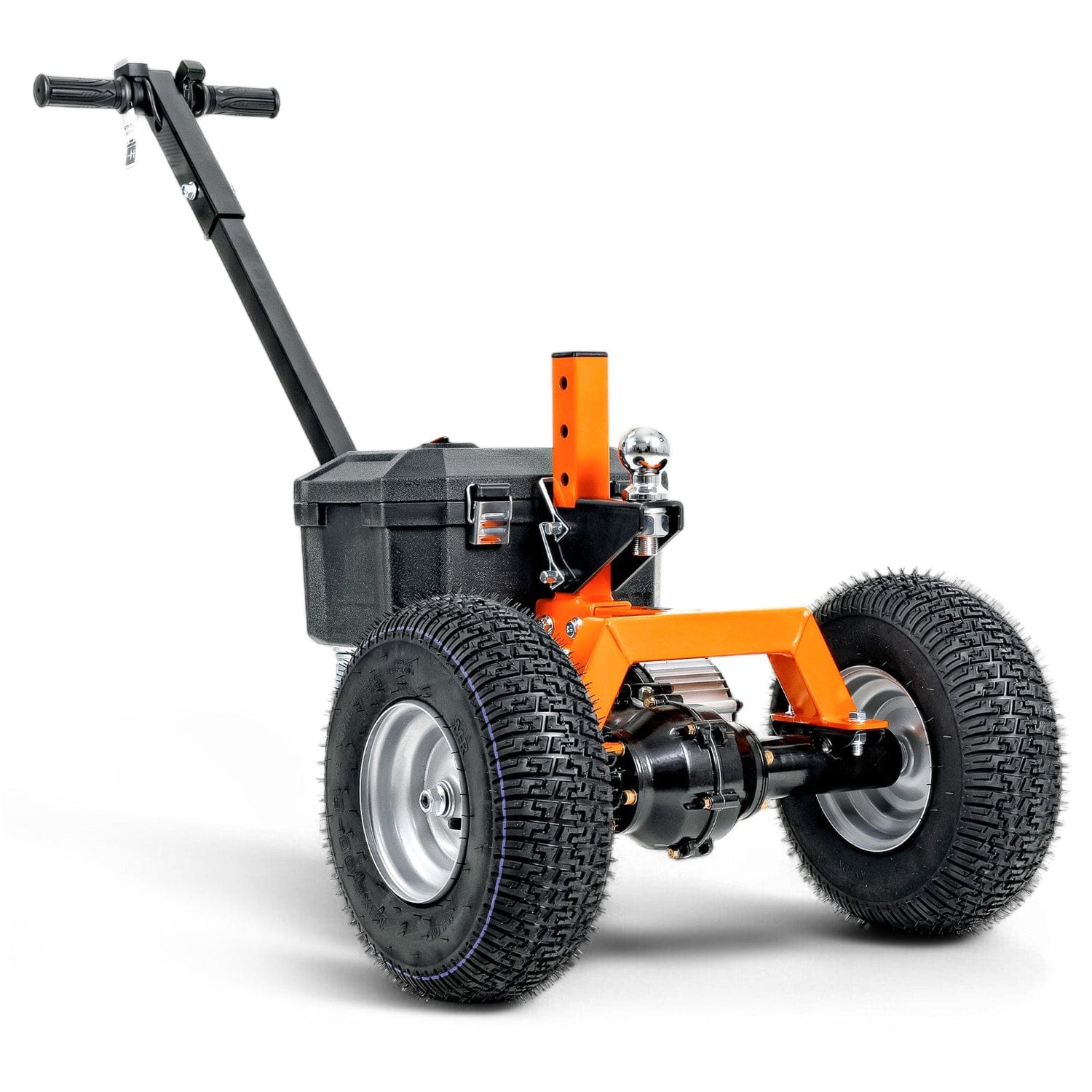
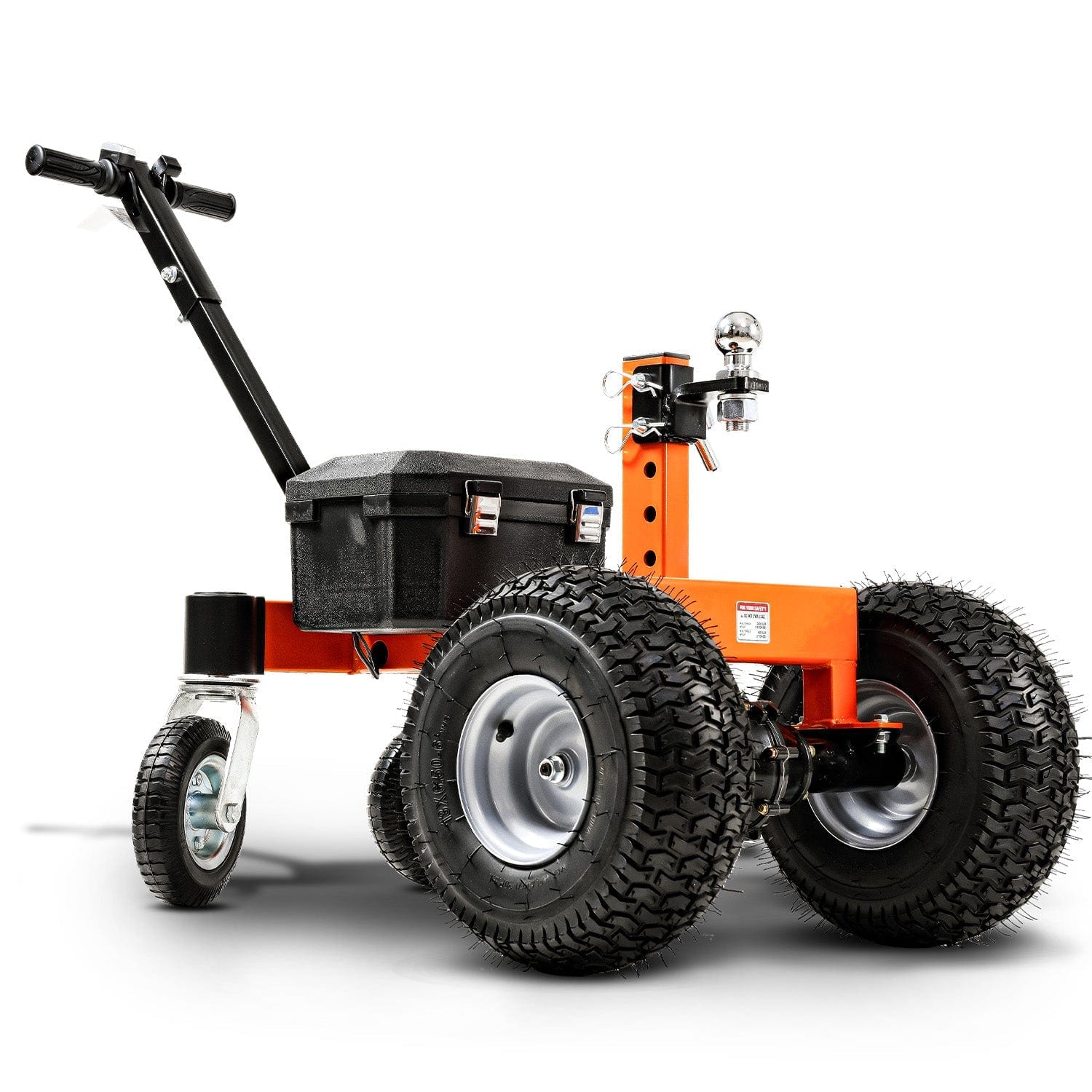
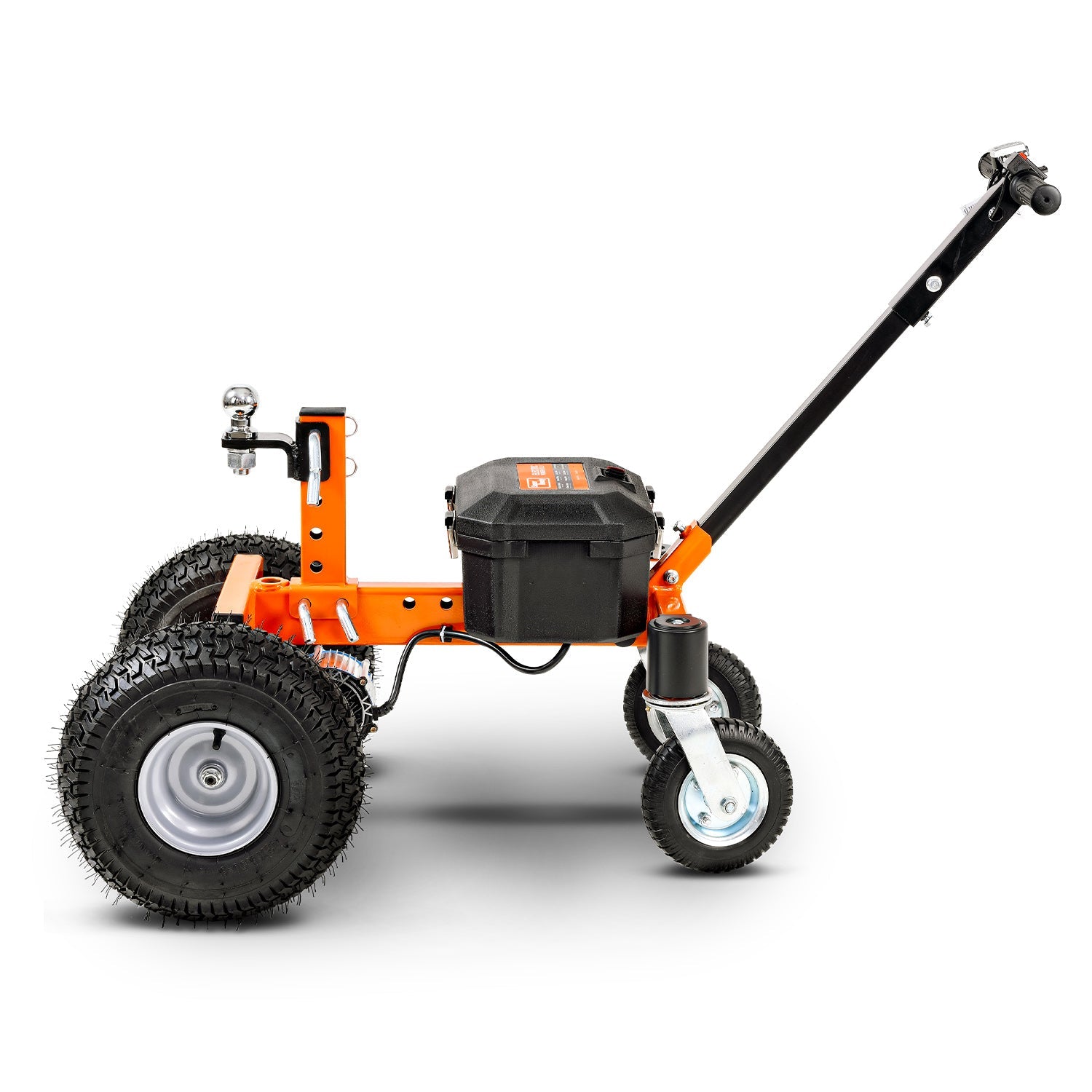
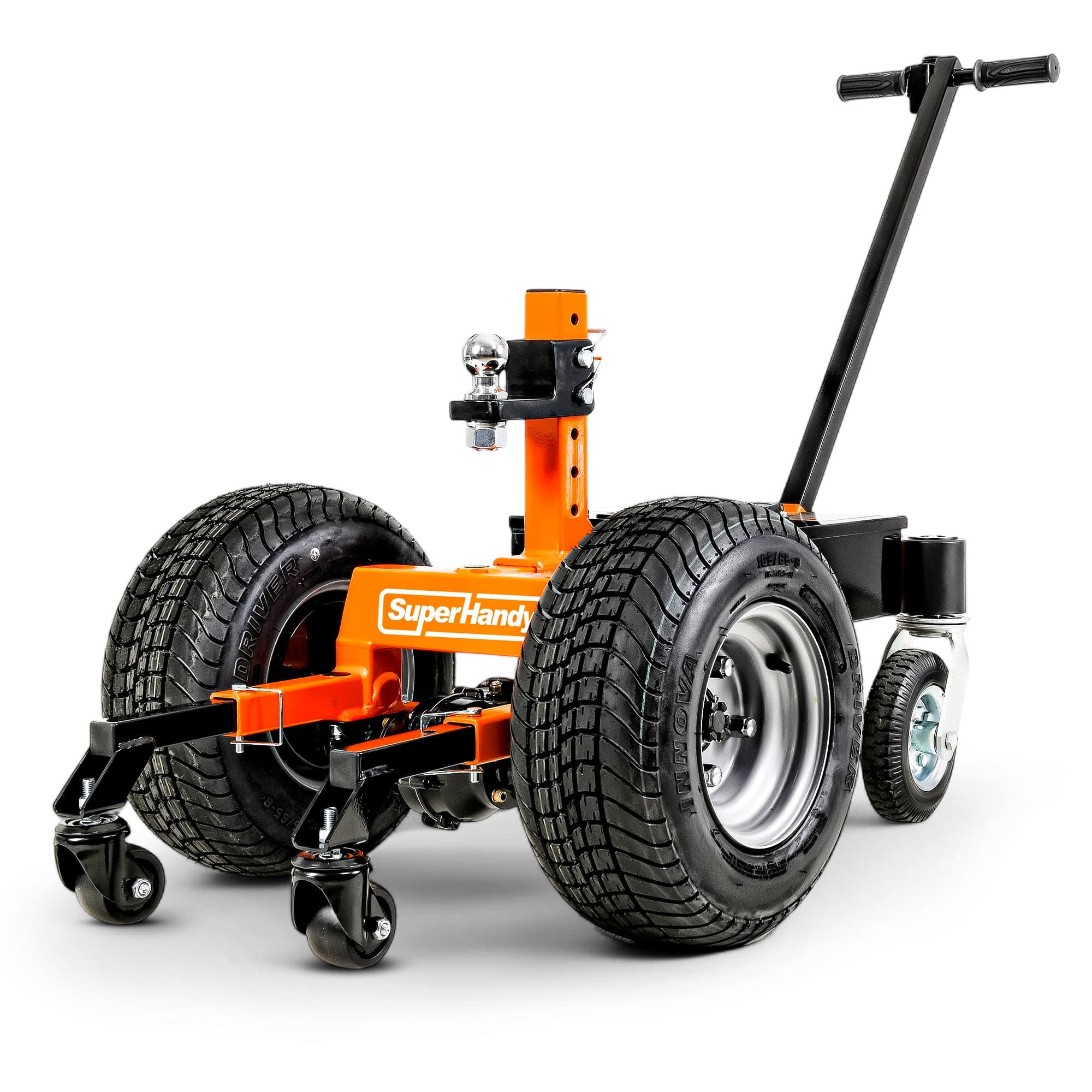
Today's high-quality car dollies feature robust steel construction, ball-bearing swivel casters for frictionless gliding, and impressive load ratings capable of supporting thousands of pounds per set. This evolution in engineering has unlocked new potential. The core principle of providing fluid, multi-directional movement has been adapted into a wide array of specialized tools. We now see this technology applied in everything from heavy-duty machinery skates to advanced, powered movers like the electric Trailer Dolly, which allows a single person to precisely maneuver massive trailers in tight quarters. This continuous innovation ensures that for every unique dolly moving challenge, a specialized solution is emerging.
Revolutionizing Industries: Unexpected Applications of Car Dollies Beyond Vehicle Storage
While "car" is in the name, the genius of the automotive car dolly lies in its fundamental design: providing a high-capacity, low-profile, and multi-directional platform for moving immense weight. Once you look past the vehicle, you realize this simple tool is a powerful solution for complex logistical challenges in nearly any environment. The same principles that allow a single person to glide a two-ton sedan across a garage floor can be applied to revolutionize how we handle heavy and awkward objects in spaces large and small.
Streamlining Retail Operations and Warehouse Management
In the fast-paced world of retail and logistics, space is money and efficiency is paramount. Traditional tools like forklifts and pallet jacks require significant clearance and trained operators. This is where a high-quality car dolly set becomes a game-changer for "last-foot" logistics.
Imagine reconfiguring an entire seasonal retail display in under an hour without dismantling it. By placing dollies under the corners of heavy shelving units, gondolas, or large product displays, staff can effortlessly reposition entire sections of a store. In warehouses, they are invaluable for moving crated goods, machinery, or oversized items through narrow aisles or into tight corners inaccessible to larger equipment. This application of dolly moving not only speeds up operations but also dramatically reduces the risk of property damage and employee strain.

Enhancing Home Organization and Workshop Efficiency
For the dedicated DIYer, home mechanic, or woodworker, the workshop is a sanctuary that can quickly become cluttered and immobile. Heavy equipment like table saws, tool chests, workbenches, and project assemblies often become permanent fixtures, limiting the flexibility of the space.
Automotive car dollies transform a static workshop into a dynamic, modular environment. Place your rolling tool cabinet or heavy-duty workbench on a set of dollies to easily move it for cleaning or to create a larger assembly area. A single person can now safely and easily relocate a large gun safe, a freezer, or even a partially built boat hull. This simple upgrade unlocks the full potential of your workspace, making it more organized, accessible, and efficient.
Enabling Precise Movement of Heavy Machinery and Equipment
The true power of these tools is most evident when precision is non-negotiable. Moving industrial equipment—like CNC machines, large generators, server racks, or commercial HVAC units—is a high-stakes task. A slight misalignment can cause damage or significant delays.
Because each car dolly swivels on independent casters, they provide 360-degree maneuverability. This allows for the kind of fine-tuned, millimeter-perfect adjustments that are nearly impossible with more rigid moving equipment. Using proper moving equipment is not just about efficiency; it's a critical safety measure. According to the Occupational Safety and Health Administration (OSHA), overexertion and improper handling of heavy objects are leading causes of workplace injuries. Dollies mitigate this risk by bearing the load.
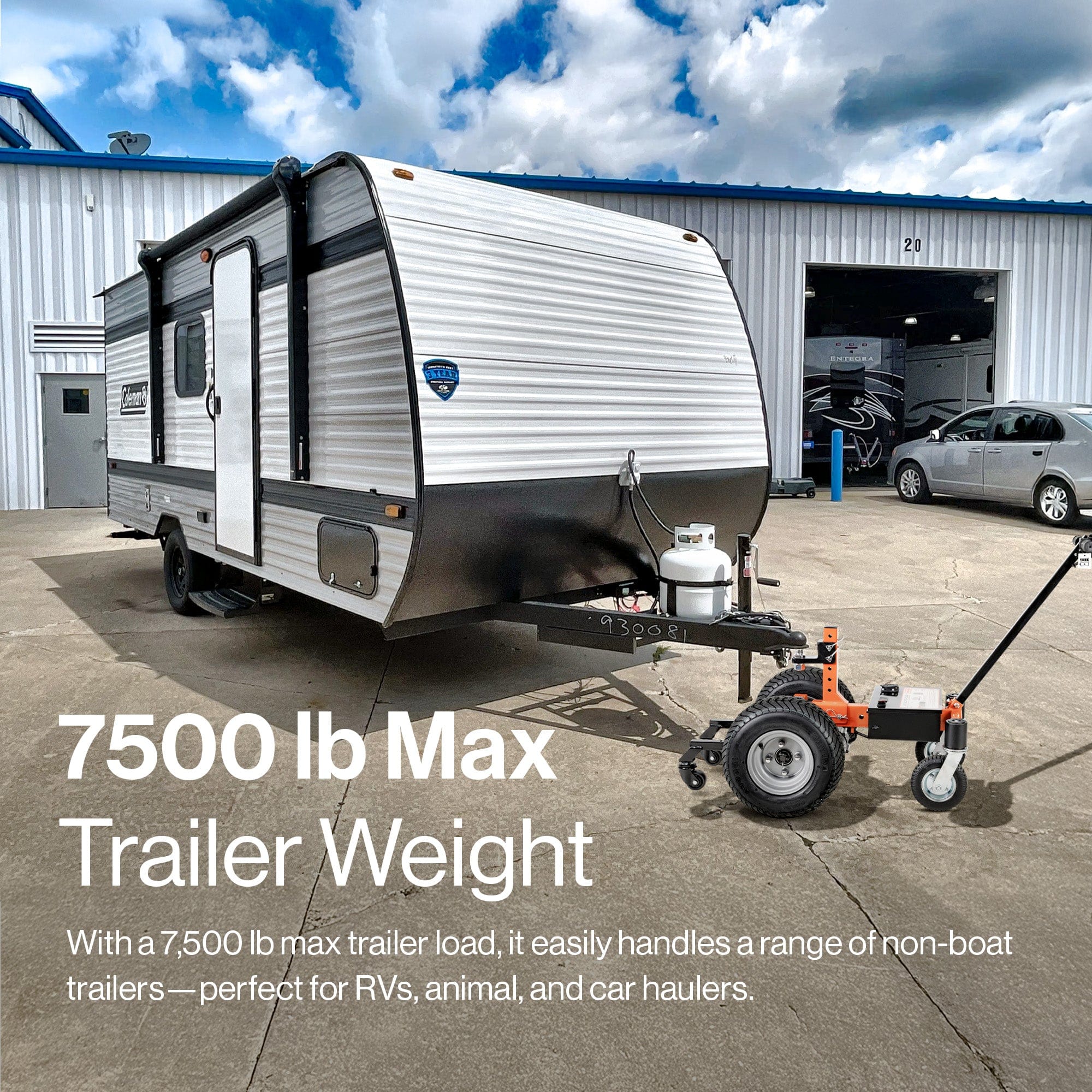
This principle of specialized, load-bearing mobility extends to other tools designed for specific tasks. For instance, when maneuvering a boat, RV, or utility trailer in a tight space without a tow vehicle, a purpose-built Trailer Dolly provides the necessary leverage and control, proving that the right dolly can solve almost any heavy-duty positioning challenge.
The Strategic Advantage: How Car Dollies Deliver Tangible Benefits for Businesses and Individuals
Beyond simply moving a vehicle from point A to point B, incorporating high-quality automotive car dollies into your workflow is a strategic decision that pays measurable dividends. For businesses, this translates to a healthier bottom line and a safer workforce. For individuals, it means reclaiming valuable space and transforming difficult chores into simple tasks. Let's break down the core advantages that make car dolly systems an indispensable tool in modern logistics.
Boosting Productivity and Reducing Labor Costs
In any commercial or home workshop, time is money and effort is a finite resource. The traditional method of moving an immobile vehicle or heavy object often requires a team of two, three, or even four people, involving careful coordination and significant physical exertion. This is where the power of a car dolly becomes immediately apparent.
A set of quality car dollies turns a multi-person job into a one-person task. A single operator can lift each corner of a vehicle and glide it effortlessly across a smooth floor. This efficiency gain is monumental. The time spent assembling a team is eliminated, and the dolly moving process itself is faster and more direct. For an auto body shop, this means quicker bay turnover. For a warehouse, it means reconfiguring floor space in minutes, not hours. By reducing the personnel and time required for each move, businesses directly lower their operational and labor costs, allowing skilled technicians and workers to focus on more valuable tasks.

Improving Safety and Preventing Workplace Injuries
Manually pushing and shoving heavy, awkward objects is one of the leading causes of workplace injuries. According to the U.S. Bureau of Labor Statistics, overexertion and bodily reaction are consistently the top causes of nonfatal injuries involving days away from work. Strains, sprains, and serious back injuries are all-too-common risks associated with manually maneuvering vehicles or heavy equipment.
Automotive car dollies are a powerful piece of ergonomic equipment that fundamentally changes this dynamic. By placing the load on a stable, low-friction platform, the dollies eliminate the need for dangerous pushing and pulling. The smooth-rolling casters do the work, requiring minimal force from the operator to initiate and control movement. This controlled, predictable motion drastically reduces the risk of sudden slips, muscle tears, or chronic strain. Investing in proper dolly moving equipment isn't just about efficiency; it's a critical investment in the long-term health and safety of your team.
Optimizing Space Utilization and Accessibility
Whether in a home garage, a classic car showroom, or a manufacturing facility, space is a premium. A vehicle or piece of machinery that can only roll forward and backward creates dead zones and limits how efficiently a floor plan can be used. Car dollies solve this by unlocking 360-degree mobility.
With a car on dollies, you can move it sideways into a tight space against a wall, spin it on its own axis, or nestle it perfectly into a corner, maximizing every available square foot. This "fluid" layout allows you to store more in less space and dramatically improves accessibility. Need to get to the workbench behind the project car? Simply glide the car out of the way. This principle of maximizing accessibility isn't limited to cars. For those dealing with campers, boats, or utility trailers in tight driveways, a specialized Trailer Dolly offers the same game-changing maneuverability. Ultimately, car dollies transform static, restrictive spaces into dynamic, highly efficient environments.
The Future of Nimble Logistics: Anticipating Innovations in Dolly Technology
The humble dolly has already proven its worth, but its evolution is far from over. The same principles of leverage and low-friction movement that make current automotive car dollies so effective are the foundation for a new generation of smart, powerful, and integrated logistics tools. As we look ahead, several key trends are set to redefine what these devices can do.

Smart Integration and IoT: The next frontier is connectivity. Imagine dollies equipped with sensors that communicate with a central warehouse management system. These "smart dollies" could report their location, the weight of their load, and even their maintenance status in real-time. This Internet of Things (IoT) integration would allow for unprecedented tracking and optimization, turning a simple tool into an active participant in a digital logistics network.
Automation and Robotics: The line between a dolly and a robot is beginning to blur. The rise of Autonomous Mobile Robots (AMRs) in large warehouses points to a future where dollies become self-propelled and self-guiding. A mechanic could summon a set of robotic car dollies with a tablet to automatically lift and transport a vehicle from a service bay to a storage area, all without human intervention. This leap in automation promises to drastically reduce labor and increase operational speed.
Advanced Materials and Power Systems: Innovation isn’t just digital; it’s also physical. The development of lighter yet stronger materials, such as carbon fiber composites and advanced alloys, will lead to dollies that are easier for personnel to handle but capable of carrying even heavier loads. Concurrently, advancements in battery technology and electric motors—similar to the powerful systems used in a modern Trailer Dolly—will enable more robust, longer-lasting, and precisely controlled powered dolly systems.
Frequently Asked Questions About Modern Car Dolly Applications
Can car dollies damage my floor?
This is a common and valid concern. The answer largely depends on the quality of the dollies and the type of floor. High-quality car dollies use non-marring casters made from materials like polyurethane, which are designed to roll smoothly on surfaces like sealed concrete, tile, or epoxy-coated floors without causing scuffs or scratches. Avoid using steel casters on delicate floors. It's also crucial to ensure the floor is clean and free of debris before moving a heavy load, as a small pebble caught under a wheel can cause damage under pressure.
What's the difference between car dollies and a trailer dolly?
While both are used for moving heavy wheeled objects, their functions are distinct. Car dollies, or automotive car dollies, are individual platforms placed under each tire of a vehicle. A set of four allows the entire car to be moved with 360-degree freedom, making them perfect for repositioning vehicles sideways into tight spaces. In contrast, a Trailer Dolly is a single, powered unit that attaches to the tongue or hitch of a trailer, boat, or camper. It's designed to make it easy to steer and park the trailer without needing to hitch it to a tow vehicle.
Are car dollies safe for one person to use?
For many applications, yes, but safety precautions are paramount. Hydraulic car dollies, which use a foot pump to lift the wheel, are typically designed for single-person operation. However, once the object is lifted, moving it requires careful and steady effort. Always work on a flat, level surface, ensure all caster locks are disengaged before moving and engaged when stationary, and move slowly to maintain control. For extremely heavy or cumbersome items, a second person is always recommended to act as a spotter.
Related Products


Leave a comment
All comments are moderated before being published.
This site is protected by hCaptcha and the hCaptcha Privacy Policy and Terms of Service apply.