














A trailer dolly is an indispensable tool for maneuvering boats, campers, and utility trailers into tight spaces where a tow vehicle can’t go. Whether you're using a robust manual model or a powerful electric trailer dolly, operating it safely is paramount. Improper use can lead to serious injury, costly damage to your trailer, or harm to surrounding property. This guide is dedicated to providing you with the essential safety knowledge to operate your trailer dolly with confidence and precision, ensuring every move is a safe one.
Why Safe Trailer Dolly Operation is Crucial: Minimizing Risk and Damage
It’s easy to underestimate the forces at play when moving a multi-thousand-pound trailer, even at low speeds. A trailer dolly concentrates this weight onto a small, mobile frame. A moment of inattention or a failure to follow proper procedures can quickly lead to a runaway trailer, a crushed foot, or a damaged vehicle.
The primary risks include:
- Personal Injury: The most severe risk. A trailer that rolls unexpectedly can cause crushing injuries. Straining to control a mismatched or overloaded dolly can also lead to muscle pulls and back injuries.
- Property Damage: Losing control can send your trailer crashing into your garage, home, another vehicle, or a fence.
- Trailer and Dolly Damage: Exceeding the dolly’s weight capacity can bend its frame, damage the axle, or break the coupler, leading to expensive repairs for both the dolly and your trailer tongue.
By prioritizing safety, you protect yourself, your family, and your valuable assets.
Choosing the Right Trailer Dolly: Matching Capacity, Type, and Features
Selecting the correct trailer dolly is your first and most important safety step. Using a dolly that is underrated for your trailer is a recipe for disaster. Here’s what to consider:
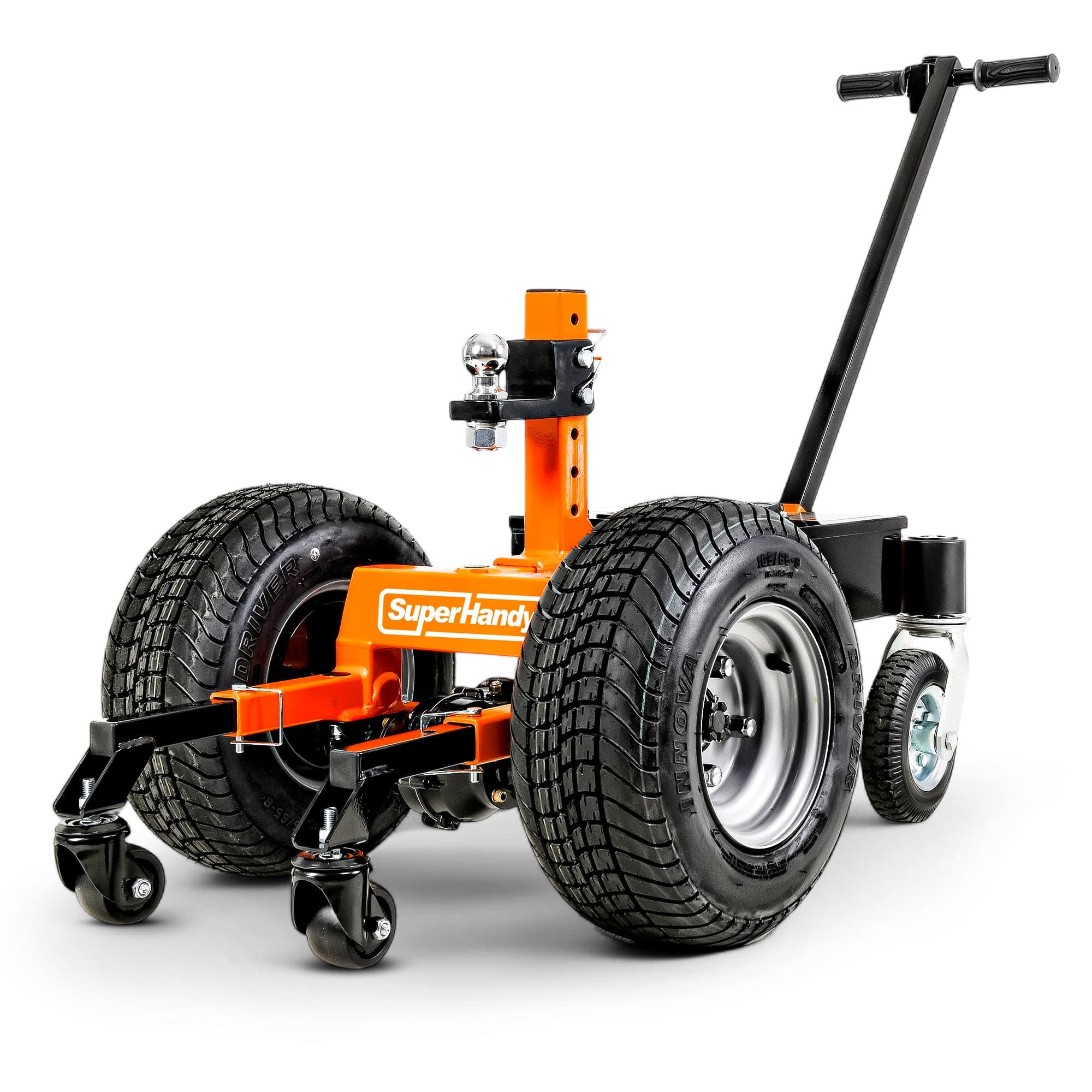
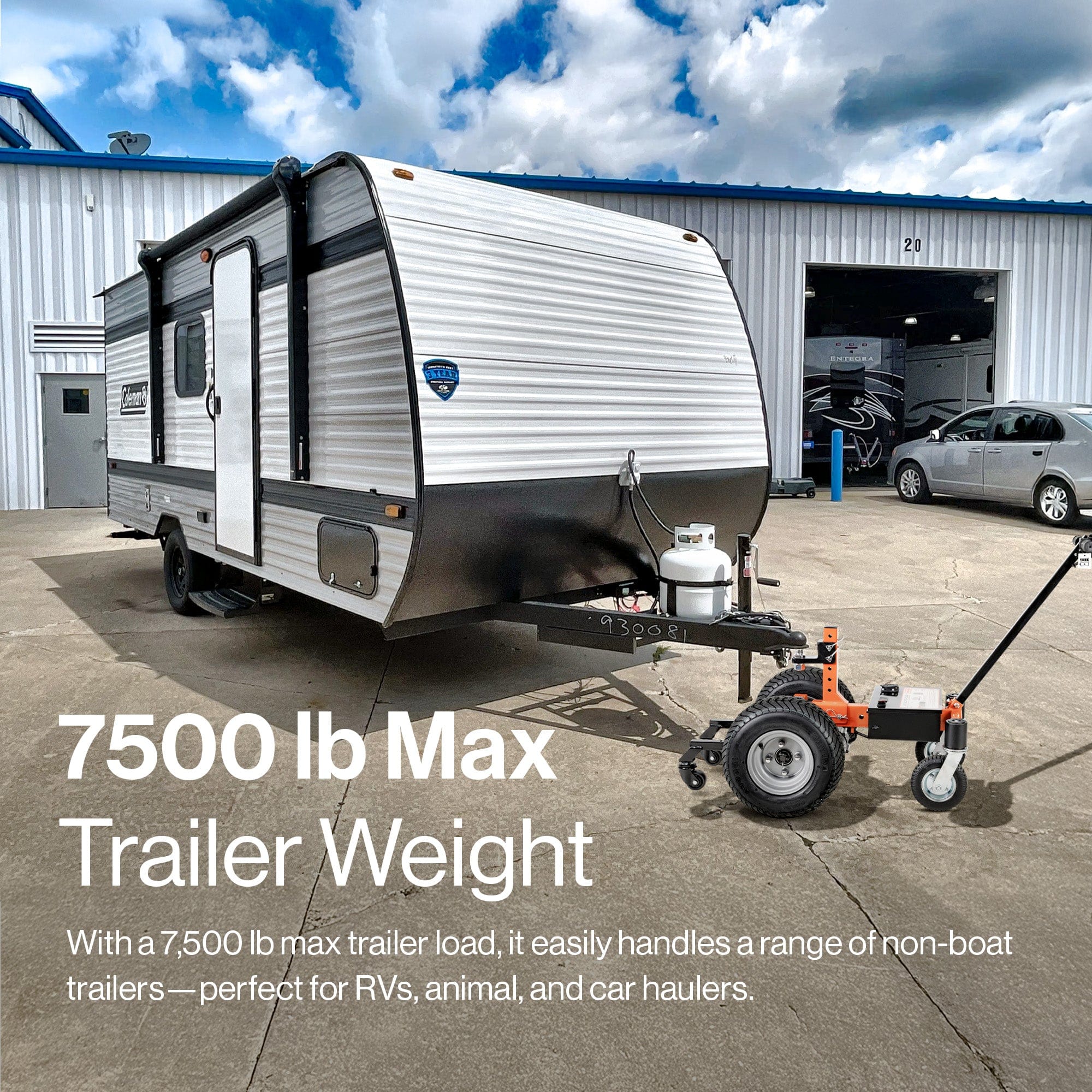
- Towing Capacity and Tongue Weight: Every trailer has a Gross Trailer Weight (GTW) and a Tongue Weight (the downward force the trailer tongue exerts on the hitch). Your dolly must be rated to handle both. As a rule of thumb, tongue weight is typically 10-15% of the GTW. Always choose a dolly with a capacity that comfortably exceeds your trailer's tongue weight. For heavier loads like large campers or equipment haulers, a heavy-duty model like a 7500lb trailer dolly is essential for safe handling.
- Hitch Ball Size: Ensure the dolly’s hitch ball matches your trailer's coupler size (e.g., 1-7/8", 2", or 2-5/16"). A mismatched ball and coupler can cause the trailer to detach unexpectedly.
- Tire Type: Consider the surface you’ll be working on. Large, pneumatic tires are excellent for navigating grass, gravel, and slightly uneven terrain. Solid or no-flat tires are better suited for smooth, hard surfaces like concrete or asphalt.

Manual vs. Electric: Which Dolly Best Suits Your Needs?
The choice between a manual and an electric trailer dolly depends on your trailer's weight, the terrain, and your physical ability.
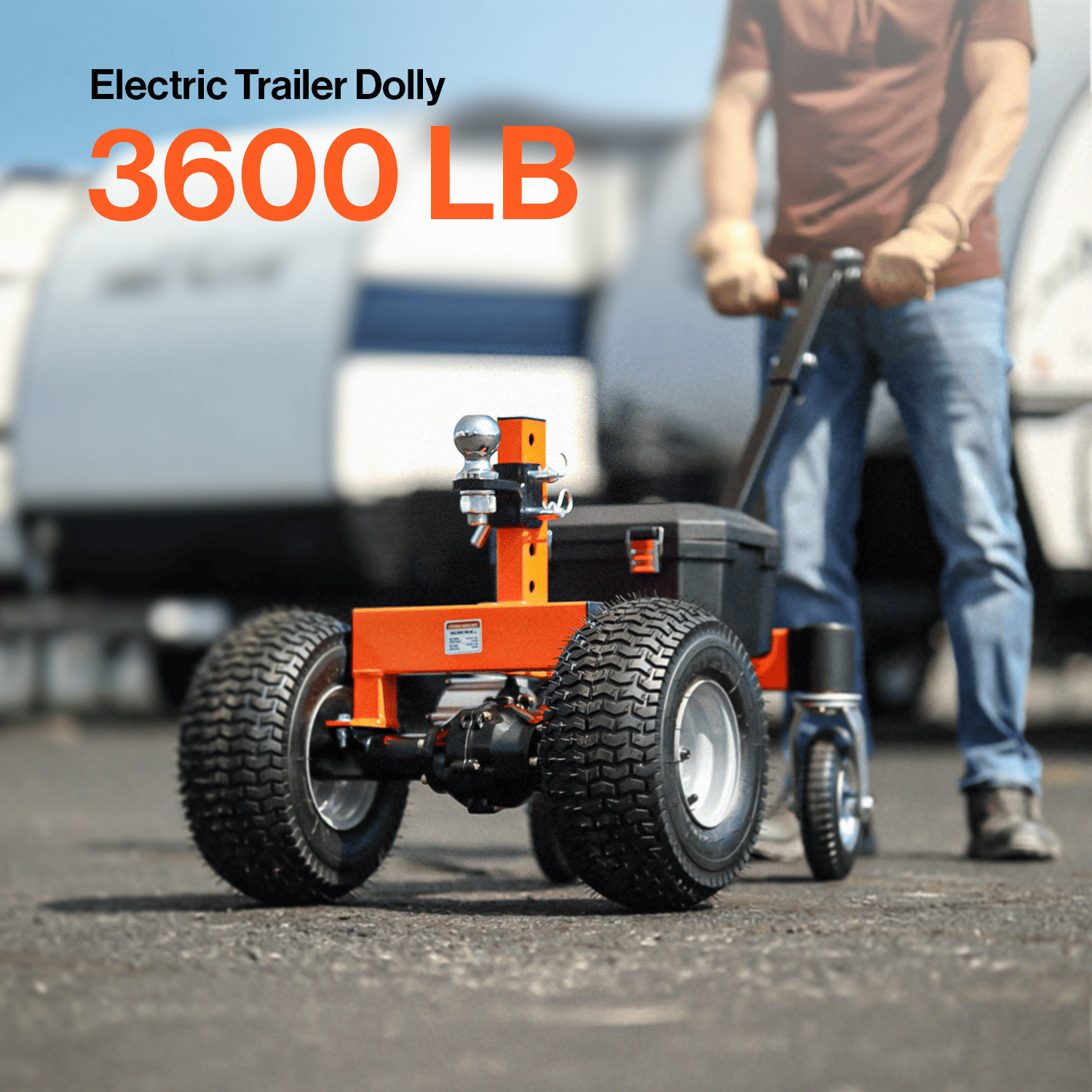
- Manual Trailer Dollies: These leverage simple physics, using a long handle to give you the mechanical advantage needed to lift and roll the trailer tongue. They are perfect for lighter trailers on firm, level ground. A well-built manual unit, like this 3600lb trailer dolly, provides excellent control for small boats or utility trailers without the need for batteries.
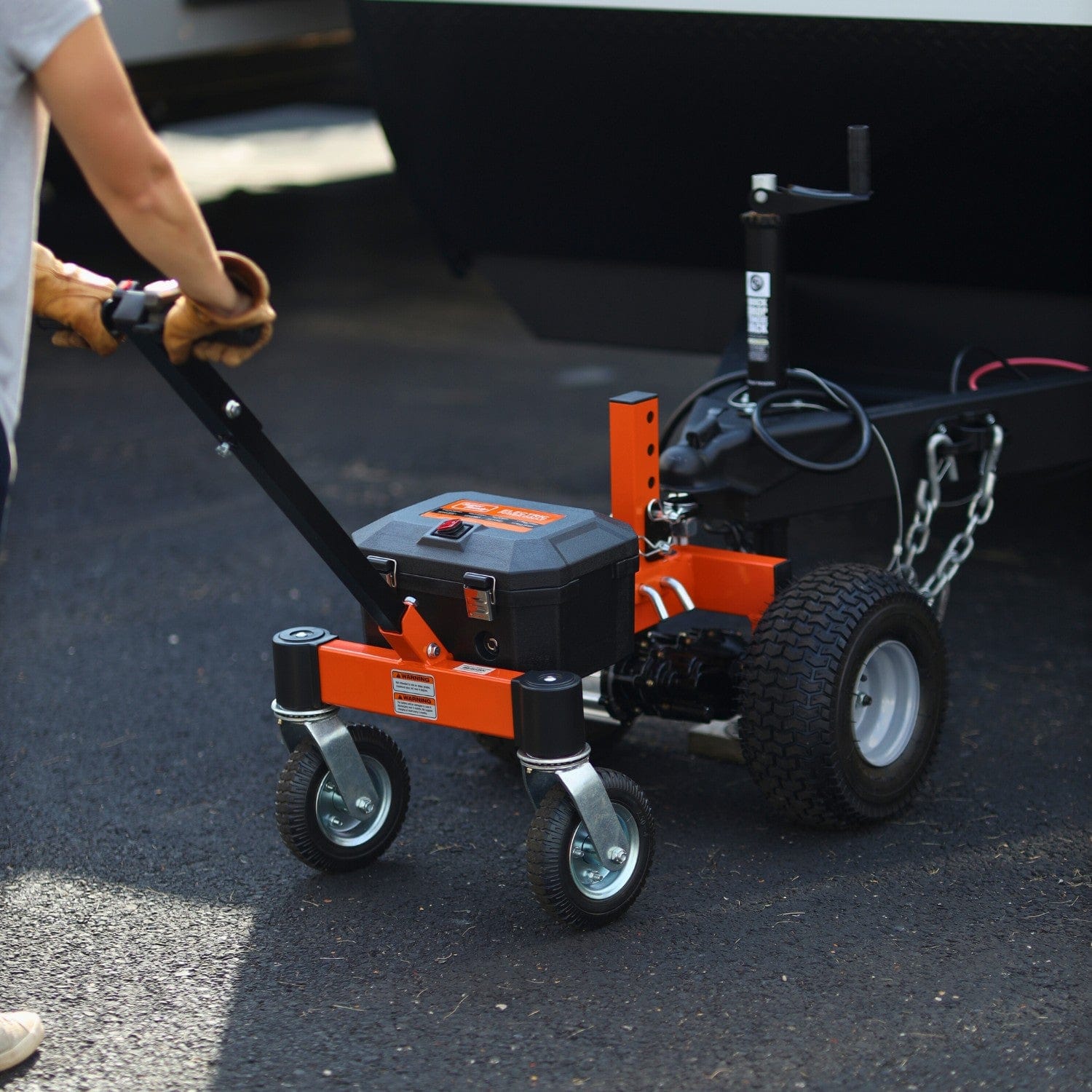
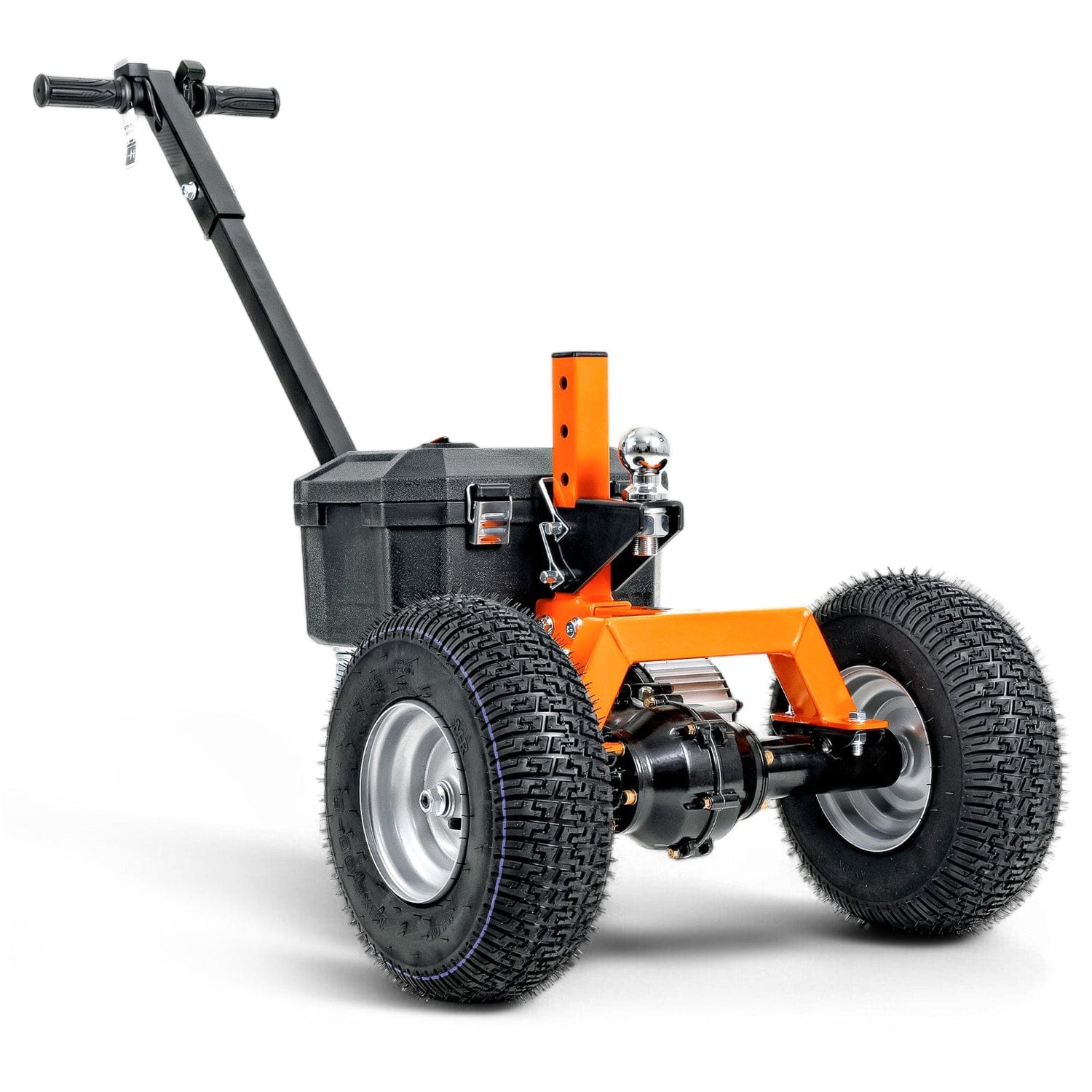
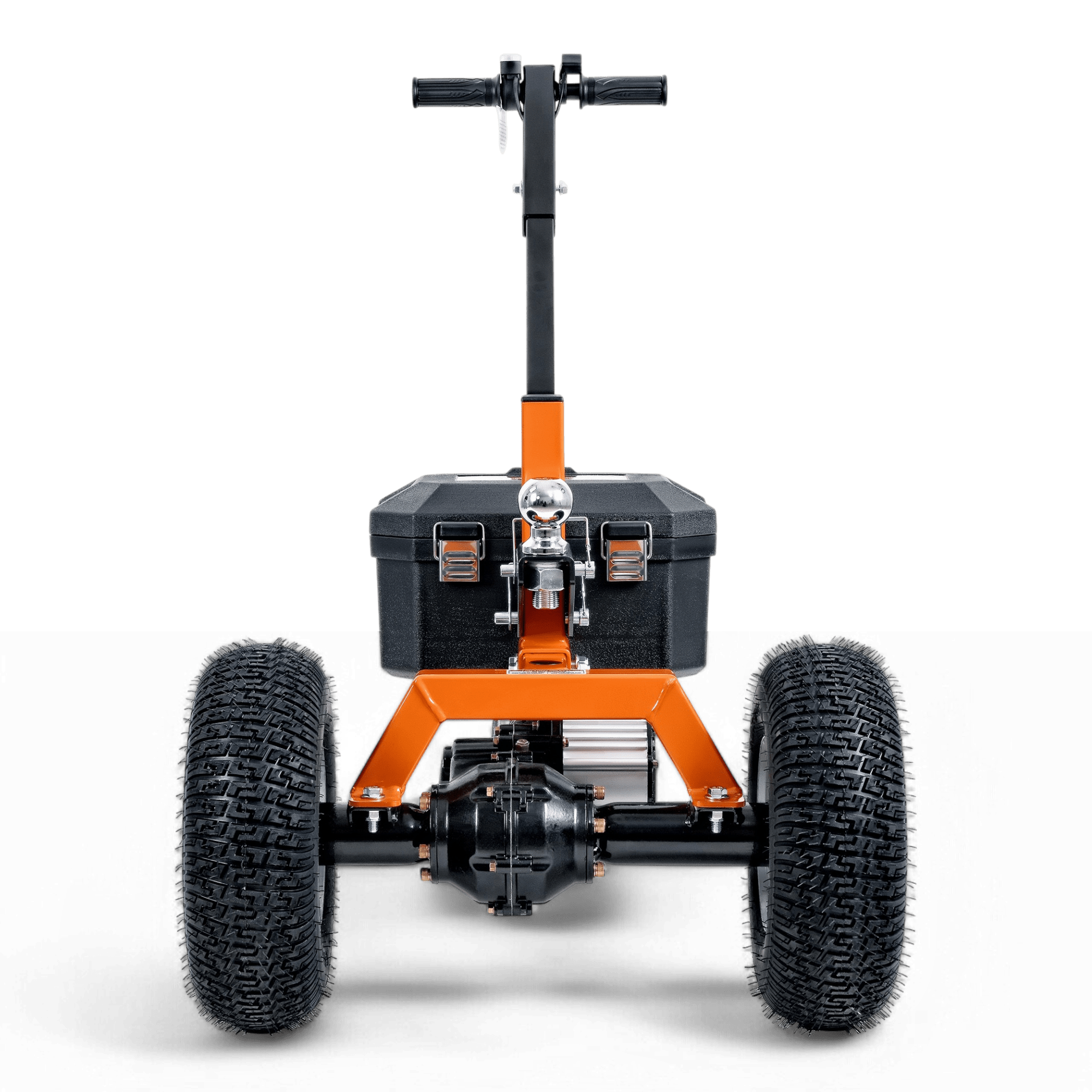
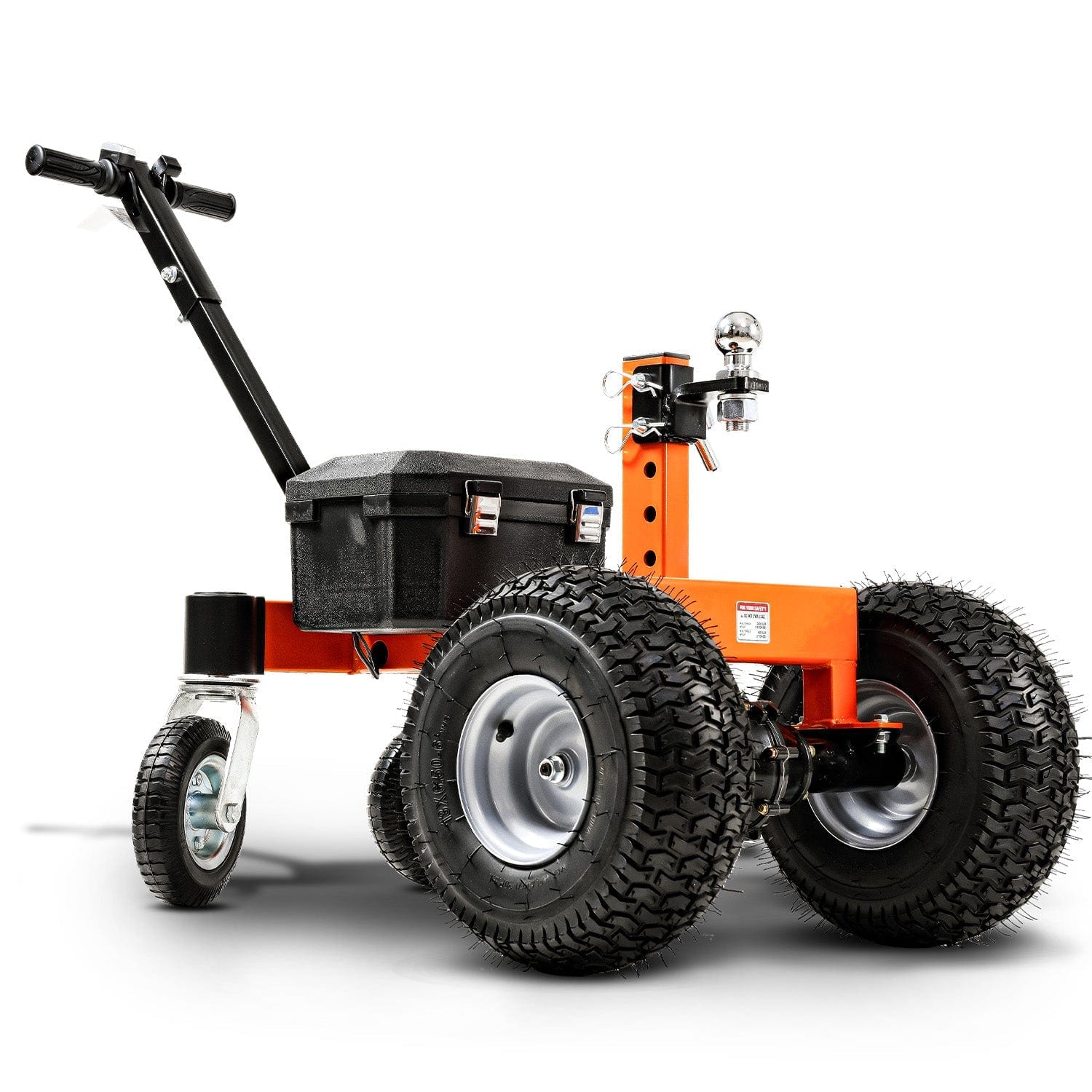
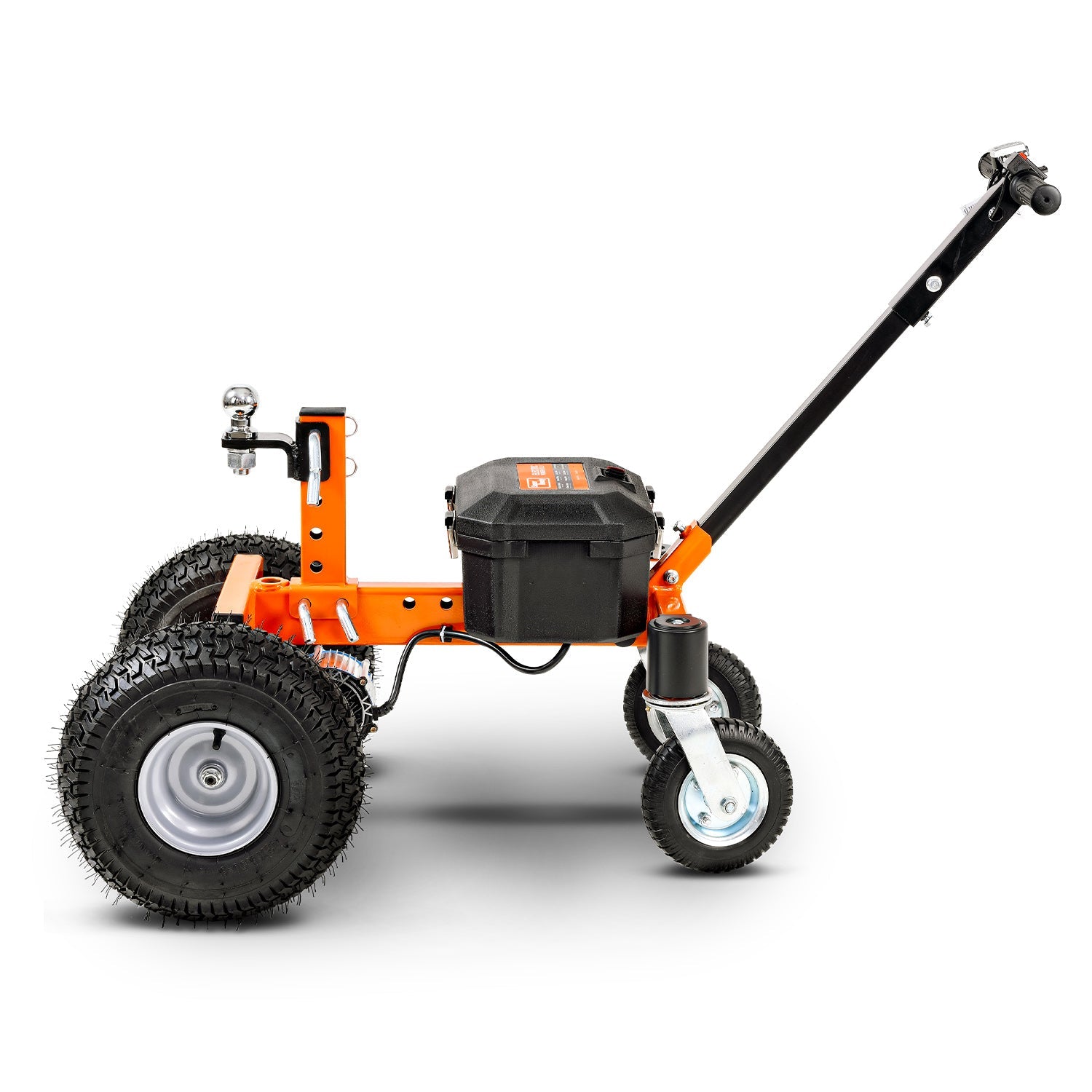
- Electric Trailer Dollies: For heavier loads or slight inclines, an electric trailer dolly is the superior choice for safety and convenience. A powered motor does the hard work, allowing you to focus entirely on steering. This significantly reduces physical strain and gives you precise, controlled movement. An electric trailer dolly with variable speed control offers the ultimate command over your trailer’s position.
The Essential Pre-Operation Safety Checklist: Preparing Your Dolly and Trailer
Never rush the setup process. A few minutes of preparation can prevent hours of headache. Before moving your trailer an inch, run through this critical checklist, a practice recommended by safety experts like the National Safety Council for any equipment operation.
- Inspect Your Dolly: Check that the tires are properly inflated and show no signs of damage. For electric models, ensure the battery is fully charged. Verify that all nuts, bolts, and welds on the frame are secure.
- Clear Your Path: Walk the entire intended path of movement. Remove any tools, rocks, hoses, toys, or other obstacles. Ensure no people or pets are in the vicinity.
- Prepare the Trailer: Chock the trailer wheels securely on both sides to prevent any unexpected rolling while you are hitching the dolly.
- Check the Ground: Assess the terrain. Look for soft spots, steep slopes, or potholes that could destabilize the dolly. Plan your movements to avoid these hazards.
Inspecting Dolly Components: Tires, Battery, and Secure Connections
A few minutes of inspection can prevent hours of frustration and costly damage. Before every use, perform a quick but thorough check of your trailer dolly’s key components.
- Tires: Your dolly's tires are its foundation. Check the air pressure and ensure it matches the manufacturer's recommendation, which is usually found on the tire’s sidewall. Underinflated tires can make steering difficult and unstable, while overinflated tires reduce traction. Look for any visible signs of damage, such as cracks, bulges, or embedded objects. Solid tires, while maintenance-free, should still be checked for excessive wear that could compromise grip.
- Battery (for Electric Models): For an electric trailer dolly, a healthy battery is non-negotiable. Always start with a full charge. Losing power midway through moving a heavy trailer, especially on a slight incline, can create a dangerous runaway situation. Visually inspect the battery terminals for any corrosion (a white, powdery substance) and ensure the connection cables are tight. The consistent power from a well-maintained battery is what makes models like the electric 2800lb trailer dolly so effective.
- Secure Connections: Vibration and stress can cause hardware to loosen over time. Wiggle the handle, check the axle, and verify that the hitch ball is securely torqued onto the dolly mount. An unsecured hitch ball is a recipe for catastrophic failure where the trailer could disconnect from the dolly unexpectedly.
Preparing the Trailer: Ensuring Proper Hitching and Clearances
Properly preparing your trailer is just as important as inspecting the dolly.
- Chock the Wheels: Before unhitching from your tow vehicle or preparing to move the trailer, always place heavy-duty wheel chocks on both sides of the trailer’s tires. This is the single most important step to prevent accidental rolling. The U.S. Department of Transportation has strict guidelines on securing vehicles for a reason—gravity is unforgiving.
- Clear the Path: Take a moment to walk the entire intended path of movement. Remove any obstacles such as tools, toys, rocks, or hoses. Pay close attention to overhead clearances like tree branches or garage door frames, and be mindful of soft spots or holes in the ground.
- Raise and Inspect the Coupler: Use the trailer’s tongue jack to lift the coupler high enough to clear the dolly's hitch ball. While it's raised, inspect the coupler latching mechanism to ensure it moves freely and isn't damaged or filled with debris.
Mastering Safe Trailer Dolly Maneuvering: Step-by-Step Operational Guidance
With your equipment inspected and the area prepared, you can begin the moving process. The key to safety is being slow, deliberate, and always in control. Rushing leads to mistakes, and with thousands of pounds in motion, even a small mistake can have big consequences.
Achieving Optimal Control: Positioning, Steering, and Speed Management
Your direct actions determine the safety of the maneuver. Follow these best practices for optimal control.
- Hitching and Lifting: Roll the trailer dolly into position, aligning the hitch ball directly under the raised coupler. A heavy-duty unit like the 7500lb trailer dolly is built to handle the significant tongue weights of larger trailers. Slowly lower the trailer tongue onto the ball until it seats completely. Securely fasten the coupler latch and insert the safety pin. Now, retract the trailer’s tongue jack fully so it is well clear of the ground.
- Proper Operator Stance: This is crucial for safety. Never position your body between the dolly handle and the trailer. Stand to the side, operating the controls with a firm grip. This stance gives you maximum leverage for steering and, most importantly, provides an immediate escape path should the trailer begin to move uncontrollably.
- Smooth and Steady Movement: Start moving at a slow walking pace. A trailer pivots directly over the dolly's axle, which creates a much tighter turning radius than when it's attached to a tow vehicle. All steering inputs should be smooth and gradual to avoid sudden shifts in weight. For lighter loads like small boats or jet skis, a nimble 3600lb trailer dolly makes these precise movements easy. If using an electric model, use the variable speed control to your advantage, keeping the pace manageable and allowing you plenty of time to react.
Navigating Tricky Situations: Slopes, Uneven Terrain, and Tight Spaces
Even with the best preparation, you'll eventually face challenging environments. Mastering your trailer dolly in these conditions is what separates a novice from a pro.
- Operating on Slopes: This is the most critical situation to handle with care. Always operate the dolly perpendicular to the slope—meaning you move straight up or straight down the incline, never sideways across it. Moving across a grade drastically increases the risk of tipping. Use a spotter to help guide you and have wheel chocks ready to secure the trailer immediately if you need to stop. An electric trailer dolly with an automatic brake feature provides a significant safety advantage here.
- Handling Uneven Terrain: Soft ground, gravel, and potholes can stop a dolly in its tracks or cause an unpredictable shift in the trailer's weight. Before moving, walk the entire path and remove any obstacles. Proceed at a very slow, deliberate pace. Ensure your dolly’s tires are properly inflated to the manufacturer’s specifications, as this provides the best traction and stability.
- Maneuvering in Tight Spaces: A dolly's main advantage is its agility. When parking a trailer in a tight garage or around a sharp corner, slow is smooth and smooth is fast. Use a spotter to watch your clearances on the opposite side and rear of the trailer. Make small, incremental adjustments to your steering and position rather than trying to complete the turn in one sweeping motion.

Common Pitfalls to Avoid for Enhanced Trailer Dolly Safety
Simple mistakes can lead to significant damage or injury. Being aware of these common pitfalls is the first step toward preventing them.
- Exceeding Weight Capacity: Every trailer dolly has a maximum tongue weight and a maximum gross trailer weight capacity. Exceeding these limits can lead to catastrophic failure of the dolly’s frame, motor, or tires. Always know your trailer’s weight and choose the appropriate dolly. A small fishing boat might be perfect for a 3600lb trailer dolly, but a large travel trailer would demand a heavy-duty model like a 7500lb trailer dolly. Never guess—confirm the numbers.
- Moving Too Quickly: A trailer dolly is a tool for precision, not speed. Attempting to move too fast reduces your reaction time, increases stopping distance, and puts immense stress on the dolly's components. Maintain a slow, steady walking pace at all times.
- Poor Situational Awareness: Before you move, always check your surroundings. Ensure the path is clear of tools, pets, children, and other obstacles. A moment of inattention is all it takes for an accident to occur.
Maintaining Your Trailer Dolly for Peak Safety and Performance
A well-maintained trailer dolly is a safe trailer dolly. Just like any piece of powerful equipment, your dolly requires regular attention to ensure it functions correctly and reliably every time you need it. Neglecting maintenance not only shortens the life of your tool but also introduces unnecessary safety risks.
Regular Inspections and Storage Practices for Durability
A simple routine before and after each use can prevent the majority of equipment failures.
- Check Tire Pressure: Under-inflated tires are a leading cause of dolly failure and control issues. Use a pressure gauge to ensure the tires are inflated to the PSI level recommended in your dolly’s user manual. Also, visually inspect them for cracks, punctures, or excessive wear.
- Inspect Battery and Connections: For an electric model like the 2800lb trailer dolly, battery health is paramount. Ensure the battery is fully charged before use. Regularly check the terminals and cables for corrosion, fraying, or loose connections. A clean and secure connection ensures consistent power delivery.
- Examine the Frame and Hitch: Give the dolly's frame a quick visual inspection, looking for any cracks in the welds or bent components. Check the hitch ball and coupler mechanism, ensuring it latches securely and moves freely without binding.
- Proper Storage: When not in use, store your trailer dolly in a clean, dry, and sheltered location like a garage or shed. Protecting it from rain, snow, and excessive sun exposure prevents rust and degradation of plastic and rubber components. For long-term storage, consider disconnecting the battery to prevent slow discharge.
Frequently Asked Questions About Trailer Dolly Safety
Navigating the world of trailer dollies can bring up a few questions, especially when safety is your top priority. Here are answers to some of the most common queries we receive about the safe and effective use of both manual and electric trailer dollies.
Can I use a trailer dolly on a slope or incline?
This is one of the most critical safety questions. Generally, trailer dollies are designed for use on flat, level, and hard surfaces like concrete or asphalt. Using a trailer dolly on a significant slope is extremely dangerous as it can lead to a runaway trailer. Gravity can easily overpower the dolly's braking system and your ability to control it, creating a serious risk of injury and property damage. Always consult your dolly's user manual for its specific grade rating. If you must navigate a very slight incline, do so with extreme caution, ensure you have a clear path, and always have wheel chocks ready.
How do I determine the right size trailer dolly for my trailer?
Choosing the correct dolly is fundamental to safe operation. The key metric is not your trailer's total weight, but its tongue weight—the downward force the trailer coupler exerts on the hitch ball. Your trailer dolly's maximum capacity must be greater than your trailer's maximum tongue weight. A trailer's tongue weight is typically 10-15% of its Gross Trailer Weight (GTW). Overloading a dolly is a primary cause of accidents and equipment failure.
To choose correctly, first determine your trailer's tongue weight. Then, select a model with a capacity that comfortably exceeds that number. For example:
- A lightweight utility or jet ski trailer might only need a 2800lb trailer dolly.
- A mid-sized boat or camper may require the capacity of a 3600lb trailer dolly.
- For heavier loads like large travel trailers or equipment haulers, you'll need a heavy-duty model like a 7500lb trailer dolly.
What's the most important safety check before using my electric trailer dolly?
While every part of the pre-operation checklist is important, two things are uniquely critical for an electric trailer dolly: battery charge and the hitch connection. First, ensure the battery has sufficient charge to complete the entire move. A battery dying midway through a maneuver, especially on a slight grade, can create a hazardous situation. Second, triple-check that the trailer coupler is securely locked onto the dolly's hitch ball and that any safety pins or clips are properly engaged. A loose connection can cause the trailer to detach from the dolly during movement.
Do I still need to use wheel chocks with a trailer dolly?
Absolutely. Wheel chocks are a non-negotiable safety tool. Before you even think about disconnecting the trailer from your tow vehicle, you must securely chock the trailer's wheels. This prevents any unexpected rolling while you are transferring the load to the trailer dolly. The chocks should remain in place until the trailer is safely re-hitched to a tow vehicle or secured in its final parking spot. They are your most important fail-safe against a runaway trailer.

Can one person safely operate a trailer dolly?
Yes, trailer dollies are specifically designed to enable one person to move heavy trailers that would otherwise be impossible to relocate. However, this convenience doesn't reduce the need for vigilance. Before you start, walk the entire intended path to check for obstacles, cracks, or debris. Maintain a slow, steady pace and make wide, deliberate turns. If your visibility is compromised at any point, it's always best to ask for a spotter to help guide you.
Related Products


Leave a comment
All comments are moderated before being published.
This site is protected by hCaptcha and the hCaptcha Privacy Policy and Terms of Service apply.