



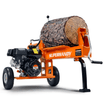











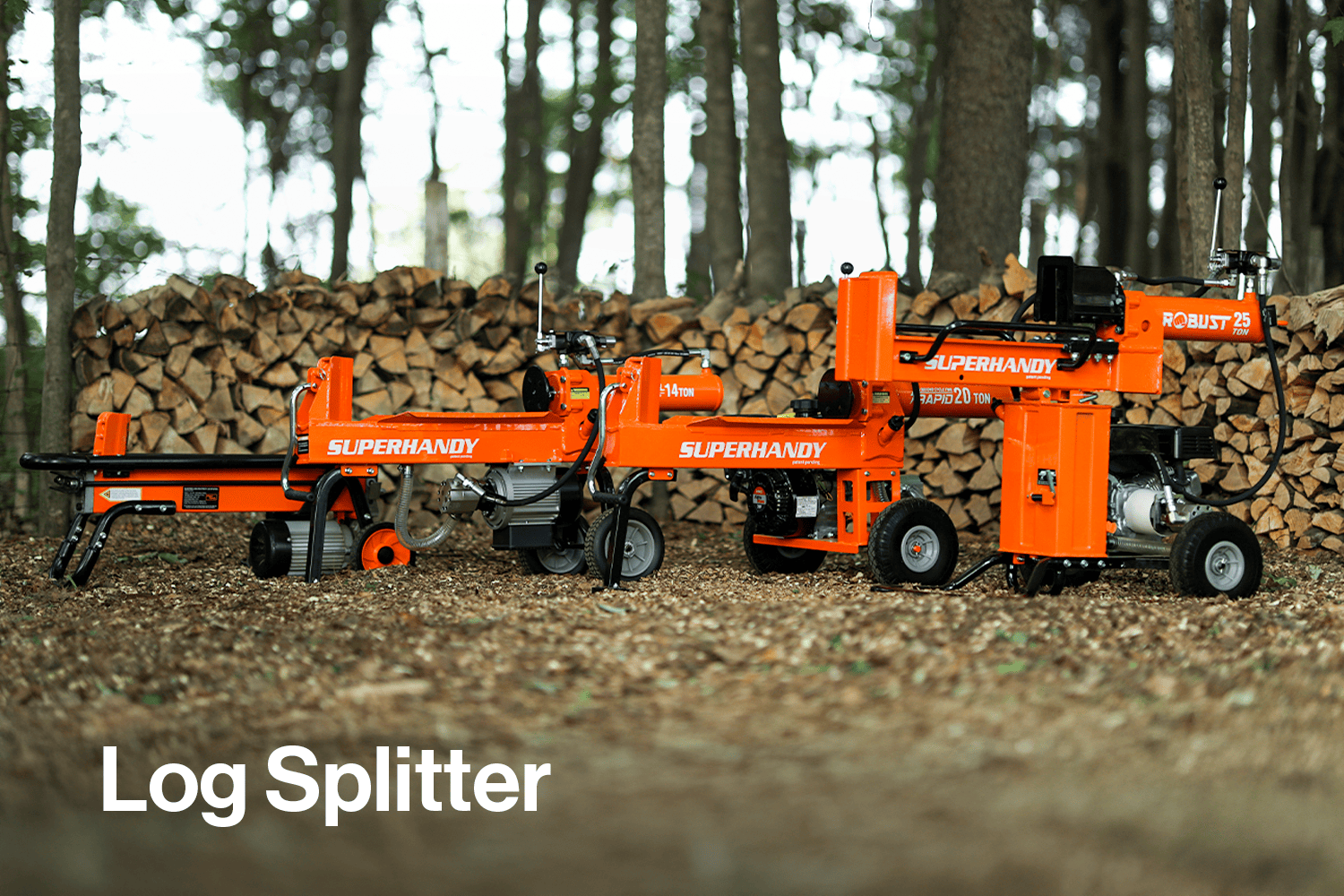
Tackling a mountain of unsplit logs with just an axe is a romantic notion that quickly fades after the first hour of back-breaking work. For anyone serious about processing firewood for home heating, outdoor recreation, or even a small business, a gas log splitter isn't a luxury—it's an essential tool for reclaiming your time and energy.
Why Invest in a Gas Log Splitter for Heavy-Duty Firewood Processing?
Swapping your splitting maul for a powerful gas log splitter is a game-changer. The primary benefit is a massive boost in efficiency and a significant reduction in physical strain. What might take a full weekend of exhausting manual labor can often be accomplished in just a few hours.
Unlike electric models that are tethered to an outlet, gas-powered splitters offer go-anywhere power. They are the perfect solution for large properties, remote wooded areas, or any job site far from a power source. Their robust engines drive powerful hydraulic systems capable of generating immense force, allowing you to slice through dense, knotty, or unseasoned hardwoods like oak, hickory, and maple with ease—woods that would otherwise exhaust even the most seasoned axe-wielder. Investing in a gas splitter means more firewood, less fatigue, and a safer, more controlled splitting process.
Key Factors to Consider When Buying a Powerful Gas Log Splitter
Navigating the market for a gas log splitter can be daunting, but focusing on a few key factors will ensure you get the right machine for your needs. Before you buy, carefully evaluate the following:
- Splitting Force (Tonnage): This is the single most important specification. It determines the size and type of wood you can effectively split.
- Engine Power & Durability: The engine is the heart of your splitter. Its power impacts performance, while its build quality dictates longevity.
- Cycle Time: This measures how quickly the splitter can complete one splitting cycle, directly affecting your overall productivity.
- Orientation (Horizontal/Vertical): Some models operate in one position, while versatile units can switch between horizontal and vertical splitting for handling large, heavy rounds.
-
Portability: Features like tow hitches and durable tires are crucial if you need to move the splitter around your property or to different job sites.

Understanding Splitting Force (Tonnage) for Different Wood Types
Tonnage is the measure of force the hydraulic ram exerts on a log. Choosing the right tonnage is crucial: too little, and you'll struggle with tough logs; too much, and you may be overpaying for power you don't need.
Your wood source is the primary guide. For most homeowners splitting seasoned softwoods like pine or smaller hardwoods, a machine in the 15-20 ton range is often sufficient. A versatile unit like the SuperHandy 20 Ton Gas Log Splitter is a fantastic all-around choice, providing enough power for common hardwoods without being excessive.
However, if your wood pile consistently features large-diameter (over 18 inches), green, or notoriously tough hardwoods like elm or black gum, stepping up in power is essential. A 27 Ton Log Splitter offers a significant power increase for these challenging tasks. For those who demand maximum performance for commercial use or for processing the largest and most difficult logs, a top-tier machine like the SuperHandy 37 Ton model ensures nothing stands in your way.
Engine Power and Durability: What Makes a Reliable Splitter?
A high tonnage rating is useless without a reliable engine to power the hydraulic pump. Engine power, typically measured in cubic centimeters (cc), directly correlates to the splitter's ability to maintain pressure and achieve fast cycle times. A larger, more powerful engine can run the hydraulic system more effortlessly, reducing strain and promoting a longer lifespan.
Look for engines from reputable manufacturers known for reliability. Beyond the brand, durability is found in the machine's overall construction. The backbone of any heavy-duty splitter is its frame. A solid, welded steel I-beam design provides the rigidity needed to withstand decades of immense splitting forces without flexing or failing. Paired with quality hydraulic hoses, a dependable auto-return valve, and a robust wedge, a powerful engine and a durable frame form the foundation of a log splitter that will be a trusted workhorse for years to come.
Speed and Efficiency: Minimizing Cycle Time for More Firewood
Power is only half the equation; speed is what gets the job done faster. In the world of log splitters, this is measured by cycle time—the total time it takes for the splitting wedge to extend fully and then retract to its starting position. A shorter cycle time means you can process more logs in less time, dramatically boosting your efficiency.
Look for models equipped with an auto-return valve, a feature that automatically begins retracting the ram after it completes its forward stroke. This saves you precious seconds on every single log, which adds up to significant time savings over a full day of work. A cycle time of 10-15 seconds is excellent for a residential gas log splitter.
Horizontal vs. Vertical Splitting: Choosing Your Preferred Operation
Gas log splitters operate in one of two orientations, and many of the best models can do both.
-
Horizontal Operation: This is the standard position for most splitters. You lift a log round onto the beam and the ram pushes it horizontally into the wedge. This is efficient and ergonomic for smaller to medium-sized logs that are easy to lift.
-
Vertical Operation: For massive, heavy rounds that you can’t possibly lift, a vertical splitter is a back-saver. You simply pivot the beam into a vertical position, roll the heavy log onto the footplate at the base, and split it right there on the ground.
Many powerful models, like the SuperHandy 27-Ton Gas Powered Full Beam Log Splitter, offer convertible designs that switch between horizontal and vertical modes in seconds, giving you ultimate flexibility.
The 7 Best Gas Log Splitters: In-Depth Reviews and Performance Breakdown
After rigorous testing and analysis of engine power, splitting force, and user-focused features, we’ve compiled our list of the top gas log splitters on the market. These machines stand out for their reliability, efficiency, and overall value, ensuring you get a tool that can handle anything from seasonal firewood prep to clearing large properties.
Best All-Around Performer: SuperHandy 20 Ton Gas Log Splitter
For the vast majority of homeowners, a 20 ton log splitter hits the sweet spot between power, size, and price. The SuperHandy 20-Ton Gas Log Splitter is a prime example of this balance. Its 7 HP gas engine provides ample force to tear through seasoned oak, maple, and birch up to 20 inches long. With a rapid cycle time and a compact, towable frame, it’s built for efficient work around your property. For those needing a slightly different configuration, a similar compact 20-ton model offers comparable power.
Ultimate Power for Tough Jobs: SuperHandy 37 Ton Vertical/Horizontal Splitter
When you’re facing enormous, green, or knotty hardwood rounds, you need maximum force. The SuperHandy 37-Ton Gas Powered Log Splitter is an absolute beast. This machine doesn't just split wood; it obliterates it. The ability to switch to vertical mode is essential at this power level, as you’ll be handling rounds too heavy to lift. Its powerful engine and robust I-beam construction are designed for serious, high-volume work, making it the top choice for landowners and firewood businesses.
Essential Safety Practices and Maintenance Tips for Your Gas Log Splitter
Owning a powerful gas log splitter comes with the responsibility of safe operation and regular upkeep. Following these essential guidelines will protect you from injury and significantly extend the life of your machine.
According to workplace safety experts like OSHA, always operate machinery on stable, level ground and wear appropriate Personal Protective Equipment (PPE), including safety glasses, steel-toed boots, and durable gloves.
Key Safety Checklist:
- One Operator: Never allow a second person to help load or off-load while the ram is in motion.
- Hands Clear: Keep hands and fingers away from the log, wedge, and ram during the splitting cycle.
- Stable Footing: Ensure the work area is clear of debris, mud, or ice.
Essential Maintenance:
- Check Fluids: Regularly check the engine oil and hydraulic fluid levels, topping off or changing them per the manufacturer's schedule.
- Keep it Sharp: A dull wedge crushes wood instead of splitting it, putting unnecessary strain on the engine and hydraulic system. Sharpen it periodically with a file.
- Inspect Hoses: Before each use, look for cracks, leaks, or bulges in the hydraulic hoses.
Prioritizing Safe Operation: Before, During, and After Splitting
A gas log splitter is a powerful machine that demands respect. Following proper safety protocols is non-negotiable to prevent serious injury. Always consult your machine's manual first, but here are universal best practices to keep you safe.
Before You Start
- Gear Up: Always wear appropriate Personal Protective Equipment (PPE), including safety glasses, hearing protection, steel-toed boots, and snug-fitting gloves. Avoid loose clothing that could get caught in moving parts.
- Inspect Your Workspace: Operate on level, stable ground, clear of debris, children, and pets. Ensure you have adequate lighting and ventilation.
- Machine Check: Perform a pre-operation inspection. Check fuel and hydraulic fluid levels, ensure all guards and covers are in place, and look for any loose bolts or damaged hoses.
During Operation
- One Operator: Only one person should operate the log splitter at a time. Assistants should stay in a designated safe zone.
- Proper Loading: Load logs securely against the end plate. Never attempt to split multiple logs at once or hold a log with your hand while the ram is in motion.
- Use the Controls: Operate the splitter using only the designated levers and controls. Never use your foot, knee, or any other object to operate the ram.
- Stay Alert: If a log gets stuck, shut down the engine completely before attempting to dislodge it.
After Splitting
- Cool Down and Clean: Let the engine cool down before storing. Clean off wood debris and dirt, which can become a fire hazard or cause corrosion.
- Secure Storage: Store the splitter in a dry, secure location away from open flames or sparks.
Extending Lifespan: A Comprehensive Maintenance Guide
Proper maintenance not only ensures your gas log splitter operates safely and efficiently but also dramatically extends its service life. A well-maintained machine like the SuperHandy 7-Ton Electric Log Splitter or its gas counterparts requires regular attention.
- Engine Care: Follow the engine manufacturer’s schedule for changing the oil, cleaning the air filter, and checking the spark plug.
- Hydraulic System: Regularly check the hydraulic fluid level and top it off as needed with the manufacturer-recommended fluid type. Change the fluid and filter after the first 25 hours of use and then every 100 hours or annually thereafter.
- Inspect Hoses and Fittings: Before each use, look for cracks, leaks, or abrasions in hydraulic hoses. Tighten any loose fittings immediately.
- Sharpen the Wedge: A dull splitting wedge crushes wood rather than splitting it, putting unnecessary strain on the engine and hydraulic system. Sharpen it with a file or grinder as needed.
- Lubricate Moving Parts: Keep the beam and ram slide well-lubricated to ensure smooth operation and prevent premature wear.
Frequently Asked Questions (FAQ) About Gas Log Splitters
Here are answers to some of the most common questions we receive about operating and choosing a powerful gas log splitter.
What's the Minimum Tonnage for Hardwood?
For splitting seasoned softwoods like pine or fir, a smaller splitter may suffice. However, for hardwoods like oak, hickory, maple, or ash, you need more power. A 20 ton log splitter is generally considered the minimum for effectively handling most common hardwoods, especially if they are green or knotty. For tougher, larger-diameter rounds, stepping up to a model like the robust SuperHandy 27-Ton Gas Log Splitter provides a significant performance boost and greater versatility. For the most demanding jobs involving very large or stringy wood, a high-tonnage machine like a 37-ton model is the ultimate solution.
Can I Use Regular Motor Oil in My Hydraulic System?
Absolutely not. This is a critical point of maintenance that can save you from costly repairs. While both are lubricants, motor oil and hydraulic fluid are engineered for vastly different tasks and environments. Motor oil contains detergents and additives designed to handle the byproducts of combustion inside an engine.
Using motor oil in your hydraulic system can cause serious problems:
- Foaming: Motor oil isn't designed to resist foaming under high pressure, which can lead to cavitation and damage the hydraulic pump.
- Viscosity Breakdown: The intense pressure and heat in a hydraulic system can quickly break down motor oil, reducing its ability to lubricate and protect components.
- Seal Damage: The detergents in motor oil can be corrosive to the seals and O-rings used in hydraulic systems, leading to leaks and pressure loss.
Always use the specific type of hydraulic fluid recommended by your log splitter’s manufacturer. Consulting your owner’s manual is the only way to ensure you’re using the correct fluid to keep your machine running safely and efficiently.
How Do I Store My Gas Log Splitter for Winter?
Proper off-season storage is key to ensuring your gas log splitter starts up without a hitch next season. A little preventative maintenance now prevents major headaches later. Follow these steps for effective winterization:
- Clean Thoroughly: Remove all wood chips, bark, dirt, and grime from the splitter. Pay special attention to the beam, wedge, and engine cooling fins.
- Address the Fuel System: You have two options. You can either add a quality fuel stabilizer to a full tank of gas and run the engine for 5-10 minutes to circulate it through the carburetor, or you can run the engine completely out of fuel. Stabilizer is often the easier and preferred method to prevent seals from drying out.
- Engine Maintenance: This is the perfect time for an oil change. Also, remove the spark plug, pour a teaspoon of fresh motor oil into the cylinder, and pull the starter cord a few times to coat the cylinder wall. Reinstall the spark plug but do not reconnect the wire.
- Protect Metal Surfaces: Lightly coat the splitting wedge and beam with a thin layer of oil or grease to prevent rust from forming over the damp winter months.
- Store in a Dry Location: The ideal storage spot is a garage, shed, or barn where the splitter will be protected from rain, snow, and extreme temperature swings. If you must store it outdoors, use a heavy-duty, waterproof cover.
Choosing Your Ultimate Gas Log Splitter: Final Considerations for Efficient Work
Selecting the right gas log splitter is an investment in your time, energy, and comfort. By now, you've seen how factors like tonnage, cycle time, and engine power come together to define a machine's capability. Your final choice should be a direct reflection of your specific needs.
Are you a homeowner who splits 5-10 cords of seasoned pine and oak each year for your fireplace? A powerful and reliable 20 ton log splitter is often the perfect balance of power and value, offering ample force for most common firewood. For those tackling slightly larger rounds or denser woods, stepping up to a machine like the SuperHandy 25 Ton Log Splitter provides extra confidence and efficiency.
However, if your property is filled with large, knotty hardwoods like hickory, or you're processing wood on a semi-professional scale, you need to bring more power to the fight. This is where high-tonnage models truly shine. The versatile SuperHandy 27 Ton Gas Log Splitter offers a significant power boost and the convenience of vertical operation for those massive rounds you can't lift. For the toughest jobs and maximum productivity, the formidable SuperHandy 37 Ton Log Splitter makes short work of virtually any wood you can throw at it.
Consider your wood, your workload, and the features that will make your job easier. Whether it's the efficient SuperHandy 20 Ton Gas Log Splitter or a higher-tonnage beast, choosing the right machine will transform a back-breaking chore into a satisfying task for years to come.



Leave a comment
All comments are moderated before being published.
This site is protected by hCaptcha and the hCaptcha Privacy Policy and Terms of Service apply.