











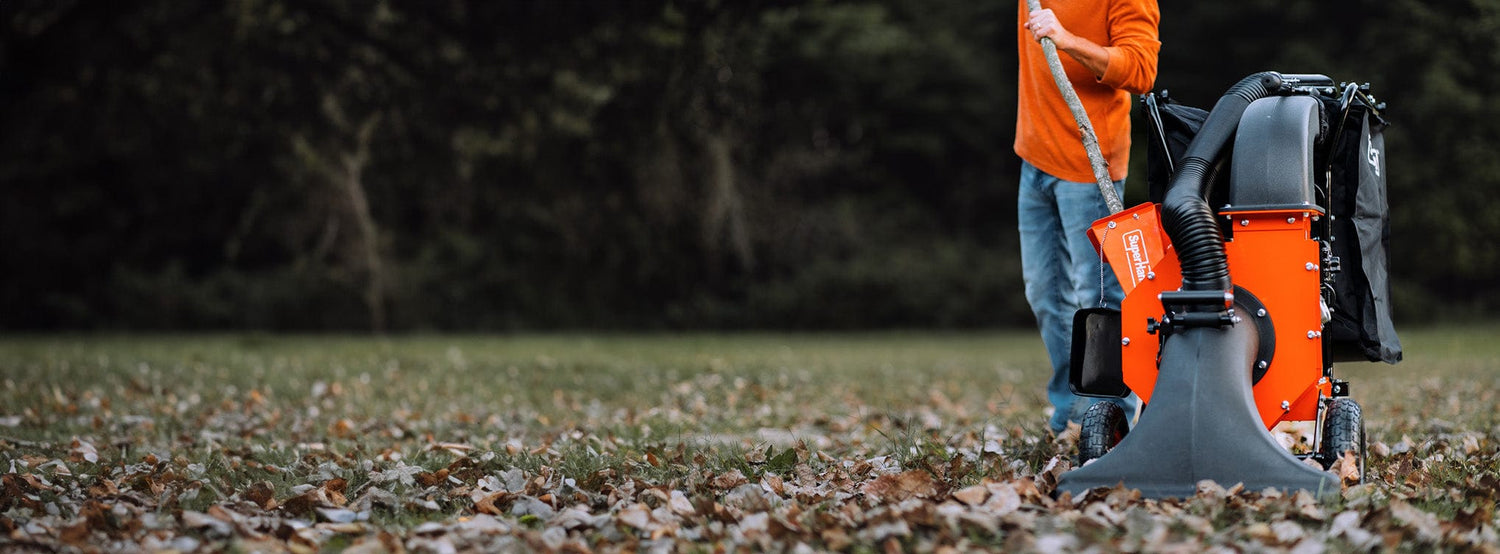
Autumn leaves are beautiful until they’re smothering your lawn in a damp, decaying blanket. Raking is back-breaking, and a simple blower just moves the problem from one spot to another. Enter the yard vacuum mulcher, the unsung hero of landscape maintenance. This powerful tool doesn't just collect leaves and debris; it shreds them into a fine, nutrient-rich mulch, saving you time, effort, and countless plastic bags. Think of it as a super-powered cleanup crew and a personal compost factory, all in one machine.
But with so many options on the market, how do you find the right one? This guide will walk you through everything you need to know, from matching the machine to your property size to understanding the specs that matter most. Let's find your perfect yard partner.
The Essential Yard Partner: Why a Vacuum Mulcher is Your Garden's Best Friend
A lawn vacuum mulcher is a transformative piece of equipment that streamlines yard work in three significant ways. First and foremost, it’s a massive time and labor saver. Instead of the endless cycle of rake, bag, repeat, you simply guide the machine over your lawn or patio. It inhales leaves, grass clippings, and small twigs with ease, turning a full day's work into a manageable afternoon task.

Second, it dramatically reduces waste. The "mulcher" part of the name is key. By shredding debris, it can condense 10 or more bags of bulky leaves into a single bag of finely chopped material. This means fewer trips to the curb and less waste heading to the landfill.
Finally, a yard vacuum mulcher creates a valuable resource for your garden: mulch. This finely shredded organic matter is perfect for spreading in flower beds, around trees, or adding to your compost pile. As it decomposes, it returns vital nutrients to the soil, improving its health and structure. You’re not just cleaning up; you’re recycling nature’s bounty to create a healthier, more vibrant landscape.
Matching Your Mulcher to Your Mess: Understanding Yard Size and Debris Type
The first step in choosing the perfect lawn vacuum mulcher is to honestly assess your needs. A machine that's perfect for a small suburban lot will be completely overwhelmed by a multi-acre property.
- Small Yards (Up to 1/4 Acre): For smaller, manicured lawns with mostly leaf debris, a handheld or push-style electric or cordless model is often sufficient. They are lightweight, easy to store, and provide enough power for typical seasonal cleanup.
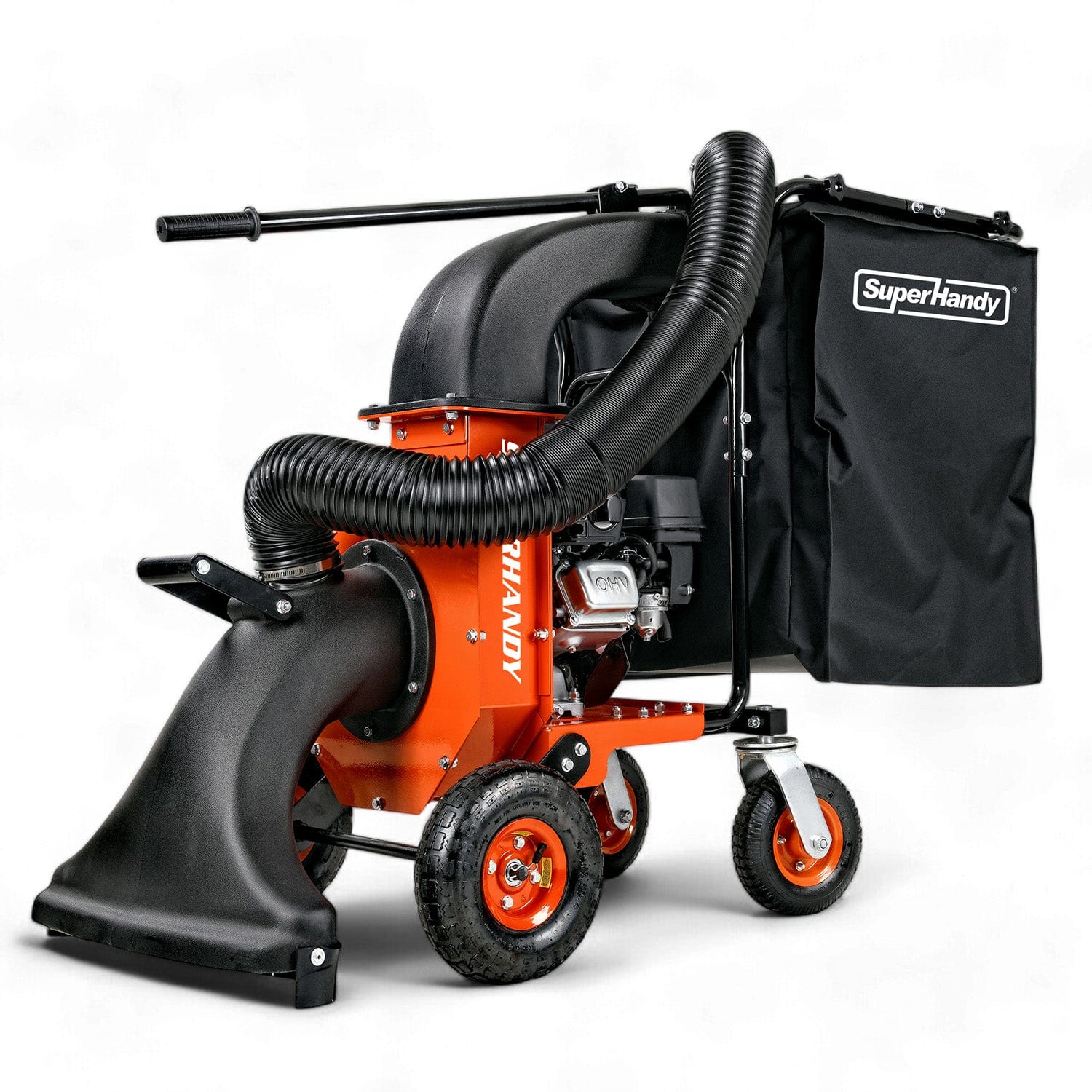
- Medium to Large Yards (1/4 to 1 Acre): If you're dealing with a more substantial area, you'll need more power and freedom from a cord. A gas-powered walk-behind vacuum mulcher is the ideal choice here. They offer superior suction to handle larger volumes of leaves, pine needles, and even small twigs and acorns without breaking a sweat.
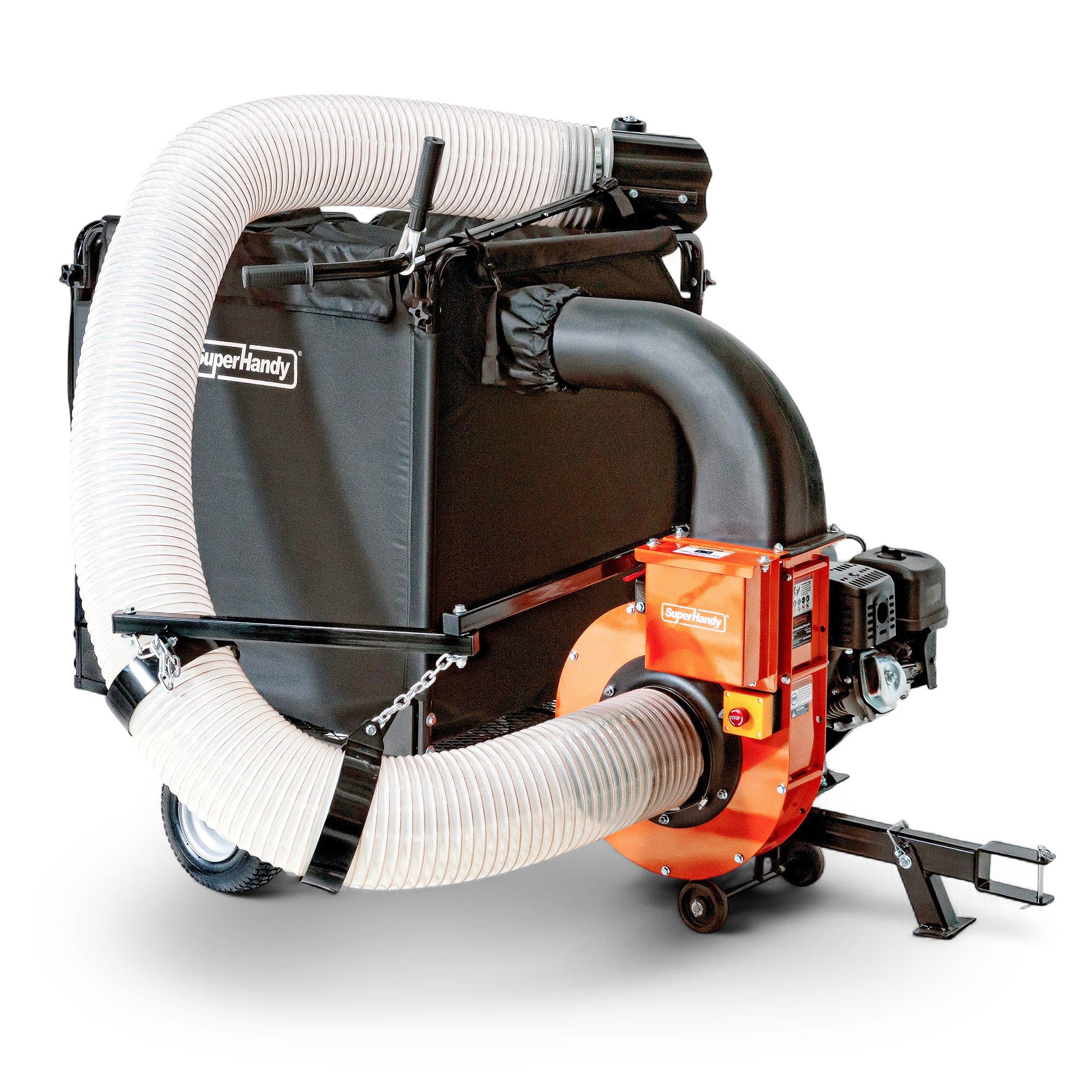
- Very Large Properties & Commercial Use (1+ Acres): For sprawling estates, commercial properties, or areas with dense, heavy debris, you need to bring in the heavy artillery. A commercial-grade unit is essential for efficient clearing. A SuperHandy Towable Leaf and Lawn Vacuum can attach to your lawn tractor or ATV, allowing you to clear huge areas quickly. For the most demanding jobs, a SuperHandy Truck Loader Leaf Vacuum offers unmatched power, mounting directly to your truck or trailer for professional-grade debris management.
Corded Electric, Cordless Battery, or Gas: Powering Your Cleanup Choice
The power source dictates your machine’s performance, mobility, and maintenance requirements.
- Corded Electric: These models are the lightest and most affordable. They require zero engine maintenance and produce no emissions. Their biggest drawback is the power cord, which limits your range and can be a hassle to manage around trees and other obstacles. They are best for small, simple yard layouts.
- Cordless (Battery-Powered): Offering the freedom of gas without the fumes or maintenance, cordless models are a popular choice. They are quiet and easy to start. However, you are limited by battery runtime, which typically ranges from 20-60 minutes. They are great for small-to-medium yards, but having a second battery on hand is often a wise investment.
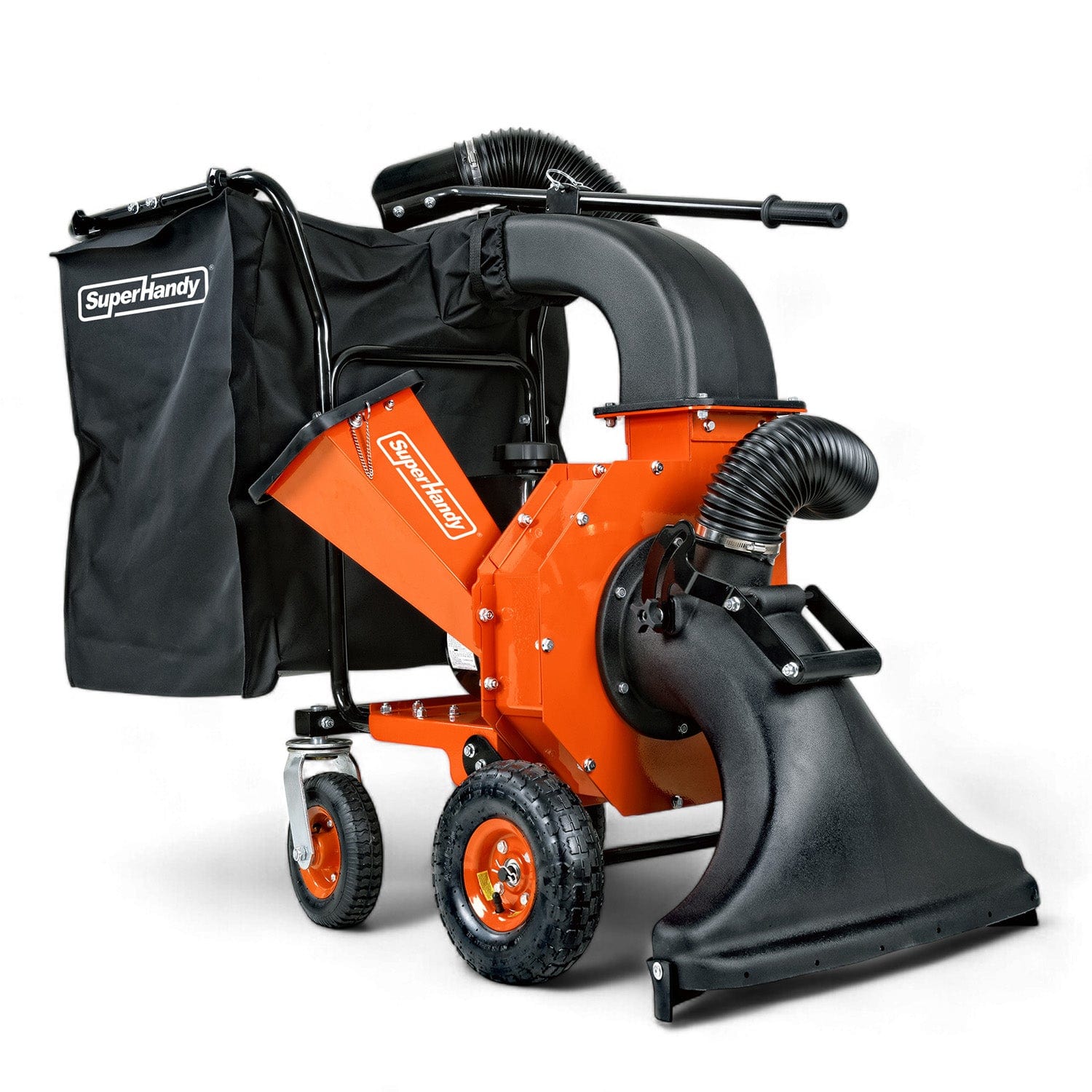
- Gas-Powered: When it comes to raw power and performance, nothing beats gas. These machines offer the strongest suction and can run for hours on a single tank of fuel, making them the undisputed champions for large or debris-heavy properties. Models like the SuperHandy 7HP Leaf Vacuum and Wood Chipper provide robust, go-anywhere capability to tackle anything your yard throws at them. The trade-off is that they are heavier, louder, and require regular engine maintenance like oil changes and spark plug checks.
What Mulching Ratio and Impeller Material Mean for Efficient Debris Reduction
Two of the most important technical specifications are the mulching ratio and the impeller material.
The mulching ratio (e.g., 10:1, 16:1) tells you how effectively the machine reduces the volume of debris. A 10:1 ratio means the machine can shred 10 bags of whole leaves down into a single bag of mulch. A higher ratio indicates finer shredding, which leads to less waste to dispose of and faster decomposition for composting. For most homeowners, a ratio between 8:1 and 12:1 is excellent.
The impeller is the heart of the machine—it’s the fan that creates the vacuum and the blade that shreds the debris. The material it's made from is a critical indicator of durability.
- Plastic/Nylon Impellers: Found on lighter-duty electric models, these are suitable for shredding dry leaves only. Attempting to vacuum up sticks, acorns, or rocks can easily cause them to crack or break.
- Metal Impellers: Standard on all quality gas-powered models, metal (usually steel or aluminum) impellers are far more durable. They can easily pulverize twigs, nuts, and pinecones along with leaves, making them much more versatile and long-lasting. For maximum toughness, look for serrated steel impellers, which are designed to aggressively shred debris for the best possible performance.
Key Features for Flawless Performance: Prioritizing Specifications for Your Needs
Once you’ve narrowed down the power source and mulching ratio, it’s time to dive into the specifications that separate a good yard vacuum mulcher from a great one. These details directly impact how efficiently the machine works and how comfortable it is to use. Focusing on performance metrics and build quality will ensure you get a tool that not only does the job but does it well for years to come.
Maximizing Pickup: Vacuum Speed (CFM) and Collection Bag Capacity
The true power of a lawn vacuum mulcher lies in two core numbers: its suction force and how much debris it can hold. Understanding these specs is crucial for matching a machine to the demands of your property.
Vacuum Speed (CFM): This is the most important metric for suction power. CFM stands for Cubic Feet per Minute, and it measures the volume of air the vacuum moves every minute. A higher CFM means stronger suction, allowing the machine to lift heavier debris like wet leaves, twigs, and even nuts with ease.
- Small Yards & Light Debris: A handheld or walk-behind model with 200-400 CFM is typically sufficient for clearing dry leaves from patios and small lawns.
- Medium to Large Yards: For properties with more square footage and a mix of leaves and small twigs, look for a walk-behind unit in the 1000-2000 CFM range.
- Commercial or Acreage Properties: For maximum efficiency on large properties or for professional use, a heavy-duty unit is essential. Models like the SuperHandy Truck Loader Leaf Vacuum, which boasts an impressive airflow, are designed to clear vast areas quickly without clogging.
Collection Bag Capacity: A powerful vacuum is useless if you have to stop every five minutes to empty the bag. Capacity is measured in gallons or bushels (1 bushel ≈ 8 gallons).
- Handheld Models: Typically have small bags (10-12 gallons) suitable for quick touch-ups.
- Walk-Behind Models: Offer a significant upgrade, with capacities ranging from 20 to 50 gallons, reducing the frequency of stops.
- Tow-Behind Models: For the largest properties, nothing beats a tow-behind vacuum. The SuperHandy Towable Leaf and Lawn Vacuum features a massive 180-gallon collection capacity, allowing you to clear multiple acres before needing to dump the load.
Ergonomics and Durability: Ensuring Comfortable and Lasting Operation
A powerful machine is only effective if you can operate it comfortably and rely on it season after season. Pay close attention to design features and materials.
Ergonomics: This is all about user comfort. Poor ergonomics can turn a 30-minute cleanup into a painful chore. Look for:
- Adjustable, Padded Handles: Reduce vibration and allow you to work at a comfortable height.
- Large, Sturdy Wheels: Make it easier to navigate uneven terrain, roots, and inclines. Never-flat or pneumatic tires are a huge plus.
- Weight and Balance: A well-balanced machine feels lighter and is easier to maneuver around obstacles, even if it’s a heavier, more powerful unit.
- Self-Propelled Drive: For larger, heavier walk-behind models, a self-propelled transmission is a back-saving feature that’s worth the investment, especially on hilly properties.
Durability: The longevity of your yard vacuum mulcher depends on its construction.
- Housing Material: Steel housing is far more durable than plastic and can withstand impacts from rocks and larger debris without cracking.
- Impeller Material: As discussed earlier, a steel or cast iron impeller will outlast a plastic one, easily shredding twigs and acorns that might damage a weaker material.
- Engine Quality: For gas models, look for reputable engine manufacturers known for reliability and easy-to-find replacement parts.
Smart Shopping: How to Evaluate Value, Read Reviews, and Make Your Final Choice
With your ideal specifications in mind, the final step is to find the best machine for your money. Smart shopping isn’t just about finding the lowest price; it’s about identifying the best overall value and making a confident, informed decision.
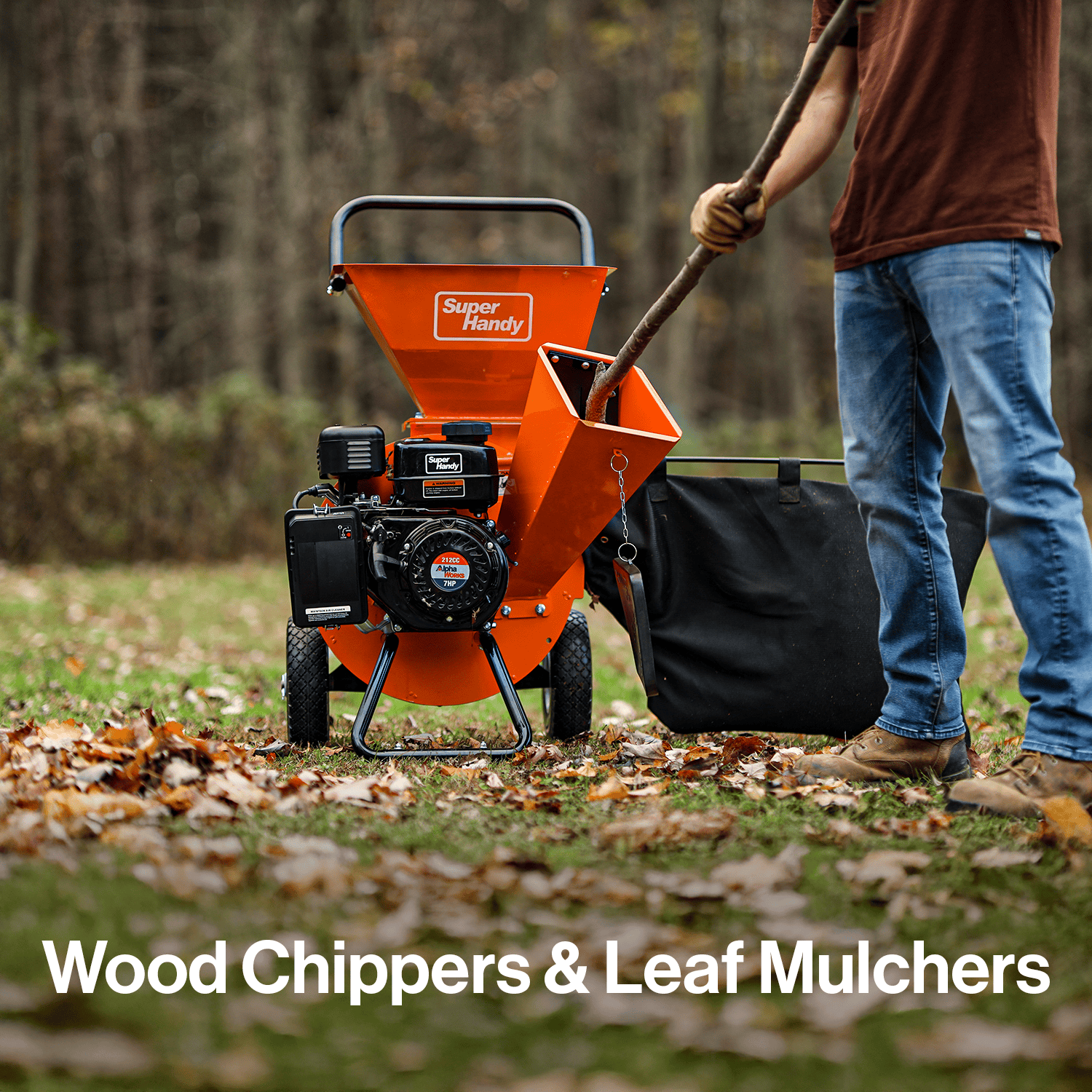
First, evaluate what “value” means for you. The cheapest option isn't always the best deal if it fails after two seasons or can't handle your specific debris. A higher-priced machine that performs multiple functions might offer better long-term value. For example, a 3-in-1 unit like the SuperHandy Leaf Vacuum Wood Chipper combines vacuuming, chipping, and mulching, potentially saving you from buying three separate tools. This kind of versatility is a hallmark of great value.
Next, become a savvy reviewer of reviews. Don't just look at the star rating. Dig into the one-, two-, four-, and five-star comments to find patterns.
- Look for Consistency: Are multiple users praising its powerful suction but complaining about a hard-to-attach bag? This gives you a realistic picture of the machine's pros and cons.
- Filter for Your Use Case: Pay more attention to reviews from people with a similar yard size and debris type. A glowing review from someone with a small, flat yard of only oak leaves might not be relevant if you have a hilly acre with pine needles and gumballs.
- Assess Durability Comments: Search for reviews from people who have owned the machine for a year or more. Their comments on engine reliability and material wear-and-tear are invaluable. According to sources like Consumer Reports, long-term reliability is a key factor in owner satisfaction.
Finally, synthesize everything. Combine your research on power types, mulching ratios, CFM, capacity, and durability with the real-world feedback from customer reviews. By cross-referencing these points against your budget, you can confidently choose the perfect yard vacuum mulcher that will serve as a reliable partner in keeping your property pristine.
Extending Your Mulcher's Life: Essential Care and Storage for Longevity
Investing in a quality lawn vacuum mulcher is the first step; protecting that investment is the next. Proper maintenance not only ensures your machine starts reliably and performs efficiently but also extends its operational life for years to come. A well-cared-for mulcher is a safe mulcher. By following a simple routine, you can prevent common issues, maintain peak suction power, and keep your yard looking pristine season after season.
Think of it like caring for a car—a little proactive attention prevents major headaches down the road. Here is a practical guide to keeping your yard vacuum in top condition.
Essential Maintenance Checklist:
-
After Every Use:
- Clean It Out: Disconnect the power source (unplug or remove the spark plug wire) before cleaning. Clear any caked-on grass, dirt, or leaf debris from the impeller housing, vacuum tube, and discharge chute. This prevents corrosion and ensures balanced, vibration-free operation.
- Empty and Inspect the Bag: Never store your mulcher with a full bag of debris. This can attract pests and promote mold or mildew, which can damage the bag fabric. While it’s empty, inspect the collection bag for any rips or tears that could compromise suction.
- Wipe Down the Exterior: A quick wipe-down removes corrosive sap and dirt, keeping the machine's housing and components in good shape.
-
Periodic & Seasonal Tune-Ups (for Gas Models):
- Check the Oil: Just like a lawnmower, the 4-stroke engine in a gas-powered mulcher needs its oil checked regularly and changed according to the manufacturer's schedule—typically after the first 5 hours of use and then every 25-50 hours thereafter.
- Clean the Air Filter: A clogged air filter starves the engine of air, reducing power and increasing fuel consumption. Tap it clean or replace it when it becomes visibly dirty.
- Inspect the Spark Plug: A clean, properly gapped spark plug is crucial for easy starting. Check it annually and replace if it shows signs of heavy carbon buildup or electrode wear.
Proper Off-Season Storage:
When the leaves are gone and it's time to store your machine for the winter, a few extra steps are critical:
- Fuel Management: For gas engines, either run the engine until the fuel tank is completely empty or fill the tank and add a quality fuel stabilizer. Stabilizer prevents the gasoline from degrading and gumming up the carburetor.
- Thorough Cleaning: Give the entire machine a deep clean, removing all organic matter. This is the most important step to prevent rust and corrosion during storage.
- Find a Dry Spot: Store the lawn vacuum mulcher in a clean, dry, and sheltered location like a garage or shed. This protects it from the elements and keeps it ready for the first cleanup of spring.
Frequently Asked Questions About Yard Vacuum Mulchers
Can a mulcher handle wet leaves, and what's the best mulching ratio?
This is one of the most common questions, and the answer involves a bit of physics and machine capability.
While some high-powered gas models can process damp leaves, it's almost universally recommended to vacuum leaves when they are dry or only slightly damp. Wet leaves are heavy, sticky, and tend to clump together. This can easily clog the vacuum hose, intake chute, and impeller blades, leading to a frustrating loss of suction and potential strain on the engine or motor. Furthermore, wet debris doesn't shred as finely, reducing the effectiveness of the mulching function. For best results, wait for a dry day after the morning dew has evaporated.
The mulching ratio (or reduction ratio) tells you how effectively a machine reduces the volume of debris. A ratio of 10:1, for instance, means the mulcher can reduce 10 bags of whole leaves into a single bag of finely chopped mulch.
- What's a good ratio? For most residential use, a ratio between 8:1 and 12:1 is excellent. The SuperHandy Leaf Vacuum and Wood Chipper offers a solid 10:1 ratio perfect for typical yard cleanup.
- When is a higher ratio better? If you have a large property with heavy leaf fall, a higher ratio (12:1 or more) is highly beneficial. It means less time spent emptying the collection bag and produces a finer mulch ideal for composting or top-dressing garden beds.
How often should I perform maintenance, and what are common troubleshooting tips?
Regular maintenance is key. Following the schedule in the user manual for your specific model is always the best practice, but a good general guideline is:
- Before Each Use: Quick visual inspection. Check fuel and oil levels (gas models), ensure all safety guards are in place, and check that the collection bag is properly attached and free of holes.
- After Every 5-10 Hours of Use: Clean the air filter. Inspect the impeller for any wrapped-up debris like vines or string.
- Annually (or after 25 hours): Perform a full tune-up. This includes changing the oil, replacing the spark plug and air filter, and inspecting the impeller blades for excessive wear or damage. For heavy-duty equipment like a towable leaf vacuum, checking tire pressure and wheel bearings is also a good idea.
Common Troubleshooting Tips:
-
Problem: Loss of Suction
- Solution: This is almost always due to a blockage or an air leak. Turn off the machine completely. Check the nozzle and vacuum tube for clogs. Ensure the collection bag is not full. Finally, inspect the bag for any rips or tears and confirm it's sealed tightly to the housing.
-
Problem: Engine Won't Start (Gas Models)
- Solution: Follow the basic engine checklist. Is there fresh fuel in the tank? Is the choke in the correct starting position? Is the spark plug wire firmly connected? If these don't work, the issue may be a clogged air filter or a fouled spark plug.
-
Problem: Excessive Vibration
- Solution: Stop the machine immediately. Excessive vibration often indicates a problem with the impeller. It could be clogged with stringy debris, throwing it off balance, or one of the blades might be damaged or broken. Disconnect the power source before carefully inspecting and cleaning the impeller chamber. On commercial-grade units like a truck loader vacuum, ensuring the serrated metal impeller is clear is critical for performance and safety.
Related Products




Leave a comment
All comments are moderated before being published.
This site is protected by hCaptcha and the hCaptcha Privacy Policy and Terms of Service apply.