











Understanding Your Mobility Needs: A Crucial First Step
Before diving into specific models, the most important step is to honestly assess your personal needs. Choosing the right mobility aid isn't just about the device; it's about how it integrates with your life. Consider these questions:
- Do you have the upper body strength and dexterity to operate a manual wheelchair or a scooter's tiller?
- How is your posture and balance? Will you need significant support?
- Will you primarily use the device indoors, outdoors, or both?
- How far do you typically need to travel on a single trip?
- How will you transport the device in a car?
Answering these will provide a clear foundation for your decision.
Mobility Scooters: Exploring the Different Types and Features
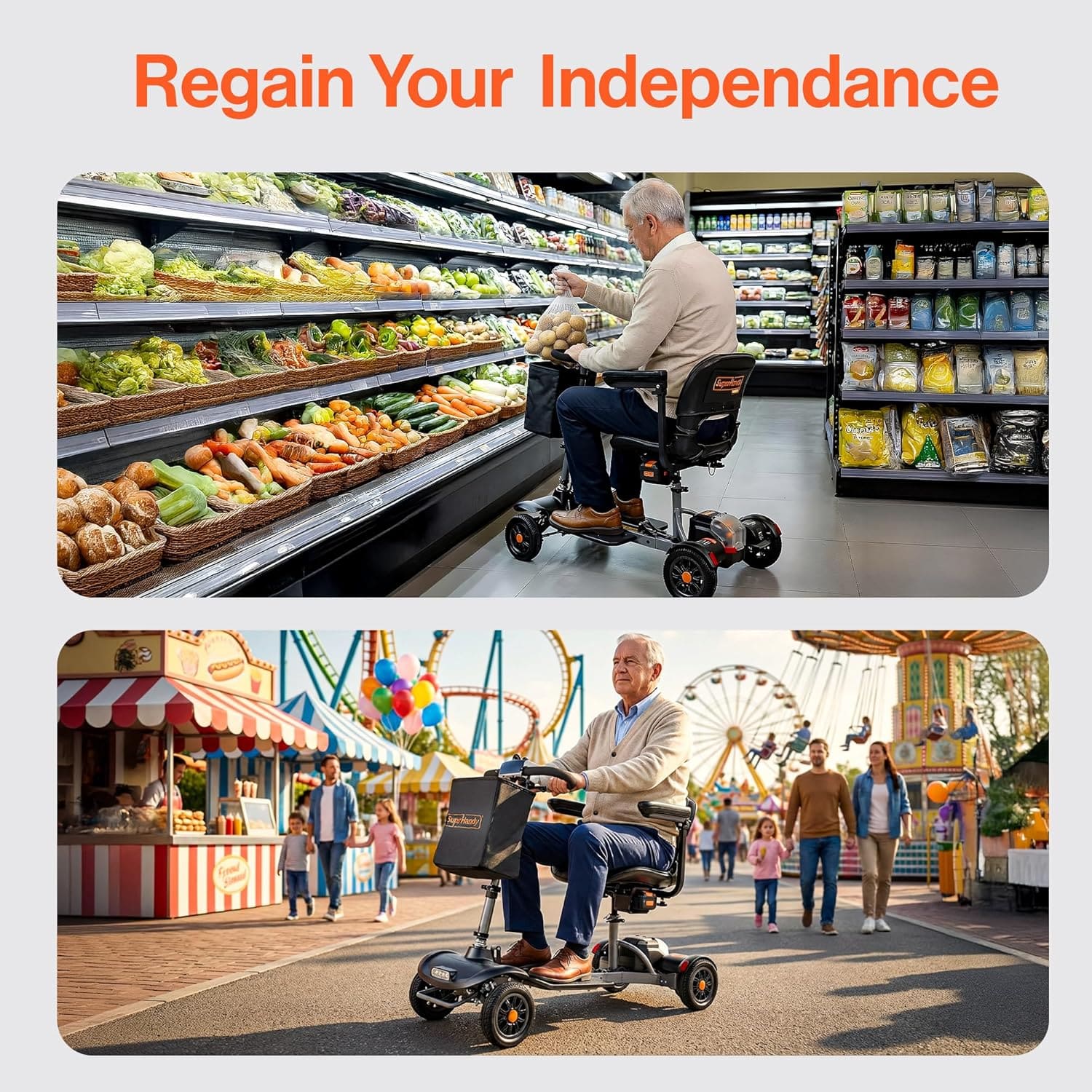
A mobility scooter is an excellent choice for individuals who can walk short distances but need help for longer trips, like shopping or exploring a park. They are operated with a handlebar-style tiller for steering, acceleration, and braking. Scooters come in various forms:
- 3-Wheel Scooters: Offer a tighter turning radius, making them ideal for indoor use.
- 4-Wheel Scooters: Provide greater stability, especially on uneven outdoor terrain.
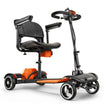
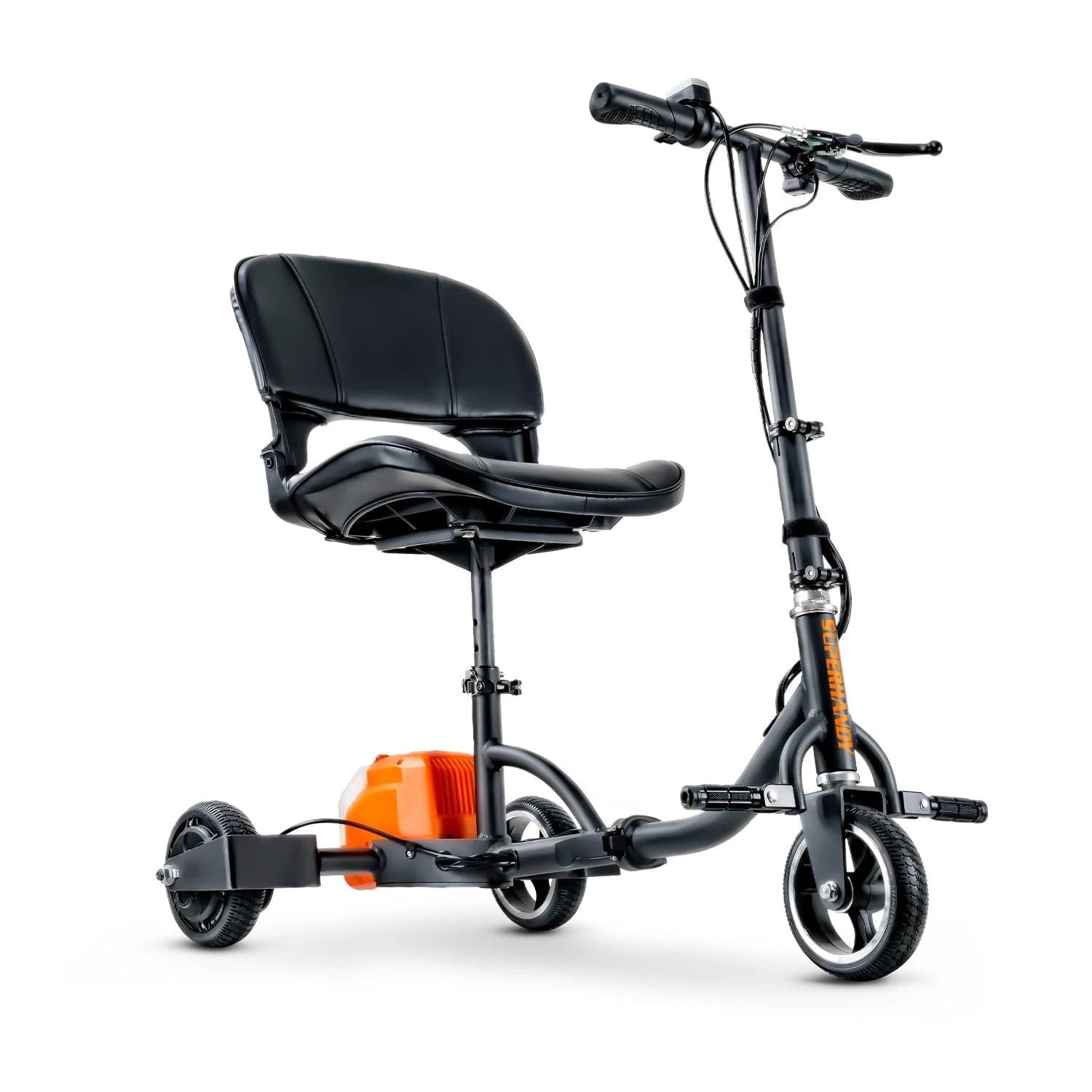
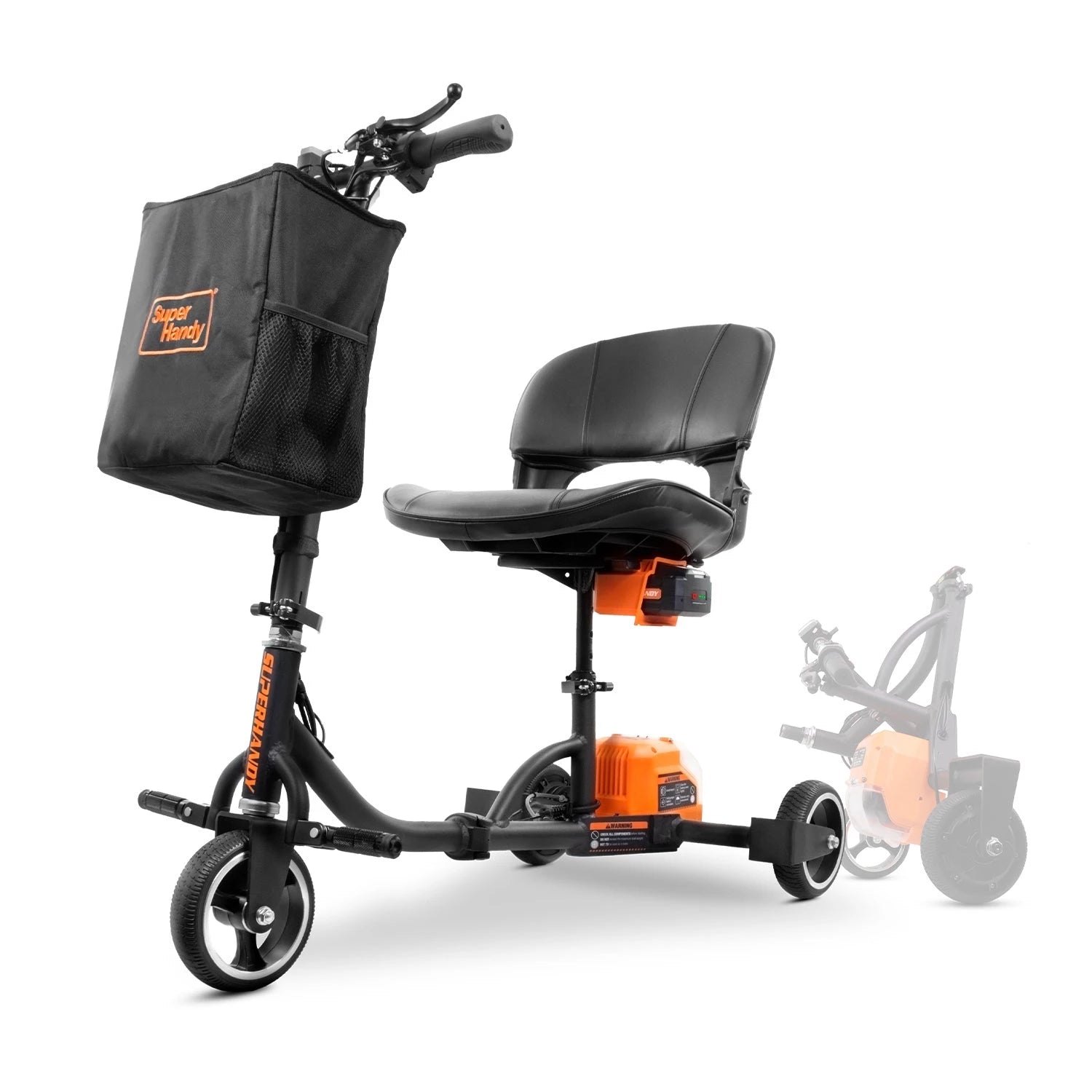
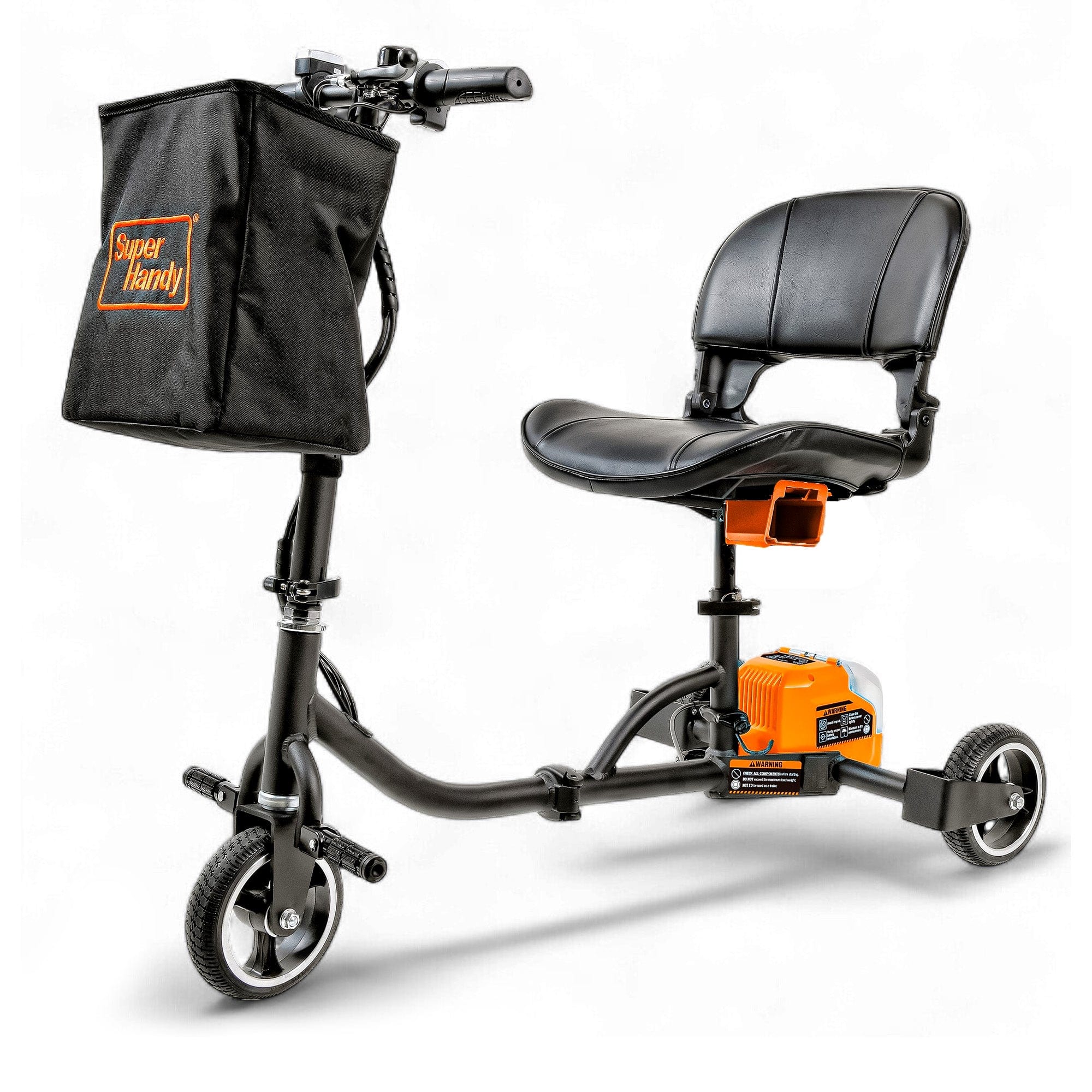
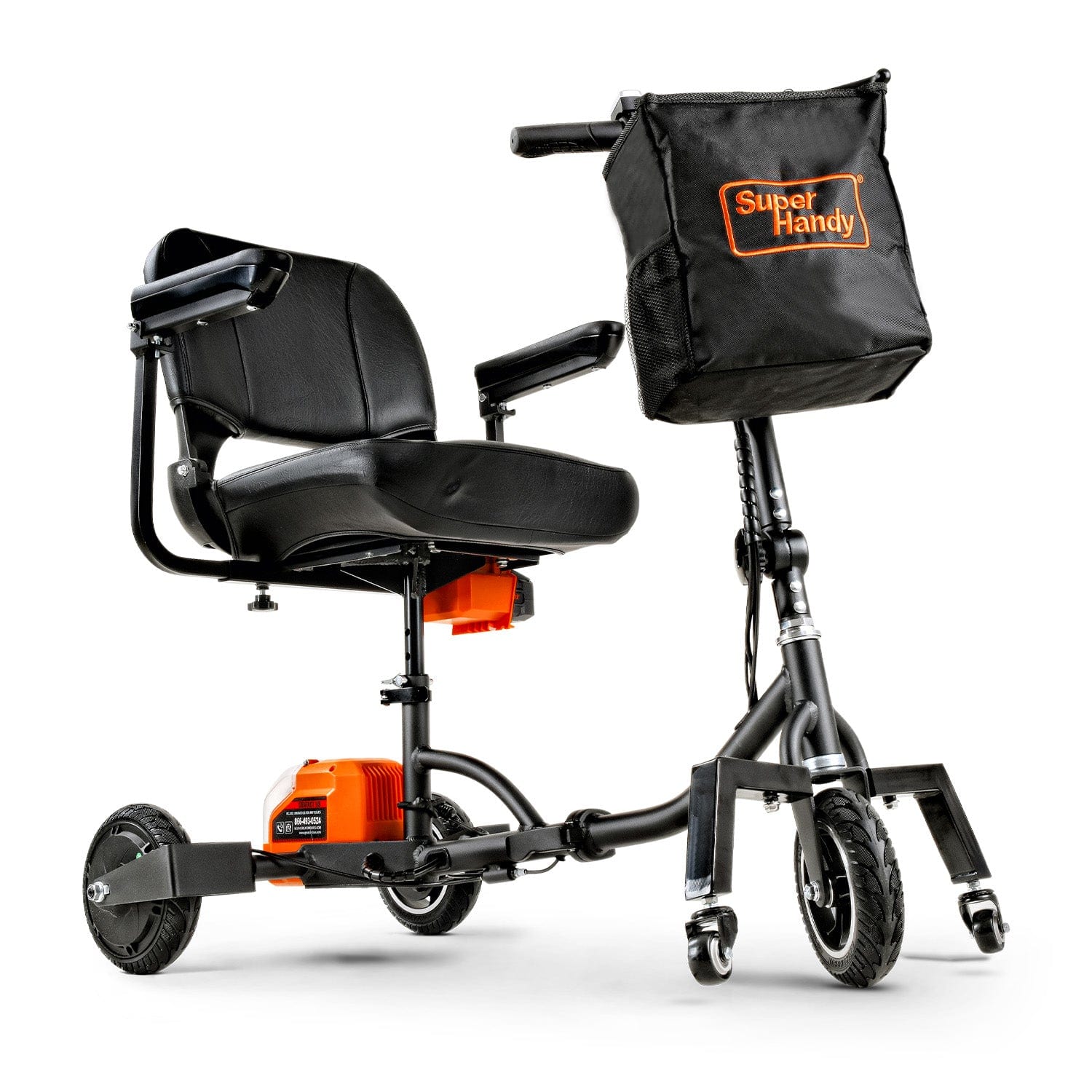
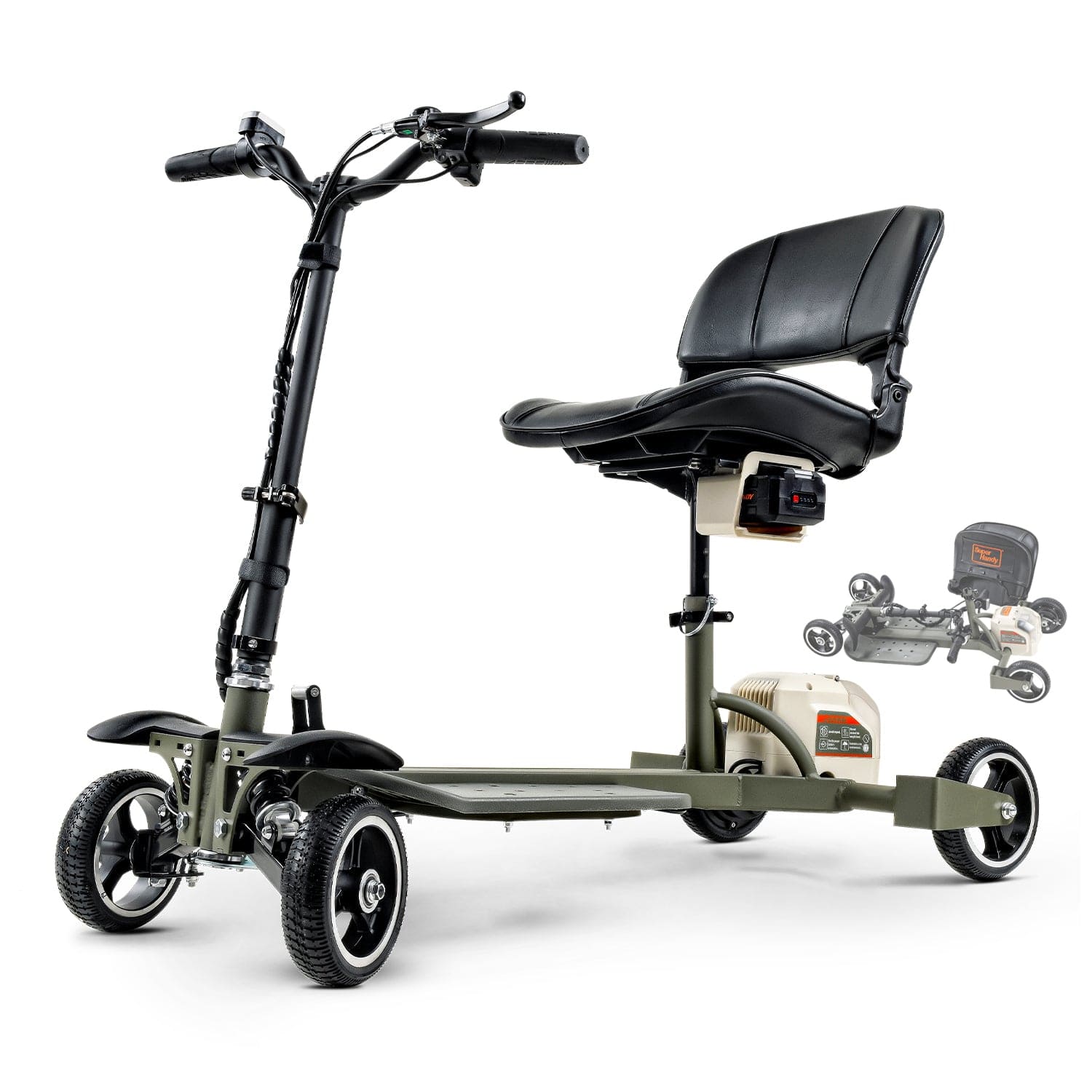
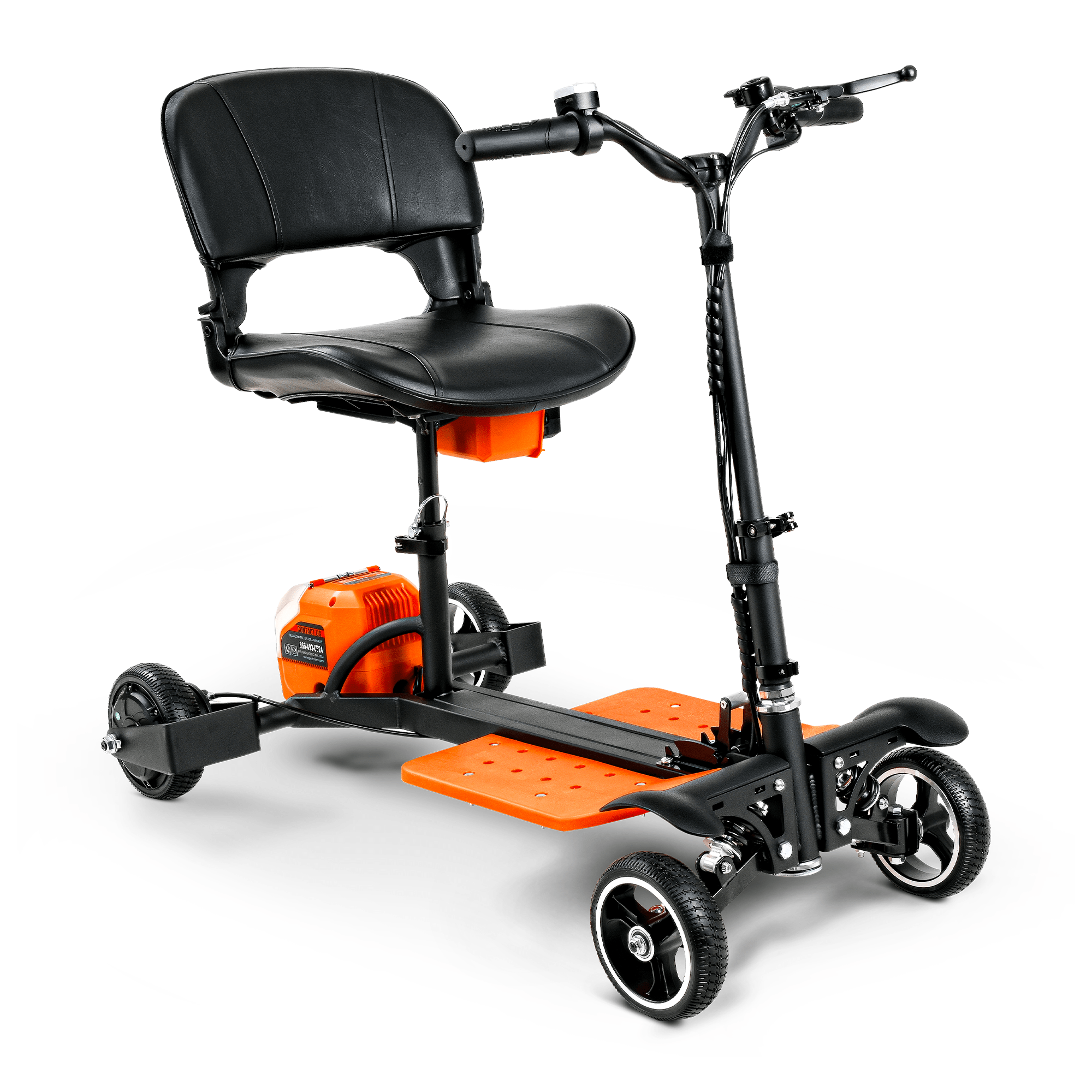
- Travel/Folding Scooters: A popular lightweight mobility scooter option designed for easy disassembly and transport.
Most models include a comfortable seat, a front basket for storage, and a battery that provides a specific travel range.

Manual Wheelchairs: Lightweight, Portable, and User-Powered
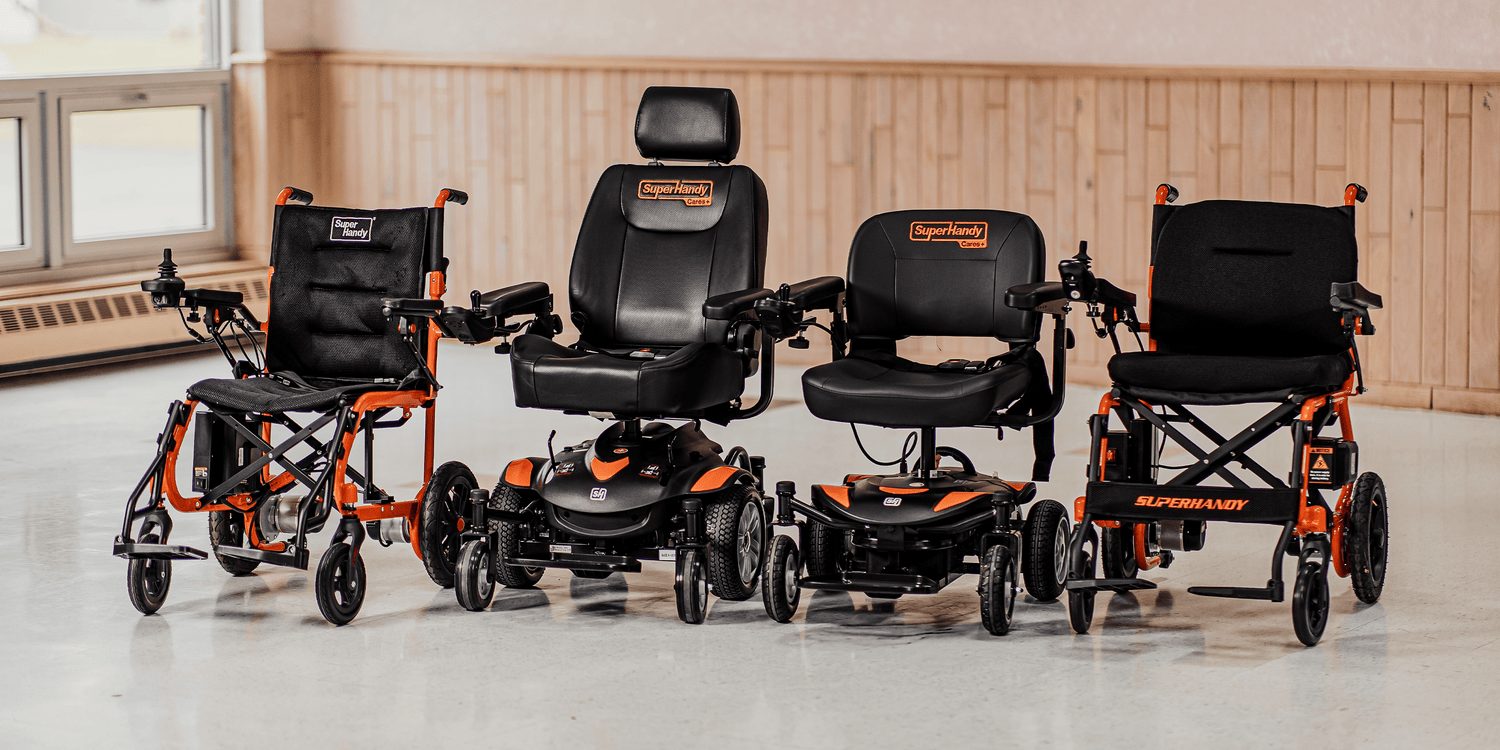
Manual wheelchairs are the classic mobility solution, powered either by the user pushing the large rear wheels or by a caregiver pushing handles from behind. Their primary advantages are simplicity and portability. They are generally lighter than any powered option, fold up easily to fit in a vehicle's trunk, and require no batteries or charging. They excel in navigating tight indoor spaces. However, self-propulsion requires significant upper-body strength and stamina, which is a key consideration for potential users.
Power Wheelchairs: Advanced Features for Enhanced Independence
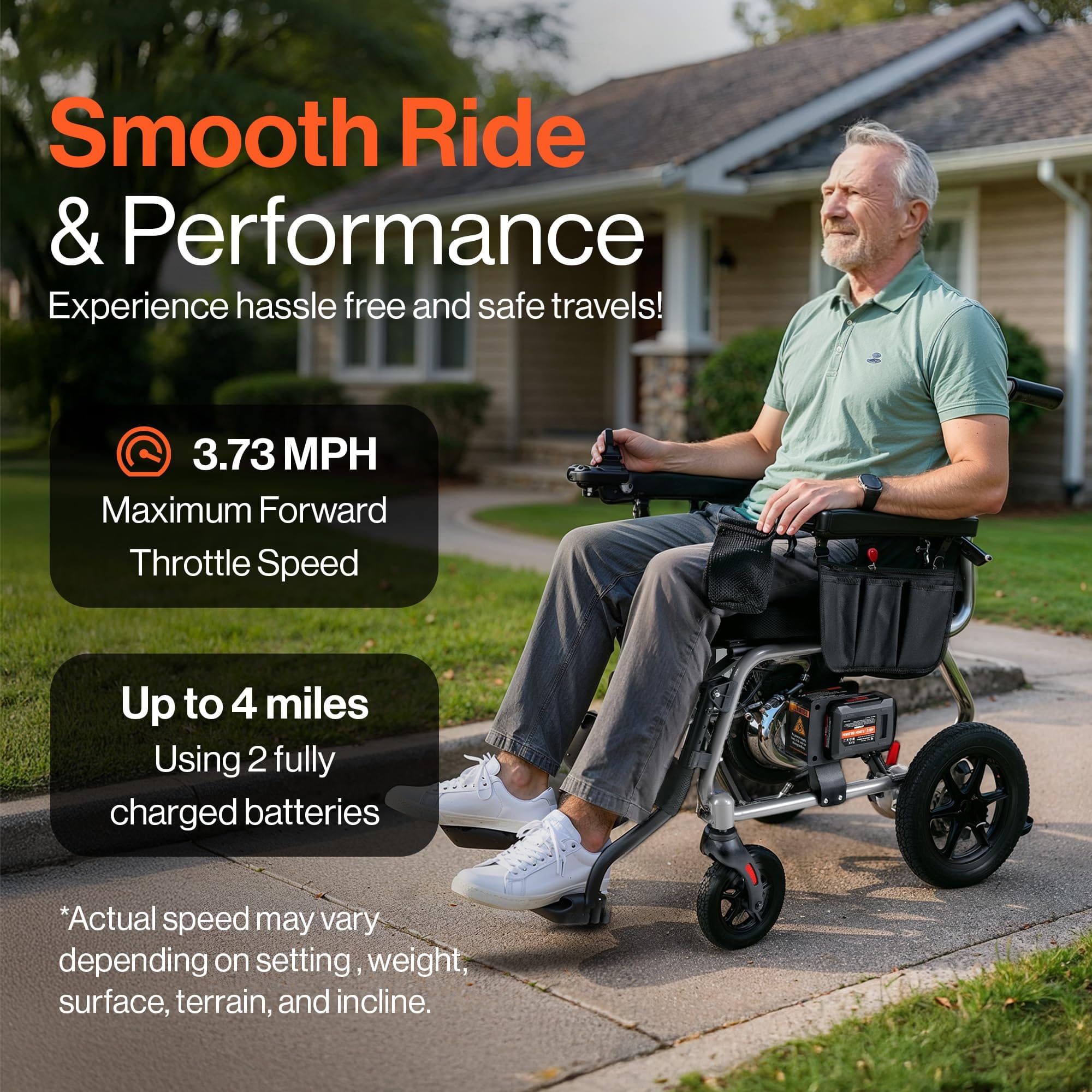
Often confused with scooters, power wheelchairs (or "powerchairs") serve a different primary purpose. They are operated with a joystick, which requires less strength and dexterity than a scooter's tiller. Powerchairs are often prescribed for individuals with more significant mobility impairments who may need to spend most of their day in the device. They are highly maneuverable and can feature advanced options like power tilt, recline, and customized seating for pressure relief and postural support.
Comparing Key Differences: Speed, Range, and Maneuverability
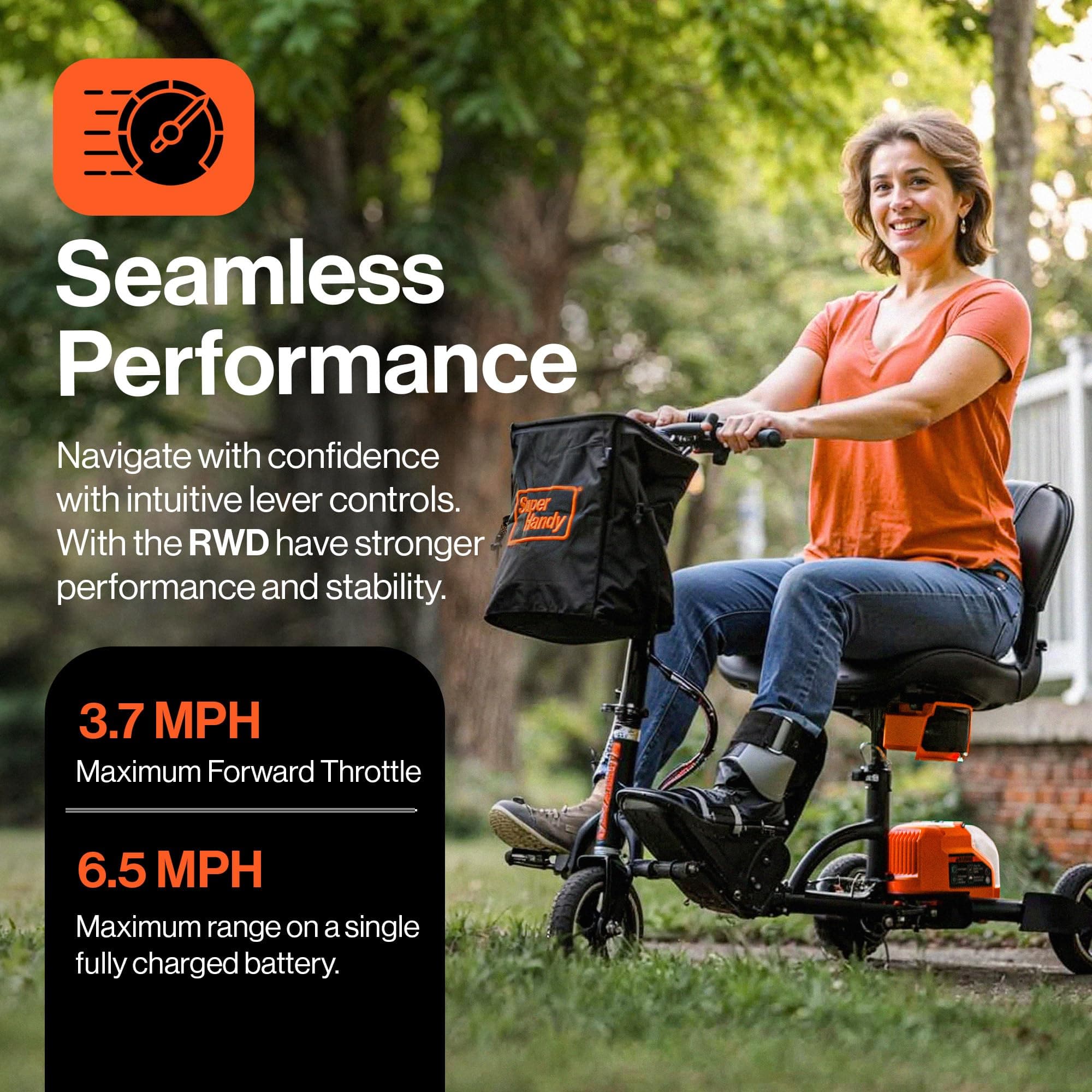
When you look at the specifications, the differences become clear. A mobility scooter is generally built for distance and speed, often reaching 4-8 mph and traveling 10-20 miles or more on a single charge. This makes them ideal for running errands or enjoying a day out. However, their larger size and tiller steering result in a wider turning radius. In contrast, power wheelchairs are masters of maneuverability. With a turning radius that can be virtually zero, they excel in tight quarters. Their top speeds are typically lower, around 3-5 mph, focusing on precise indoor navigation rather than long-distance travel.
Navigating Different Terrains: Indoors vs. Outdoors
Where you plan to use your device is a critical factor. Mobility scooters are champions of the outdoors. With larger wheels and more robust construction, they handle varied terrains like park paths, sidewalks, and parking lots with ease. Their design prioritizes stability and comfort over longer distances on uneven surfaces.

Wheelchairs, particularly power chairs, are designed to be an extension of the user's body indoors. Their tight turning capabilities make it easy to navigate narrow hallways, doorways, and around furniture. While many power chairs can handle outdoor use on smooth surfaces, a dedicated mobility scooter is often the better choice for extensive outdoor adventures.
Considering Your Physical Strength and Stamina
Your physical abilities will heavily influence your choice. Operating a mobility scooter requires good trunk control, the ability to sit upright without support, and sufficient upper body strength and dexterity to manage the tiller. You must also be able to safely get on and off the device. For those who self-propel, a manual wheelchair demands significant upper body strength. A power wheelchair, on the other hand, requires the least physical exertion, making it an excellent option for individuals with limited strength, stamina, or upper body mobility, as it is controlled with a simple joystick.
The Role of Accessibility and Transportation
How will you transport your mobility aid? This is a practical question you can't ignore. Many modern lightweight mobility scooters are designed for portability, easily disassembling into a few manageable pieces that fit in a standard car trunk. Folding manual wheelchairs are also simple to transport. Heavy-duty scooters and most power wheelchairs, however, are a different story. They often require a specialized vehicle lift or a wheelchair-accessible van for transportation, adding a layer of complexity and cost. In terms of daily accessibility, a power wheelchair’s design often allows the user to pull up close to tables and desks, a task that can be challenging on a scooter due to the front tiller.
Cost and Maintenance: What to Expect with Each Option
Your budget involves more than just the initial purchase price. Mobility scooters generally have a moderate upfront cost and require maintenance for batteries, tires, and electrical systems. Manual wheelchairs are the most affordable initially, with minimal upkeep like tire inflation. Power wheelchairs represent the highest investment, with maintenance needs similar to scooters, including batteries, motors, and complex electronics.
Lifestyle Integration: How Each Device Fits Your Daily Life
Consider how a mobility aid will mesh with your daily activities. A mobility scooter is suitable for an active user who enjoys longer trips to the park, grocery store, or community events. They function like a personal vehicle for pathways and sidewalks. For those who travel often, a lightweight mobility scooter can be easily disassembled and packed in a car.
Wheelchairs, on the other hand, often integrate more closely with the home. Manual chairs are excellent for navigating indoors and are always ready to go. Power wheelchairs become a near-constant companion for users needing full-time support, offering a seamless transition from the living room to a backyard patio.
Who Benefits Most from a Mobility Scooter?
A mobility scooter is the ideal choice for individuals who:
- Can walk but have difficulty with longer distances due to stamina, pain, or balance issues.
- Have the upper body strength and dexterity to operate a tiller steering system.
- Can transfer on and off the seat with minimal or no assistance.
- Primarily need a mobility device for outdoor use or navigating large indoor spaces like malls.
Who Benefits Most from a Wheelchair (Manual or Power)?
A wheelchair is often better suited for individuals who need more comprehensive support.
Manual Wheelchair Users:
- Have the upper-body strength to self-propel or have a caregiver who can assist.
- Need a device for both indoor and outdoor use that is highly maneuverable in tight spaces.
Power Wheelchair Users:
- Require full-time mobility assistance due to significant physical limitations.
- Cannot operate a manual wheelchair or a scooter's tiller system.
- Need specialized seating for postural support and pressure relief throughout the day.
Making the Final Decision: A Step-by-Step Guide
Choosing the right mobility aid is a significant decision. To ensure you make the best choice for your unique situation, follow this simple guide:
- Assess Your Core Needs: Review your daily activities, physical strength, and the primary environments you'll be navigating. Will you be mostly indoors, or do you need a device for rugged outdoor paths?
- Consult Professionals: Always discuss your options with a doctor, physical therapist, or occupational therapist. They can provide a professional assessment and recommend the most suitable type of device for your health needs.
- Consider Transportation and Storage: How will you transport your device? If you travel frequently by car, a foldable lightweight mobility scooter might be a better fit than a heavy-duty model. Measure your doorways and storage space at home.
- Test Drive: Whenever possible, try out different models. Get a feel for the controls, seating, and maneuverability of both wheelchairs and mobility scooters to see what feels most natural and comfortable.
Frequently Asked Questions About Mobility Scooters and Wheelchairs
Q: Can I take a mobility scooter on an airplane? A: Yes, most airlines accommodate mobility aids, but their policies differ. You must contact the airline well in advance to confirm their procedures for batteries and storage. A compact, lightweight mobility scooter is often the easiest type to travel with.
Q: Is a mobility scooter covered by insurance? A: Coverage varies widely. Some insurance plans, including Medicare Part B, may cover a portion of the cost if it's deemed a medical necessity and prescribed by a doctor. Always check directly with your insurance provider for details on your specific plan.
Q: Should I get a 3-wheel or 4-wheel mobility scooter? A: It depends on your primary use. 3-wheel scooters offer a tighter turning radius, making them excellent for indoor use and navigating smaller spaces. 4-wheel scooters provide greater stability, making them a safer choice for uneven outdoor terrain.
Where to Find Expert Advice and Try Before You Buy
Your journey to improved mobility doesn't have to be a solo one. The best first step is always to speak with your healthcare provider. They can offer personalized medical advice that is crucial for your decision.
For product-specific questions, a reputable dealer is your best resource. At SuperHandy, our team is knowledgeable about every feature of our devices. We can help you compare models and find the perfect mobility scooter to match your lifestyle. Explore our full collection of mobility solutions online or contact our customer support team for expert guidance on regaining your independence.
Sources and Further Reading
Related Products



Leave a comment
All comments are moderated before being published.
This site is protected by hCaptcha and the hCaptcha Privacy Policy and Terms of Service apply.