









Understanding Your Yard Waste: How Much Debris Do You Actually Produce?
Before you even start looking at models, the first step is to take a realistic inventory of your yard. The type and volume of debris you generate are the most important factors in determining the right wood chipper for you. Ask yourself a few key questions:
- Property Size: Do you have a small suburban lot under half an acre, or are you managing a larger property with multiple acres and wooded areas? A smaller yard typically produces less waste and can be managed with a lighter-duty machine.
- Debris Type: What are you cleaning up most often? Is it primarily soft materials like leaves, pine needles, and small twigs from seasonal pruning? Or are you frequently dealing with thick, hardwood branches from mature trees after a storm? The diameter and hardness of the wood are critical factors.
- Frequency of Use: Will you use the chipper for a few hours each spring and fall, or do you need a machine for more regular, year-round maintenance? Your answer will influence your decision between a convenient, easy-to-store model and a more robust, heavy-duty workhorse.
Take a walk around your property and make an honest assessment. A homeowner who mainly needs to dispose of twigs and leaves from a few ornamental trees has very different needs than someone clearing a wooded backlot.
Types of Wood Chippers: Electric vs. Gas-Powered
Wood chippers primarily fall into two categories based on their power source: electric and gas. Each type has distinct advantages and is suited for different tasks and environments. Understanding this fundamental difference is the first step in narrowing down your options from the wide world of Wood Chipper models.
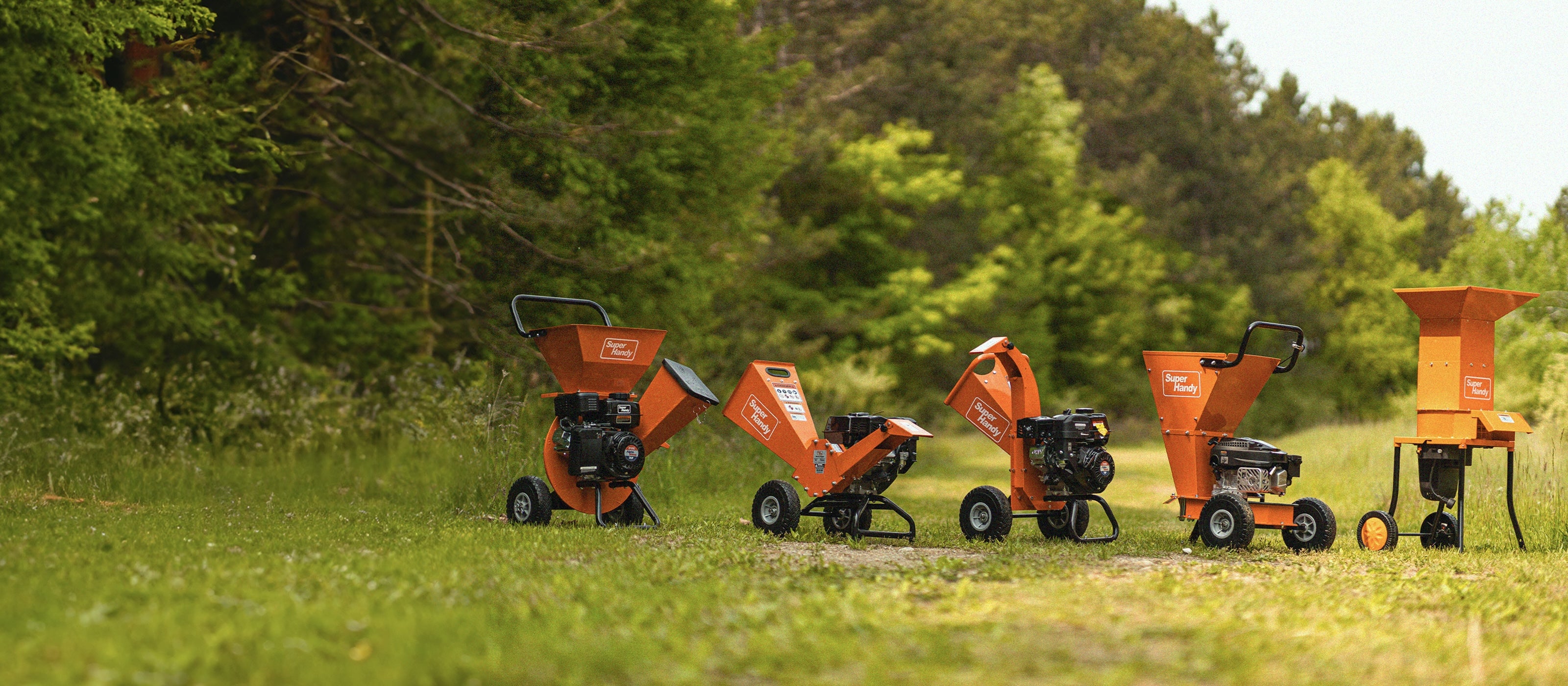
Electric wood chippers are powered by a standard household outlet. They are generally lighter, quieter, and more affordable than their gas-powered counterparts. They require minimal maintenance (no oil changes or fuel mixing) and produce no emissions, making them an eco-friendly choice. Their main limitation is power and portability; they are tethered by an extension cord and are best suited for smaller branches and softer yard waste.
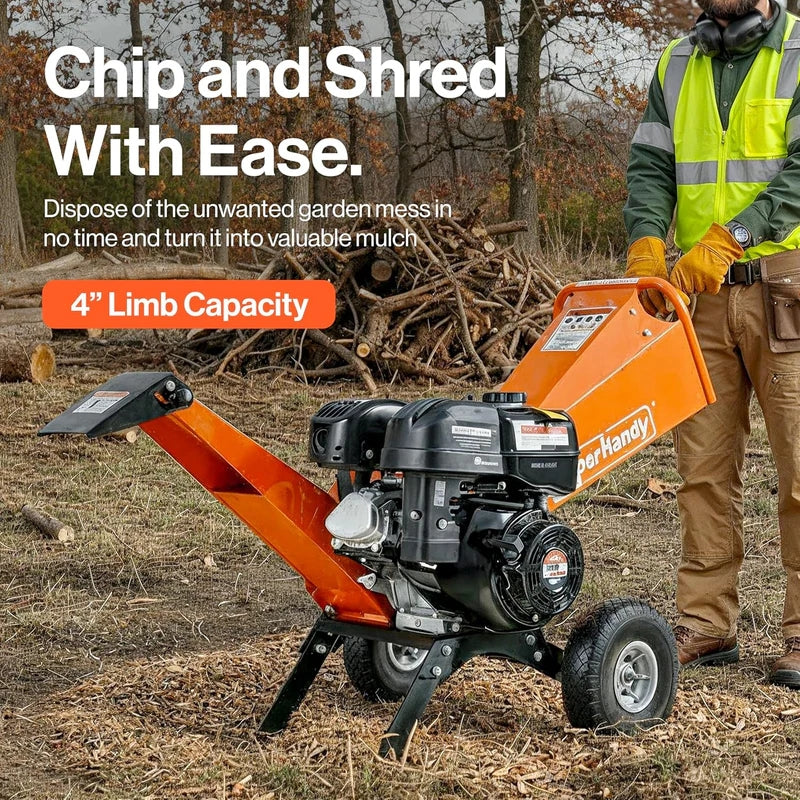
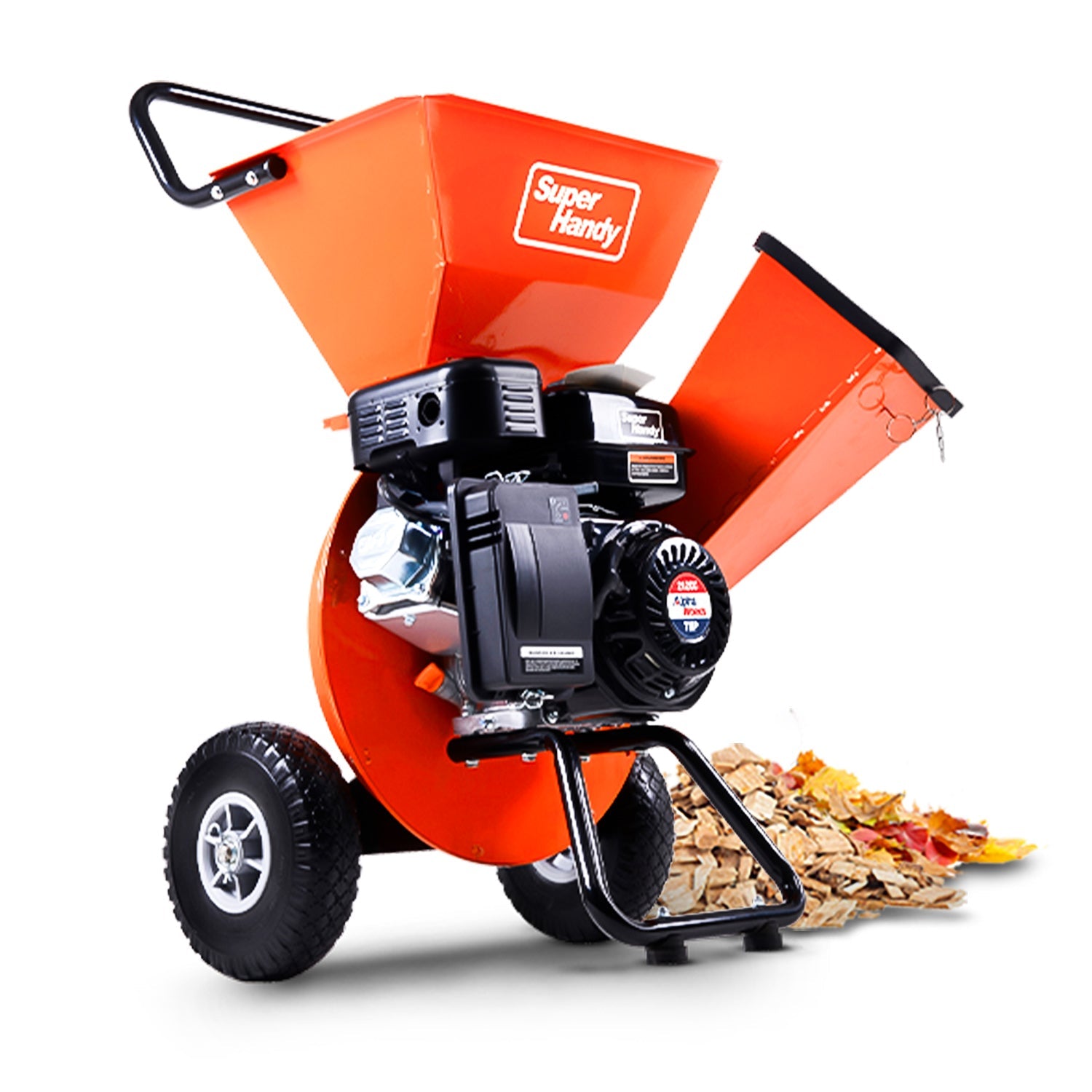
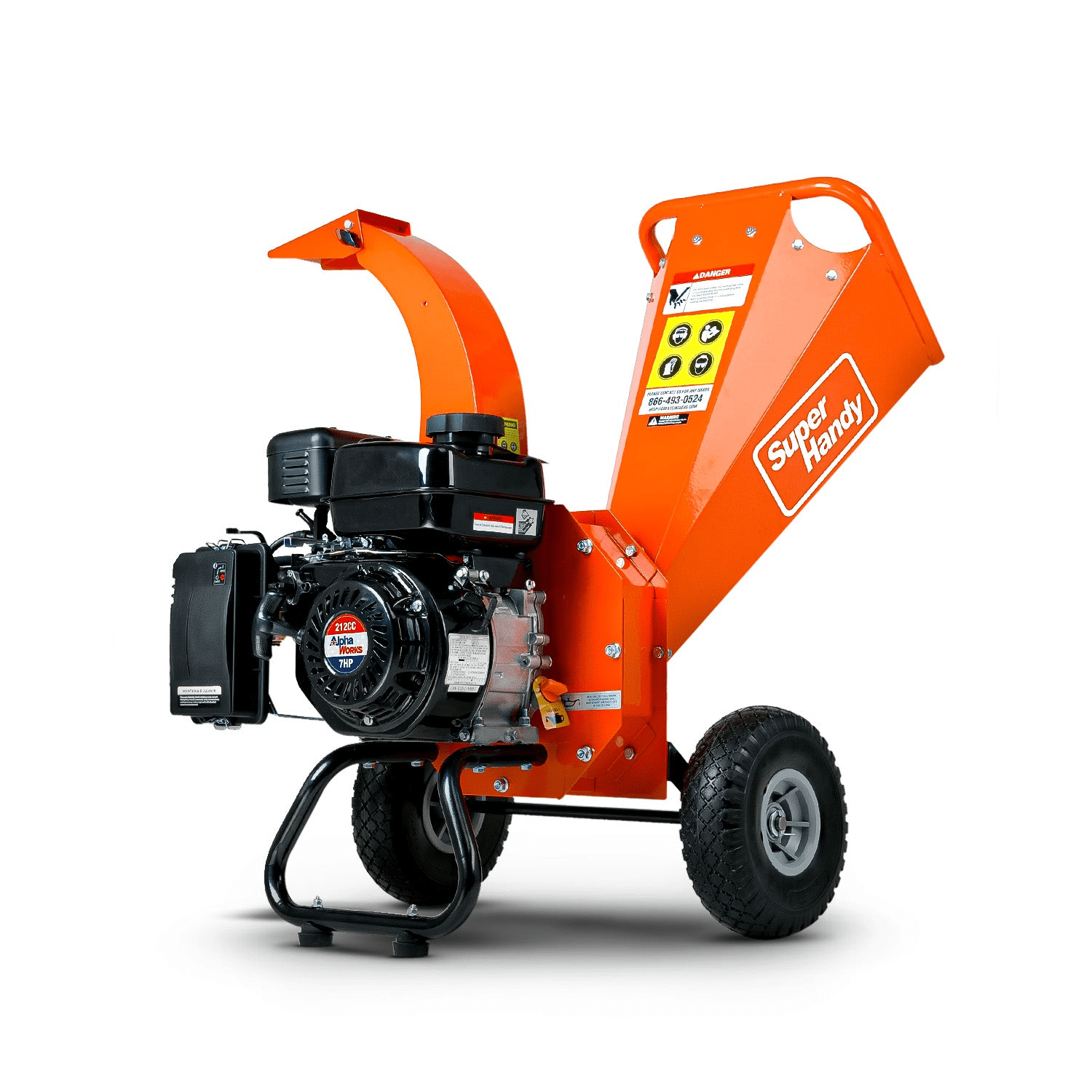
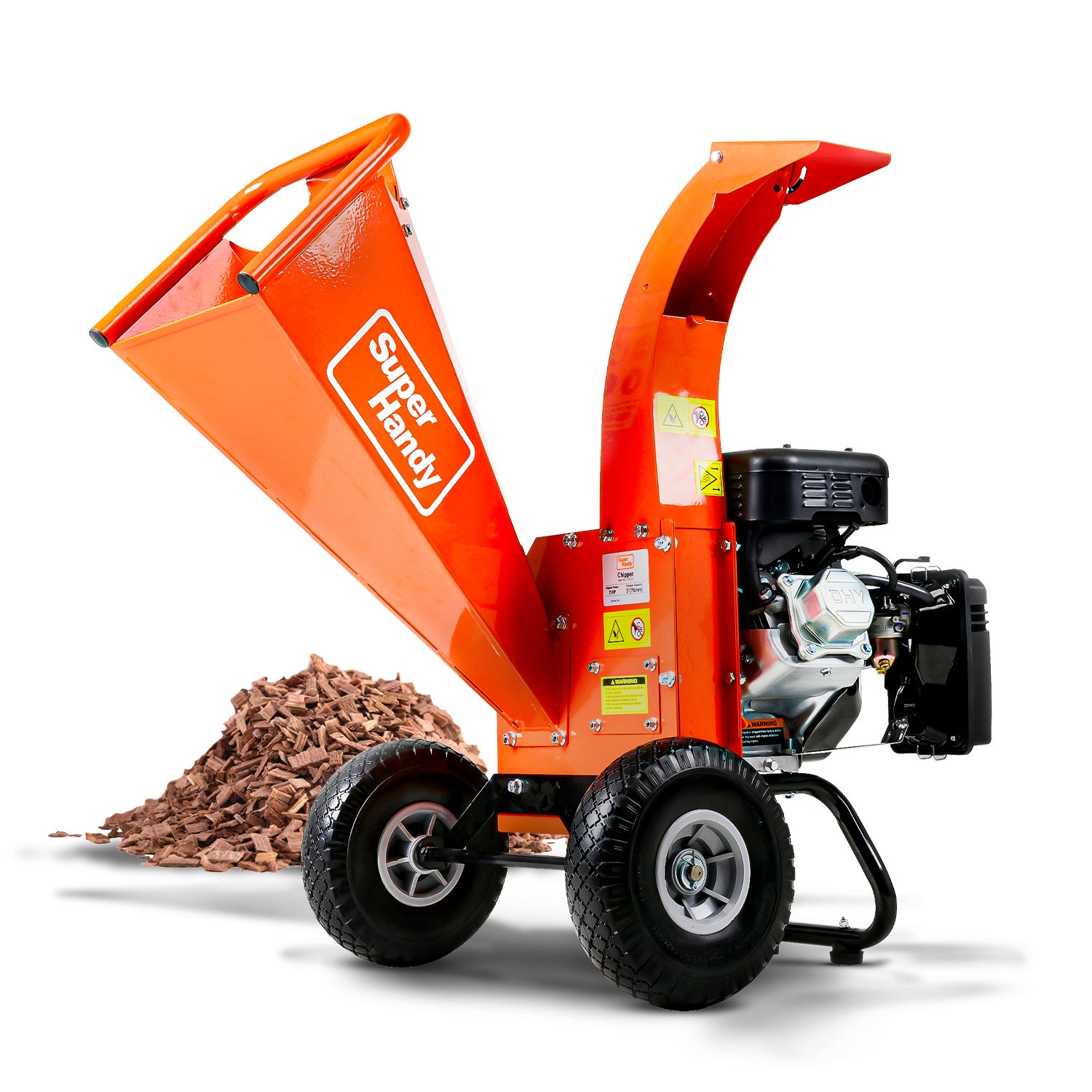
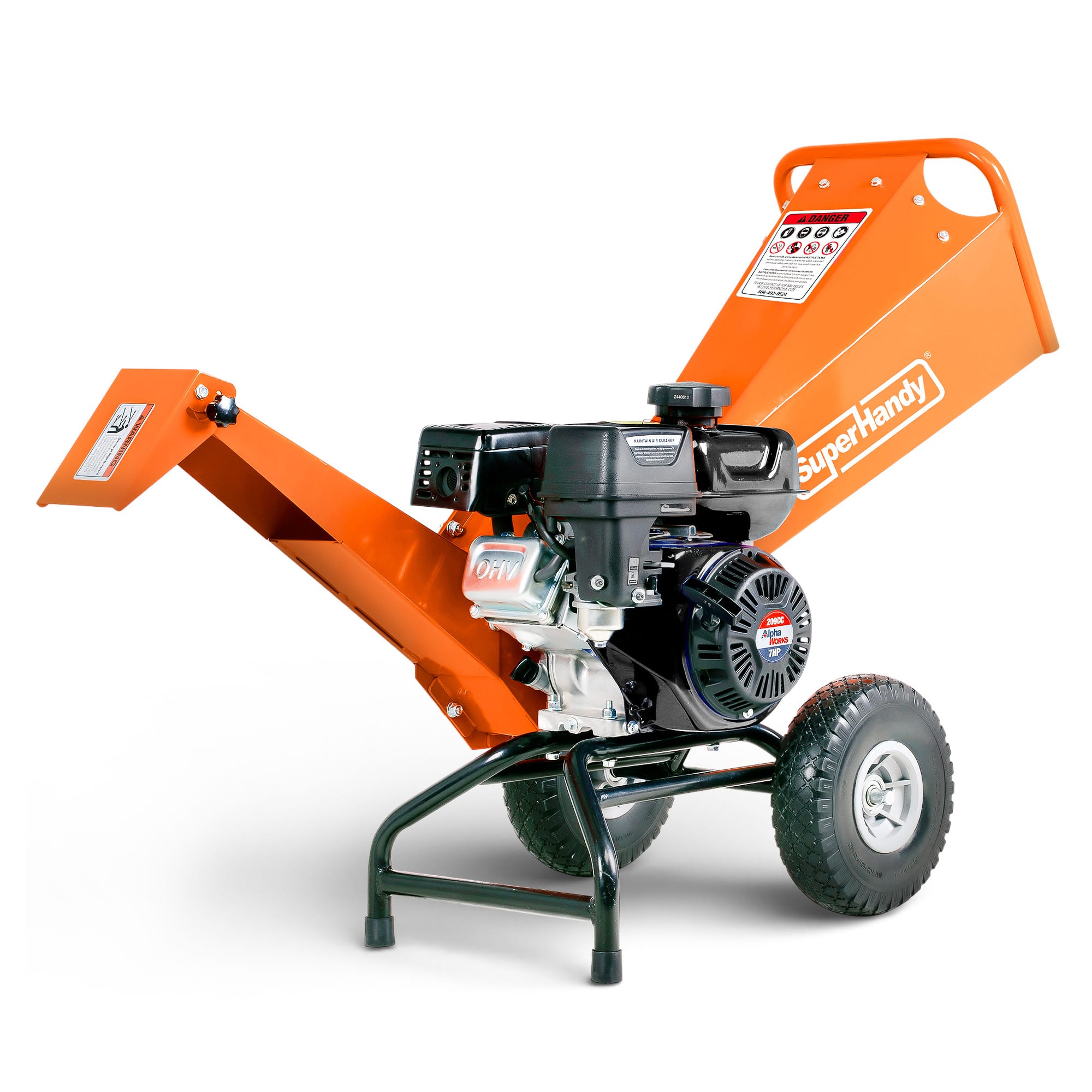
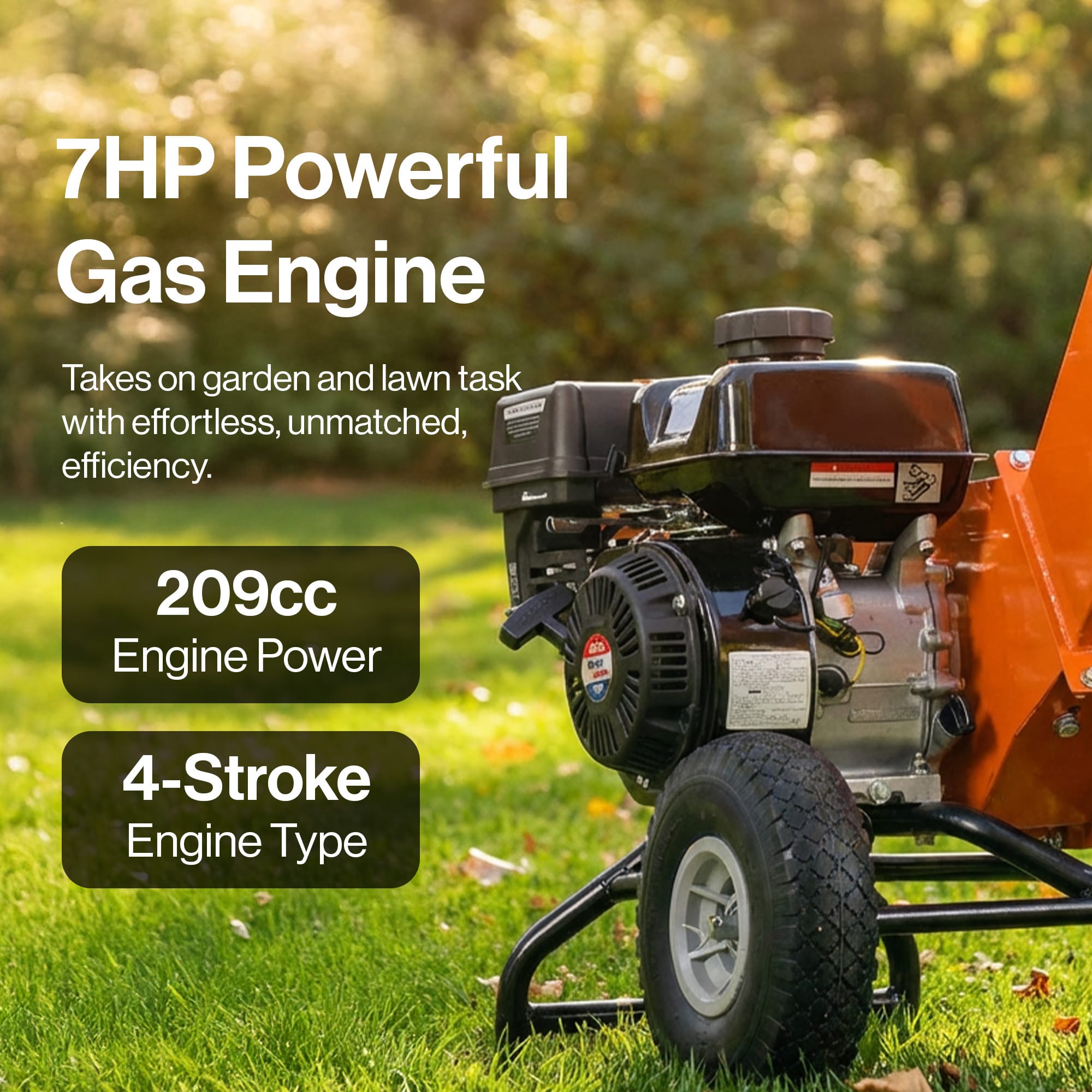
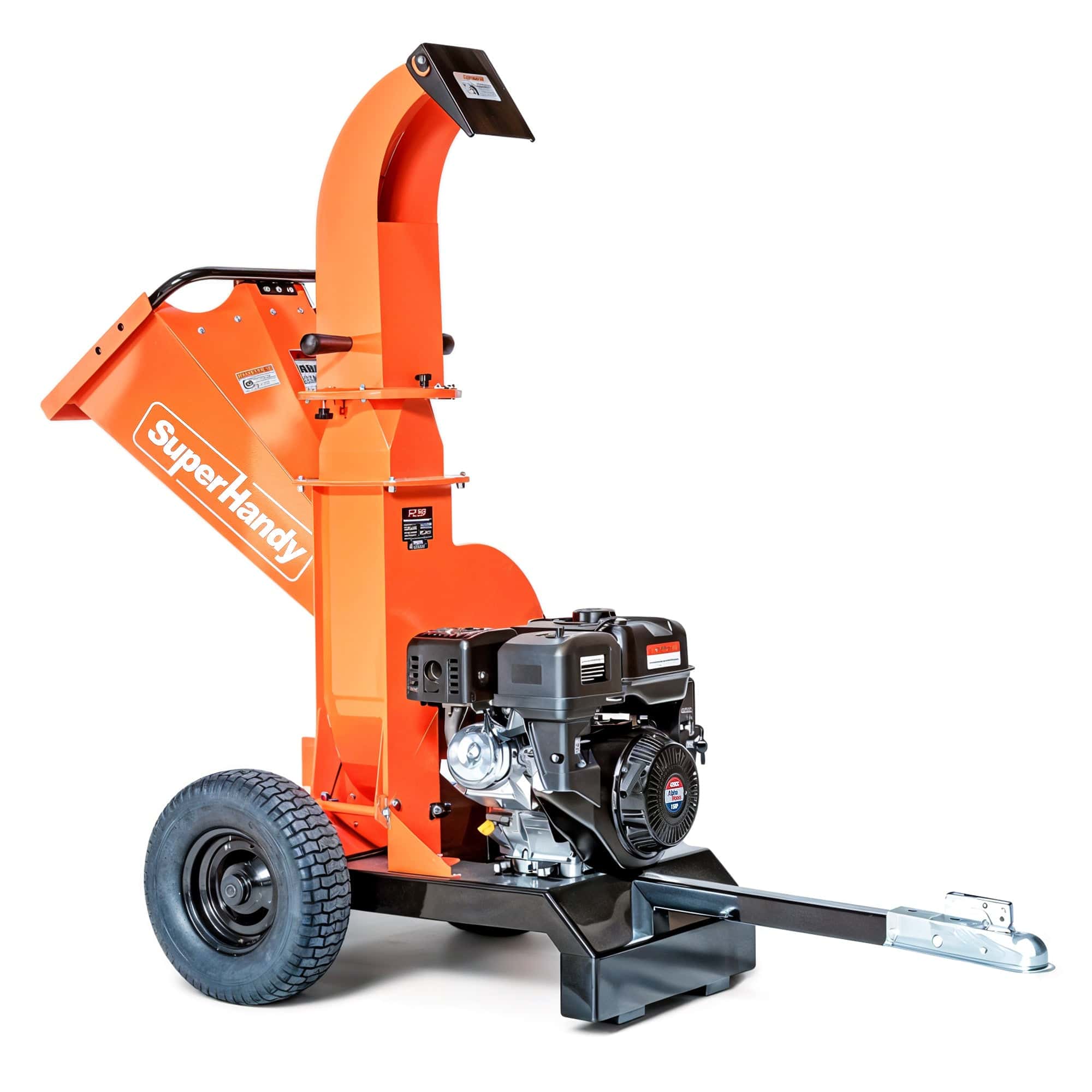
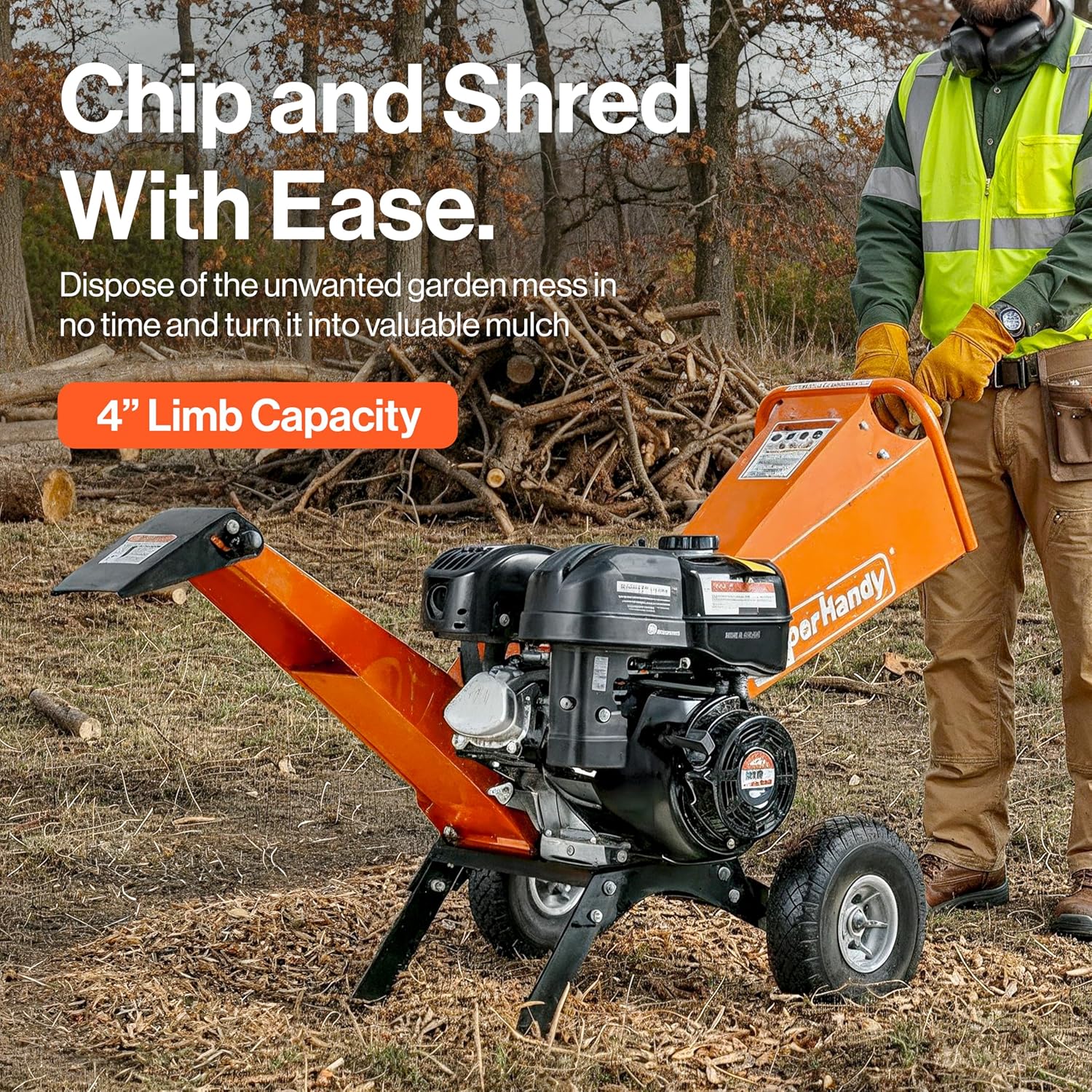
Gas-powered wood chippers run on gasoline engines, giving them superior power and complete portability. They can go anywhere on your property without being limited by a cord. This power allows them to tackle much larger branches and tougher materials with ease, like this SuperHandy powerful Wood Chipper that can handle demanding jobs. The trade-offs are that they are louder, heavier, and require more regular maintenance, including oil, spark plugs, and fuel.
Key Wood Chipper Features to Consider: Power, Capacity, and More
Once you’ve decided between electric and gas, it’s time to look at the key performance specifications. These numbers will tell you what a chipper is truly capable of.
- Power: For electric models, power is measured in amps (A). A higher amp rating (e.g., 15-Amp) means a more powerful motor that is less likely to bog down. For gas models, power is measured in engine displacement (cc) and horsepower (HP). Higher cc and HP ratings deliver more torque to chew through dense wood without stalling.
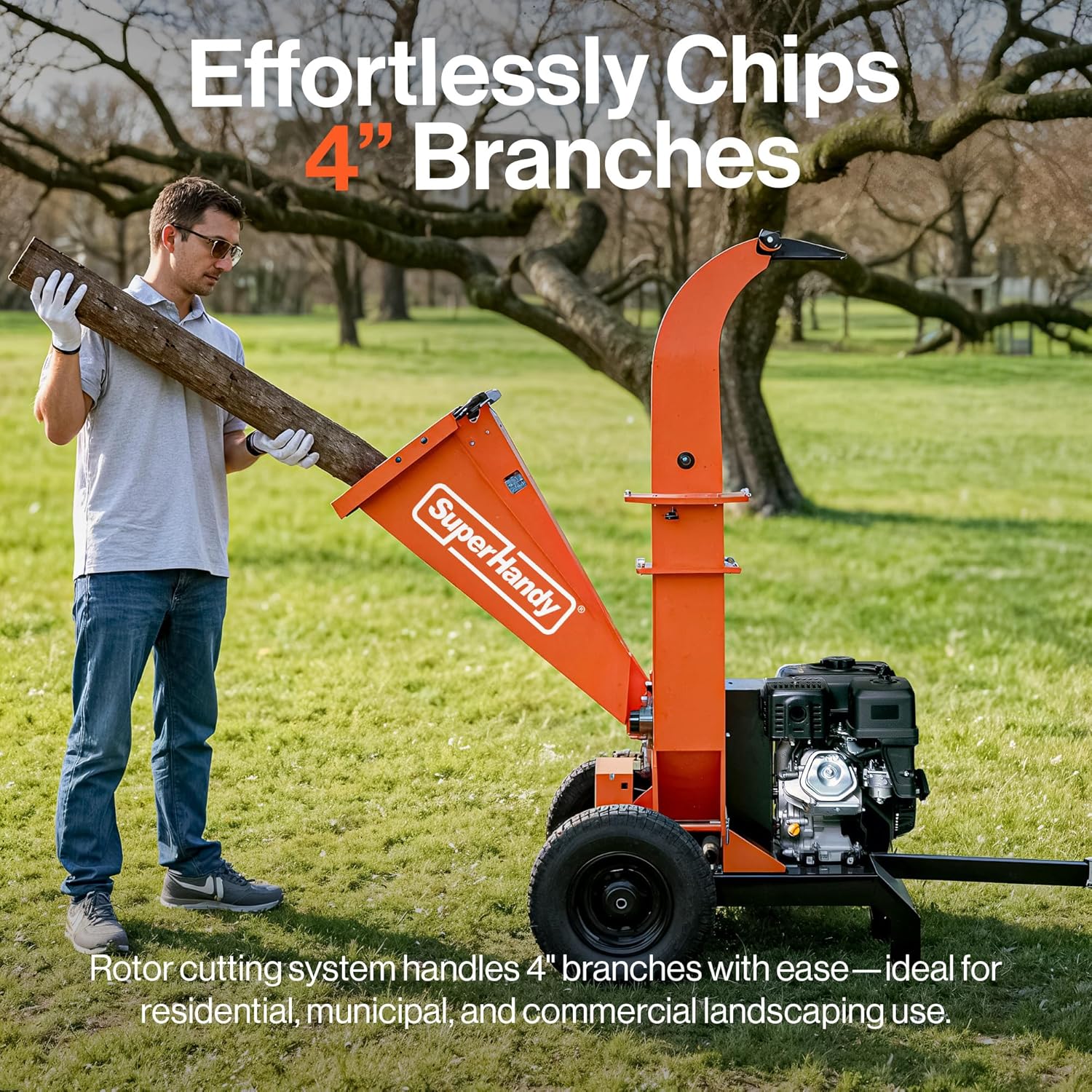
- Chipper Capacity: This is perhaps the most important specification. It tells you the maximum branch diameter the machine can handle. It’s crucial to choose a capacity that matches the debris in your yard. A heavy-duty gas Wood Chipper with a 4-inch capacity is built for serious work, while an electric model might have a capacity of 1.5 inches.
- Reduction Ratio: This indicates how effectively the machine reduces the volume of your yard waste. A ratio of 10:1, for example, means it can turn 10 bags of branches and leaves into a single bag of chips. Higher ratios mean finer mulch and less volume to manage.
Electric Wood Chippers: Best For Small Yards and Light Debris
If you live in a suburban or urban area with a small to medium-sized yard, an electric wood chipper is often the perfect solution. These machines excel at managing the kind of light debris most homeowners generate: fallen twigs, leaves, and trimmings from shrubs and small trees. Their convenience is a major selling point—simply plug one in, press a button, and you’re ready to go.
The benefits of an electric model are clear. They are significantly quieter than gas engines, which your neighbors will certainly appreciate. Their lightweight and compact design makes them easy to move around the yard and store in a garage or shed without taking up much space. Furthermore, with no gas to store or oil to change, the ongoing maintenance is minimal. For seasonal cleanups of branches typically under 1.75 inches in diameter, an electric chipper provides more than enough power to turn your yard waste into nutrient-rich mulch for your garden beds.
Gas-Powered Wood Chippers: Powering Through Larger Jobs and Tougher Materials
When your property demands more muscle than an electric model can offer, it's time to consider a gas-powered wood chipper. These machines are the workhorses of yard cleanup, built to tackle larger properties, tougher wood types, and a higher volume of debris. Untethered by a power cord, a gas chipper offers complete portability, allowing you to move it directly to the brush pile, whether it's at the far end of your acreage or deep in a wooded lot. Their powerful engines can process thick, stubborn branches that would stall a smaller unit, making them the go-to choice for homeowners with mature trees, extensive storm cleanup needs, or semi-rural properties.
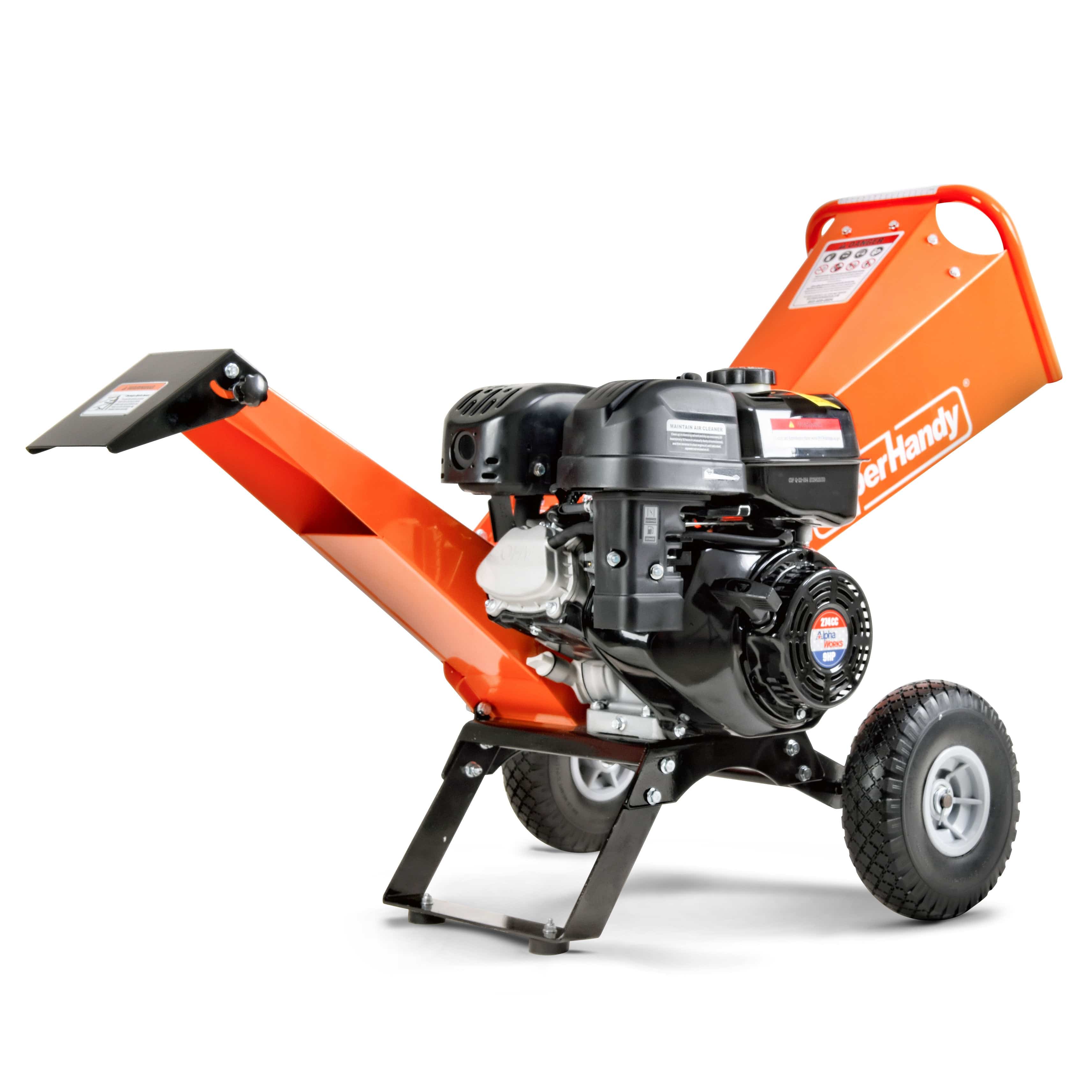
The trade-off for this immense power is increased maintenance and noise. Like any gas engine, they require regular oil changes, fuel, and filter checks. However, for those who need to process branches several inches in diameter efficiently, the performance is well worth the upkeep. A robust model like a 9HP gas-powered chipper provides the perfect balance of power and maneuverability for serious residential use, turning sizable limbs into valuable mulch with ease.
Chipper vs. Shredder vs. Chipper/Shredder: What's the Difference?
Understanding the terminology is key to getting the right machine for your waste. While the terms are often used interchangeably, they describe different functions.
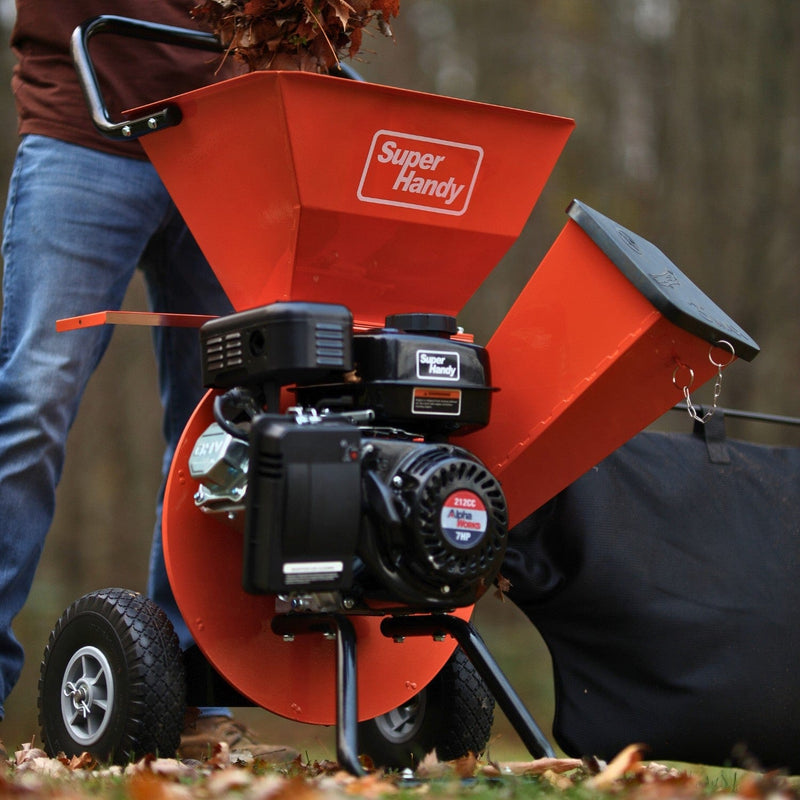
- Chipper: A true chipper is designed specifically for processing clean, woody material like branches and large limbs. It uses sharp, hardened steel blades mounted on a spinning flywheel to slice wood into uniform chips. If your primary debris is fallen branches, a dedicated chipper is the most efficient tool.
- Shredder: A shredder is built to handle soft, leafy, and stringy green waste. Instead of blades, it typically uses blunt hammers or metal flails that pulverize material like leaves, hedge clippings, and garden vegetation. Using a chipper for this kind of material can cause it to clog, while a shredder would struggle with thick branches.
- Chipper/Shredder: This is the most popular and versatile option for the average homeowner. These combination machines feature two separate chutes to handle both types of debris. A smaller side chute directs branches into the chipping blades, while a large top-mounted hopper feeds leaves and smaller twigs into a shredding chamber. This dual-functionality allows you to process all your yard waste with a single, powerful machine.
How Much Horsepower Do You Really Need in a Wood Chipper?
Horsepower (HP) is a direct indicator of a gas-powered chipper's ability to do work. More horsepower translates to the power to turn the flywheel and cut through dense wood without bogging down or stalling. While it’s tempting to go for the highest number, matching the HP to your typical workload is the most practical approach.
For general residential use involving branches up to 2-3 inches thick, a chipper in the 6 to 7 HP range is often sufficient. This provides enough power for most storm cleanup and seasonal pruning without the cost and fuel consumption of a larger engine. If you have a larger property with many hardwood trees (like oak or maple) or frequently need to chip branches in the 3-4 inch range, stepping up to a model with 9 to 10 HP is a wise investment. This extra power ensures a smoother, faster chipping experience and puts less strain on the engine over time. Anything above 10 HP typically enters the commercial-grade category, designed for constant, heavy-duty use.
Understanding Chipper Capacity: Maximum Branch Diameter Matters
Of all the specifications to consider, chipping capacity is arguably the most critical. This number tells you the maximum diameter of a branch that the Wood Chipper is designed to handle. A common mistake is underestimating the size of your debris and buying a machine with insufficient capacity. A chipper rated for 2-inch branches will simply not accept a 3-inch limb, forcing you to trim it down by hand or discard it.
Before you shop, go out into your yard and measure the thickest branches you'll realistically need to chip. Then, choose a chipper with a capacity that is slightly larger than your maximum measurement. For example, if your thickest branches are consistently around 2.5 inches, opting for a chipper with a 3-inch or even 4-inch capacity is a smart move. This provides a buffer, ensuring you aren't constantly pushing the machine to its absolute limit, which extends the engine's life and results in a much more efficient and less frustrating cleanup process.
The Importance of Chipper Blade Material and Maintenance
The heart of any Wood Chipper is its cutting mechanism, and the blades are the most critical component. The material and condition of your chipper’s blades directly impact its performance, efficiency, and longevity. Most chippers use blades made from high-carbon or hardened steel, which offer a good balance of durability and sharpness. For tougher jobs, some high-end models may feature carbide-tipped blades that stay sharp even longer.
Dull or damaged blades won't just produce stringy, inconsistent chips; they will also force the engine to work harder, increasing fuel or electricity consumption and putting unnecessary strain on the motor. To keep your machine running smoothly, regular maintenance is key. After each use, inspect the blades for nicks or dulling. Many models feature reversible blades, allowing you to simply flip them over for a fresh cutting edge, effectively doubling their lifespan before they need sharpening or replacement. Keeping the blades clean and free of sap or resin buildup will also ensure optimal performance.
Safety First: Essential Safety Features and Operating Precautions
Operating a powerful piece of equipment like a wood chipper requires your full attention and respect for its capabilities. Modern chippers are designed with several key safety features to protect the user. Look for models with long input chutes (hoppers) that keep your hands far from the blades, and a tamper or push paddle to help guide material safely. An emergency shut-off switch or safety bar is also a non-negotiable feature.
Beyond the machine's built-in protections, personal responsibility is paramount. Always wear appropriate personal protective equipment (PPE), including heavy-duty gloves, safety glasses or goggles, and hearing protection. According to the Occupational Safety and Health Administration's guidance on power tools, proper guarding and PPE are essential for preventing injuries. Never wear loose-fitting clothing, jewelry, or anything that could get snagged in the machine. Feed branches butt-end first and allow the machine to pull them in; never force material into the chute or put your hands past the hopper's opening. Following these rules is crucial, whether you're using a large gas model or a compact Wood Chipper.
Portability and Storage: Will It Fit in Your Shed?
Before you click "buy," consider where you'll be using your wood chipper and where you'll be storing it. Portability and storage footprint are practical considerations that can make or break your user experience. An electric wood chipper is typically lightweight and compact, often weighing under 50 pounds, making it easy to carry or roll to your worksite and store on a shelf in the garage.
Gas-powered models are heavier and larger, but they are designed for mobility across varied terrain. Look for features like large, pneumatic tires that can handle bumps and uneven ground, and a well-balanced design with sturdy handles for easier maneuvering. For very large properties, a Wood Chipper with a tow bar attachment can be hooked up to an ATV or lawn tractor for maximum portability. Always measure your available storage space in your shed or garage to ensure your chosen model will fit comfortably.
Budgeting for a Wood Chipper: What to Expect for Your Investment
A wood chipper is an investment in your property's maintenance and your time. Prices can range from a few hundred dollars for a basic electric model to over a thousand for a heavy-duty, gas-powered machine. Understanding what you get at different price points helps you set a realistic budget.
- Entry-Level (Typically Electric): In this range, you’ll find the best electric wood chipper models suitable for small yards. They are suitable for processing small branches, twigs, and leaves, with a capacity generally under 2 inches in diameter. They are quiet, low-maintenance, and easy to store.
- Mid-Range (Gas and High-End Electric): This category offers a significant step up in power and capacity. You’ll find gas-powered chippers capable of handling branches up to 3 inches in diameter, as well as premium electric models. These are ideal for homeowners with medium-to-large yards and more substantial debris.
- High-End (Prosumer/Commercial Grade): At the top end, you get powerful gas engines, chipping capacities of 4 inches or more, durable steel construction, and features like tow bars and advanced blade systems. These machines are built for clearing large properties, handling tougher hardwoods, and providing years of reliable service.
Frequently Asked Questions About Choosing a Wood Chipper
Navigating the specifications and features of wood chippers can bring up a lot of questions. Here are answers to some of the most common ones we hear.
Can an electric wood chipper handle small branches? Absolutely. A quality electric wood chipper is specifically designed for this task. While they aren't meant for 4-inch logs, they excel at processing fallen twigs, pruned branches, and shrubbery up to about 1.5 inches in diameter. They are suitable for routine maintenance in suburban yards, offering a quieter, emission-free alternative to gas models.
How often do I need to sharpen or replace the blades? Blade life depends on the type of wood you're chipping and how frequently you use the machine. Hardwoods and dirty materials will dull blades faster than softwoods. Most modern chippers models, feature reversible blades, effectively doubling their lifespan. As a general rule, you should inspect your blades after every 10-15 hours of use and plan to sharpen or flip them when you notice a drop in chipping efficiency.
What are the most important safety precautions? Safety should always be your top priority. Always wear appropriate personal protective equipment (PPE), including safety glasses, durable gloves, and hearing protection. Never put your hands inside the feeding chute while the machine is running, and use a push paddle for shorter material. Following established hand and power tool safety guidance is crucial for preventing injuries. Also, ensure the chipper is on stable, level ground before starting it.
Is a chipper/shredder combo better than a dedicated chipper? It depends on your debris. A dedicated chipper is optimized for wood branches. A chipper/shredder combo offers more versatility. It typically has a side chute for branches and a top hopper for lighter, leafy material like leaves, twigs, and garden waste. For all-purpose yard cleanup, a powerful combo unit like a gas-powered Wood Chipper is often the most efficient choice.

Making Your Final Decision: Matching the Right Chipper to Your Lifestyle
The best wood chipper isn't just the most powerful one—it's the one that seamlessly fits your property, your projects, and your storage space. To make your final choice, think about your primary use case.
-
For the Weekend Gardener: If your yard work consists of light pruning, trimming shrubs, and cleaning up after small storms in a suburban setting, an electric wood chipper is your ideal companion. It’s lightweight, quiet, easy to store, and powerful enough to turn your small branches and twigs into valuable mulch. It offers plug-and-play convenience without the hassle of fuel or intensive engine maintenance.
-
For the Suburban Homesteader: Do you have a half-acre or more with mature trees that require seasonal cleanup? You’re in the middle ground. A high-performance electric model or a compact gas-powered chipper is a great fit. These machines can handle branches up to 3 inches in diameter, giving you the power needed for more substantial jobs without committing to a massive, commercial-grade unit.
-
For the Rural Landowner: If you manage a large property, farm, or wooded acreage, you need uncompromising power. A heavy-duty, gas-powered wood chipper with a capacity of 4 inches or more is essential. These workhorses can process large limbs and clear significant amounts of debris quickly, making them indispensable for storm cleanup, land clearing, and managing a small orchard or woodlot.
Ultimately, choosing a wood chipper is an investment in your property's health and your own time. By honestly assessing your needs and matching them to the right type and size of machine, you'll be ready to tackle any yard cleanup project with confidence.
Related Products

Leave a comment
All comments are moderated before being published.
This site is protected by hCaptcha and the hCaptcha Privacy Policy and Terms of Service apply.