








Why Investing in a Wood Chipper Makes Yard Work Easier
If you have a yard with trees, you know the cycle. Storms, seasonal changes, and routine pruning leave you with ever-growing piles of branches, twigs, and leaves. Dealing with this debris can feel like a never-ending chore, involving hours of bundling branches, stuffing bags, and hauling everything to the curb or a disposal site. Investing in a Wood Chipper transforms this burdensome task into a productive and satisfying one.
Instead of fighting with unwieldy piles of yard waste, a wood chipper allows you to process it all on-site, quickly and efficiently.
What Size Branches Can Your Wood Chipper Handle? Understanding Capacity
One of the most important specifications to check before buying a Wood Chipper is its chipping capacity. This number, typically measured in inches, tells you the maximum diameter of the branches the machine can safely process. Trying to feed material that’s too large can stall the engine, damage the blades, or create a dangerous jam. Capacities vary widely, so it's crucial to match the machine to the type of debris on your property.
- 1 to 2-inch Capacity: Found on many compact and electric wood chipper models, this capacity is ideal for homeowners with small yards. It’s suitable for shredding fallen twigs, light pruning debris, and clearing out garden waste.
- 2 to 3-inch Capacity: This is the sweet spot for most suburban and rural homeowners. These chippers can handle sizable branches from storm cleanup or seasonal tree trimming, making quick work of most common yard tasks.
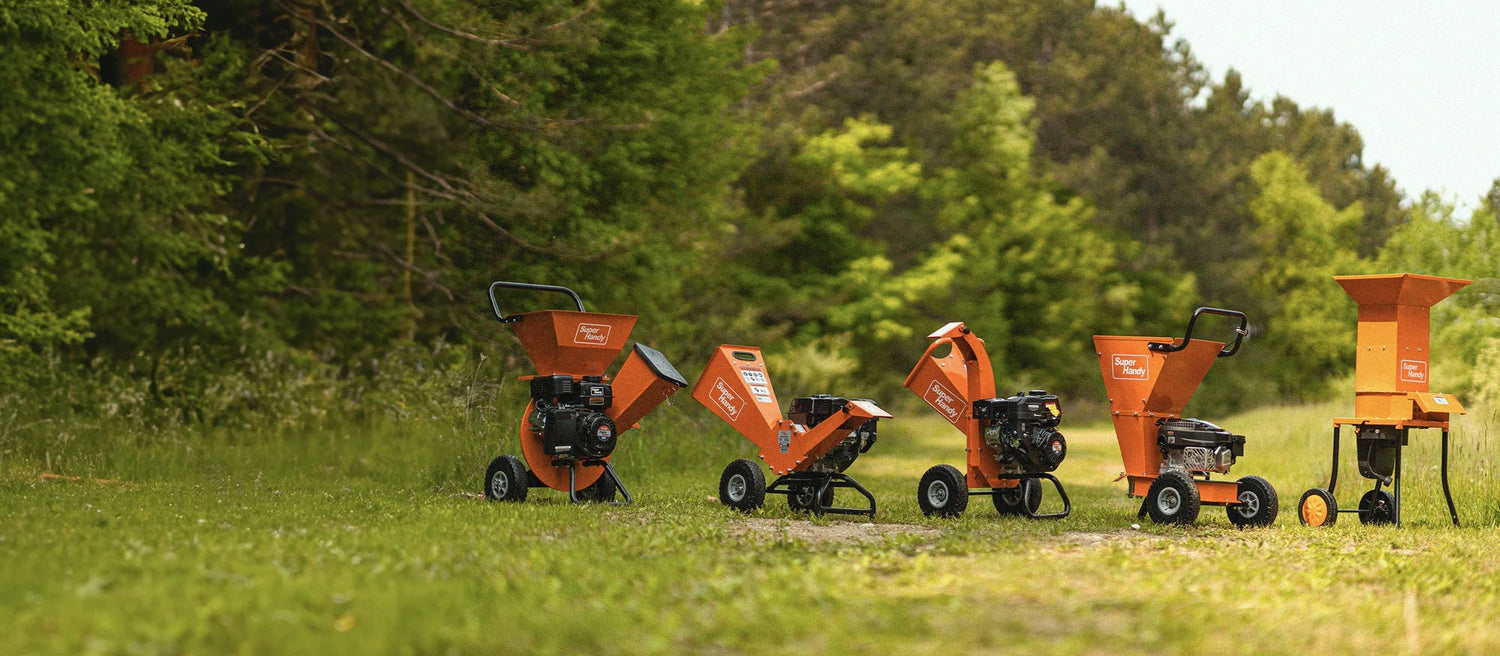
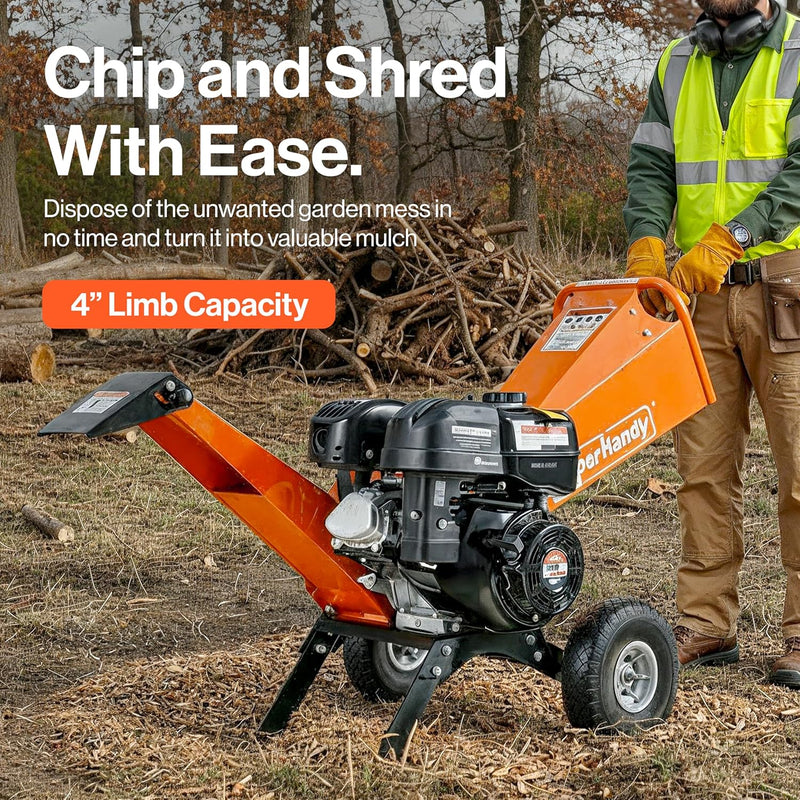
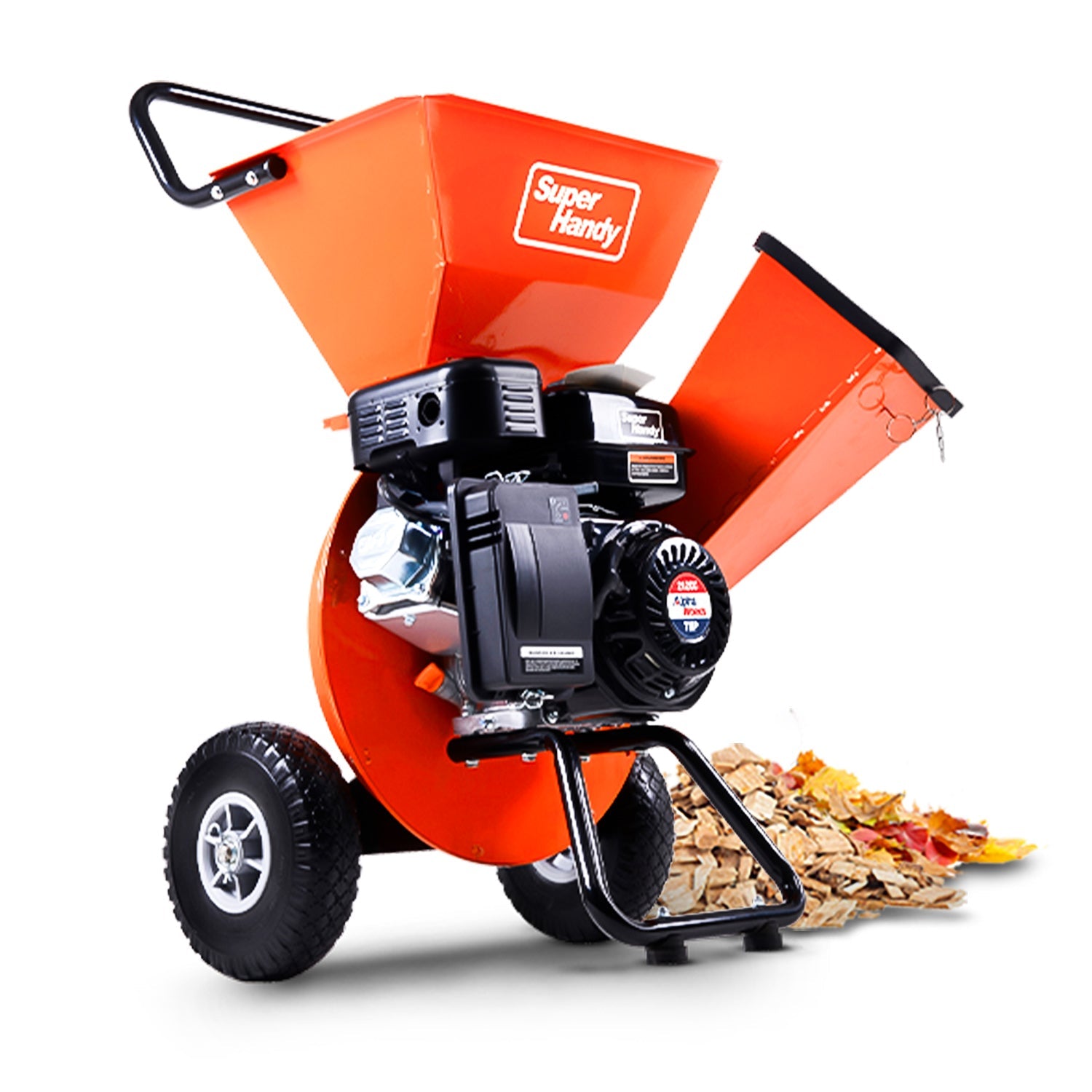
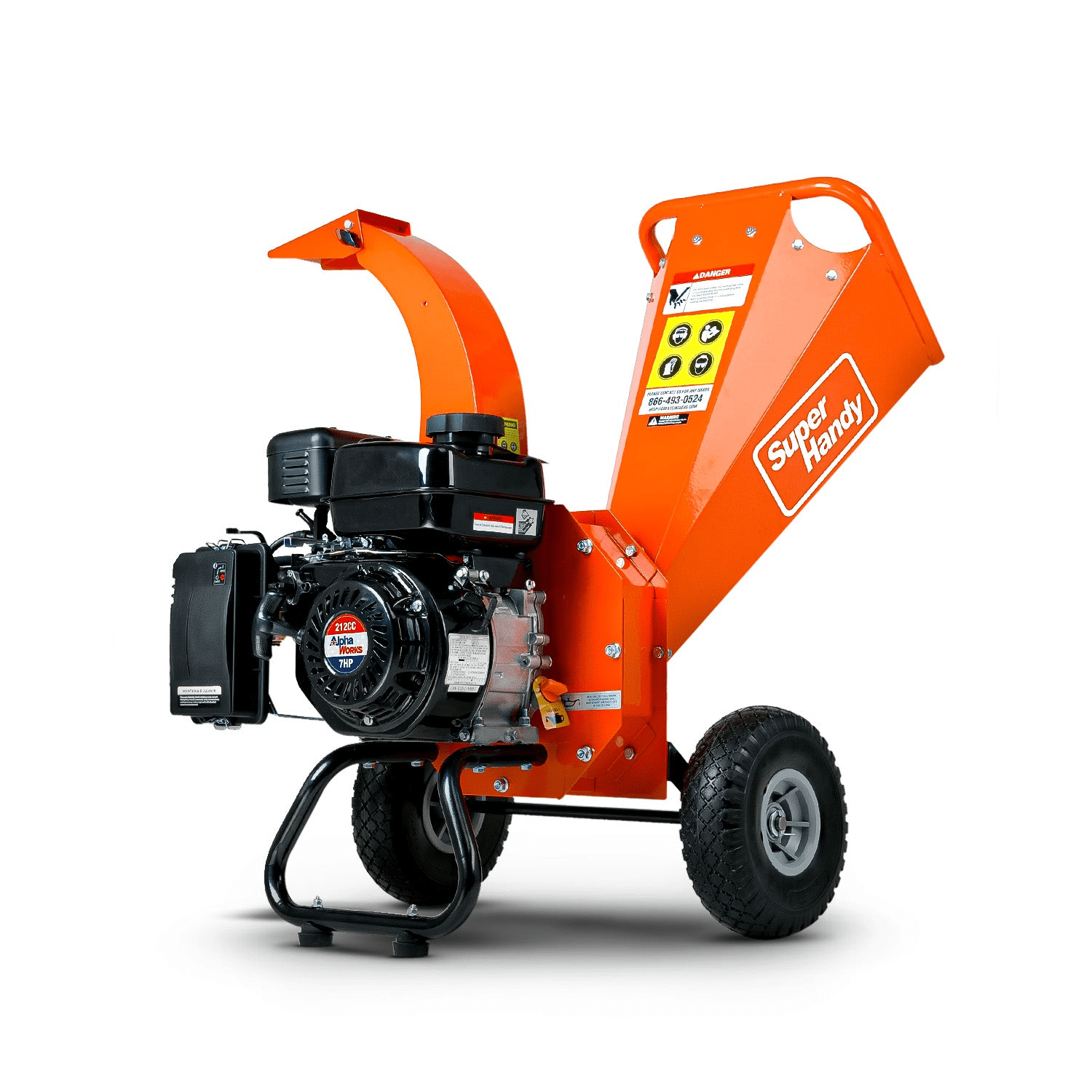
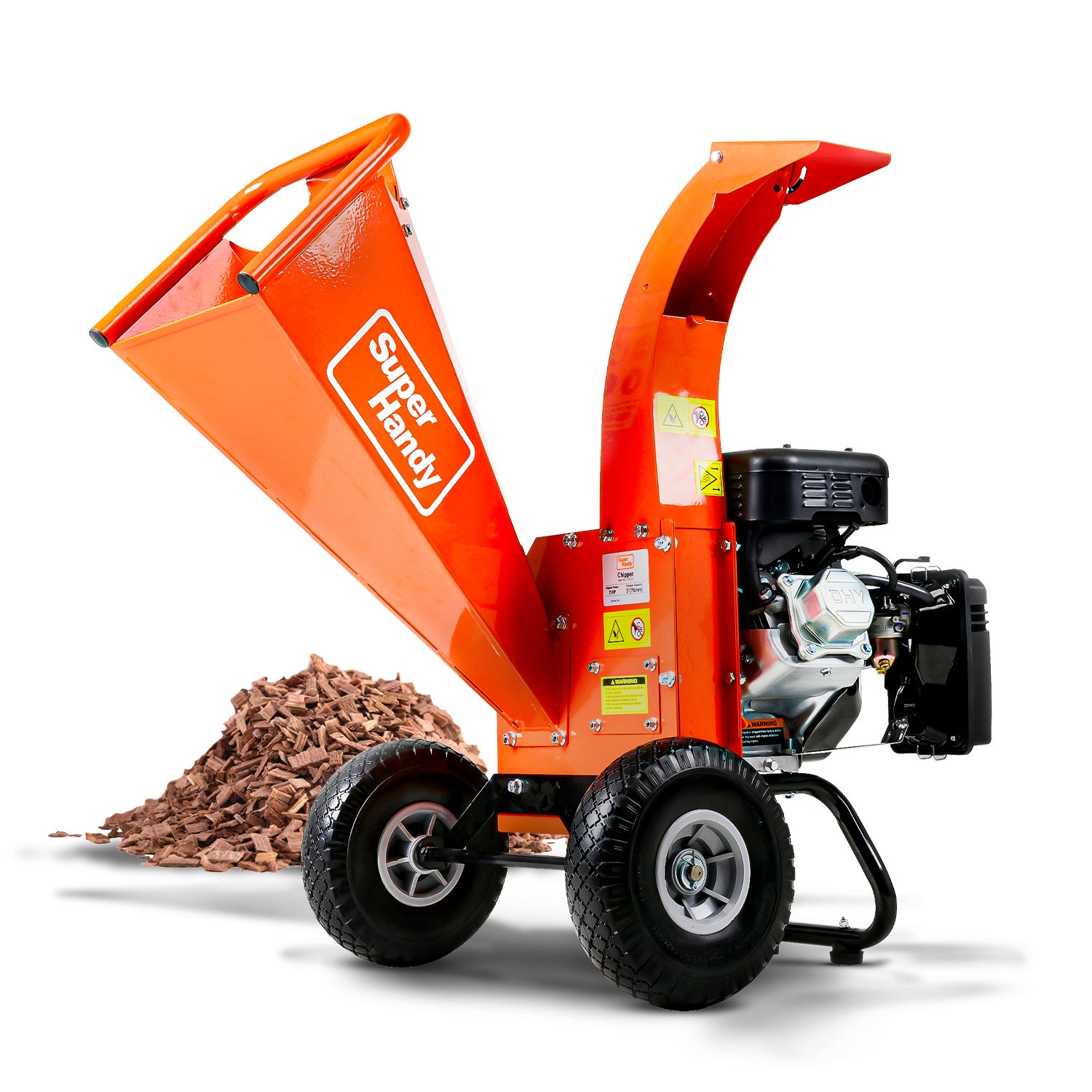
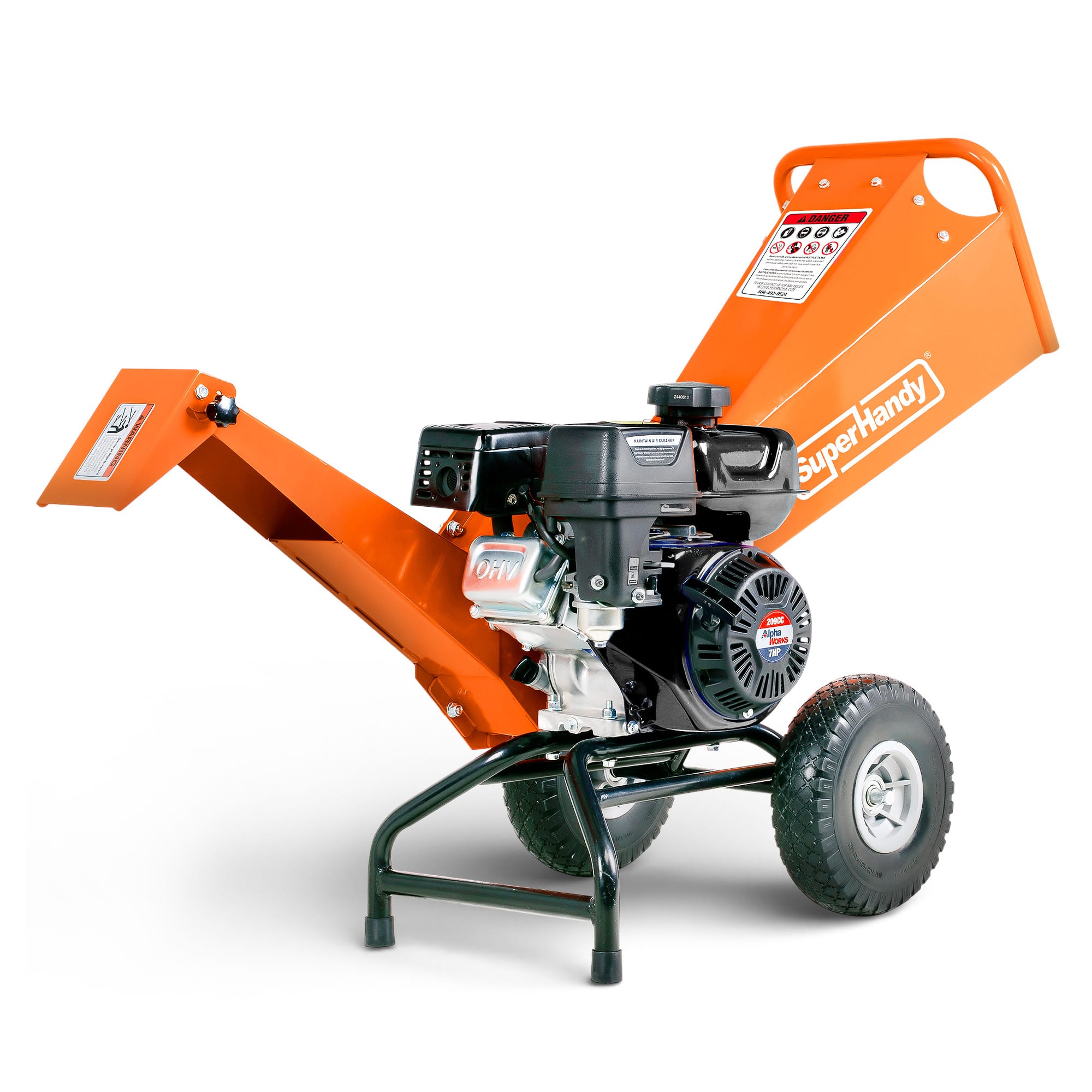
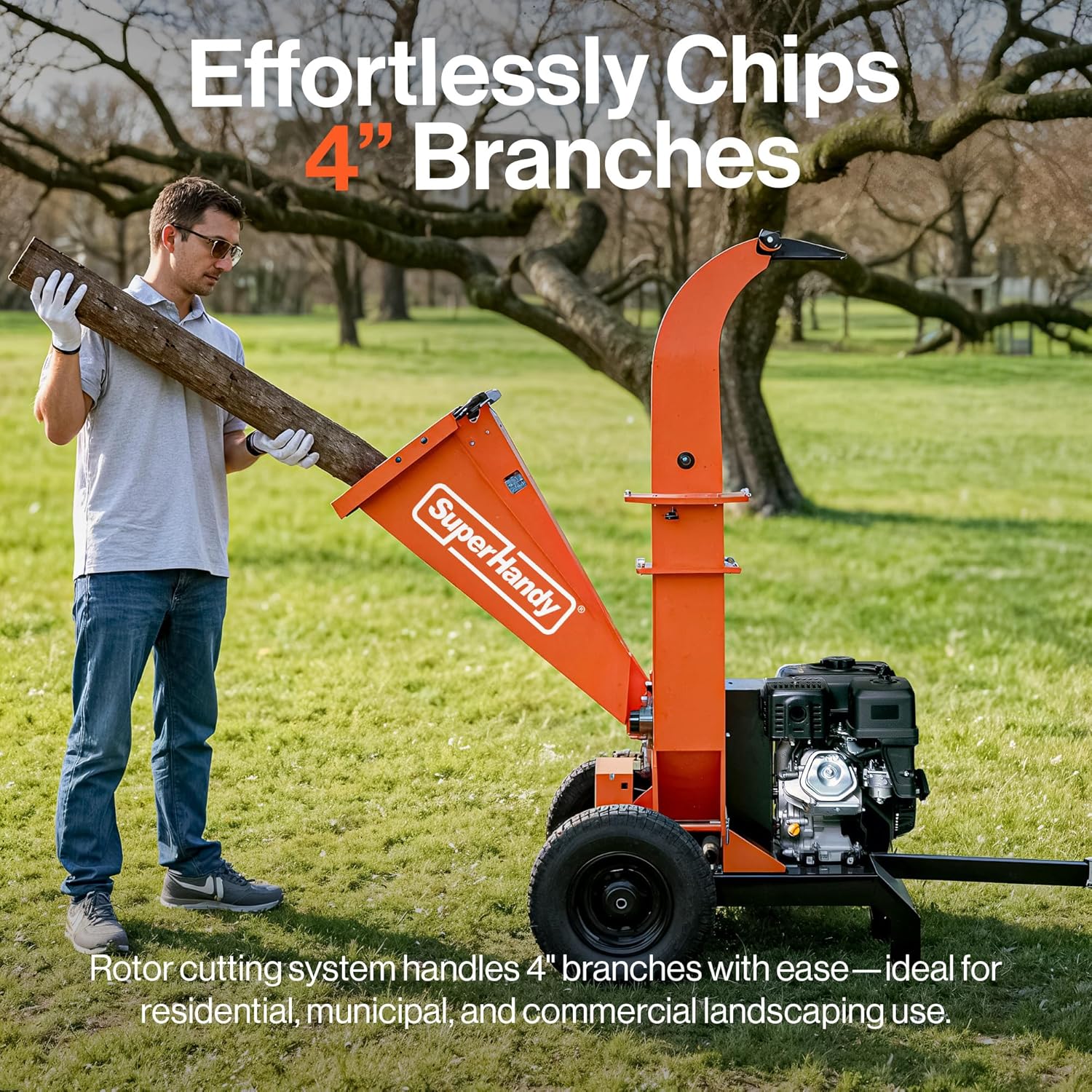
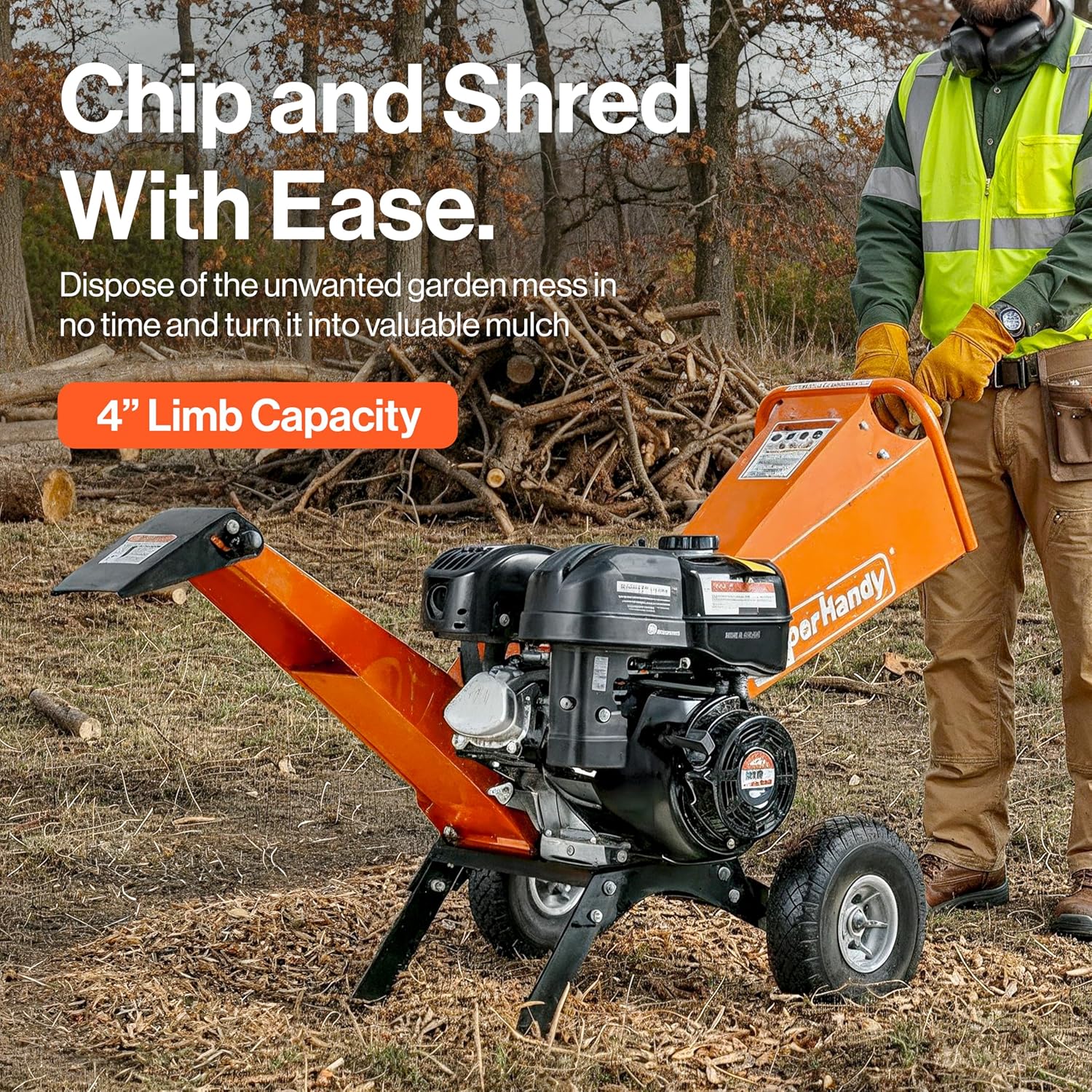
- 4-inch Capacity and Larger: For those with large, wooded properties, farms, or commercial needs, a heavy-duty chipper is a must. Models like the SuperHandy 4-Inch Wood Chipper are built to tackle thick, woody material efficiently, turning large limbs into manageable mulch.
As a rule of thumb, it’s wise to choose a chipper with a capacity slightly larger than the thickest branches you expect to handle regularly. This provides a buffer and prevents you from constantly pushing the machine to its absolute limit.
Safety First: Essential Features and Practices for Operating a Wood Chipper
A wood chipper is a powerful tool that demands respect and careful operation. Modern machines are designed with safety in mind, but proper user practice is non-negotiable. Look for models with a long, narrow feed hopper that keeps your hands far from the blades, as well as clearly marked emergency shut-off switches.

Before you start the engine, always prepare yourself and your workspace. Operate the chipper on level, stable ground to prevent it from tipping. Clear the area of any tripping hazards like rocks, tools, or extra branches. Most importantly, always wear the right gear. According to the Occupational Safety and Health Administration's guidance on hand and power tool safety, proper Personal Protective Equipment (PPE) is a critical line of defense against injury. This includes:
- Eye Protection: Safety glasses or goggles are essential to shield your eyes from flying debris.
- Hearing Protection: Gas-powered chippers are loud; use earplugs or earmuffs.
- Hand Protection: Wear snug-fitting, heavy-duty gloves to protect against splinters.
- Proper Attire: Avoid loose-fitting clothing, jewelry, or anything that could get caught in the machine. Wear sturdy, closed-toe boots.
When feeding the machine, let the chipper do the work. Insert branches butt-end first and allow the machine to pull them in. Never force material into the hopper or reach inside while it is running.
Comparing Wood Chipper Brands: Reputation and Reliability
When you invest in a piece of equipment like a wood chipper, you’re not just buying the machine—you’re also buying into the brand behind it. A reputable brand offers peace of mind through proven performance, strong customer support, and readily available replacement parts. Look for companies with consistently positive customer reviews that speak to the machine's durability and ease of use.
A solid warranty is another hallmark of a reliable brand, as it shows the manufacturer stands behind its product. Before purchasing, check the warranty terms and see how easy it is to contact customer service. You should also verify the availability of wear-and-tear parts like blades and belts. A great Wood Chipper is only useful as long as you can maintain it. At SuperHandy, we pride ourselves on building tough, long-lasting equipment and providing the support and parts our customers need to keep their gear running for years to come.
New vs. Used Wood Chippers: Weighing Cost Against Condition
The temptation to save money by purchasing a used wood chipper is understandable, but it’s a decision that requires careful consideration. While the upfront cost is lower, a used machine comes with risks and unknowns that can lead to higher costs down the road.
A new wood chipper comes with a full manufacturer's warranty, ensuring that any defects are covered. You get a machine in perfect condition with fresh blades, a new engine, and the latest safety features. This is especially important for powerful equipment where reliability is directly tied to safety. For high-value machines like a Towable Wood Chipper, the security of a warranty is invaluable.
If you decide to explore the used market, perform a thorough inspection. Check the blades for chips and wear, inspect the belts for cracks, and run the engine to listen for any unusual noises. Ask the seller about its maintenance history. However, for most users, the peace of mind, performance guarantee, and safety assurances that come with a new wood chipper make it the superior long-term investment.
How Much Does a Wood Chipper Cost? Budgeting for Your Purchase
The price of a Wood Chipper can vary significantly based on its power source, chipping capacity, and overall features. Understanding the typical price brackets can help you set a realistic budget for your needs.
- Entry-Level Electric Wood Chippers ($150 - $400): Ideal for small yards with light-duty cleanup, these models are compact, quiet, and affordable. They typically handle branches up to 1.5 inches in diameter and are suitable for processing twigs and leaves from seasonal pruning.
- Mid-Range Gas and High-End Electric Chippers ($400 - $1,000): This category offers a substantial jump in power and durability. You'll find robust gas-powered models and powerful electric chippers capable of handling branches between 2 and 3 inches thick. A Wood Chipper in this range is a great all-around investment for homeowners with larger properties and more frequent yard maintenance needs.
- Heavy-Duty and Commercial-Grade Chippers ($1,000+): For those with large acreages, extensive tree cover, or professional needs, a heavy-duty chipper is essential. These machines, often gas-powered and towable, can process branches 4 inches or more in diameter. Features like electric start and adjustable discharge chutes are common on a high-end Towable Wood Chipper, making them powerful tools for the toughest jobs.
Where to Buy a Wood Chipper: Retailers, Online Stores, and Rental Options
Once you've set your budget, you have several options for purchasing your wood chipper. Big-box home improvement stores offer the convenience of seeing models in person, but their selection may be limited. Specialty power equipment dealers provide expert advice and a wider range of high-end machines, though they may have fewer locations.
Online stores often provide the broadest selection and most competitive pricing. Shopping directly from a manufacturer’s website or a reputable online retailer gives you access to detailed specifications, customer reviews, and a full range of models that might not be available locally. For those with a one-time large project, renting a wood chipper from a local equipment rental service can be a cost-effective alternative to buying.
Maintaining Your Wood Chipper for Longevity and Performance
Proper maintenance is crucial for keeping your wood chipper operating safely and efficiently for years to come. A well-maintained machine not only performs better but also lasts longer. Before performing any maintenance, always disconnect the power source—unplug an electric model or disconnect the spark plug on a gas engine. Following established guidelines for hand and power tool safety is critical to preventing injury during upkeep.

Key maintenance tasks include:
- Blade Care: Regularly inspect the blades for dullness, nicks, or damage. Sharp blades are essential for clean cuts and reduce strain on the engine. Most models have reversible blades, allowing you to flip them for a fresh edge before they need sharpening or replacement.
- Engine Upkeep (Gas Models): Follow the manufacturer's schedule for changing the oil, cleaning or replacing the air filter, and checking the spark plug.
- Cleaning: After each use, clear all debris from the hopper, chipping chamber, and discharge chute. Caked-on debris can cause corrosion and blockages.
- Check Fasteners: Vibrations can loosen bolts and screws over time. Periodically check and tighten all hardware to ensure the machine remains structurally sound.
Creative Uses for Wood Chipper Debris: Beyond Just Disposal
One of the greatest benefits of owning a wood chipper is the creation of a valuable, reusable resource: wood chips. Instead of bagging and hauling away branches, you can transform them into material that benefits your yard and garden.
- Mulch for Garden Beds: Fresh wood chips make an excellent, long-lasting mulch. A two-to-three-inch layer helps retain soil moisture, suppresses weeds, and regulates soil temperature, protecting plant roots from extreme heat and cold.
- Natural Pathways: Create attractive, soft-surfaced paths through your garden or wooded areas. Wood chips are comfortable to walk on, help control mud, and slowly decompose to enrich the soil underneath.
- Compost Booster: Wood chips are a fantastic source of carbon, or "brown" material, for your compost pile. Mix them with "green" materials like grass clippings and kitchen scraps to create a balanced, nutrient-rich compost.
- Erosion Control: If you have sloped areas or bare patches of soil, a layer of wood chips can help prevent soil erosion caused by wind and rain.
Troubleshooting Common Wood Chipper Problems
Even the most reliable Wood Chipper can encounter issues from time to time. Before calling for service, you can often solve common problems with a bit of simple troubleshooting. Always remember to turn off the machine and disconnect the power source (unplug it or disconnect the spark plug wire) before performing any inspection or maintenance.
- Engine Won’t Start: For a gas model, start with the basics: is there fresh fuel in the tank? Is the fuel shut-off valve open? Check if the spark plug is clean and properly connected. For an electric wood chipper, ensure the power cord is securely plugged into a working outlet and that the circuit breaker hasn't tripped.
- Machine is Clogged: Jams are the most frequent issue, often caused by feeding material too quickly, chipping very wet or green wood, or inserting oversized branches. Once the machine is safely off, carefully open the housing (as instructed by your manual) and clear the obstruction from the blade area and discharge chute.
- Poor Chipping Performance: If your chipper is struggling to pull in branches or is producing stringy output instead of clean chips, the blades are likely dull. Most models have reversible blades that can be flipped to a fresh, sharp edge. If both sides are worn, they will need to be sharpened or replaced.
- Excessive Vibration: A wood chipper that shakes more than usual may have loose bolts or an imbalanced blade assembly. Power it down and inspect all nuts and bolts, tightening any that are loose. If the vibration persists, a blade may have been damaged, requiring professional inspection or replacement.
Frequently Asked Questions About Wood Chippers
Here are answers to some of the most common questions we hear from customers exploring their wood chipper options.
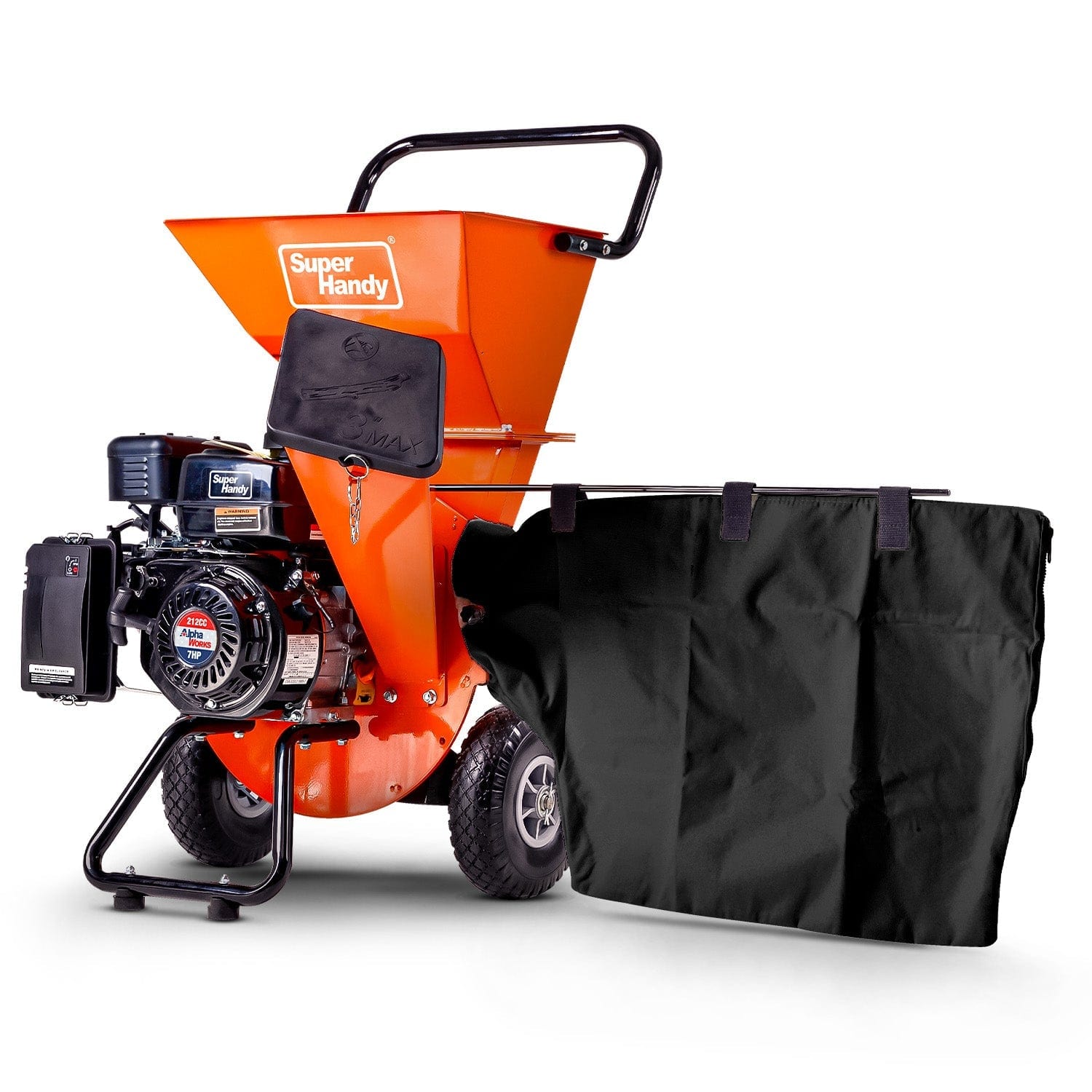
What's the difference between a chipper, a shredder, and a mulcher? A wood chipper uses sharp blades to cut large branches and woody material into small chips. A shredder typically uses blunter, flail-like hammers to tear apart softer, leafy yard waste like leaves and small twigs. Many machines are combination "chipper shredders" that have separate chutes for each function. The term "mulcher" is often used interchangeably, but it can also refer to a machine that further processes chips into a finer consistency for garden mulch.
Can I put wet or green wood in a chipper? Yes, but with some considerations. Green wood is softer and often easier for the blades to slice through than hard, dry wood. However, its high moisture content and stringy nature can sometimes lead to clogs in the chipping chamber or discharge chute. The best practice is to mix green materials with drier, more brittle branches to help keep everything moving smoothly.
How often do I need to sharpen my chipper blades? Blade longevity depends entirely on how much you use the chipper and what you put through it. Chipping clean softwood will cause less wear than processing dirty, gritty hardwood. As a general rule, inspect your blades after every 10-20 hours of use. You'll know they're getting dull when the machine self-feeds less aggressively and the engine seems to strain more.
Is an electric wood chipper powerful enough for my yard? An electric model is an excellent, low-maintenance choice for small-to-medium residential properties. They are suitable for handling the seasonal pruning of shrubs and small trees, typically processing branches up to 1.5-2 inches in diameter. If you have a larger property with mature trees or need to clear thicker branches, a more powerful gas-powered unit is the better option.
Making Your Final Decision: A Checklist for Choosing Your Wood Chipper
Feeling ready to choose? Run through this final checklist to ensure you’ve covered all your bases and can select the perfect machine for your needs with confidence.
- ** Property & Debris Assessment:** Have you matched the chipper type to your yard size and the kind of debris you’ll be clearing most often? (Leafy waste vs. thick branches).
- ** Power Source Selection:** Does a quiet, low-maintenance electric model fit your needs, or do you require the raw power and go-anywhere capability of a gas engine?
- ** Capacity Check:** Is the chipper’s maximum branch diameter capacity sufficient for the thickest wood you plan to process? For heavy-duty work, a Wood Chipper with a 3-inch or greater capacity is essential.
- ** Feature Review:** Does the machine have the features that matter most to you, such as large wheels for portability, an adjustable discharge chute, or a tow bar for large properties? For maximum mobility, a Towable Wood Chipper is useful.
- ** Safety First:** Does the model include essential safety guards and a tamper tool for pushing material safely into the hopper? Always commit to following proper operating procedures, including using personal protective equipment, as outlined in the owner’s manual and by resources like the OSHA hand and power tool safety guidance.
- ** Budget Confirmation:** Have you set a realistic budget that accounts for the initial purchase price as well as any potential long-term maintenance needs like blade replacements or engine servicing?
Related Products

Leave a comment
All comments are moderated before being published.
This site is protected by hCaptcha and the hCaptcha Privacy Policy and Terms of Service apply.