














Why Investing in an Electric Trailer Dolly is a Game-Changer for RVers and Boat Owners
If you've ever tried to maneuver a large trailer into a tight storage space, a narrow driveway, or a tricky campsite, you know the frustration. The endless back-and-forth, the strained communication with a spotter, and the constant fear of a costly collision with your vehicle, garage, or fence. This is where an Electric Trailer Dolly transforms from a luxury item into an essential tool. It's a true game-changer, turning a stressful, two-person ordeal into a simple, one-person task.
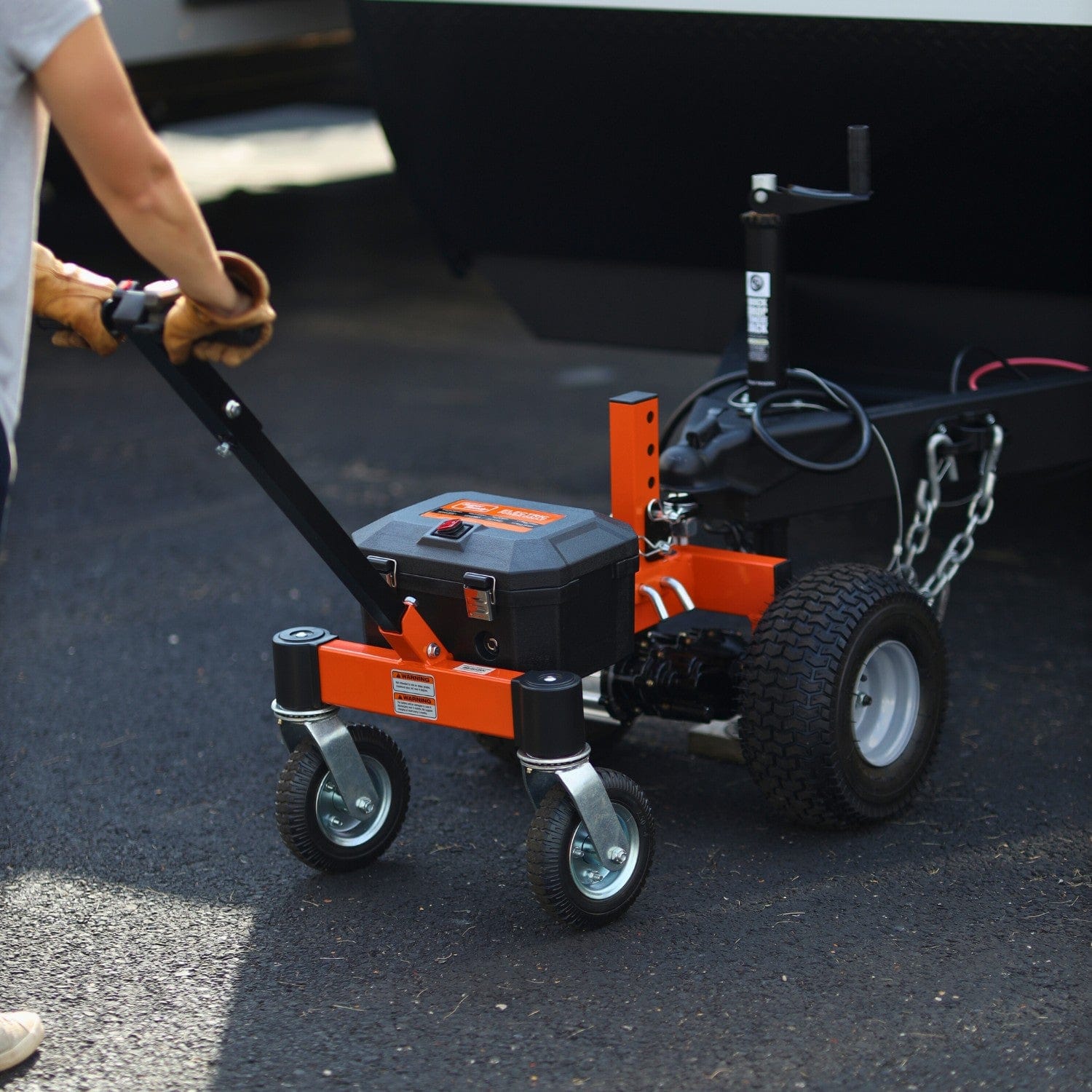
An electric dolly detaches the parking process from your tow vehicle. Instead of wrestling with a large truck or SUV, you gain a "remote control" for your trailer. This gives you precise, walkable control to navigate sharp corners and fit your RV or boat into spaces you never thought possible. It not only saves your back from the physical strain of manual dollies but also protects your investment by minimizing the risk of dents, scrapes, and damage. For anyone who values their time, sanity, and property, an electric trailer dolly is one of the smartest upgrades you can make.
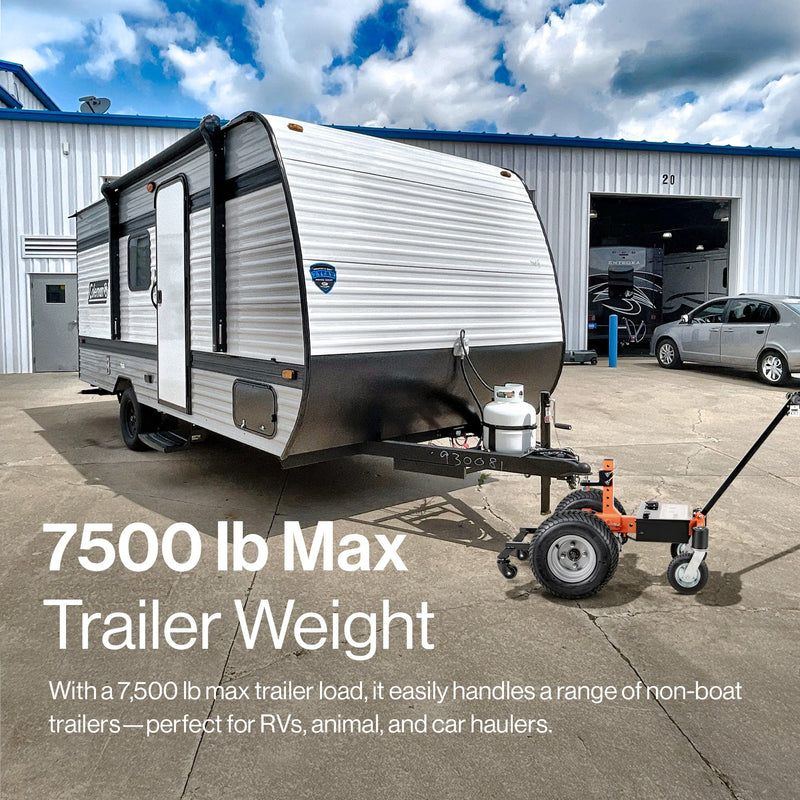
Feature 1: Power and Torque - How Much Muscle Do You Really Need?
The single most important feature of an Electric Trailer Dolly is its power. The motor is the heart of the machine, and its ability to move your specific trailer safely and effectively is non-negotiable. Without enough muscle, the dolly will struggle, stall, or even become a safety hazard. But power isn't just about speed; it's about pulling force, or torque. Think of it this way: power determines how fast the dolly can move, while torque determines its ability to get the trailer moving from a standstill and push it up an incline. You need the right balance of both to ensure smooth, reliable operation.
Understanding Motor Power Ratings (Watts, Volts, and Amps)
When you look at product specifications, you'll see a trio of electrical terms: Volts (V), Amps (A), and Watts (W). Understanding them helps you cut through the marketing jargon and assess a motor's true capability.
- Volts (V): This is the electrical "pressure" driving the motor. Higher voltage systems can often deliver power more efficiently.
- Amps (A): This measures the electrical "flow" or current the motor draws to operate.
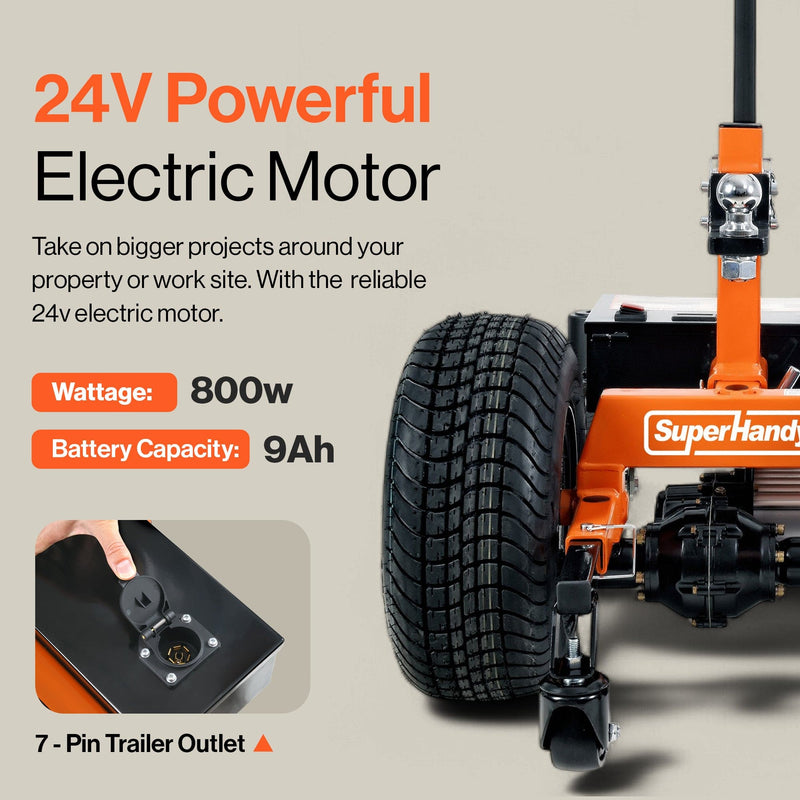
- Watts (W): This is the total power output, calculated by multiplying Volts by Amps (V x A = W). Wattage is the most straightforward indicator of overall power—a higher number generally means a more powerful motor capable of handling heavier loads. For example, a powerful Electric Trailer Dolly might feature a robust motor rated in the hundreds of watts, ensuring it has the strength for demanding jobs.
Considering the Weight of Your Trailer and Terrain
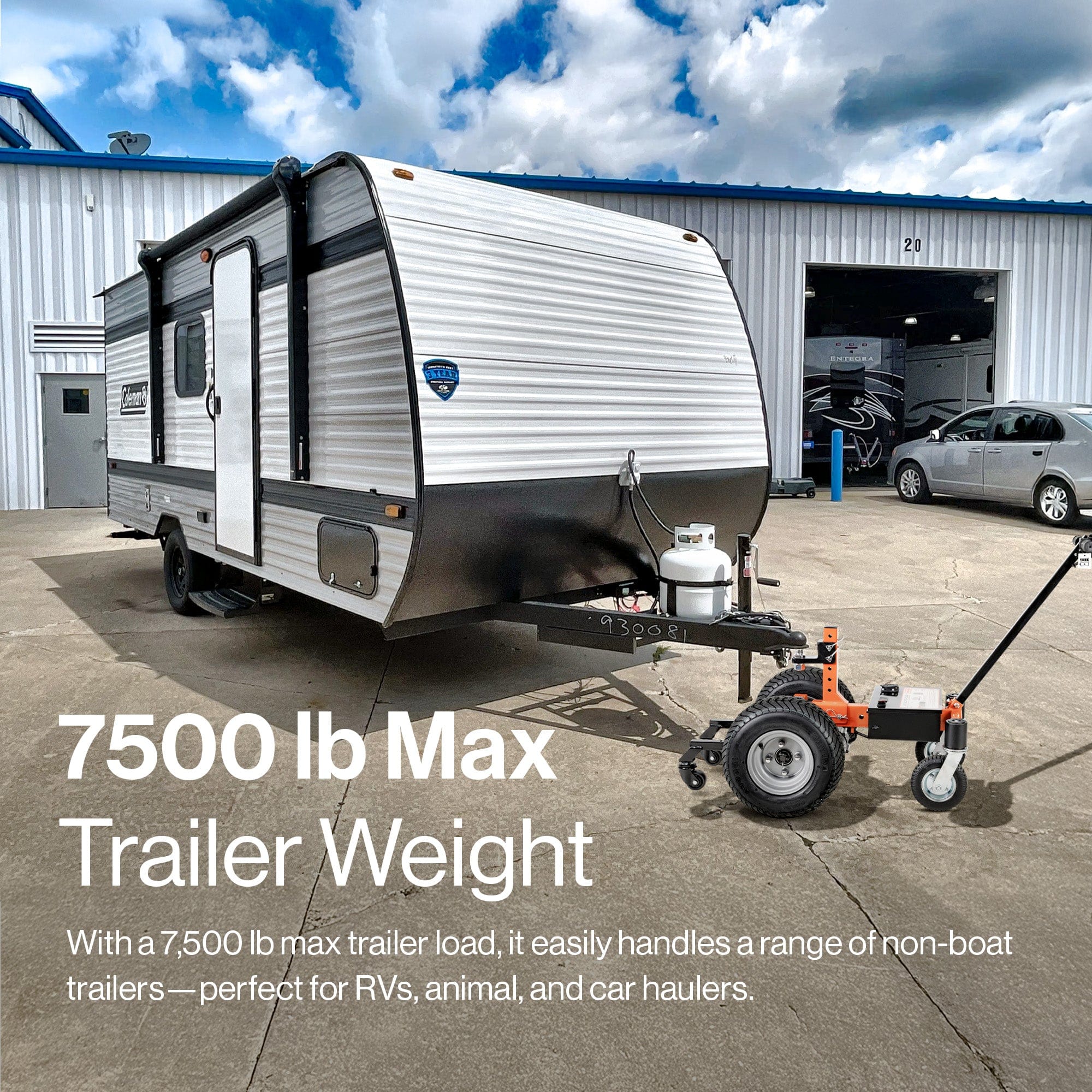
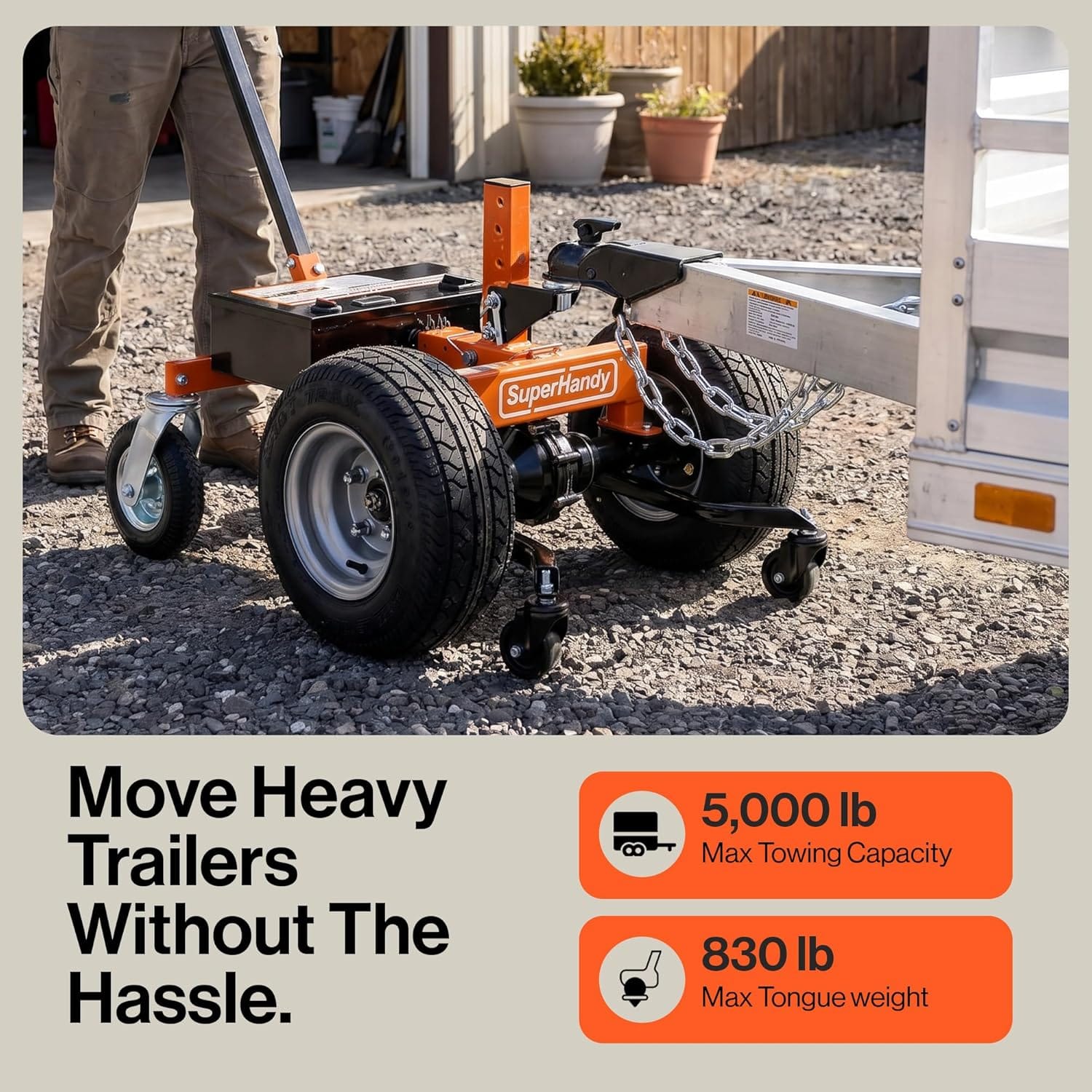
Knowing the motor's specs is only half the battle. You must apply that knowledge to your specific situation. The two key factors are your trailer's weight and the terrain you'll be navigating. First, identify your trailer’s Gross Trailer Weight (GTW) and, crucially, its tongue weight. The dolly’s maximum capacity for both must be greater than your trailer's weight.
Second, consider where you'll be using the dolly. A flat, smooth concrete garage floor requires far less power than a gravel pad or a grassy field. An incline is the ultimate test of torque. Most manufacturers provide a maximum weight rating for flat surfaces and a significantly lower rating for slopes (e.g., a 3-5% grade). A common mistake is buying a dolly that can just handle your trailer's weight on paper. Always choose a model with a capacity well above your needs. This extra power provides a critical safety margin, ensuring your dolly can handle unexpected inclines and imperfect surfaces without straining or failing.
Considering the Weight of Your Trailer and Terrain
Knowing the motor's specs is only half the battle. You must apply that knowledge to your specific situation. The two key factors are your trailer's weight and the terrain you'll be navigating. First, identify your trailer’s Gross Trailer Weight (GTW) and, crucially, its tongue weight. The dolly’s maximum capacity for both must be greater than your trailer's weight.
Second, consider where you'll be using the dolly. A flat, smooth concrete garage floor requires far less power than a gravel pad or a grassy field. An incline is the ultimate test of torque. Most manufacturers provide a maximum weight rating for flat surfaces and a significantly lower rating for slopes (e.g., a 3-5% grade). A common mistake is buying a dolly that can just handle your trailer's weight on paper. Always choose a model with a capacity well above your needs. This extra power provides a critical safety margin, ensuring your dolly can handle unexpected inclines and imperfect surfaces without straining or failing.
Feature 2: Battery Life and Charging - Staying Powered on Your Adventures
The battery is the heart of your electric trailer dolly. Without a reliable power source, you’re left with a heavy piece of equipment that can’t do its job, potentially leaving your trailer stranded at the worst possible moment. Imagine getting your boat halfway out of the garage only to have the dolly die. A robust battery and convenient charging system ensure your dolly is ready to work whenever you are, providing the freedom and reliability you need for hassle-free adventures.
Evaluating Battery Capacity (Ah) and Run Time
When comparing models, one of the most important specifications to look for is the battery’s capacity, measured in Amp-hours (Ah). Simply put, a higher Ah rating means the battery can deliver power for a longer period on a single charge. For an Electric Trailer Dolly, this translates directly to its operational run time.
Consider your typical usage. Do you just need to pull your trailer out of the garage and hook it up? A smaller capacity might suffice. But if you’re frequently repositioning a heavy RV on a large property or at a sprawling campsite, a larger capacity battery is essential. Keep in mind that the actual run time will vary based on the trailer's weight, the steepness of any inclines, and the type of terrain you're crossing. Moving a heavy trailer through thick grass will drain the battery much faster than moving a light one across smooth pavement.
Exploring Charging Options: From Wall Outlets to Solar
How you recharge your dolly is just as important as how long the battery lasts. Most electric trailer dollies come equipped with a charger that plugs into a standard 120V wall outlet, making it easy to top up the battery in your garage or workshop. Pay attention to the manufacturer's specified charging time—knowing whether it takes 4 hours or 8 hours to reach a full charge helps you plan accordingly.
Feature 3: Maneuverability and Control - Navigating Tight Spots with Ease
Power gets the job done, but maneuverability gets it done right. The primary reason for investing in an electric trailer dolly is to gain the precision needed to navigate tight corners, back into narrow storage bays, and perfectly position your trailer without the stress and blind spots of using a tow vehicle. A dolly with superior control turns a two-person shouting match into a smooth, one-person operation.
Look for a design that prioritizes intuitive handling and stability. An ergonomic handle with easily accessible forward and reverse switches, along with variable speed control, gives you the ability to make micro-adjustments with confidence. This is crucial when you only have inches to spare. A key component of control is the braking system. A quality Electric Trailer Dolly will feature an automatic brake that engages the moment you release the throttle. This prevents your valuable trailer from rolling away on even a slight incline and gives you complete command over its position.
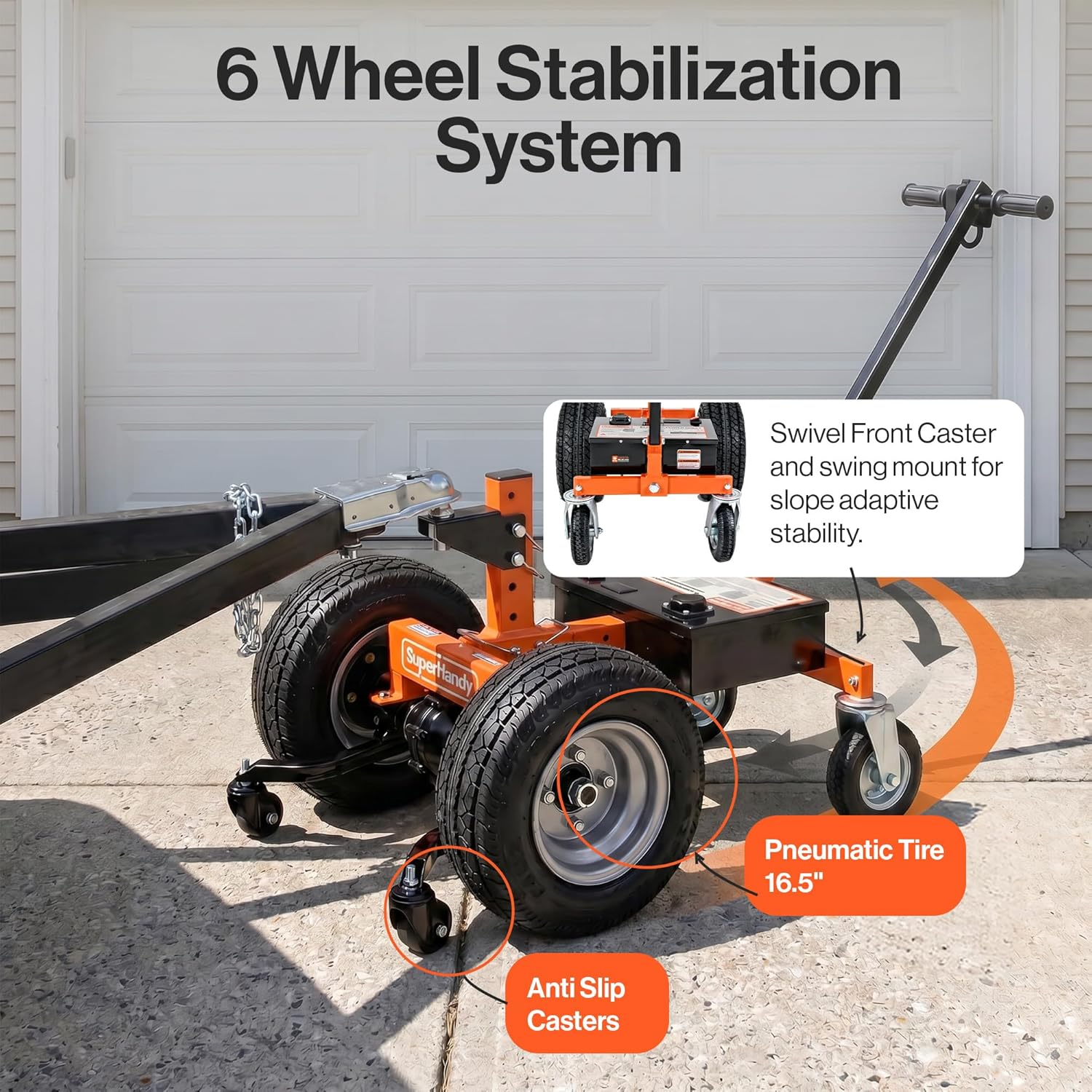
The dolly’s turning radius and wheel design also play a significant role. A tight turning radius is non-negotiable for getting around sharp corners. Furthermore, the tires are your connection to the ground. Large, pneumatic, all-terrain tires provide far better traction and stability on varied surfaces like gravel, grass, or uneven dirt compared to smaller, solid-plastic wheels. This ensures your dolly maintains a firm grip, providing the control you need to move your trailer safely and precisely, no matter where you need to put it.
The Importance of Responsive Steering and Braking Systems
Power is useless without control. When you’re maneuvering a trailer that weighs several thousand pounds, precise command over its movement is non-negotiable. A responsive steering system allows you to make micro-adjustments on the fly, guiding your trailer into a tight storage space or around an obstacle with confidence. Look for an electric trailer dolly with an ergonomic tiller handle that provides intuitive forward/reverse and left/right controls. The best systems have minimal "play," meaning the dolly reacts almost instantly to your input. Equally critical is the braking system. An effective electric brake can stop your trailer securely, even on a slight incline, preventing a dangerous and costly runaway situation. This feature provides the peace of mind that you can halt movement immediately, whether you’re repositioning on an uneven driveway or simply need to pause and check your alignment.
Assessing Turning Radius and Stability Features
The primary advantage of a trailer dolly is its ability to navigate spaces a tow vehicle simply can't. This is where turning radius and stability become paramount. A dolly with a tight turning radius can essentially pivot in place, allowing you to execute sharp 90-degree turns to back your boat into a garage bay or swing your RV into a narrow campsite. Before you buy, check the specifications for turning capability; a model that can maneuver tightly will save you countless frustrating attempts at positioning your trailer.
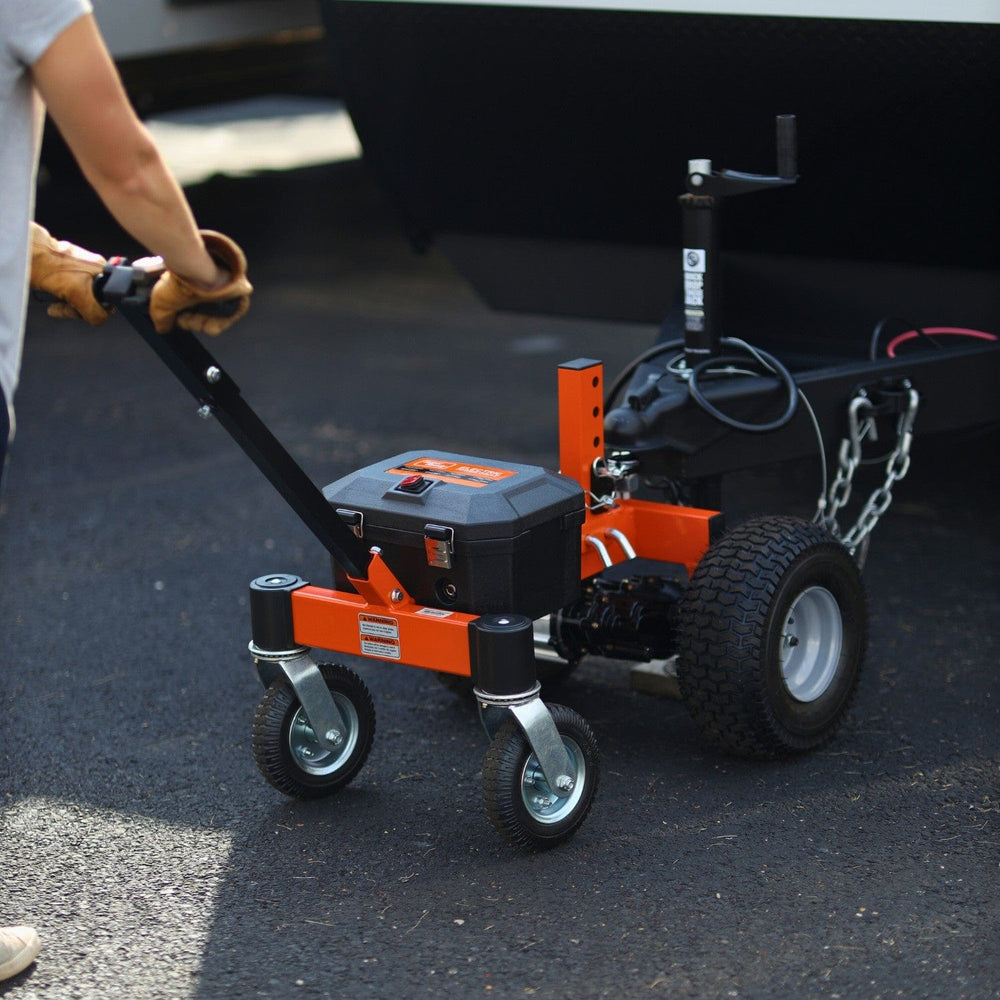
Stability works hand-in-hand with maneuverability. A dolly’s stability comes from its design: a wide wheelbase, a low center of gravity, and robust tires. Large, all-terrain tires provide superior grip on various surfaces like gravel, grass, and uneven pavement, preventing the dolly from slipping or losing traction. This stable base ensures that the dolly remains planted and in control, even as the weight of the trailer shifts during a turn, giving you a safe and secure platform for moving your prized possession.
Feature 4: Durability and Build Quality - Withstanding the Elements
An Electric Trailer Dolly is an investment in convenience and safety, and it needs to be built to last. These devices live a tough life outdoors, exposed to everything from scorching sun and pouring rain to dust and mud. Superior durability and build quality aren't just about longevity; they are fundamental to the dolly's performance and your safety. A well-built dolly will resist corrosion, protect its sensitive electrical components, and withstand the immense physical stress of moving a heavy trailer. When evaluating a model, think of it as a piece of heavy-duty equipment. Flimsy construction, unprotected wiring, or materials prone to rust are red flags that could lead to premature failure right when you need it most.
What Materials and Construction Techniques Matter Most?
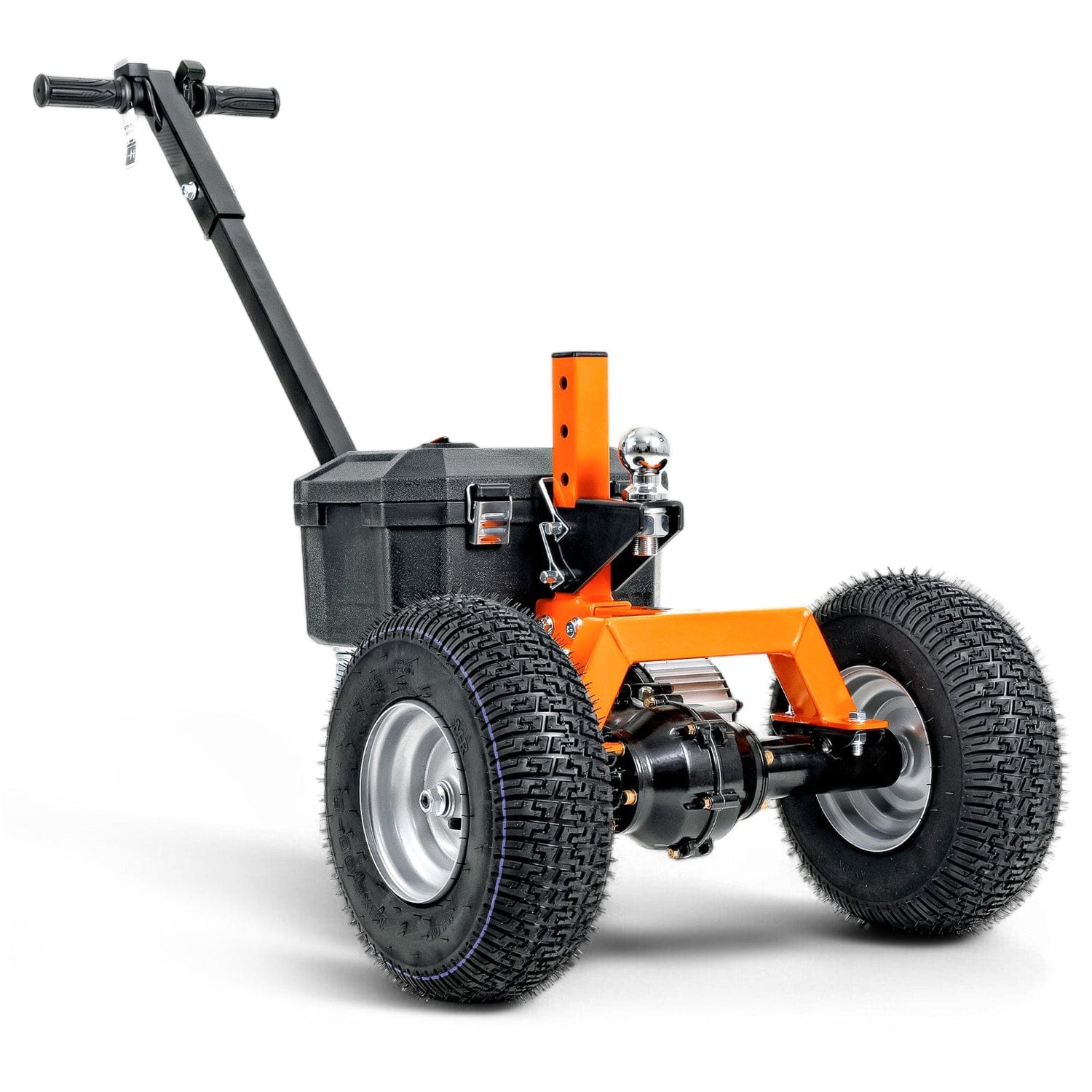
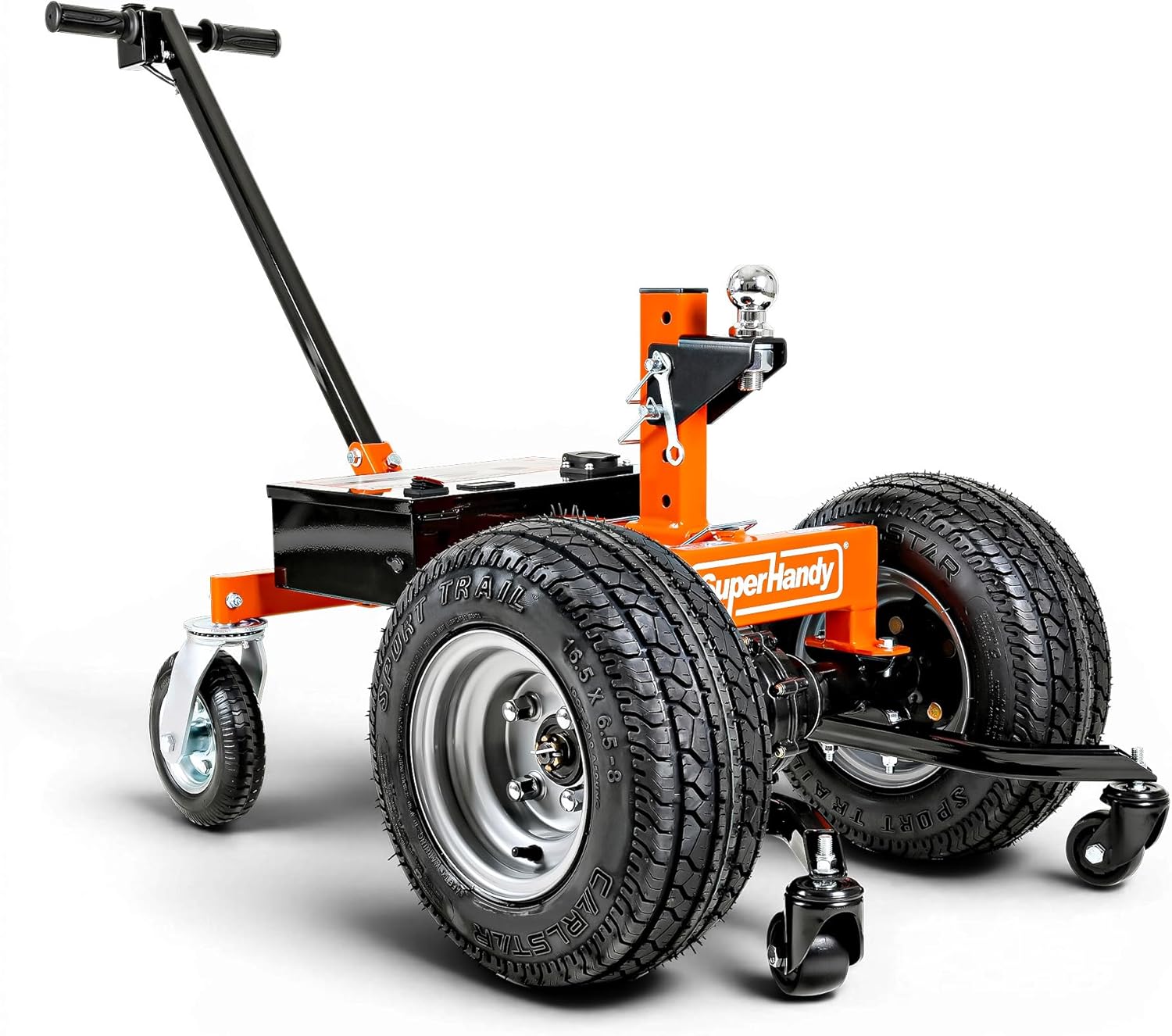
When you inspect a dolly, pay close attention to the materials and how they are put together. The frame should be constructed from heavy-gauge, commercial-grade steel to provide a rigid, unbending structure. To combat the elements, this steel frame should be protected with a durable finish, such as a powder coating, which is far more effective at preventing rust and chipping than standard paint. The tires are another critical component; look for solid rubber, all-terrain tires that can't be punctured and offer excellent traction.
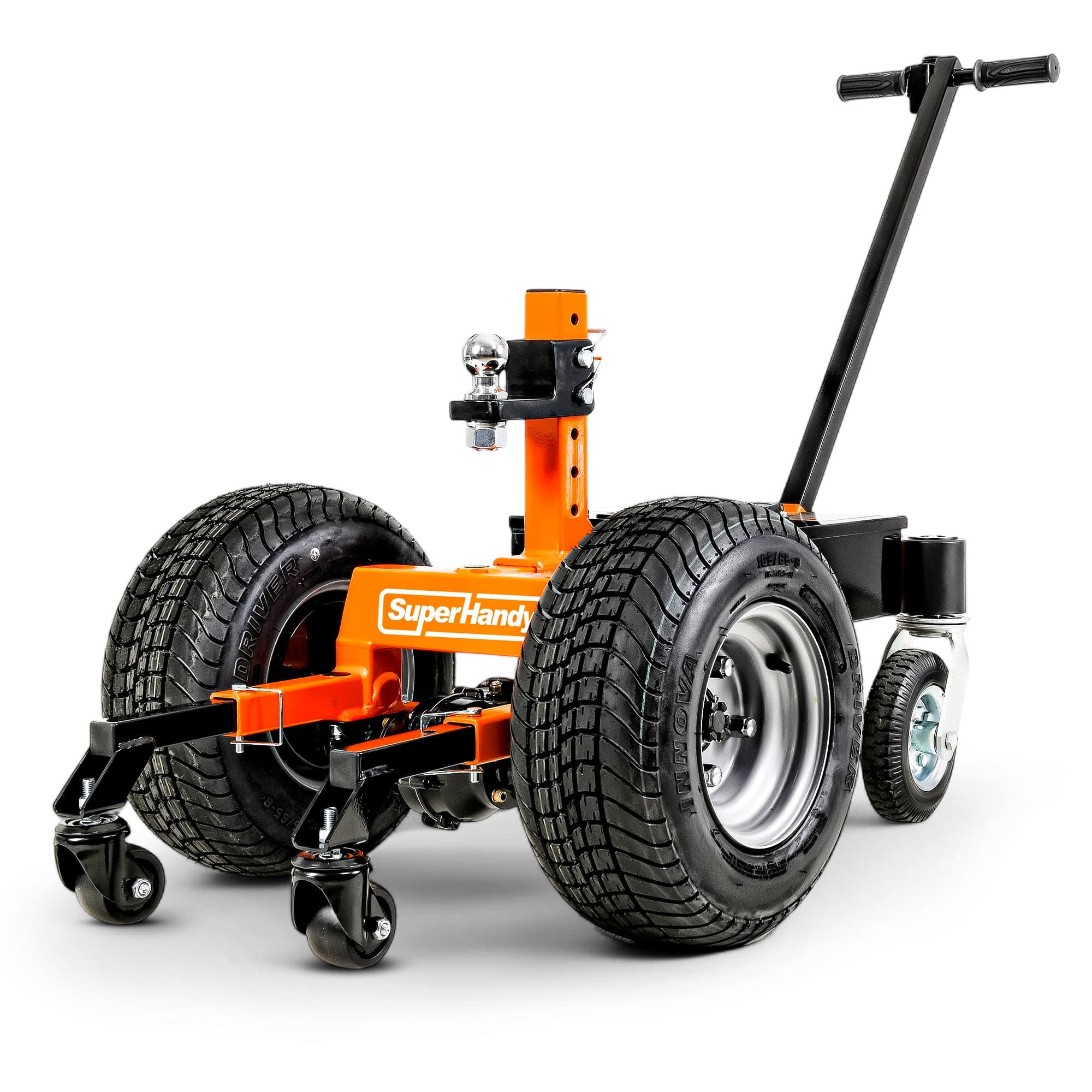
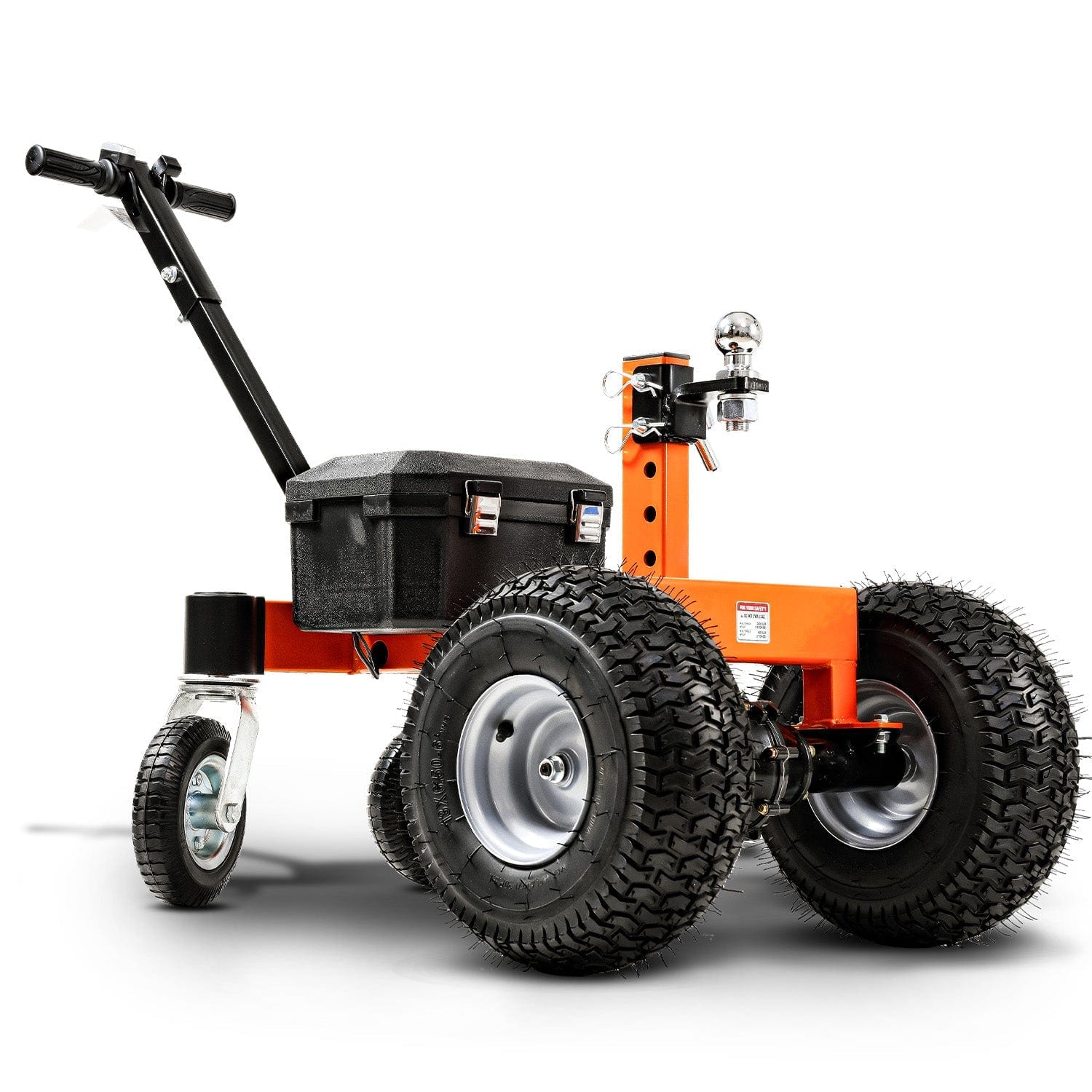
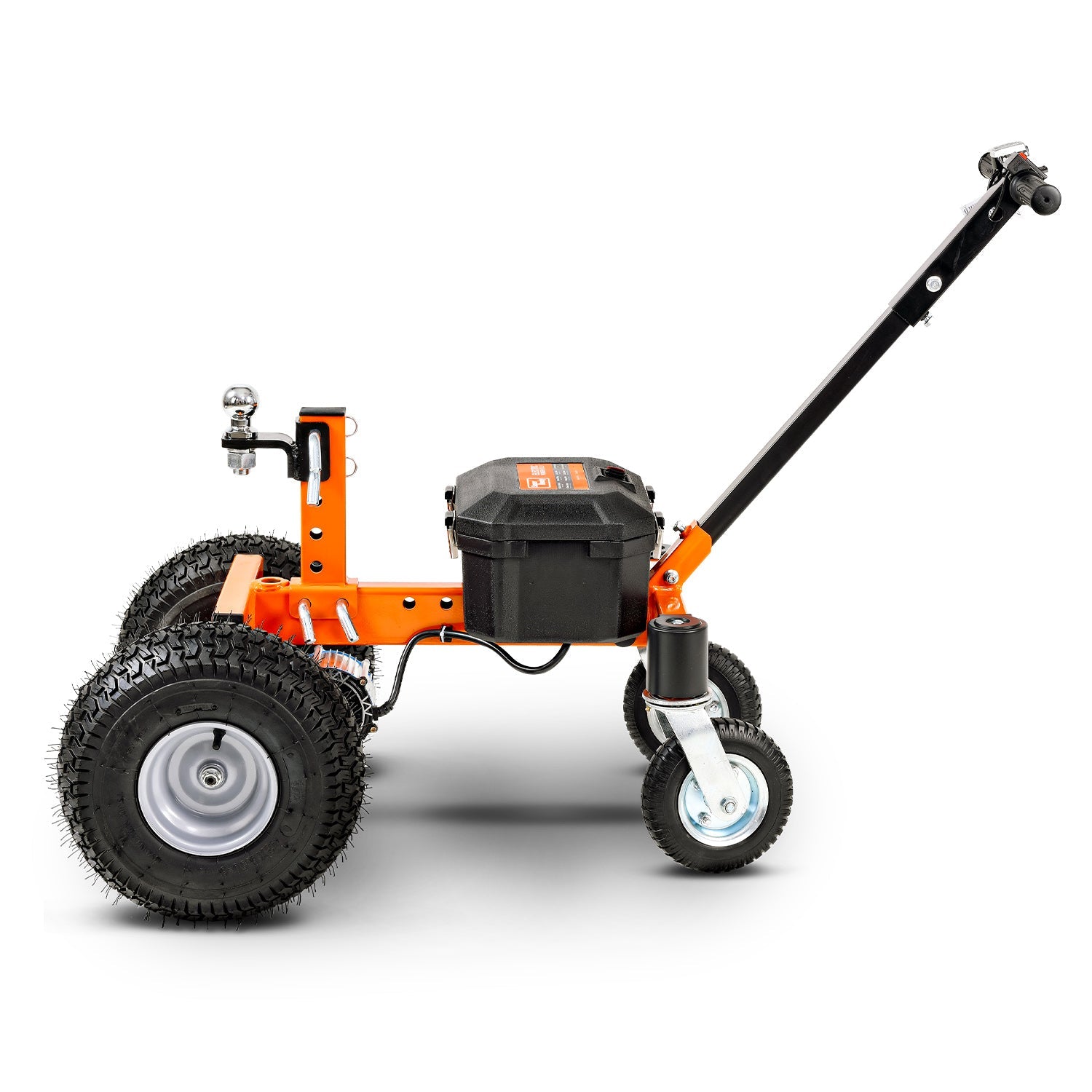
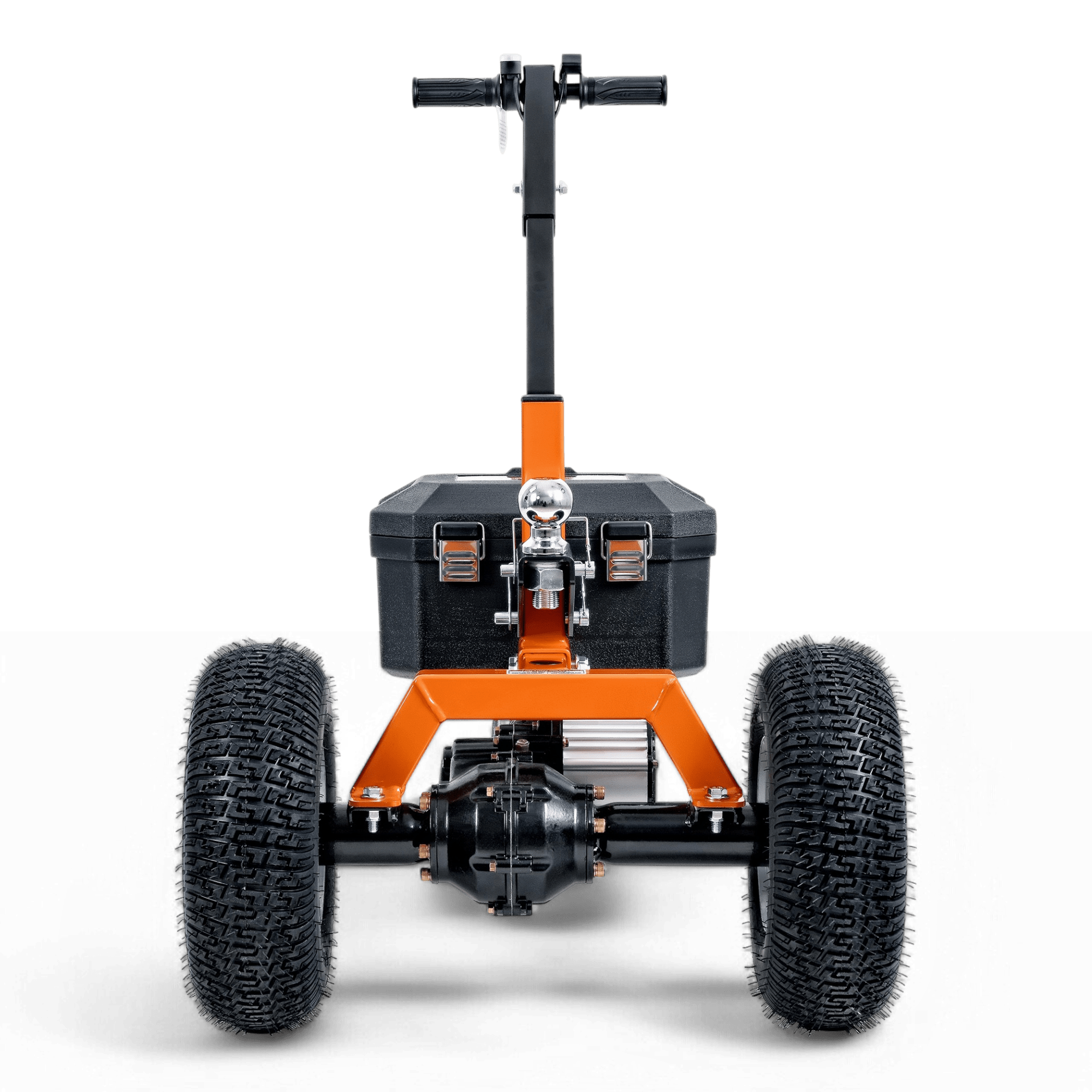
Beyond the raw materials, examine the construction quality. Check for clean, consistent welds at the joints, as these are the points that bear the most stress. The motor and battery assembly should be housed within a sealed or well-protected casing to shield them from water, dirt, and impacts. A model like the SuperHandy Electric Trailer Dolly showcases these principles with its robust steel frame and protected components, ensuring it can handle demanding tasks season after season. Choosing a dolly with high-quality materials and thoughtful construction is the best way to ensure you get a reliable tool that will serve you well for years to come.
Considering Weather Resistance and Maintenance Requirements
Your electric trailer dolly will be an outdoor tool, exposed to everything from blistering sun and pouring rain to dust and debris. Its ability to withstand these conditions is directly tied to its longevity and reliability. When evaluating durability, look for a robust frame constructed from heavy-duty, corrosion-resistant steel. A powder-coated finish is a significant plus, as it provides a much tougher barrier against rust and chipping than standard paint.
Beyond the frame, consider the protection for the electronic components. A well-designed unit will have its motor, wiring, and battery compartment sealed or shielded to prevent water ingress and damage. This is especially critical for boat owners who might use their dolly on wet launch ramps or in humid, salty air environments. Maintenance is another key factor. Look for models with sealed, maintenance-free batteries and easily accessible lubrication points for moving parts. An easy-to-care-for Electric Trailer Dolly means less time spent on upkeep and more time enjoying your RV or boat.
Feature 5: Safety and Security - Protecting Your Investment and Yourself
Moving a multi-ton trailer, even at low speeds, is a serious task. An uncontrolled trailer can cause catastrophic damage to your vehicle, property, or worse, result in serious injury. That's why safety and security features aren't just nice-to-haves; they are absolutely essential. A top-tier electric trailer dolly is designed with multiple safeguards to protect you, your family, and your high-value assets like a boat or RV.
When you invest in a powerful tool to move thousands of pounds, you are also investing in the control it provides. Unlike a simple manual trailer dolly or a less precise car dolly, a powered model must have built-in systems to manage its torque and prevent accidents before they happen. From advanced braking to intuitive controls, these features work together to give you the confidence to maneuver your trailer safely into the tightest of spaces. Exploring the available Electric Trailer Dolly options means paying close attention to the specific safety mechanisms that set a reliable unit apart from the rest.
Essential Safety Features to Prevent Accidents
When you're comparing models, scrutinize the spec sheet for these critical safety systems. They are the difference between a stressful parking job and a smooth, secure experience.
- Automatic Braking System: This is arguably the most important safety feature. A quality dolly should have a brake that engages automatically the moment you release the throttle or if the power is cut. This prevents your trailer from rolling away on an incline, providing a crucial fail-safe.
- Emergency Stop Button: Look for a large, easily accessible "kill switch" or emergency stop button on the control handle. In a panic situation, you need to be able to cut all power to the motor instantly without fumbling for a small switch.
- Overload Protection: A good motor is a powerful one, but it shouldn't be pushed beyond its limits. Overload protection circuitry automatically shuts the motor down if it detects excessive strain, preventing motor burnout and potentially dangerous situations where the dolly could fail under a too-heavy load.
- Intuitive Forward/Reverse Controls: The controls for direction should be simple and ergonomic, allowing you to switch between forward and reverse motion seamlessly. This minimizes the chance of user error, like accidentally sending the trailer in the wrong direction. A well-designed Electric Trailer Dolly will have a thumb-controlled throttle or rocker switch that is easy to operate while keeping your eyes on the trailer.
- Secure Hitch Ball Mount: The connection point is critical. Ensure the dolly uses a standard hitch ball and a heavy-duty locking mechanism that securely fastens to your trailer's coupler. This prevents the trailer from accidentally detaching from the dolly during movement, which could lead to a runaway trailer.
Related Products


Leave a comment
All comments are moderated before being published.
This site is protected by hCaptcha and the hCaptcha Privacy Policy and Terms of Service apply.