






















Independence is more than just a word; it's a fundamental human need. It's the freedom to choose, the ability to act on those choices, and the dignity that comes from steering your own life. For many, this concept is taken for granted. But when mobility becomes a challenge, the world can begin to feel smaller, and the definition of independence can shrink along with it. This isn't just about the physical act of moving from one place to another. It's about participation, connection, and the simple, profound joy of living life on your own terms. Redefining independence means recognizing that everyone, regardless of physical ability, deserves access to the tools that keep their world open and vibrant.
How Mobility Scooters Empower Users: A Deep Dive into Enhanced Personal Freedom
At its core, a mobility scooter is a tool of empowerment. It bridges the gap between limitation and liberation, transforming daily life from a series of obstacles into a landscape of opportunities. This shift is both practical and profoundly psychological. The reliance on others for simple errands—a trip to the grocery store, a visit to the post office, or a ride to a doctor’s appointment—can erode one's sense of self-sufficiency. A mobilized scooter restores that autonomy.
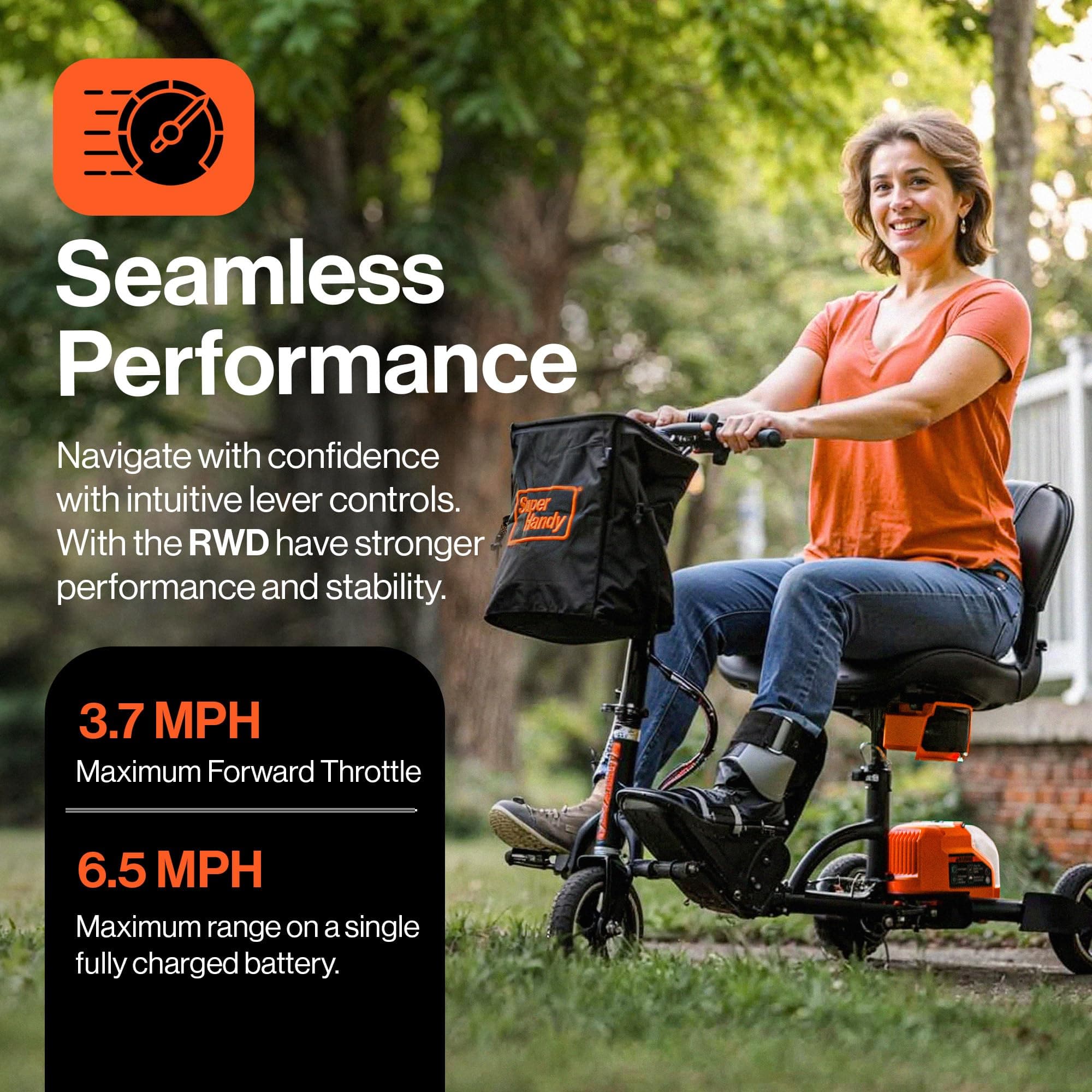
Suddenly, the user is back in the driver's seat, literally and figuratively. They decide when to leave, where to go, and how long to stay. This renewed control fosters a powerful sense of confidence and self-worth. It’s the freedom to spontaneously meet a friend for coffee, to browse a local shop without feeling rushed, or to simply get some fresh air in the park whenever the mood strikes. A new generation of Mobility Scooters is transforming this reality for thousands, offering reliable, user-friendly designs that make reclaiming personal freedom easier than ever. These devices are not just about movement; they are about restoring the agency that is central to a fulfilling life.

Navigating Daily Life: Exploring Communities and Rekindling Passions
With restored freedom comes the chance to re-engage with the world in meaningful ways. A mobility scooter breaks down the four walls that can slowly close in, reopening pathways to community life and personal interests that may have been set aside. Think of the simple pleasures that become accessible again:
- Exploring Local Spaces: Effortlessly navigating farmers' markets, attending community festivals, visiting the library, or enjoying a leisurely path through a botanical garden.
- Rekindling Hobbies: For the avid gardener, a scooter can make it possible to tend to flower beds. For the art lover, it means spending an afternoon at a museum without fatigue. For the lifelong learner, it’s about easily getting to a local class or workshop.
- Connecting with Nature: The ability to travel along park trails, waterfront promenades, and nature reserves provides vital mental and physical health benefits that are often the first casualties of limited mobility.
These are not trivial activities; they are the building blocks of a rich, textured life. By enabling participation in these everyday events, mobilized scooters help users remain active, visible, and integrated members of their communities, fighting isolation and fostering a sense of belonging.
Sustaining Professional and Social Engagement: Economic and Relational Benefits
The impact of a mobility scooter extends far beyond personal errands and hobbies. It has significant economic and social ripple effects that empower users to maintain a well-rounded, engaged life.
Economically, a scooter can be the key to continuing a career, returning to the workforce, or pursuing volunteer opportunities. It provides the reliable transportation needed to commute to an office or manage a small business, preserving financial independence and professional identity. This contribution not only benefits the individual but also allows society to continue benefiting from their skills and experience.
Socially, the benefits are immeasurable. Social isolation is a serious health risk, linked to both mental and physical decline, as noted by the Centers for Disease Control and Prevention (CDC). A mobility scooter is a powerful antidote. It empowers users to actively maintain their social networks by making it simple to visit friends and family, attend grandchildren’s school events, or participate in club meetings. By removing the barrier of transportation, these essential human connections are not just sustained—they are strengthened, leading to a healthier, happier, and more connected life.
Innovations Driving the Future of Mobility: What's Next for Scooter Technology?
The mobility scooter of today bears little resemblance to its early predecessors. Gone are the days of bulky, slow, and purely functional machines. The modern mobility scooter is a testament to technological innovation, evolving into a sophisticated personal transport vehicle. The driving force behind this transformation is a focus on user empowerment, efficiency, and integration into a connected world.
Key advancements are happening at the core of the machine. The shift from heavy, lead-acid batteries to lightweight, high-capacity lithium-ion batteries is a game-changer. This not only dramatically increases travel range—sometimes exceeding 30-40 miles on a single charge—but also reduces the overall weight of the scooter, making it more portable. Simultaneously, motor technology has become more powerful and efficient, enabling mobilized scooters to tackle steeper inclines and more varied terrain with confidence. This progress is opening up new possibilities, transforming these devices from simple aids into robust vehicles for exploration and daily life.

Smart Features and Ergonomics: Enhancing Safety, Comfort, and User Experience
Innovation extends far beyond power and range. The new generation of mobility mobility scooters is intelligent, prioritizing user experience through a suite of smart features and ergonomic designs. These enhancements are not just about convenience; they are about building confidence, ensuring safety, and providing unparalleled comfort.
Smart technology is now a central feature. Many models come equipped with:
- Digital Displays: Bright, easy-to-read LCD screens provide real-time data on speed, battery life, and trip distance.
- USB Charging Ports: A simple but crucial feature, allowing users to charge their smartphones and other devices on the go.
- Advanced Lighting: Powerful LED headlights, taillights, and turn signals ensure visibility and safety, day or night.
- App Integration: Some high-end scooters connect to smartphone apps via Bluetooth, allowing users to monitor battery health, track their routes via GPS, and even engage remote locking and anti-theft alarms.
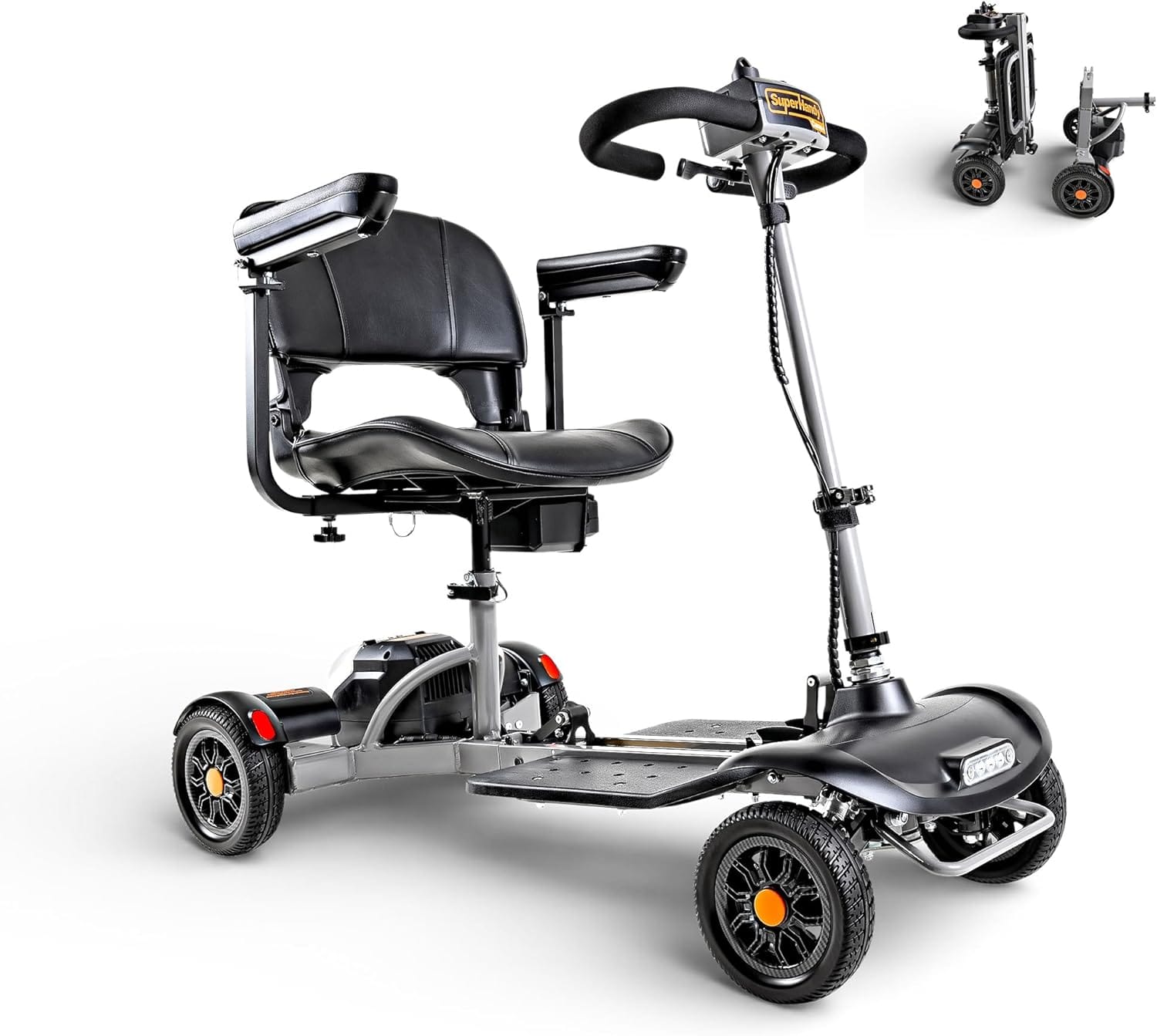
Ergonomics have also seen a revolution. Recognizing that one size does not fit all, manufacturers are focusing on adjustability and support. Today’s premium Mobility Scooters often feature fully adjustable captain's chairs with lumbar support, rotating seats for easy transfers, and adjustable armrests and tillers to create a perfectly customized fit. Enhanced suspension systems absorb bumps and shocks, providing a smoother ride on uneven surfaces like cobblestone streets or park trails.
Sustainable and Accessible Design: Integrating Scooters into Modern Urban Living
As cities worldwide strive for greener, more accessible futures, the design of mobility scooters is evolving to meet these goals. The very nature of an electric scooter is inherently sustainable, offering a zero-emissions alternative to gas-powered vehicles for short-distance travel. Manufacturers are further enhancing this by exploring the use of recyclable materials and designing more energy-efficient charging systems.
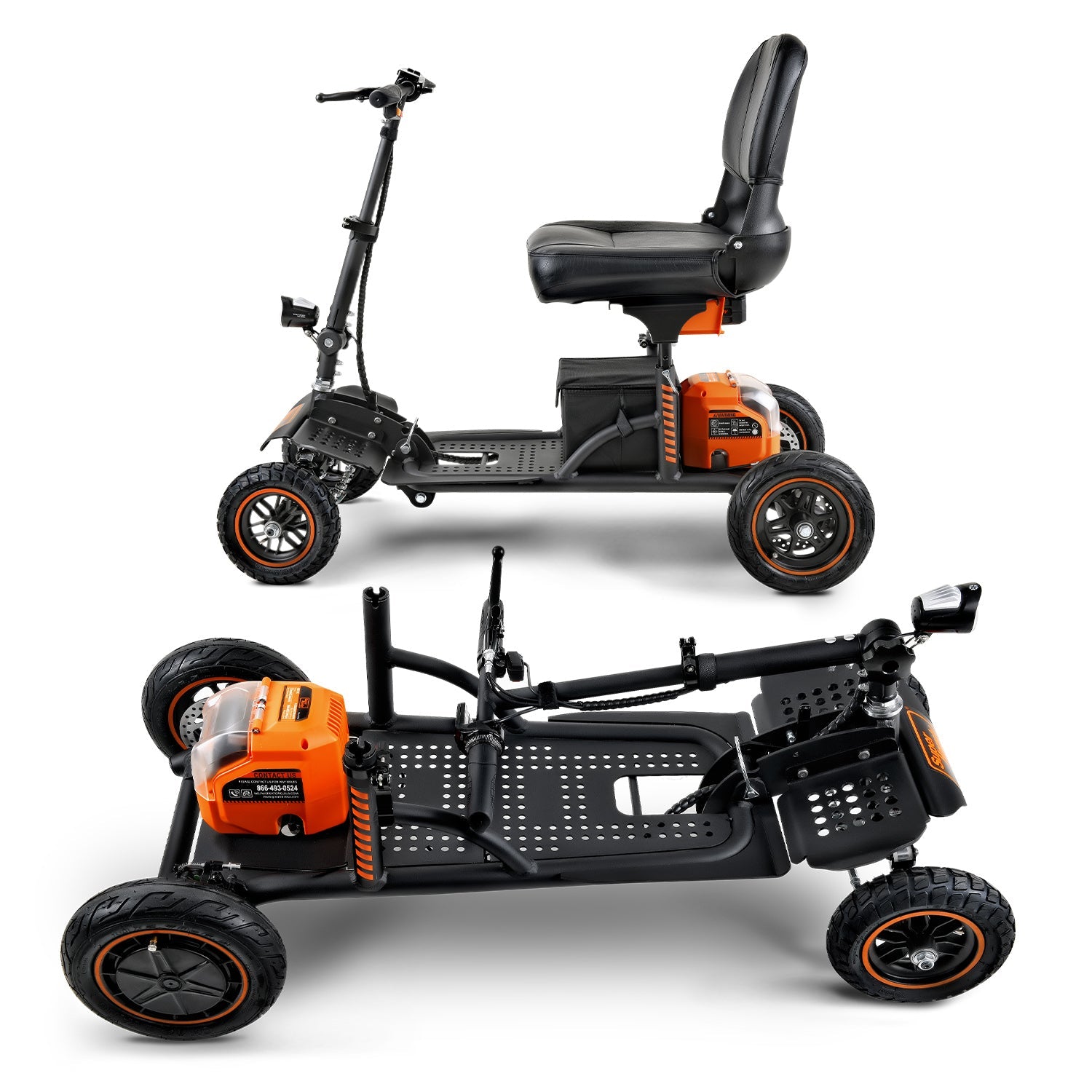
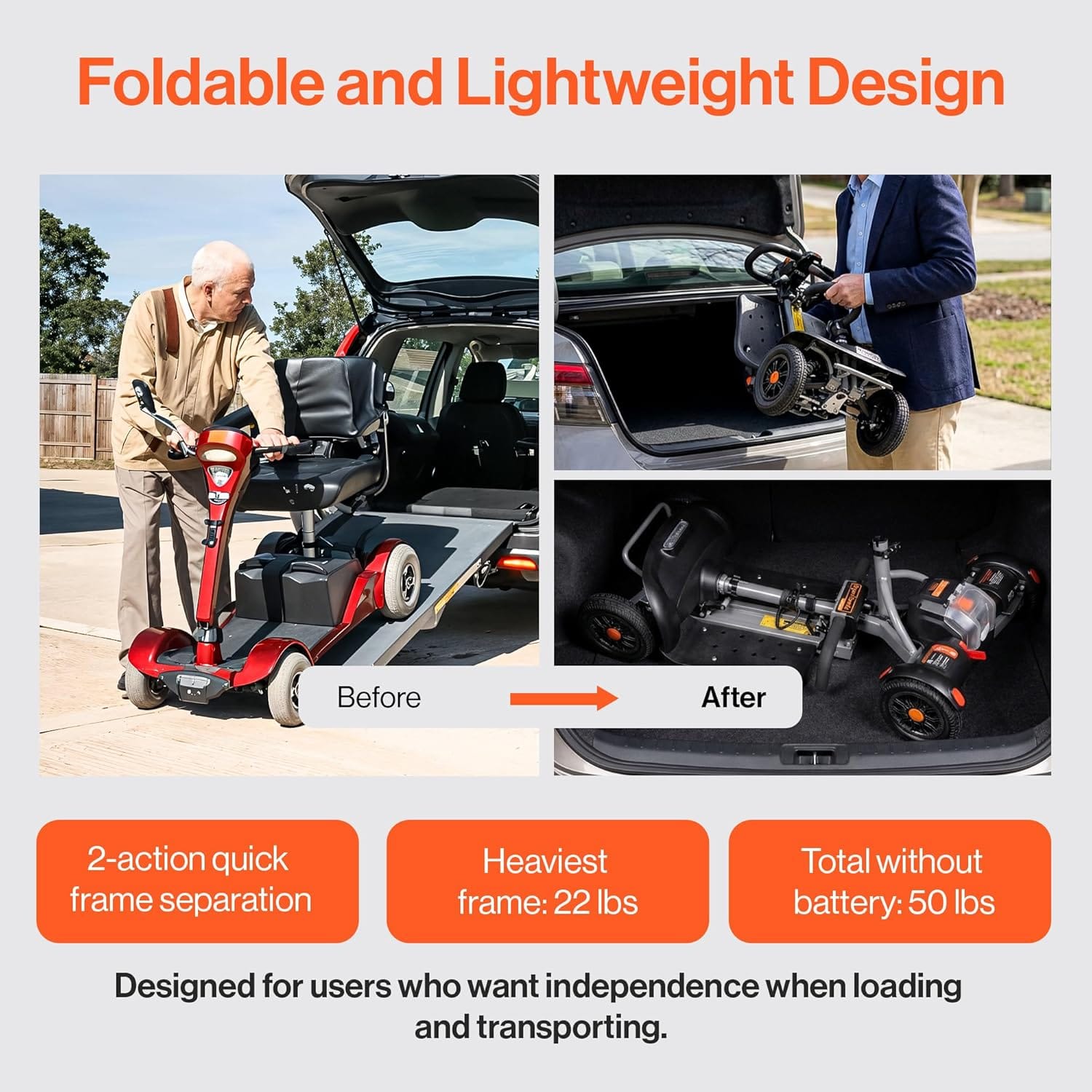
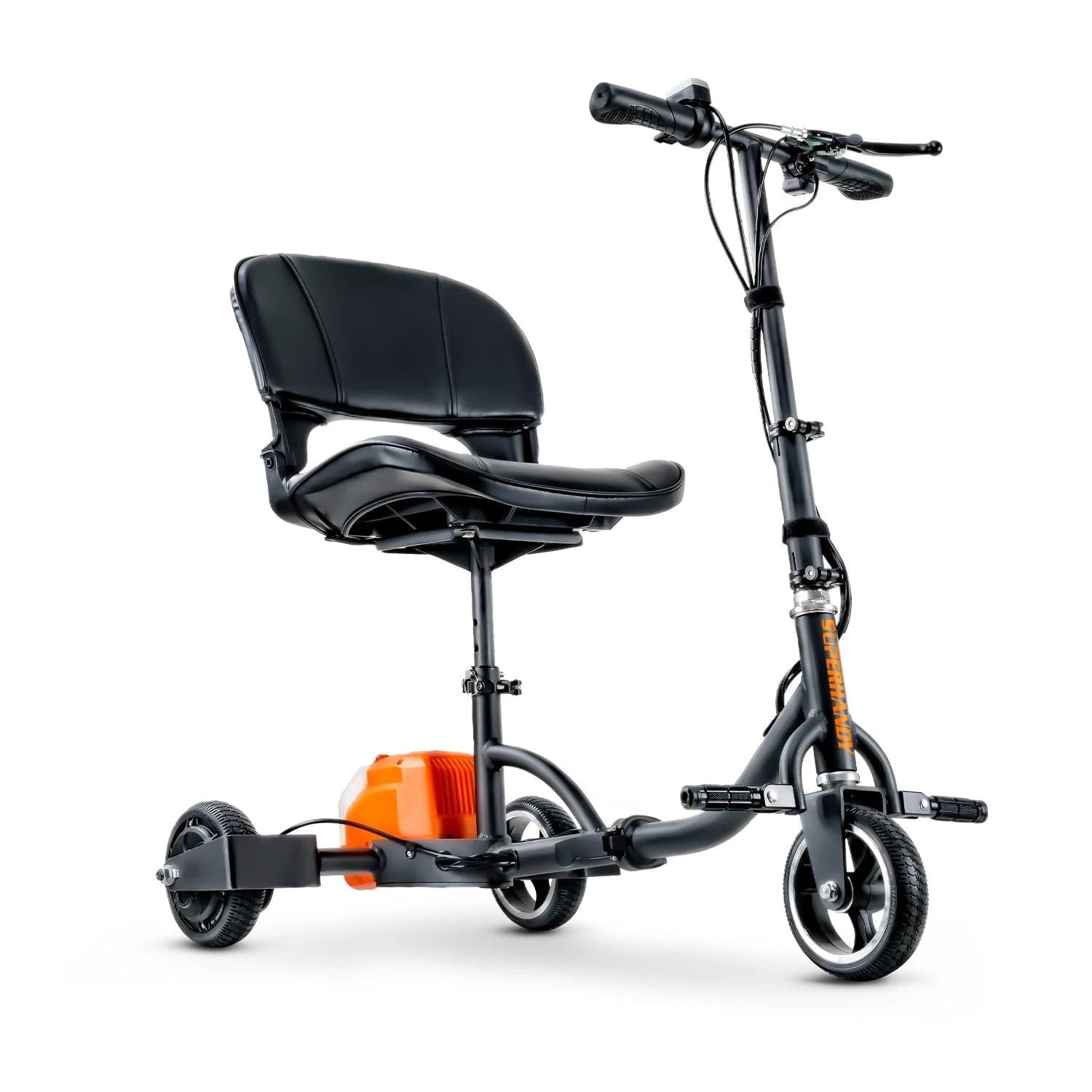
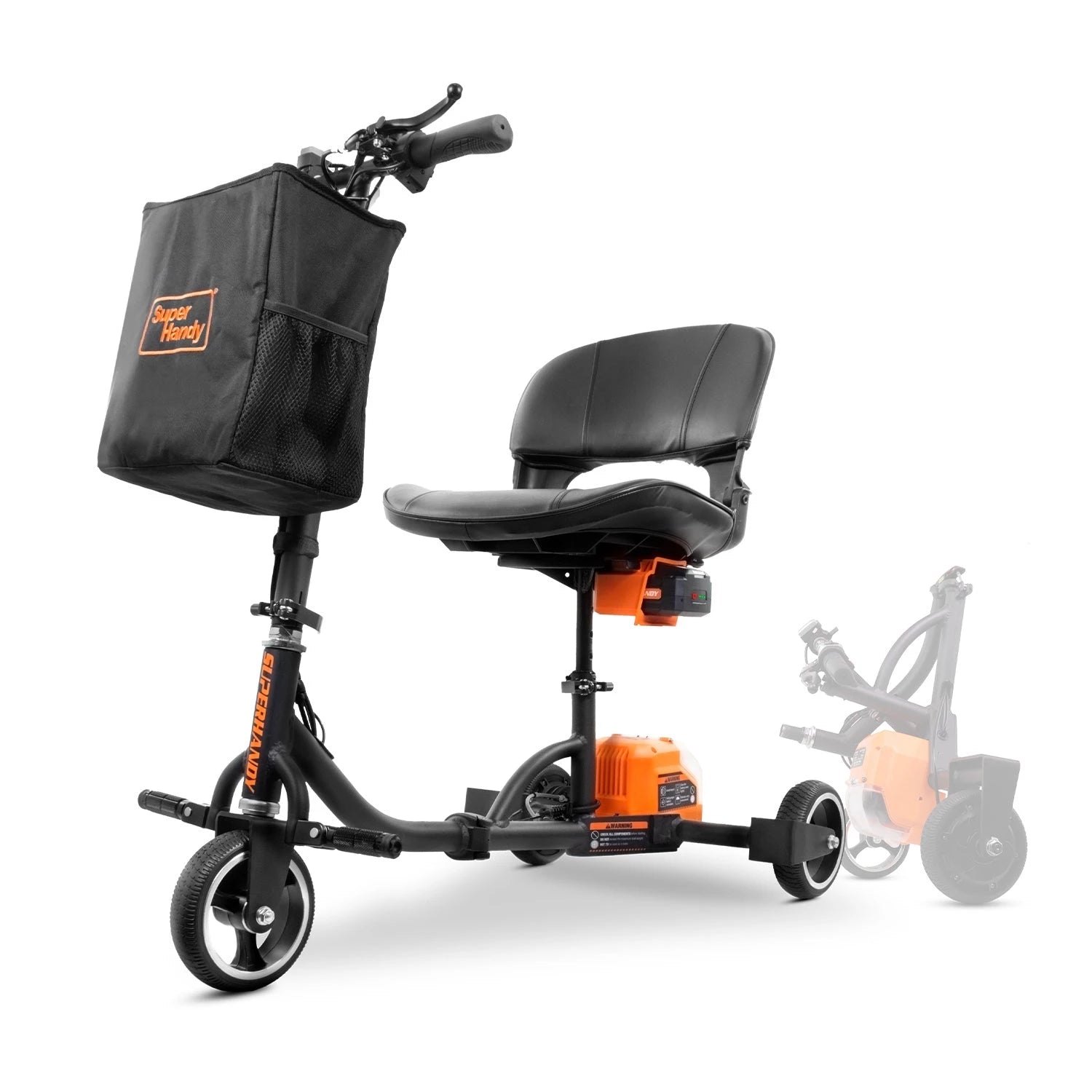
Beyond sustainability, the focus is on seamless integration into the urban fabric. This means designing for true portability. Many modern scooters are now engineered to be easily folded or disassembled in seconds, without tools. This allows them to be stowed in a car trunk, taken on a bus, or even checked on an airplane. This “last-mile” solution bridges the gap between public transportation and a user’s final destination, a concept central to universal design principles. By making mobilized scooters easier to transport and store, they become a more practical and integrated part of a multimodal transportation ecosystem.

Addressing Societal Perceptions: How Can We Promote Inclusivity and Accessibility?
Perhaps the most significant frontier for mobility scooters is not technological, but societal. For too long, these devices have been associated with limiting stereotypes. The final step in redefining independence is to challenge these misconceptions and foster a culture of inclusivity and understanding. It begins with changing the conversation—viewing a mobility scooter not as a symbol of limitation, but as a tool of empowerment, freedom, and active participation in community life.
Promoting this shift requires a collective effort.
- Advocacy and Education: We can actively debunk myths that scooters are only for a certain age group or that they are a sign of "giving up." They are, in fact, tools for gaining—gaining access, experiences, and independence.
- Infrastructure Improvements: True accessibility goes beyond a single ramp. It requires a commitment to creating environments where everyone can navigate freely. This includes advocating for well-maintained sidewalks, ample curb cuts, and buildings designed with accessibility in mind from the start, in line with standards set by laws like the Americans with Disabilities Act (ADA).
- Mutual Respect: For non-users, it means being mindful of scooter operators in public spaces, keeping pathways clear, and offering patience. For scooter users, it means operating their vehicles safely and courteously.
By combining technological advancement with a conscious effort to build more inclusive communities, we can ensure that mobility scooters continue to be powerful vehicles for independence and engagement for years to come.
Challenging Misconceptions: Debunking Myths About Mobility Scooter Use
Societal understanding often lags behind technology, and the perception of mobility scooters is a prime example. These empowering devices are frequently surrounded by myths that can discourage potential users and create unfair judgments. It's time to set the record straight and challenge these common misconceptions head-on.
Myth 1: Mobility scooters are only for the elderly. This is perhaps the most pervasive and inaccurate stereotype. While many seniors benefit from using a mobility scooter, these devices are for anyone—regardless of age—who faces mobility challenges. This includes individuals with chronic illnesses like multiple sclerosis or arthritis, people recovering from surgery or injury, and those with conditions that affect balance or stamina. A mobility scooter is a tool for independence, not an indicator of age.
Myth 2: Using a mobilized scooter is a sign of "giving up" or being lazy. This harmful notion couldn't be further from the truth. For many, a mobility scooter is the very tool that allows them to start doing again. It’s about energy conservation, not avoidance of activity. Someone with limited energy can either spend it all walking a short distance to the grocery store or use a scooter and save that energy for shopping, cooking, and engaging with family. It enables participation in life, rather than forcing a person to sit on the sidelines.
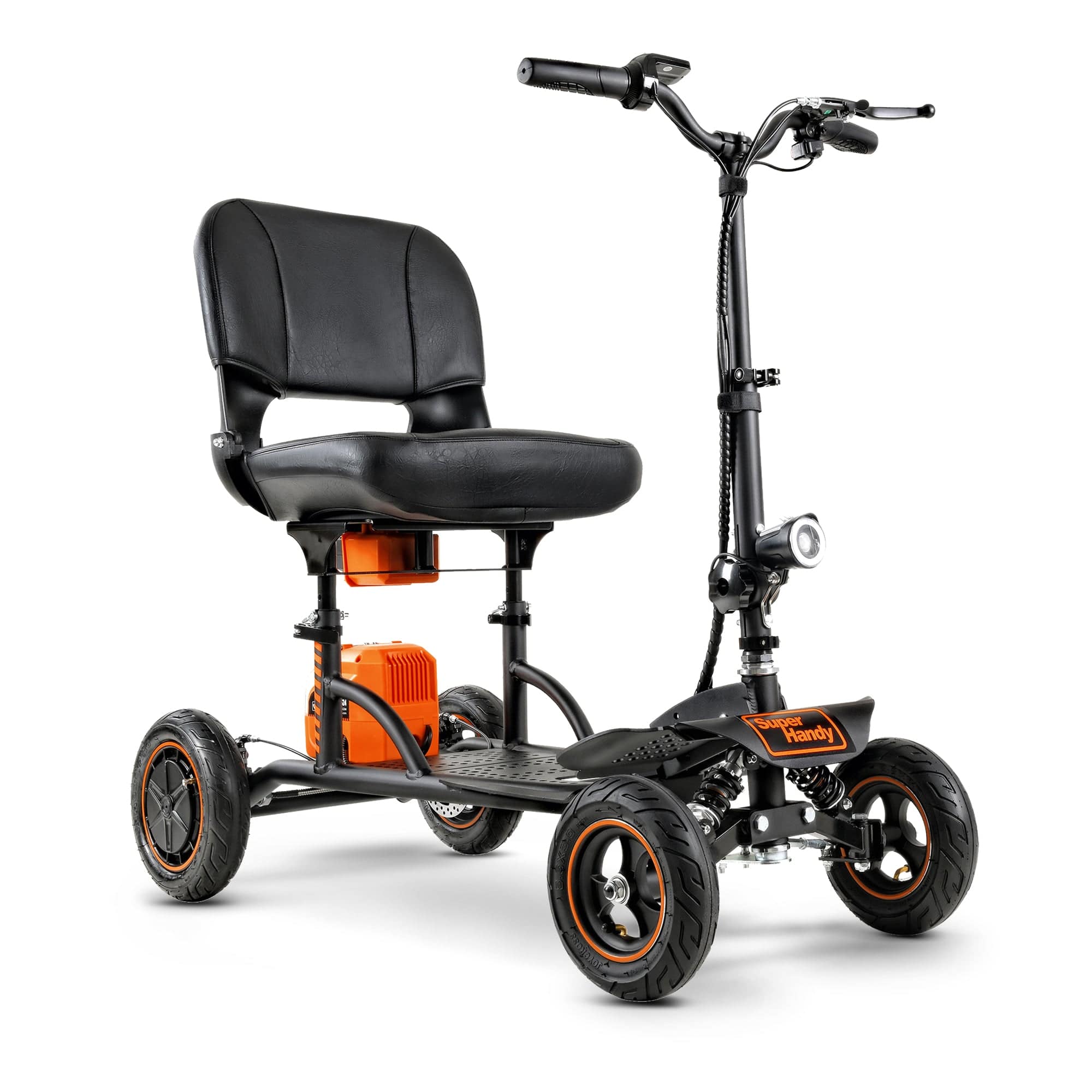
Myth 3: All scooters are big, bulky, and difficult to transport. While heavy-duty models exist for rugged terrain, the industry has evolved dramatically. Today, many of the most popular Mobility Scooters are lightweight, foldable, and designed for portability. These compact models can be easily disassembled or folded to fit in the trunk of a standard car, making travel, errands, and social visits far more accessible. The idea of a scooter being a cumbersome, permanent fixture is outdated.
Advocating for Better Infrastructure: Creating Truly Accessible Public Spaces
A mobility scooter can provide unparalleled freedom, but that freedom is only as extensive as the environment allows. True independence relies on a partnership between assistive technology and public infrastructure. Unfortunately, many urban and suburban landscapes still present significant barriers for scooter users.
Navigating a community can become an obstacle course filled with cracked sidewalks, absent curb cuts, narrow doorways, and ramps that are dangerously steep. These are not mere inconveniences; they are barriers that can isolate individuals and limit their ability to work, shop, and socialize.
Creating truly accessible public spaces is a collective responsibility. It means going beyond the bare minimum requirements and designing with universal access in mind. This includes:
- Well-Maintained Pathways: Smooth, wide sidewalks and paths free of obstructions.
- Proper Ramps and Curb Cuts: Ensuring gradients are gentle and transitions are seamless.
- Accessible Buildings: Automatic doors, wide hallways, and accessible restrooms are essential.
- Public Transit Integration: Buses and trains with reliable lifts or ramps and designated space for mobility devices.
As individuals, we can advocate for change by reporting accessibility issues to local municipalities, supporting businesses that prioritize accessibility, and raising awareness. When our communities are built for everyone, the full potential of devices like mobility mobility scooters can be realized, fostering a more inclusive society for all.
Frequently Asked Questions: Understanding Mobility Scooters Better
How do I choose the right mobility scooter for my needs?
Selecting the right mobility scooter depends on your lifestyle and specific requirements. Consider these key factors: Where will you use it most (indoors, outdoors, or both)? How far do you need to travel on a single charge (battery range)? Do you need to transport it in a car (portability)? And what is your body weight (weight capacity)? Answering these questions will help you decide between a compact 3-wheel model for indoor maneuverability or a sturdy 4-wheel model for outdoor stability.
Can I take my mobility scooter on public transportation?
In most cases, yes. Public transit systems like buses and trains are generally required to be accessible under laws like the Americans with Disabilities Act (ADA). However, there may be size and weight restrictions. It is always best to contact your local transit authority beforehand to confirm their specific policies and procedures for accommodating mobility mobility scooters. Lighter, more compact models are often easier to manage on public transport.
Do I need a license or insurance to operate a mobility scooter?
Typically, no. In the United States and many other countries, mobility scooters are classified as medical or personal mobility devices, not motor vehicles. Therefore, a driver's license, registration, and insurance are not usually required. However, it's wise to check your local and state regulations, as rules can vary. While not mandatory, some users opt for private insurance to cover theft or potential liability.
What is the difference between a 3-wheel and a 4-wheel mobility scooter?
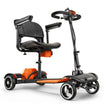
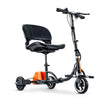
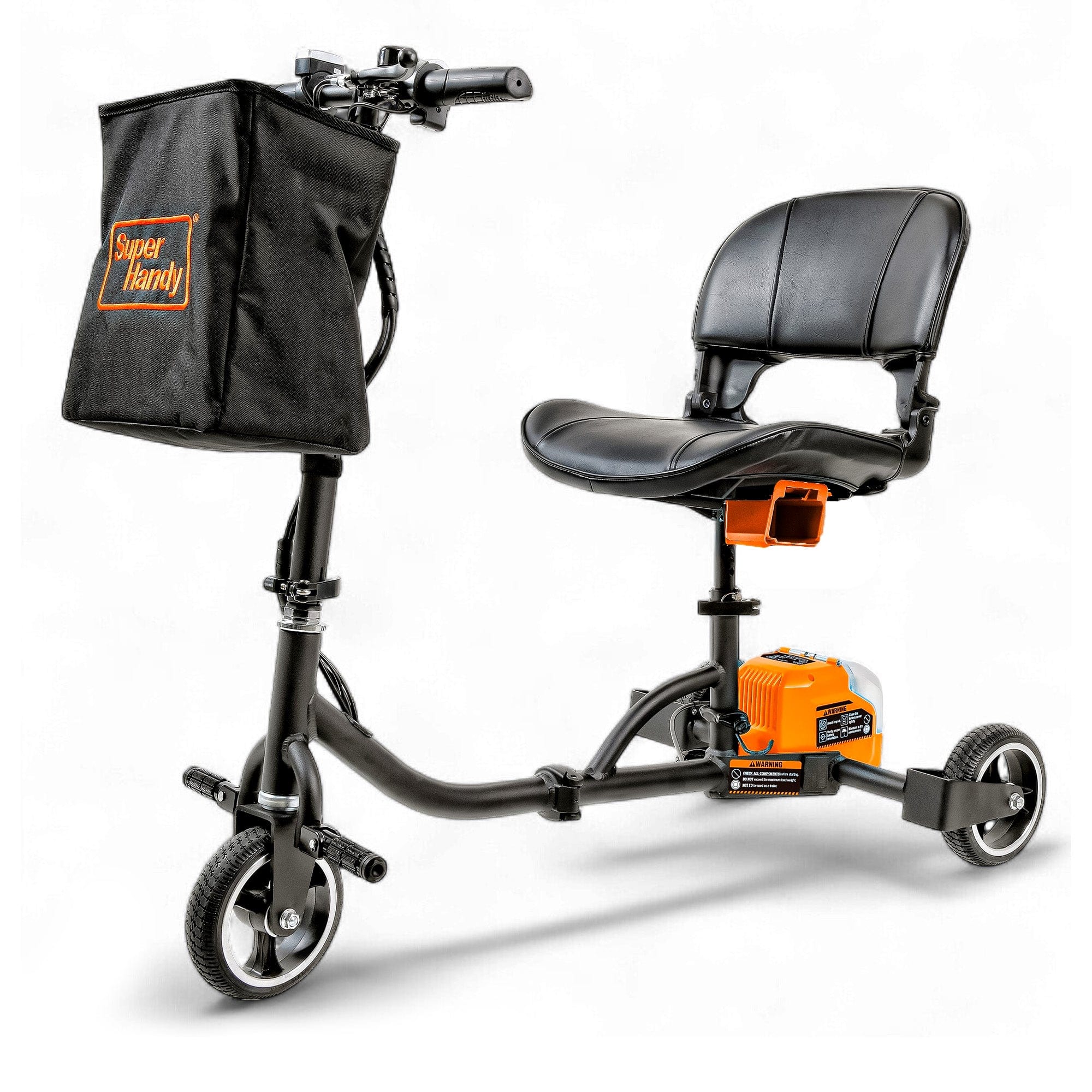
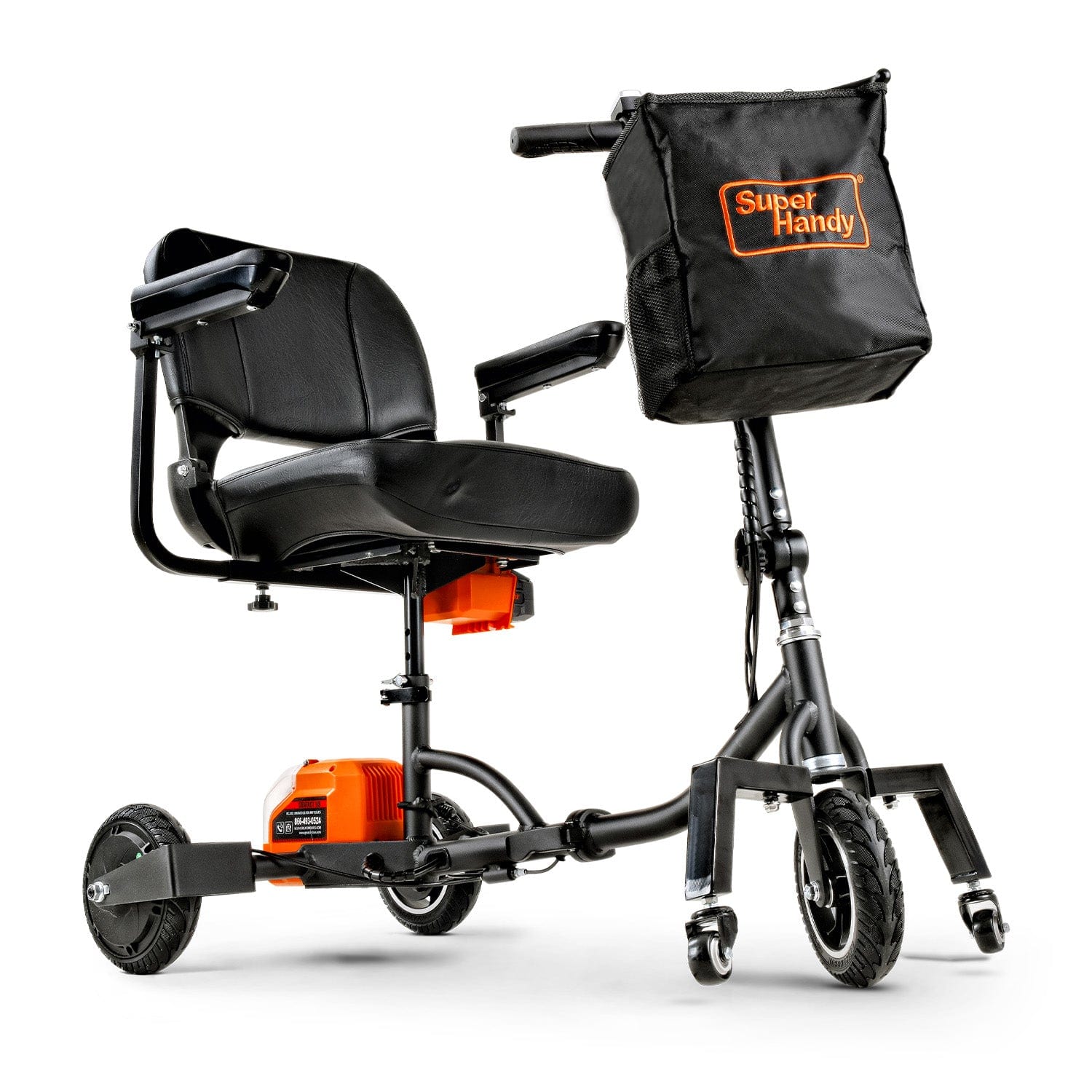
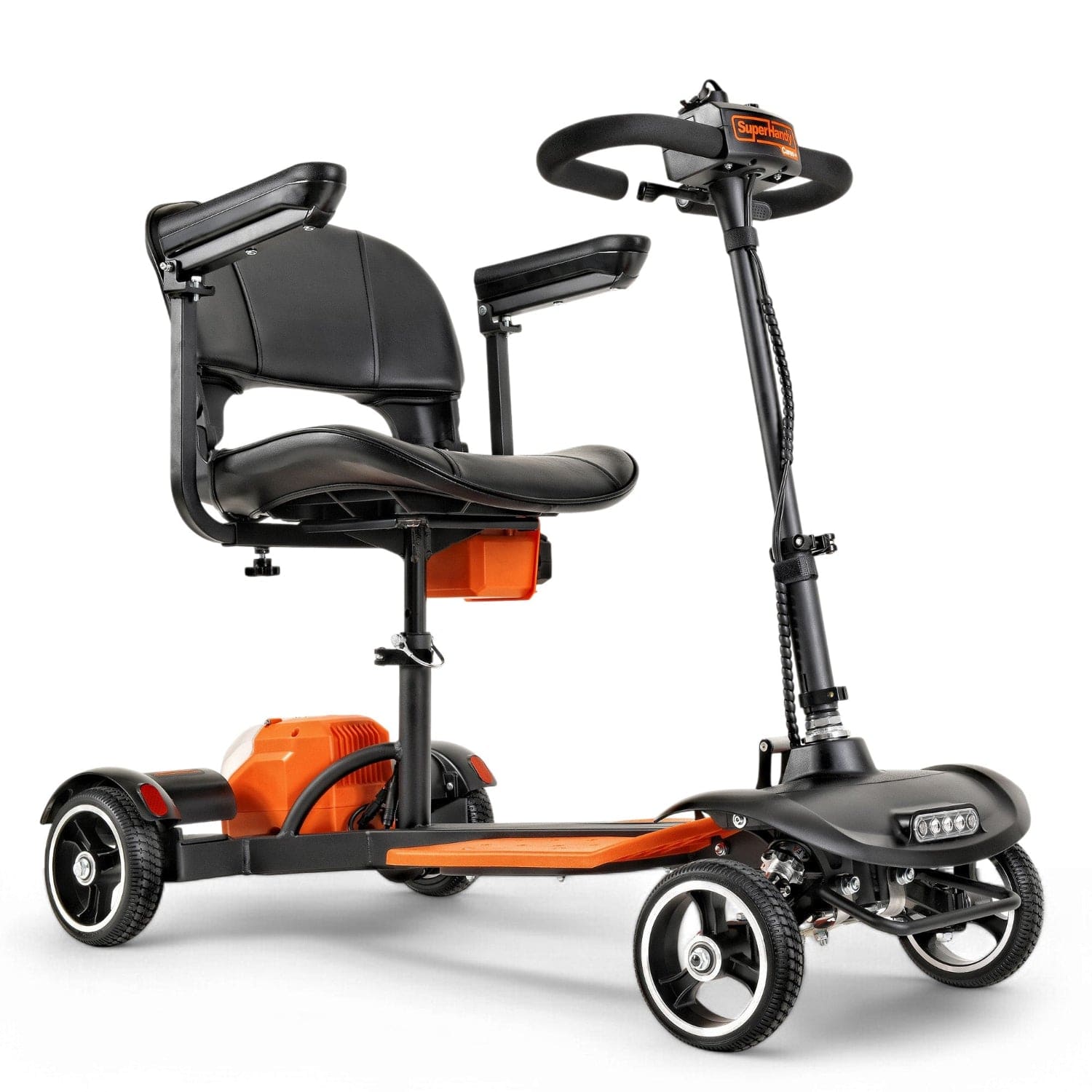
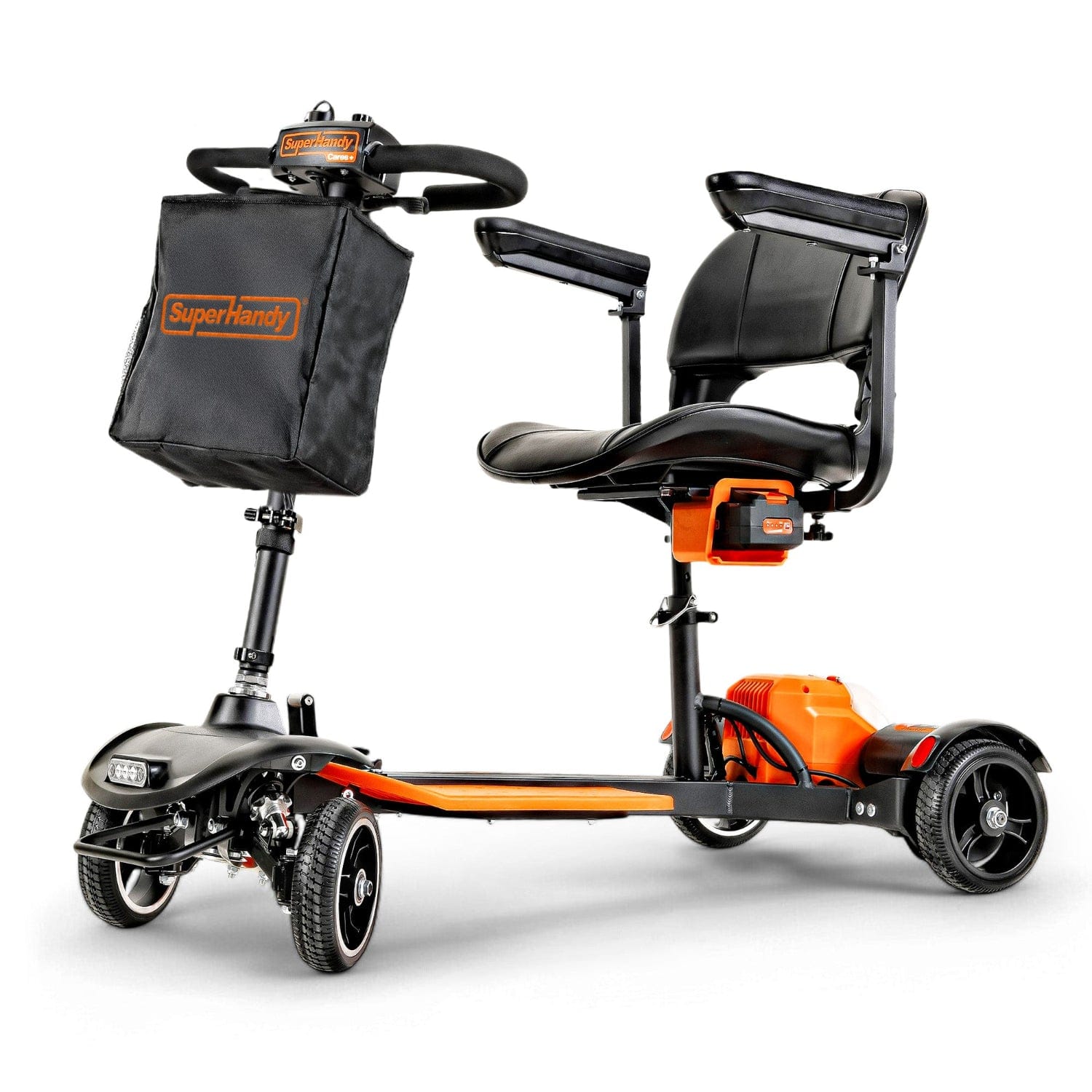
The primary difference lies in the balance between maneuverability and stability. A 3-wheel mobility scooter has a tighter turning radius, making it ideal for navigating narrow indoor spaces like hallways and store aisles. It also tends to offer more legroom. A 4-wheel mobility scooter provides a wider base of support, offering superior stability on uneven outdoor terrain like sidewalks, parks, and paths. The best choice depends entirely on where you plan to use your scooter most frequently.
Related Products

Leave a comment
All comments are moderated before being published.
This site is protected by hCaptcha and the hCaptcha Privacy Policy and Terms of Service apply.