









Understanding Your Wood Chipper: Safety First
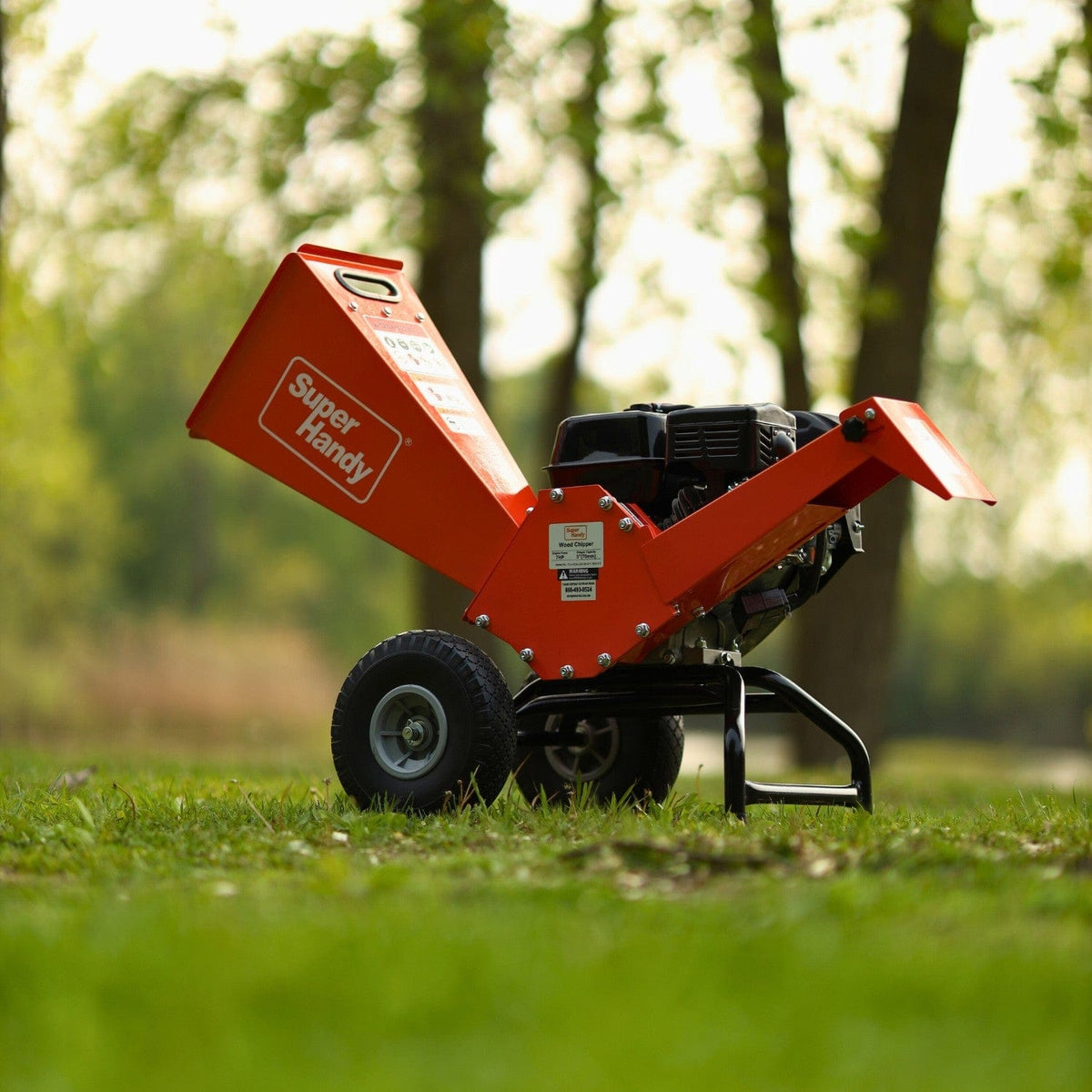
A wood chipper is an incredibly efficient machine for turning yard waste into valuable mulch. But with great power comes the need for great responsibility. Before you even start the engine, the first step to safe operation is understanding your machine. Familiarize yourself with the three main parts: the infeed chute (where you feed branches), the chipping mechanism (the blades or hammers inside), and the discharge chute (where the chips exit). Always read your owner's manual thoroughly. Our chippers are designed with durable construction and practical safety features, but knowing your specific model is key to a productive and accident-free day.
Essential Personal Protective Equipment (PPE) for Chipper Operation
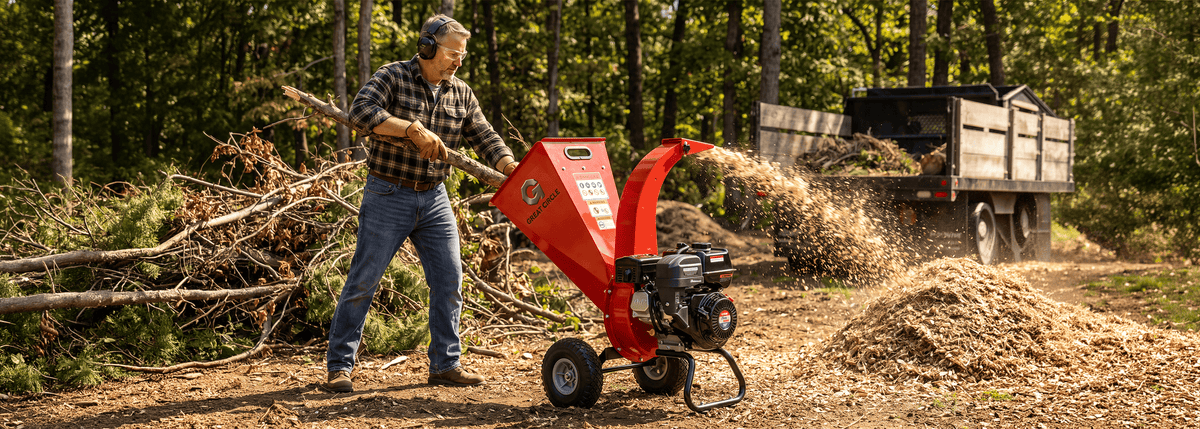
Never operate a wood chipper without the proper Personal Protective Equipment (PPE). This isn't just a recommendation; it's a requirement for your safety. Flying debris and high noise levels are serious hazards.
- Eye Protection: Always wear safety glasses or goggles to protect your eyes from wood chips and dust.
- Hearing Protection: Chippers are loud. Use over-ear defenders or high-quality earplugs to prevent hearing damage.
- Hand Protection: Wear snug-fitting, heavy-duty gloves to protect against splinters and scrapes. Avoid loose, cuffed gloves that could get caught.
- Proper Attire: Wear durable, long-sleeved shirts and long pants. Ensure clothing is close-fitting with no dangling strings. Sturdy, slip-resistant work boots are a must.

Pre-Operation Checks: Ensuring Your Chipper is Ready for Work
A few minutes of inspection before each use can prevent hours of downtime and potential accidents. Run through this simple checklist:
- Stable Ground: Place your chipper on a flat, level, and stable surface.
- Fluid Check: Ensure the engine has the correct levels of fuel and oil.
- Hardware Inspection: Check for any loose bolts, nuts, or guards. Make sure all safety shields are securely in place.
- Clear Work Area: Before starting, clear the area around the chipper of any tripping hazards. As recommended by safety experts at Ohio State University Extension, you must also make sure the material to be chipped is free from stones, metal, and other foreign objects.
Preparing Branches for Safe Feeding: What to Look For
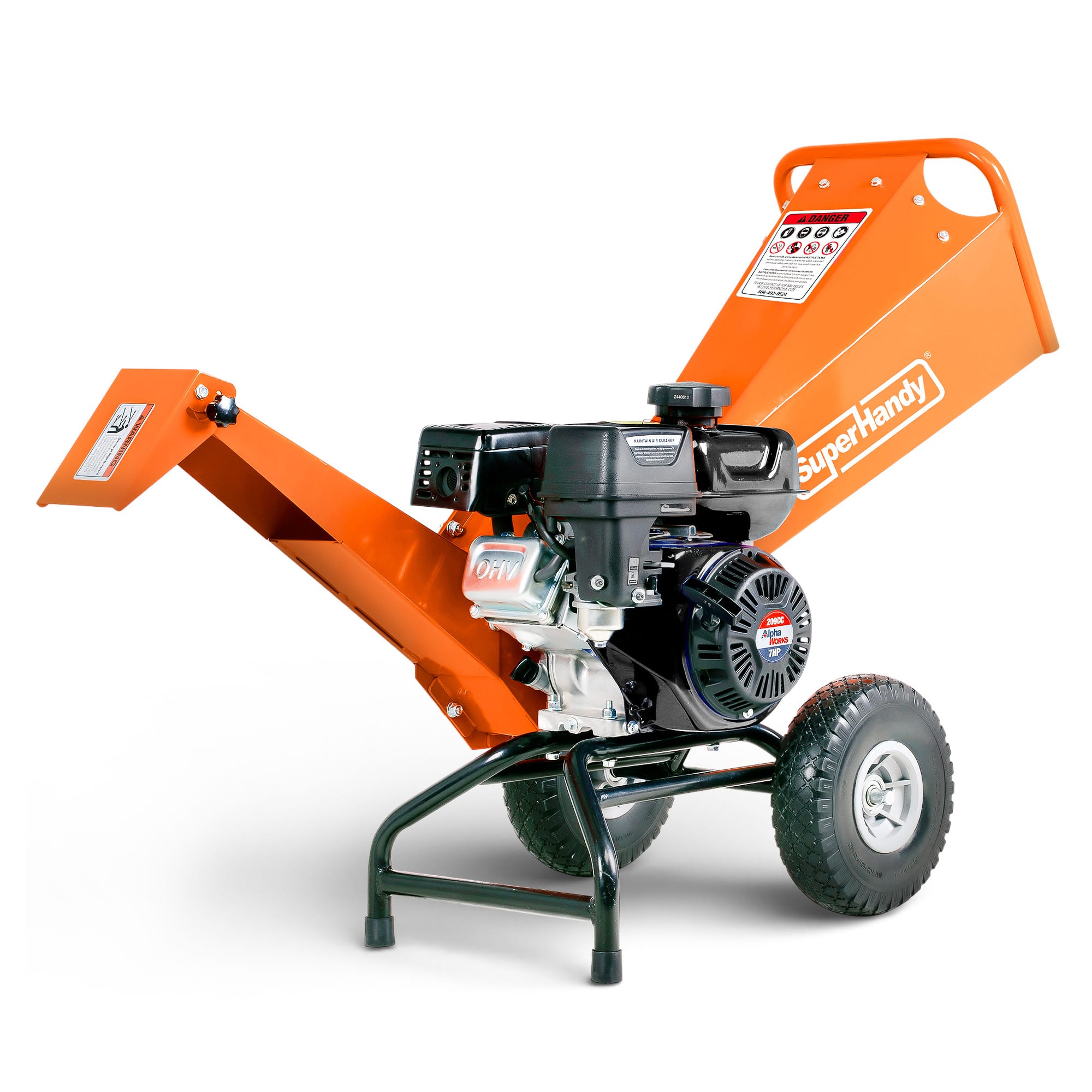
Properly prepared material makes the chipping process smoother, safer, and more efficient. Don't just grab a pile of brush and start feeding it in. Take a moment to sort your branches. Trim off any long, awkward side limbs to create a straighter piece that will feed easily. Most importantly, check the diameter. Pushing a branch that's too large can stall the engine and damage the machine. A powerful home-use model like the SuperHandy Wood Chipper Compact - 7HP 212CC, 3" Max Branch Capacity is built to handle limbs up to 3 inches thick, so measure anything that looks questionable. Finally, give each branch a quick look for any embedded nails, wires, or rocks that could damage the blades.
The Correct Way to Feed Branches into the Chipper
Once your machine is running and you're wearing your PPE, you can begin chipping. The key to safe feeding is a steady, controlled process.
- Feed Butt End First: Always insert the thickest end of the branch into the infeed chute. This allows the chipper’s rollers and blades to get a firm grip and pull the material in at a consistent rate.
- Stand to the Side: Position yourself to the side of the infeed chute, not directly in front of it. This protects you from any potential kickback, where a branch is unexpectedly ejected back out of the chute.
- Let the Machine Do the Work: Once the chipper grabs the branch, release it immediately. Never try to push or force material into the hopper with your hands or feet. Feed one manageable branch at a time to prevent overloading the cutting chamber.

What NOT to Feed into Your Wood Chipper: Avoiding Costly Mistakes
A quality wood chipper is a powerful tool, but it’s designed specifically for clean, natural wood. Feeding it the wrong materials can cause dangerous kickback, damage the blades, or destroy the engine. Avoid chipping:
- Pressure-treated, painted, or stained wood: These contain chemicals that can release toxic fumes when chipped and can gum up the blades.
- Wood with nails, screws, or other metal: This will destroy your blades and can create dangerous projectiles.
- Dirt, stones, and rocks: Even small stones can dull or chip the blades instantly.
- Wet, leafy greens, vines, or bamboo: Overly wet or fibrous materials can wrap around the rotor and cause clogs instead of chipping cleanly.
- Construction debris, plastic, or trash: A chipper for wood is not a garbage disposal.
Dealing with Jams: Safe Procedures for Clearing Blockages
Even with careful preparation, a jam can occur. If your chipper gets clogged, follow these steps without exception:
- SHUT IT DOWN: Immediately turn off the engine.
- WAIT: Allow all moving parts, especially the cutting rotor, to come to a complete stop. This can take a few minutes.
- DISCONNECT POWER: Disconnect the spark plug wire to ensure the engine cannot accidentally restart while you are working.
- NEVER USE YOUR HANDS: Do not reach into the infeed or discharge chutes. Use a long, sturdy stick or a designated push paddle to clear the blockage. If the jam cannot be cleared from the outside, you may need to open the housing according to your owner's manual.
Maintaining Your Wood Chipper for Optimal Performance and Safety
A well-maintained machine is a safe and efficient machine. Regular upkeep prevents jams, ensures clean chips, and extends the life of your equipment. Before and after each use, check the blades for sharpness and damage; dull blades shred wood instead of cutting it, leading to poor performance and clogs. Regularly inspect and tighten all nuts and bolts, check the engine oil, and clean the air filter. Properly maintaining a durable machine like the SuperHandy Wood Chipper Compact - 7HP 212CC, 3" Max Branch Capacity ensures it will serve your farm or garden for years to come.
Understanding Chipper Capacity: Don't Overload the Machine
Every wood chipper is designed with a specific capacity, which is the maximum diameter of a branch it can safely and effectively process. Forcing a branch that is too large into the infeed chute is one of the most common and dangerous mistakes an operator can make. It can cause the machine to stall, lead to serious jams, damage the engine and blades, and even create a kickback hazard.
Before you start a job, know your machine's limits. For example, a reliable home-use model like the SuperHandy Wood Chipper Compact - 7HP 212CC, 3" Max Branch Capacity is built to handle limbs up to 3 inches in diameter. Always measure any questionable branches. If a branch is too thick, don't try to force it. Instead, trim it down to a manageable size or set it aside to be cut with a saw. Respecting your chipper's capacity ensures smooth operation and a longer lifespan for your equipment.
Safe Operation Zones: Keeping Bystanders and Pets Away
A wood chipper is a powerful machine that can eject debris at high speeds from both the infeed hopper and the discharge chute. To ensure everyone’s safety, it is crucial to establish and maintain a clear, safe operation zone. Before you start the engine, make sure the area around the chipper is free of people, pets, and obstacles.
According to safety experts, you should "allow at least 50 feet" of safe distance from the chipper for children and other bystanders to protect them from thrown objects. Clearly communicate this boundary to family members or anyone else nearby. Never allow anyone to stand directly in front of the infeed hopper or the discharge chute while the machine is running.

Troubleshooting Common Chipper Issues Safely
Even with proper preparation, you may occasionally encounter an issue. The single most important rule of troubleshooting is to always turn the machine off, disconnect the spark plug, and wait for all moving parts to come to a complete stop before performing any inspection or maintenance.
- Engine Won't Start: Check the simple things first. Is the fuel tank full? Is the on/off switch in the "ON" position? Is the choke set correctly for a cold or warm start?
- Machine is Jammed: Never use your hands or feet to clear a clog. After shutting the machine down completely, use a long, sturdy piece of wood or a designated tool to carefully dislodge the material from the hopper or discharge chute.
- Poor Chipping Performance: If the chipper is struggling to process branches within its capacity, the blades may be dull and need sharpening or replacement. A clogged discharge chute can also cause poor performance by preventing chips from exiting freely.
Storing Your Wood Chipper Securely After Use
Proper storage protects your investment and ensures your wood chipper is ready for the next job. Once you’ve finished your work, let the engine cool down completely before moving it.
- Clean Thoroughly: Remove all wood chips, leaves, and sap from the hopper, housing, and discharge chute. This prevents rust, corrosion, and pests.
- Manage Fuel: For long-term storage, either run the engine until the fuel tank is empty or add a fuel stabilizer to the remaining gasoline to prevent it from degrading.
- Store in a Secure Location: Keep your chipper in a dry, level spot like a garage or shed. Cover it with a tarp or a fitted cover to protect it from dust and moisture. Ensure it is stored in a location inaccessible to children or untrained individuals.
Frequently Asked Questions about Safely Feeding Branches into a Wood Chipper
Can I feed wet or green wood into my chipper?
This is a common question for home and farm use. While many modern wood chippers can handle green wood, it's often best to let it dry for a few days first. Green wood is softer and has a higher moisture content, which can create a stringy pulp that clogs the blades and discharge chute. Drier wood chips more cleanly and efficiently, putting less strain on the engine. If you must chip green wood, try alternating it with drier, harder branches to help keep the chipping chamber clear. Always consult your owner's manual for specific recommendations on wood moisture.
What is the correct way to stand and hold a branch when feeding the chipper?
Your position and technique are vital for safe operation. Always stand to the side of the infeed chute, never directly in front of it. This position keeps you out of the "kickback zone" in the rare event the machine ejects material back through the hopper. Hold the branch at its butt end (the thickest part) and guide it into the chute. Once the chipper’s self-feeding mechanism grabs the branch, release it immediately and step back. Never use your hands or feet to force material further into the machine.

How quickly should I feed material into the machine?
The key to easy operation is a steady, consistent pace. Listen to the sound of the engine. If you hear it start to labor or slow down, you are feeding branches too quickly. Pause and allow the engine to return to its full operational speed before introducing the next piece. Overloading a chipper not only results in poor-quality chips but can also cause jams and place unnecessary stress on the engine and blades. A durable, high-efficiency machine like the SuperHandy Wood Chipper Compact - 7HP 212CC, 3" Max Branch Capacity offers stable performance, but working with its rhythm is crucial for long-term reliability.
Can I chip small leaves and twigs along with branches?
Yes, a quality chipper for wood easily handles the leaves and small twigs attached to a branch you are processing. However, feeding large piles of loose leaves, pine needles, or green garden waste (like vines) by themselves is not what a standard wood chipper is designed for. This fine, soft material can clog the system. For that kind of debris, a dedicated garden shredder or a chipper-shredder model with a separate hopper is the more appropriate tool.
Related Products



Leave a comment
All comments are moderated before being published.
This site is protected by hCaptcha and the hCaptcha Privacy Policy and Terms of Service apply.