










Understanding the Challenge: Why Sit-to-Stand is Difficult After a Fall
A fall can be a physically and emotionally jarring event. In the moments that follow, the simple act of getting back up can feel like an insurmountable obstacle. This difficulty isn't just a matter of being shaken; it stems from a combination of physiological and psychological factors.
Physically, a fall can cause immediate injury, pain, and bruising, making movement difficult. Even without a significant injury, the body's core and leg muscles, which are essential for the sit-to-stand motion, may be weakened or unresponsive due to shock. From a position on the floor, there is no leverage to push off from, unlike getting out of a chair. This makes it incredibly challenging to generate the force needed to lift the entire body against gravity. For older adults or those with pre-existing mobility issues, this challenge is magnified, as they may also contend with joint stiffness, reduced muscle mass, or dizziness upon trying to stand.
Psychologically, the impact is just as significant. A fall can shatter a person's confidence and trigger an intense fear of falling again. This anxiety can cause panic, making it hard to think clearly and coordinate the movements needed to get up safely. The feeling of helplessness can be profound, leading to a reliance on others that undermines a sense of independence.
How a Floor Lift Transforms Post-Fall Recovery
This is where a fall recovery lift fundamentally changes the experience. Instead of a stressful, potentially dangerous struggle, a floor lift introduces safety, dignity, and control back into the situation. It provides a structured and secure method for getting up from the floor, eliminating the need for a caregiver to perform a risky manual lift that could injure both parties.
A portable floor lift empowers the individual by providing the mechanical assistance they need at the moment they need it most. It bridges the gap between the floor and a standing or seated position, turning a high-risk event into a manageable process. This not only ensures physical safety but also provides immense psychological relief, reassuring the user that they have a reliable way to recover their footing without having to wait for emergency assistance or strain themselves further.
The Mechanics of a Floor Lift: How it Works to Aid Sit-to-Stand
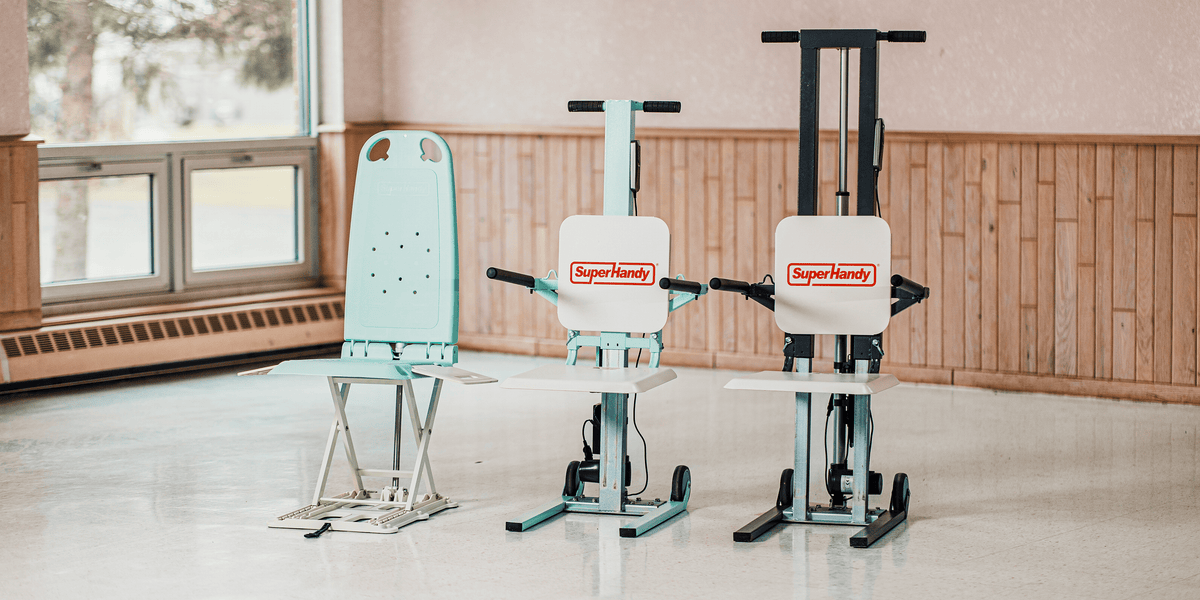
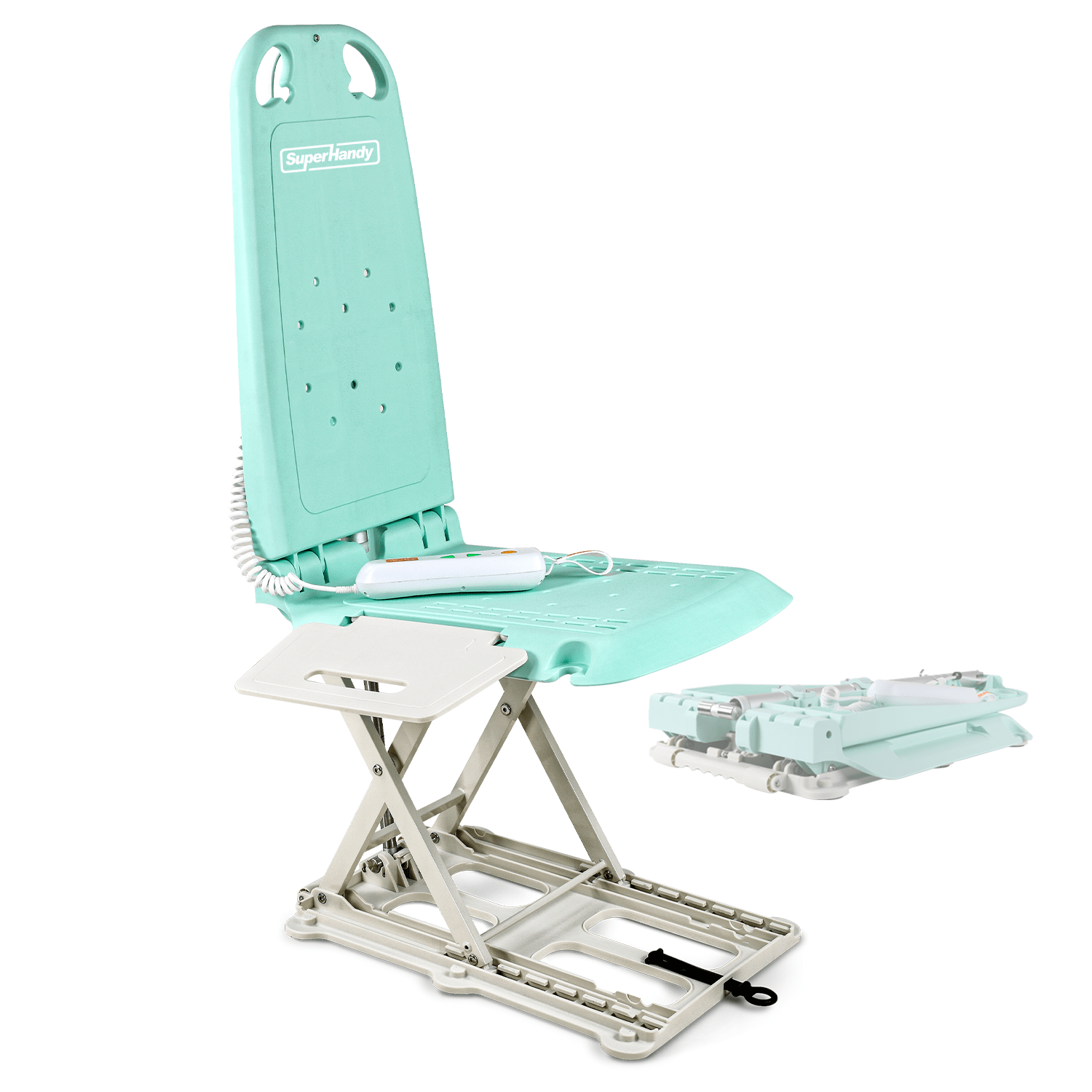
The genius of a patient lift designed for fall recovery lies in its straightforward and powerful mechanics. While designs vary, the core principle remains the same: to provide a stable, motorized platform that lifts a person from a low-level position to a height from which they can safely stand or transfer.
Here’s how it typically works:
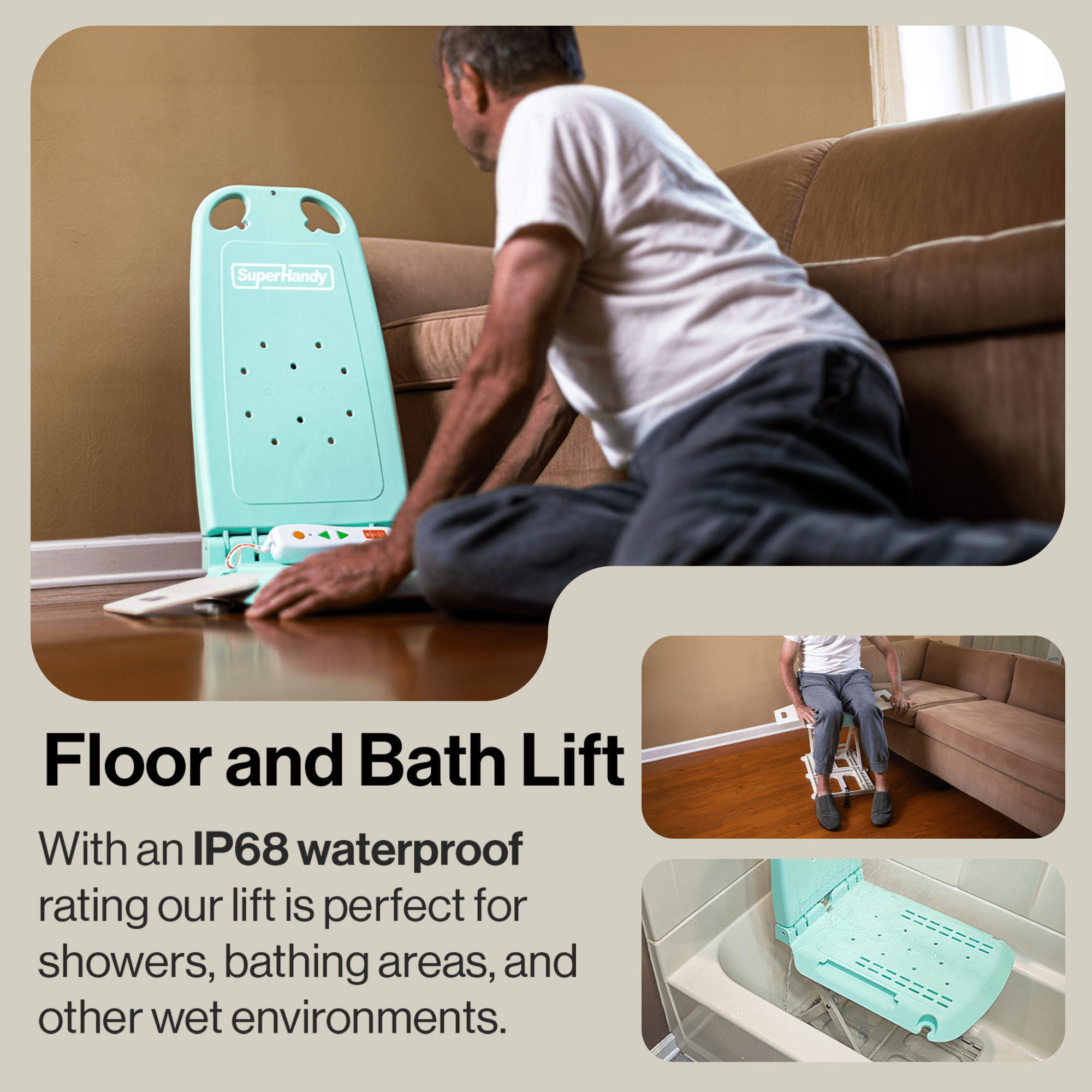
- Positioning: The lift, in its lowest position, is placed next to the fallen person. The individual then scoots or is gently assisted onto the lift’s seat or platform.
- Activation: Using a simple, handheld remote, the user or a caregiver activates the lifting mechanism. Most modern lifts are electric, powered by a rechargeable battery.
- Gentle Elevation: The motor engages, and the seat begins to rise smoothly and steadily. This controlled ascent prevents the dizziness and instability that can occur when trying to stand up too quickly. The device does all the heavy lifting.
- Safe Transfer: The lift raises the person to a height equivalent to a standard chair. From this secure, elevated seated position, they can easily push off to a full stand, pivot to a wheelchair, or transition to a nearby piece of furniture.
This process transforms the recovery from a physically demanding struggle into a calm and orderly transfer, using an electric standing lift to do the work.
Key Features to Look for in a Post-Fall Recovery Floor Lift
When selecting a floor lift, certain features are critical for ensuring safety, reliability, and ease of use in a home environment.
- Lifting Mechanism: An electric lift is highly recommended for post-fall recovery. An electric chair lift with a push-button remote eliminates any physical effort, which is crucial when the user may be weak or injured.
- Portability and Compactness: For home use, a lift shouldn't be a bulky, permanent fixture. Look for models that are lightweight and can be easily folded or disassembled for storage in a closet or the trunk of a car.
- Safety Features: This is non-negotiable. Essential safety components include a sturdy frame, non-slip seating surface, and safety belts to secure the user during the lift. Robust handles can also provide extra stability and reassurance.
- Weight Capacity: Always check the manufacturer's specifications to ensure the lift can safely support the user's weight with a comfortable margin.
- Lifting Height: A good floor lift should rise to a height that is comfortable for the user to transition from. It should be high enough to allow for an easy transfer to a wheelchair or to achieve a near-standing position. A versatile transfer floor lift will offer a range suitable for various needs.
Related Products





Leave a comment
All comments are moderated before being published.
This site is protected by hCaptcha and the hCaptcha Privacy Policy and Terms of Service apply.