













Understanding Your 2500lb Camper Trailer's Needs for an Electric Dolly
While your camper’s gross weight is 2500lbs, that’s not the only number that matters. The most critical figure for a trailer mover is the tongue weight—the downward force the trailer coupler exerts on the hitch ball. This is typically 10-15% of the total trailer weight, so for your camper, it’s likely between 250-375lbs. An electric trailer dolly must be able to support this weight safely.
Consider the environment where you'll be using the dolly. Are you moving it across a smooth, level concrete garage floor, or do you need to navigate grass, gravel, or a slight incline? The surface and grade dramatically impact the power required to move your trailer. A simple manual trailer dolly might work on flat pavement, but an electric model provides the necessary muscle for more challenging situations.
Key Specifications to Prioritize in an Electric Trailer Dolly
When you begin comparing models, the technical specifications can feel overwhelming. However, a few key features should be at the top of your checklist. According to Boating Know How, an authority on trailering equipment, when choosing a trailer moving device, you should prioritize its weight capacity, terrain capability, and whether it is manual or motorized. While a manual dolly is an option for some, an electric trailer mover provides the push-button convenience and power needed for precise, effortless positioning of a 2500lb camper.
[IMAGE PLACEHOLDER]
Motor Power and Torque: What's Sufficient for 2500lbs?
The heart of any electric trailer dolly is its motor. For a 2500lb camper, you need a motor that can deliver consistent power and, more importantly, sufficient torque. Torque is the rotational force that gets your trailer moving from a standstill and helps it overcome resistance from inclines or uneven surfaces.
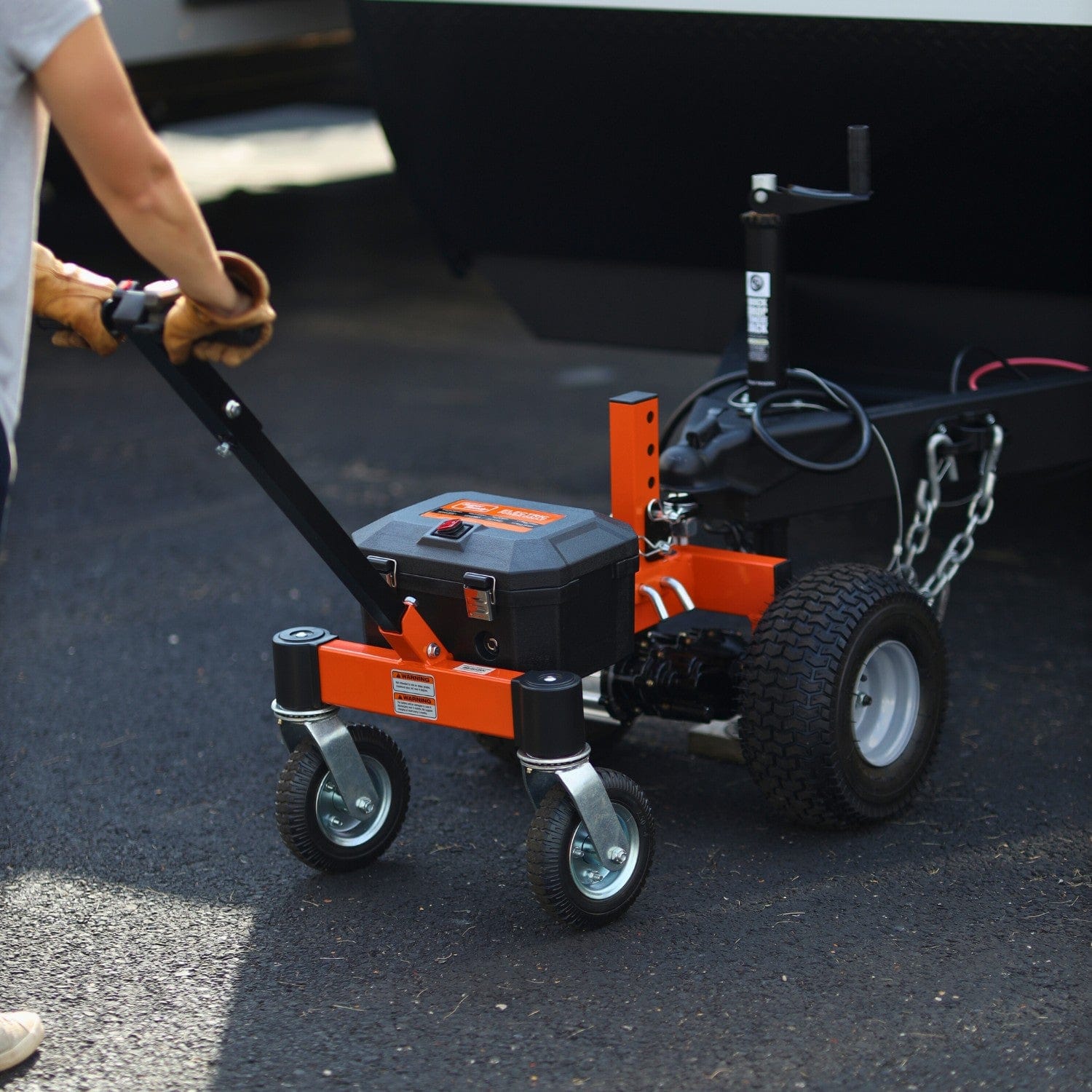
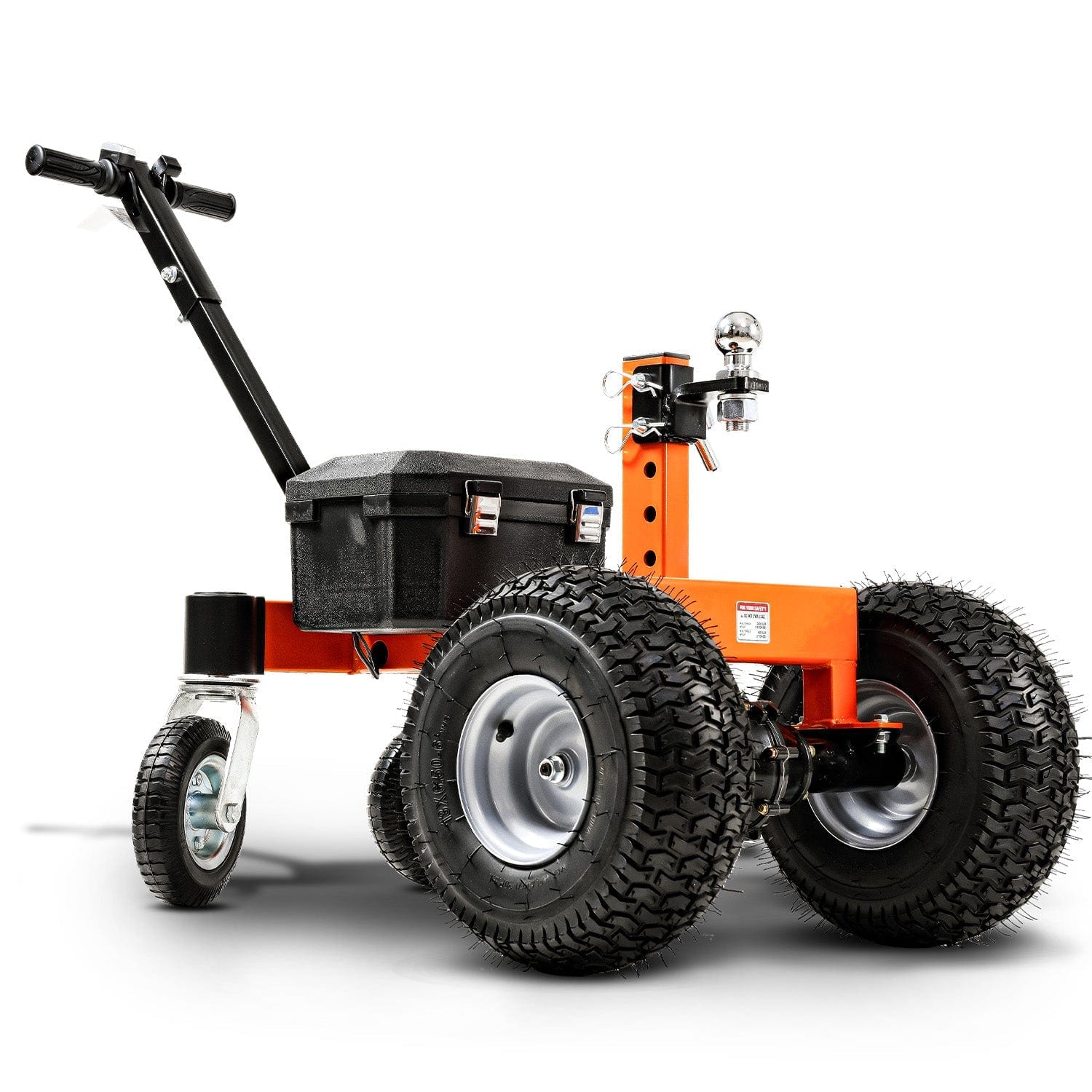
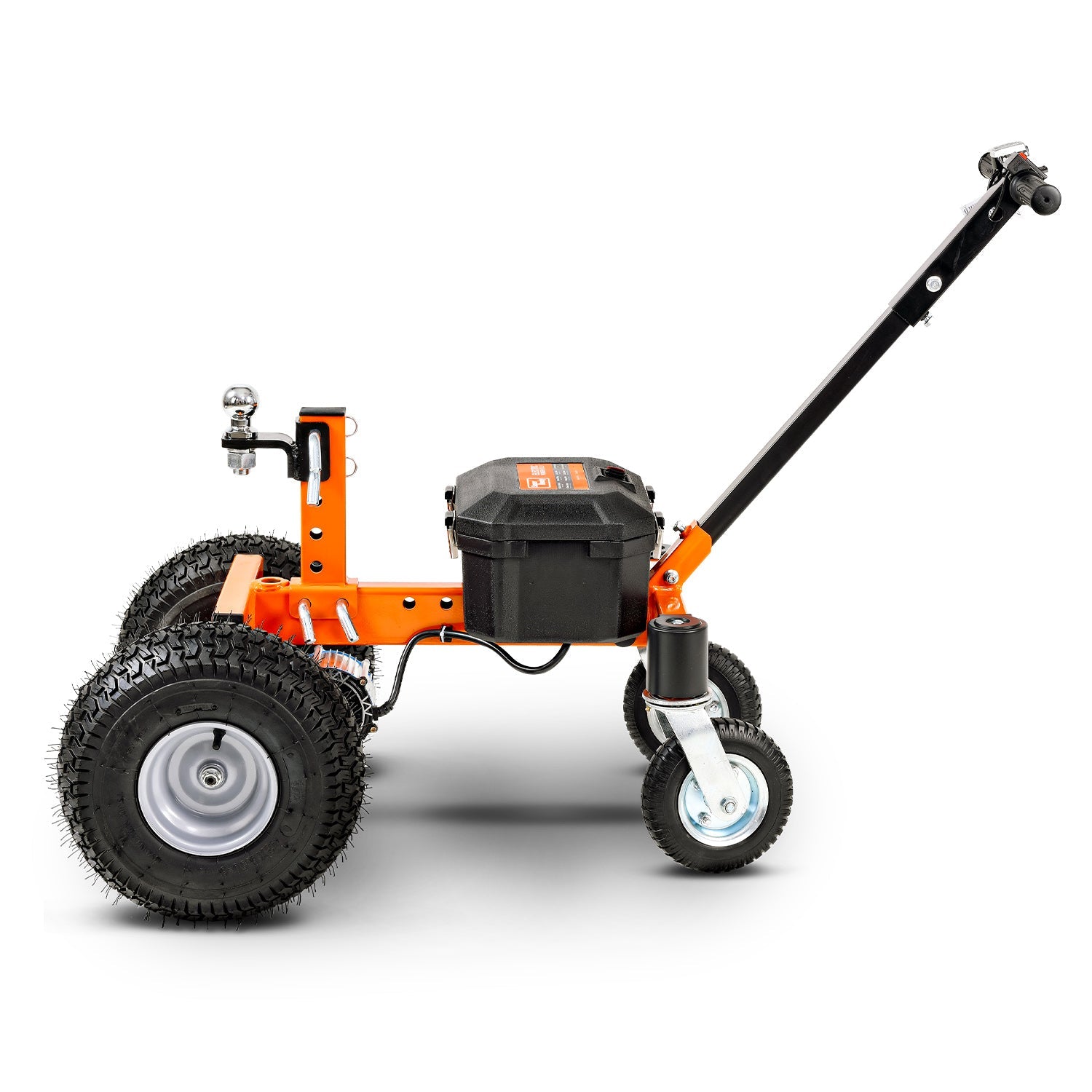
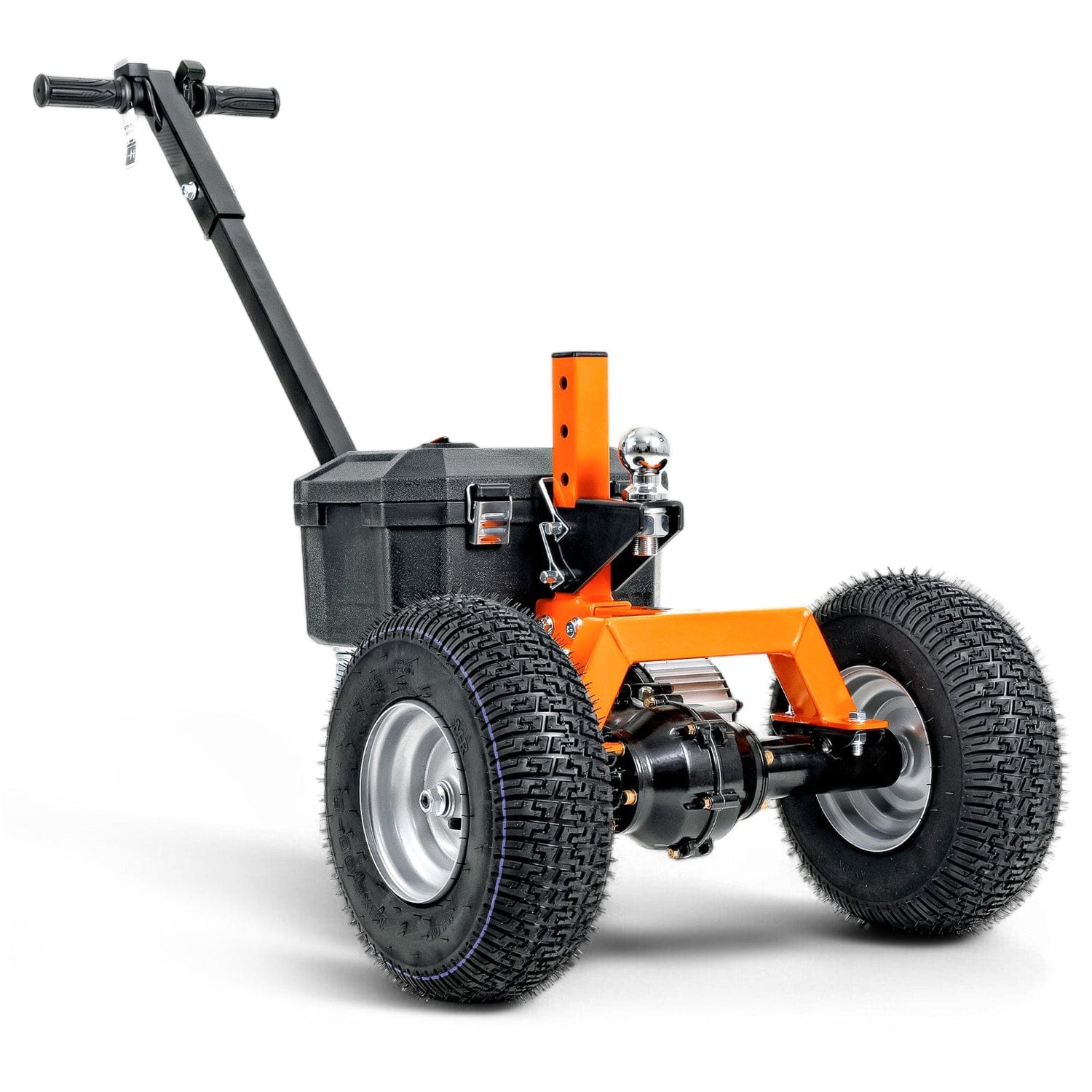
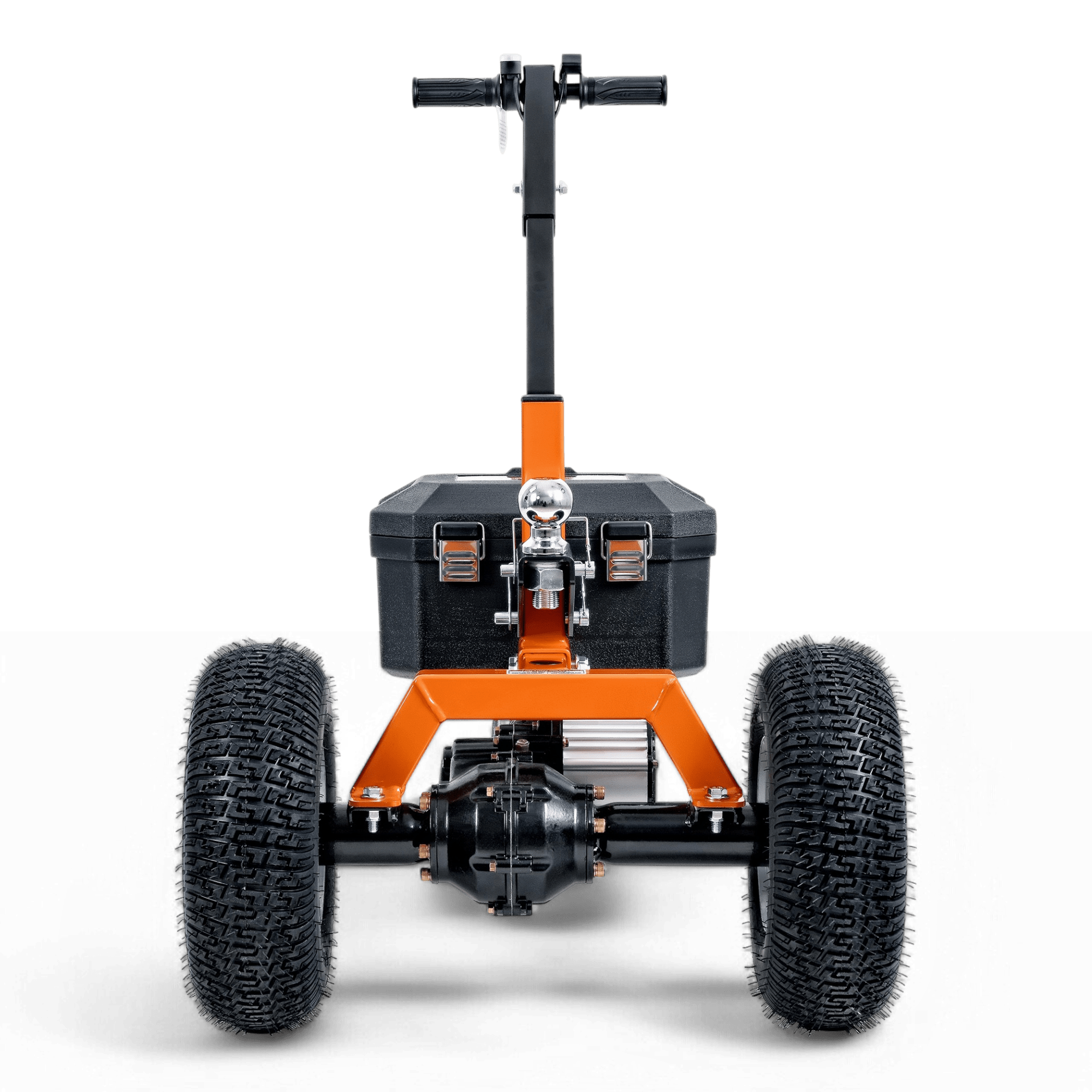
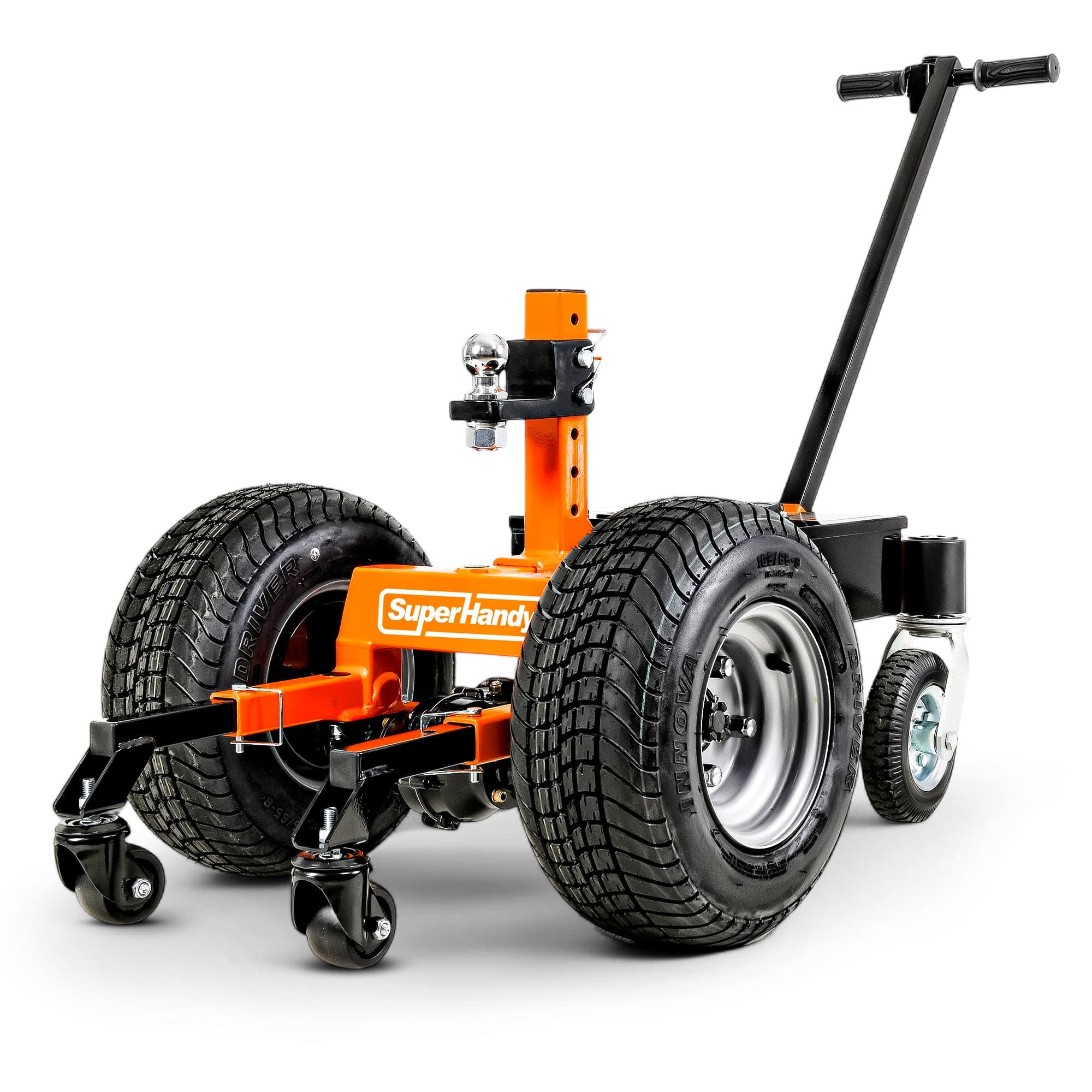
Look for a dolly with a robust DC motor, typically rated in watts. A model like the SuperHandy Electric Trailer Dolly with a 2800lbs capacity provides a comfortable buffer for your trailer's weight. Its power is ample for smooth acceleration and for confidently guiding your camper up slight grades without straining the motor or causing it to stall.
Battery Life and Charging: Ensuring You Have Enough Power for Maneuvering
An electric dolly is only as good as its power source. You don’t want your battery dying halfway through parking your camper. Look at the battery’s voltage (V) and amp-hour (Ah) rating. Higher numbers generally translate to more power and longer run times between charges. For moving a 2500lb trailer, a 24V system is common and provides a good balance of power and efficiency. As noted by experts at Camping Reviews, proper maintenance and charging are necessary for optimal electric performance. Always follow the manufacturer’s instructions for charging to prolong battery life and ensure your trailer dolly is ready to go whenever you need it.
Tire Type and Tread: Grip and Durability on Various Surfaces
The connection between your electric trailer dolly and the ground is critical. The tires are responsible for translating the motor's power into movement, and their design dictates where you can confidently maneuver your 2500lb camper. Look for large, pneumatic (air-filled) tires, typically 10 inches or more in diameter. These provide better traction and act as a form of suspension, smoothly navigating over small obstacles, cracks in the pavement, and uneven terrain like gravel or firm grass.
Tread pattern is equally important. An aggressive, all-terrain tread will offer superior grip on loose or wet surfaces, preventing slippage when you need control the most. While smoother treads work fine on perfect concrete, a camper owner often deals with less-than-ideal ground, making a robust tread a non-negotiable feature. Solid rubber tires are an alternative that eliminates the risk of flats, but they offer a harsher ride and may struggle for grip on uneven ground compared to their pneumatic counterparts.

Weight Capacity and Tongue Weight Limits: Beyond the 2500lb Trailer
While your camper trailer weighs 2500lbs, that's not the only number to consider. Every electric trailer mover has two key weight ratings: a maximum trailer weight capacity and a maximum tongue weight capacity.
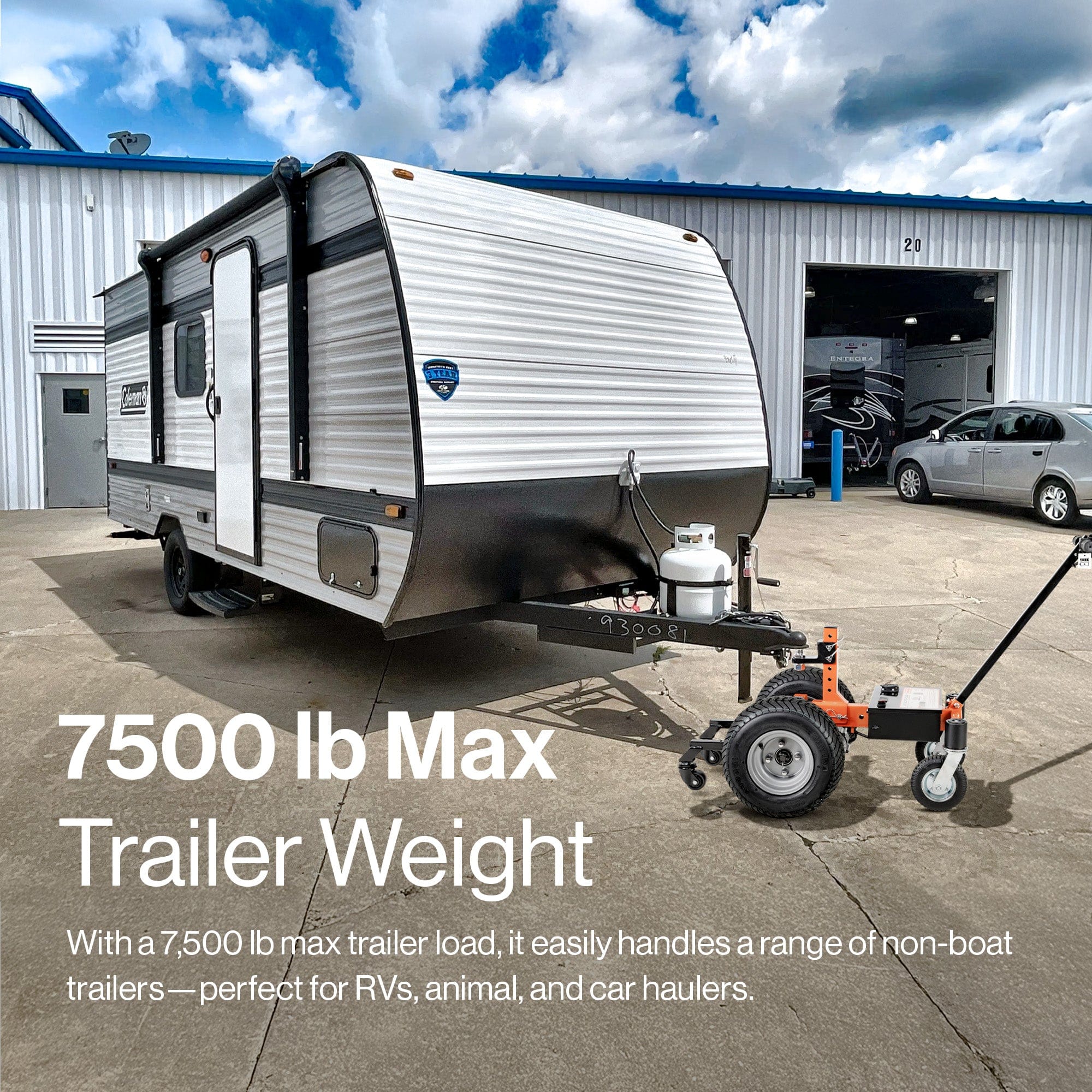
- Trailer Weight Capacity: This is the total weight the dolly is rated to pull or push. For a 2500lb trailer, you need a dolly rated for at least that much. Choosing a model with a slightly higher capacity, like a 2800lb electric dolly, provides a valuable safety buffer.
-
Tongue Weight Capacity: This is the maximum downward force the trailer tongue can exert on the dolly's hitch ball. Typically, a trailer's tongue weight is 10-15% of its total weight. For your 2500lb camper, this means a tongue weight between 250-375lbs. You must verify your trailer’s specific tongue weight and ensure your chosen dolly can handle it. Exceeding this limit can cause damage to the dolly and create a dangerous situation. For heavier tongue weights or a greater margin of safety, a heavy-duty 3600lb trailer mover with a higher tongue weight limit is an excellent choice.
Maneuverability Features: Power Steering, Turning Radius, and Control
The primary reason to buy an electric trailer dolly is to gain effortless maneuverability in tight spaces. The best units offer intuitive controls that make this possible. Look for a handlebar design with a simple forward/reverse switch and a variable speed throttle. This allows you to make micro-adjustments and crawl the trailer into its spot with precision, avoiding accidental bumps.
The dolly’s ability to turn sharply is paramount. Most designs achieve a tight turning radius by pivoting on their drive wheels, allowing you to rotate the trailer in confined areas where a tow vehicle could never go. This feature is what enables you to perfectly position your camper in a narrow garage bay, a tight campsite, or an awkward side yard.
Build Quality and Materials: Longevity and Resistance to Elements
An electric trailer dolly is an investment that should last for years, and that longevity comes from high-quality materials and construction. The frame should be made from heavy-gauge, commercial-grade steel to withstand the immense forces involved in moving a 2500lb trailer.
Pay attention to the finish. A durable powder-coated finish is essential for resisting rust, corrosion, and chipping, especially since the dolly will be exposed to moisture and outdoor elements. Check that other components, like the hitch ball mount and hardware, are also robust and corrosion-resistant. A well-built trailer mover not only performs reliably but also provides the structural integrity needed for safe operation.
Ease of Attachment and Detachment: Simplifying the Setup Process
One of the most significant advantages of a quality electric trailer dolly is how it streamlines the process of moving your camper. You shouldn't need a degree in engineering just to hook up your trailer mover. Look for a model with a standard, heavy-duty ball mount that matches your trailer's coupler. The best designs feature an adjustable-height mount, allowing you to raise or lower the ball to the precise height of your coupler without straining your back. This eliminates the need to excessively crank the trailer's tongue jack.
A secure locking mechanism is also crucial. Once the coupler is on the ball, a simple but robust locking pin or clamp should hold it firmly in place. The entire process—rolling the dolly to the trailer, adjusting the height, and securing the connection—should take only a couple of minutes, transforming a dreaded chore into a quick and easy task.
Safety Features: Brakes, Emergency Stops, and Stability Systems
Maneuvering a 2500lb trailer, even with a powerful motor, requires uncompromising safety features. The most important of these is an automatic braking system. When you release the throttle or forward/reverse switch on the handle, the electric trailer dolly should come to a complete and controlled stop. This prevents the trailer from coasting and gives you precise control, which is essential when navigating tight spaces or slight inclines.
Additionally, a clearly marked and easily accessible emergency stop button is non-negotiable. This feature allows you to cut all power to the motor instantly if a situation requires it. Finally, consider the dolly's inherent stability. A wide wheelbase, robust all-terrain tires, and a low center of gravity all contribute to a stable platform that resists tipping and provides a secure connection to your trailer's tongue.
Comparing Top Electric Trailer Dolly Models for 2500lb Trailers
When selecting a trailer mover, it's vital to match the tool to the task. While manual dollies are great for very light loads on perfectly flat surfaces, a 2500lb camper trailer requires the muscle and control of a powered unit.
-
Manual Options: For utility trailers or small boats under 1000lbs on level concrete, a manual dolly like the SuperHandy Manual Trailer Dolly or its heavy-duty 1,000lb counterpart can be sufficient. They rely on your strength and leverage to move the load.
-
Recommended Electric Option: For a 2500lb camper, the SuperHandy Electric Trailer Dolly with a 2800lb capacity is the ideal solution. It provides the necessary power to handle the weight effortlessly and features the critical safety systems discussed above. Its robust motor and battery combination ensures you can position your trailer precisely where you want it without physical strain or struggle, making it the clear choice for trailers in this weight class.
Installation and Initial Setup: Getting Your Dolly Ready to Roll
Your new electric trailer dolly should be ready for action with minimal fuss. Assembly is typically straightforward, often involving attaching the control handle to the main body and ensuring the wheels are securely fastened. Always consult the user manual for specific instructions and torque specifications for any bolts.
Before its first use, it's crucial to fully charge the battery. This conditions the battery for a long service life and ensures you have maximum power for your first maneuver. Once assembled and charged, take a moment to familiarize yourself with the controls in an open, level area without the trailer attached. Practice using the forward and reverse functions, turning, and engaging the emergency brake. This quick orientation will give you the confidence to attach your camper and move it with precision from the very first try.
Maintenance Tips for Your Electric Trailer Dolly
You've invested in a powerful tool to make moving your 2500lb camper trailer a breeze. To ensure your electric trailer dolly provides reliable performance for years to come, a little routine maintenance is essential. Just like your camper and tow vehicle, your trailer mover needs regular attention to stay in peak condition. Following these simple tips will protect your investment, prevent unexpected issues, and ensure your dolly is always ready when you need it.
Battery Care is Paramount
The battery is the heart of your electric trailer dolly. Proper care is the single most important thing you can do to maximize its lifespan and performance.
- Follow Charging Guidelines: Avoid letting the battery drain completely before recharging. Likewise, don't leave it on the charger indefinitely after it's full, unless the manufacturer specifies it has an automatic shut-off feature. Most modern dollies use sealed lead-acid or lithium-ion batteries that benefit from being kept topped up.
- Store It Properly: If you're storing your dolly for the off-season, it's often best to remove the battery (if possible) and store it in a cool, dry place away from extreme temperatures. Give it a full charge before storage and consider topping it up every month or two to maintain its health.
- Keep Terminals Clean: Periodically inspect the battery terminals and connectors. If you see any corrosion (a white or greenish powder), disconnect the battery and clean the terminals with a wire brush and a solution of baking soda and water. A clean connection ensures maximum power transfer.
Inspect Tires and Wheels
Your dolly's ability to gain traction and move your camper smoothly depends entirely on its tires.
- Check Tire Pressure: Under-inflated tires can make the motor work harder and can lead to poor traction, especially on uneven ground. Check the pressure regularly with a tire gauge and inflate to the manufacturer's recommended PSI, which is usually printed on the tire's sidewall.
- Examine for Wear and Damage: Before each use, give the tires a quick visual inspection. Look for cracks, embedded objects, or significant wear on the tread. Models like the SuperHandy 2800lbs Electric Trailer Dolly feature robust, all-terrain tires, but even the toughest tires need a check-up.
Mechanical and Structural Check-Up
Vibration and heavy loads can take a toll on mechanical components over time. A regular inspection can catch small issues before they become big problems.
- Tighten Hardware: Give your dolly a once-over and check that all nuts, bolts, and screws are tight. Pay special attention to the bolts securing the wheel assembly, handle, and hitch ball mount.
- Inspect the Frame: Look for any signs of stress, cracks in the welds, or significant rust on the frame. Address any surface rust early by sanding it off and applying a coat of rust-resistant paint.
- Lubricate Moving Parts: Consult your owner's manual for lubrication points. Key areas often include the hitch ball collar or any pivoting joints in the steering mechanism. A small amount of general-purpose grease will keep everything moving freely.
- Clean and Store Securely: After use, wipe down the dolly to remove dirt, mud, and moisture. Store it in a dry, covered location like a garage or shed to protect it from the elements and extend its life.
Related Products

Leave a comment
All comments are moderated before being published.
This site is protected by hCaptcha and the hCaptcha Privacy Policy and Terms of Service apply.