









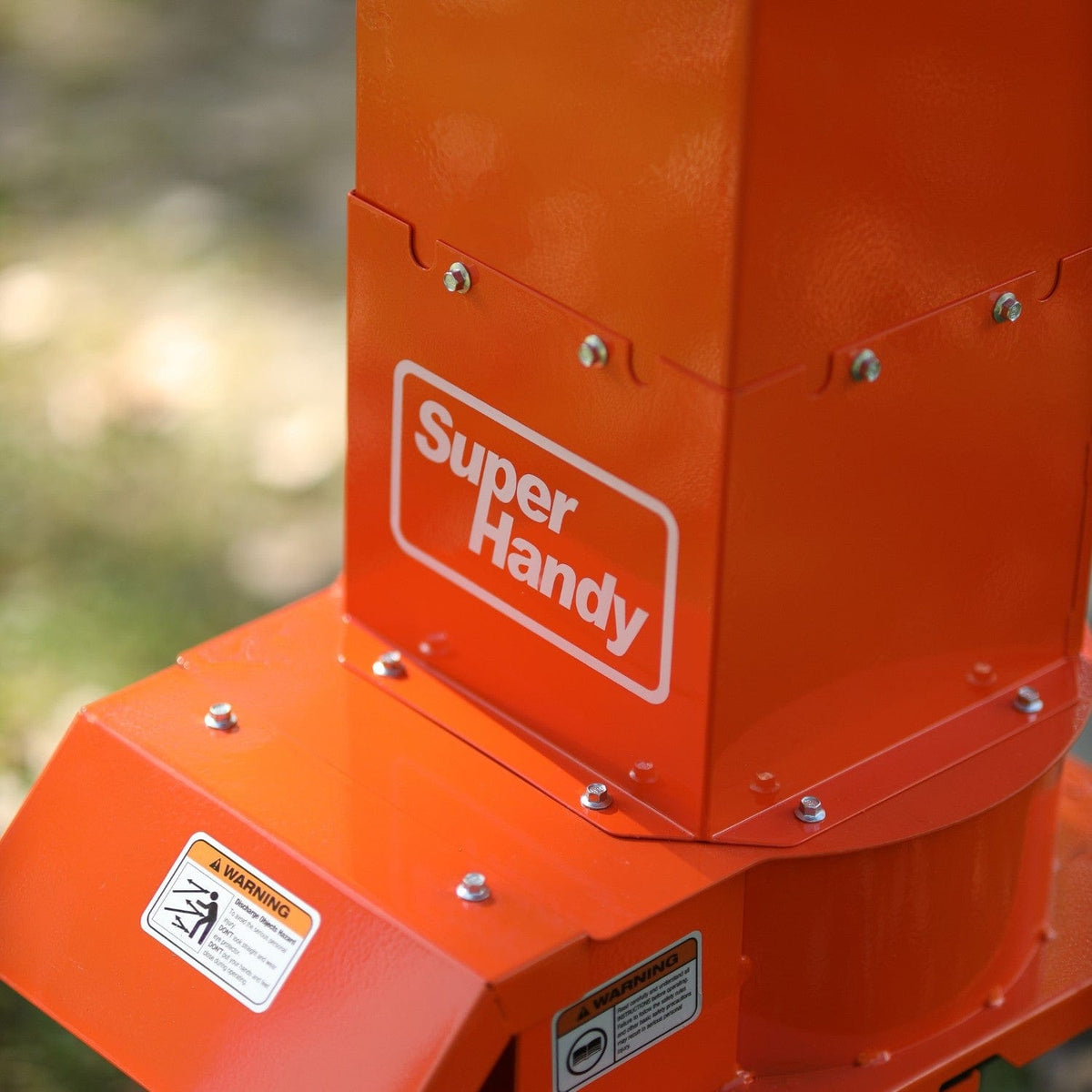
Why Composting Yard Waste Matters in Urban Settings
Living in the city often means limited space. Piles of fallen leaves and twigs can quickly overwhelm your yard and your municipal waste bins. Composting this organic material is a sustainable solution that reduces landfill contributions and transforms waste into "black gold"—nutrient-dense soil conditioner for your container gardens or flower beds. It's a powerful step toward a greener, more self-sufficient urban lifestyle, turning a seasonal chore into a rewarding project.
Understanding Your Electric Leaf Mulcher: Key Features and Benefits
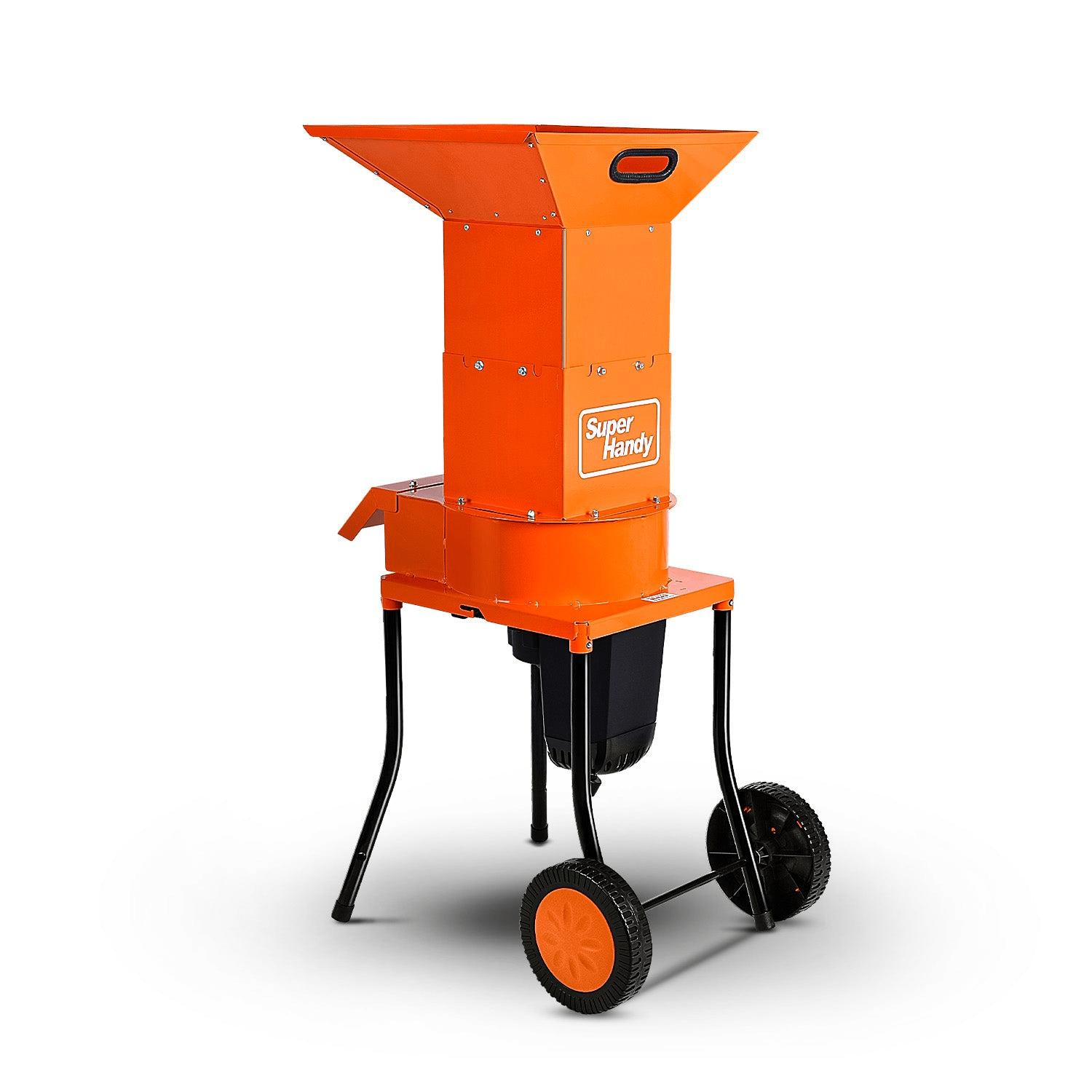
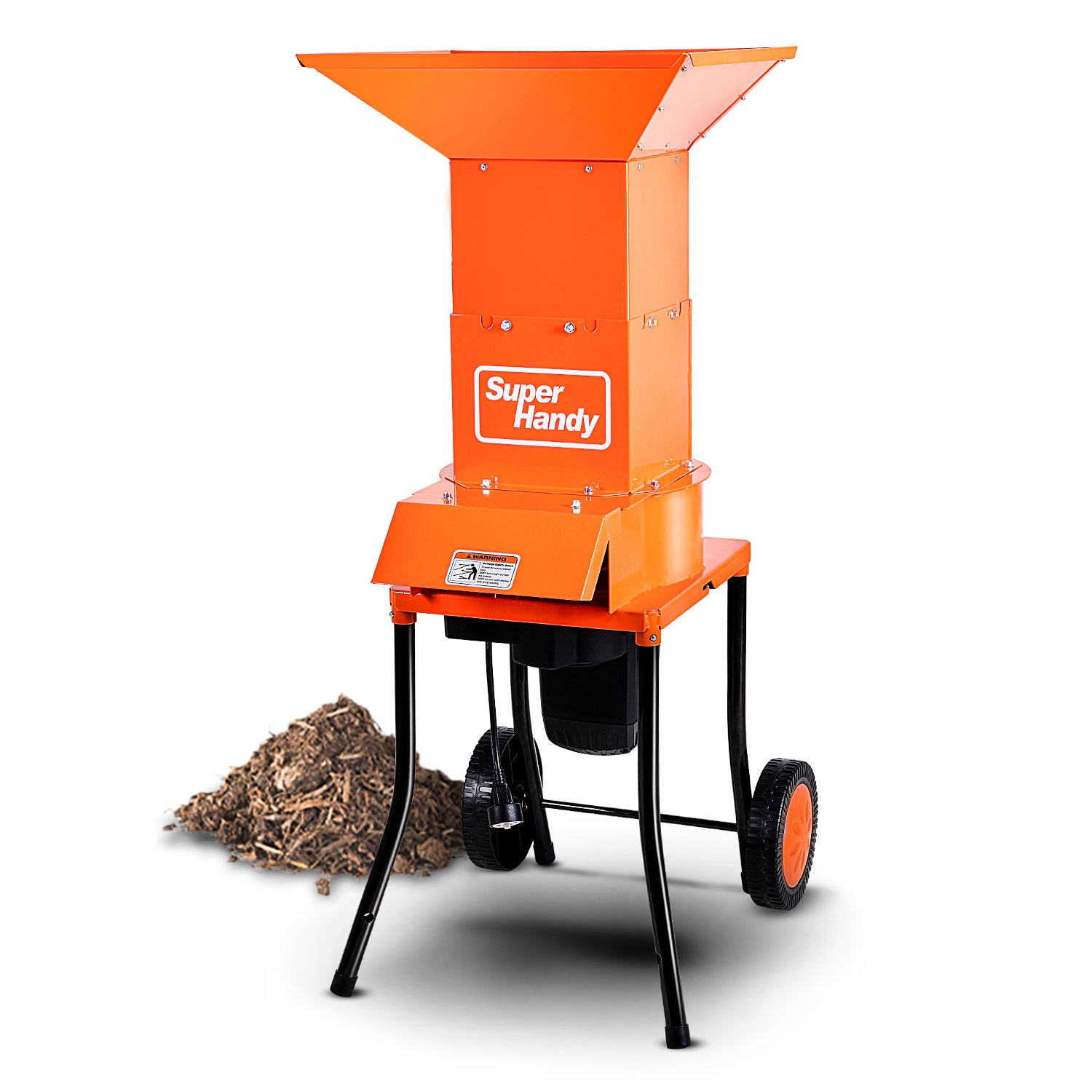
An electric leaf mulcher is a game-changer for urban composting. This powerful tool shreds leaves, twigs, and other yard debris into a fine, manageable material. The primary benefit is significant volume reduction, turning many bags of leaves into just one. This process also kickstarts decomposition; according to the University of Minnesota Extension, smaller plant pieces mean the material will break down more rapidly. This makes your compost pile more efficient and less bulky.
Choosing the Right Mulcher for Your Small Urban Backyard
When selecting a mulcher, consider features ideal for urban living. Electric models are quieter and produce no fumes, making them neighbor-friendly. Look for a compact, portable design for easy storage in a tight garage or shed. Pay attention to the reduction ratio—a higher ratio (like 16:1) means more volume reduction. Our collection of electric leaf mulchers offers options designed for power and convenience.
Preparing Your Yard for Efficient Waste Reduction
Before you start, a little prep goes a long way. Rake leaves and small twigs into a manageable pile near your power source. It's crucial to sort through the pile and remove any rocks, thick branches, or non-organic trash, as these can damage your mulcher's cutting lines or blades. Working with slightly damp leaves can also help minimize dust during operation.
Step-by-Step Guide: Mulching Leaves and Small Twigs
Transforming that mountain of yard debris into compost-ready material is simple. First, put on your safety glasses and gloves. Position your electric leaf mulcher on a flat, stable surface and securely attach the collection bag. Turn the machine on and begin feeding dry leaves and small twigs (within your mulcher’s specified diameter) into the hopper. Work in manageable handfuls to avoid clogging the unit. Once the bag is full, turn off the mulcher and detach the bag to empty its contents.

Optimizing Mulch Size for Faster Composting
The key to rapid composting is size. An electric leaf mulcher excels at breaking down bulky leaves into a fine, manageable texture. This dramatically increases the surface area available to the beneficial microorganisms that drive the decomposition process. According to Iowa State University Extension, shredding materials before adding them to a compost pile can speed up the process by allowing microbes to work more efficiently. The smaller the pieces, the faster you get nutrient-rich compost.
What Can and Cannot Be Mulched for Your Compost Bin
To keep your mulcher running smoothly and your compost healthy, feed it the right materials.
- Mulch This: Dry leaves, small branches and twigs, pine needles, and disease-free garden trimmings.
- Not This: Wet or soggy debris (clogs the machine), rocks, soil, large branches, treated wood, or diseased plants that could contaminate your compost.
Integrating Mulched Yard Waste into Your Compost Pile
Your finely shredded leaves are a perfect "brown" material, rich in carbon. For a balanced compost pile, you need to mix these browns with "green" materials (like kitchen scraps and fresh grass clippings). A good rule of thumb is to create layers. Add a 2-3 inch layer of your mulched leaves, followed by a layer of greens. Lightly water each layer to maintain a damp, sponge-like consistency, and turn your pile weekly to aerate it and encourage decomposition.
Troubleshooting Common Issues with Electric Leaf Mulchers
Even the most reliable tools can have an off day. If your electric leaf mulcher isn't performing as expected, a simple fix is usually all that’s needed. Before attempting any maintenance, always unplug the machine from its power source for your safety.
Problem: The Mulcher Clogs or Jams Frequently This is the most common issue, often caused by feeding material too quickly, mulching wet and compacted leaves, or trying to shred twigs and branches that are too thick.
- Solution: After unplugging the unit, carefully clear the obstruction from the hopper and cutting chamber. To prevent future jams, feed leaves and twigs in smaller, steady handfuls. If your yard waste is damp, allow it to dry in the sun for a few hours before mulching. This small step makes a huge difference in performance.
Problem: The Motor Won't Start or Suddenly Stops An unexpected shutdown can be caused by an overheated motor, a tripped circuit breaker, or an internal safety feature engaging due to a jam.
- Solution: First, check that the power cord is securely plugged into both the machine and the outlet. If the motor feels hot, let it cool down for 20-30 minutes. Most mulchers have a thermal overload protector that will reset automatically once the unit cools. Also, ensure there are no obstructions in the cutting chamber that could trigger a safety shut-off.
Problem: The Mulch Output is Too Coarse If you notice the shredded material isn't as fine as it used to be, the cutting lines are likely the culprit.
- Solution: The cutting lines on an electric leaf mulcher are designed to be replaced. Over time, they wear down and become less effective. Check your owner's manual for instructions and replace the old lines with new ones to restore your mulcher's fine-shredding capability, creating the perfect texture for rapid composting.
Frequently Asked Questions
Q: How often should I mulch my yard waste?
A: This depends on the season. During peak autumn, you might run your electric leaf mulcher weekly to keep up with falling leaves. For the rest of the year, simply mulch as needed after pruning or yard clean-up. The key is to process waste regularly so it doesn't become an overwhelming pile in your small space.
Q: Can I mulch grass clippings with my electric leaf mulcher?
A: Yes, but with a small adjustment. Wet, heavy grass clippings can clog the mulcher. To avoid this, either let them dry slightly before mulching or mix them with a generous amount of dry, brittle leaves. This creates a better texture for processing and a balanced "green" and "brown" mix for your compost.
Q: What's the difference between mulching and shredding for compost?
A: For the purpose of preparing yard waste for compost, these terms are essentially interchangeable. Both refer to the process of breaking down large leaves and twigs into a much smaller, finer consistency. This size reduction is what accelerates decomposition in your compost pile.
Q: How do I store excess mulch if my compost bin is full?
A: Don't discard that valuable "brown" material! Store the excess mulched leaves in paper yard bags, burlap sacks, or even a spare trash can with a lid. This stockpile is perfect for layering into your compost bin later when you add nitrogen-rich "green" materials like kitchen scraps.
Q: Are electric leaf mulchers noisy?
A: While not silent, an electric leaf mulcher is considerably quieter than a gas model. The sound is often compared to that of a standard lawn mower. It's still best practice to operate it during daytime hours to be courteous to your neighbors.
Related Products

Leave a comment
All comments are moderated before being published.
This site is protected by hCaptcha and the hCaptcha Privacy Policy and Terms of Service apply.