















Why Proper Off-Season Gas Leaf Blower Storage is Crucial
As the seasons change and your heavy-duty yard cleanup work winds down, you can't just toss your professional leaf blower in the shed and forget about it. Proper off-season storage is the single most important step you can take to protect your investment. It ensures your machine starts without a fight next season, prevents costly engine damage from old fuel, and extends the overall lifespan of your equipment. For professionals offering commercial leaf blowing services, reliable equipment is non-negotiable. A well-maintained leaf blower is a dependable partner for every lawn care job.
Gathering Your Essential Cleaning and Storage Supplies
Before you begin, get your workspace and tools in order. Having everything on hand makes the process smooth and efficient. You’ll need:
- Clean rags or microfiber cloths
- A stiff-bristled brush (not wire)
- Compressed air (optional, but very helpful)
- Screwdriver or nut driver set
- Spark plug wrench
- Fresh fuel stabilizer
- A clean, approved gas can for draining fuel
- Work gloves and safety glasses
- Replacement parts like a new air filter or spark plug, if needed

Step-by-Step Guide to Cleaning Your Gas Leaf Blower
With your supplies ready, it's time to give your leaf blower a thorough cleaning. This process isn't just about looks; it's about removing corrosive debris and inspecting for wear and tear.
Pre-Cleaning Inspection: What to Look For
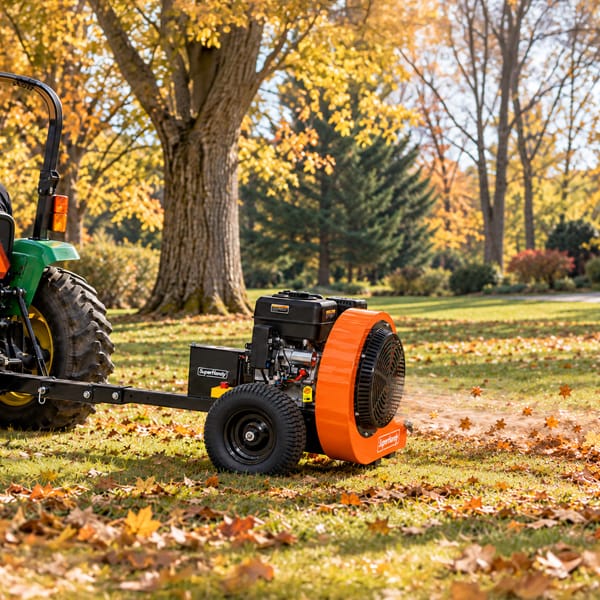
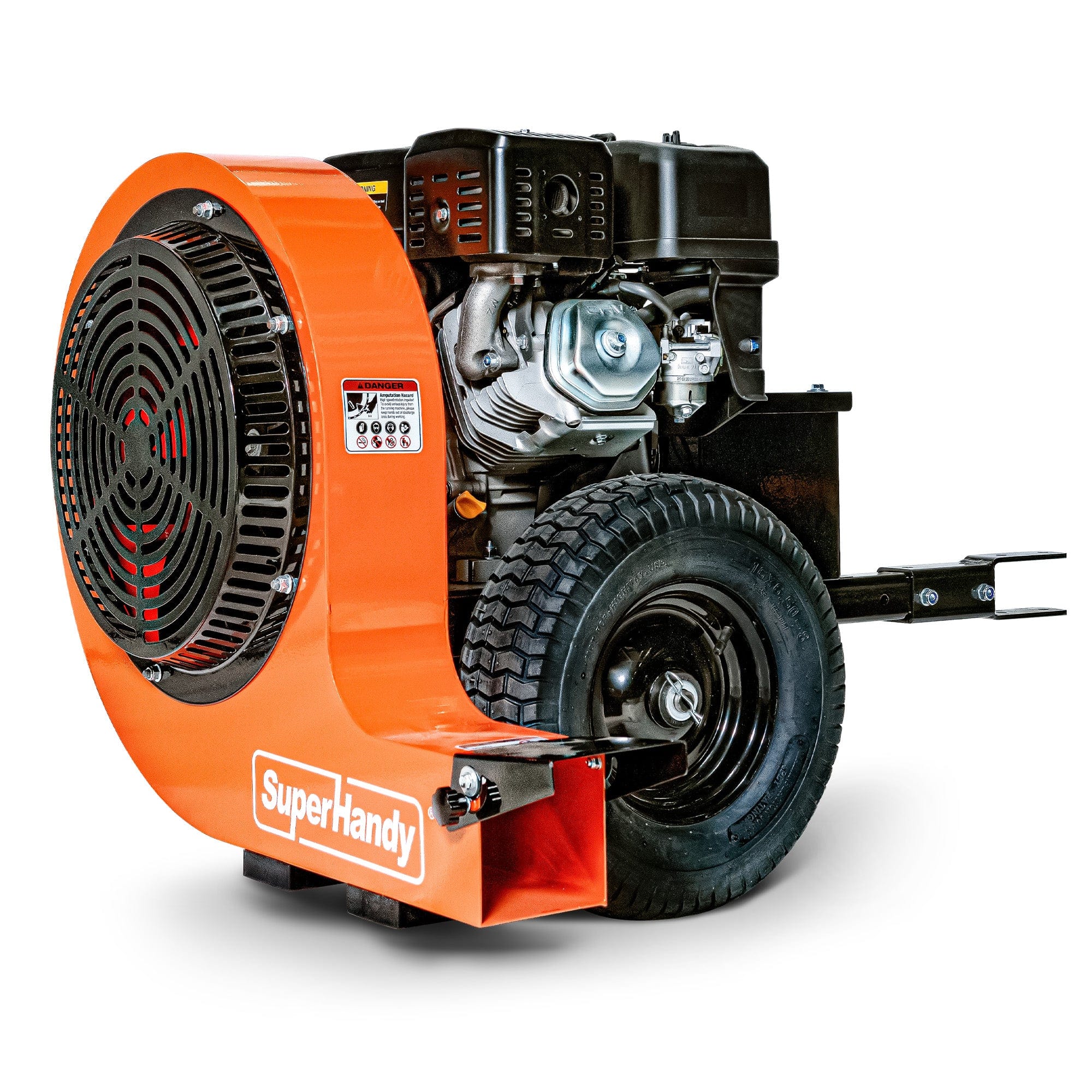
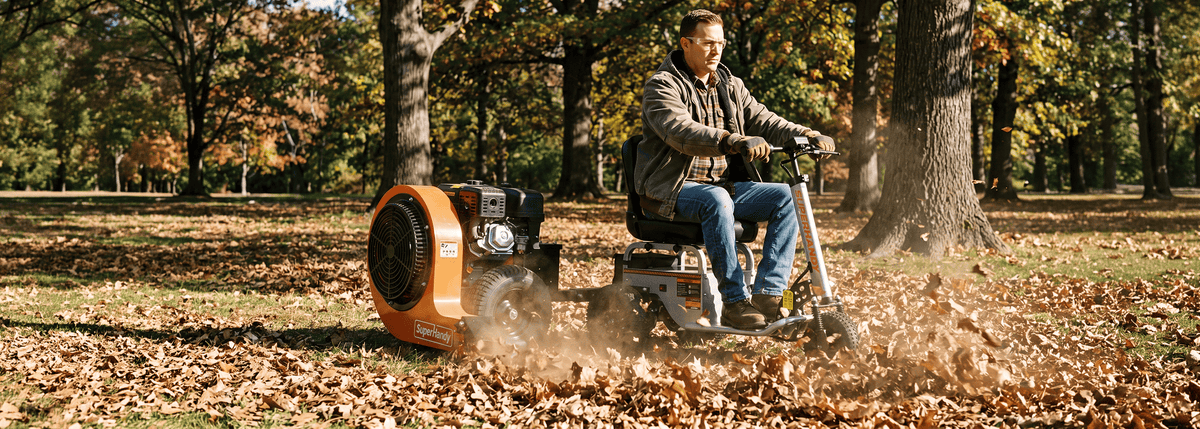
Start with a visual once-over. Before you clean anything, look for obvious signs of damage. Check the casing for cracks, inspect the pull cord for fraying, and wiggle the blower tubes to ensure they are secure. Look for any loose screws, damaged wiring, or leaking fluids. Identifying these issues now saves you from unexpected breakdowns later. This initial check is critical for maintaining powerful equipment like a SuperHandy Tow-Behind Leaf Blower – 15HP Electric Start Gas Engine 3000 CFM, 207 MPH Air Speed, ensuring it’s always ready for demanding jobs.
Cleaning the Exterior Casing and Housing
Your leaf blower's first line of defense is its casing. After a long season of yard cleanup, it's likely covered in dust, grass clippings, and oil residue. Start by using a stiff brush to knock off any loose debris. Then, wipe the entire exterior with a damp cloth and a mild all-purpose cleaner. Pay special attention to the cooling fins on the engine; keeping them clear is essential for preventing your professional leaf blower from overheating during future use.

Detaching and Cleaning the Blower Tube and Nozzle
Over time, wet leaves and dirt can build up inside the blower tubes, restricting airflow and reducing performance. Detach the blower tube and nozzle from the main unit—this is typically a simple twist-and-lock mechanism. Use a long brush or a blast of compressed air to clear out any stubborn debris from inside the tubes. While they're off, inspect them for any cracks or significant wear that might require a replacement part.
Addressing the Air Filter: Cleaning or Replacement
A clean air filter is vital for your engine's health, ensuring it only breathes clean air. Locate the air filter cover, remove it, and take out the filter. If you have a foam filter, you can wash it with soap and water, let it dry completely, and then lightly re-oil it with proper filter oil. If you have a paper or felt filter, tap it gently on a hard surface to dislodge dirt or use low-pressure compressed air from the inside out. If the filter is torn or caked with grime that won't come off, it's time to replace it.
Fuel System Preparation: The Most Critical Step
This is the single most important part of off-season storage. Old fuel can wreak havoc on your leaf blower’s engine. According to experts, ethanol gasoline left sitting in gas tanks for an extended period can cause carburetors to clog and fuel lines to crack, leading to poor performance and costly repairs. To prevent this, the University of Georgia Extension recommends you "[e]mpty the entire tank of fuel into an approved container, and after the fuel is out of the tank, crank the motor several times to empty the remaining fuel out of the carburetor." (Source) Then, start the engine and let it run until it stops, ensuring all residual fuel is burned out of the system. Protecting the engine is paramount for any machine, especially a high-performance model like the SuperHandy Tow-Behind Leaf Blower.
Stabilizing the Fuel: Why and How
Gasoline can go bad in as little as 30 days, leaving behind gummy deposits that clog the carburetor and fuel lines. This is a common reason why a professional leaf blower won't start after sitting. To prevent this, add a quality fuel stabilizer to your gas tank. Follow the manufacturer's ratio, then run the engine for about five minutes. This circulates the treated fuel through the entire system, protecting it from corrosion and varnish buildup throughout the off-season.
Running the Engine Dry: Eliminating Residual Fuel
An alternative to stabilizing is to completely remove the fuel. Many professionals prefer this method to guarantee a clean start next season. First, safely empty any remaining gasoline from the tank into an approved container. Then, start your leaf blower and let it run until it sputters and stops on its own. This process burns off every last drop of fuel from the carburetor and lines, leaving nothing behind to degrade and cause blockages.

Spark Plug Maintenance for Longevity
A healthy spark plug is essential for reliable starting. Before storage, disconnect the spark plug wire and remove the plug with a socket wrench. Inspect it for carbon buildup or damage. You can clean light deposits with a wire brush, but if it looks worn or heavily fouled, it's best to replace it. For peak performance in powerful units like a SuperHandy Tow-Behind Leaf Blower – 15HP Electric Start Gas Engine 3000 CFM, 207 MPH Air Speed, consistent spark plug maintenance is key.
Selecting the Ideal Storage Location for Your Leaf Blower
Where you store your leaf blower matters. Choose a location that is clean, dry, and protected from extreme temperatures. A garage shelf or a corner of a shed is perfect. Avoid damp basements or areas with direct sunlight, which can degrade plastic and rubber components. To prevent accidental damage and save space, consider hanging your leaf blower on a sturdy wall mount. Keep it away from corrosive substances like fertilizers or pool chemicals to prevent rust.
Protective Measures for Extended Storage
Okay, your professional leaf blower is clean, the fuel system is prepped, and the spark plug is serviced. Now for the final step: tucking it in for its long winter nap. Simply placing it in a corner isn't enough; taking a few extra protective measures will ensure it’s shielded from dust, pests, and accidental damage.
First, cover your equipment. A dedicated storage cover is ideal, but a breathable tarp or an old blanket will also work wonders. This simple layer prevents dust and grime from settling on the engine and in crevices, which can cause issues when you start it up next season. A cover also offers a basic defense against moisture and discourages pests from seeing your blower as a new home.

Speaking of pests, mice and other small rodents love to build nests in exhaust mufflers and air intakes. To prevent this, you can gently stuff a rag or a piece of steel wool into the exhaust outlet. This creates a simple barrier that keeps critters out. Just be sure to tie a bright, visible reminder tag to the handle or starter cord so you remember to remove it before your first yard cleanup of the spring!
Finally, consider the blower's physical position. Always store it upright on a flat, stable surface to prevent any residual fluids from leaking and to avoid putting stress on the housing. For larger commercial leaf blowing units, like a SuperHandy Tow-Behind Leaf Blower – 15HP Electric Start Gas Engine 3000 CFM, 207 MPH Air Speed, making sure it's on level ground and chocking the wheels is essential for safety and stability. These final touches protect your investment and guarantee your leaf blower is ready for action when the first leaves fall.
Frequently Asked Questions About Gas Leaf Blower Off-Season Storage
How often should I clean my gas leaf blower before storage?
You should perform a thorough, deep cleaning of your gas leaf blower once a year, specifically before putting it away for its off-season storage. While a quick wipe-down after each use is good practice, the pre-storage cleaning is a more intensive process that is crucial for the machine's longevity and performance. This is the single most important maintenance session your blower will receive all year.
Why is it so critical? Over the season, your professional leaf blower accumulates a tough mixture of dust, sap, grass clippings, and oil residue. If left to sit for months, this grime can harden, corrode metal parts, and clog vital components like the air filter and cooling fins. This annual deep clean is standard procedure for any reputable company offering Yard Cleanup or Commercial Leaf Blowing services in areas like Ontario, CA. They know that protecting their investment ensures they are ready for peak Leaf Removal season.
Failing to clean your equipment properly can lead to a frustrating start next fall, with potential starting issues and reduced power. By following the steps outlined in this guide—from cleaning the housing to preparing the fuel system—you ensure your machine is protected and ready to go. Even powerful units like the SuperHandy Tow-Behind Leaf Blower require this essential maintenance to deliver reliable performance year after year. So, if you're searching for a "Leaf Blowing Service Near Me" and want professional results, start by treating your equipment like the pros do.

Related Products


Leave a comment
All comments are moderated before being published.
This site is protected by hCaptcha and the hCaptcha Privacy Policy and Terms of Service apply.