








Choosing the Right Walk-Behind Blower: Power and Airflow for Tough Jobs
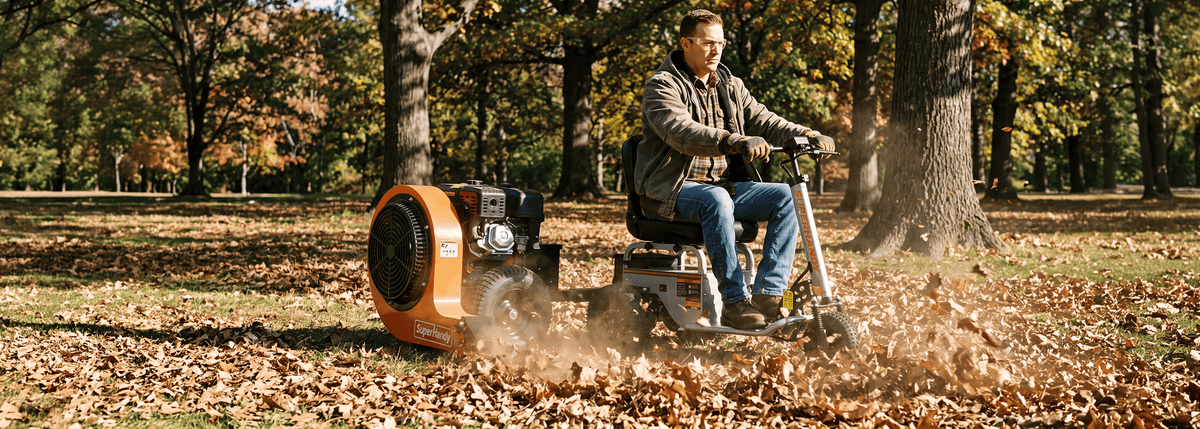
Selecting the right walk-behind leaf blower is crucial for efficiently clearing large properties. The key is to balance engine power, airflow, and the right attachments for the job. Understanding these elements ensures you have the muscle to move heavy, wet debris without wasting time or energy.
Engine Power (CCs) and Fuel Type: Gas vs. Electric for Heavy Debris
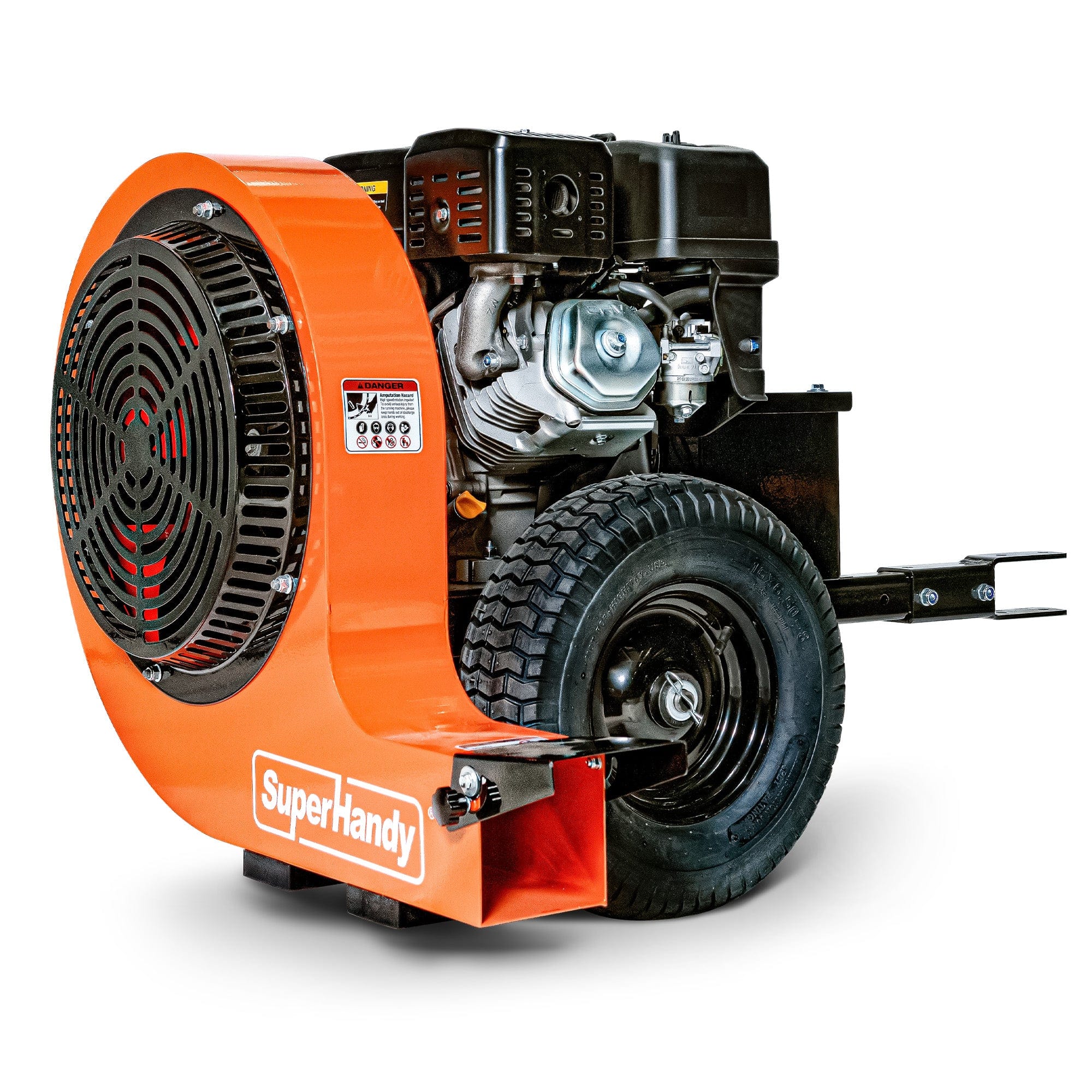
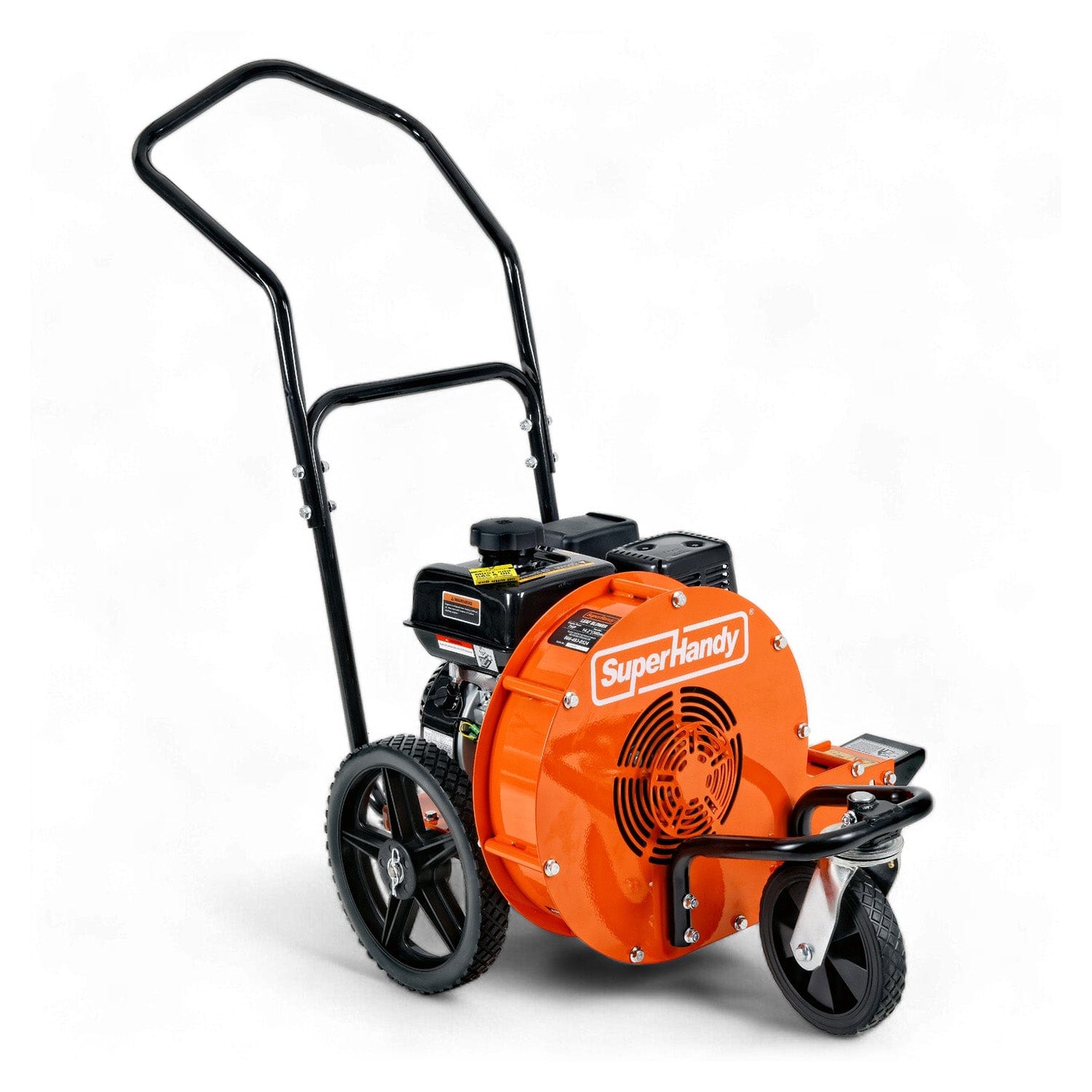
For heavy debris like wet leaves, twigs, and nuts, a gas powered leaf blower is the undisputed champion. Gas engines, measured in cubic centimeters (CCs), provide the sustained power needed for large areas without being tethered to a cord or limited by battery life. A higher CC rating generally means more power to tackle demanding tasks, making it the ideal choice for a commercial-grade Walk-Behind Leaf Blower.
Airflow (CFM) and Airspeed (MPH): Understanding the Metrics for Maximum Efficiency
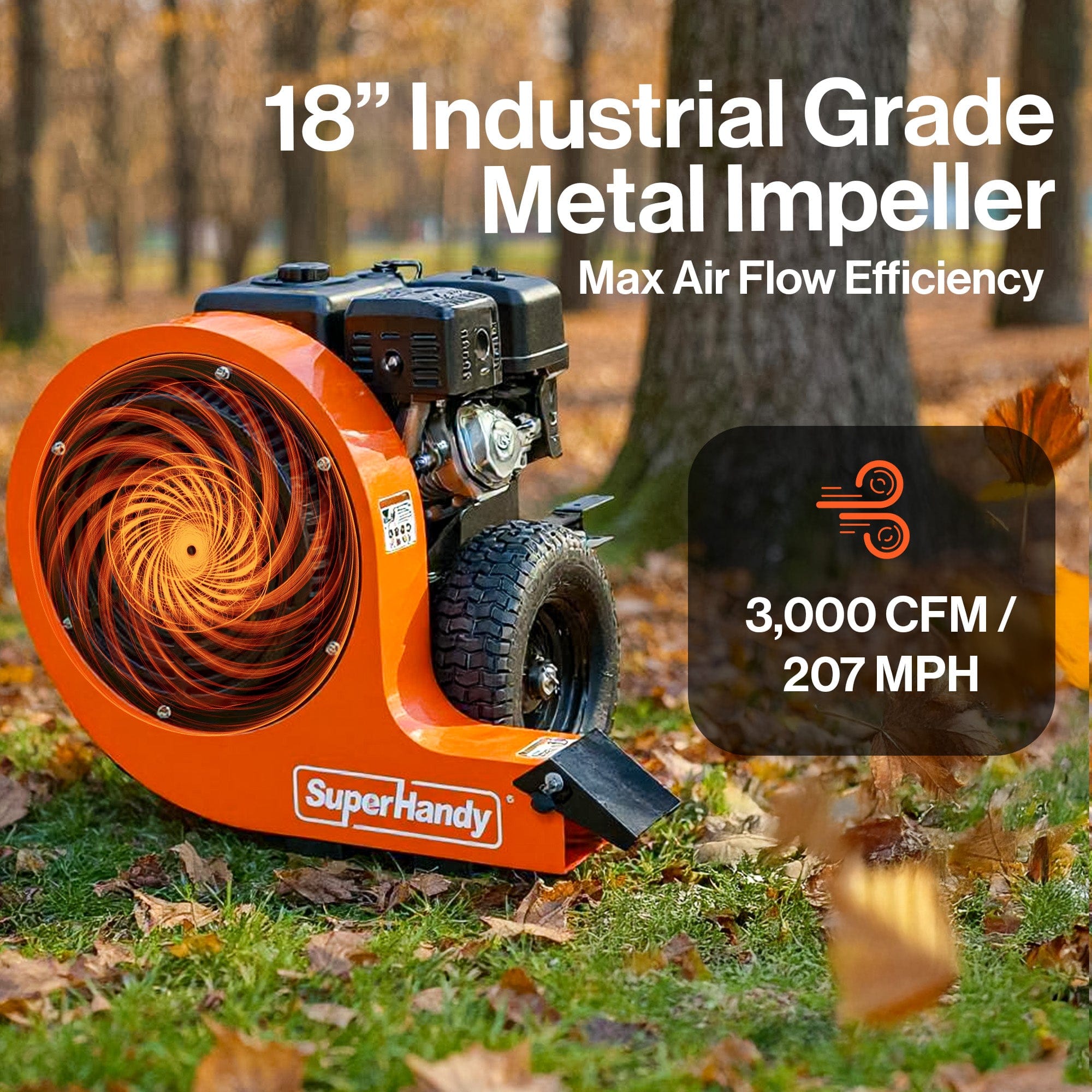
Don't get blown away by the numbers; understanding CFM and MPH is simple. Airflow (Cubic Feet per Minute or CFM) measures the volume of air the blower moves, which is key for pushing large piles of leaves. Airspeed (Miles Per Hour or MPH) measures the speed of that air, which provides the force to lift heavy, wet debris. It's important to adjust your airspeed based on your task, using lower speeds for delicate areas and higher speeds for open lawns.
Nozzle Types and Attachments: Optimizing Your Blower for Different Debris
The right nozzle focuses your blower’s power. A standard round nozzle is great for moving large quantities of dry leaves across a lawn. For stubborn, stuck-on debris, a flat attachment increases airspeed to create a concentrated blast of air. This targeted force is perfect for dislodging wet, matted leaves from pavement or grass.
Pre-Operation Inspection: Ensuring Your Blower is Ready for Action
Before you fire up your Walk-Behind Leaf Blower, a quick 5-minute inspection is crucial for safety and performance. Give the machine a once-over, checking for any loose nuts, bolts, or visibly damaged components. Ensure all guards and safety features are securely in place.
Fuel and Oil Check: Proper Mixing and Levels for Gas-Powered Blowers
For any gas powered leaf blower, always start with fresh fuel; old gasoline can cause starting issues and harm the engine. Check the fuel tank and top it off if needed. At the same time, pull the dipstick to verify the engine oil is at the proper level. This simple check ensures your engine stays lubricated and runs cool.

Air Filter and Spark Plug: Essential Maintenance for Peak Performance
A clogged air filter is a common cause of poor engine performance. Before each use, check the air filter and tap it clean of loose debris. A clean filter allows the engine to breathe, maximizing power. Periodically inspect the spark plug for fouling or wear to ensure a reliable start every time.
Tire Pressure and Wheel Condition: Navigating Uneven Terrain with Ease
Properly inflated tires are essential for maneuvering your walk behind leaf blower across large or bumpy properties. Check the tire pressure against the manufacturer's recommendation. A quick look at the wheels for damage or wear will ensure you can navigate your yard with stability and control.
Safety First: Essential Gear for Operating a Walk-Behind Blower
A powerful gas powered leaf blower can kick up more than just leaves, including dust, small rocks, and twigs. Operating this equipment safely requires a proactive approach that begins before you even start the engine. Always be aware of your surroundings, especially people and pets, and ensure you have a clear, stable path to walk.
Personal Protective Equipment (PPE): What to Wear for Maximum Safety
Before you pull the start cord, gear up. Non-negotiable PPE for operating a walk behind leaf blower includes:
- Eye Protection: ANSI-rated safety glasses or goggles are essential to shield your eyes from high-velocity debris.
- Hearing Protection: Gas engines are loud. Protect your hearing with quality earplugs or over-ear muffs.
- Gloves: Improve your grip and reduce vibrations with a pair of sturdy work gloves.
- Sturdy Footwear: Wear closed-toe shoes or boots with good traction to prevent slips.

Operating Techniques for Large Areas: Efficient Blowing Strategies
To clear a large area efficiently, work with the wind, not against it. Position yourself so the wind is at your back, helping you push debris in your desired direction. Instead of creating one giant, unmanageable mound, blow leaves and debris into long, narrow piles or "windrows." This makes the final collection for bagging or hauling much easier. A powerful Walk-Behind Leaf Blower is ideal for creating these windrows across expansive lawns or parking lots.
Clearing Techniques for Heavy Debris: Tackling Wet Leaves and Twigs
Wet, matted leaves and embedded twigs present a unique challenge. To move this heavy debris, adjust your nozzle to a lower angle. This forces air underneath the pile, lifting it from the ground. Use a steady, side-to-side sweeping motion to peel the layers back. It may take several passes to break everything free. For the most extreme jobs on commercial properties, a Tow-Behind Leaf Blower can provide the additional force needed.
Post-Operation Cleanup and Storage: Maintaining Your Blower for Longevity
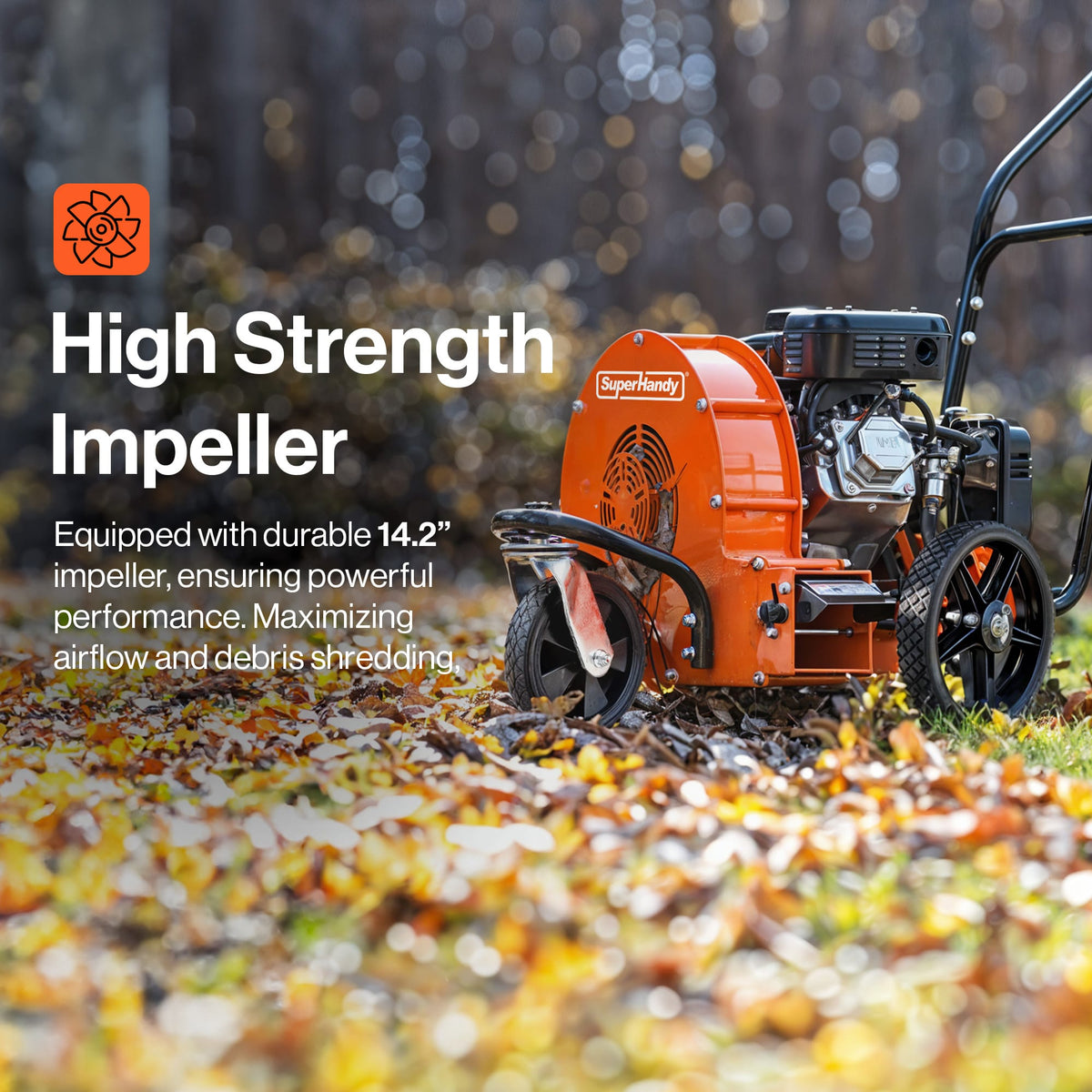
Proper care after each use is crucial for extending the life of your gas powered leaf blower. Once the engine has cooled completely, start by wiping down the entire machine to remove dust, grass clippings, and sap. Pay close attention to the air intake vents and the fan housing, as blockages here can cause the engine to overheat. A stiff brush or compressed air works well for clearing stubborn debris from the cooling fins and nozzle.
For storage, your approach depends on how long the blower will sit idle. If you plan to use it again within a month, adding a fuel stabilizer to the tank is sufficient. For long-term storage (over 30 days), it’s best to drain the fuel tank and run the engine until it stops to clear the carburetor. This prevents fuel from degrading and gumming up the system. Store your Walk-Behind Leaf Blower in a clean, dry, and well-ventilated space. These same principles apply to even larger units, such as a Tow-Behind Leaf Blower, ensuring any equipment investment is protected.
Frequently Asked Questions About Walk-Behind Leaf Blowers
What is the difference between CFM and MPH on a leaf blower?
When evaluating a gas powered leaf blower, you will encounter two primary performance metrics: CFM and MPH. Understanding the distinction is key to selecting a machine with the right power for your property.
CFM (Cubic Feet per Minute) measures the volume of air the blower moves. Think of it as the "how much" a leaf blower can push. A higher CFM rating means the machine can move a larger quantity of leaves and debris at once, making it ideal for clearing wide, open areas more quickly. It determines the size of the pile you can effectively manage.
MPH (Miles Per Hour) measures the speed of the air exiting the nozzle. This is the "how fast" factor, which translates into the force needed to lift heavy, wet, or embedded debris. High MPH provides the power to dislodge stubborn material from turf or pavement.
For a high-performance Walk-Behind Leaf Blower, a strong combination of both is essential. High CFM provides the broad clearing capacity, while high MPH delivers the muscle to tackle the toughest jobs.
Related Products

Leave a comment
All comments are moderated before being published.
This site is protected by hCaptcha and the hCaptcha Privacy Policy and Terms of Service apply.