












Understanding the Challenges of Maneuvering an RV
The RV lifestyle promises freedom, adventure, and the open road. But every seasoned RVer knows there’s a less glamorous side: maneuvering that large, cumbersome vehicle into a tight campsite, a storage unit, or your own driveway. Backing up a travel trailer is a skill that tests patience, spatial awareness, and sometimes, relationships.
The challenges are numerous. Blind spots are significant, making it nearly impossible to see exactly where the rear corners of your trailer are headed. A slight overcorrection of the steering wheel can send the trailer veering off course. This process often involves a spotter, leading to shouted directions, frantic hand signals, and potential miscommunications that can result in frustrating dings, dents, or serious damage to your RV, tow vehicle, or surrounding property. Hitching and unhitching in tight quarters presents its own set of difficulties, requiring you to align the hitch and ball with perfect precision.

What is an Electric Trailer Dolly and How Does it Work?
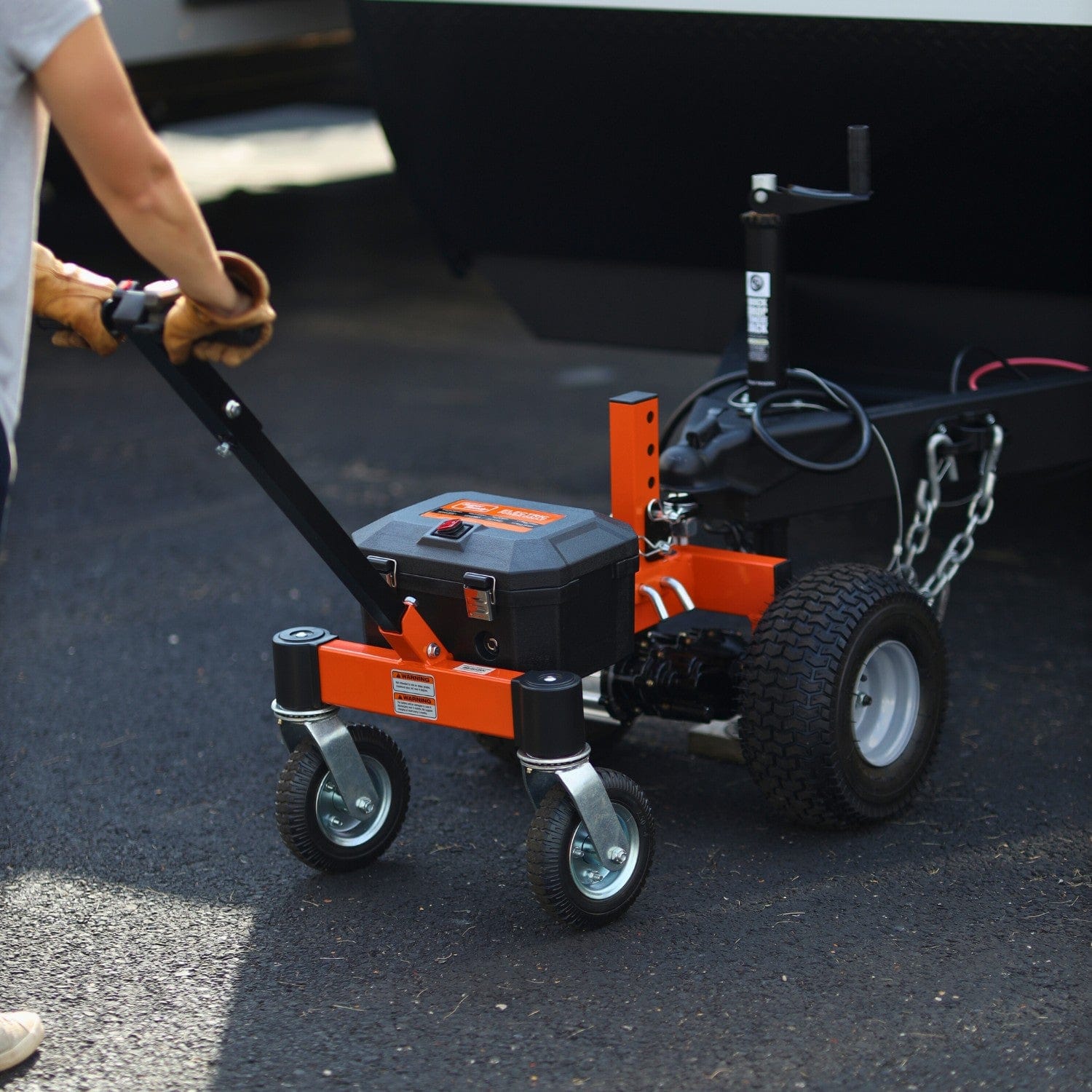
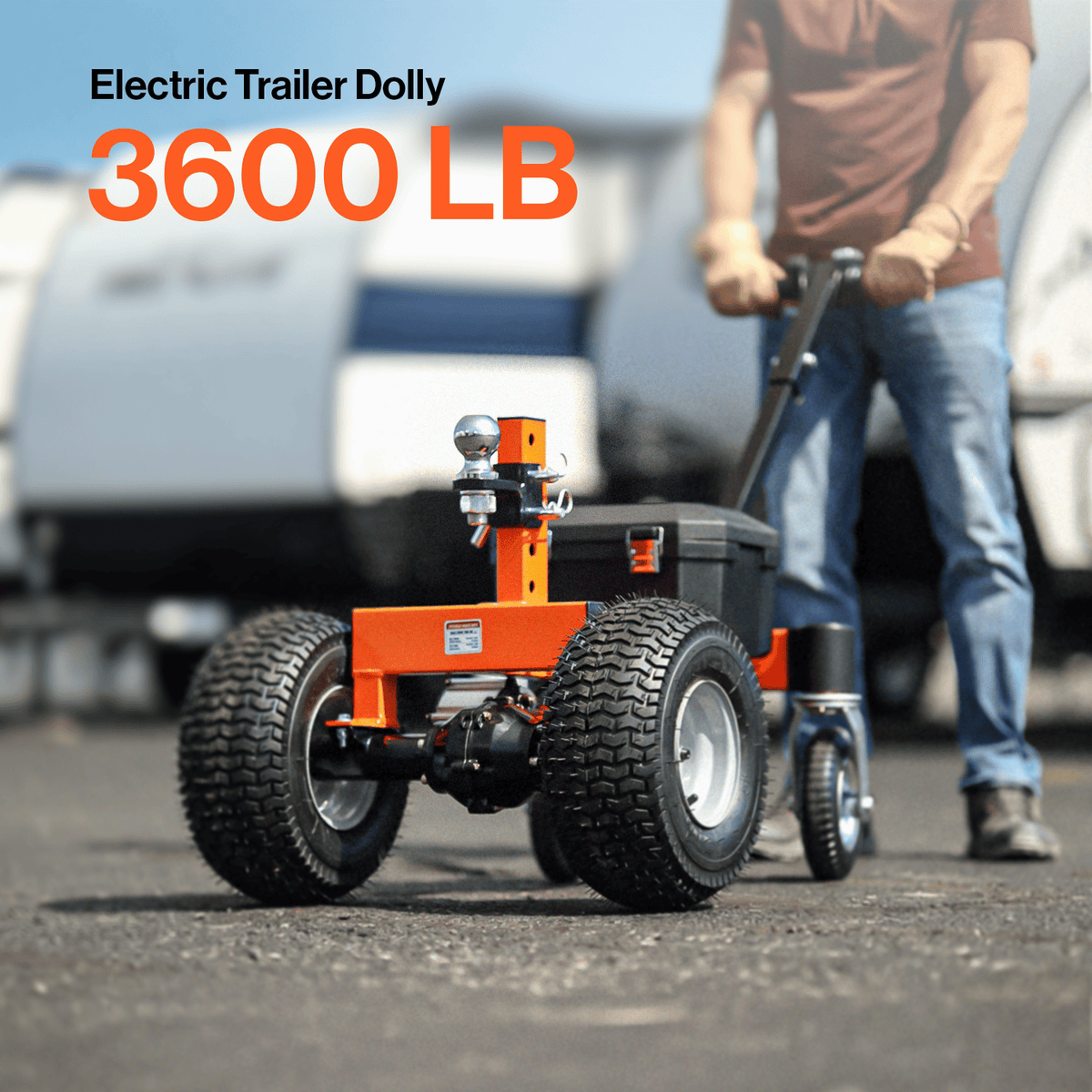
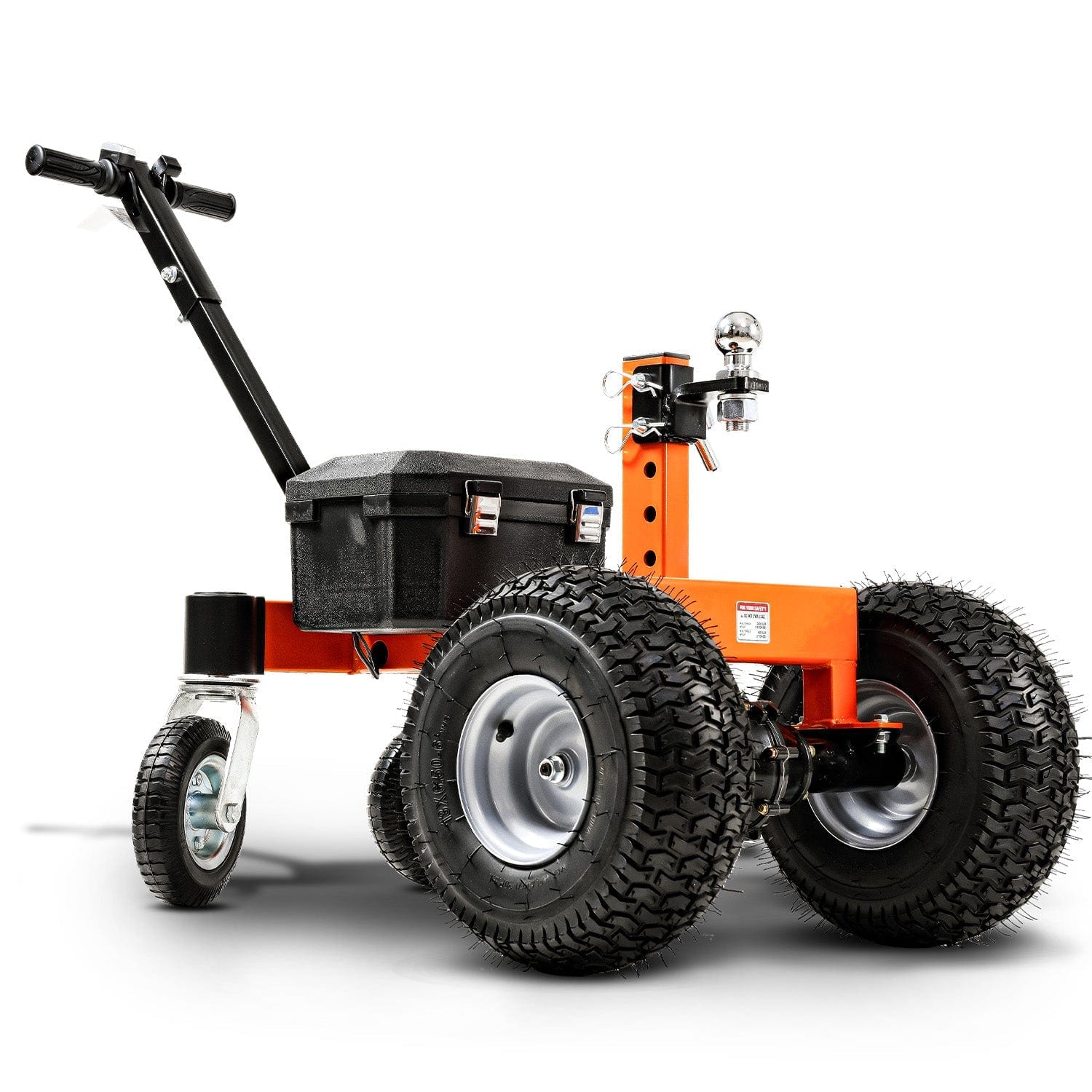
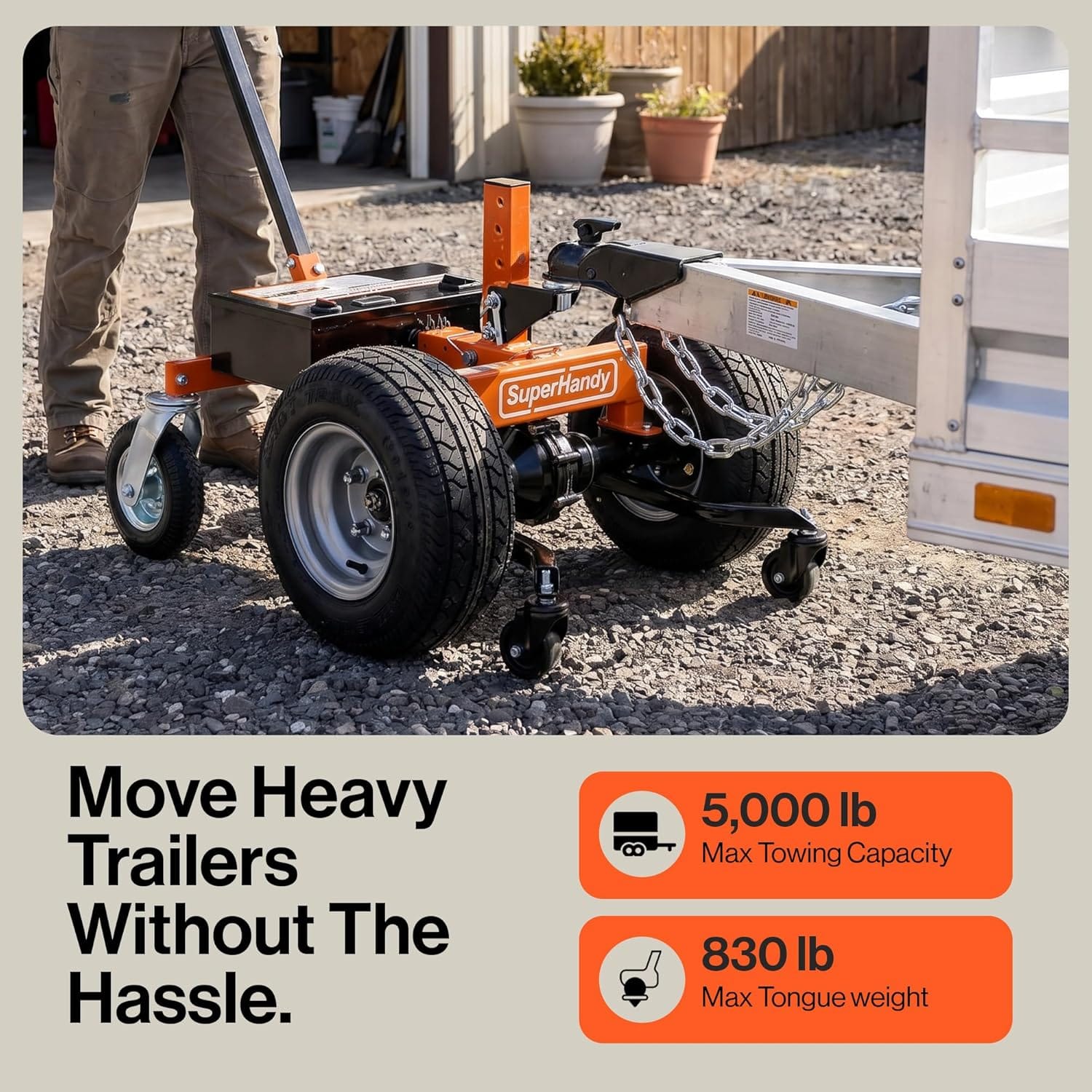
This is where a game-changing tool comes into play: the electric trailer dolly. Think of it as a compact, remote-controlled powerhouse for your trailer. An electric trailer dolly is a motorized device that attaches directly to your trailer's tongue, allowing you to move it with precision without being attached to a tow vehicle.
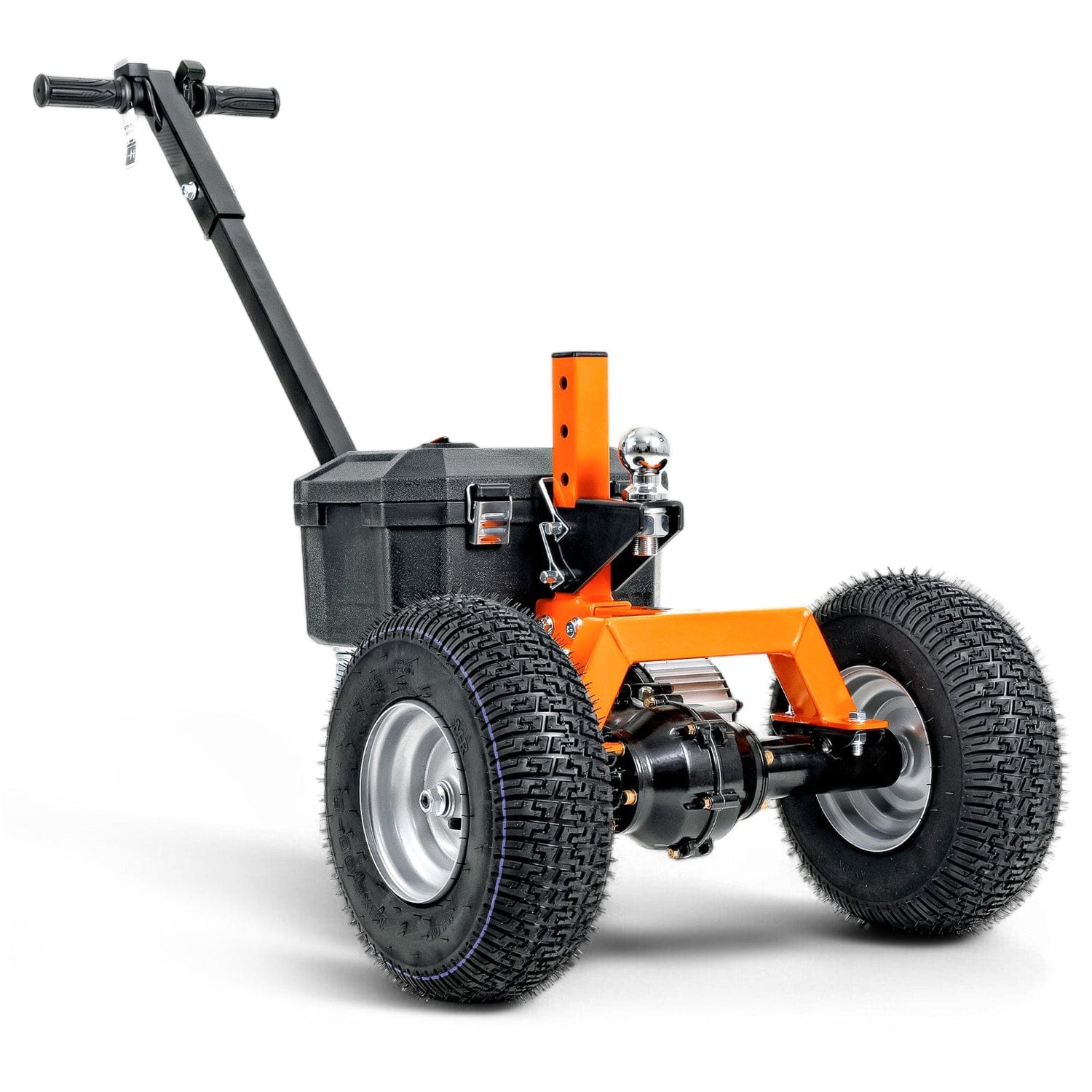
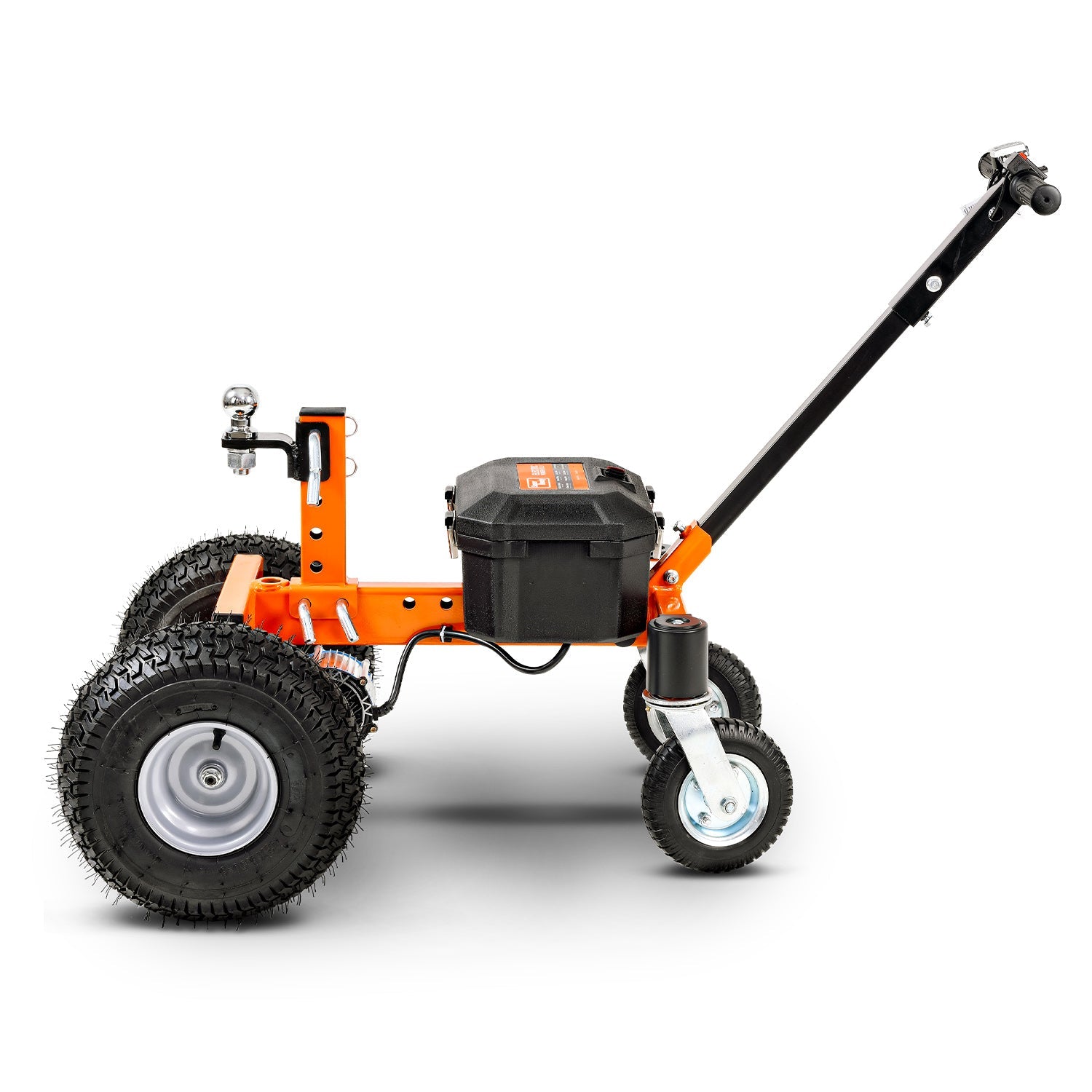
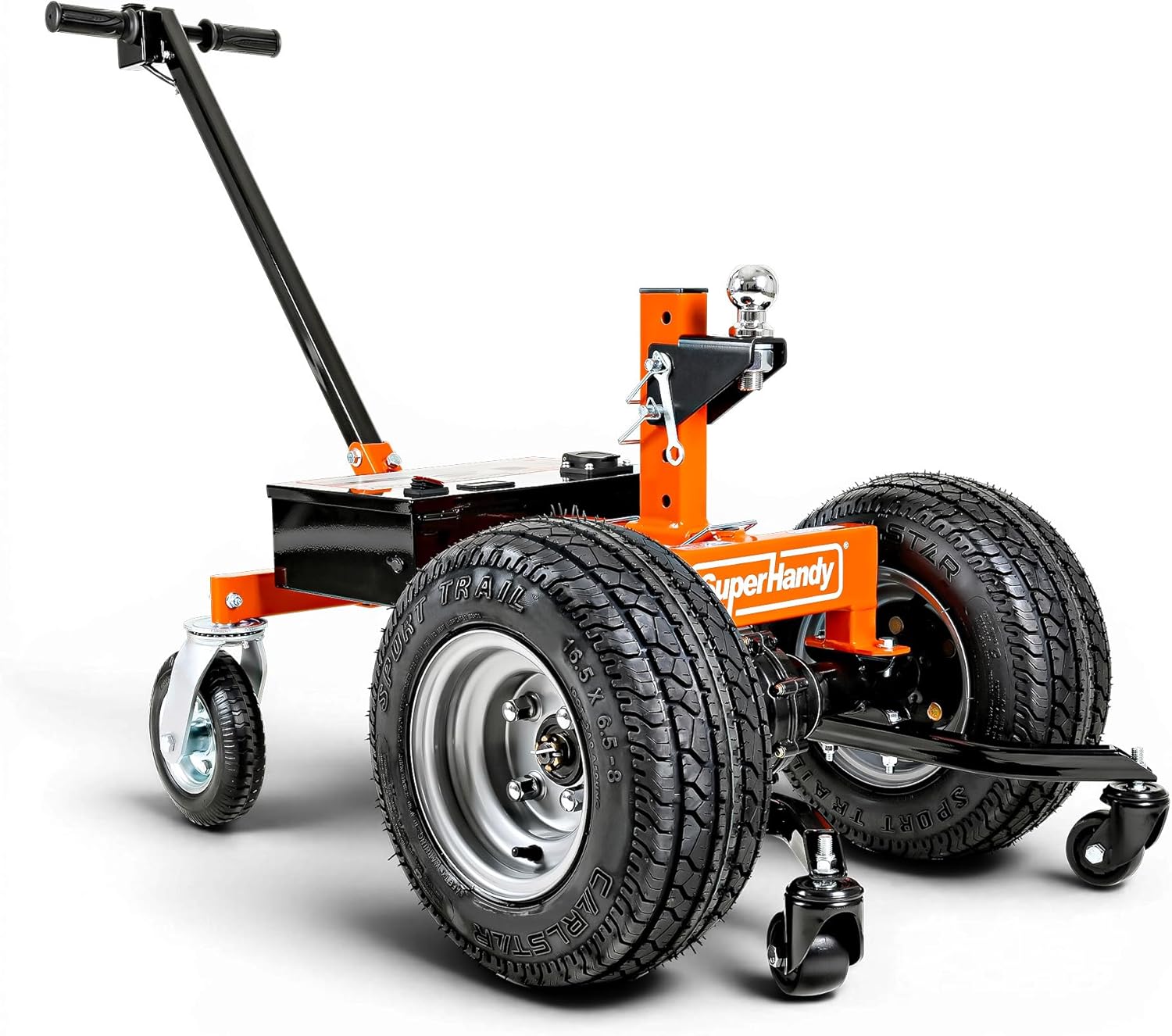
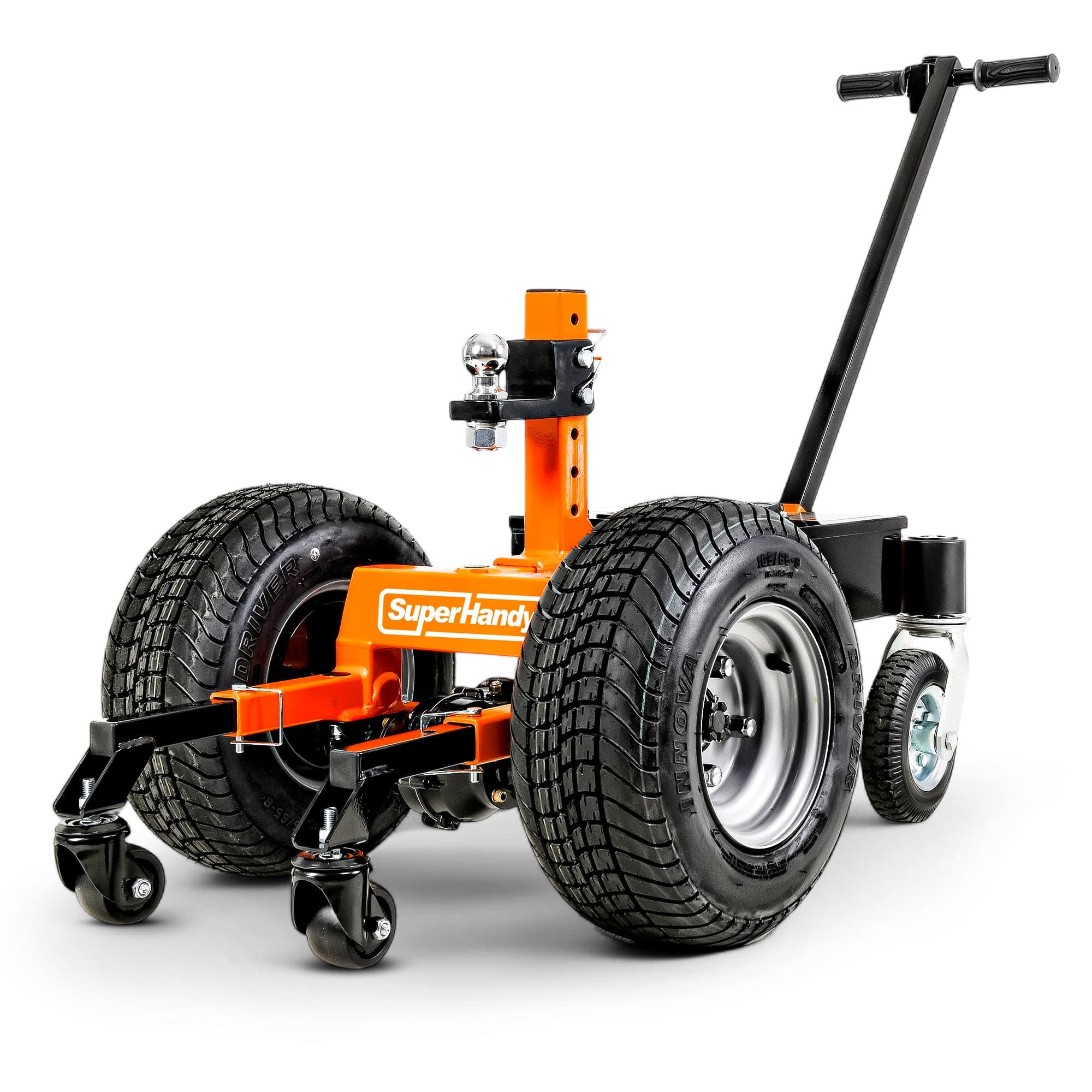
At its core, an electric trailer dolly operates on a simple but brilliant principle. It uses a powerful electric motor, powered by a rechargeable battery, to drive one or more heavy-duty wheels. The user guides the dolly using an ergonomic handlebar that includes controls for forward and reverse motion, and often, variable speed. By connecting the dolly’s ball mount to your trailer's coupler, you gain complete control, able to pivot and place your RV in tight spots with inch-perfect accuracy. This transforms a two-person, high-stress job into a simple, one-person task. A compact model like this 2800lb trailer dolly is perfect for smaller campers and utility trailers.
Key Features to Look For in an Electric Trailer Dolly
Not all electric dollies are created equal. When shopping for one, it’s crucial to match the dolly’s capabilities to your RV’s specifications. Here are the key features to consider:
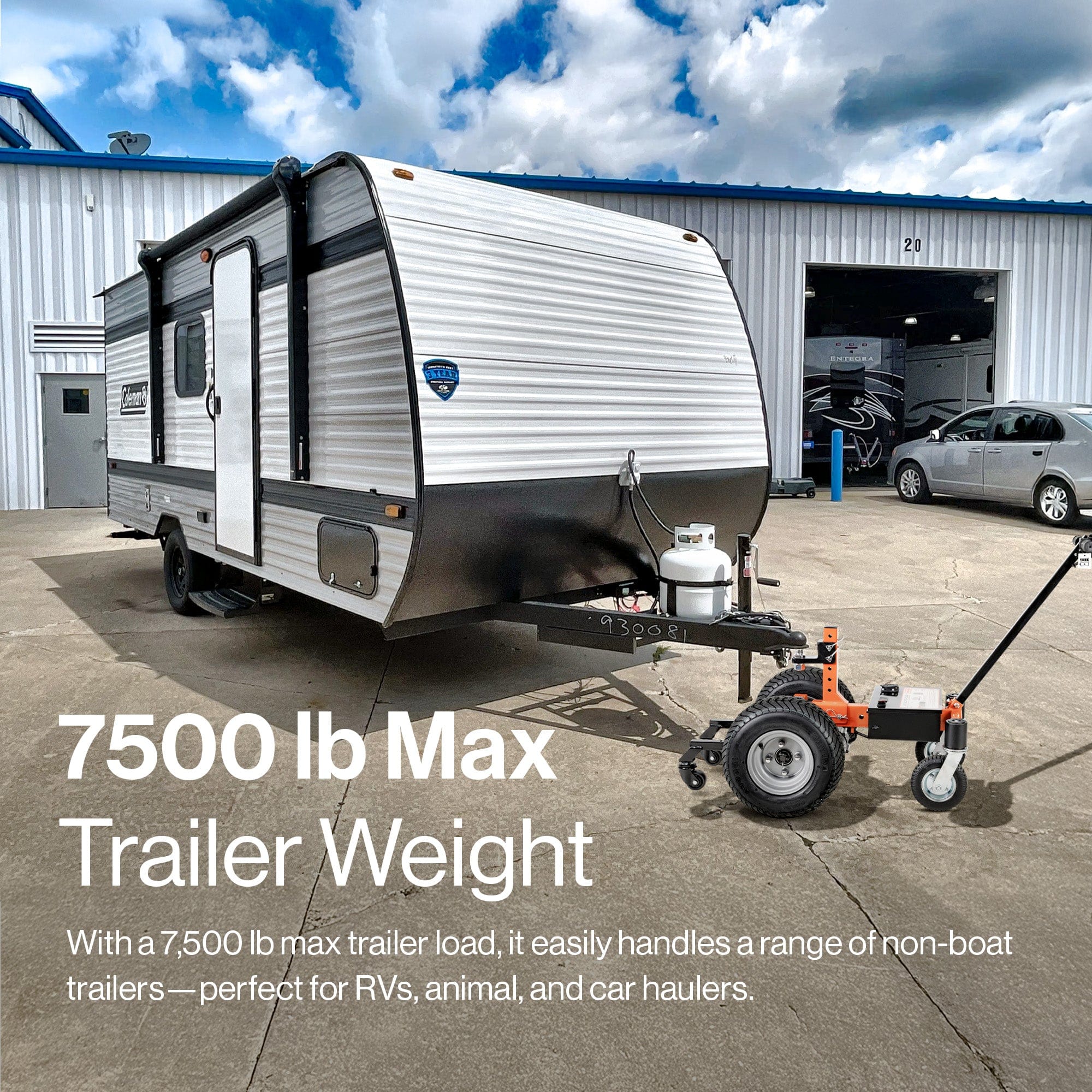
- Towing and Tongue Weight Capacity: This is the most important factor. The dolly’s maximum towing capacity must safely exceed your RV's Gross Vehicle Weight Rating (GVWR). Likewise, ensure its tongue weight rating can handle your trailer’s tongue weight. Options range from models for lighter trailers to a robust 3600lb trailer dolly or a heavy-duty 7500lb trailer dolly for larger rigs.
- Tires: Consider the surfaces you’ll be moving your RV on. While standard tires work well on pavement, all-terrain or pneumatic tires provide superior traction on gravel, grass, and slightly uneven ground.
- Adjustable Ball Mount: A dolly with an adjustable-height ball mount offers greater versatility, ensuring a level connection with your trailer's coupler for safe and efficient operation. Check that it comes with the correct ball size for your trailer.
- Safety Features: Look for an automatic braking system. This critical feature prevents the dolly and your trailer from rolling away, especially on slight inclines, as soon as you release the controls.
Electric Trailer Dolly vs. Manual Dollies: A Comparative Analysis
While manual dollies exist, they are in a completely different league than their electric counterparts. The primary difference is the source of power: your body versus a battery-powered motor.
Pushing or pulling thousands of pounds by hand with a manual dolly requires immense physical effort and is only feasible for the smallest, lightest trailers on a perfectly flat, smooth surface. According to the CDC, overexertion from tasks like pushing and pulling is a leading cause of musculoskeletal injuries. An electric trailer dolly eliminates this physical strain, making the process accessible and safe for everyone.
This difference in power directly impacts control and safety. An electric dolly provides smooth, controlled acceleration and deceleration, allowing for minute adjustments. A manual dolly’s movement can be jerky and difficult to stop, posing a significant risk if it starts to roll on even a minor slope. Electric dollies with automatic brakes and heavy-duty construction are designed to handle substantial weight and varied terrain, offering a level of safety and convenience that manual dollies simply cannot match for the average RV owner.
Benefits of Using an Electric Trailer Dolly for RV Owners
Maneuvering a bulky RV into a tight campsite, a narrow driveway, or a packed storage facility can be one of the most stressful parts of the journey. An electric trailer dolly transforms this challenge into a simple, one-person job. The primary benefit is the significant reduction in physical strain. Instead of wrestling with a heavy trailer, you can guide it with fingertip control, preventing potential back injuries and exhaustion.
This powered assistance also provides unparalleled precision. An electric trailer dolly allows you to make micro-adjustments that are nearly impossible with a tow vehicle, letting you pivot your RV into the perfect spot with ease. This enhanced control not only saves time but also minimizes the risk of costly collisions with fences, posts, or other vehicles. The independence it offers is another major plus; you no longer need to rely on a spotter or coordinate complex back-and-forth movements with a driver.

Choosing the Right Electric Trailer Dolly for Your RV Size and Weight
Selecting the correct electric trailer dolly is crucial for safe and effective operation. The two most important factors to consider are your RV's total weight and its tongue weight.
- Towing Capacity: The dolly’s maximum towing capacity must be greater than your RV’s Gross Vehicle Weight Rating (GVWR). You can find the GVWR on a placard inside a cabinet door or on the exterior of your trailer. For smaller campers and pop-ups, a model like the 2800lb trailer dolly may be sufficient.
- Tongue Weight Capacity: The dolly must also be rated to handle your trailer's tongue weight—the downward force the coupler exerts. This is typically 10-15% of the trailer's total weight. Overloading the dolly's tongue weight capacity can lead to equipment failure. For mid-sized travel trailers, a robust option like the 3600lb trailer dolly provides a good balance of power.
- Heavier Rigs: For larger, heavier RVs that push the limits, you’ll need a heavy-duty unit. A powerful 7500lb trailer dolly ensures you have the muscle to move your rig safely.
Always choose a dolly with capacities that comfortably exceed your RV's specifications to ensure a margin of safety.
Step-by-Step Guide: Operating Your Electric Trailer Dolly Safely
Using your electric trailer dolly is straightforward, but following a safe process is key.
- Prepare the Area: Before you begin, chock the wheels of your RV to prevent it from rolling unexpectedly. Walk the intended path and clear it of any obstacles, pets, or people.
- Attach the Dolly: Lower your trailer's tongue jack until the coupler is slightly above the dolly's ball hitch. Position the dolly underneath and then lower the tongue jack until the coupler is securely seated on the ball. Lock the coupler latch and insert any safety pins.
- Connect and Power On: Raise the trailer's tongue jack completely so the dolly bears the full tongue weight. If your dolly has a separate power switch, turn it on.
- Move with Control: Remove the wheel chocks from the RV. Using the handlebar controls, move the trailer at a slow, steady walking pace. Avoid sudden starts, stops, or sharp turns. If you are new to using a dolly, having a spotter is always a good idea.
- Park and Secure: Once your RV is in the desired position, carefully apply the wheel chocks. Only after the RV is secured should you disconnect the dolly by raising the trailer with the tongue jack and unlatching the coupler.
Maintenance Tips to Ensure the Longevity of Your Electric Trailer Dolly
Proper maintenance will keep your electric trailer dolly performing reliably for years.
- Battery Care: The battery is the heart of your dolly. Keep it charged according to the manufacturer's instructions. If you're storing the dolly for an extended period, like during the winter, proper storage is critical to prevent degradation. For most sealed lead-acid or lithium-ion batteries, this means storing them in a cool, dry place with a partial charge, as full or empty charges can cause stress over time. According to research from Battery University, storing a lithium-ion battery at a 40% charge level can significantly prolong its service life.
- Tire Inspection: Regularly check the air pressure in your dolly’s tires. Inspect the treads and sidewalls for wear, cracks, or damage.
- Keep It Clean: After use, wipe down the dolly to remove dirt, mud, and moisture that can lead to corrosion.
- Lubrication: Check your owner's manual for lubrication points. Periodically applying grease to gears, chains, or pivot points will ensure smooth operation.
- Secure Storage: When not in use, store your trailer dolly in a dry, covered location like a garage or shed to protect it from the elements.

Troubleshooting Common Issues with Electric Trailer Dollies
Even the most robust electric trailer dolly can encounter an occasional issue. Fortunately, most problems are simple to diagnose and fix, getting you back on track quickly. Before you start, always ensure the dolly is on level ground and disconnected from your trailer for safety.
- Dolly Won't Turn On or Loses Power: This is the most common issue and usually points to the power source. First, check that the battery is fully charged. If the dolly stops mid-use, the battery may have been depleted. Next, inspect the battery terminals for a secure and clean connection; corrosion can interrupt power flow. Finally, check the dolly's fuse or circuit breaker. If it has tripped or blown, reset or replace it. Proper battery maintenance is crucial for performance and longevity. As experts from Penn State Extension note, keeping lead-acid batteries charged and cleaning the terminals regularly prevents premature failure and ensures they deliver the power you need.
- Difficulty Moving or Steering: If your dolly struggles to move the trailer or is hard to steer, first check the dolly's tire pressure. Underinflated tires can cause significant drag. Also, assess the ground surface. An electric trailer dolly performs best on firm, relatively level surfaces like pavement or packed dirt. Soft grass, deep gravel, or steep inclines can impede movement. Lastly, confirm you haven't exceeded the dolly's rated tongue weight capacity.
- Wheels Spin But Dolly Doesn't Move: This indicates a loss of traction. The issue could be a slippery surface (wet grass, ice) or improper weight distribution. Ensure there is sufficient tongue weight pressing down on the dolly's ball hitch to give the drive wheels the grip they need to move the load.
Enhancing Your RVing Adventures with an Electric Trailer Dolly
An electric trailer dolly is more than just a parking gadget; it's a transformative tool that fundamentally improves the RV experience. It eliminates one of the most stressful aspects of RV ownership—maneuvering the trailer in tight spaces—and replaces it with confidence and ease.
Imagine arriving at a beautiful, secluded campsite, but the only available spot requires a tight, 90-degree back-in. For many, this is a moment of dread. With an electric dolly, it becomes a simple, one-person job. You can unhitch from your tow vehicle and effortlessly "walk" your RV precisely into place. This opens up a world of possibilities, giving you access to prime locations you might have otherwise passed up.
This newfound precision extends to home storage. Say goodbye to the tense, multi-person effort of backing your trailer up a narrow driveway or into a tight side yard. An electric trailer dolly allows you to navigate these spaces with pinpoint accuracy, saving time, preventing property damage, and eliminating the "parking arguments" that are all too common. Whether you're moving a small teardrop with a 2800lb trailer dolly or positioning a large travel trailer that needs a mighty 7500lb trailer dolly, the result is the same: less stress and more time enjoying your investment.
Real-World Experiences: Testimonials from RV Owners Using Electric Dollies
Don't just take our word for it. Here’s what fellow RVers are saying about how an electric trailer dolly has changed their camping life:
"As a solo RVer in my 60s, backing my 24-foot travel trailer was always the most nerve-wracking part of any trip. I’d have to rely on the kindness of strangers to spot me. My electric dolly gave me back my independence. I can now place my rig perfectly on the pad, by myself, in minutes. It’s been a complete game-changer." – Brenda K., Arizona
"Our driveway is sloped and has a tight turn into the side yard where we store our camper. It used to be a 30-minute, high-stress ordeal. We bought the 3600lb trailer dolly, and now it's a calm, 5-minute task. I just unhitch in the street and drive it right into its spot. Best RV-related purchase we've ever made." – Mark and Sarah T., California
"I love getting the most scenic spot in the campground, and those are often the hardest to get into with a truck. My trailer dolly is my secret weapon. I can pivot the trailer on a dime and tuck it into spaces others can't even attempt. It’s not just practical; it’s incredibly satisfying to use." – David L., Colorado

Frequently Asked Questions About Electric Trailer Dollies
Navigating the world of RV accessories can bring up a lot of questions. To help you make an informed decision, we’ve compiled answers to some of the most common queries about using an electric trailer dolly for your RV.
How do I determine the right weight capacity for my RV's electric trailer dolly?
This is the most critical question, and the answer lies in your RV's tongue weight, not its total gross weight. The tongue weight is the downward force that the trailer tongue exerts on the hitch. An electric trailer dolly is designed to handle this specific load. You can usually find the tongue weight in your RV's manual or on a sticker on the trailer frame. As a rule of thumb, tongue weight is typically 10-15% of the trailer's total weight.
Always choose a dolly with a maximum capacity that comfortably exceeds your trailer's tongue weight. This safety margin ensures the dolly operates without strain, protecting its motor and extending its lifespan. For instance, if you have a small pop-up camper, a 2800lb trailer dolly might be perfect. For mid-sized travel trailers, a 3600lb trailer dolly offers more power, while a heavy-duty 7500lb trailer dolly is built to handle the significant tongue weight of larger RVs and toy haulers.
Can I use an electric trailer dolly on an incline or uneven ground?
Most electric trailer dollies are designed to perform best on firm, level surfaces like pavement or concrete. However, many models can handle slight inclines, typically up to 5 degrees. Anything steeper can cause the drive wheels to lose traction or overwork the motor. If your storage area has a slope, look for a dolly with heavy-duty, all-terrain tires that provide superior grip. Always operate the dolly slowly and cautiously on any grade or uneven surface, and consult the manufacturer's specifications for its specific grade limitations.
Is it difficult to attach the electric trailer dolly to my RV?
Not at all. The process is designed to be quick and user-friendly. You simply use your trailer's tongue jack to raise the coupler, roll the electric dolly into position underneath, and then lower the tongue jack so the coupler rests securely on the dolly's ball hitch. Once you lock the coupler latch, you're ready to go. It’s much simpler and less physically demanding than trying to align a tow vehicle.
How long does the battery last on a single charge?
Battery life depends on the dolly's model, the trailer's weight, the terrain, and how you use it. On average, you can expect around 25-30 minutes of continuous run time from a fully charged battery. This is typically more than enough time to perform several parking or repositioning maneuvers. To maximize battery life, ensure it's fully charged before use and avoid storing it in a discharged state. Many modern dollies feature a battery level indicator on the control handle, so you always know how much power you have left.
What kind of maintenance does an electric trailer dolly require?
Electric trailer dollies are relatively low-maintenance, but a few simple steps will ensure long-term reliability.
- Battery Care: Keep the battery charged as recommended by the manufacturer. For lead-acid batteries, avoid letting them fully discharge.
- Tire Pressure: Regularly check that the tires are inflated to the recommended PSI.
- Cleaning: Wipe down the unit after use, especially if it was operated in dusty or damp conditions.
- Lubrication: Check if the drive chain or gears require periodic lubrication.
- Storage: Store your trailer dolly in a dry, covered location to protect its electrical components from the elements.
Related Products

Leave a comment
All comments are moderated before being published.
This site is protected by hCaptcha and the hCaptcha Privacy Policy and Terms of Service apply.